Artwork
Portrait of a Woman
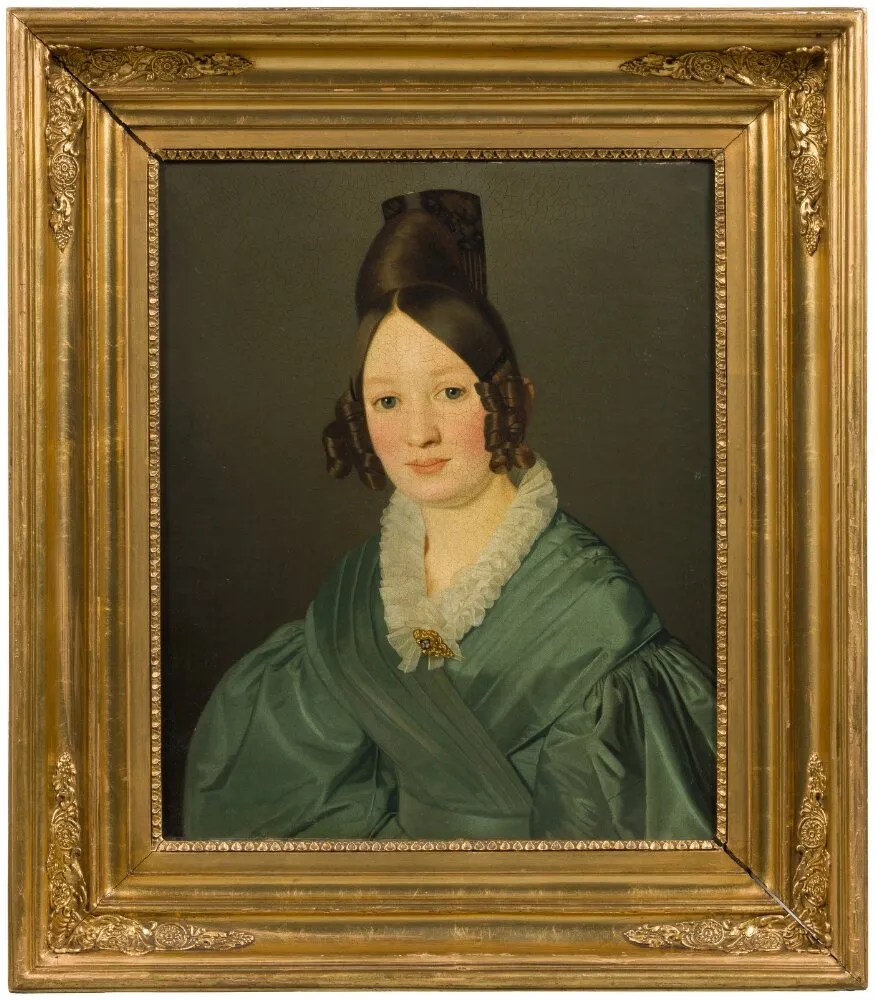
Portrait of a Woman is an oil painting by the German Romanticist artist Niels Peter Holbech. It dates from 1837 and is held in the collection of the Nationalmuseum.
About this work
Overview
The work is part of the Nationalmuseum’s collection in Stockholm, reflecting the period’s emphasis on refined domestic portraiture.
Painted in 1837 by Danish artist Niels Peter Holbech, this oil portrait presents a seated woman in formal attire. The work is part of the Nationalmuseum’s collection in Stockholm, reflecting the period’s emphasis on refined domestic portraiture. Holbech, known for his precise rendering of texture and quiet composition, captures his subject with restrained elegance, typical of Nordic academic traditions of the era.
Subject & Meaning
The woman, identified only by her presence, is depicted with composure and dignity. Her dark, curled hair and high-collared green dress, accented by a brooch, signal social standing and attention to contemporary fashion. The absence of props or symbolic elements focuses attention on her expression and posture, suggesting a portrait intended to convey personal gravitas rather than narrative or status markers.
Technique & Style
Holbech employed oil paint with subtle gradations to model the woman’s face and fabric folds, emphasizing tactile realism. The dark gray background isolates the figure, enhancing three-dimensionality. The ruffled collar and brooch are rendered with fine brushwork, while the dress’s green tones are muted, avoiding flamboyance. These choices align with early 19th-century portraiture’s preference for understated refinement over theatricality.
History & Provenance
The painting entered the Nationalmuseum’s collection in the 19th century, likely acquired as part of a broader effort to document Danish and Nordic artistic output. Its attribution to Holbech is well-documented through stylistic analysis and archival records. No significant alterations or restorations are recorded, preserving its original condition and intent.
Context
Created during a period when portraiture remained central to bourgeois identity in Scandinavia, the work reflects the influence of Neoclassical ideals—clarity, restraint, and emotional reserve. Holbech, trained in Copenhagen and influenced by German and French academic models, contributed to a regional tradition that prioritized psychological presence over ornamentation in civilian portraiture.
Legacy
Though not widely exhibited outside institutional settings, the portrait exemplifies Holbech’s contribution to Danish portraiture. It remains a reference for studies of Nordic middle-class aesthetics in the 1830s. Its quiet intensity continues to inform interpretations of how identity was visually constructed in pre-industrial Scandinavian society.
Artist & collection
Artist
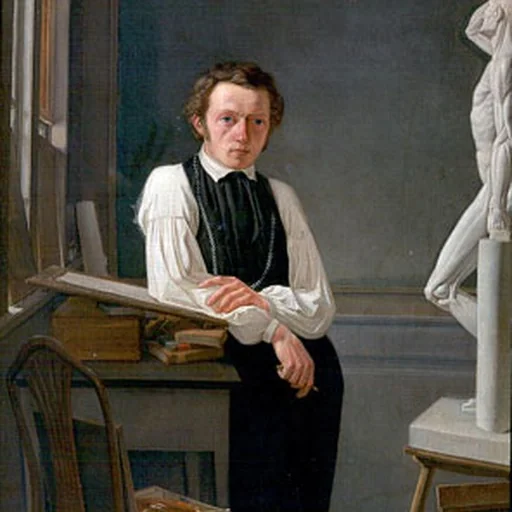
Niels Peter Holbech (1804–1889) was an artist, born in Dutch East Indies.

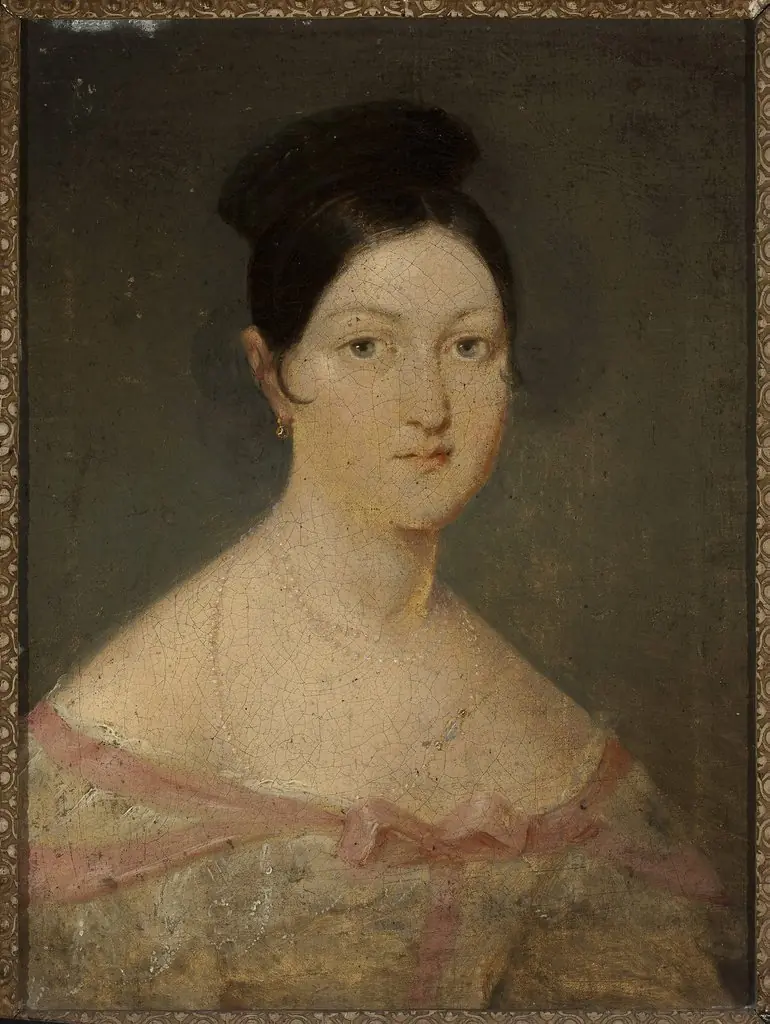 Portrait of a woman
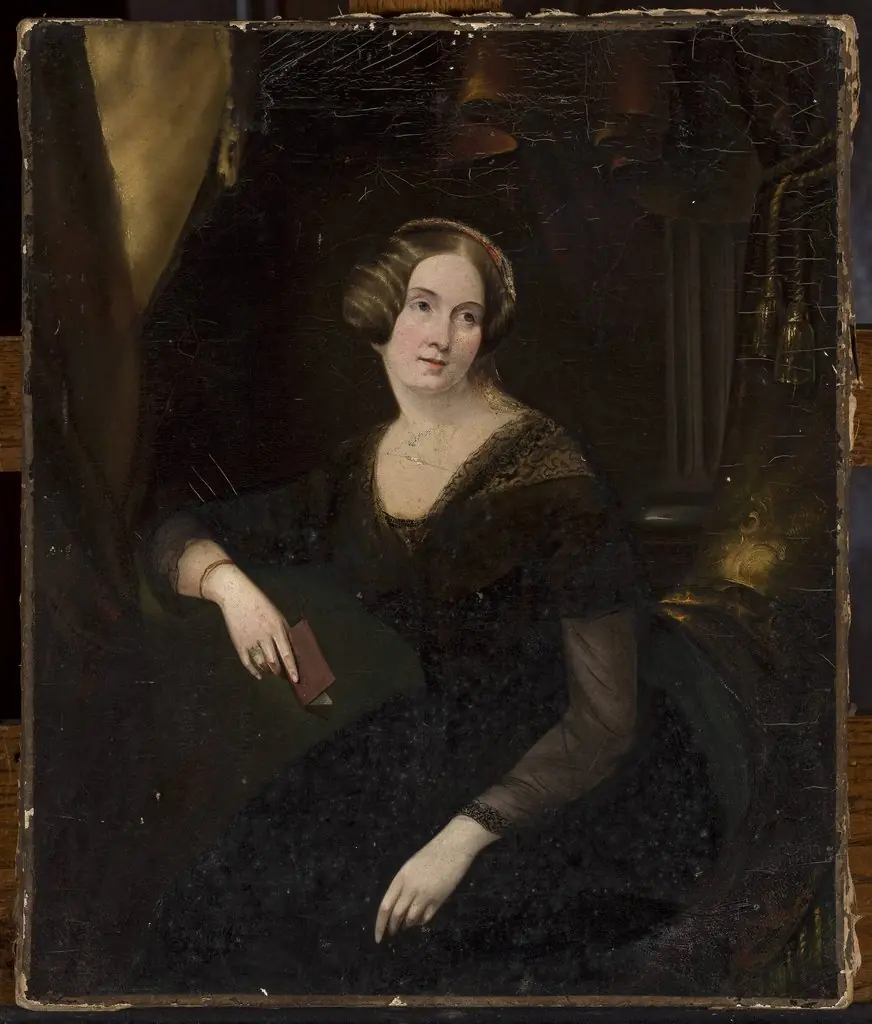 Portrait of a woman
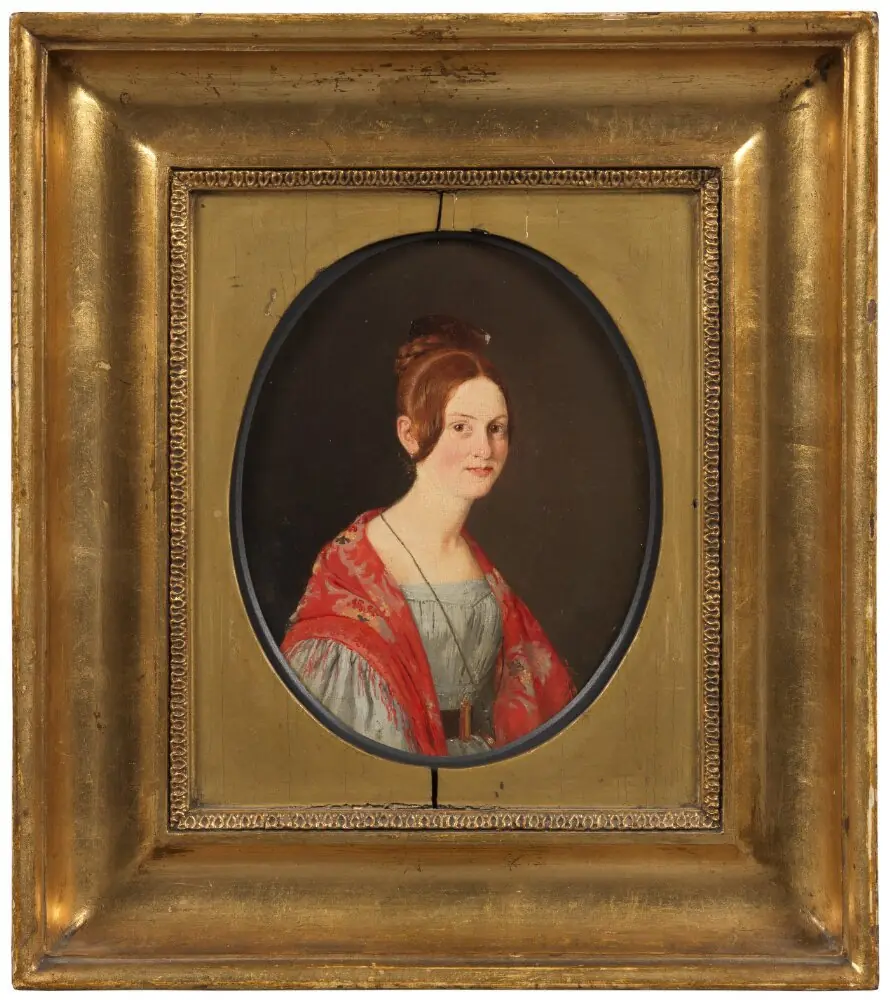 Portrait of Ane Elisabeth (Elise) Gurlitt, né Saxild (1817-39)
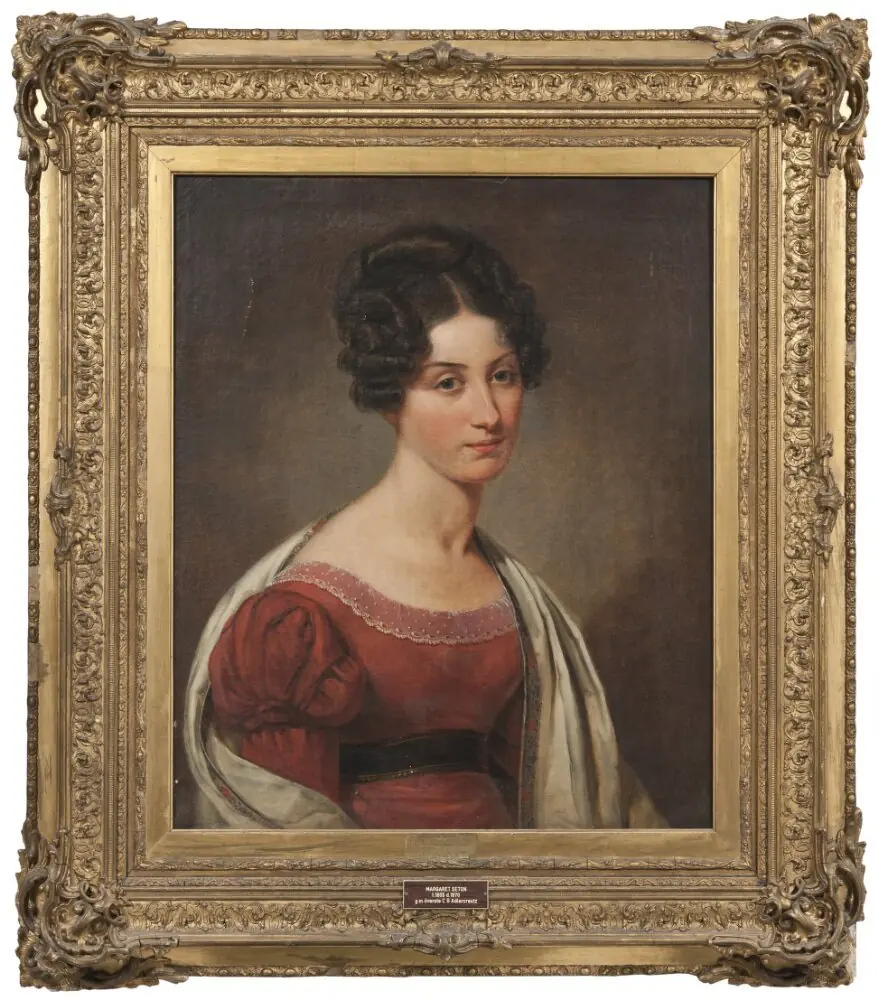 Margaret Seton (1805-1870), född i Skottland, verksam i Sverige, g.m. friherre överste Carl Gustaf Adlercreutz, sondotter till Alexander Baron Seton
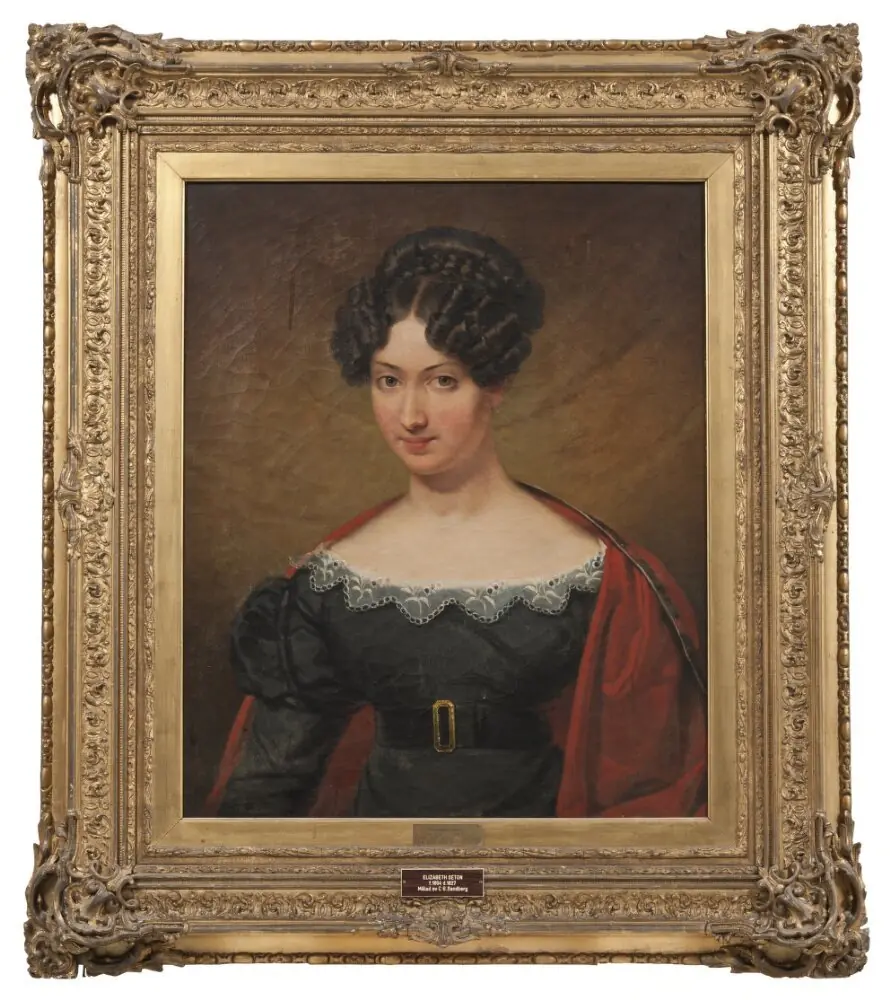 Elizabeth Seton (1804-1827), stiftsjungfru, sondotter till Alexander Baron Seton
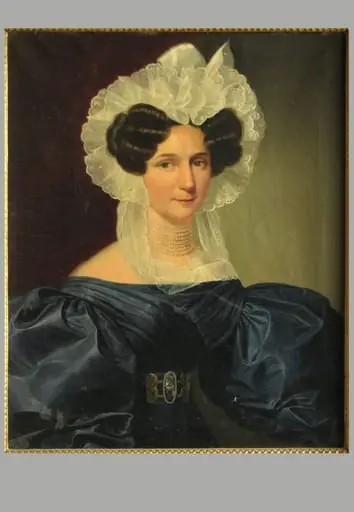 Maria Streidlin (în registrul inventar: Portret de femeie). Pandant: Portret de bărbat
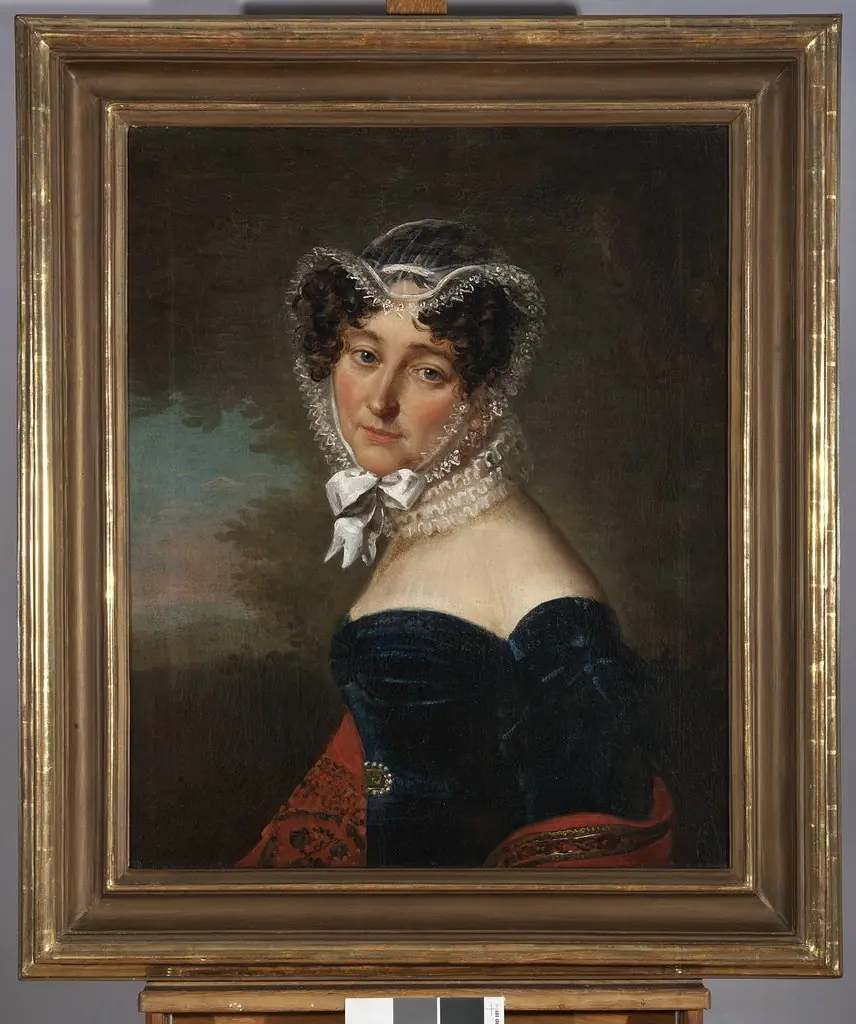 Portrait of Józefa Węgleńska née Tyrowska
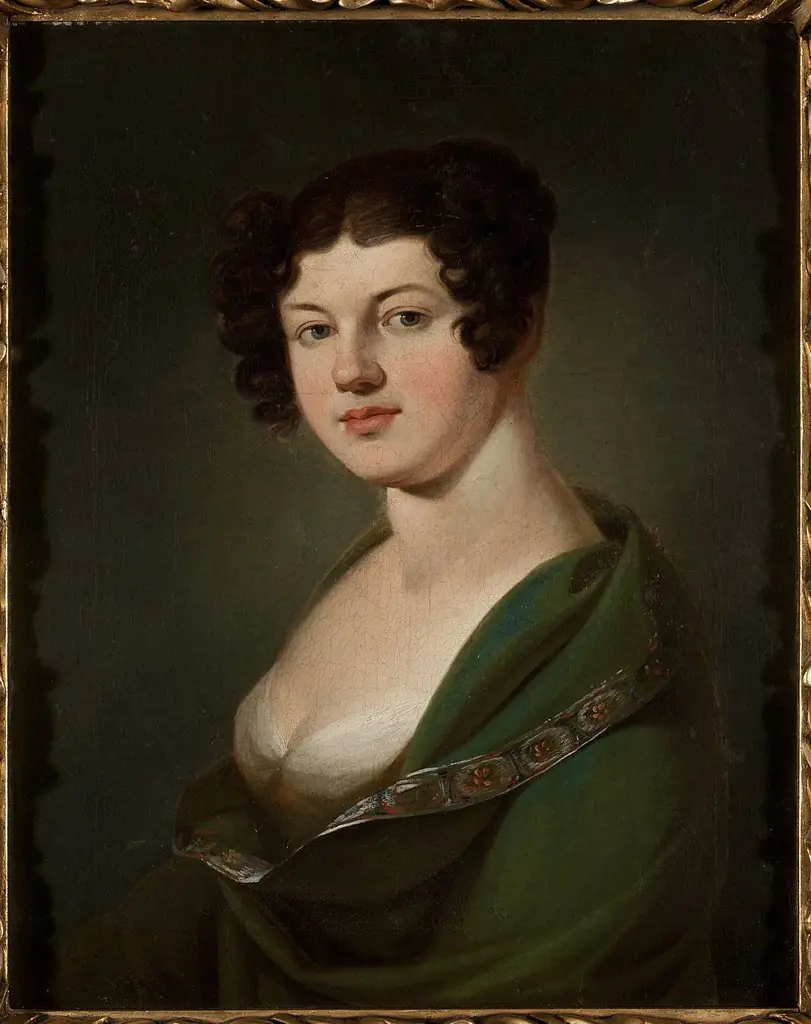 Portrait of Aniela Nowicka née Popławska
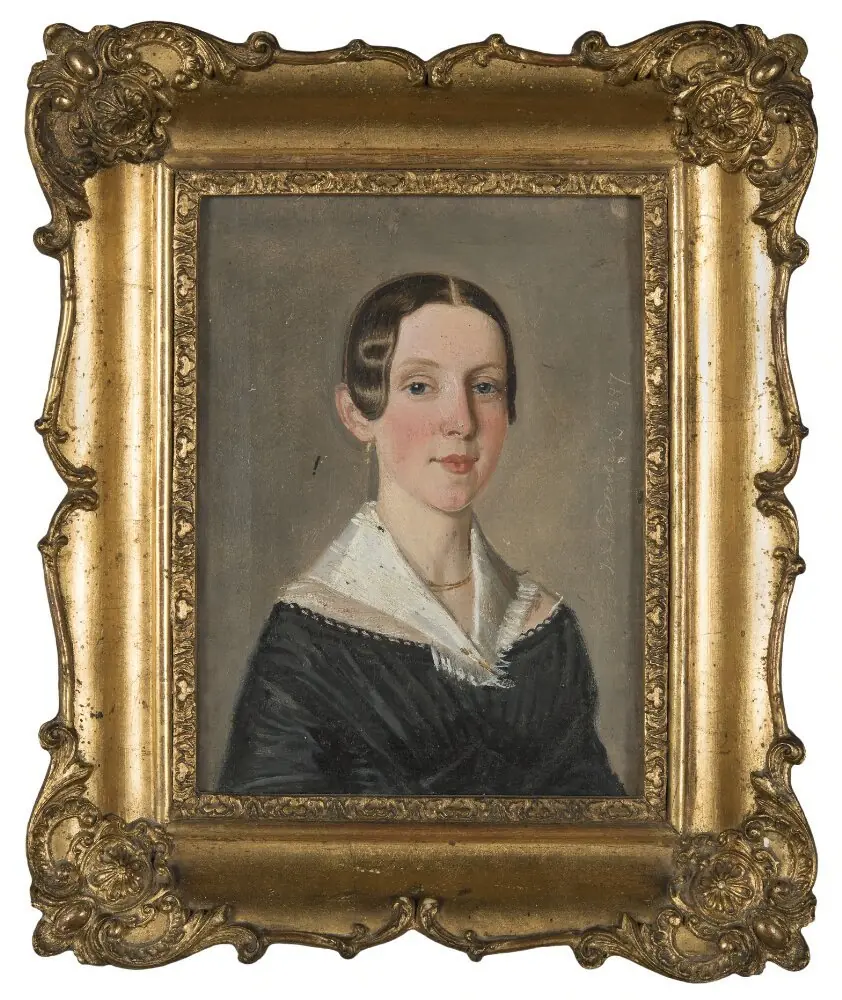 Elise Ljungman, m. Paint Manufacturer and the Director of an Orphanage Signeul in Uddevalla
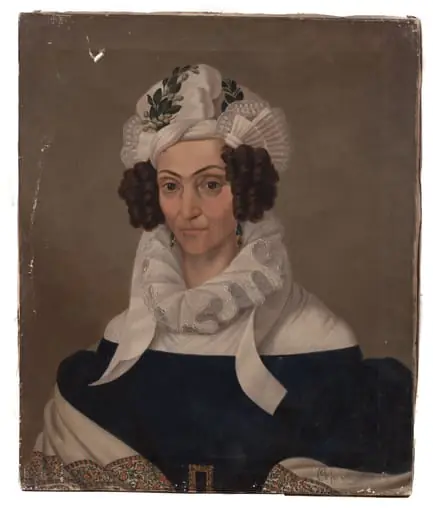 Logofeteasa Safta Cantacuzino (copie după Stawski)
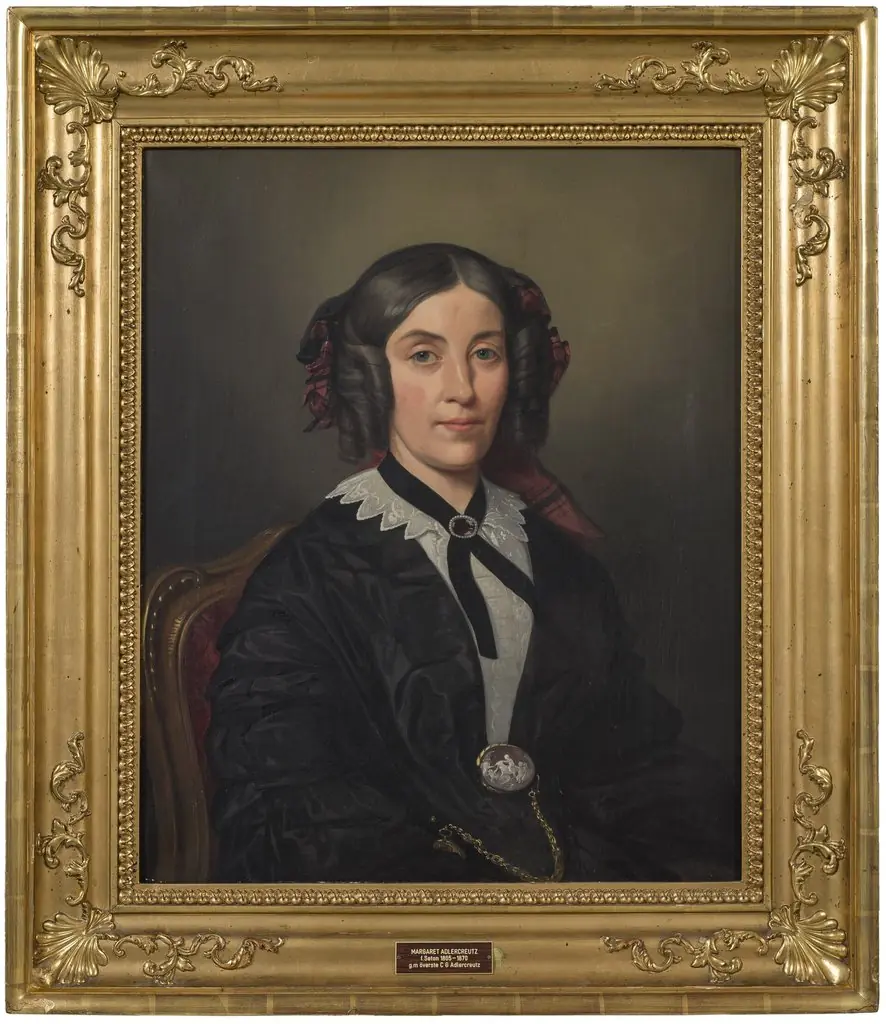 Margaret Seton (1805-1870), född i Skottland, verksam i Sverige, g.m. friherre överste Carl Gustaf Adlercreutz, sondotter till Alexander Baron Seton
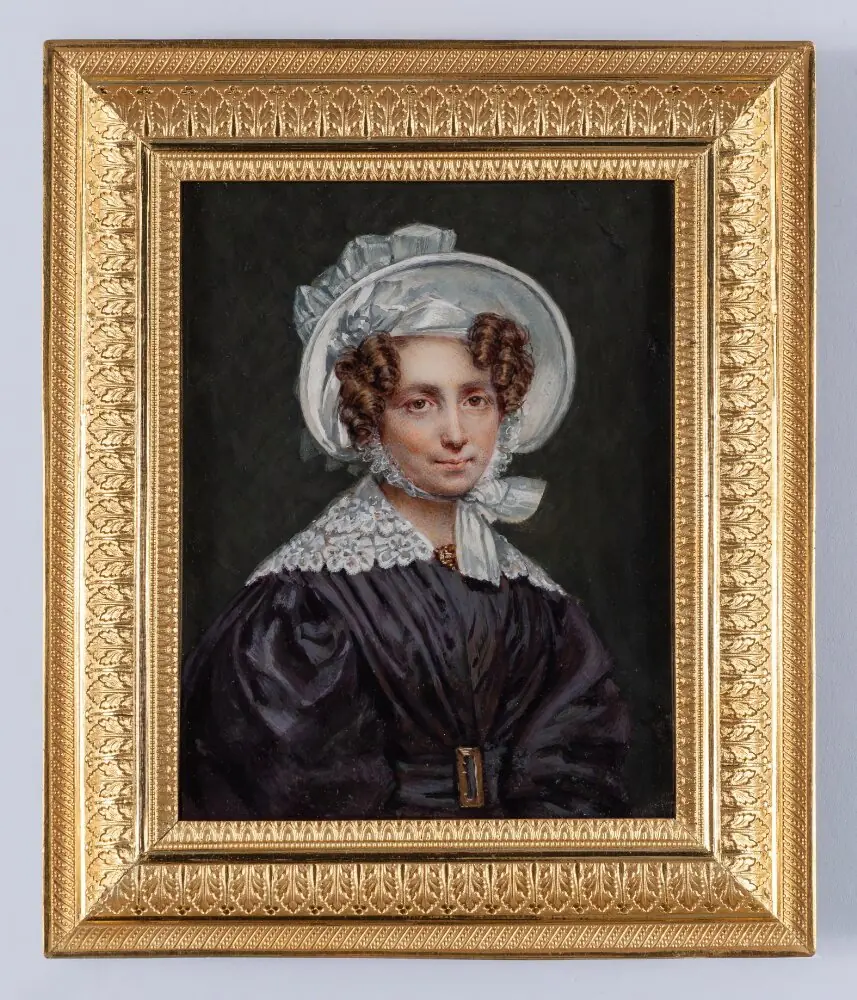 Porträtt av ung kvinna i en violett klänning med vit spetskrage