Artwork
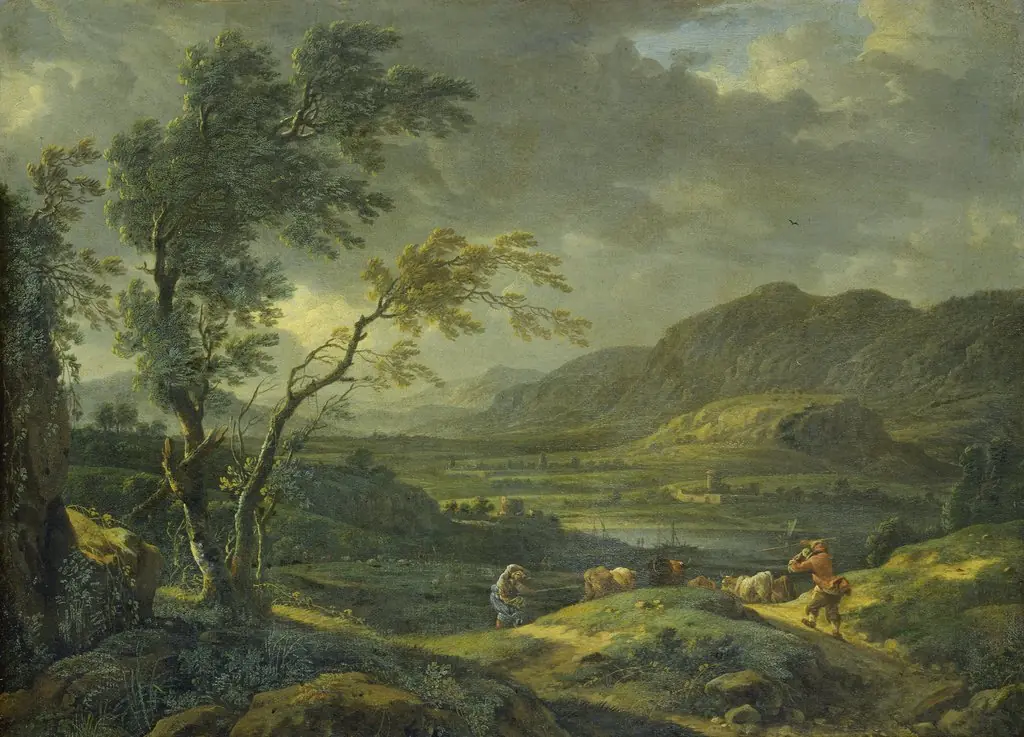
Seelandschaft mit Gewitter
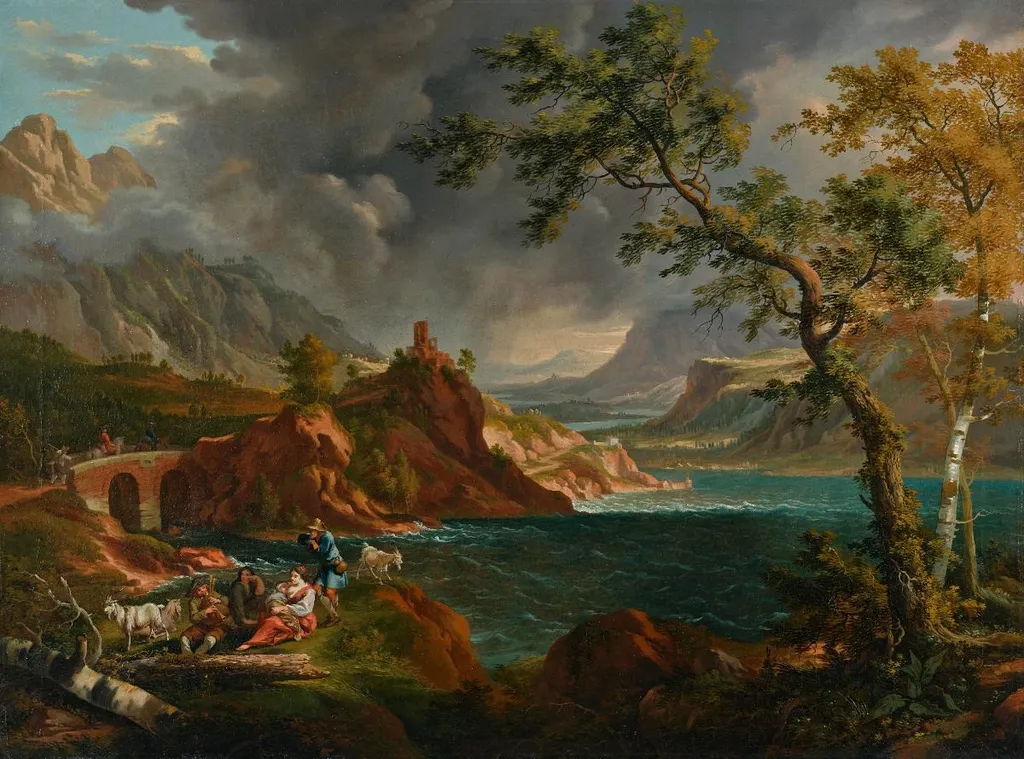
Seelandschaft mit Gewitter is an oil painting by Johann Balthasar Bullinger. It dates from 1752 and is held in the collection of the Kunsthaus Zürich.
About this work
Overview
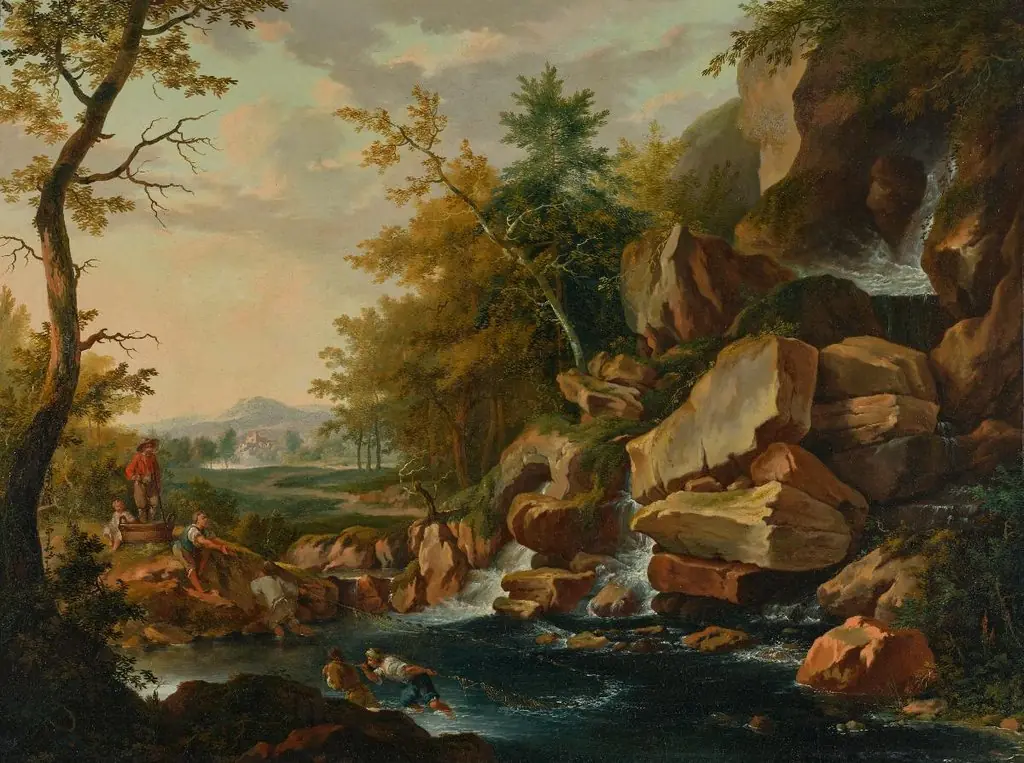
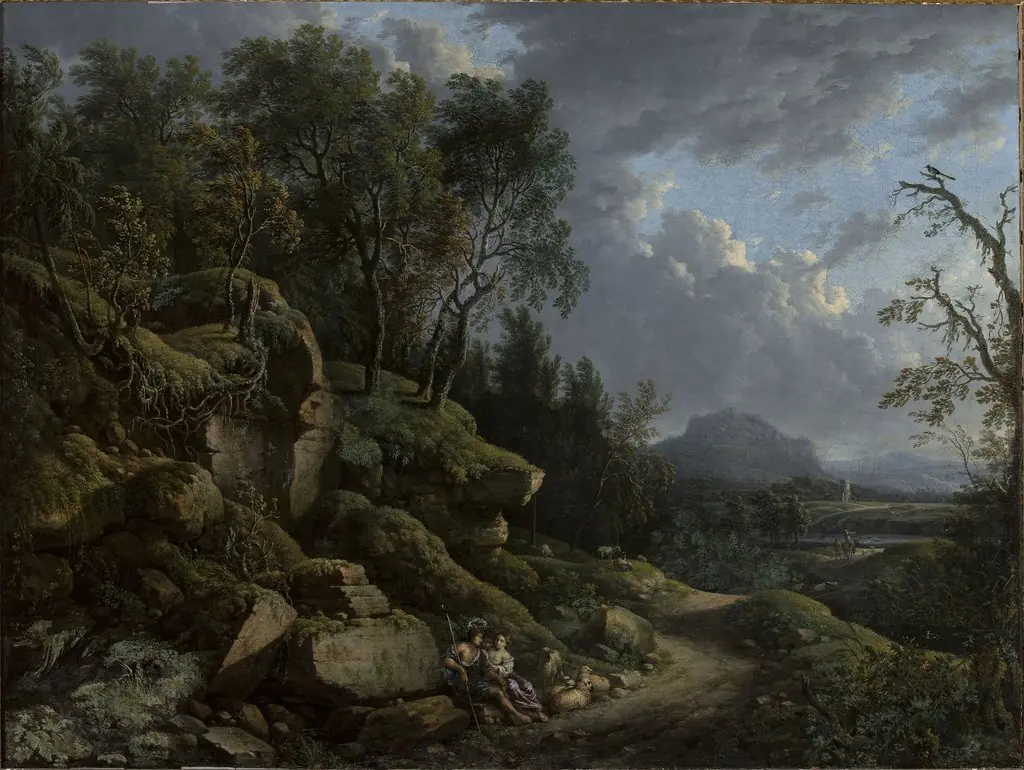
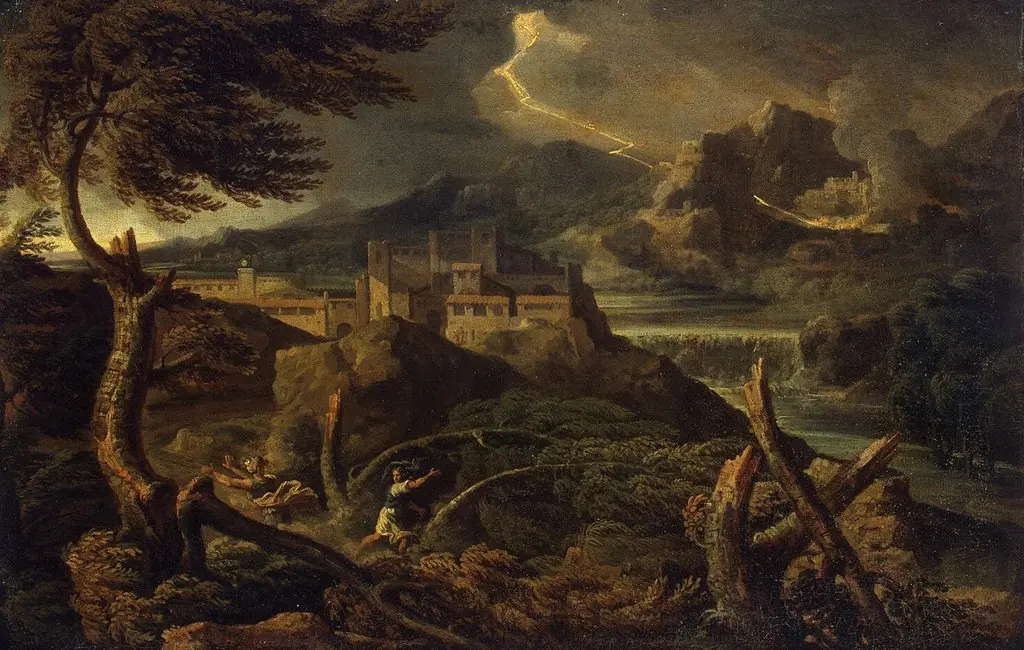
Painted in 1752, Seelandschaft mit Gewitter is an oil-on-canvas landscape by Swiss artist Johann Balthasar Bullinger. It depicts a mountainous lakeside scene under a brewing storm, capturing nature’s power through shifting light and atmospheric tension. The work is part of the collection at Kunsthaus Zürich, where it remains a representative example of 18th-century Swiss topographical painting.
Subject & Meaning
The scene reflects a contemplative relationship between humanity and the forces of nature, common in Enlightenment-era landscape sensibilities.
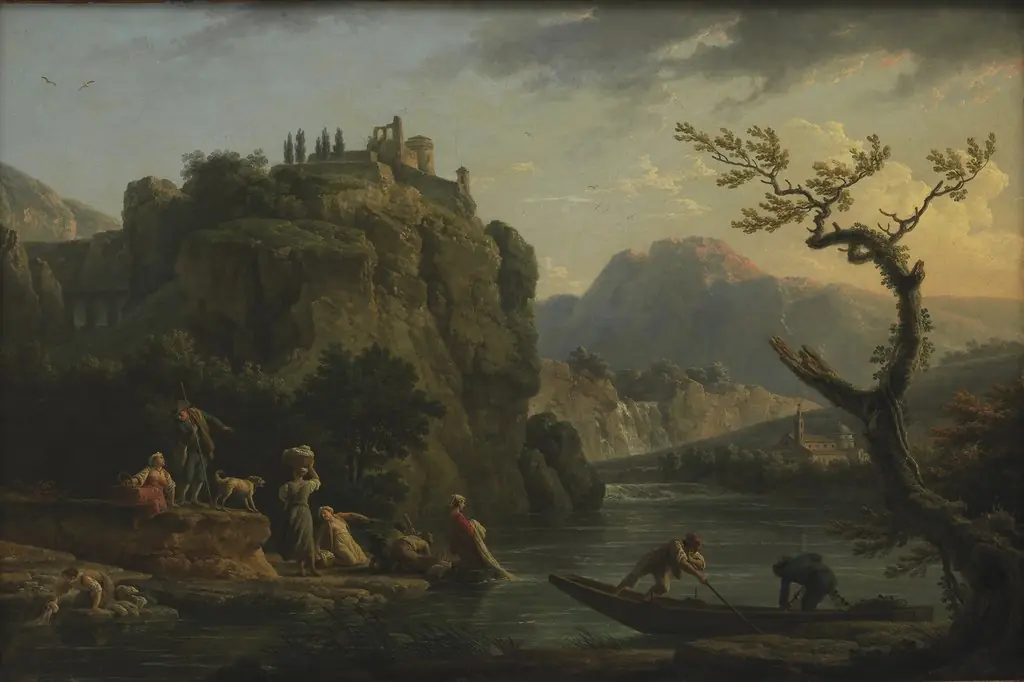
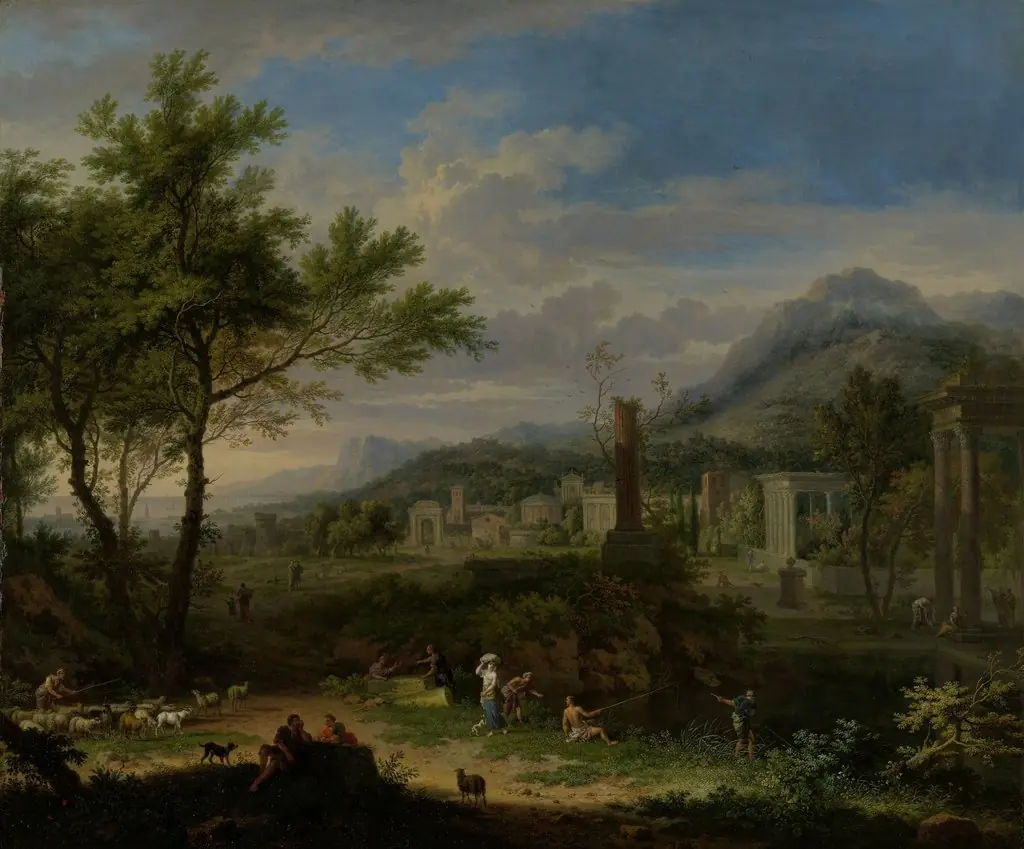
The painting portrays a quiet moment of human and animal presence beside a body of water, contrasted with an approaching tempest. Figures and livestock gather near the shore, their stillness emphasizing the looming weather. A stone bridge links the two banks, suggesting passage and connection amid instability. The scene reflects a contemplative relationship between humanity and the forces of nature, common in Enlightenment-era landscape sensibilities.
Technique & Style
Bullinger employs layered oil glazes to render the sky’s turbulence and the water’s reflective surface. Dark, sweeping clouds dominate the upper third, while the foreground is rendered with tighter brushwork to ground the composition. The mountains recede into misty distance through atmospheric perspective, a technique rooted in Dutch and Swiss landscape traditions. His palette favors muted earth tones punctuated by flashes of lightning and wet stone.
History & Provenance
Created in 1752, the painting remained in private Swiss collections before entering the Kunsthaus Zürich’s holdings. Its documented history is limited, but its stylistic consistency with Bullinger’s other known works supports its attribution. The museum acquired it in the 19th century as part of a broader effort to preserve regional artistic heritage, though its exact path from studio to collection remains unclear.
Context
Bullinger worked during a period when Swiss artists increasingly turned to native landscapes as subjects, moving away from idealized Italianate views. His paintings reflect local topography and weather patterns with observational precision. This work aligns with emerging Enlightenment interests in nature’s sublime qualities and the scientific study of meteorology, even as it retains a poetic, human-centered perspective.
Legacy
Though not widely known beyond Swiss art circles, Seelandschaft mit Gewitter exemplifies the quiet intensity of 18th-century regional landscape painting. It contributes to the understanding of how Swiss artists interpreted their environment with both scientific observation and emotional restraint. The painting continues to inform studies of pre-Romantic nature representation in Central Europe.
Artist & collection
Artist
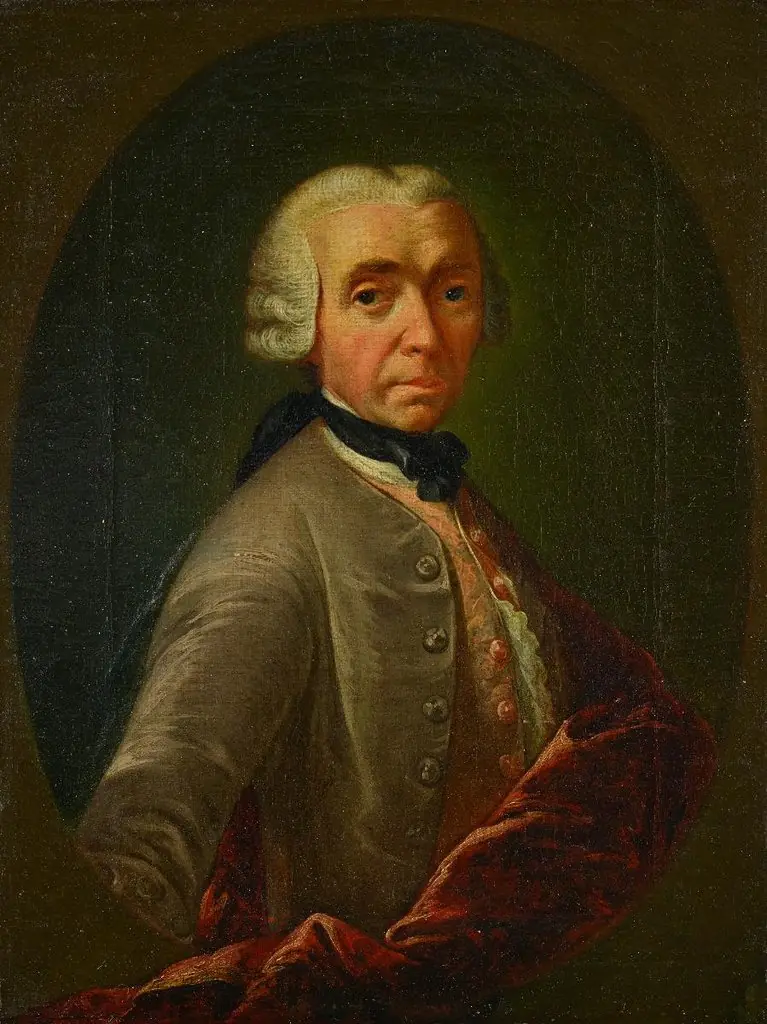
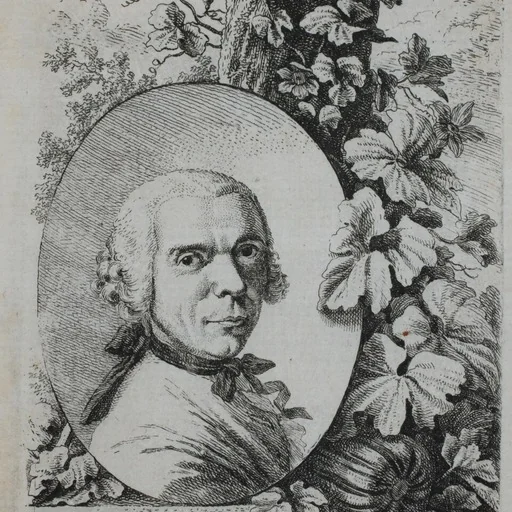
Johann Balthasar Bullinger (1713–1793) was an artist, born in Langnau am Albis.