Artwork
Portrait of Emmanuel van Speybrouck-Coutteau
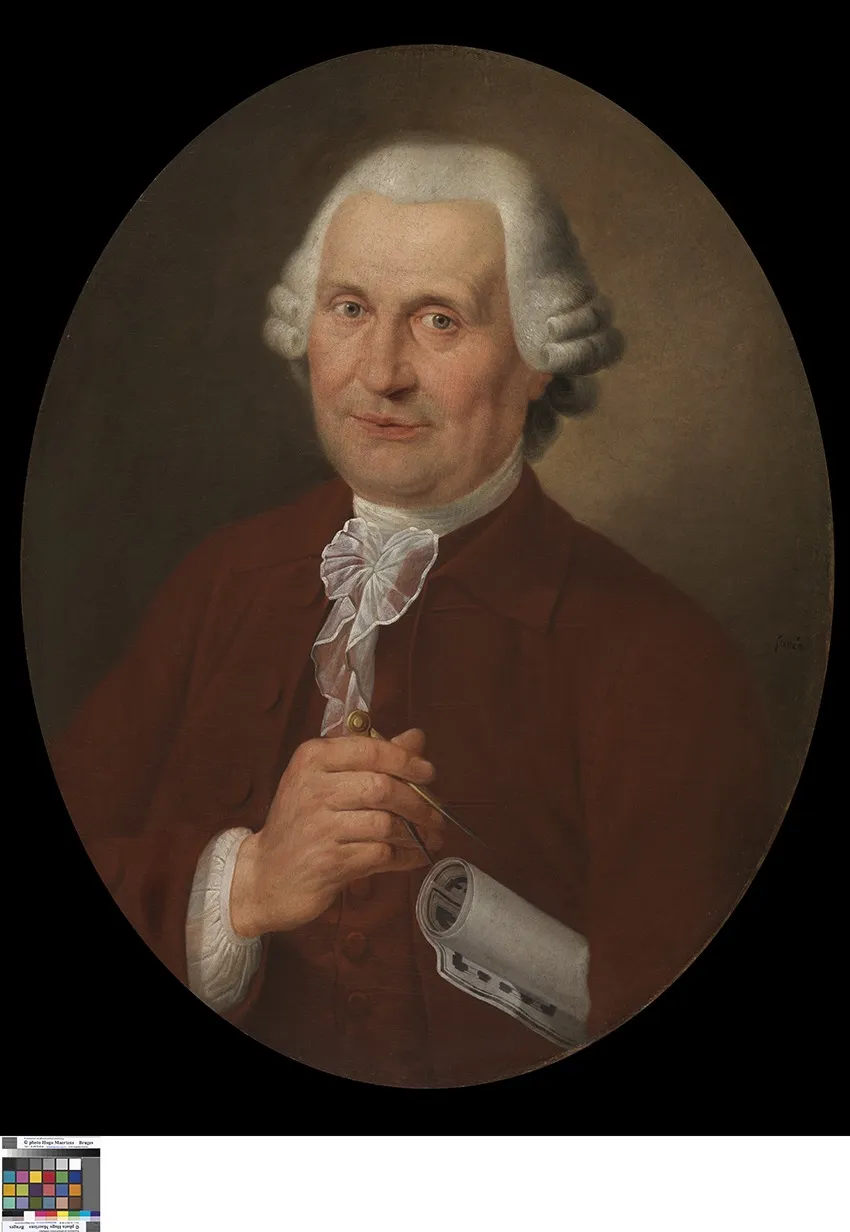
Portrait of Emmanuel van Speybrouck-Coutteau is an oil painting by the Rococo painting artist Joseph-Benoît Suvée. It dates from 1771 and is held in the collection of the Groeningemuseum.
About this work
The artist's use of chiaroscuro, a technique that uses strong contrasts between light and dark, adds depth and dimension to the portrait.
This painting shows a man with white hair wearing a red jacket over a white shirt and tie. He holds a compass and an architectural plan in his hands. The background is a muted brown color.
The man's clothing and hairstyle suggest that the painting is from the 18th century. The artist's use of chiaroscuro, a technique that uses strong contrasts between light and dark, adds depth and dimension to the portrait.
If you're interested in learning more about the artist who created this painting, you might want to look up Joseph-Benoît Suvée.
Overview
This 1771 oil painting by Joseph-Benoît Suvée portrays Emmanuel Van Speybrouck-Coutteau in a characteristically 18th-century attire, set against a subdued brown background. The subject is depicted holding an architectural plan and compass, highlighting his profession.
Subject & Meaning
Emmanuel Van Speybrouck-Coutteau is shown with symbols of his architectural pursuits: an architectural plan and a compass. His powdered wig, red jacket, and white shirt with tie reflect the sartorial norms of the time, conveying his social status and occupation.
Technique & Style
Suvée employed chiaroscuro, leveraging strong light-dark contrasts to imbue the portrait with depth and dimensionality. Although influenced by French neo-classicism, the work is categorized under the rococo style, evident in its ornate and detailed rendering of the subject's attire and accessories.
History & Provenance
Created in 1771, the portrait is now part of the Groeningemuseum's collection. The artist's Flemish background, combined with French neo-classical influences, situates the work within the broader European artistic currents of the late 18th century.
Context
The painting reflects the cultural and artistic exchange between Flemish and French schools during the 18th century. Suvée's blend of styles mirrors the transitional period from rococo to neo-classicism, characteristic of the era's artistic evolution.
Legacy
As a work by Joseph-Benoît Suvée, the portrait contributes to the understanding of Flemish painters influenced by French styles during the late 18th century. Its presence in the Groeningemuseum underscores its value within Belgian cultural heritage.
Artist & collection
Artist
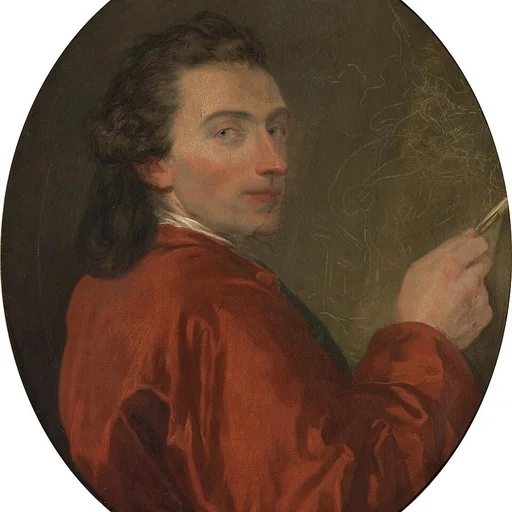
Joseph-Benoît Suvée (3 January 1743 – 9 February 1807) was a Flemish painter strongly influenced by French neo-classicism.

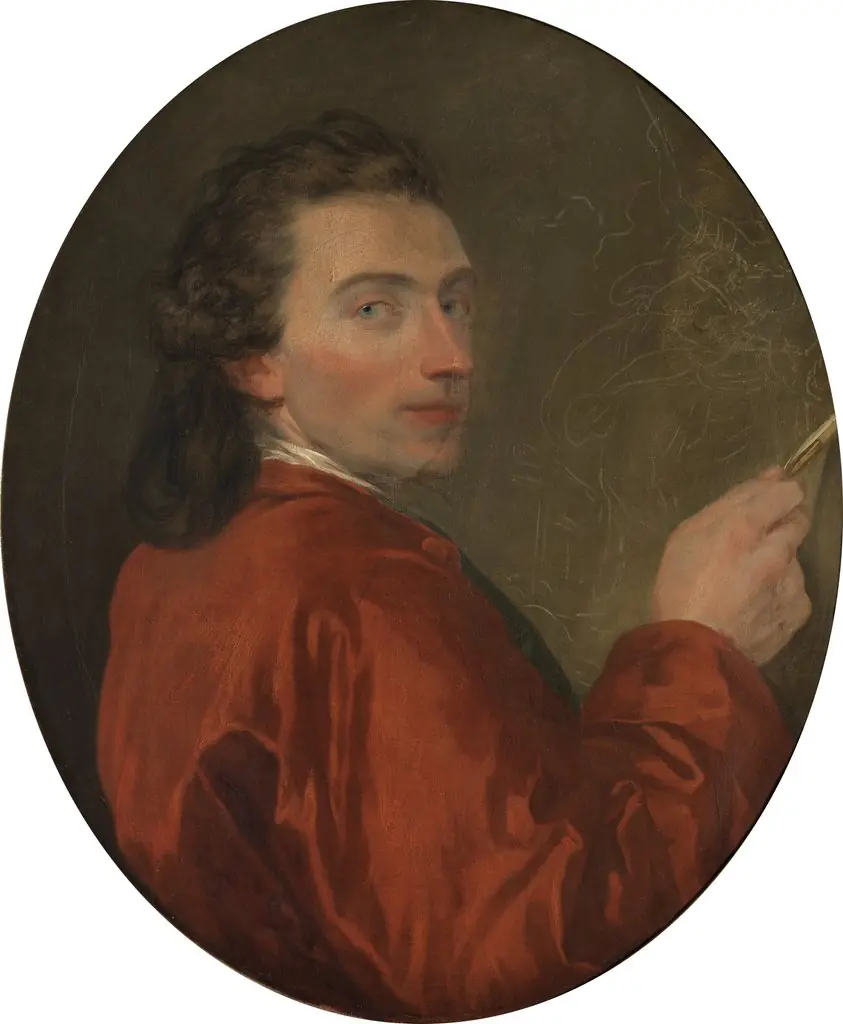
 Omakuva
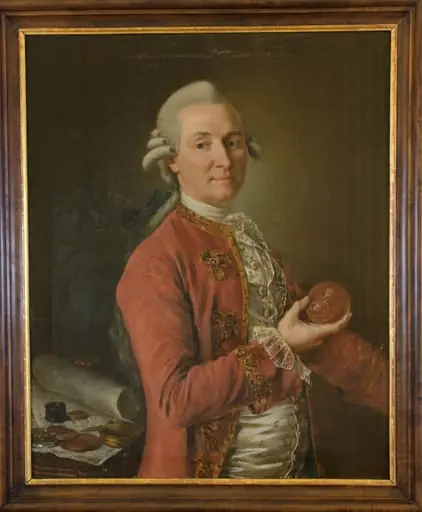 Portrait des Baron Georg Thomas von Asch
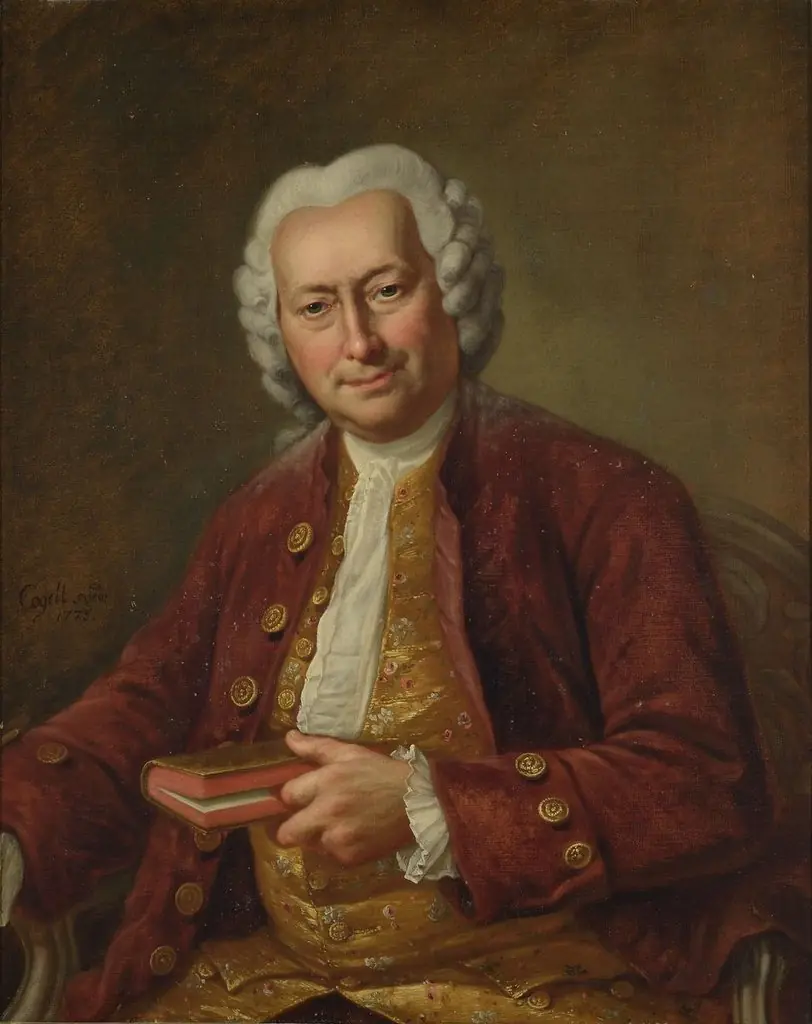 Claude Jacob
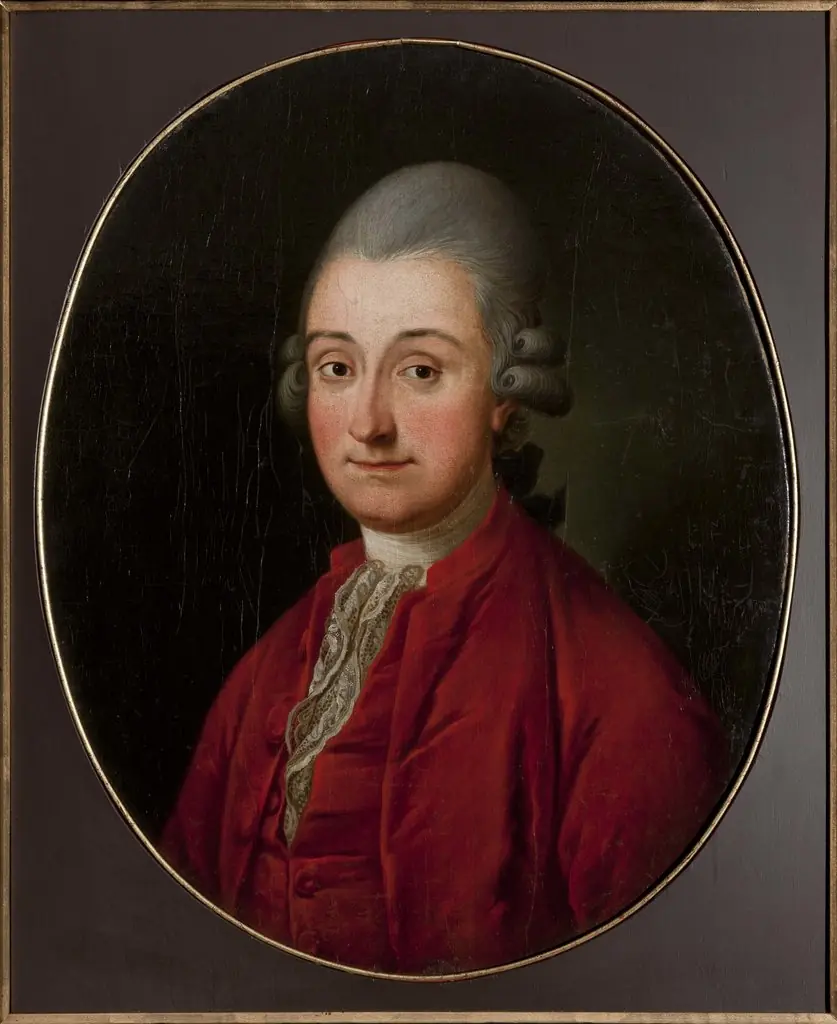 Portrait of Franciszek Dembiński (?–1776), the last starost of Wolbrom
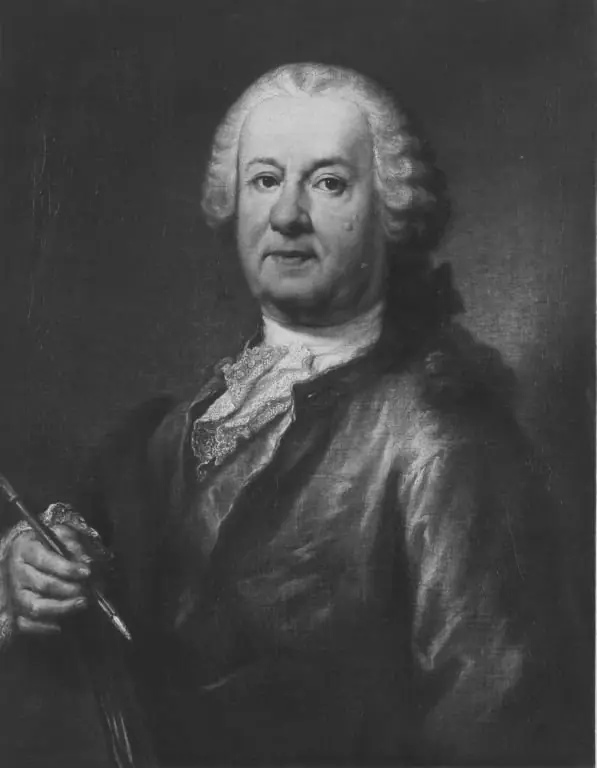 Bildnis des Malers Balthasar August Albrecht
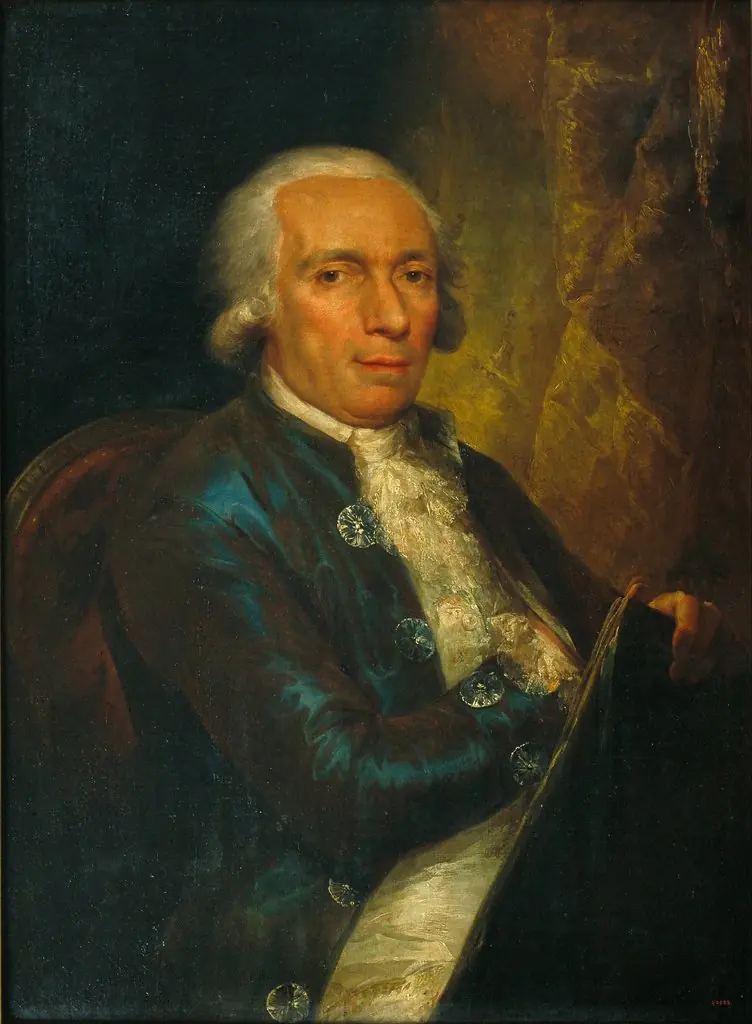 Portrait of the Engraver Pasqual Pere Moles, first director of the Escola de Llotja
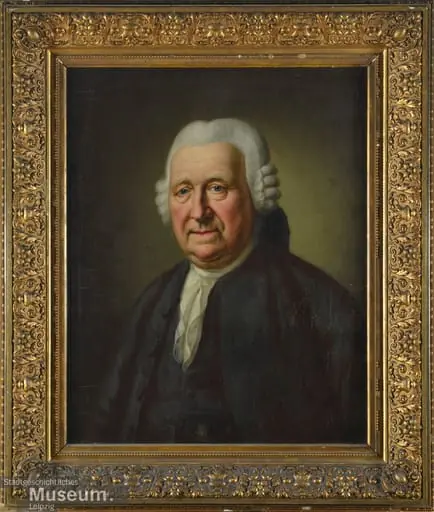 Painting
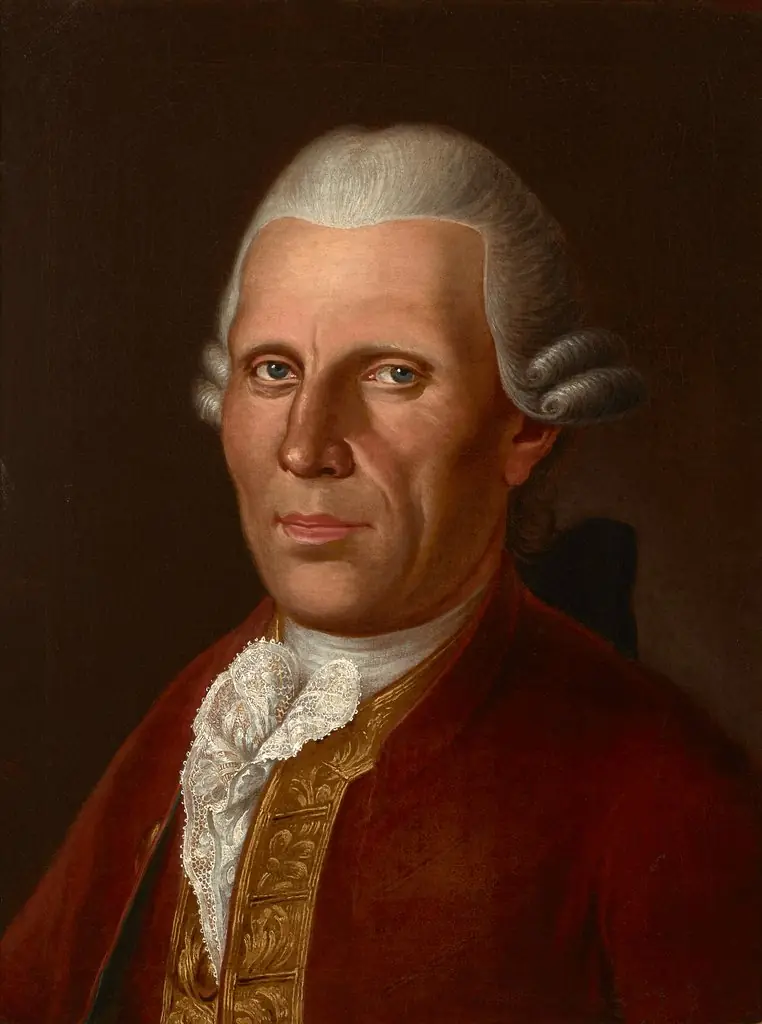 Portret Philippa Olberich (1732-1804), intendenta solnego
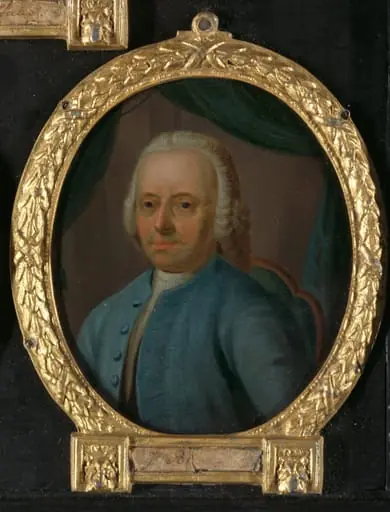 Portrait of Joannes Badon, Poet from Vlaardingen
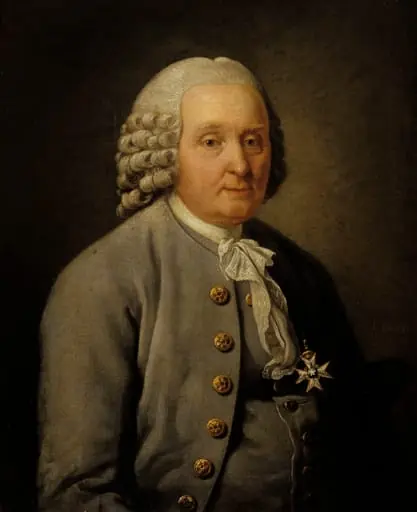 Pormestari Jonas Robeck
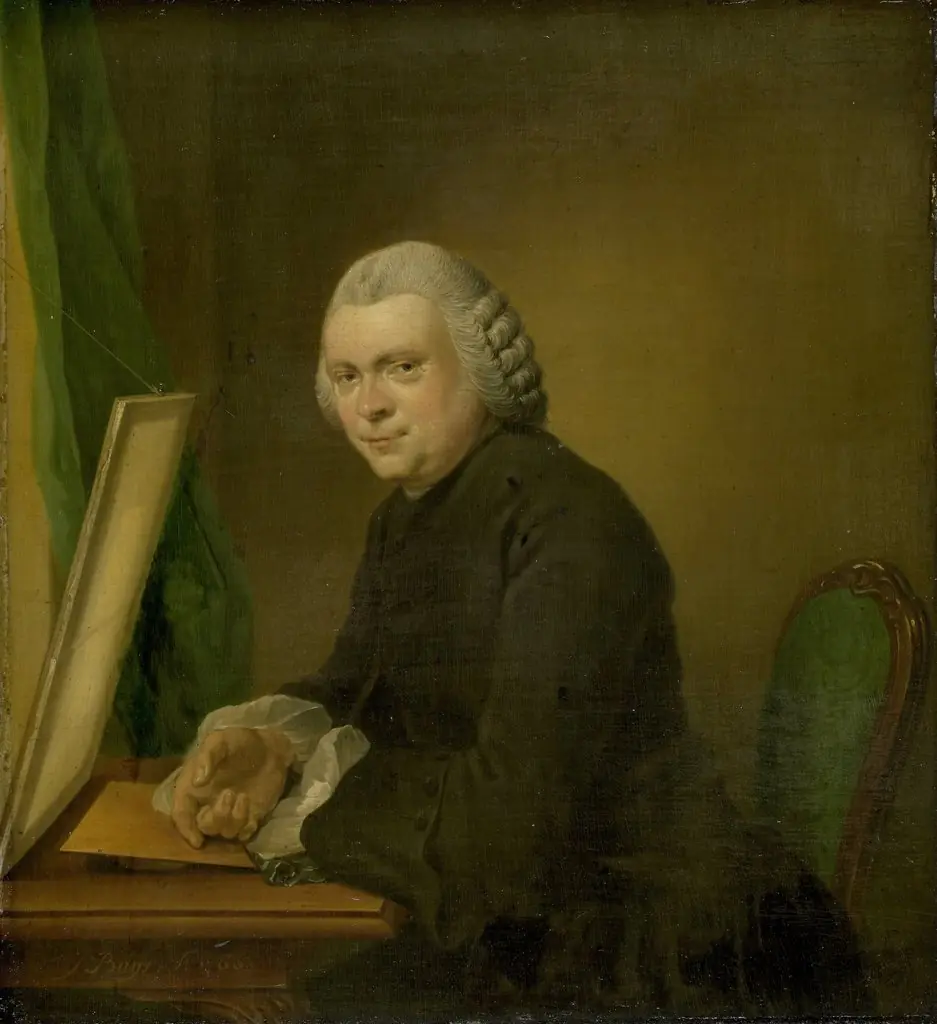 Portrait of Cornelis Ploos van Amstel