Artwork
Landscape with the Minerva Medica ruin near Rome
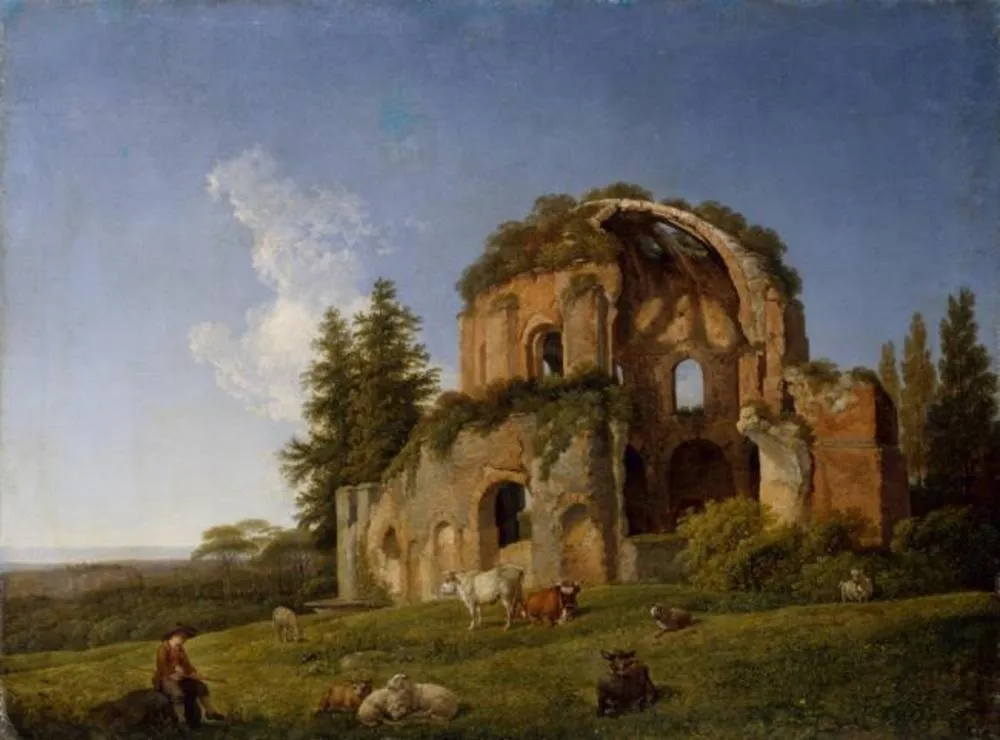
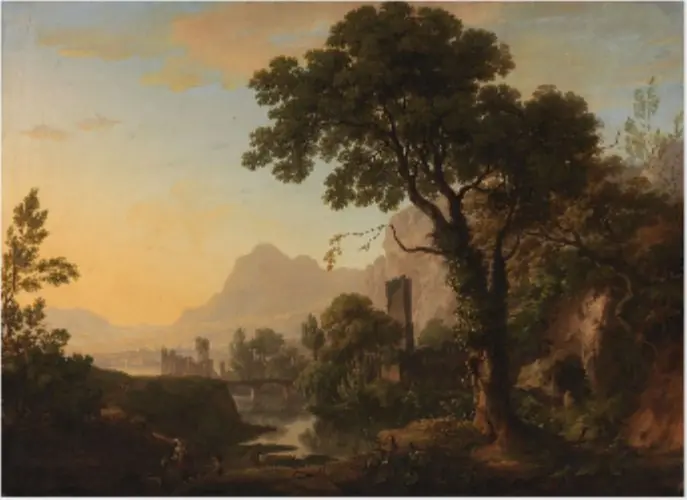
Landscape with the Minerva Medica ruin near Rome is an oil painting by Johann Christian Klengel. It dates from 1796 and is held in the collection of the Staatliche Kunstsammlungen Dresden.
About this work
Overview
Painted in 1796 by Johann Christian Klengel, this oil on canvas depicts a pastoral scene centered on the ruins of the Minerva Medica, a circular structure near Rome. The work belongs to the Gemäldegalerie Alte Meister’s collection and exemplifies the 18th-century European tradition of topographical landscape painting, blending observed reality with quiet contemplation of antiquity.
Subject & Meaning
The painting juxtaposes the decay of ancient architecture with the vitality of rural life. A solitary figure observes grazing livestock beneath the overgrown ruin, suggesting a meditation on time’s passage. The ruin, once a symbol of imperial grandeur, now serves as a quiet backdrop to everyday pastoral activity, evoking themes of endurance and natural reclamation without overt narrative.
Technique & Style
Klengel renders the stone surfaces and vegetation with precise, tactile detail, emphasizing the textures of moss, vine, and weathered masonry.
Klengel renders the stone surfaces and vegetation with precise, tactile detail, emphasizing the textures of moss, vine, and weathered masonry. Chiaroscuro models the forms subtly, enhancing spatial depth and the play of light across the ruin’s dome and surrounding foliage. The composition directs attention inward, anchoring the viewer’s gaze on the ruin while the foreground figures provide scale and quiet motion.
History & Provenance
Created during Klengel’s time in Italy, the painting reflects his engagement with Roman antiquities and the Grand Tour aesthetic. It entered the Gemäldegalerie Alte Meister’s holdings in the 19th century, likely through acquisition from a German collector familiar with Italianate landscapes. Its preservation reflects its status as a representative work of late 18th-century German landscape painting.
Context
Klengel’s work emerged amid a broader European fascination with classical ruins, particularly among artists influenced by the Grand Tour. While contemporaries often dramatized antiquity, Klengel favored understated observation. His approach aligns with the quiet realism of Northern European landscape traditions, contrasting with the more theatrical renderings of Italian vedutisti.
Legacy
Though not widely known outside specialized circles, the painting remains a quiet example of how German artists interpreted Roman ruins with restraint and attentiveness to natural detail. It contributes to the understanding of landscape painting as a medium for historical reflection rather than spectacle, preserving a moment of calm engagement with the past.
Artist & collection
Artist
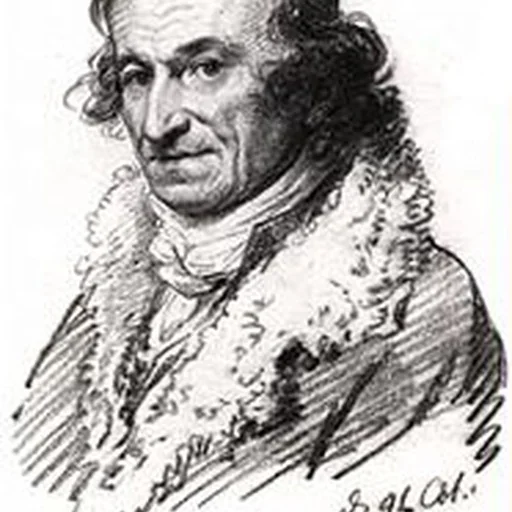
Johann Christian Klengel (1751–1824) was an artist, born in Kesselsdorf.

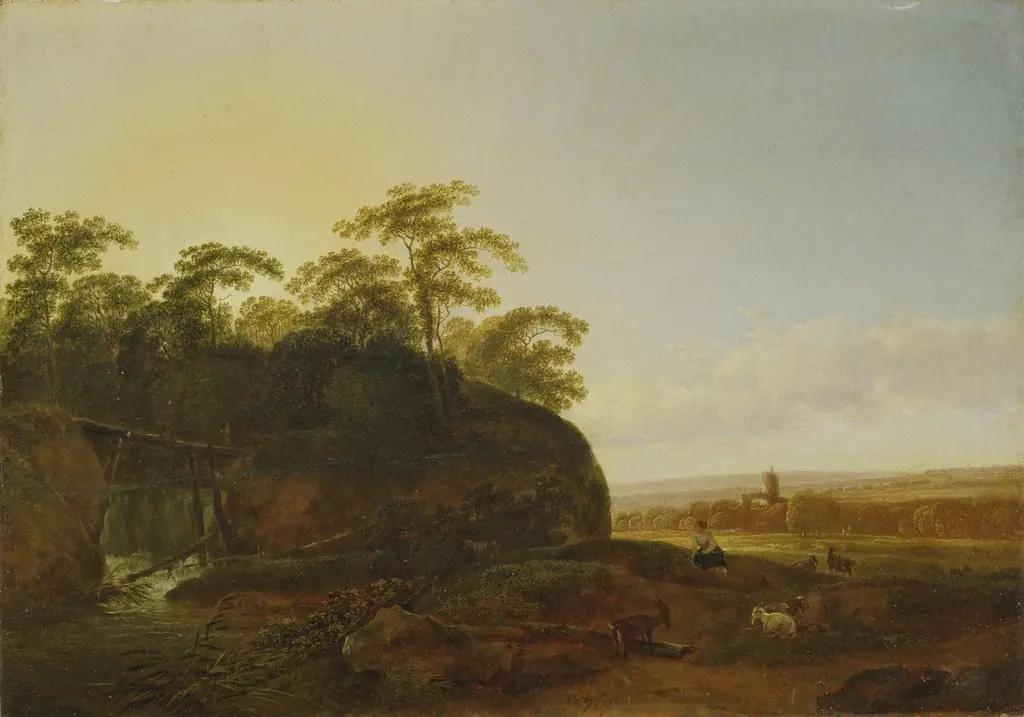
 View of the Roman Campagna
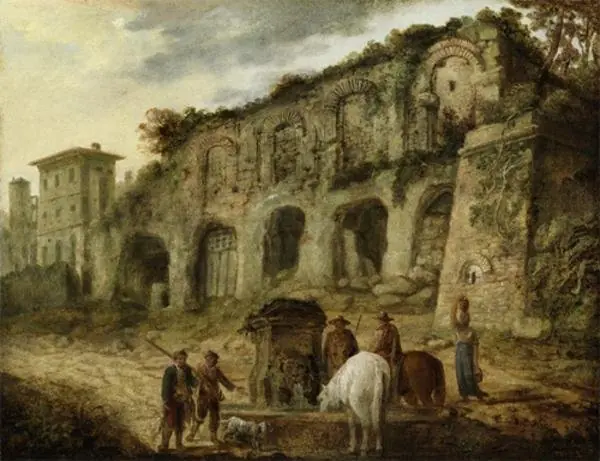 Peasants and Horses Standing By A Fountain: The Curia Ostilia and the Basilica Porzia on the Palatine Hill Beyond
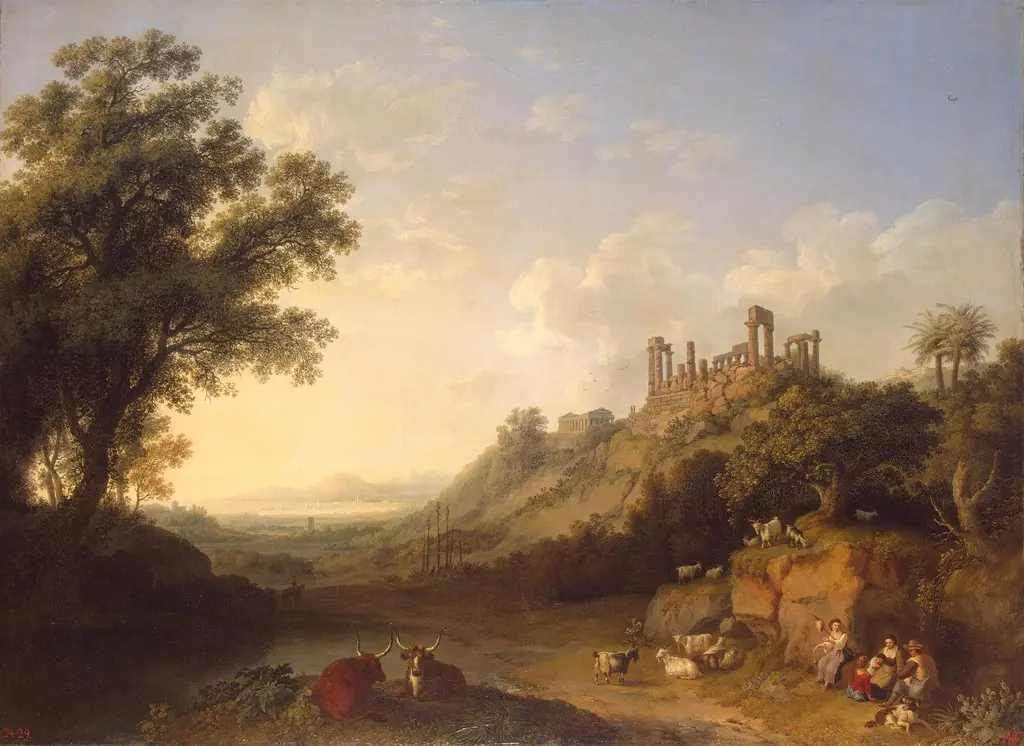 Temple Ruins in Sicily
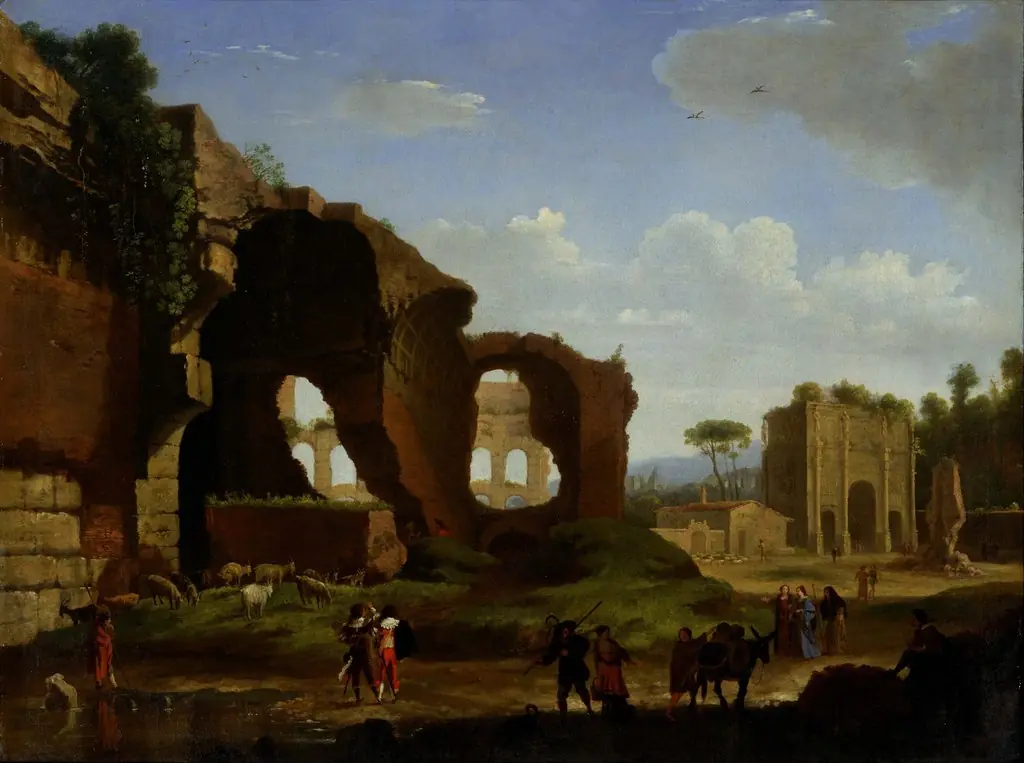 A Roman View of the Ruins of the Temple of Venus and Rome with the Colosseum and the Arch of Constantine
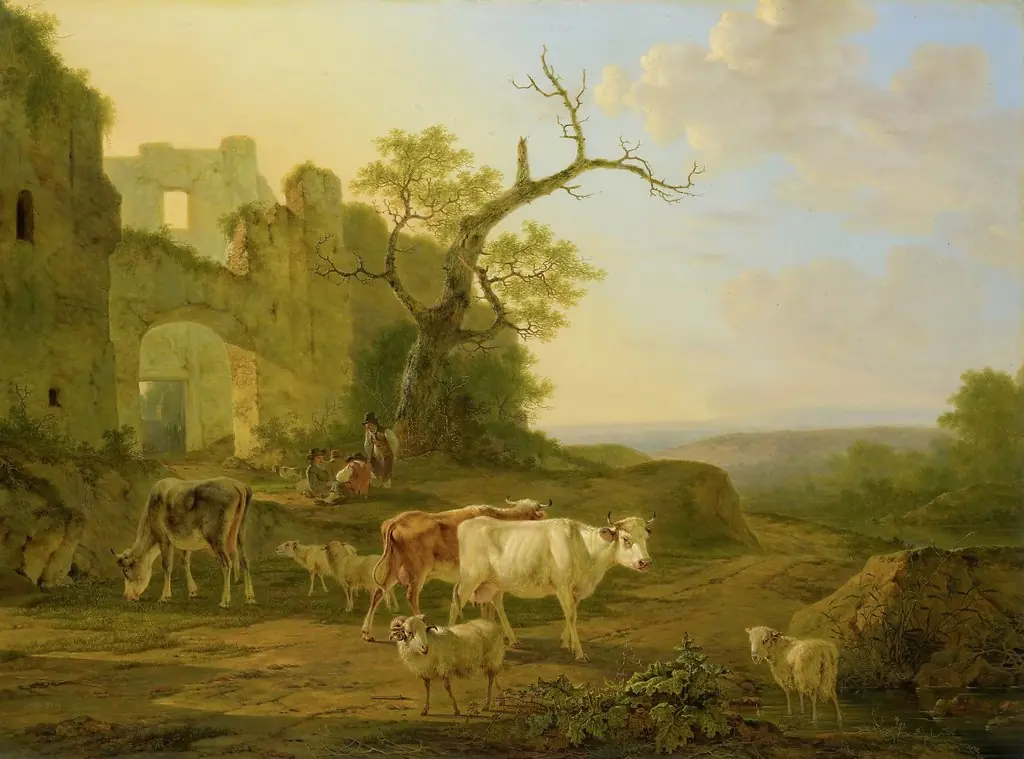 Schapen op de heide
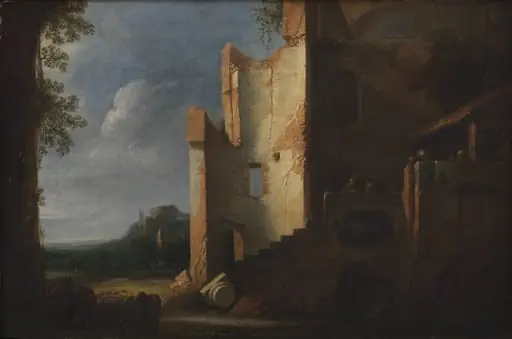 Landskab med ruiner
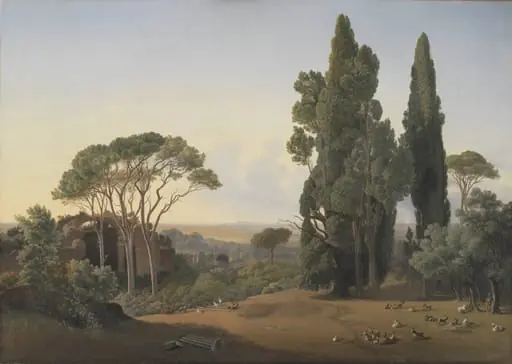 A View from Hadrian's Villa, Tivoli
 An Idyllic Landscape
 Landscape with Cows near a Ruin