Artwork
An Idyllic Landscape
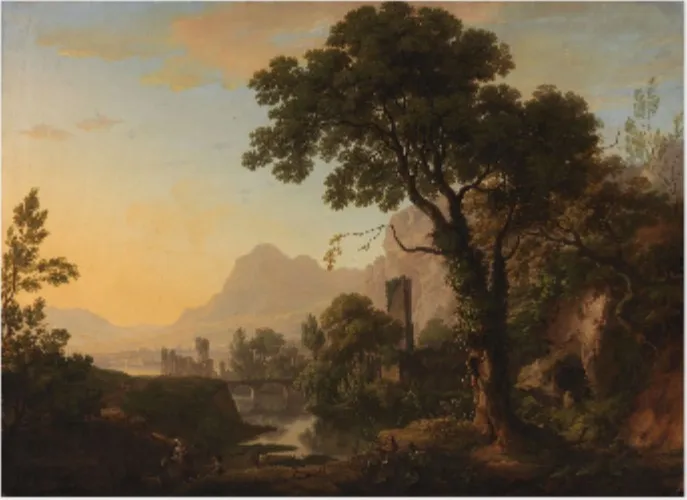
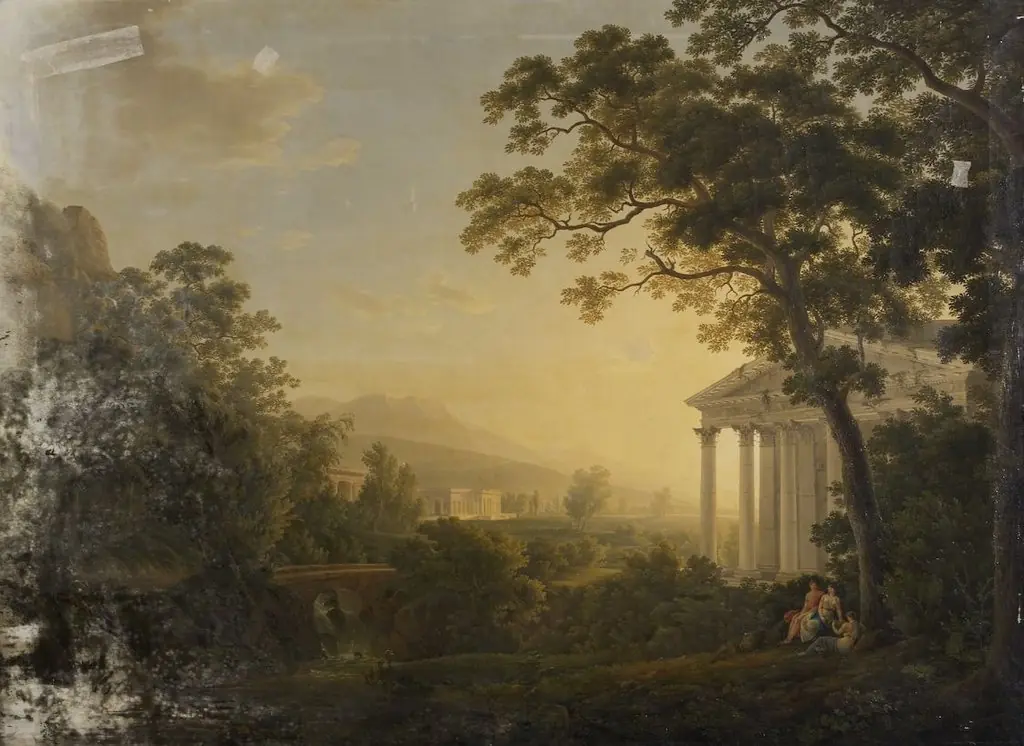
An Idyllic Landscape is an oil painting by the Rococo painting artist William Ashford. It dates from 1790 and is held in the collection of the National Gallery of Ireland.
About this work
Overview
An Idyllic Landscape, painted in 1790 by William Ashford, is an oil-on-canvas work depicting a serene rural scene. Characterized by a warm, harmonious palette, the composition balances natural elements with distant architectural hints.
Subject & Meaning
The painting presents an idealized rural landscape, embodying the refined, pastoral aesthetic prevalent in late 18th-century European art. Its serene atmosphere and balanced composition reflect the Rococo emphasis on decorative harmony.
Technique & Style
Ashford employed oil painting to achieve a warm, nuanced color palette, notably in the sky’s yellow tones and the subtle play of light and shadow. While not overtly dramatic, the work suggests a thoughtful use of chiaroscuro principles to enhance depth and tranquility.
History & Provenance
Created in 1790, the painting is now part of the National Gallery of Ireland’s collection. Ashford, an English artist who settled in Ireland at 18, transitioned from still life to landscape painting in 1772, aligning with Rococo’s pastoral traditions.
Context
Ashford’s shift to landscapes contributed to Ireland’s artistic landscape, with his later leadership in Irish institutions solidifying his cultural impact. The work reflects broader late 18th-century European tastes for idyllic, decorative landscapes.
Legacy
As a leading Irish artist of his time, Ashford’s *An Idyllic Landscape* remains a notable example of late Rococo influence in Irish art, highlighting the period’s emphasis on harmony and the pastoral ideal.
Artist & collection

Artist
William Ashford (1746 – 17 April 1824) was an English painter who worked exclusively in Ireland, where he lived from the age of 18, having initially gone there to take up a post with the Ordnance Office.

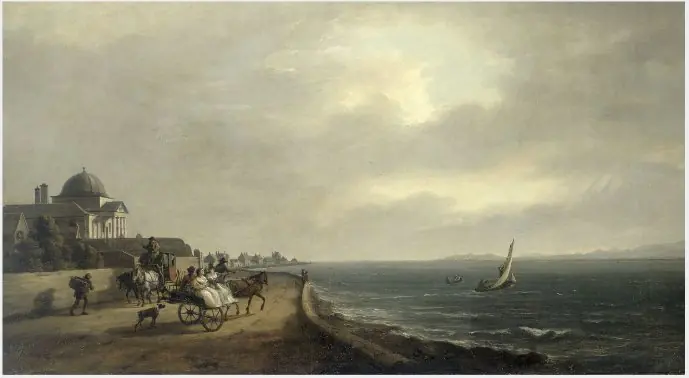 The Royal Charter School, Clontarf, County Dublin
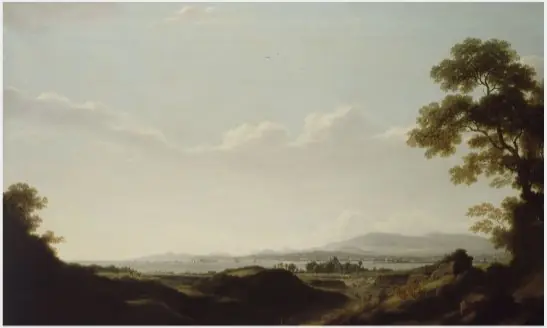 A View of Dublin from Clontarf
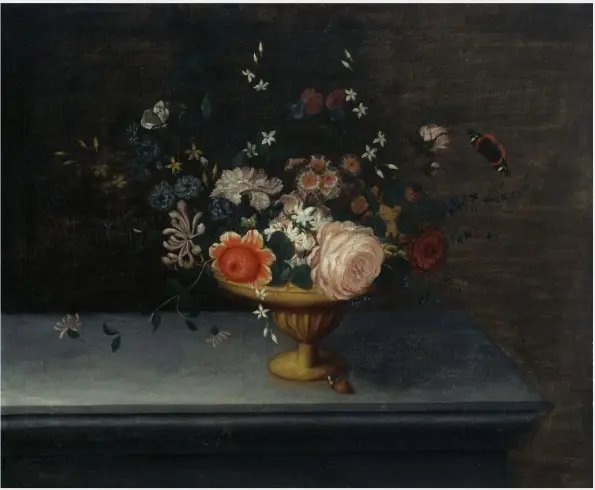 A Group of Flowers
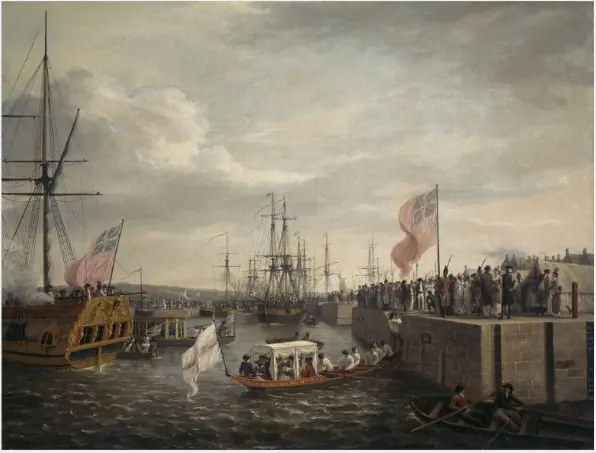 Opening of the Ringsend Docks, Dublin, 23 April 1796, with Lord Camden Conferring Knighthood on Mr John Macartney
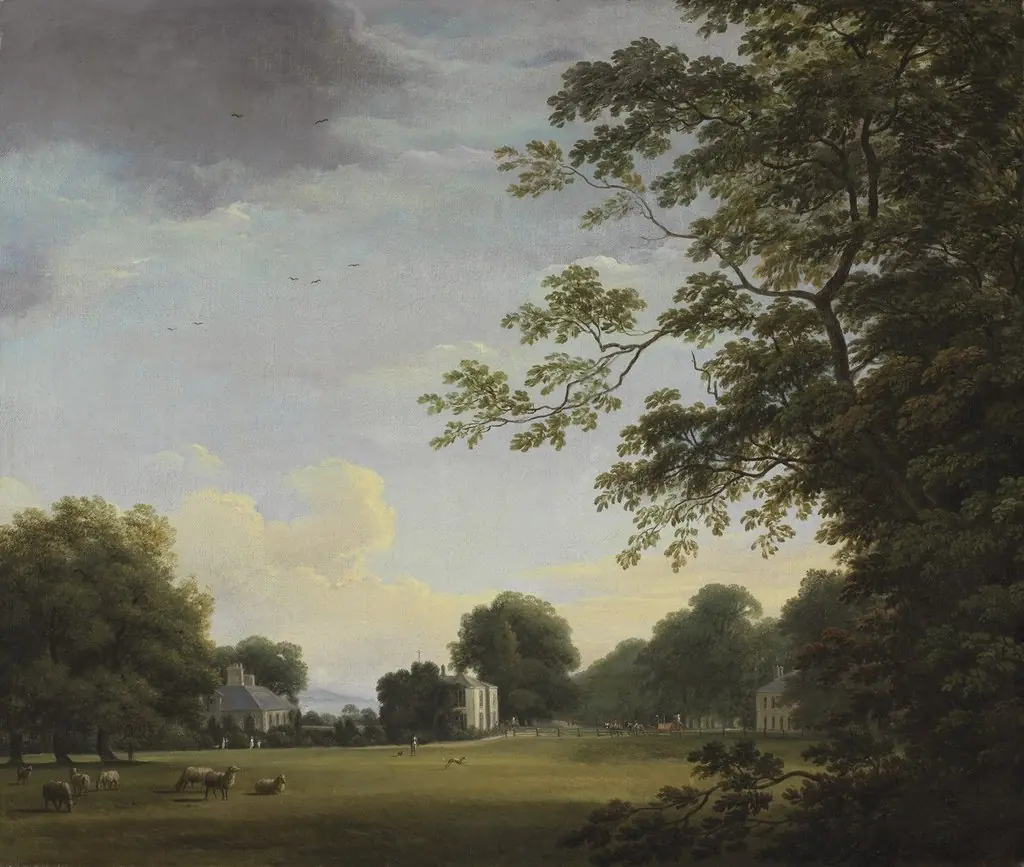 View in Mount Merrion Park
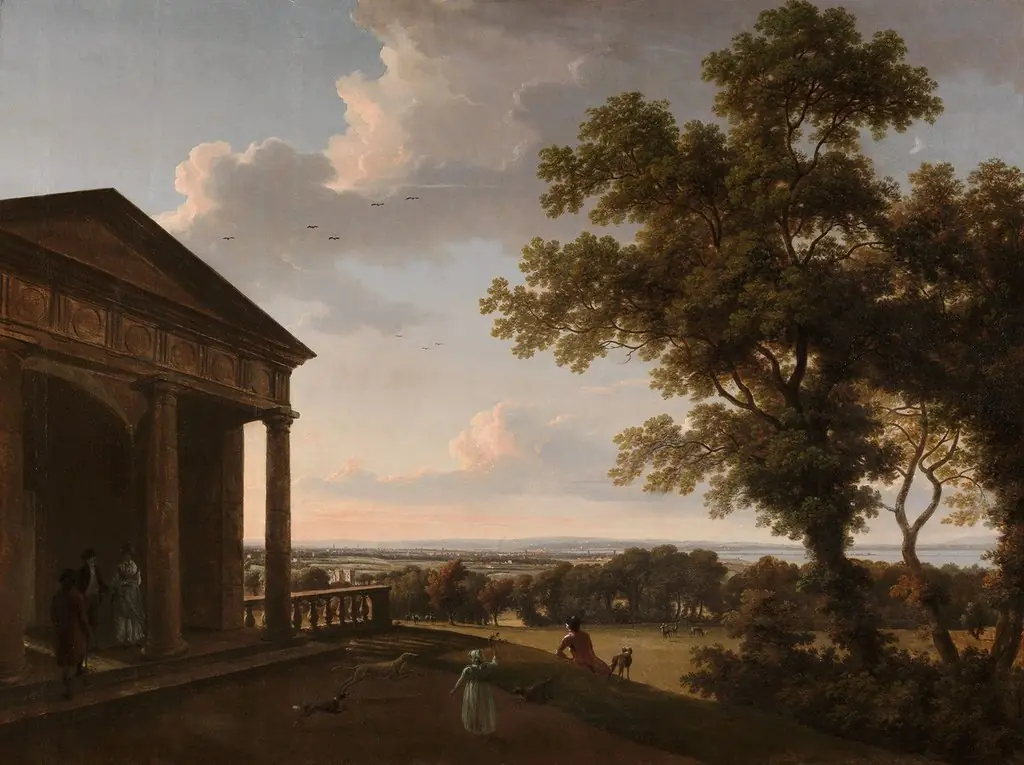 View in Mount Merrion Park (1804)
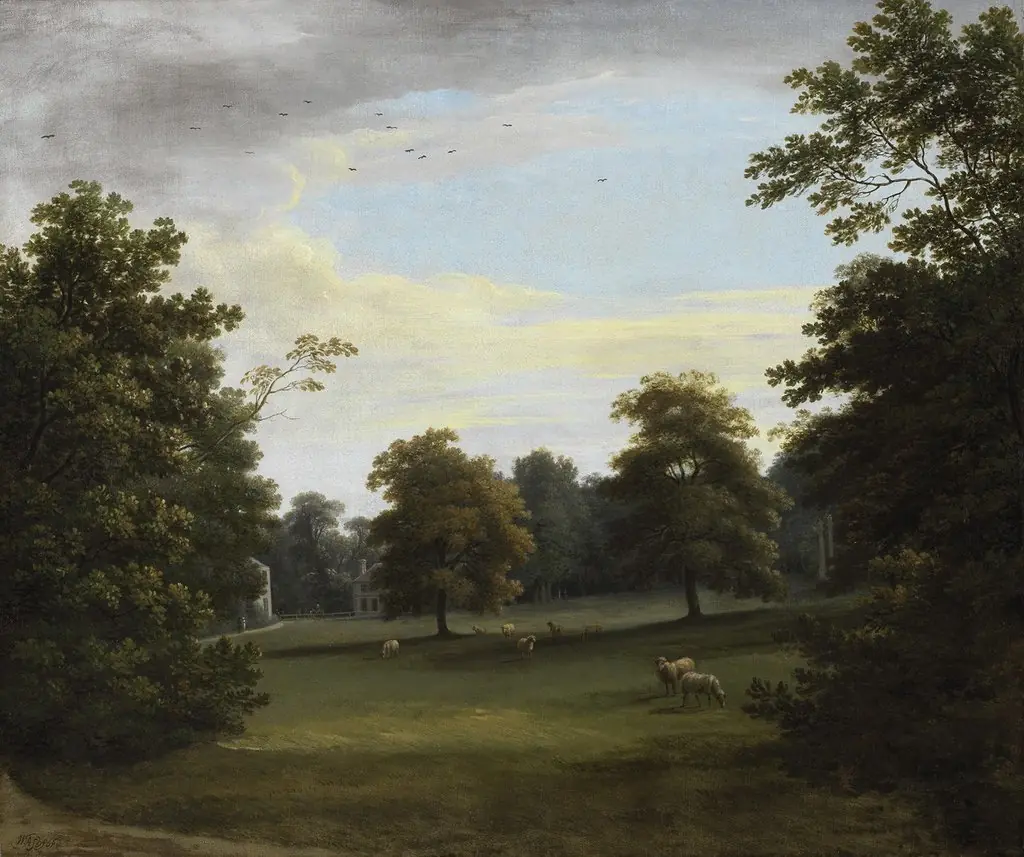 View in Mount Merrion Park
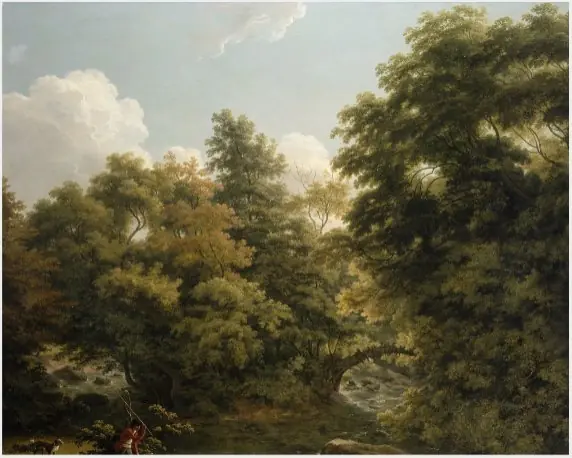 The River in the Demesne at Charleville
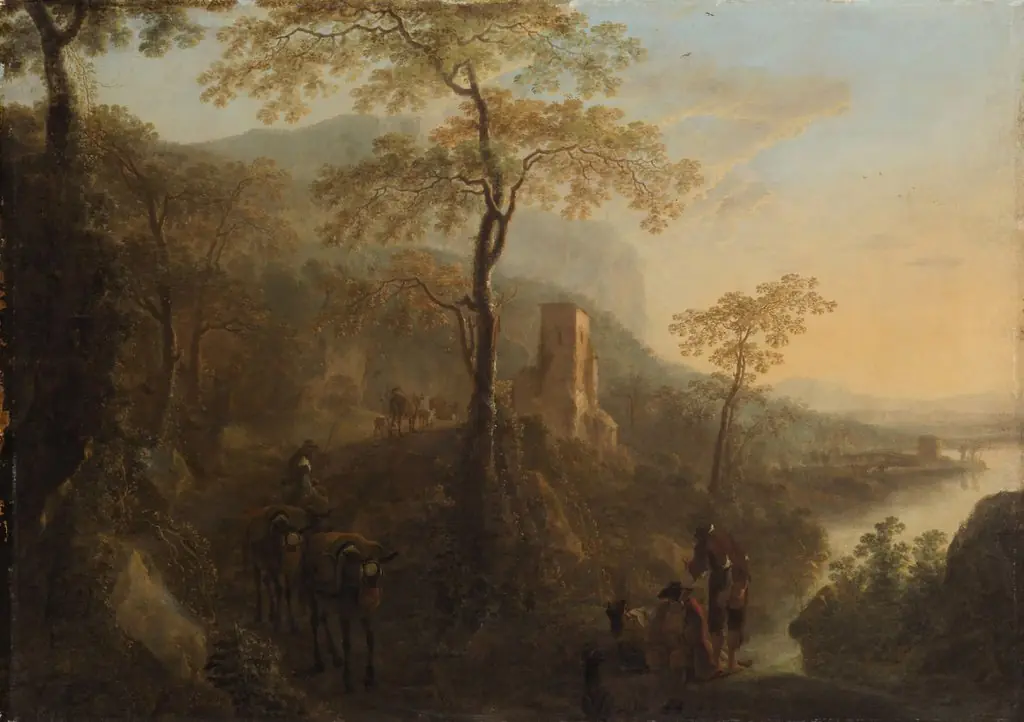 Italienische Landschaft
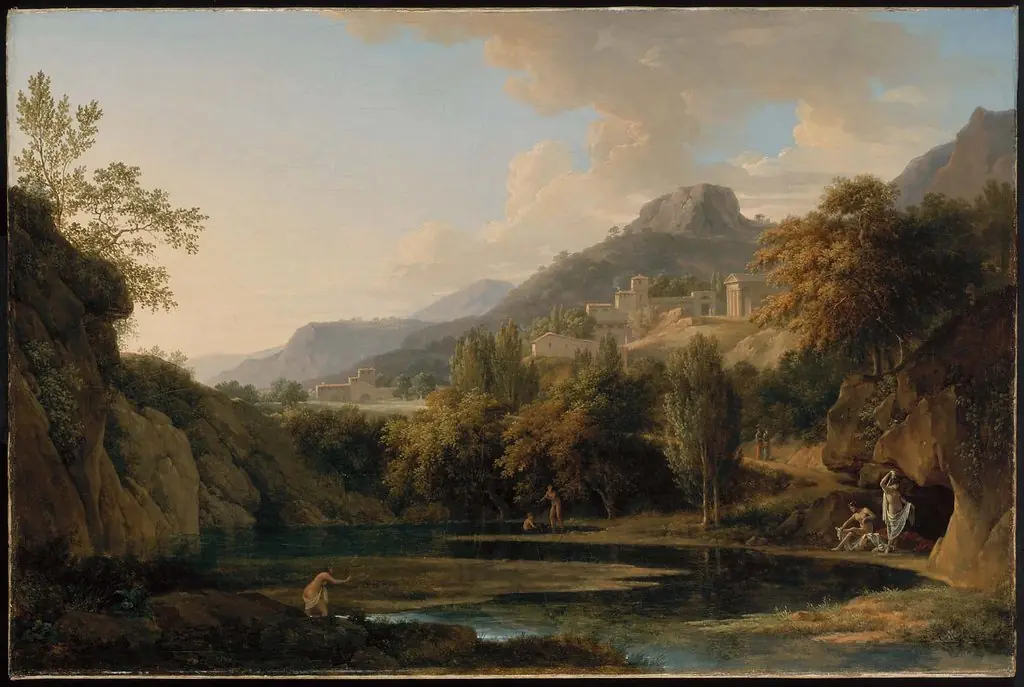 Italian Landscape with Bathers
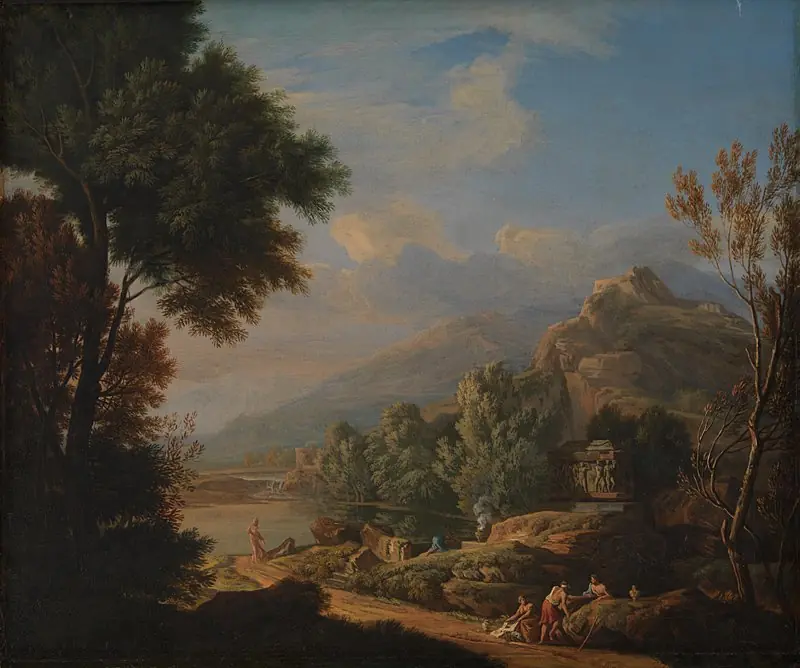 Arcadian Landscape
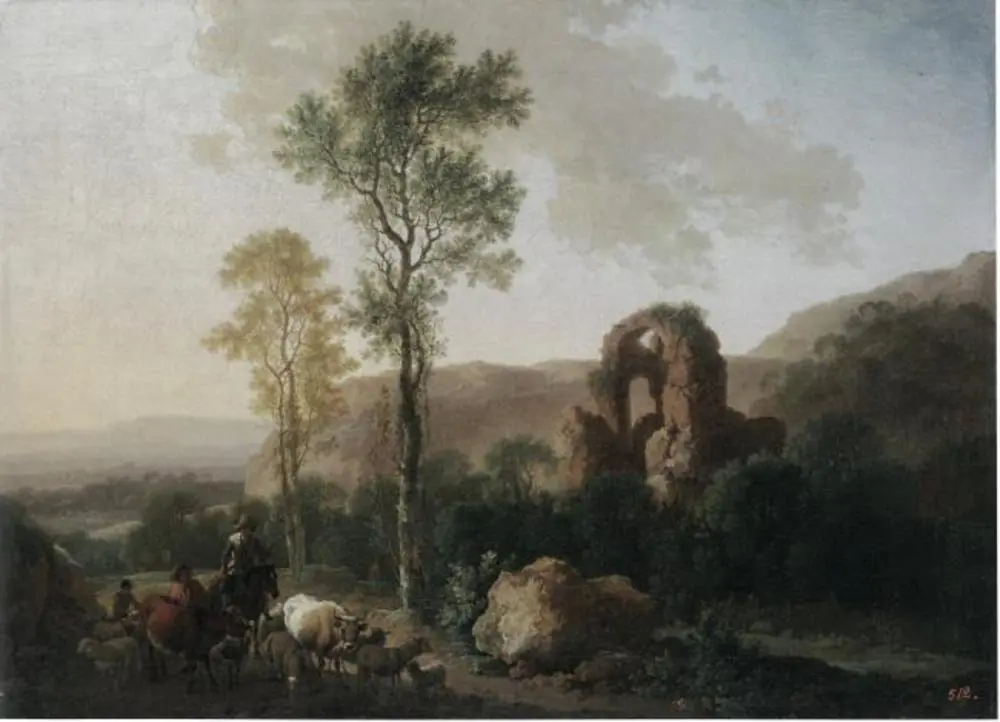 View of the Roman Campagna
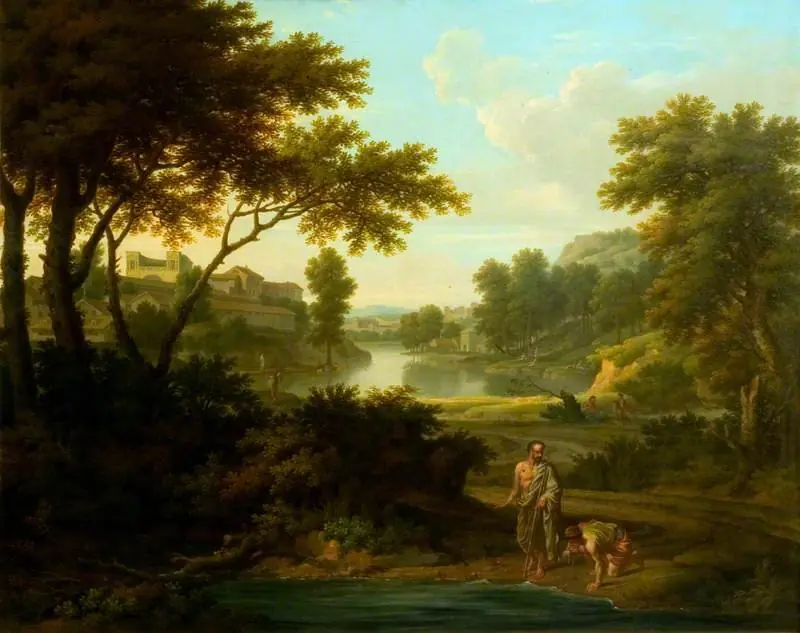 Diogenes Throwing away His Bowl (after Nicolas Poussin)
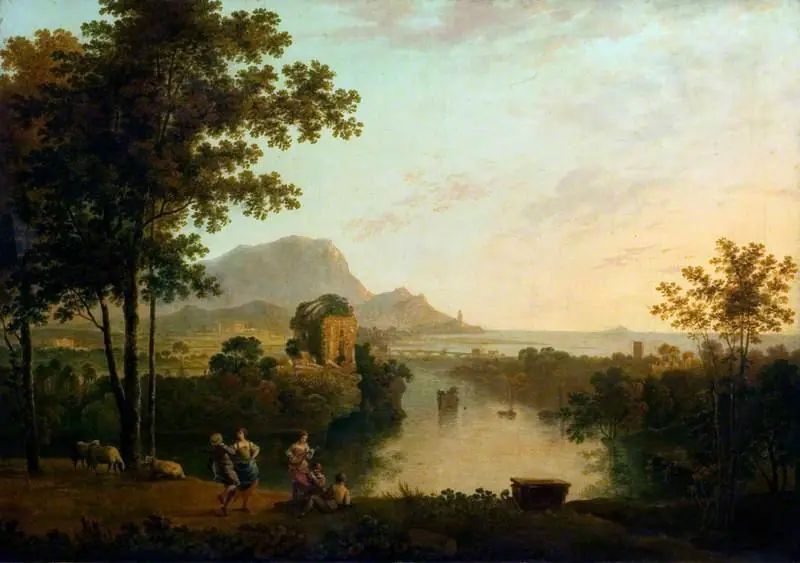 Landscape Composition: River Mouth with Peasants Dancing
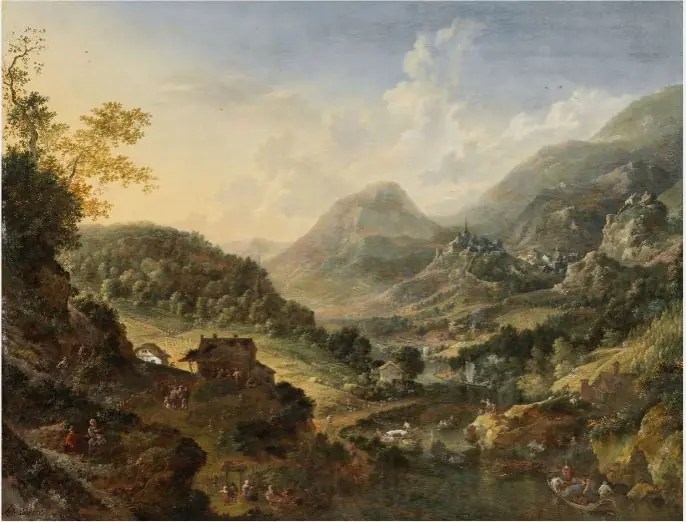 A River Landscape
 Ideal Landscape with Temple Buildings
 Ruins in a Rocky Landscape
 A Mountainous Landscape with a Waterfall. Sunrise