Artwork
Portrait of N.V. Saltykova
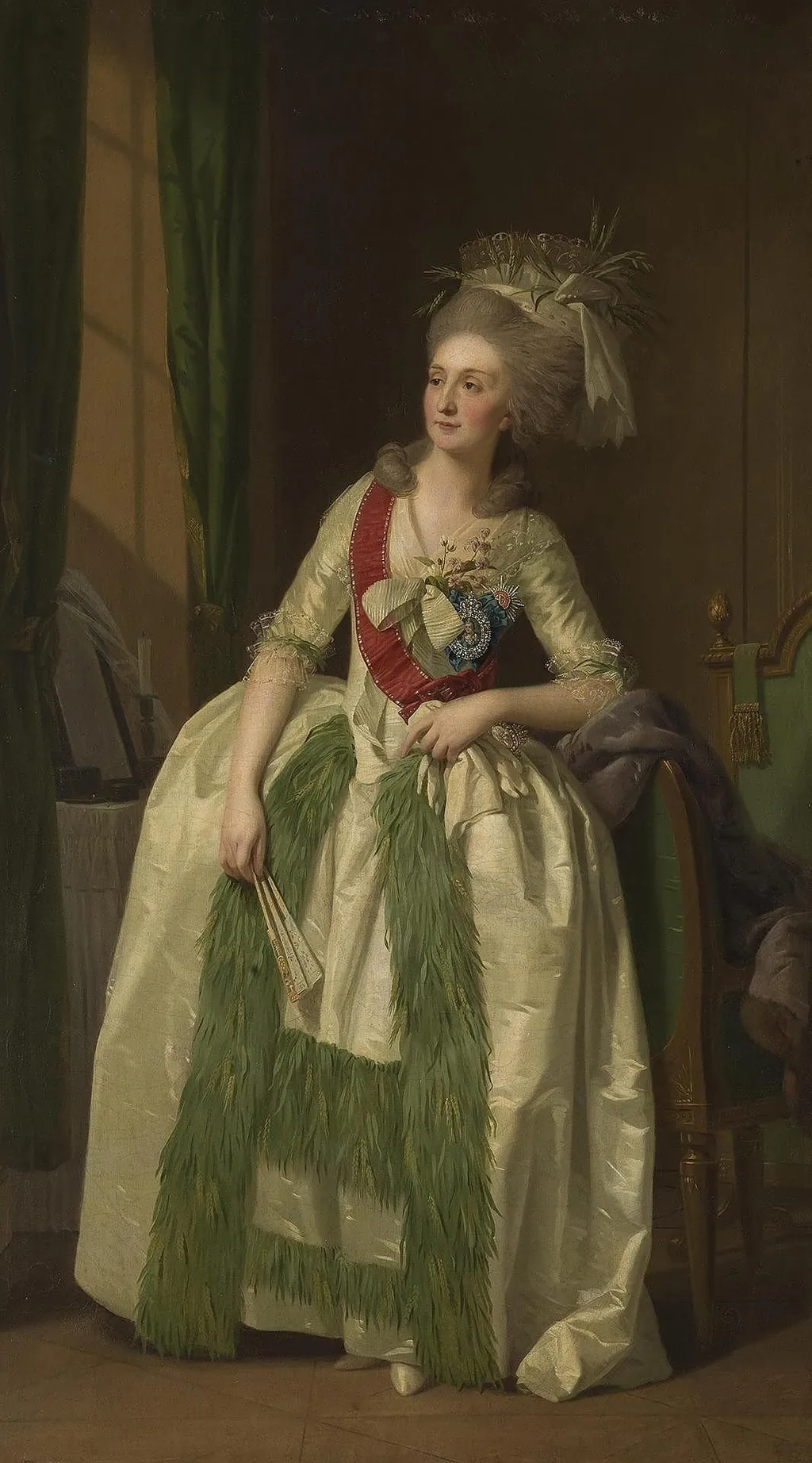
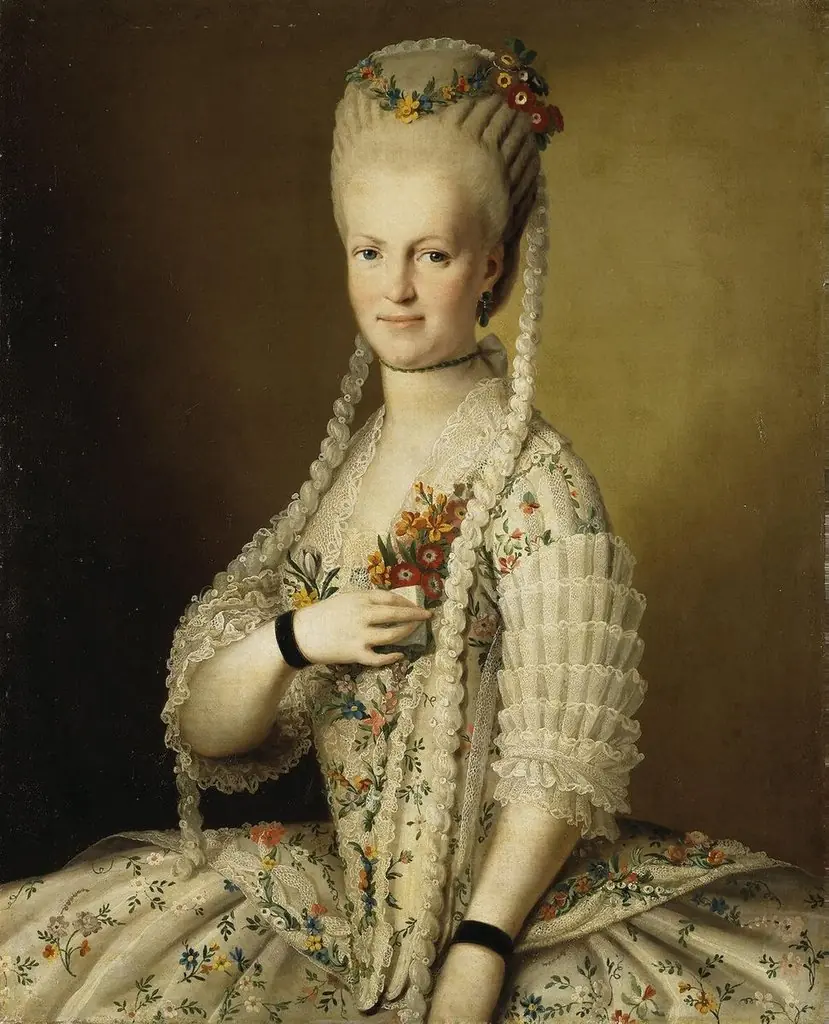
Portrait of N.V. Saltykova is an oil painting by the Rococo painting artist Johann Friedrich August Tischbein. It dates from 1790 and is held in the collection of the Hermitage Museum.
About this work
Overview
Painted in 1790 by Johann Friedrich August Tischbein, this oil portrait depicts N.V. Saltykova, a Russian noblewoman. The work is part of the State Hermitage Museum’s collection in Saint Petersburg. It reflects the conventions of late 18th-century aristocratic portraiture, emphasizing elegance and social standing through dress and posture rather than overt narrative.
Subject & Meaning
The red sash, adorned with a blue-and-white pin, likely denotes a specific honor or familial distinction.
The sitter, N.V. Saltykova, is portrayed with poise and formality, her attire signaling her elite status. The red sash, adorned with a blue-and-white pin, likely denotes a specific honor or familial distinction. The fan and the chair suggest cultivated refinement, while the absence of identifiable symbols or settings leaves her identity rooted in costume and demeanor rather than explicit biography.
Technique & Style
Tischbein employs soft modeling and restrained lighting to define the contours of the dress and the sitter’s form. The background is deliberately muted, with a dark curtain and sparse table objects drawing focus to the figure. The textures of silk, feathers, and lace are rendered with subtle brushwork, emphasizing material richness without theatricality.
History & Provenance
The portrait entered the Hermitage’s holdings in the late 18th or early 19th century, likely through imperial acquisition or donation. Tischbein, a German artist active in Russia, was commissioned by aristocratic families during his time at the Russian court. The painting’s preservation suggests it was valued within the imperial collection from an early date.
Context
This portrait aligns with the broader European trend of depicting nobility through refined attire and composed gestures. In Russia, such images reinforced social hierarchies during a period of cultural alignment with Western courts. The absence of landscape or allegory reflects a shift toward intimate, status-driven portraiture over grand historical themes.
Legacy
The portrait remains a quiet example of aristocratic representation in late Enlightenment Russia. It contributes to the Hermitage’s collection of courtly portraits, illustrating how German-trained artists adapted Western styles to Russian elite tastes. Its understated composition offers insight into the visual language of status before the rise of Romantic individualism.
Artist & collection

Artist
Johann Friedrich August Tischbein
Johann Friedrich August Tischbein, known as the Leipziger Tischbein was a German portrait painter from the Tischbein family of artists.

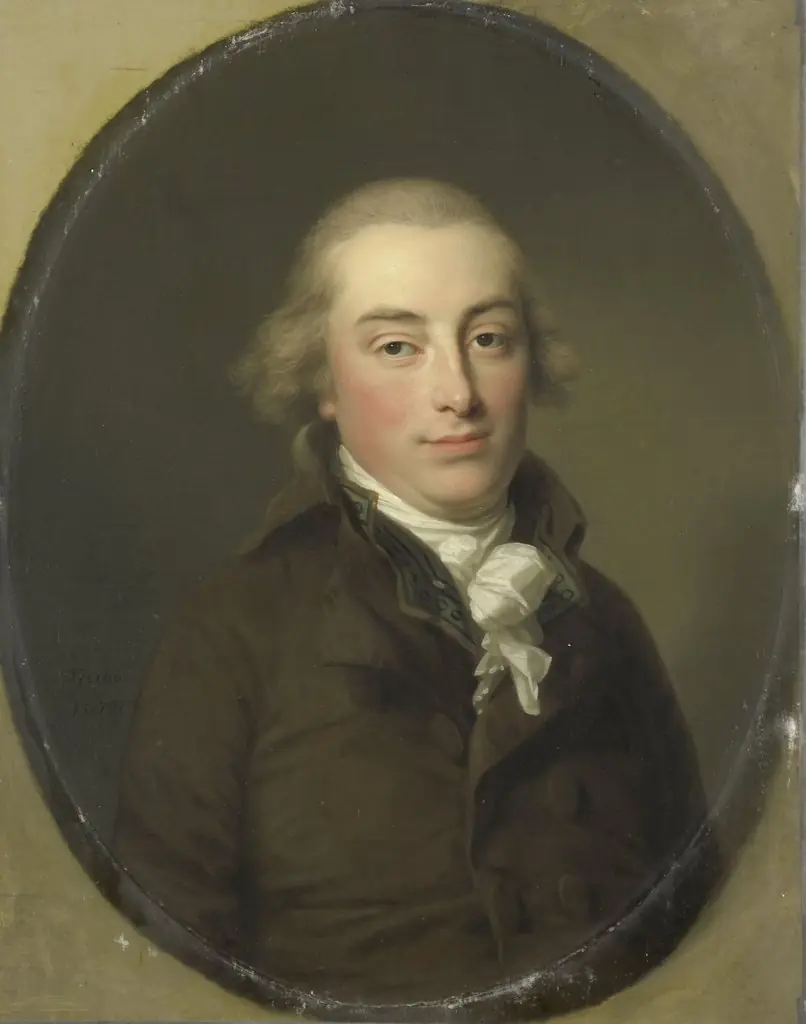 Portrait of Salomon Rendorp, Brewer in Amsterdam
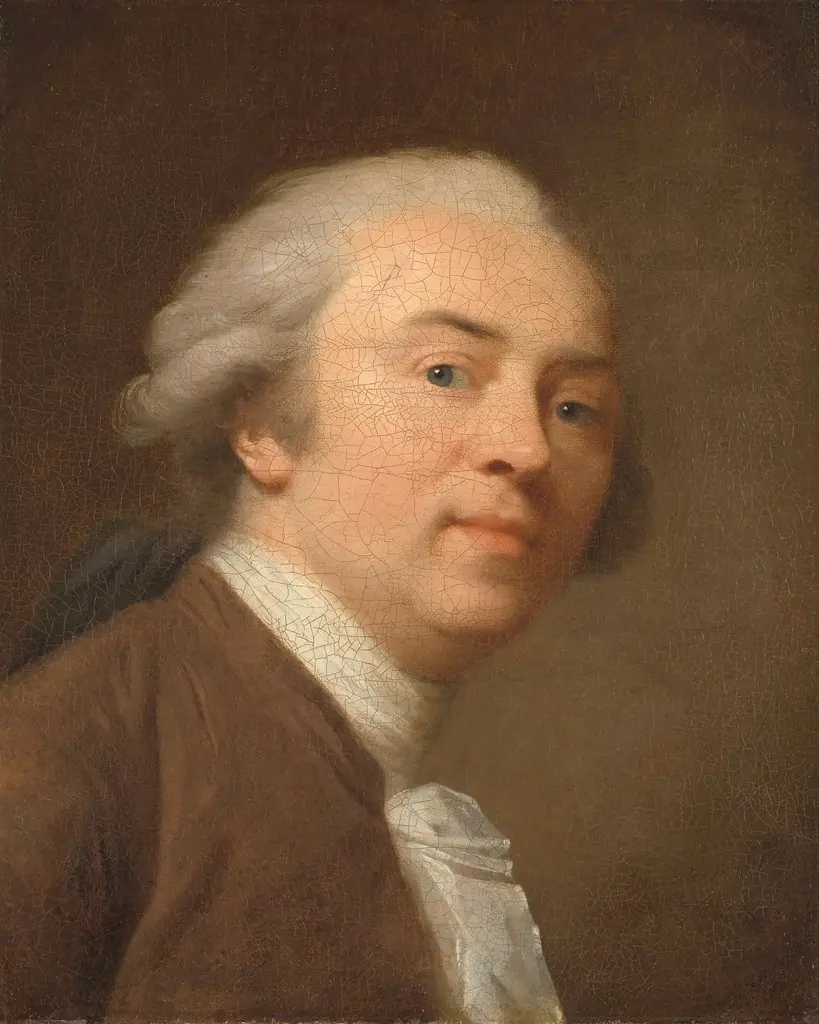 Self-portrait
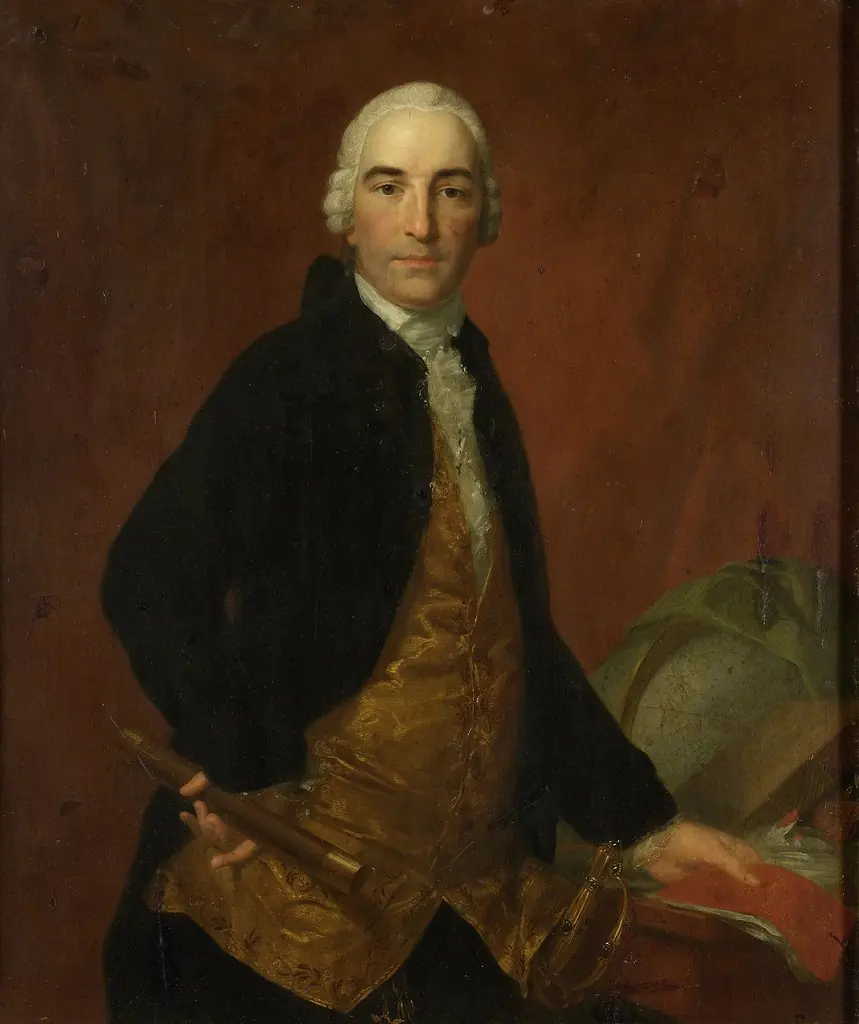 Portrait of Willem Arnold Alting, Governor-General of the Dutch East India Company
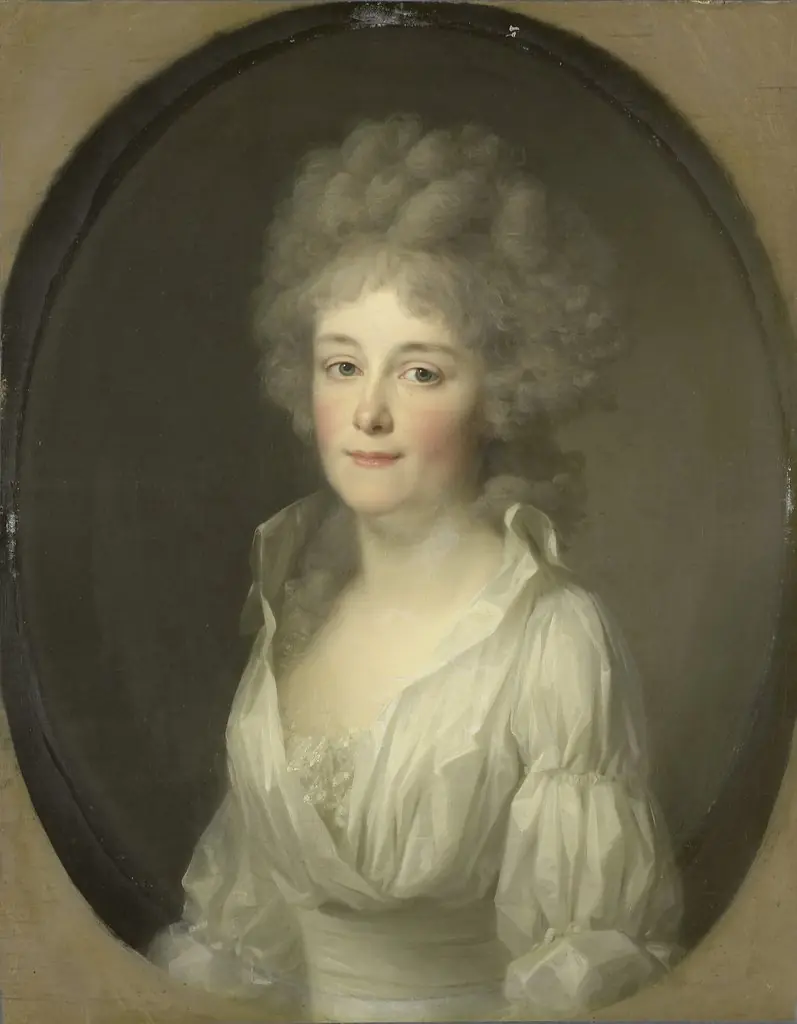 Portrait of Johanna Ferdinanda van Collen, Wife of Salomon Rendorp
 A Lady
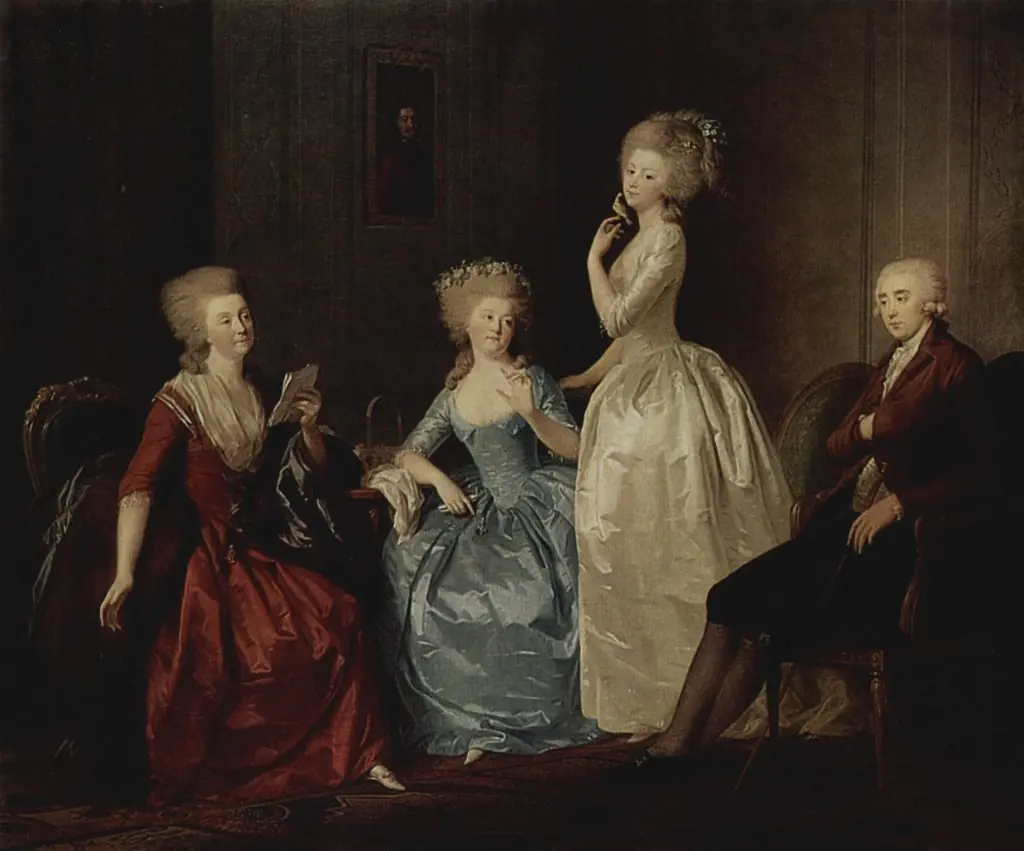 Portrait of the Saltykov Family
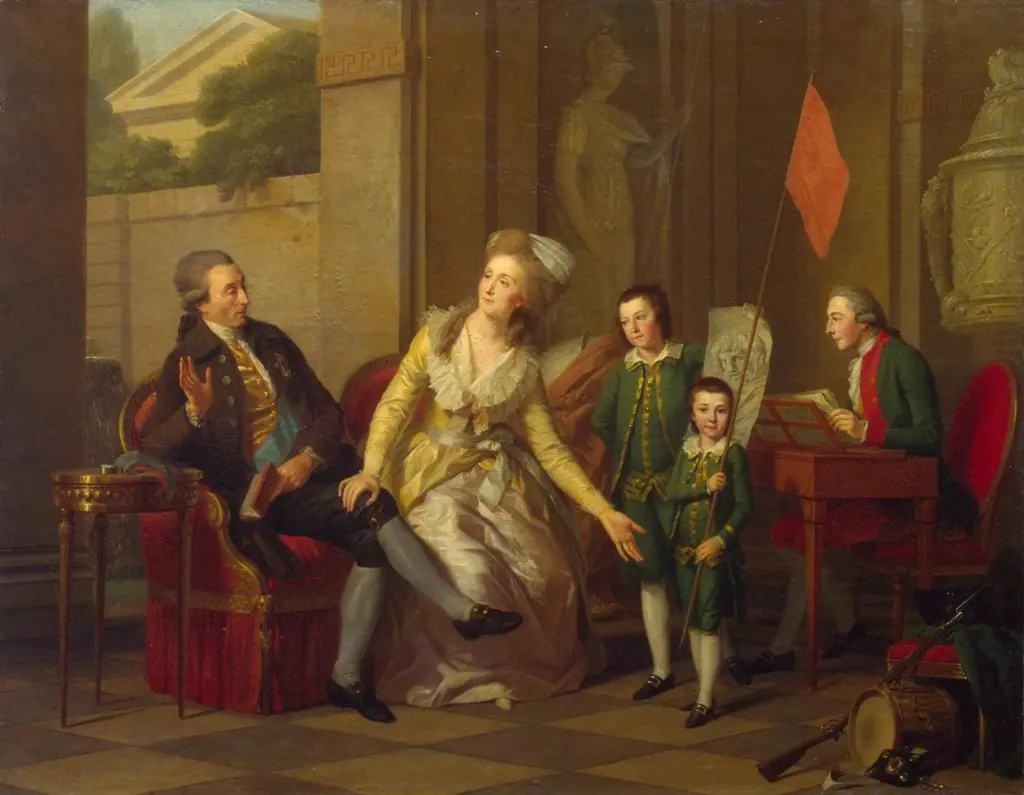 Portrait of the Saltykov Family
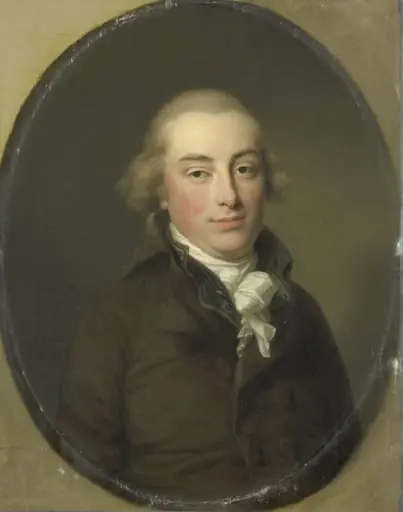 Portrait of Salomon Rendorp, Brewer in Amsterdam
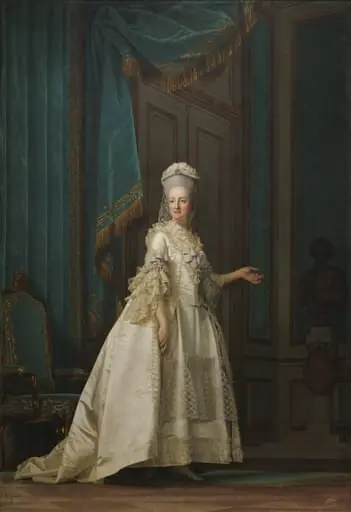 The Queen Dowager Juliane Marie
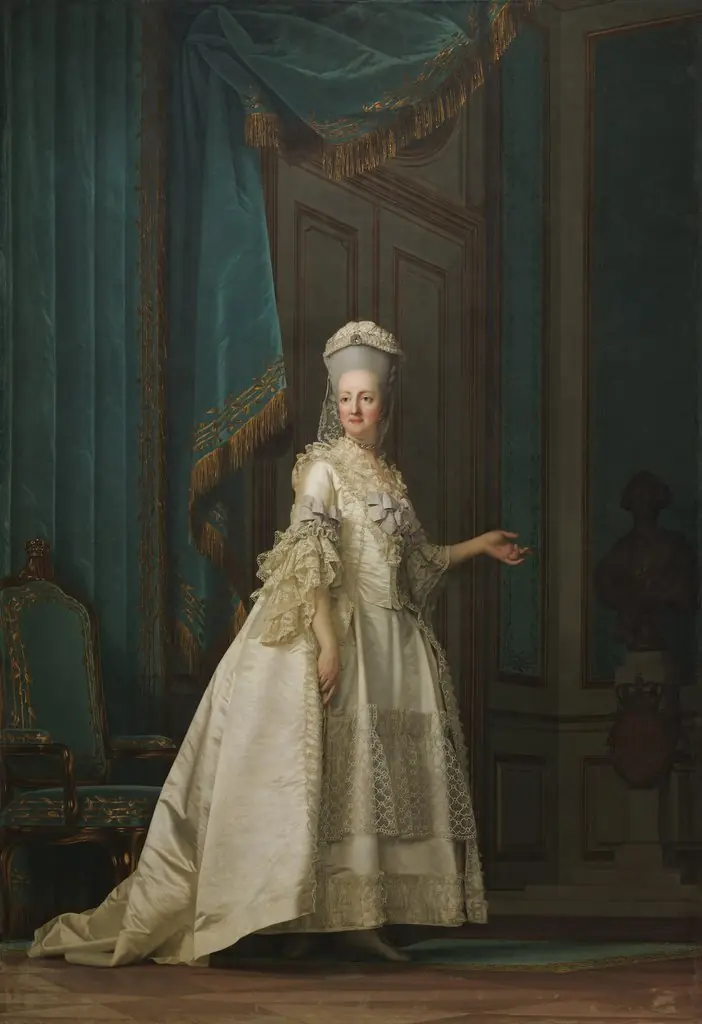 The Queen Dowager Juliane Marie
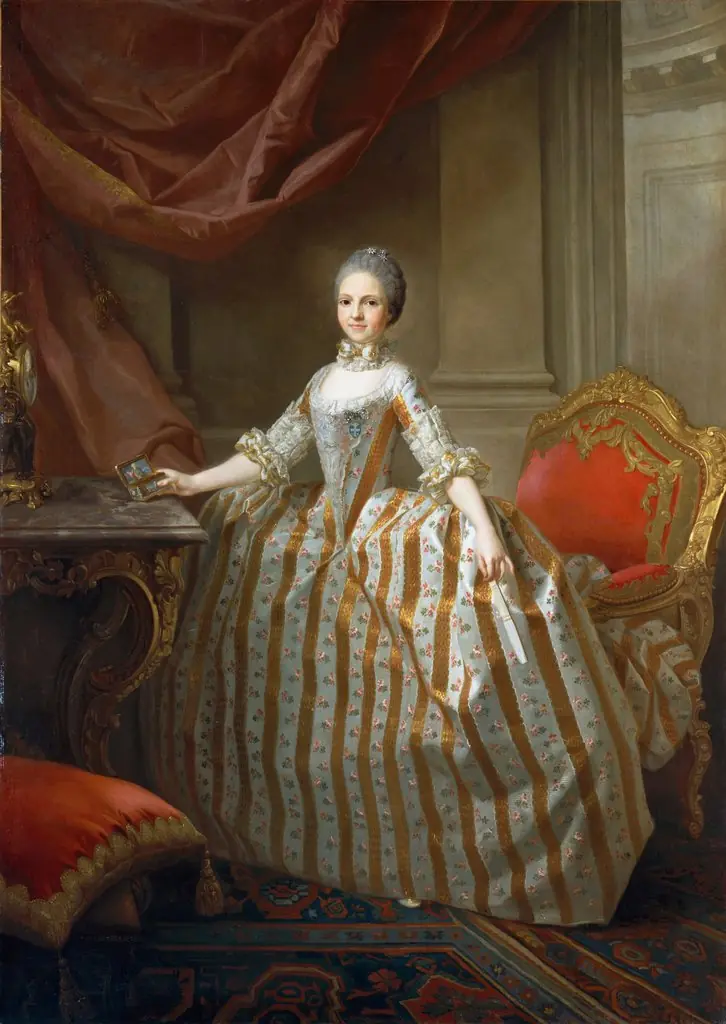 Maria Luisa of Parma (1751–1819), Later Queen of Spain
 Louise-Marie de France
 The Dowager Queen Juliane Marie of Denmark
 Carlota Joaquina infanta de España reina de Portugal
 Portrait of Grand Duchess Yelizaveta Alexeyevna
 The Dowager Queen Juliane Marie of Denmark
 The Marquesa de Pontejos
 Portrait of Princess Frederika Sophia Wilhelmina (1751-1820)
 Anastasia Ivanovna, Countess of Hesse-Homburg, Princess Trubetskaya
 Portrait of Sarah Greig