Artwork
The four elements: Air
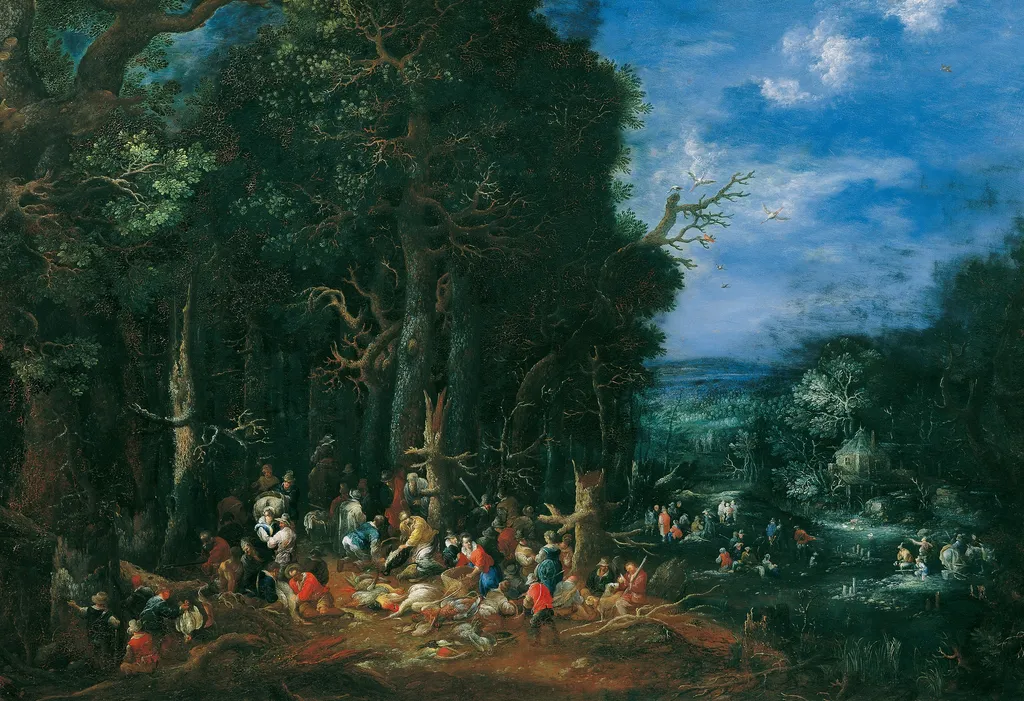
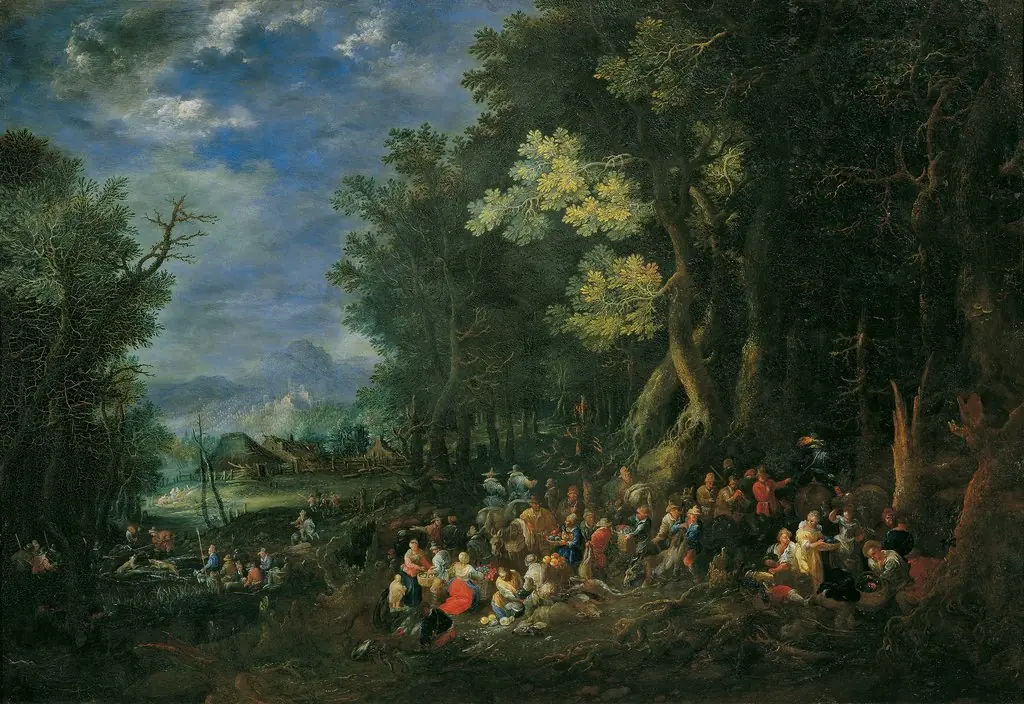
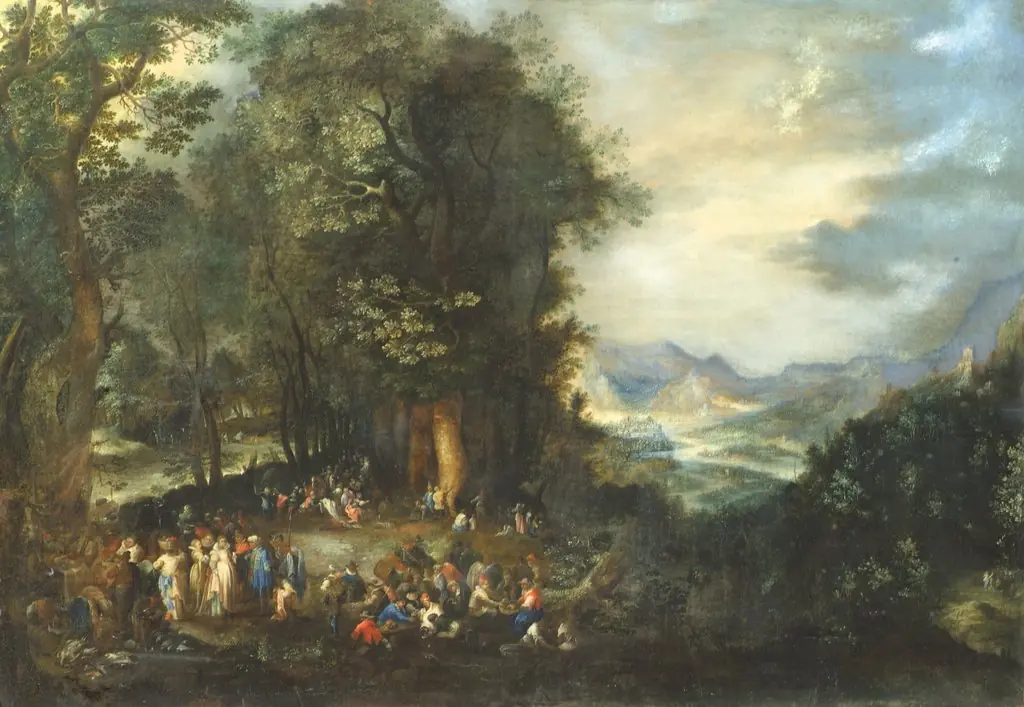
The four elements: Air is an oil painting by the Barbizon school artist Johann Jakob Hartmann. It dates from 1716 and is held in the collection of the Kunsthistorisches Museum.
About this work
Overview
The composition centers on a solitary tree set within a forest clearing, its bark stripped of foliage except for a scattering of green leaves.
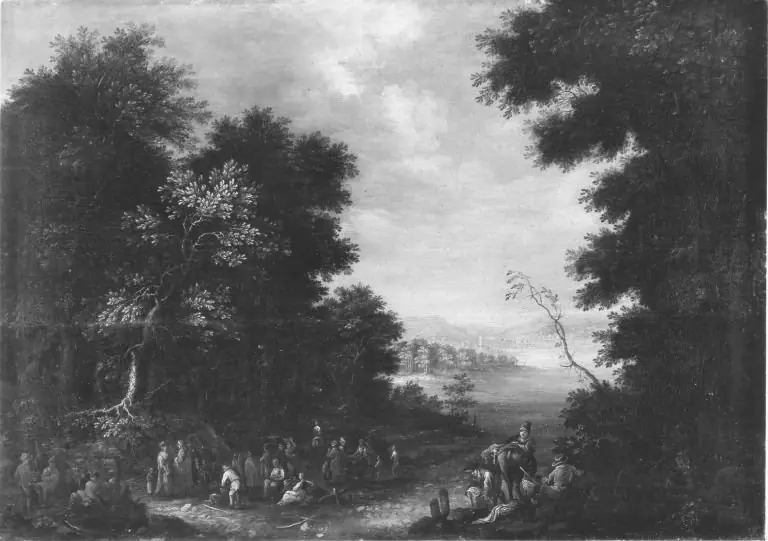
Created in 1716, Johann Jakob Hartmann’s allegorical work titled *The Four Elements: Air* is a copper painting now part of the collection of the Kunsthistorisches Museum. The composition centers on a solitary tree set within a forest clearing, its bark stripped of foliage except for a scattering of green leaves. Beneath the tree a crowd of figures in period dress gathers, suggesting a festive gathering under a bright sky.
Subject & Meaning
The scene functions as an embodiment of the element air, conveyed through the open canopy, the expansive blue overhead, and the lightness of the gathering. The participants, positioned around the tree’s base, appear engaged in celebration, their gestures and objects hinting at communal joy. By situating human activity within a natural setting, Hartmann links the intangible quality of air with social harmony and vitality.
Technique & Style
Executed on copper, the painting benefits from the metal’s smooth surface, allowing Hartmann to render fine detail in the foliage, clothing textures, and cloud formations. The palette emphasizes cool blues and muted earth tones, while the contrast between the bare branches and the scattered leaves creates a sense of movement. The work reflects early‑18th‑century allegorical conventions, balancing natural observation with symbolic representation.
History & Provenance
Hartmann completed the piece in 1716, during a period when allegorical series depicting the classical elements were popular among European patrons. The painting entered the holdings of the Kunsthistorisches Museum, where it remains on display as part of the museum’s early modern European collection. Its provenance prior to acquisition by the museum is not extensively documented.
Context
In the early 1700s, allegorical representations of the four elements served both decorative and didactic purposes, illustrating philosophical ideas about nature’s fundamental forces. *The Four Elements: Air* aligns with this tradition, pairing a natural landscape with human activity to illustrate the pervasive, uplifting qualities associated with air. The work also reflects contemporary tastes for genre scenes that combined narrative content with moral or symbolic undertones.
Own this work as a print
Artist & collection

 Latona and the Lycian Peasants
 Landscape with a Carriage Hold-Up
 The Mocking of Latona
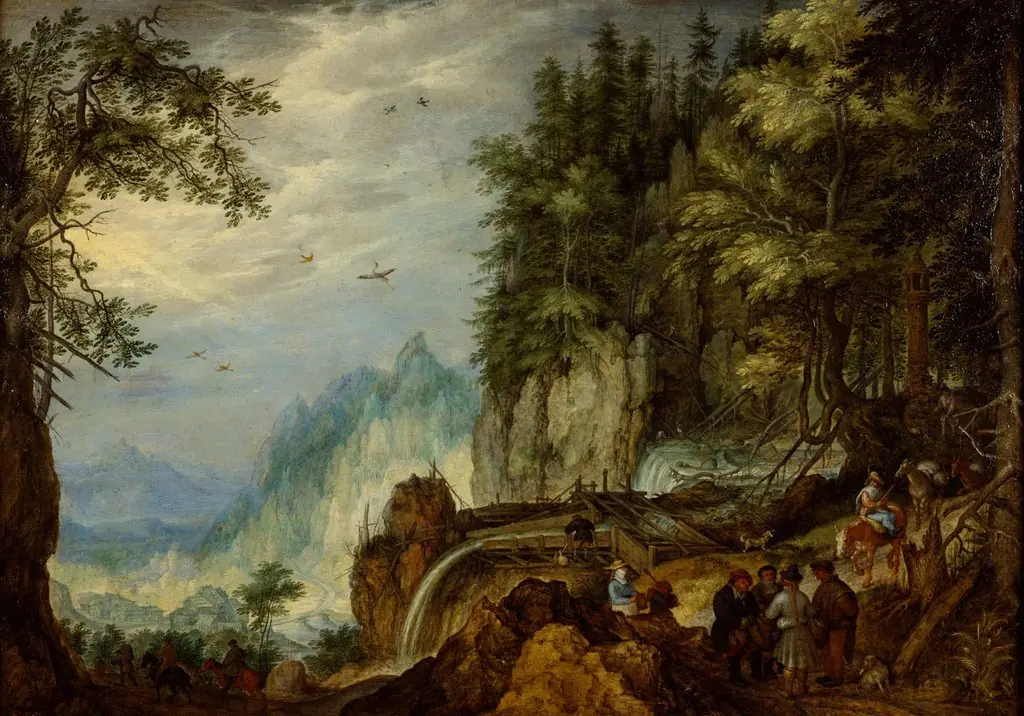 Gebirgslandschaft mit Reisenden
 Hunter and Horsemen on a Wooded Road, with a Village in a Valley beyond
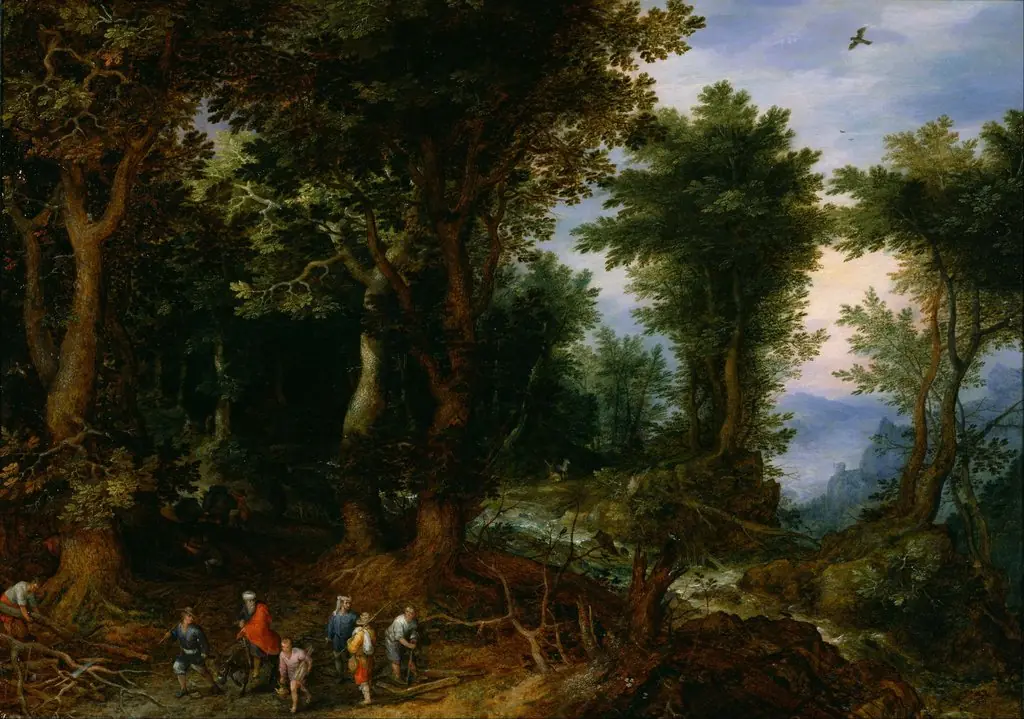 Wooded Landscape with Abraham and Isaac
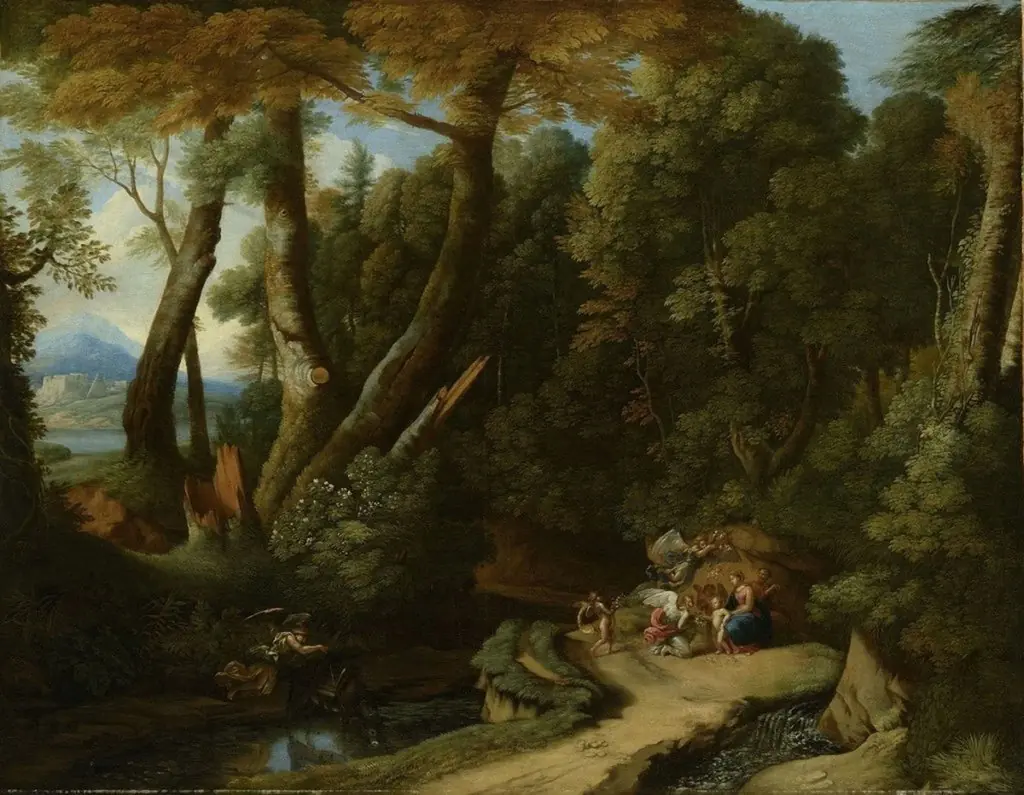 Landscape with the Flight into Egypt
 Sutler Camp at the Edge of the Forest
 Forest Scene with Hunters