Artwork
The four elements: Water
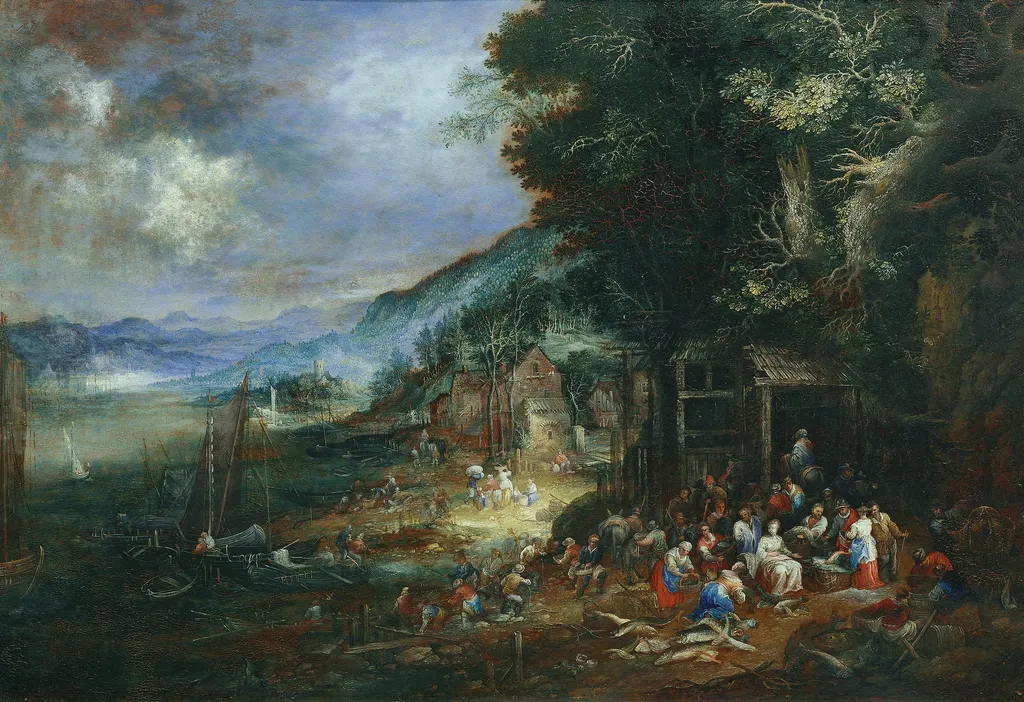
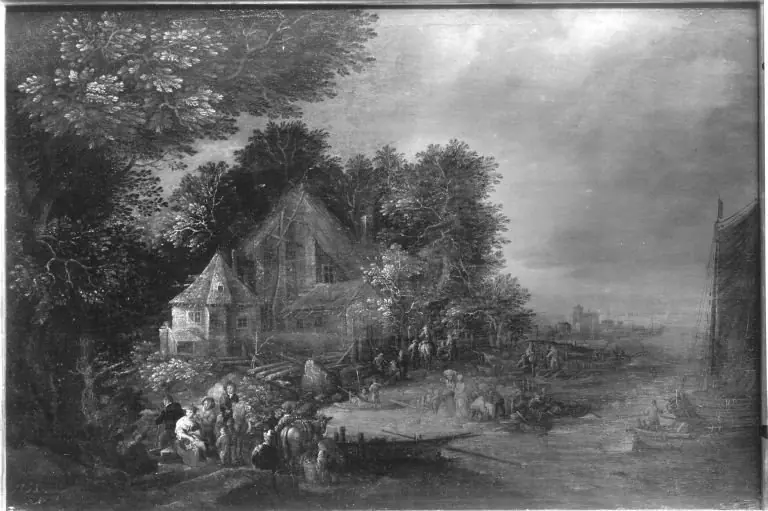
The four elements: Water is an oil painting by the Barbizon school artist Johann Jakob Hartmann. It dates from 1716 and is held in the collection of the Kunsthistorisches Museum.
About this work
Overview
Created in 1716 by Johann Jakob Hartmann, this copper painting is one of four works representing the classical elements.
Created in 1716 by Johann Jakob Hartmann, this copper painting is one of four works representing the classical elements. It depicts water as a natural and social force, illustrated through a riverside setting teeming with daily activity. The piece resides in the Kunsthistorisches Museum, where it is preserved as part of a broader allegorical series rooted in early 18th-century European artistic traditions.
Subject & Meaning
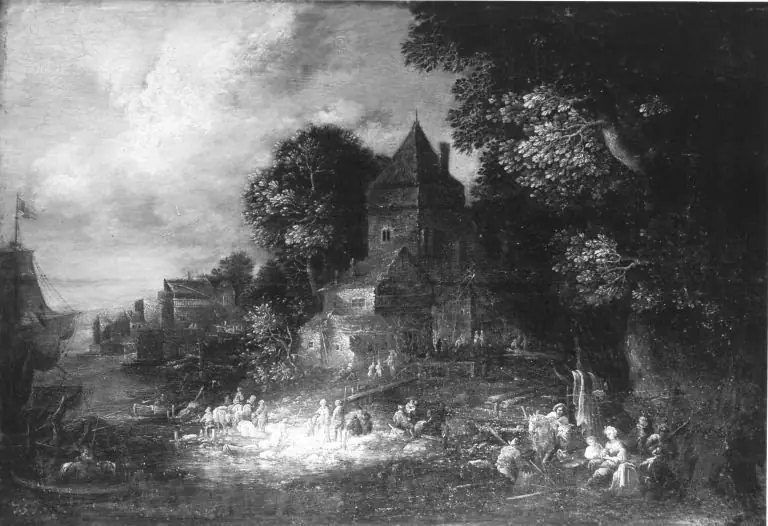
The scene portrays water not as a mythic entity but as a vital part of human life. Figures gather, rest, and move along the riverbank, suggesting commerce, leisure, or labor. Boats imply transport and trade, while the quiet village in the distance reinforces water’s role in sustaining communities. The composition avoids grand symbolism, instead grounding the allegory in observable, everyday interactions with the natural world.
Technique & Style
Painted on copper, the surface allows for fine detail and luminous color. Hartmann employs soft yet distinct brushwork to render textures—fabric, foliage, and water—while using chiaroscuro to model forms with subtle gradations of light and shadow. The palette favors muted blues and earthy browns, creating a cohesive, atmospheric tone that enhances the sense of depth and quiet realism without theatricality.
History & Provenance
The painting was completed in 1716 and entered the collection of the Kunsthistorisches Museum in Vienna, likely through imperial or aristocratic acquisition during the early 18th century. Its survival in good condition reflects careful stewardship. As part of a four-part series, it was likely commissioned to reflect contemporary philosophical and scientific interests in the classical elements as foundational to nature.
Context
In early 1700s Central Europe, allegorical cycles of the elements were popular among patrons seeking to align art with Enlightenment ideals of order and natural philosophy. Hartmann’s work diverges from mythological treatments common in Italy, favoring a grounded, observational approach. This reflects a broader regional shift toward depicting nature and human life with quiet sincerity rather than dramatic flourish.
Legacy
Though not widely exhibited outside Vienna, the painting contributes to understanding how Northern European artists interpreted classical themes through realism. Its focus on ordinary life within a natural setting anticipates later landscape traditions. As one of four related works, it remains a quiet but significant example of how allegory evolved into observational art in the early 18th century.
Own this work as a print
Artist & collection

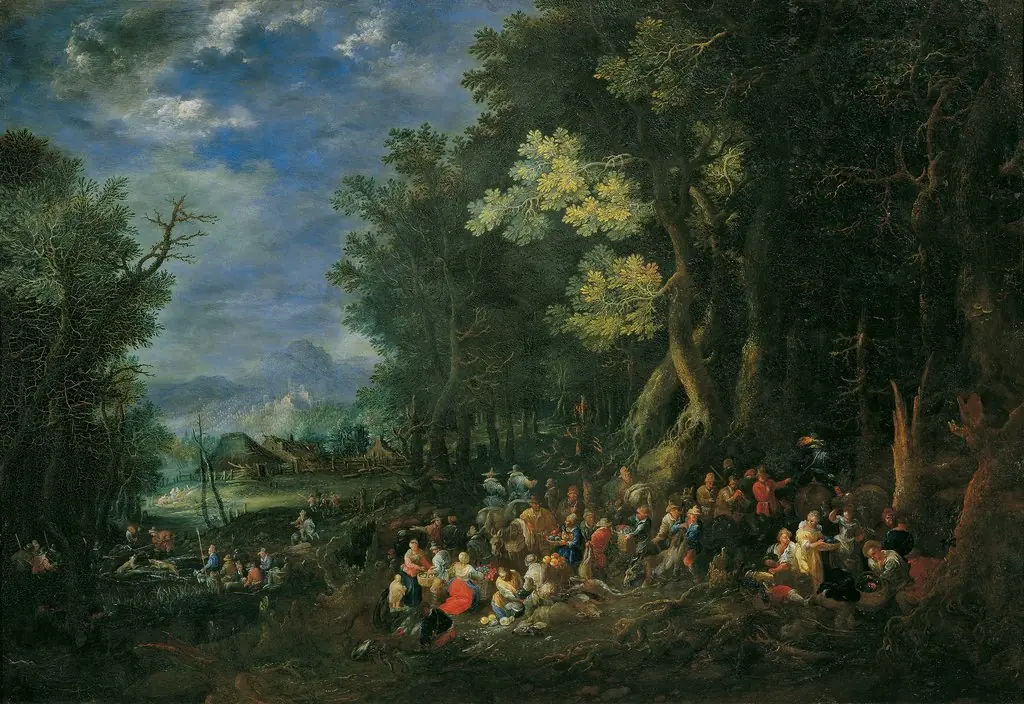
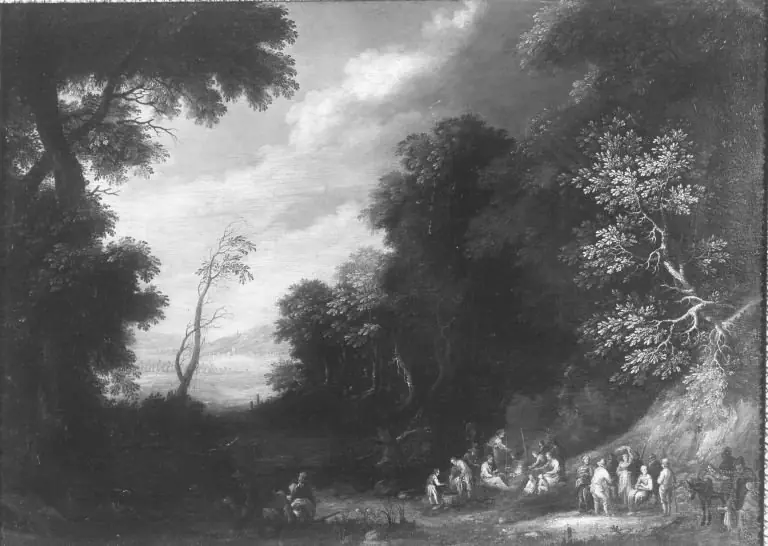
 Sutler Camp at the Edge of the Forest
 Wooded Landscape
 Hunter and Horsemen on a Wooded Road, with a Village in a Valley beyond
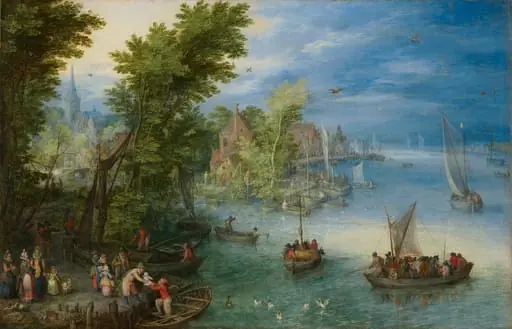 River Landscape
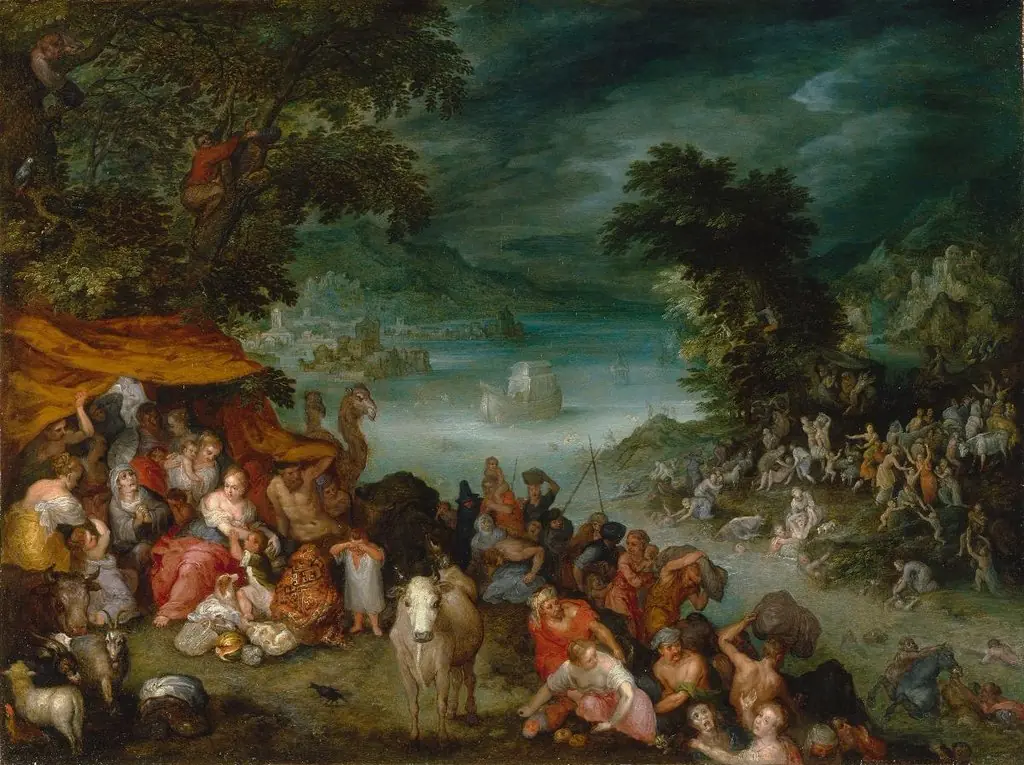 Die Sintflut mit der Arche Noah
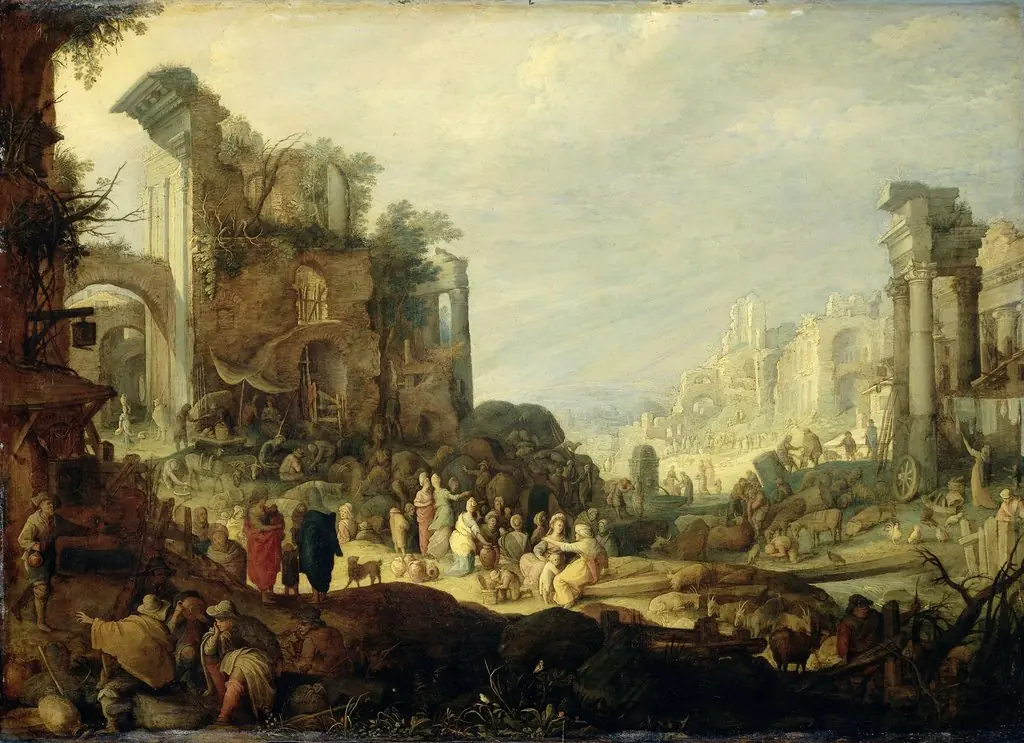 Landscape with Roman Ruins and the Meeting of Rebecca and Eliezer
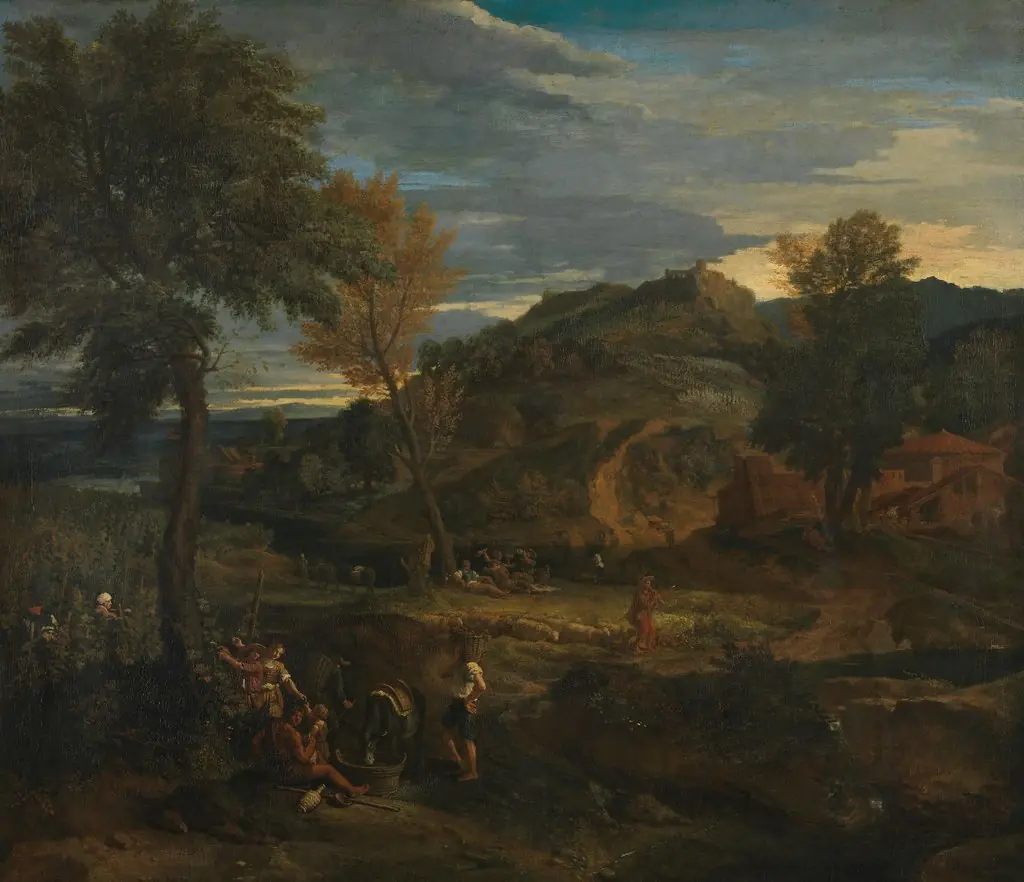 Italienische Landschaft
 Landscape with a Carriage Hold-Up
 Going to the Market