Artwork
The four elements: Earth
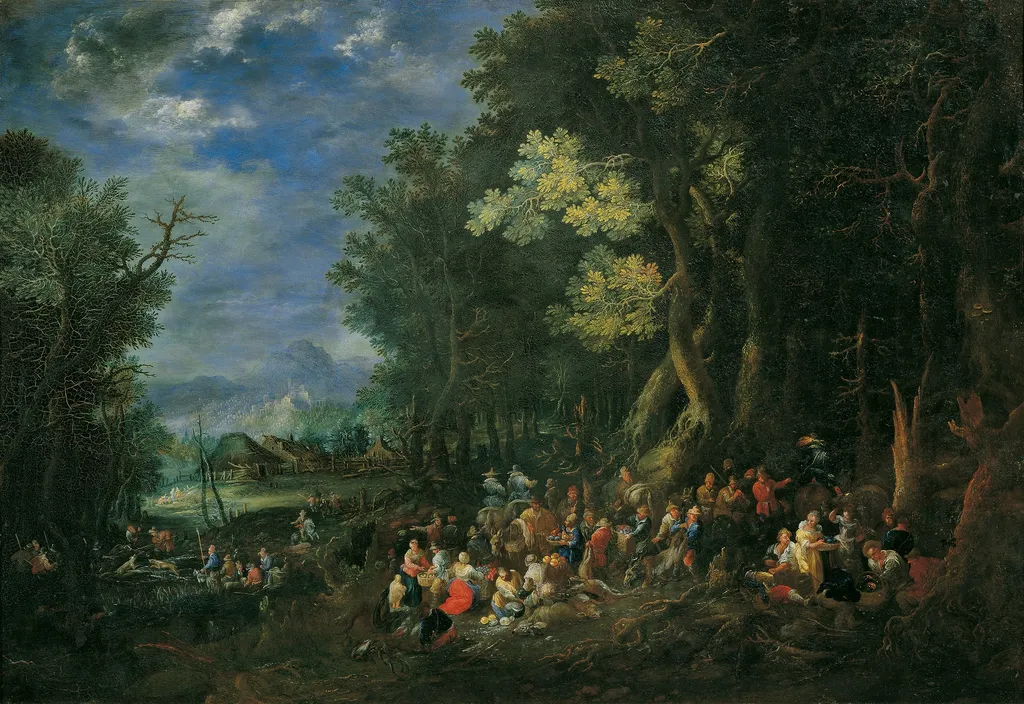
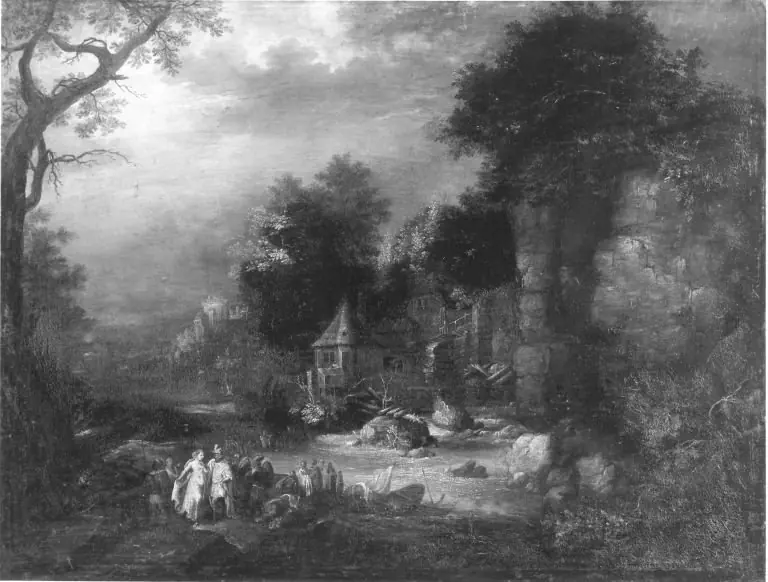
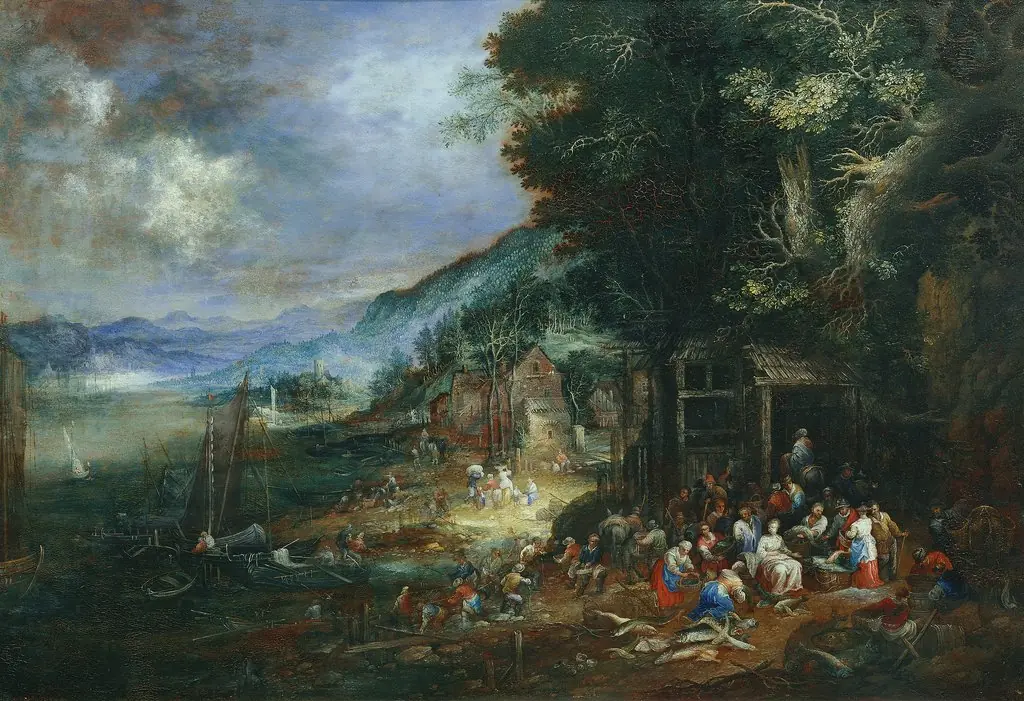
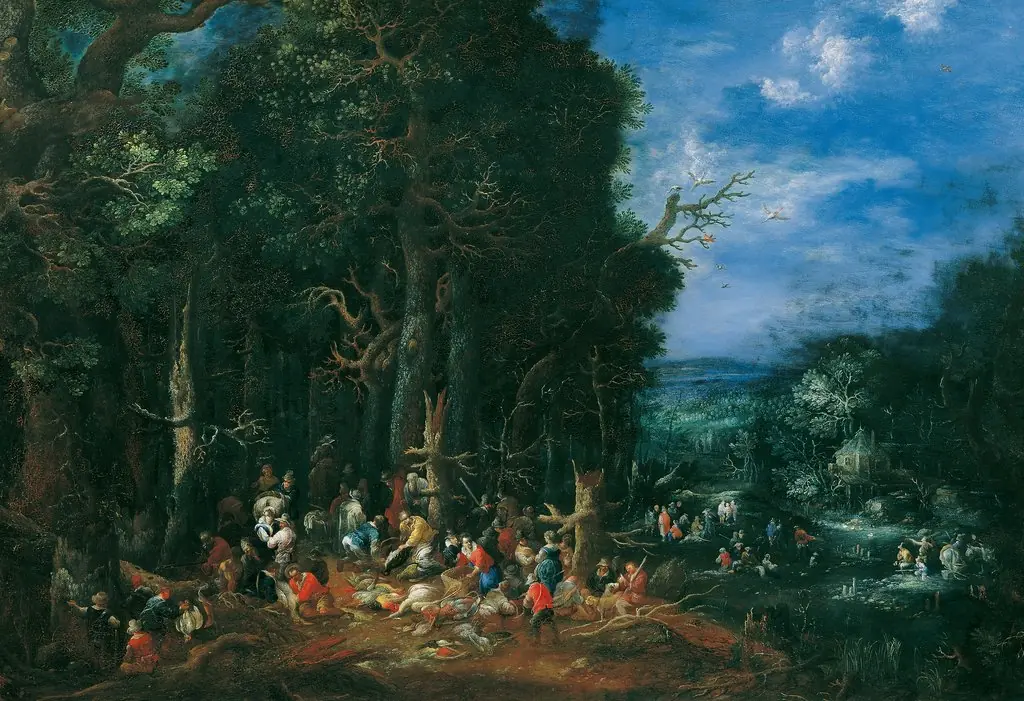
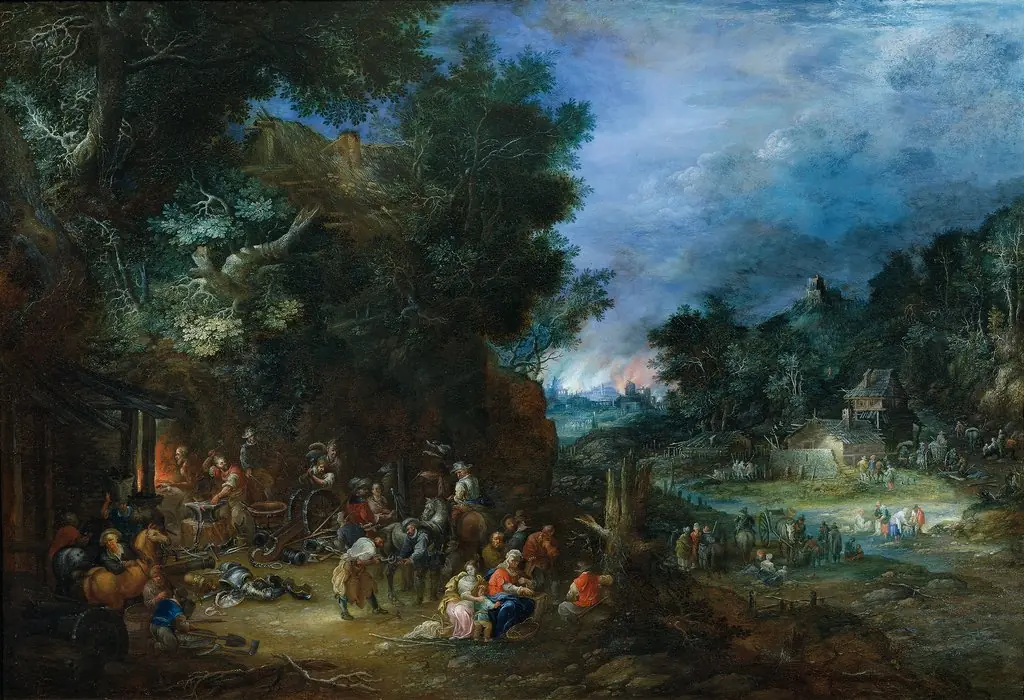
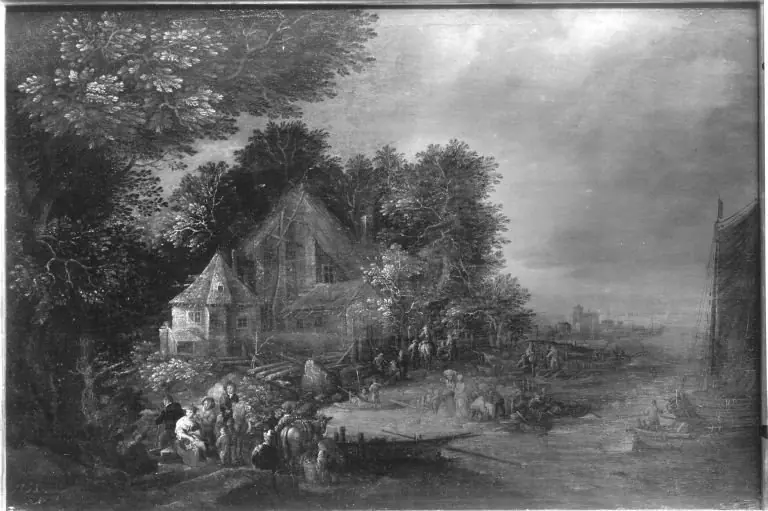
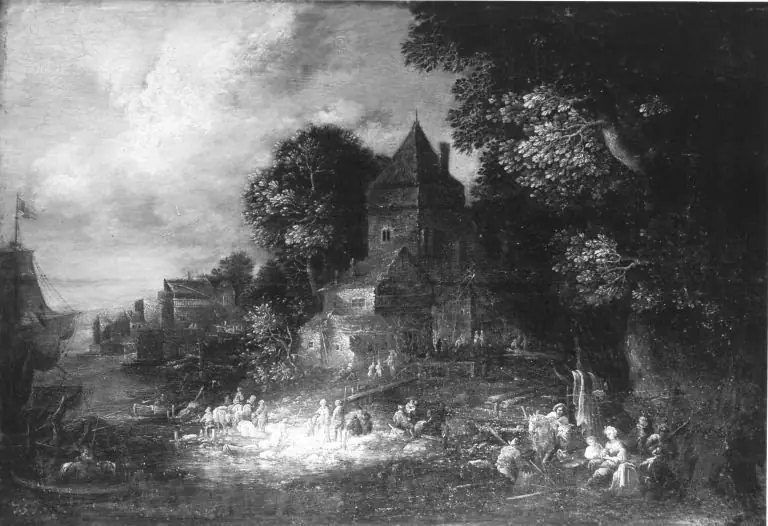
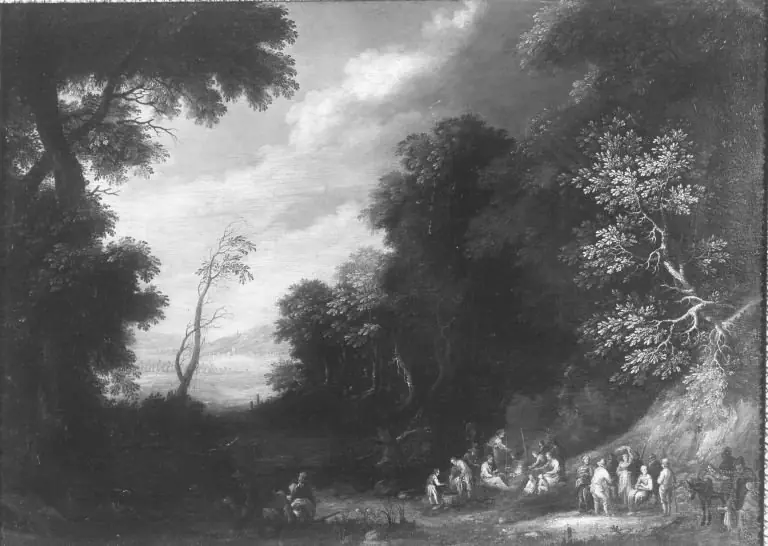
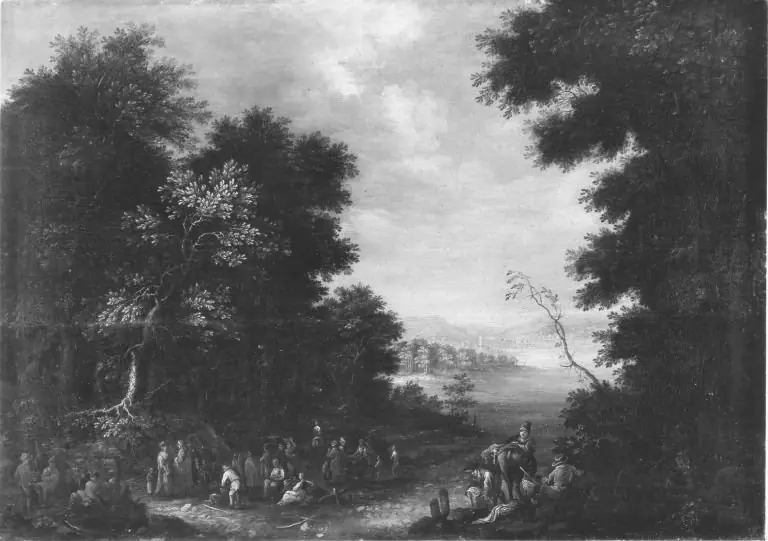
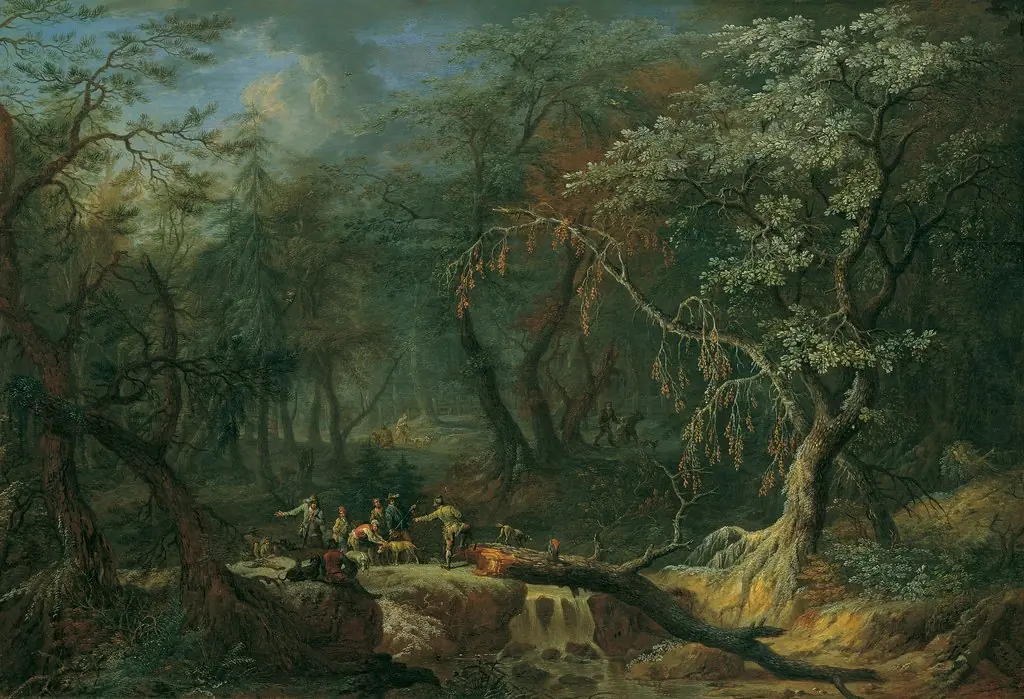
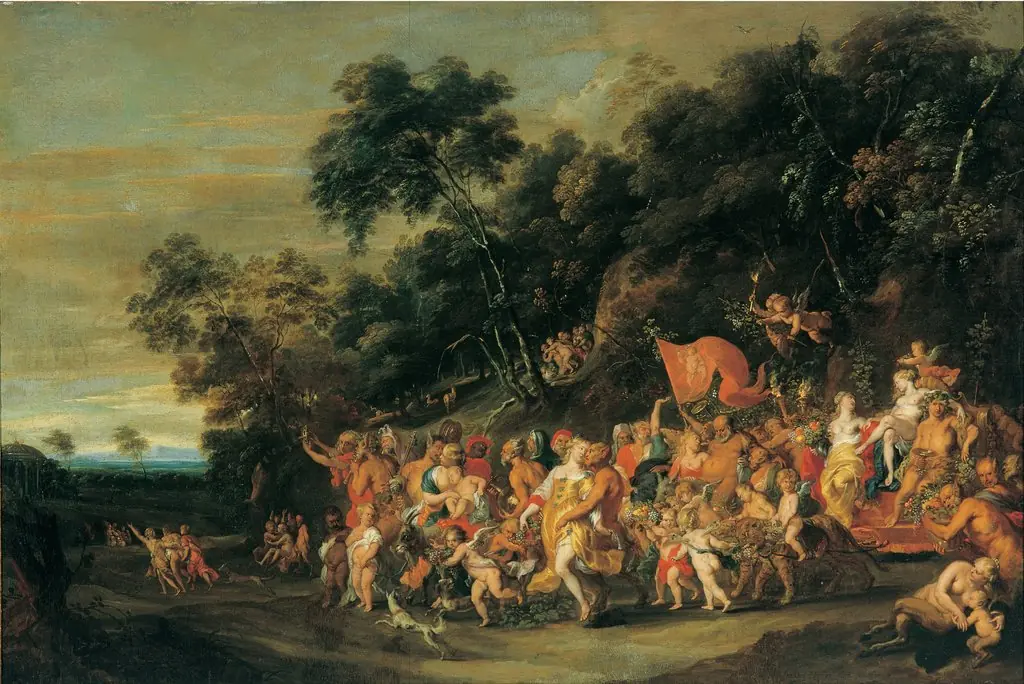
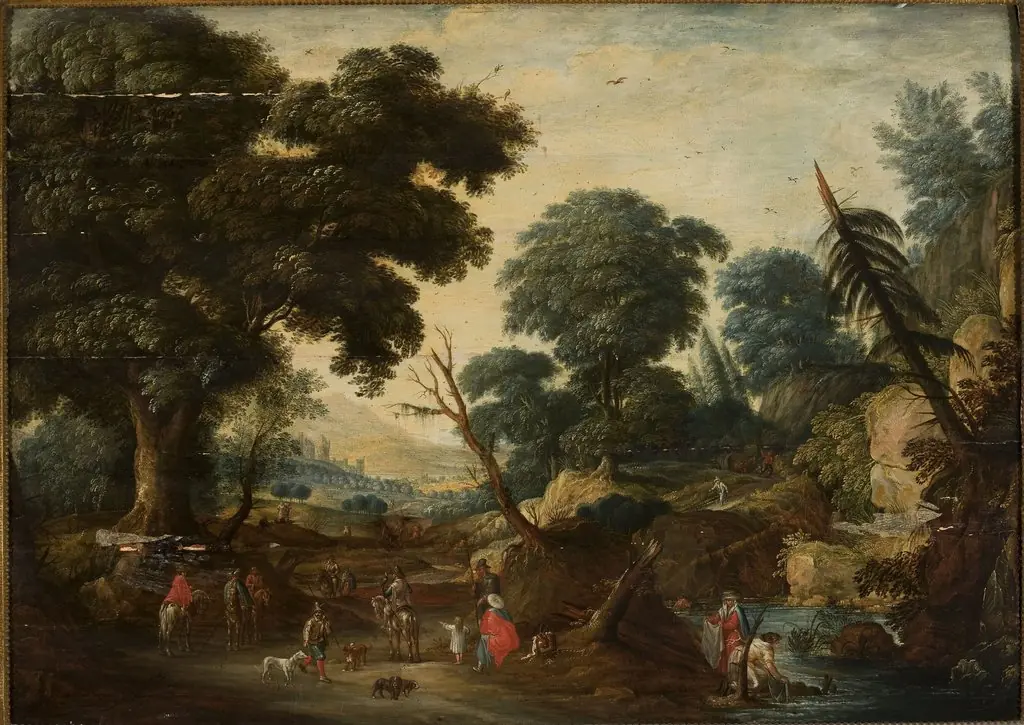
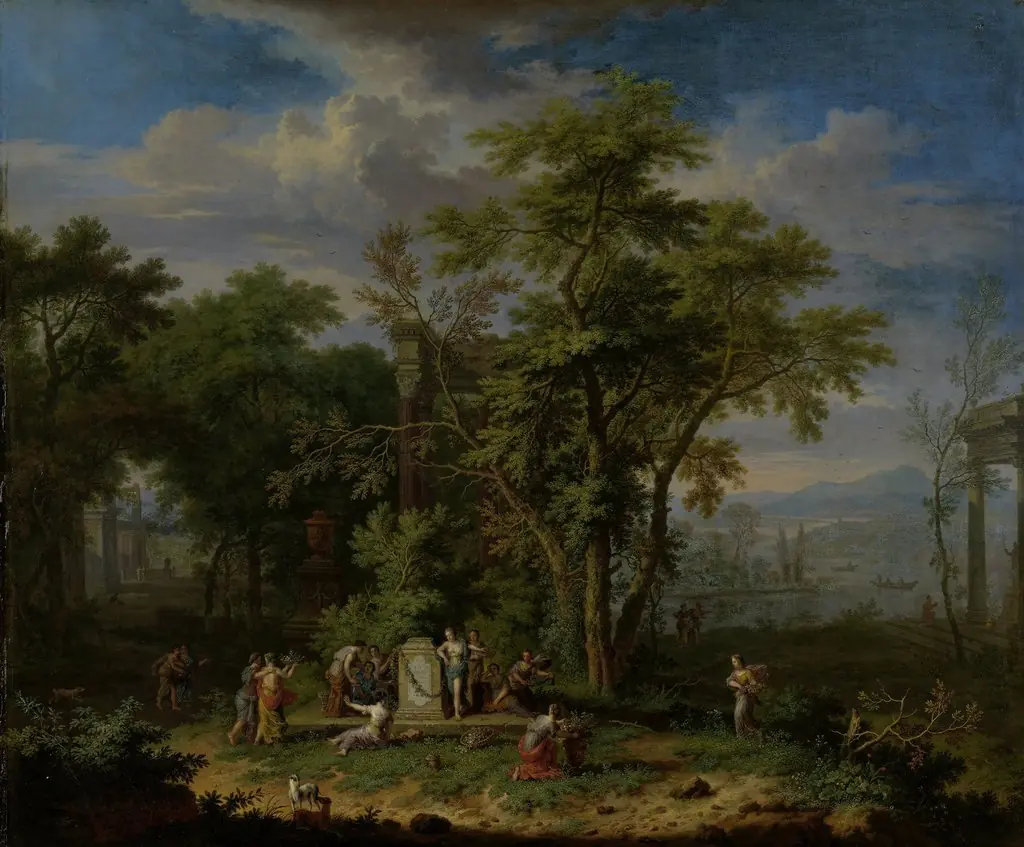
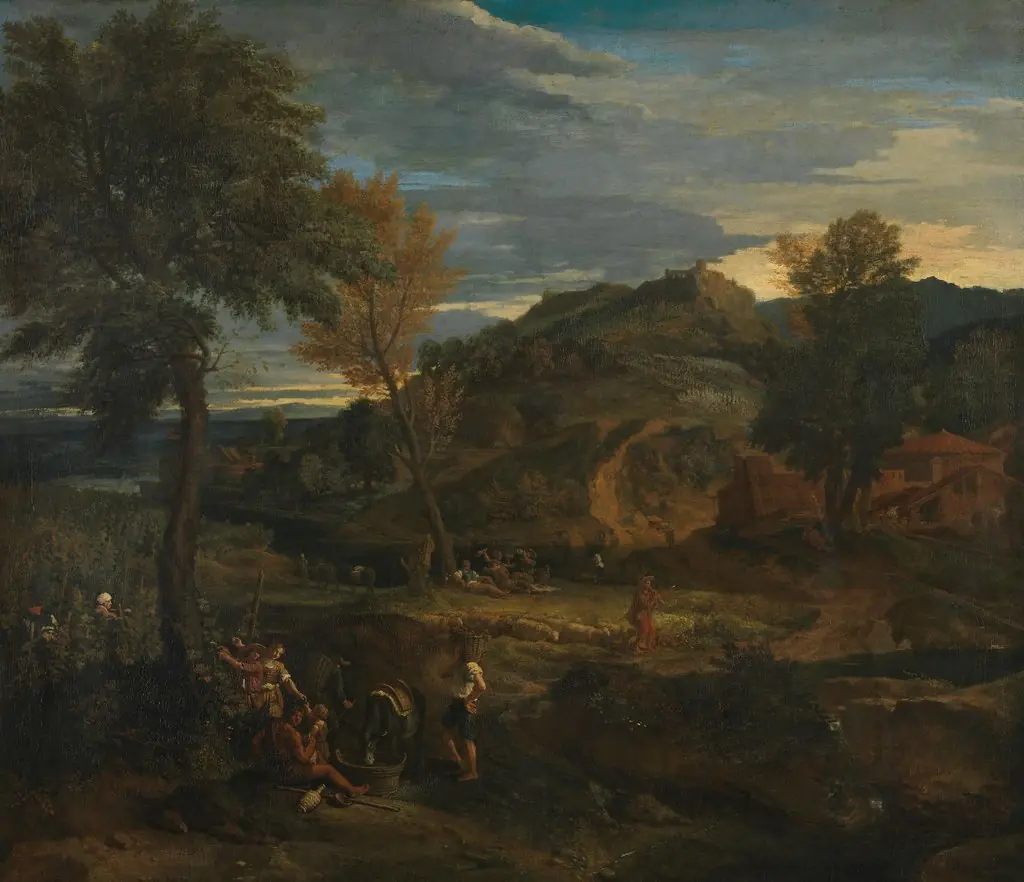
The four elements: Earth is an oil painting by the Barbizon school artist Johann Jakob Hartmann. It dates from 1716 and is held in the collection of the Kunsthistorisches Museum.
About this work
Overview
Created in 1716 by Johann Jakob Hartmann, this copper painting is one of four allegorical works representing the elements.
Created in 1716 by Johann Jakob Hartmann, this copper painting is one of four allegorical works representing the elements. Executed in oil on a metal support, it depicts Earth as a thriving, inhabited landscape rather than an abstract concept. The piece resides in the Kunsthistorisches Museum, Vienna, where it forms part of a larger thematic series exploring natural forces through figurative composition.
Subject & Meaning
The painting personifies Earth through a bustling rural scene teeming with human activity and wildlife. Figures are arranged in loose groupings—some resting, others moving—suggesting harmony between labor and nature. Animals roam freely among trees, reinforcing the idea of Earth as a fertile, self-sustaining realm. The composition avoids mythological figures, grounding the allegory in observable, everyday life.
Technique & Style
Hartmann employed fine brushwork to render varied textures: bark, foliage, skin, and fur are distinguished through subtle tonal shifts. The copper support allowed for luminous highlights and crisp detail, enhancing the naturalism of the scene. Colors are restrained yet deliberate—earthy greens and browns dominate, contrasted by a pale sky that recedes into soft atmospheric perspective.
History & Provenance
Commissioned as part of a four-part cycle, the painting entered the Habsburg collection in the early 18th century. It remained in imperial holdings through successive reigns, eventually finding a permanent home in the Kunsthistorisches Museum upon its founding in 1891. Its preservation on copper contributed to its survival in good condition, uncommon for works of its era.
Context
Hartmann’s work reflects the Baroque tradition of allegorical landscape painting, popular among Central European courts. Unlike mythological scenes, this series emphasized observable nature and human interaction with it, aligning with Enlightenment-era interests in natural philosophy. The choice of copper as a support was both practical and symbolic, suggesting durability and permanence.
Legacy
Though Hartmann is not widely known today, this series represents a quiet shift in allegorical art—away from classical deities toward grounded, empirical representations of nature. The painting’s inclusion in a major imperial collection ensured its survival and influenced later regional artists who sought to depict nature as a living, inhabited space rather than an idealized backdrop.
Own this work as a print
Artist & collection