Artwork
The four elements: Fire
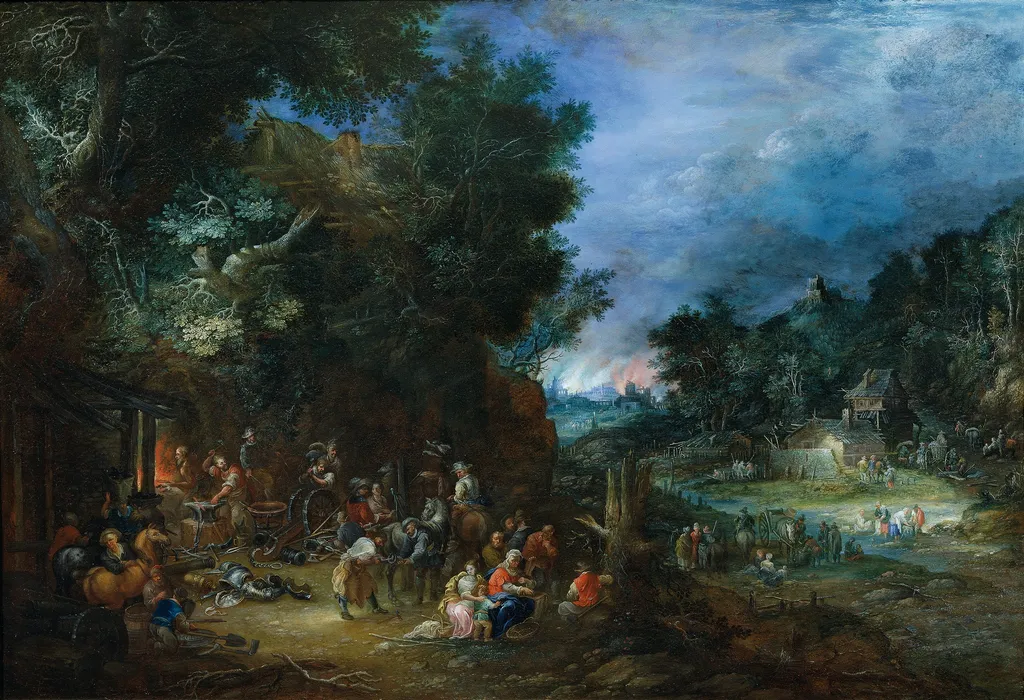
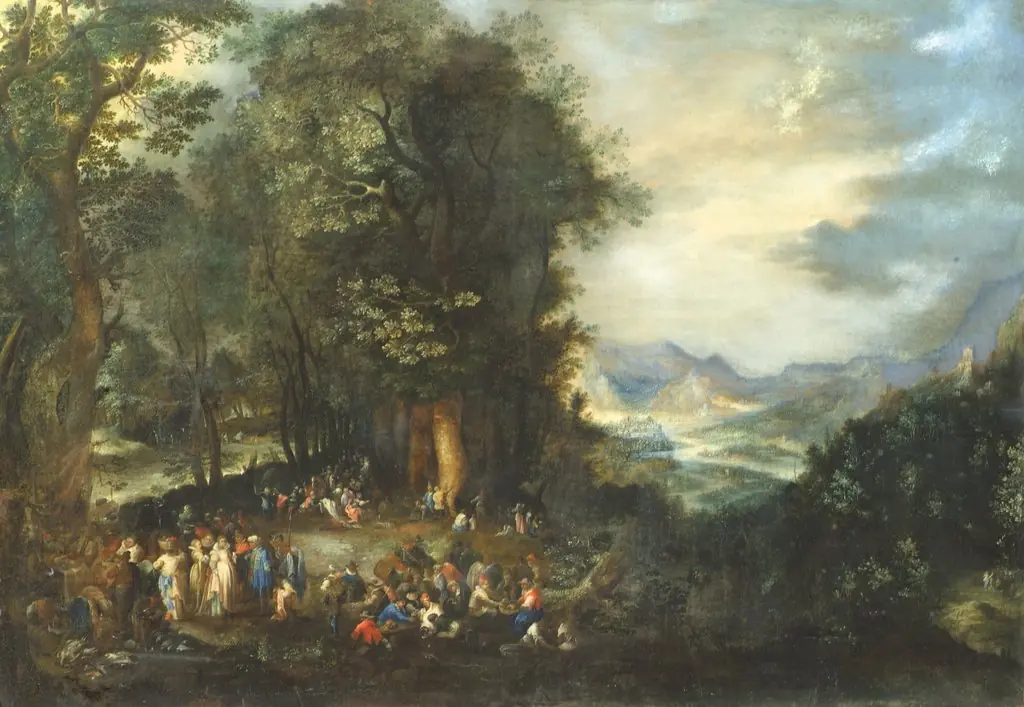
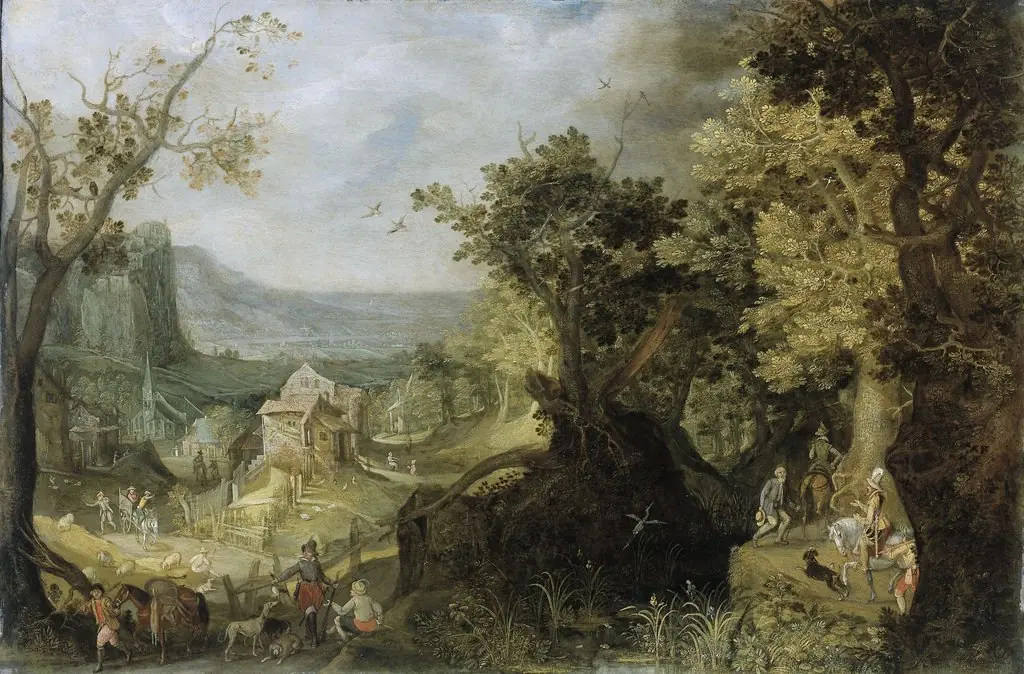
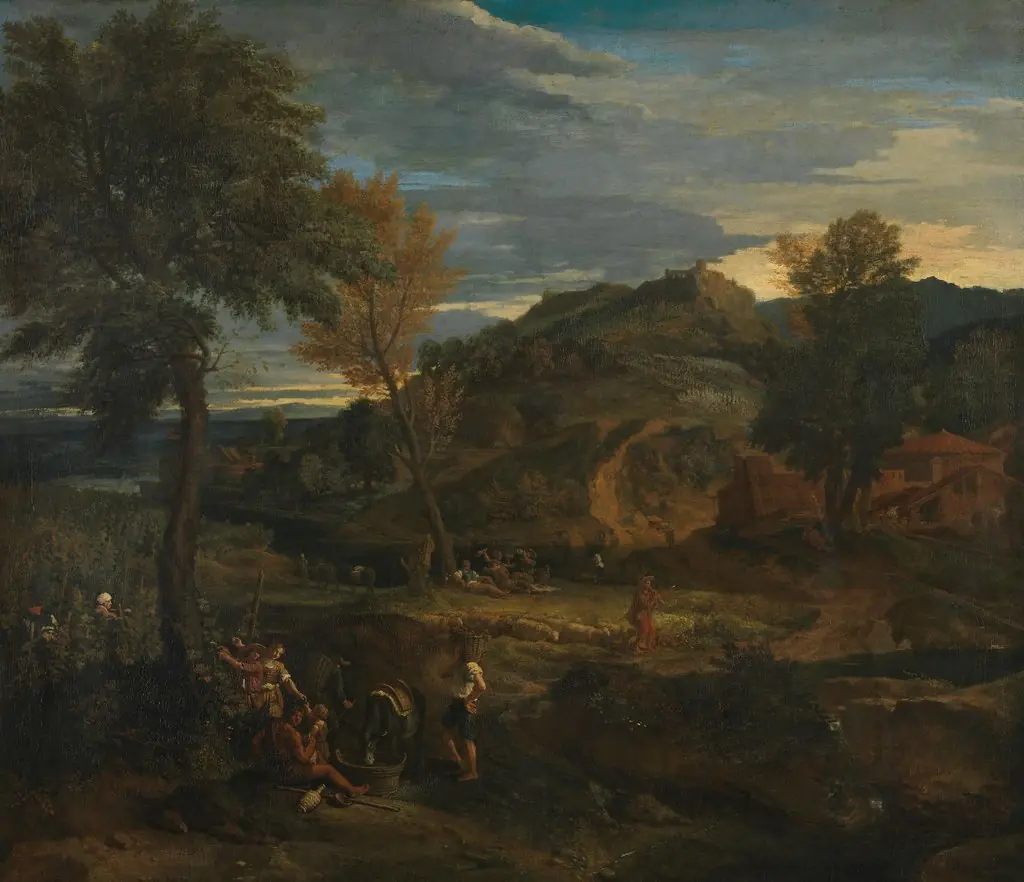
The four elements: Fire is an oil painting by the Barbizon school artist Johann Jakob Hartmann. It dates from 1716 and is held in the collection of the Kunsthistorisches Museum.
About this work
Overview
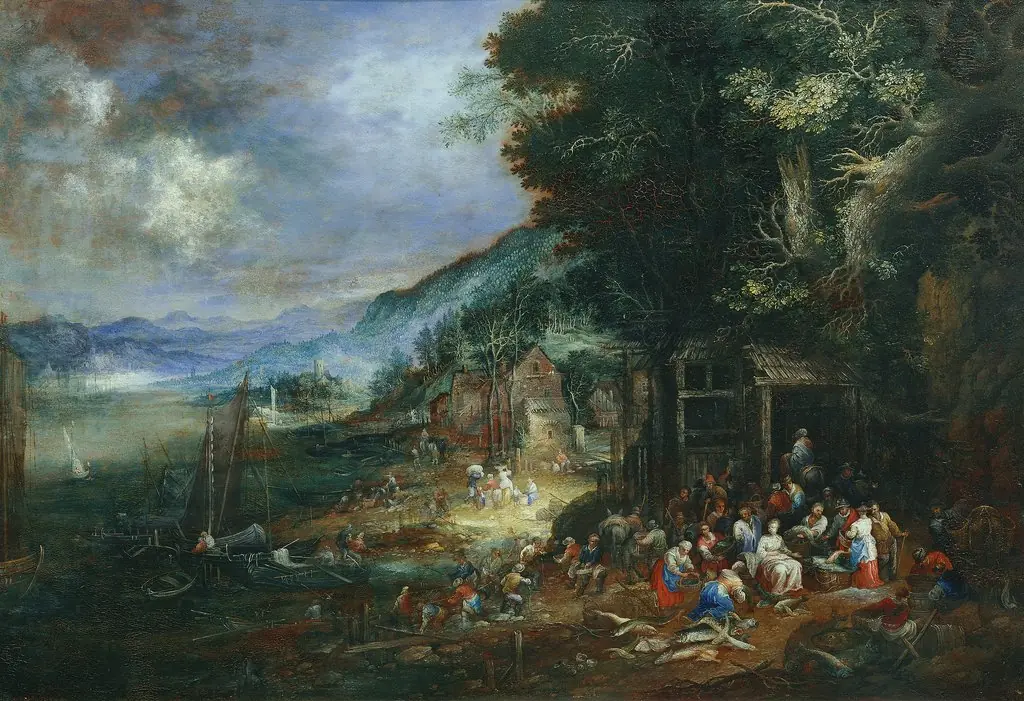
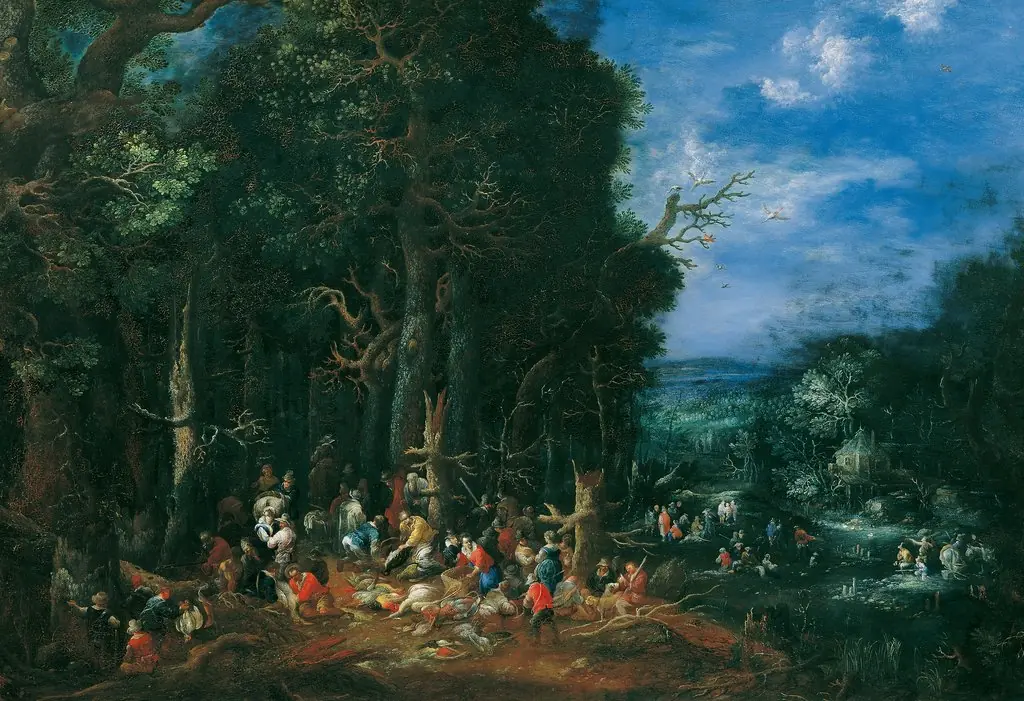
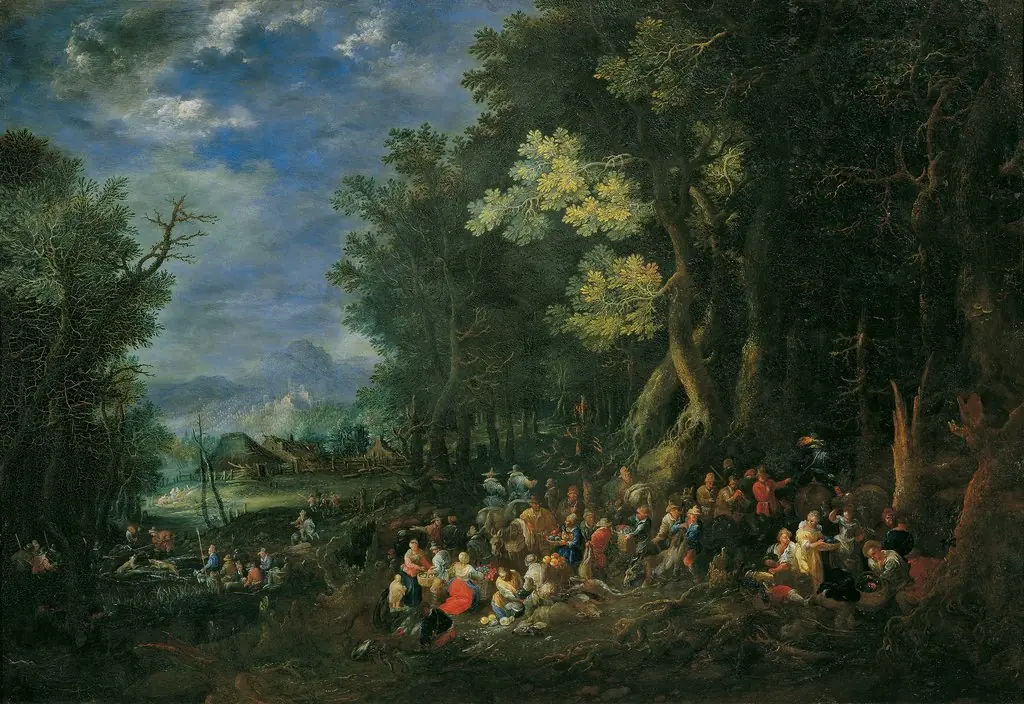
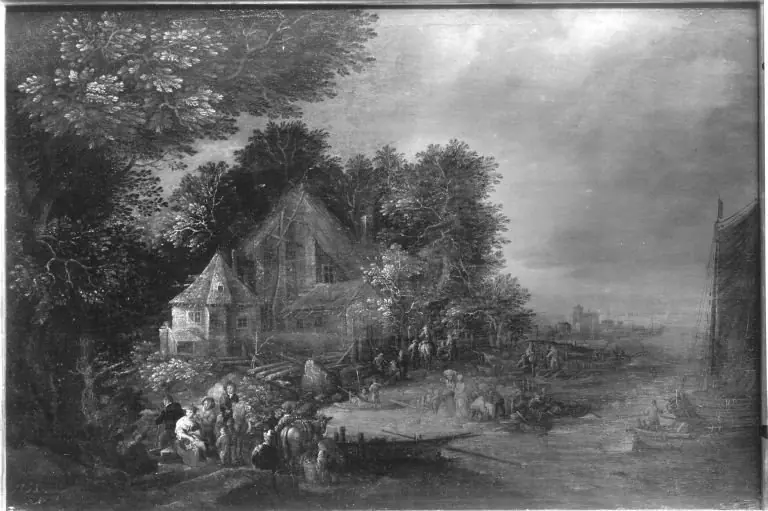
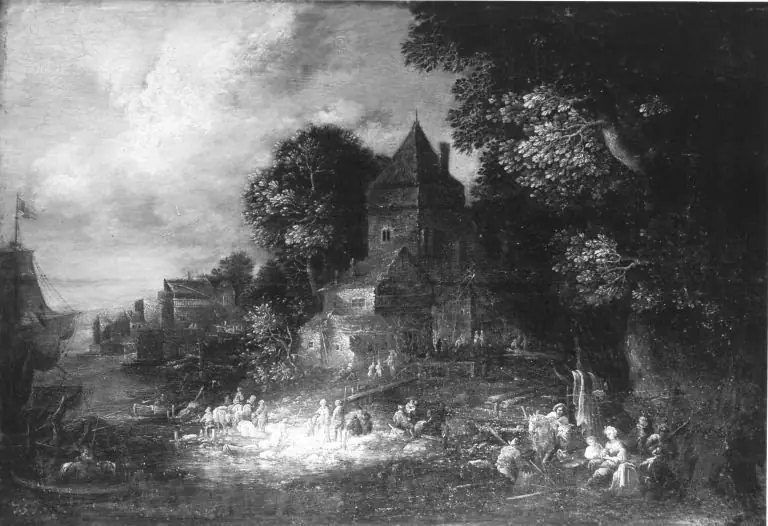
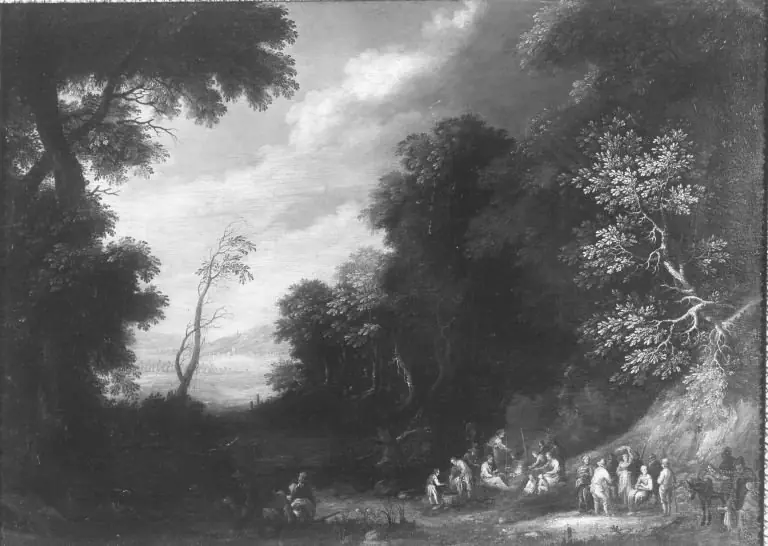
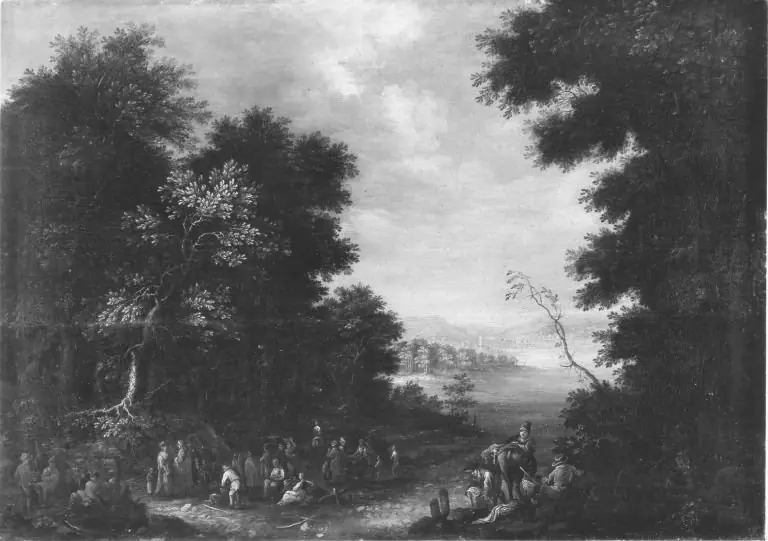
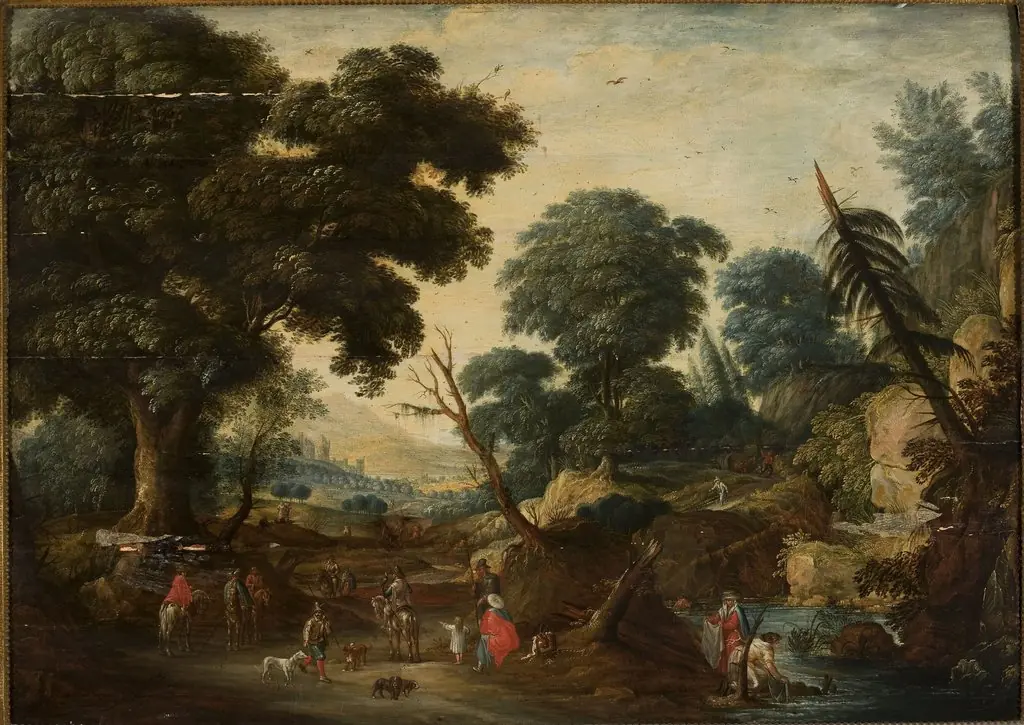
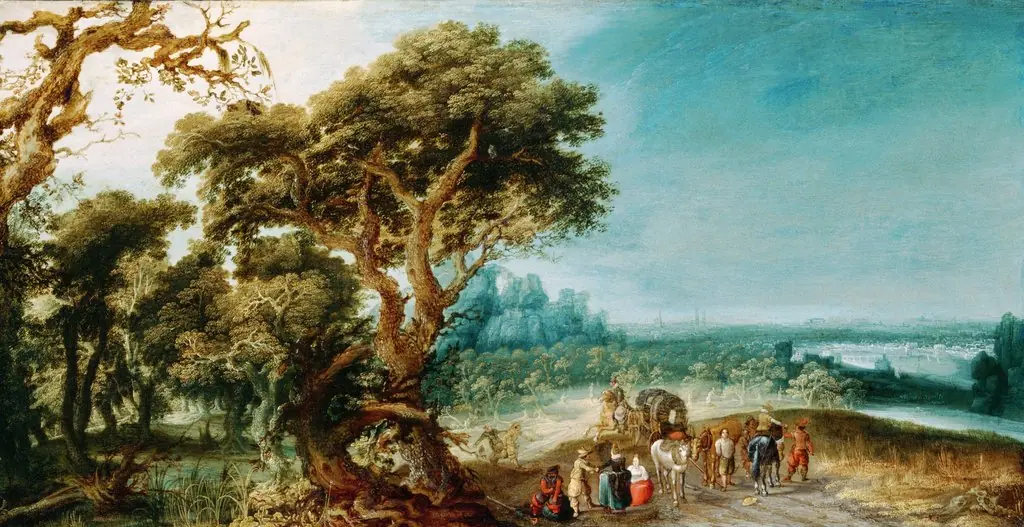
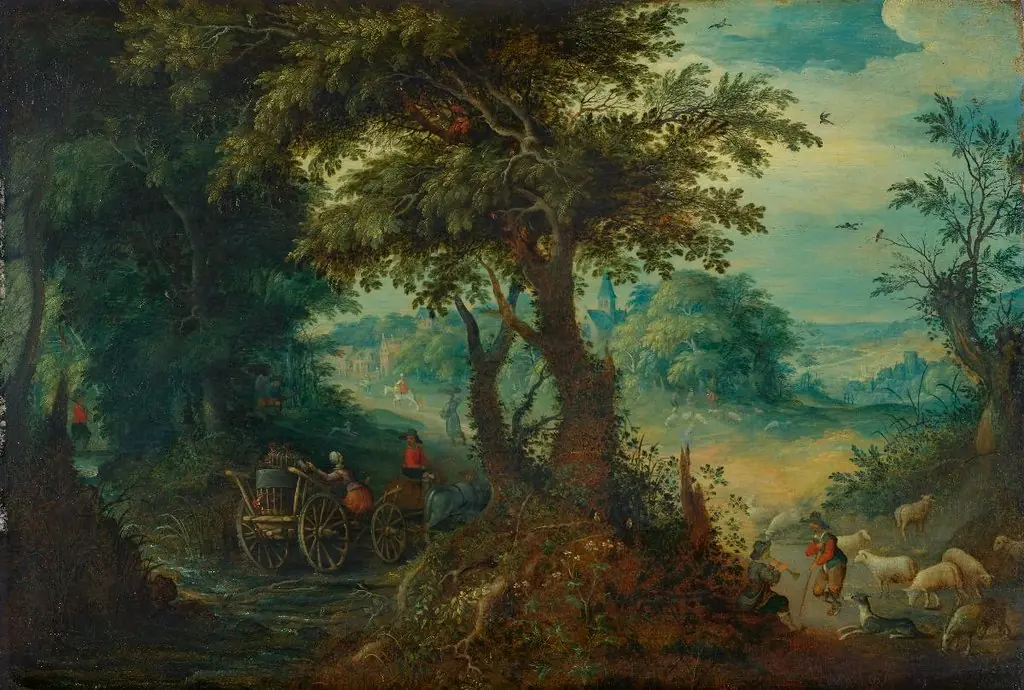
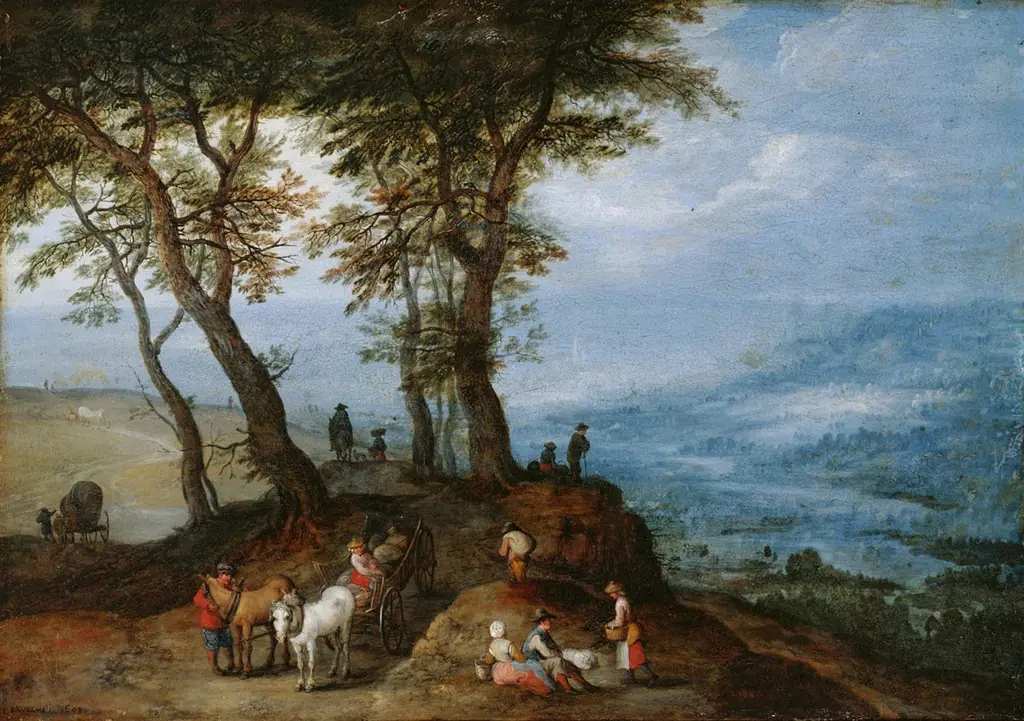
Created in 1716 by Johann Jakob Hartmann, *The Four Elements: Fire* is an allegorical work executed on copper and classified as a painting. It is part of the collection of the Kunsthistorisches Museum in Vienna. The composition presents a bustling outdoor tableau where a central fire pit draws the eye amid a crowded landscape of figures, animals, and architecture.
Subject & Meaning
The scene depicts a lively gathering of men, women, and laborers surrounding a communal fire, suggesting the elemental force of fire as a source of warmth, labor, and social interaction. The surrounding horses, carts, and distant settlement frame the fire within everyday activity, reinforcing the allegorical intent to illustrate fire’s role in human life without overt symbolism.
Technique & Style
Hartmann employed the fine grain of copper to achieve a luminous surface, allowing delicate brushwork to render varied textures—from the flickering flames to the roughness of timber and the sheen of animal hides. The palette balances warm ochres of the fire with cooler earth tones, while subtle chiaroscuro models the figures, creating depth in a compact, densely populated composition.
History & Provenance
The copper painting entered the Kunsthistorisches Museum’s holdings during the 19th‑century expansion of its Baroque and Rococo collections, though the exact acquisition date is undocumented. Its attribution to Hartmann has been confirmed through stylistic comparison with other signed works from the early 1700s, situating it firmly within his productive period.
Context
In the early eighteenth century, allegorical representations of the classical elements were popular in Central European decorative arts, often serving both didactic and decorative purposes. Hartmann’s *Fire* reflects contemporary interest in integrating moral or natural themes into genre scenes, aligning with the period’s fascination with the interplay between human activity and elemental forces.
Own this work as a print
Artist & collection