Artwork
Sacrifice of Isaac
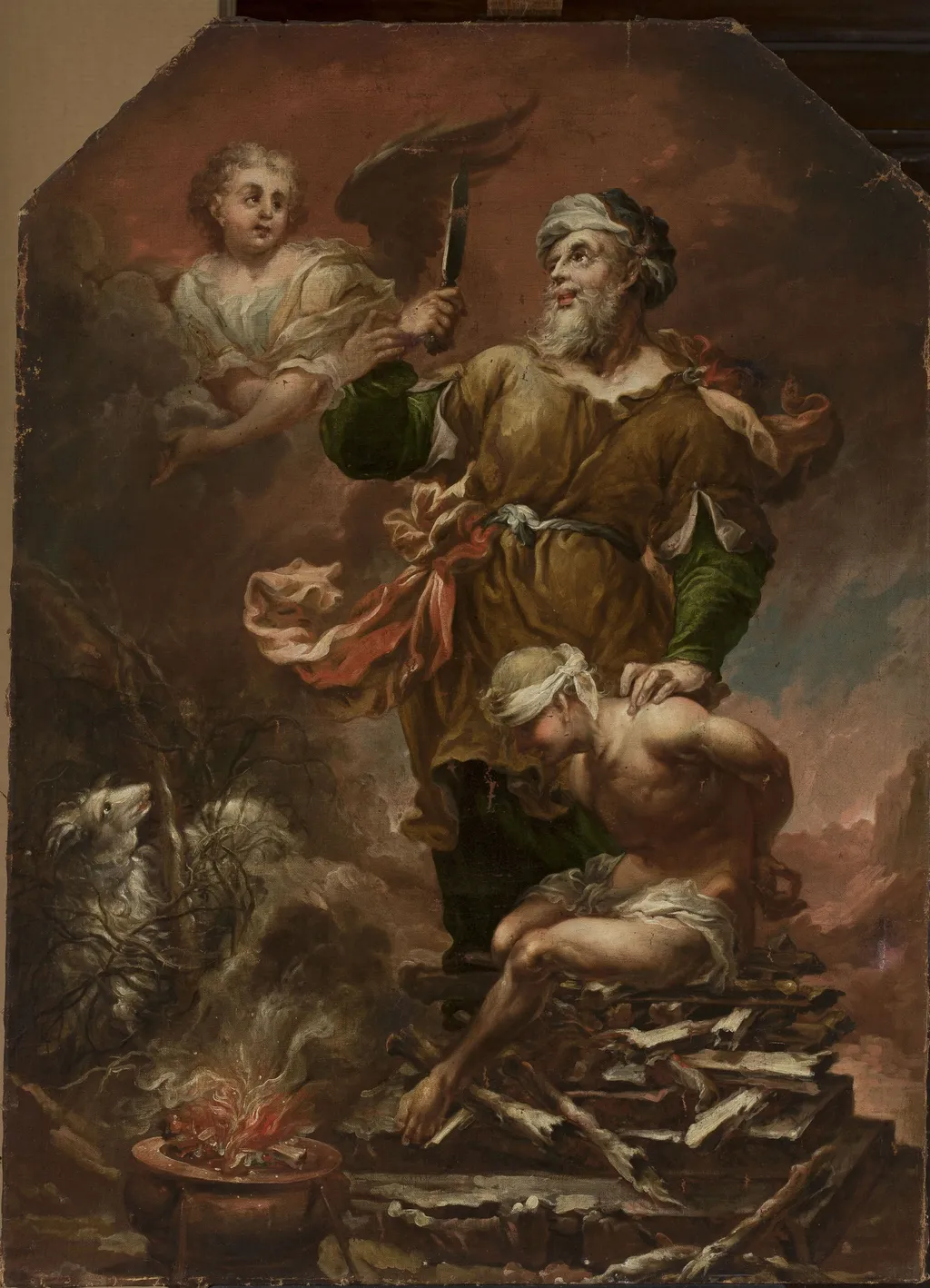
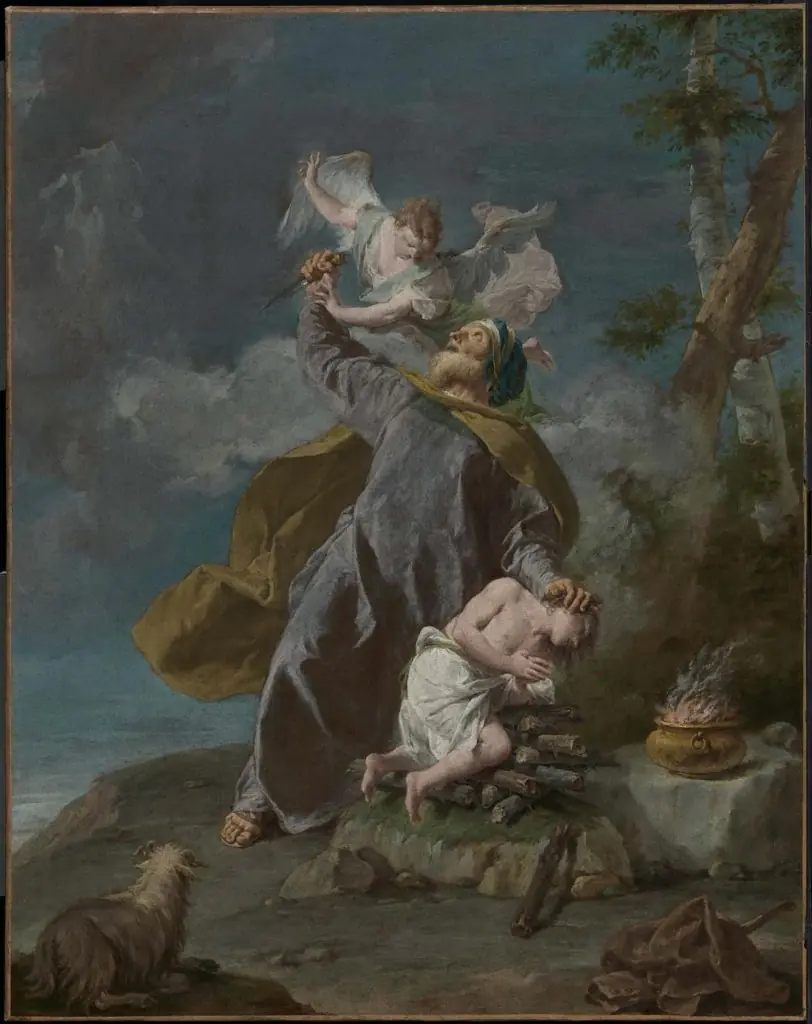
Sacrifice of Isaac is an oil painting by Johann Michael Rottmayr. It dates from 1703 and is held in the collection of the National Museum in Warsaw.
About this work
Overview
Painted around 1703, this oil on canvas work by Johann Michael Rottmayr illustrates the biblical moment when Abraham is halted from sacrificing his son Isaac.
Painted around 1703, this oil on canvas work by Johann Michael Rottmayr illustrates the biblical moment when Abraham is halted from sacrificing his son Isaac. The composition centers on a tense interaction between the two figures, with an angel intervening from the left. The painting resides in the National Museum in Warsaw, where it remains a key example of early 18th-century Central European religious art.
Subject & Meaning
The scene captures the divine intervention in Genesis 22, where God stops Abraham from carrying out a commanded sacrifice. The blindfolded Isaac, bound in white fabric, embodies submission, while Abraham’s raised knife signifies the moment of moral crisis. The angel’s outstretched hand halts the act, emphasizing divine mercy over blind obedience. The small fire in the foreground recalls the intended offering, reinforcing the gravity of the moment.
Technique & Style
Rottmayr employs chiaroscuro to heighten emotional tension, directing light toward the faces and hands of the central figures while plunging surrounding areas into shadow. The folds of fabric, the texture of skin, and the flickering glow of the fire are rendered with careful attention to detail. The angel’s wings, softly illuminated, contrast with the darker background, guiding the viewer’s eye to the pivotal gesture of intervention.
History & Provenance
The painting was likely commissioned for a religious institution in Austria or southern Germany before entering the collection of the National Museum in Warsaw. Its presence there suggests it was acquired during the 19th century, possibly as part of broader cultural transfers following geopolitical shifts in Central Europe. No significant alterations or restorations are documented in public records.
Context
Created during the height of the High Baroque period, the work reflects the era’s emphasis on emotional intensity and theatrical religious narratives. Rottmayr, trained in Italy and active in Vienna, brought Italianate dramatic lighting to Central European altarpieces. This painting aligns with contemporaneous works commissioned by the Habsburg court to reinforce Catholic devotional themes after the Counter-Reformation.
Legacy
Though not widely reproduced, the painting is recognized in scholarly circles as a representative example of Rottmayr’s narrative skill and his synthesis of Italian Baroque techniques with Northern European sensibilities. It contributes to the understanding of how religious themes were visually articulated in Habsburg territories during the early 1700s, influencing later regional painters.
Artist & collection
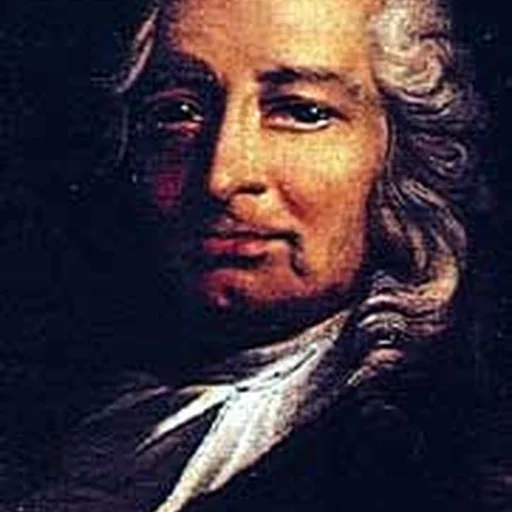
Artist
Johann Michael Rottmayr (1656–1730) was an Austrian artist, born in Laufen.