Artwork
Venere e Amore nel segno dei Gemelli
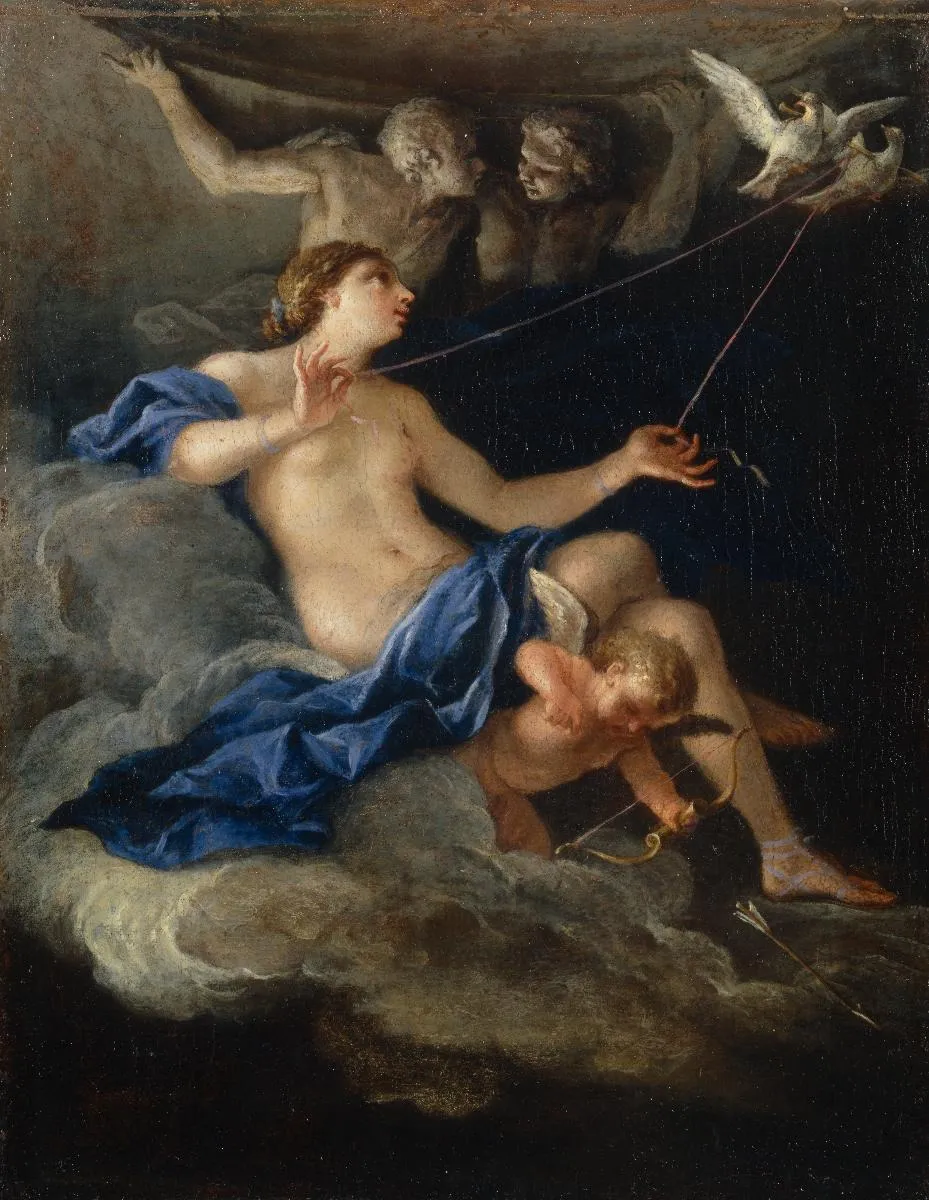
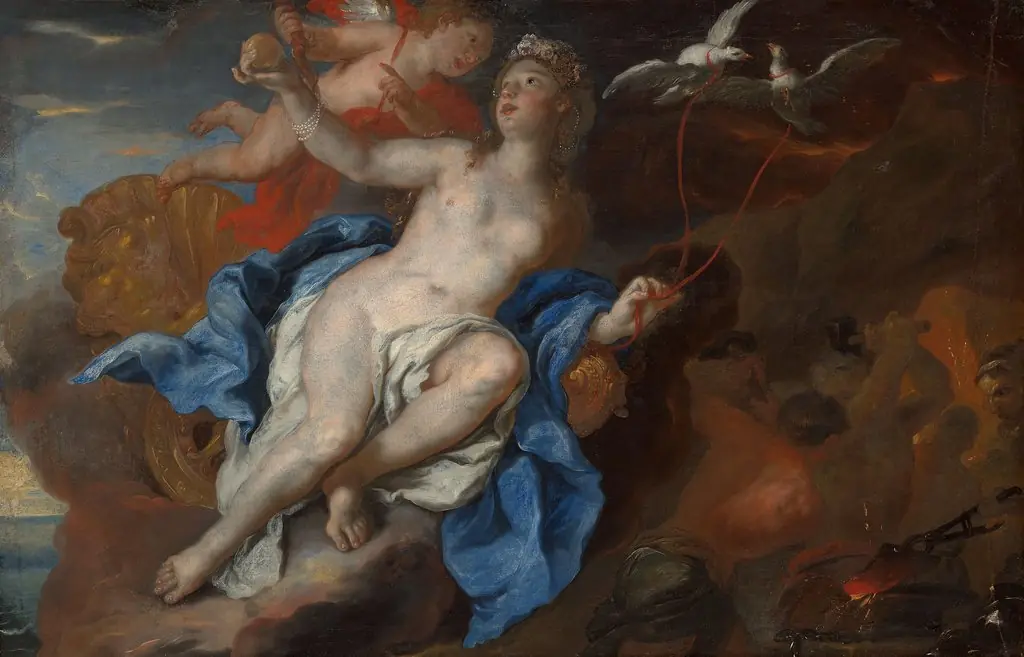
Venere e Amore nel segno dei Gemelli is an oil painting by the Early Baroque Italian artist Filippo Lauri. It dates from 1675 and is held in the collection of the Kunsthaus Zürich.
About this work
Overview
Two small figures hover nearby, and a dove glides toward her, suggesting a quiet moment of divine stillness amid mythological symbolism.
Painted in 1675 by Filippo Lauri, this oil work portrays Venus and Cupid under the astrological sign of the Twins. It resides in the Kunsthaus Zürich collection. The composition centers on Venus, depicted in flowing blue drapery, seated upon a cloud with a drawn bow. Two small figures hover nearby, and a dove glides toward her, suggesting a quiet moment of divine stillness amid mythological symbolism.
Subject & Meaning
The figure of Venus, goddess of love, is shown in repose, her raised hand and taut bowstring implying poised readiness rather than action. The cherubs, attentive and gentle, and the dove ascending toward her, evoke themes of harmonious affection and divine calm. The inclusion of the Twins may reference duality in love—passion and peace, desire and serenity—aligning the scene with Baroque interests in cosmic and emotional balance.
Technique & Style
Lauri employs soft chiaroscuro to model Venus’s form, lending volume without harsh contrast. The drapery is rendered with subtle impasto, giving texture to the blue fabric while maintaining luminosity. The cherubs and dove are painted with delicate brushwork, contrasting the smoother skin tones. The background remains muted, focusing attention on the central figures and their quiet interaction.
History & Provenance
The painting entered the Kunsthaus Zürich collection in the 20th century, though its earlier ownership remains undocumented. Created during Lauri’s mature period in Rome, it reflects his engagement with classical myth and the Roman Baroque tradition. No records indicate it was commissioned for a specific patron, suggesting it may have been produced for the open market or personal study.
Context
In mid-to-late 17th-century Rome, mythological subjects remained popular among artists seeking to blend classical ideals with emotional nuance. Lauri, trained in the circle of Pietro da Cortona, adapted these themes with a quieter, more introspective tone than his contemporaries. The inclusion of astrological reference here aligns with broader intellectual currents that linked celestial phenomena to human experience.
Legacy
Though not widely exhibited outside Swiss collections, the painting exemplifies Lauri’s distinctive approach to myth: restrained, contemplative, and rich in symbolic detail. It stands as a quiet counterpoint to the more theatrical mythologies of his peers, offering a vision of divinity grounded in stillness rather than drama. Its preservation in Zürich ensures continued access to this nuanced strand of Roman Baroque painting.
Artist & collection
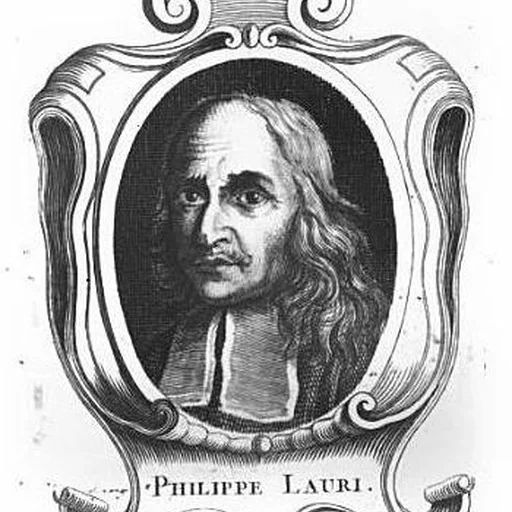

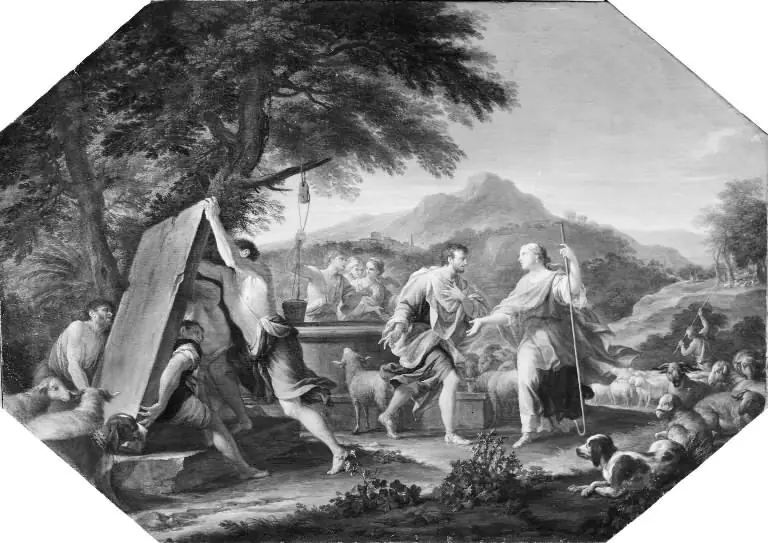
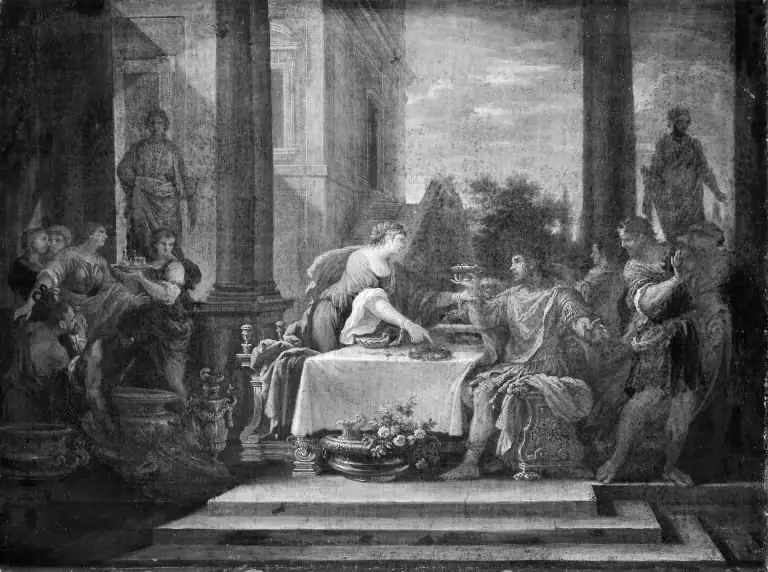
 Venus and Cupid at the Forge of Vulcan
 Venus and Cupid at the Forge of Vulcan
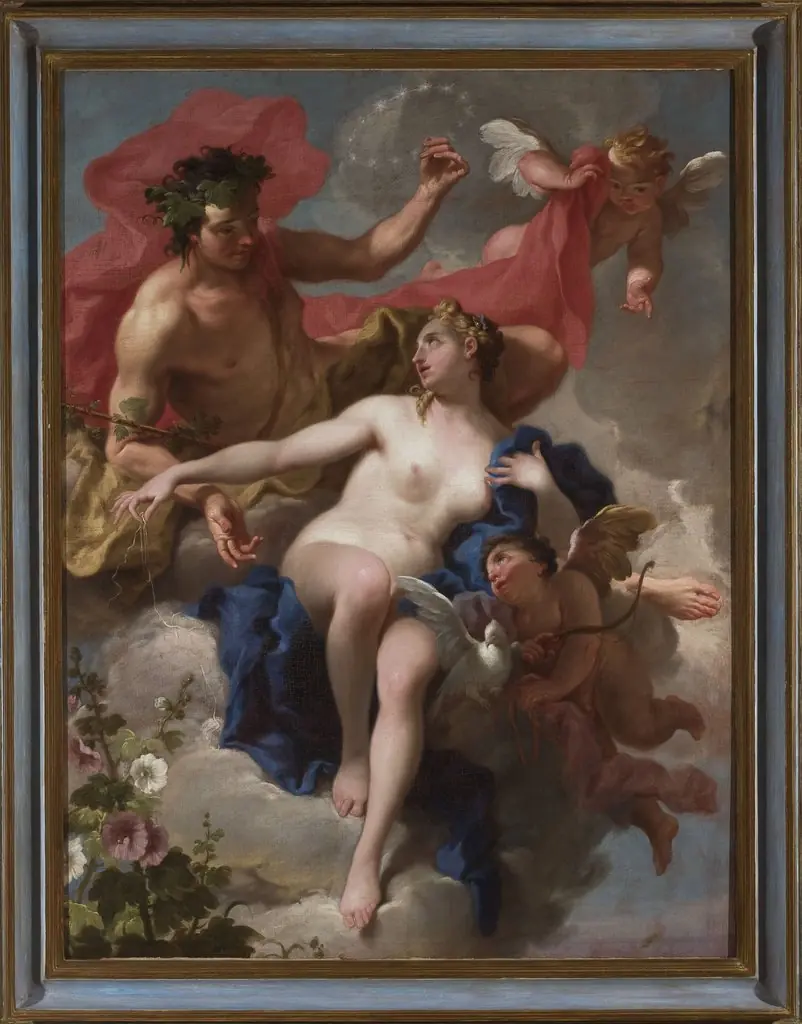 Bacchus and Ariadne
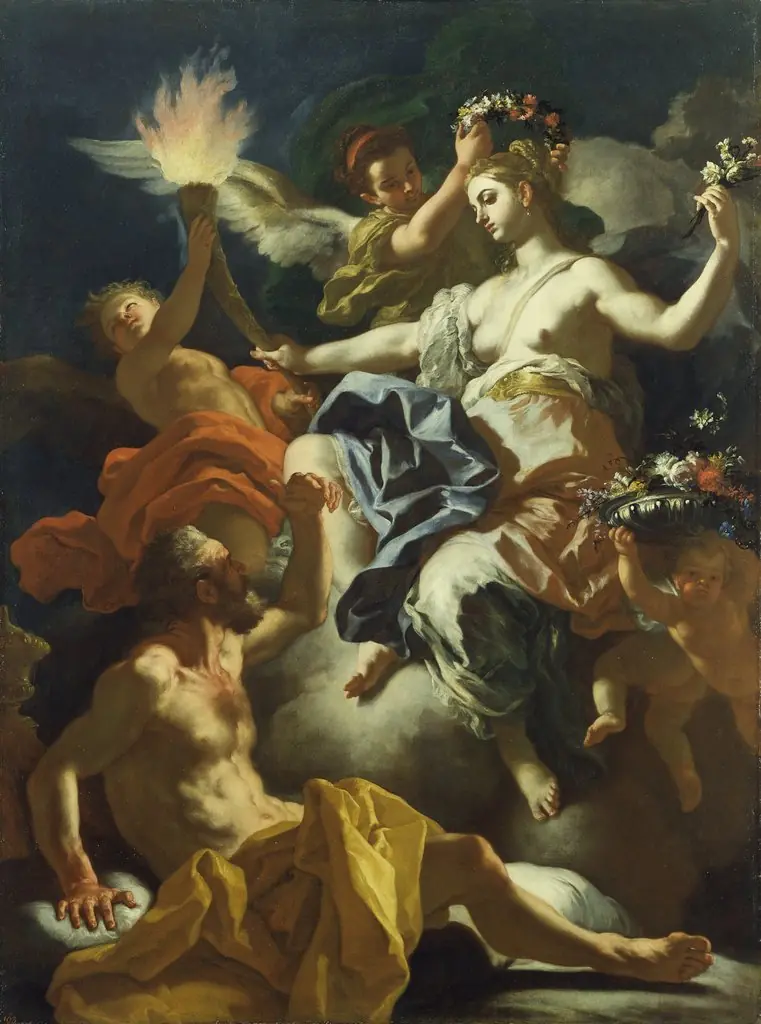 Aurora Taking Leave of Tithonus
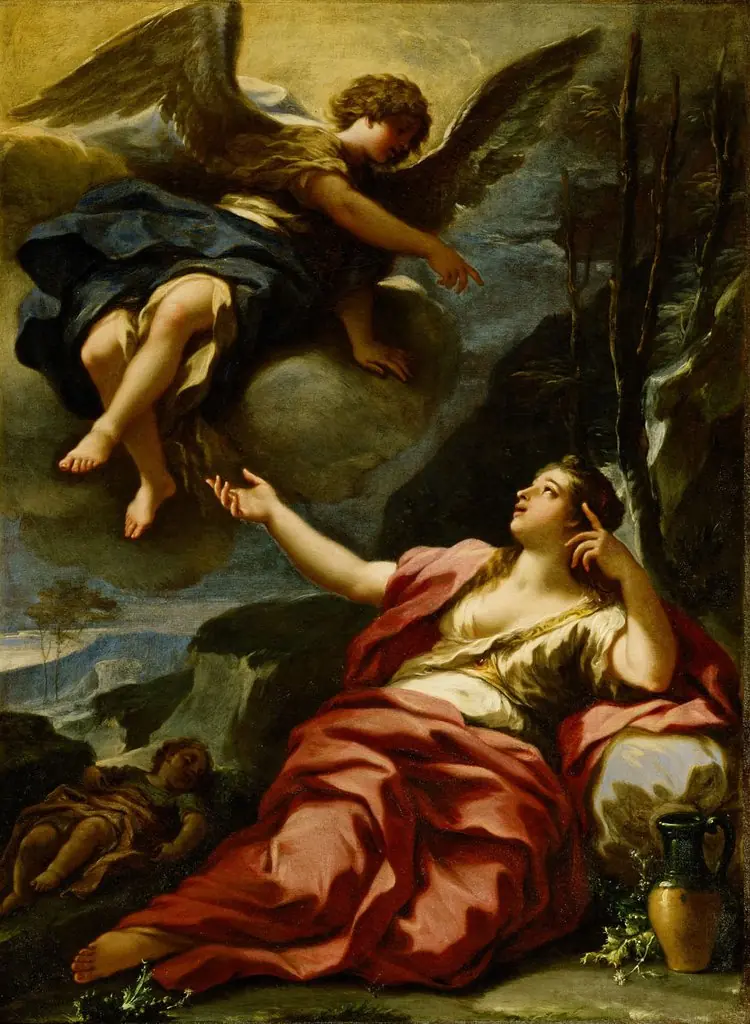 The angel appears to Hagar in the desert
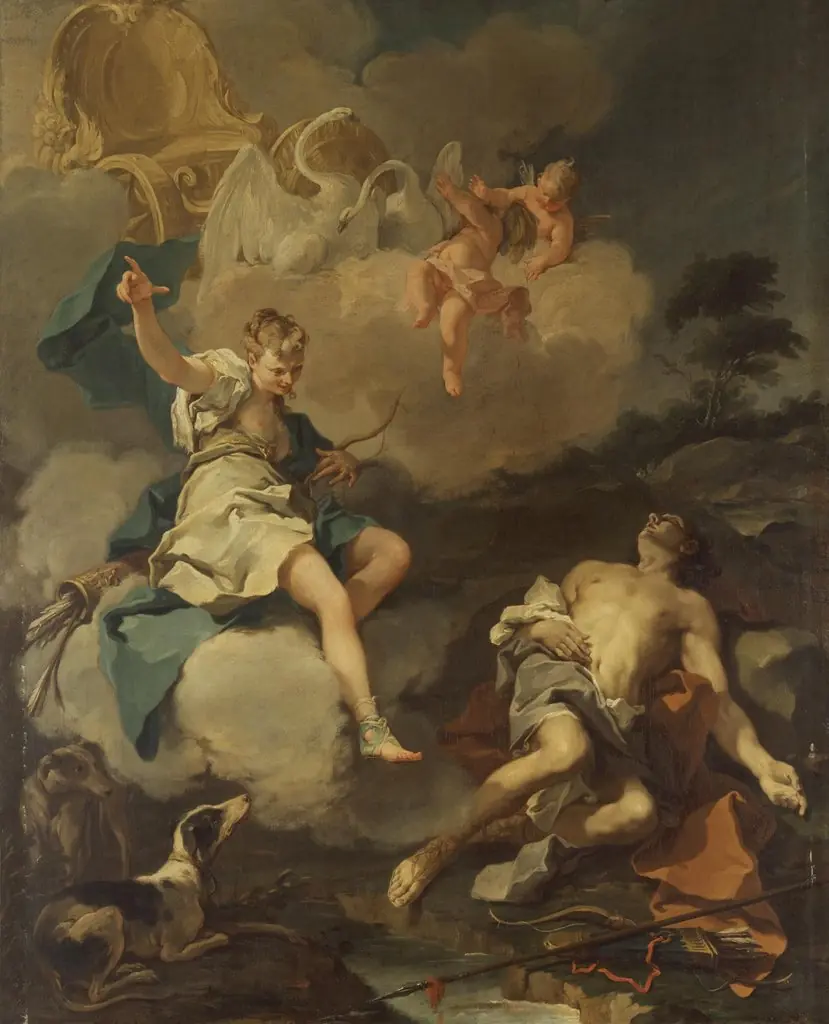 Diana and Endymion
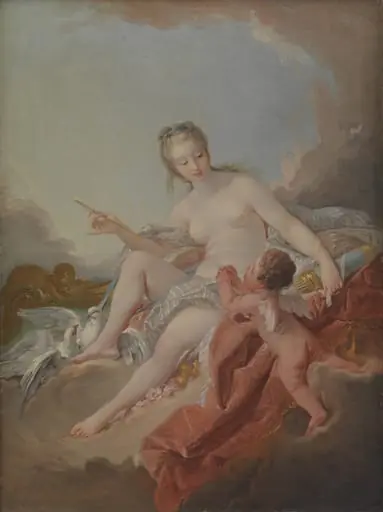 Venus og Amor
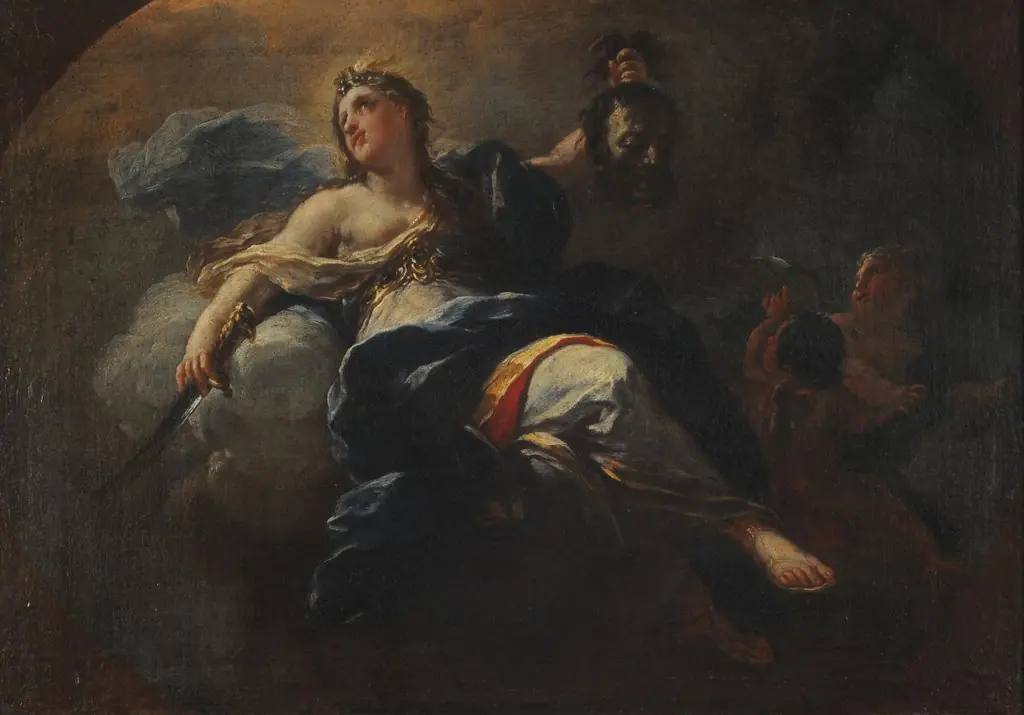 Apoteosis de Judith (Tit. Ant.: Judith llevando -en triunfo- la cabeza de Holofernes)
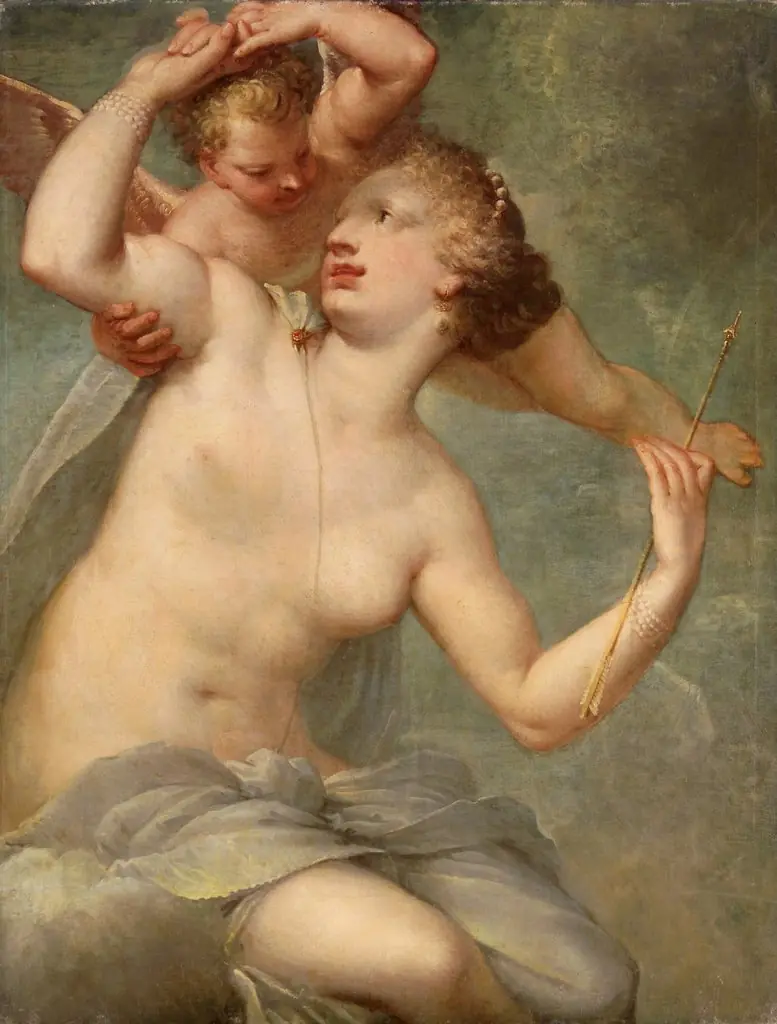 Venus and Amor
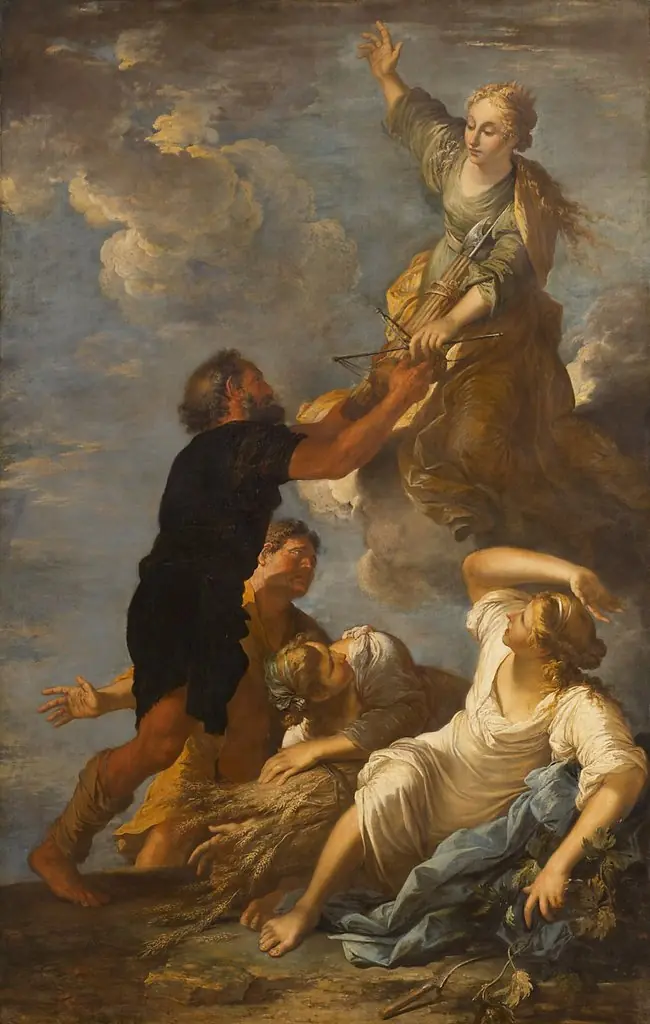 Astraea leaves the earth
 Portrait historié d'Henriette d'Angleterre, duchesse d'Orléans (1644-1670)
 Fortuna