Artwork
Die Luft (aus der Folge der Vier Elemente)
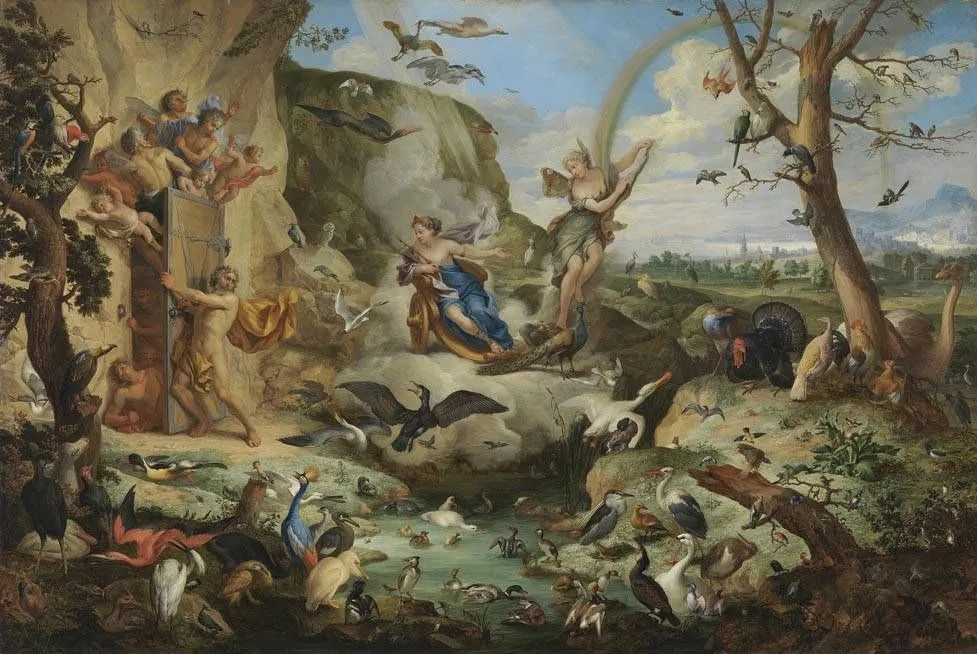
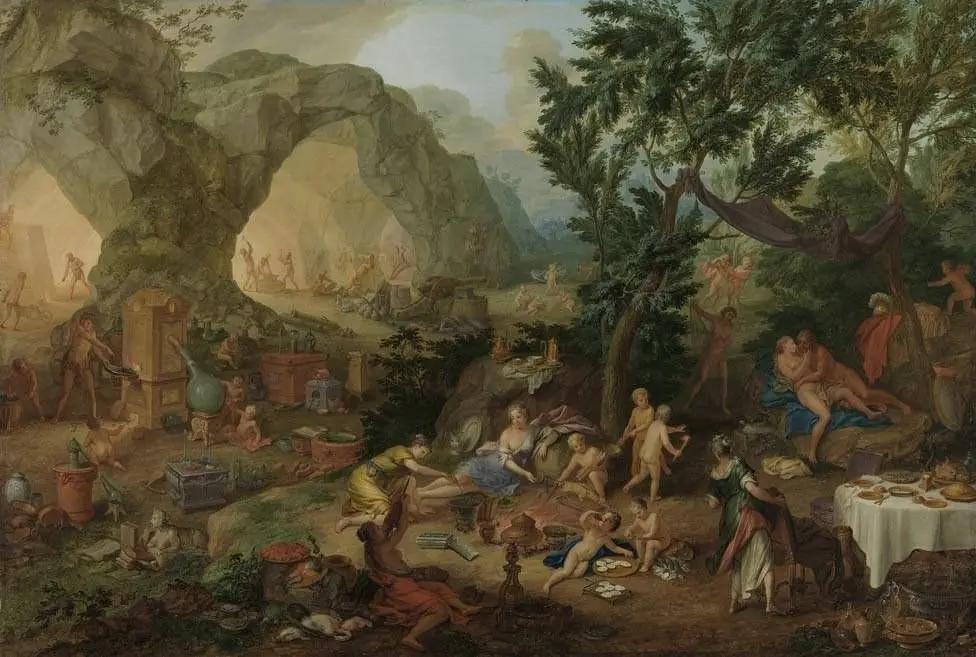
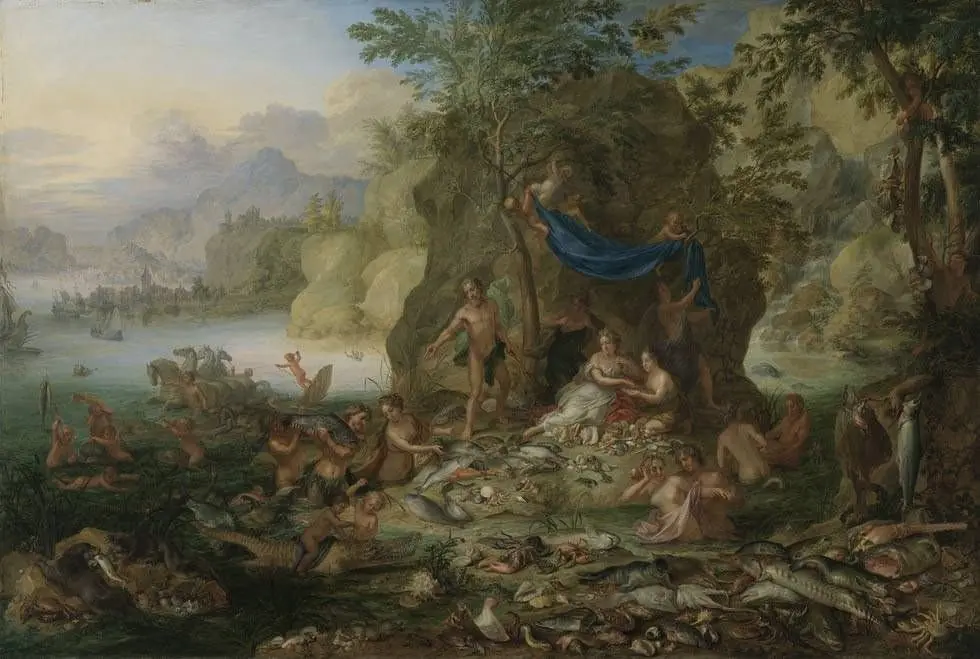
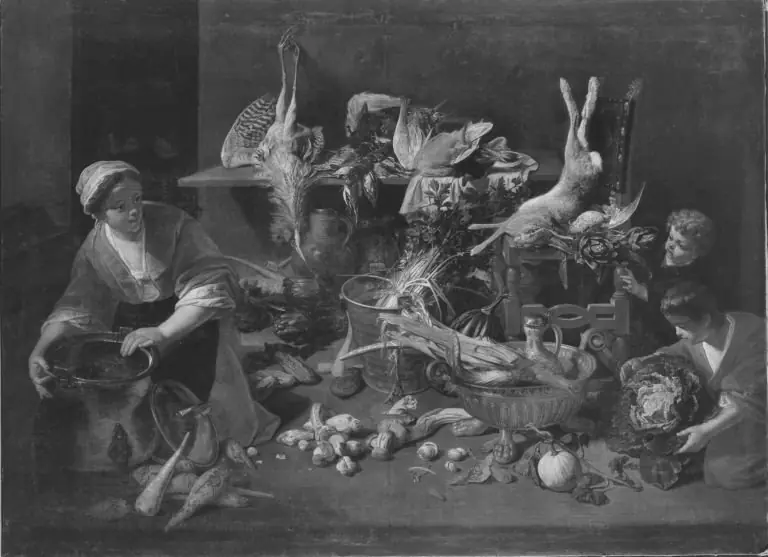
Die Luft (aus der Folge der Vier Elemente) is an unspecified painting by the Rococo painting artist Johann Rudolf Byss. It dates from 1708 and is held in the collection of the Bavarian State Painting Collections.
About this work
Overview
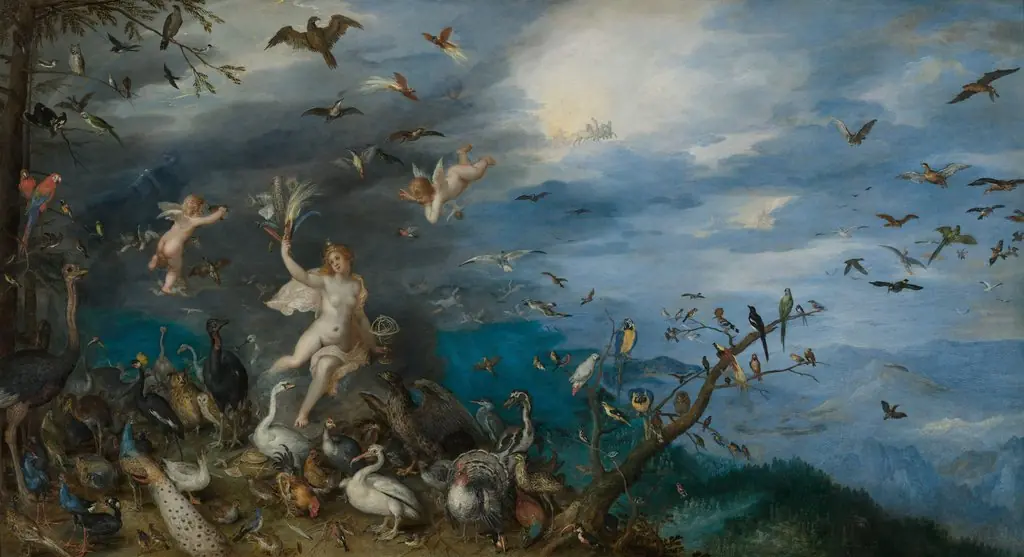
It resides in the Alte Pinakothek in Munich and presents a fantastical landscape centered on air as a domain of life and movement.
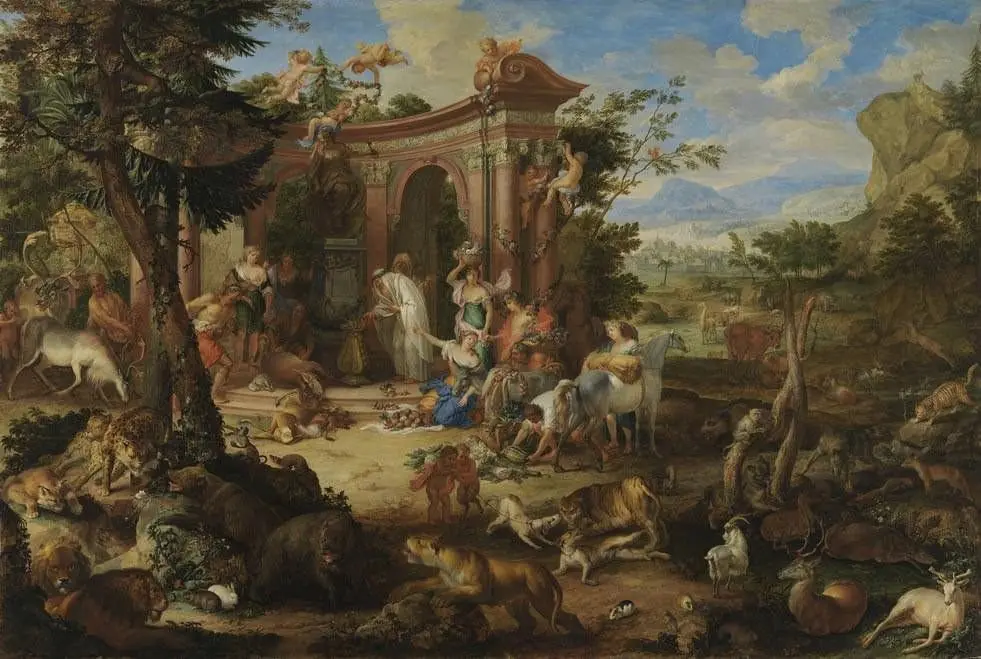
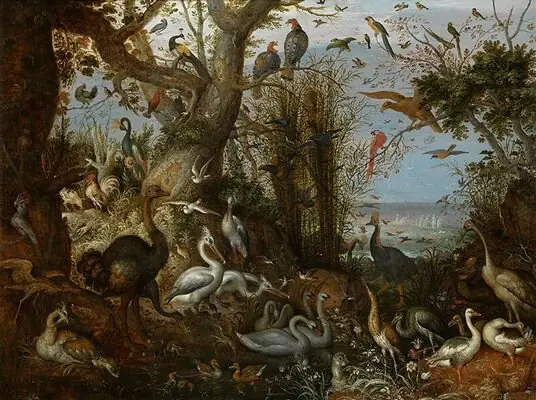
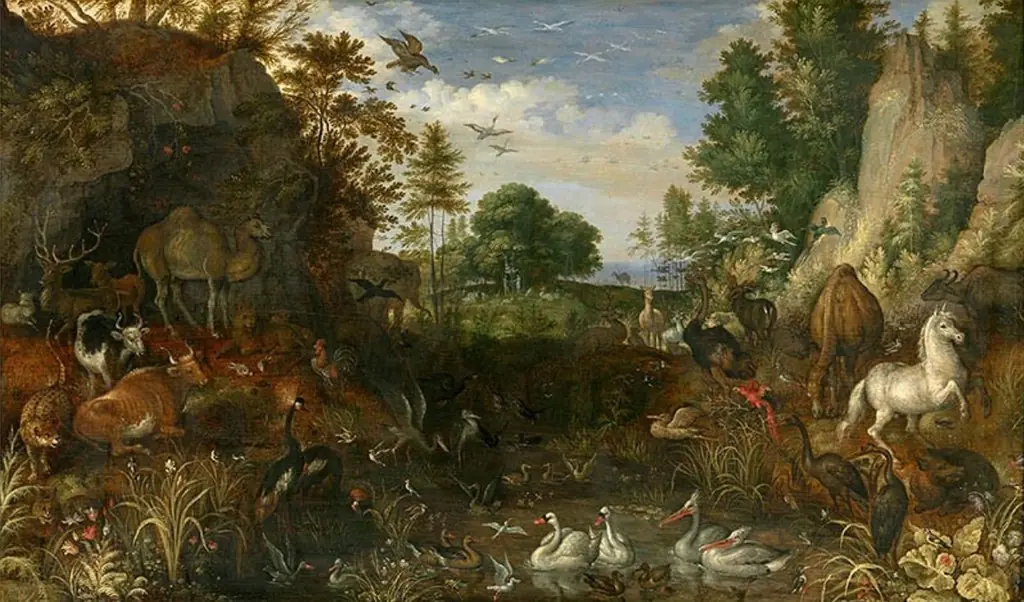
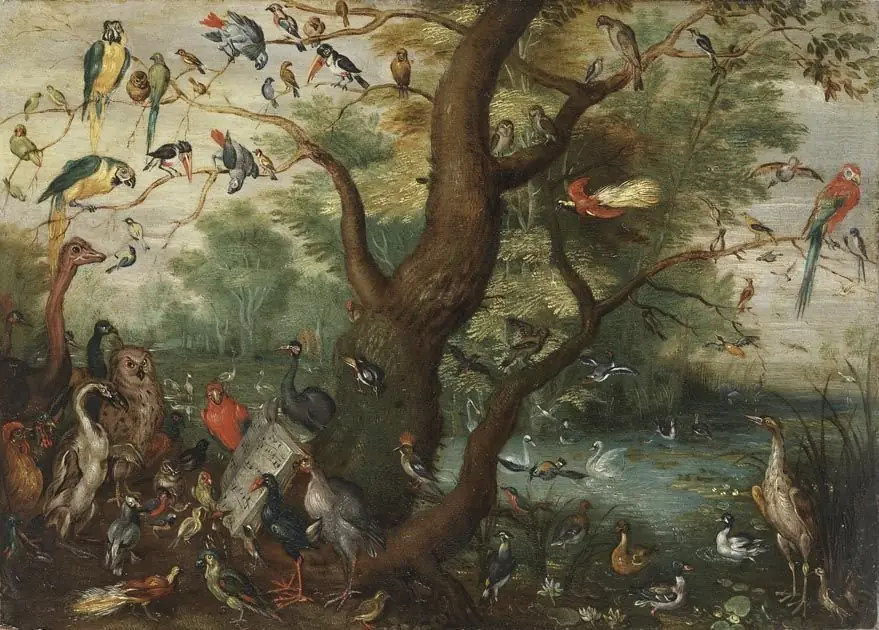
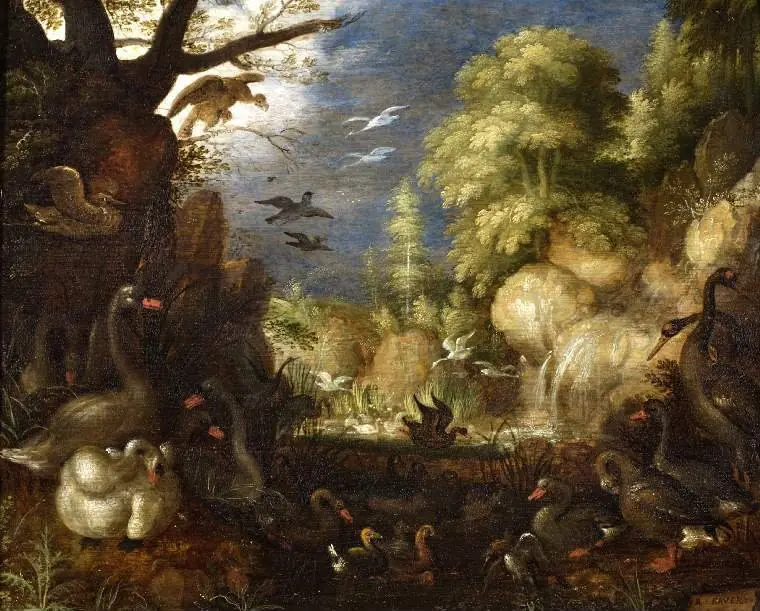
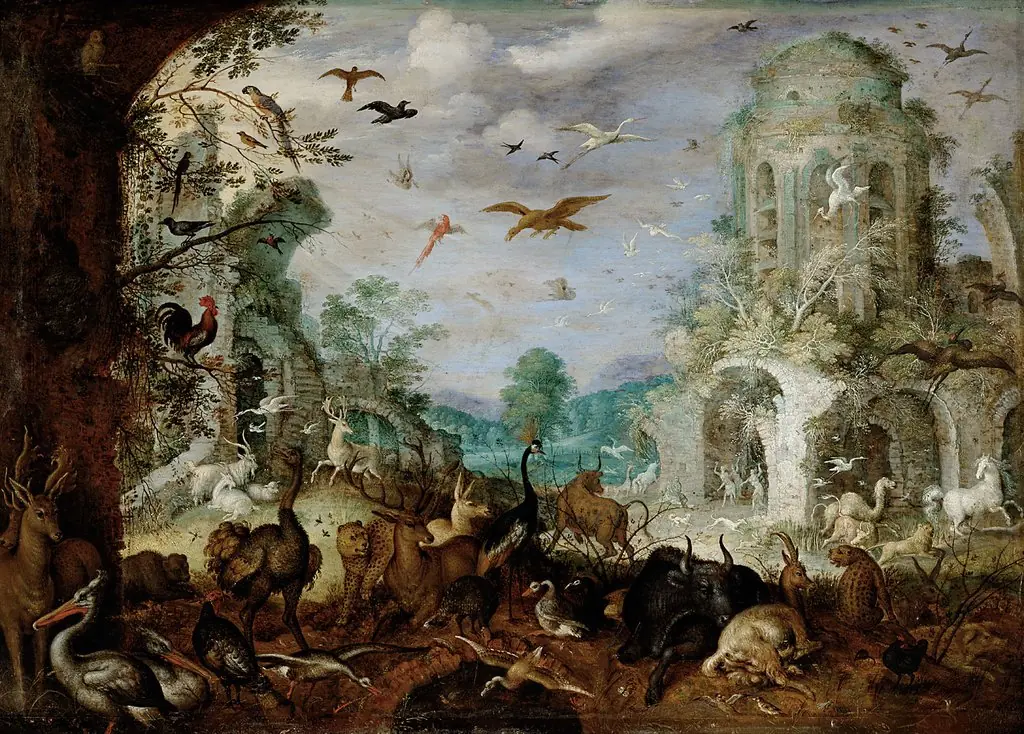
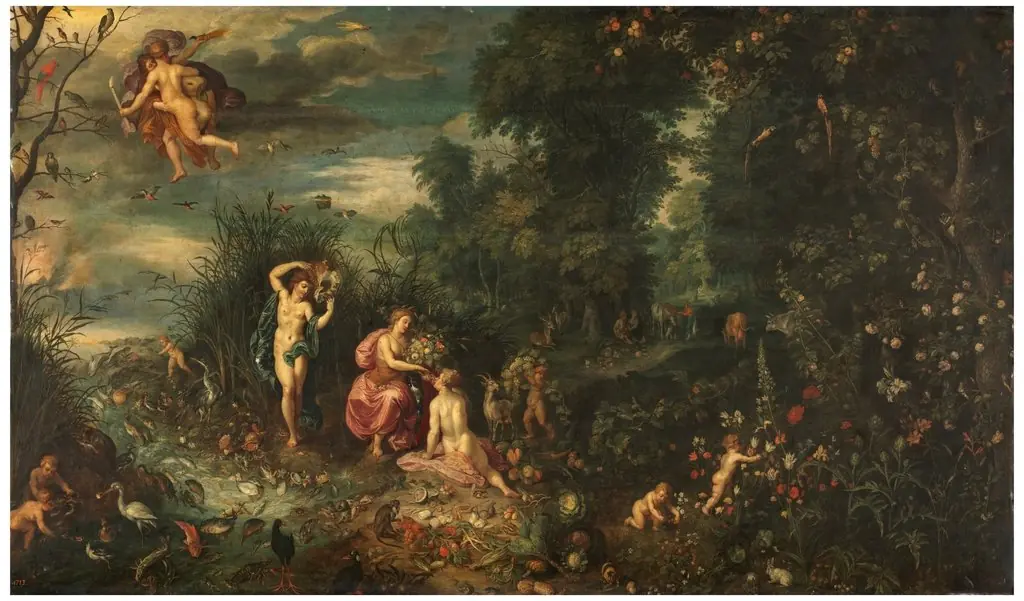
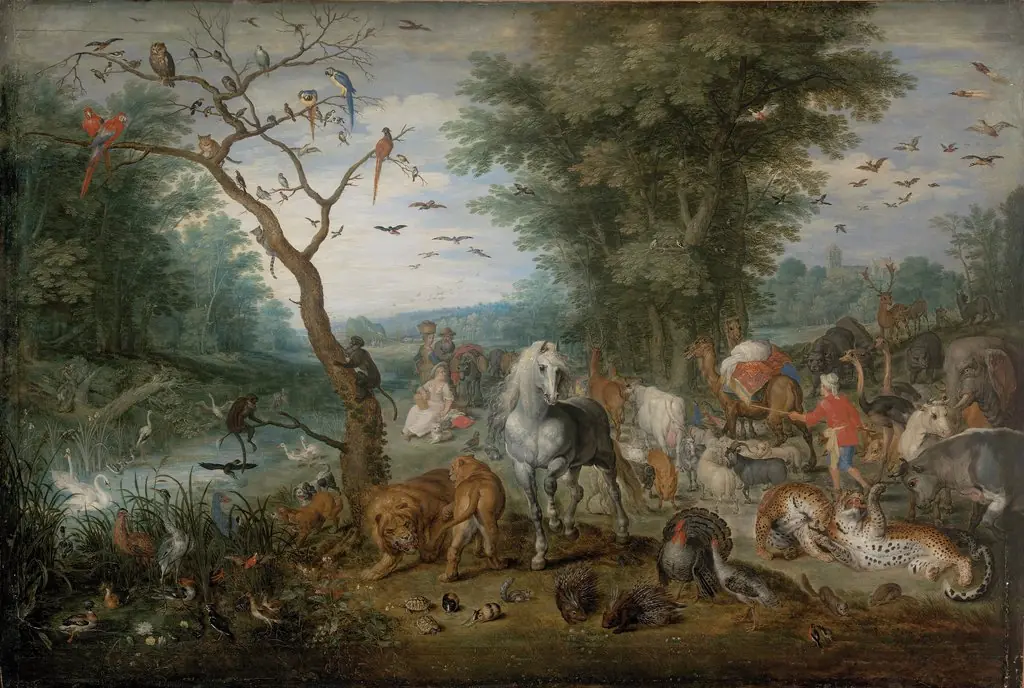
Painted in 1708 by Johann Rudolf Byss, Die Luft is one of four works in a series representing the classical elements. It resides in the Alte Pinakothek in Munich and presents a fantastical landscape centered on air as a domain of life and movement. The scene teems with birds, animals, and human figures, arranged in a dense, layered composition that invites close observation and reflects the era’s fascination with natural order and allegory.
Subject & Meaning
The painting personifies air through a vibrant ecosystem teeming with avian life and airborne creatures. Human figures—some nude, some draped—gather near a massive tree, suggesting a mythic or allegorical moment of communion with nature. The inclusion of a dinosaur-like form, likely a misinterpreted fossil or imaginative hybrid, signals the blending of observed reality with contemporary curiosity about the natural world, possibly alluding to the unknown or the sublime.
Technique & Style
Byss employs fine brushwork and layered pigments to render intricate textures—from feathered wings to bark and foliage. Atmospheric perspective is achieved through subtle shifts in hue and clarity, guiding the eye from foreground to sky. The palette is rich but restrained, with cool blues and greens dominating, punctuated by warm tones in flesh and feathers. Light falls naturally, enhancing the illusion of depth without dramatic contrast.
History & Provenance
Created in 1708, Die Luft entered the collection of the Alte Pinakothek in Munich, where it remains today. Its inclusion in the Four Elements series suggests it was commissioned or conceived as part of a thematic cycle, likely for a private or noble patron interested in natural philosophy. The painting’s survival and preservation reflect its continued recognition within German-speaking artistic circles of the 18th and 19th centuries.
Context
In the early 18th century, European art often merged scientific inquiry with allegorical tradition. Byss’s work reflects this trend, drawing from emblem books, natural histories, and classical mythology. The presence of exotic and imagined creatures aligns with the era’s growing interest in global fauna and antiquarian curiosity, even as artists still operated within symbolic frameworks that linked nature to moral or cosmic order.
Legacy
Though Byss is not widely known today, Die Luft stands as a testament to the detailed, encyclopedic approach of Central European painters who sought to capture nature’s complexity. Its blend of observation and fantasy offers insight into pre-Enlightenment attitudes toward the natural world. The painting continues to be studied for its unique synthesis of realism and imagination within the Baroque tradition.
Artist & collection