Artwork
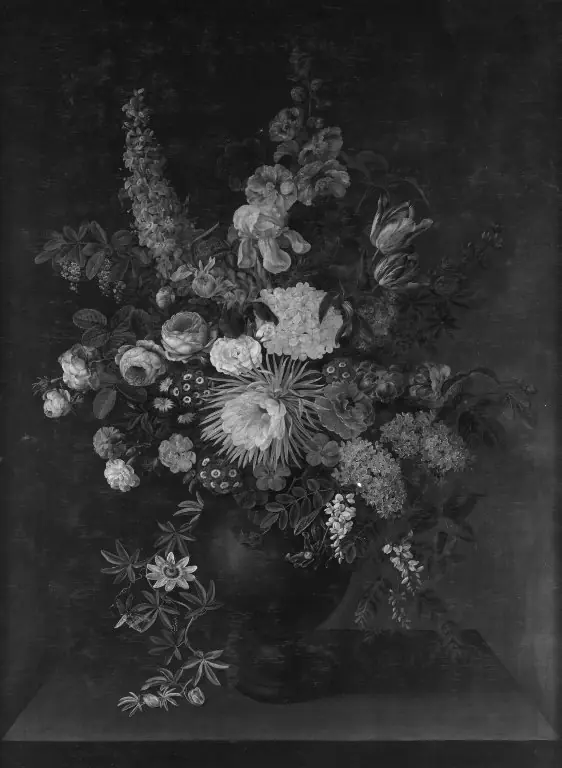
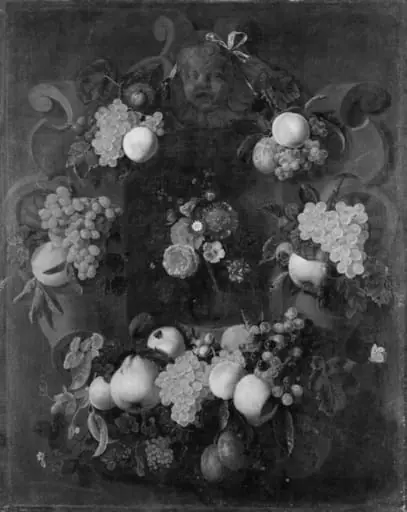
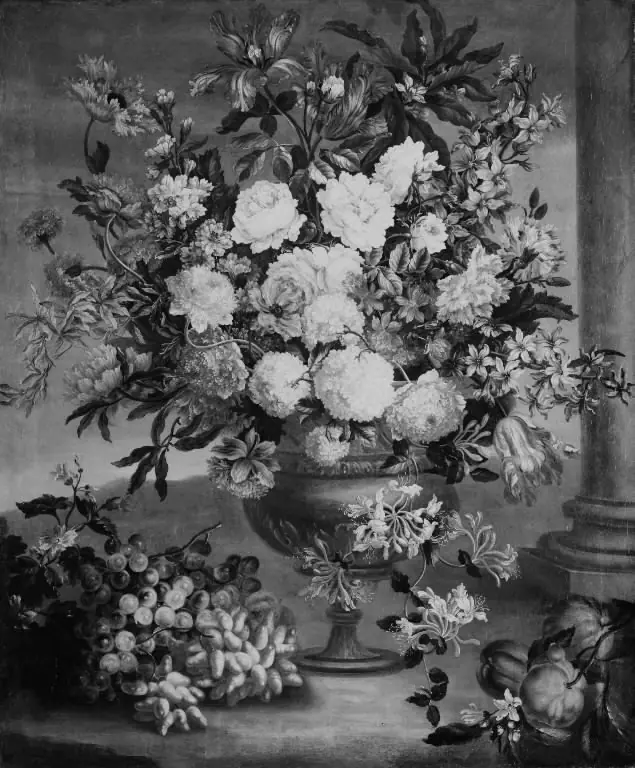
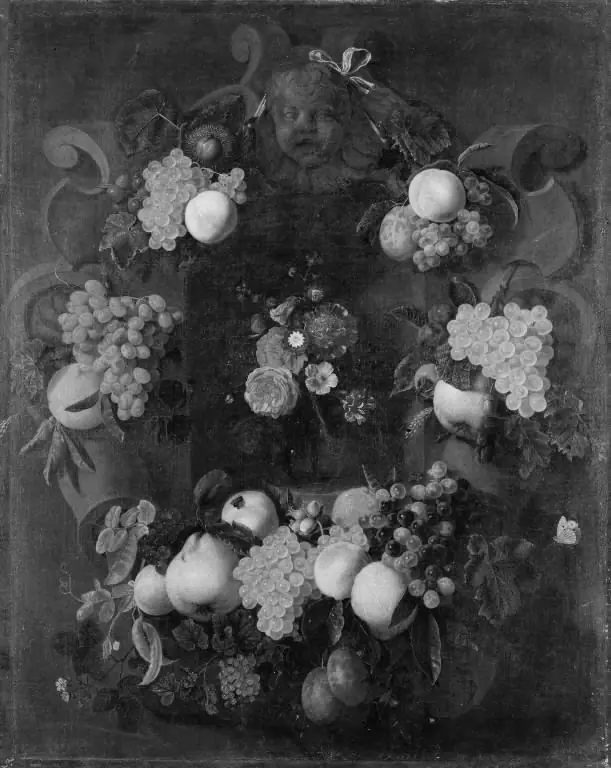
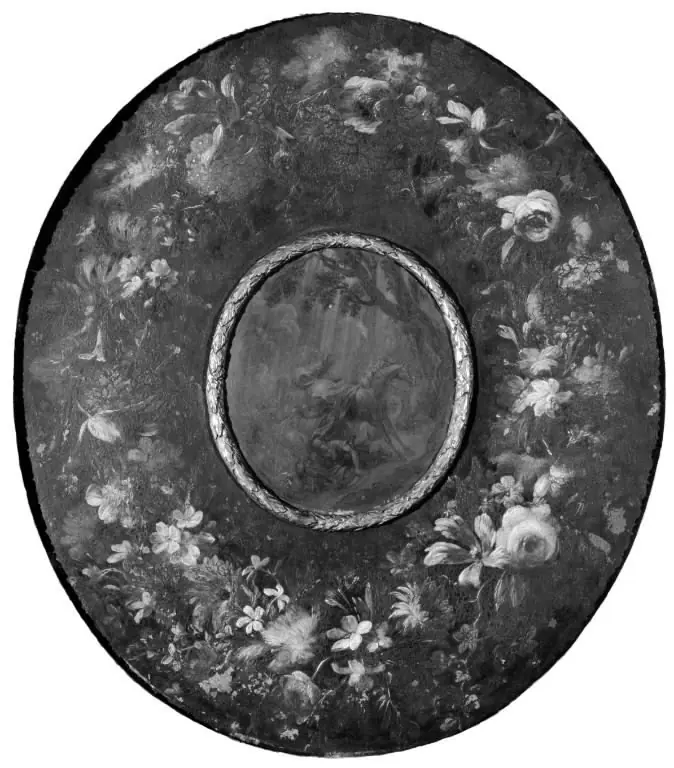
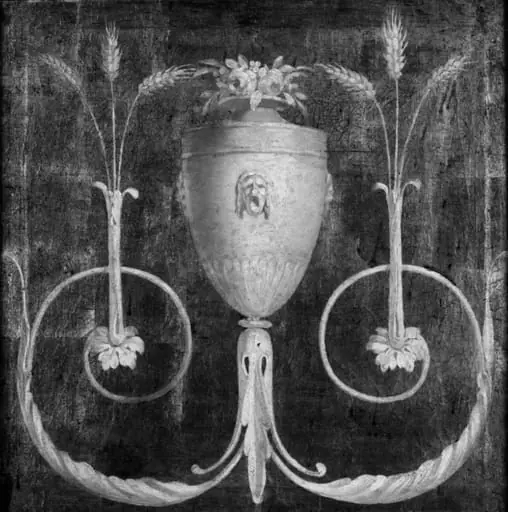
Ornamental panel, presumably a wall decoration.
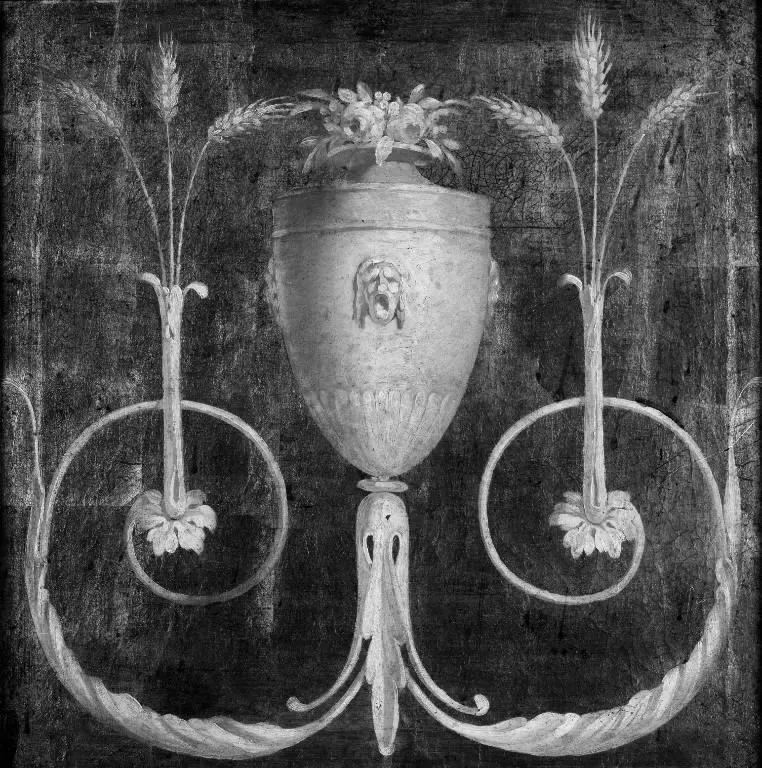
Ornamental panel, presumably a wall decoration. is an oil painting by the Neoclassicist artist Nicolai Abildgaard. It dates from 1792 and is held in the collection of the Statens Museum for Kunst.
About this work
Overview
It belongs to a series of decorative works commissioned for royal residences in Denmark during the late 18th century.
Created in 1792 by Danish artist Nicolai Abildgaard, this oil-on-canvas panel was designed as a wall ornament. It belongs to a series of decorative works commissioned for royal residences in Denmark during the late 18th century. Abildgaard, a professor at the Royal Danish Academy, specialized in integrating classical motifs into architectural interiors, blending artistic refinement with functional design.
Subject & Meaning
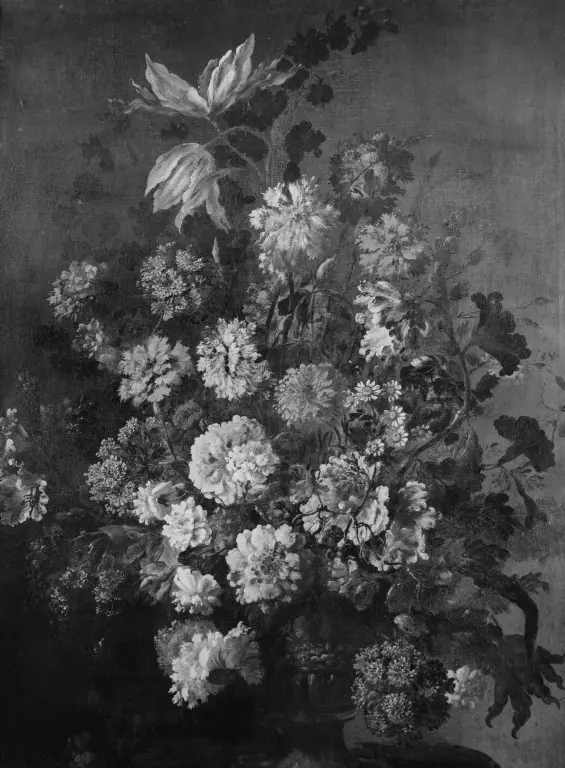
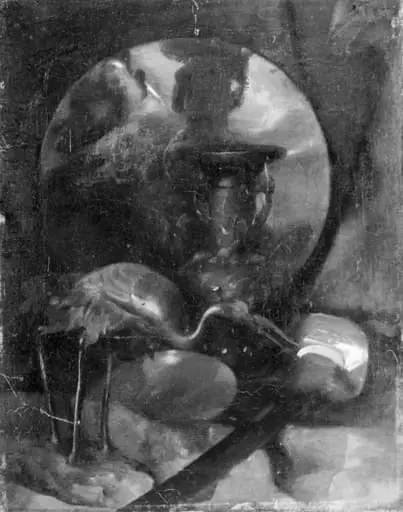
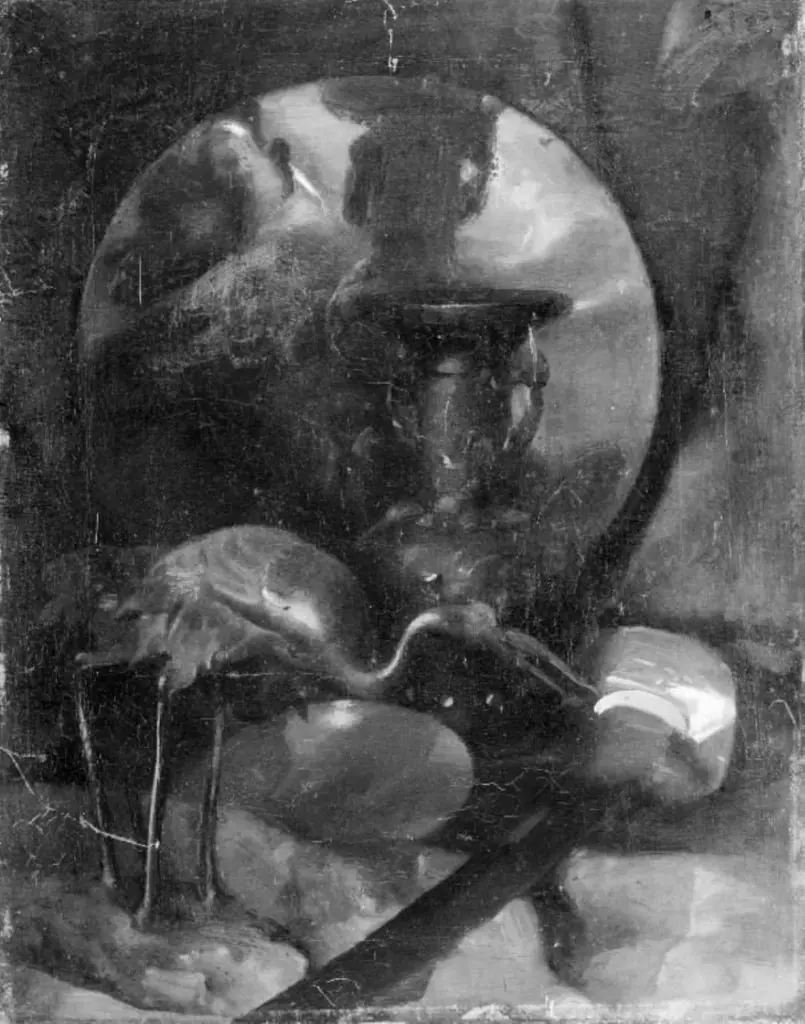
The composition centers on a classical vase flanked by wheat stalks and flowering stems, arranged symmetrically. These elements evoke themes of abundance and seasonal cycles, common in neoclassical allegory. The absence of human figures or narrative suggests a focus on natural harmony and restrained beauty, aligning with Enlightenment ideals of order and balance in domestic spaces.
Technique & Style
Abildgaard employed precise brushwork to render the flora with lifelike detail, while the dark background enhances the luminosity of the vase and botanical forms. The vase’s surface bears subtle engraved patterns, rendered with minimal contrast to avoid visual disruption. The palette is muted, emphasizing tonal gradations over color, characteristic of Danish neoclassicism’s preference for sobriety and clarity.
History & Provenance
The panel was likely commissioned for one of Denmark’s royal palaces—Christiansborg, Fredensborg, or Amalienborg—where Abildgaard contributed numerous interior decorations. Though its exact location within these complexes is unrecorded, its scale and subject align with other known decorative works from his tenure at the Academy. It remained in royal collections until its later transfer to public ownership.
Context
In late 18th-century Denmark, neoclassicism dominated courtly aesthetics, replacing baroque exuberance with ideals drawn from antiquity. Abildgaard’s decorative panels responded to royal patronage seeking refined, morally grounded imagery. This work reflects broader European trends, yet its restrained execution distinguishes Danish interpretations, prioritizing quiet dignity over dramatic spectacle.
Legacy
Though less celebrated than his mythological paintings, this panel exemplifies Abildgaard’s role in shaping Denmark’s decorative arts. His integration of classical forms into domestic architecture influenced subsequent generations of Danish designers. The work remains a quiet testament to the period’s belief in art’s capacity to elevate everyday environments through disciplined beauty.
Artist & collection

Artist
Nicolai Abraham Abildgaard (11 September 1743 – 4 June 1809) was a Danish neoclassical and royal history painter, sculptor, architect, and professor of painting, mythology, and anatomy at the New Royal Danish Academy of Art in Copenhagen…

 The Wounded Philoctetes
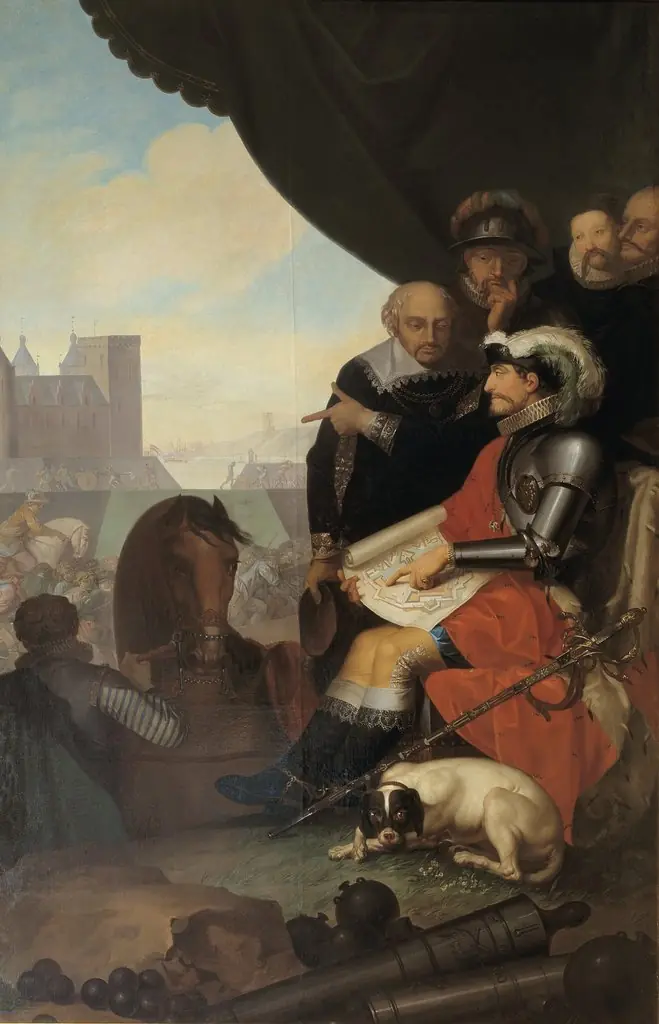 Frederik II Builds Kronborg Castle at Elsinore
 Frederik II Builds Kronborg Castle at Elsinore
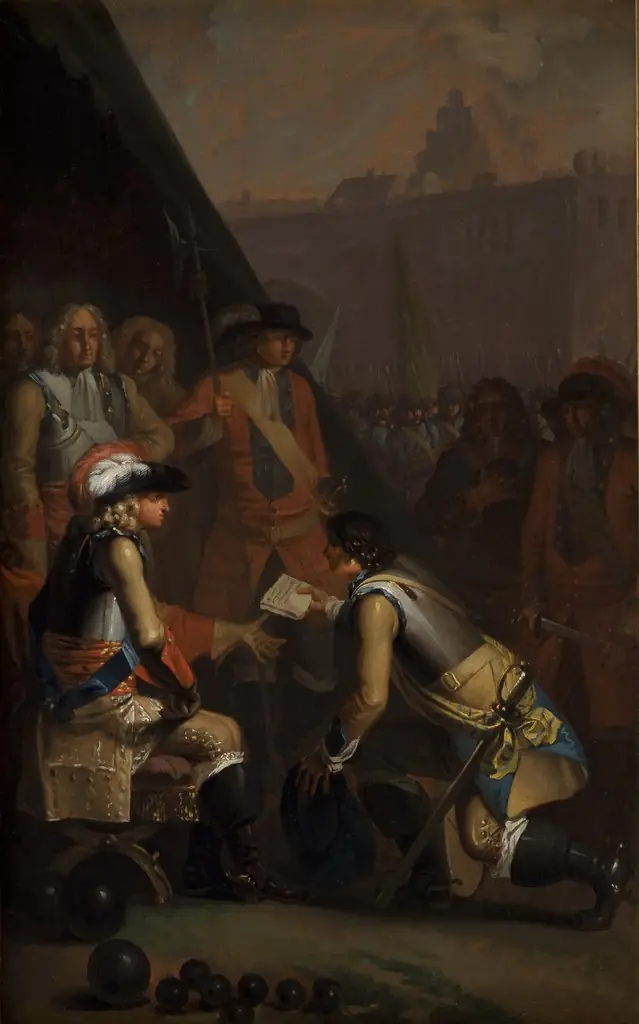 Magnus Stenbock Surrenders the Fortress of Tønningen to Frederik IV in 1714
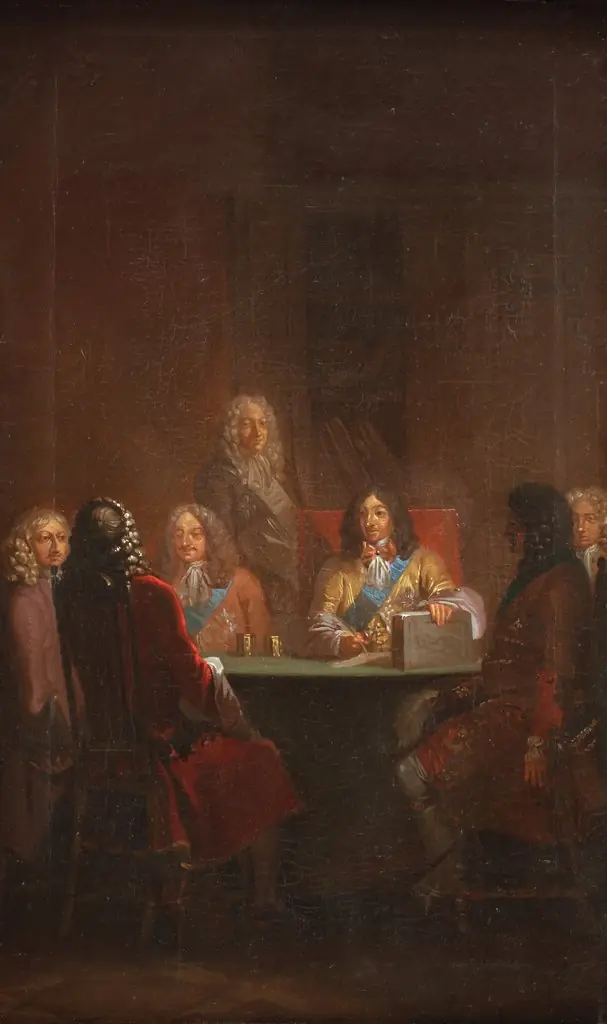 Christian V Presents Danish Law 1683
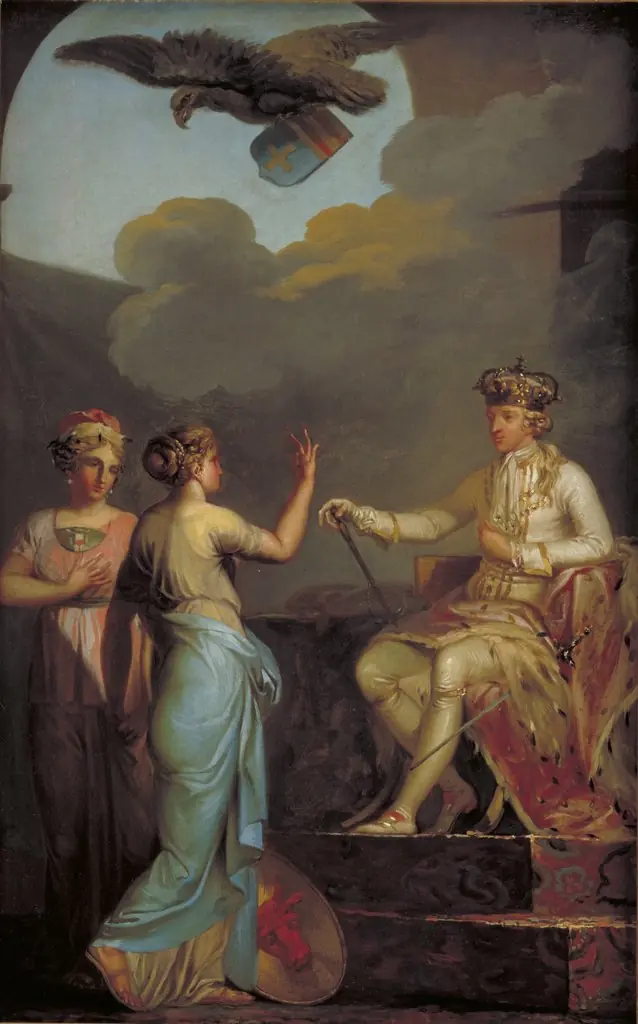 Christian VII Uniting the Ducal with the Royal Part of Holstein in 1767
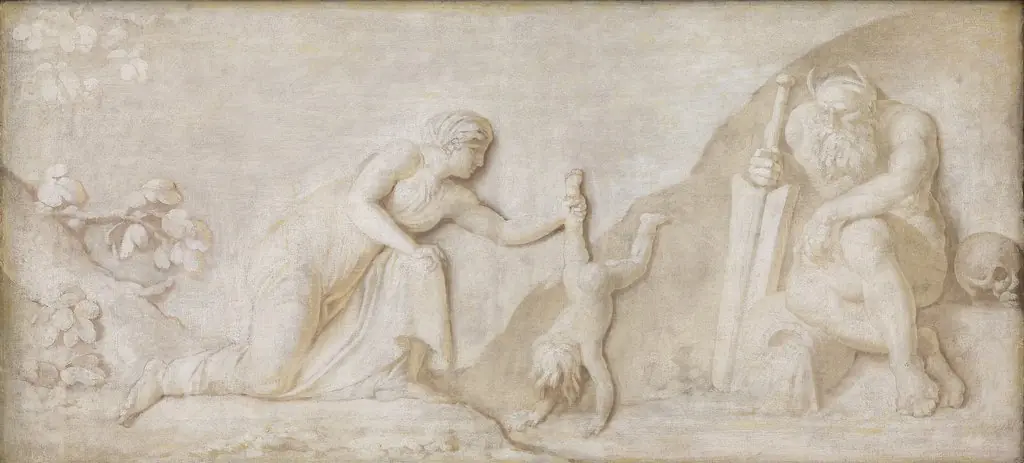 Thetis Immersing her Infant Son Achilles in the River Styx to Make him Invulnerable
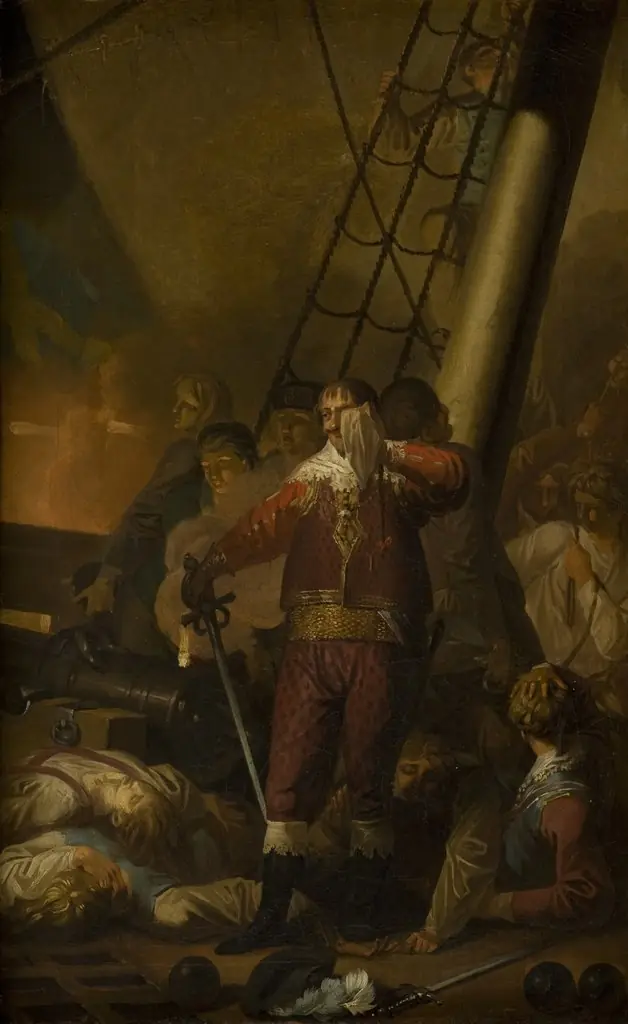 Christian IV Aboard his Flagship "The Trinity"