Artwork
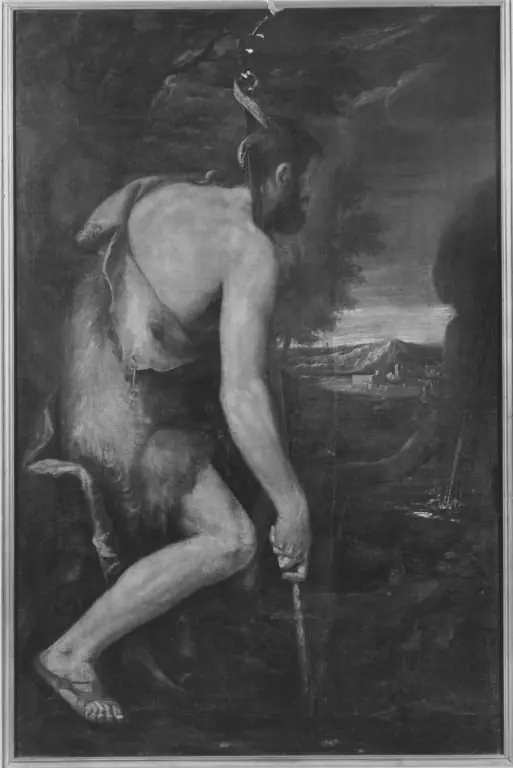
Johannes der Täufer (Kopie nach)
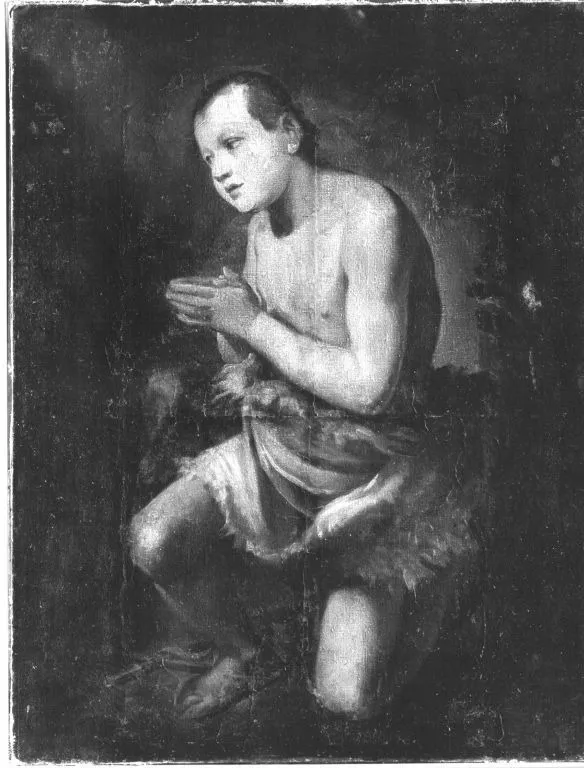
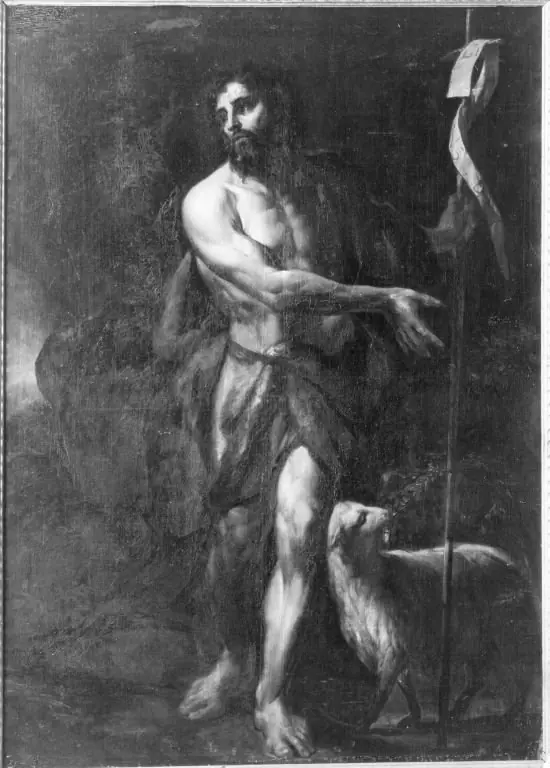
Johannes der Täufer (Kopie nach) is an unspecified painting by the Early Baroque Italian artist Johann Ulrich Loth. It dates from 1645 and is held in the collection of the Bavarian State Painting Collections.
About this work
Overview
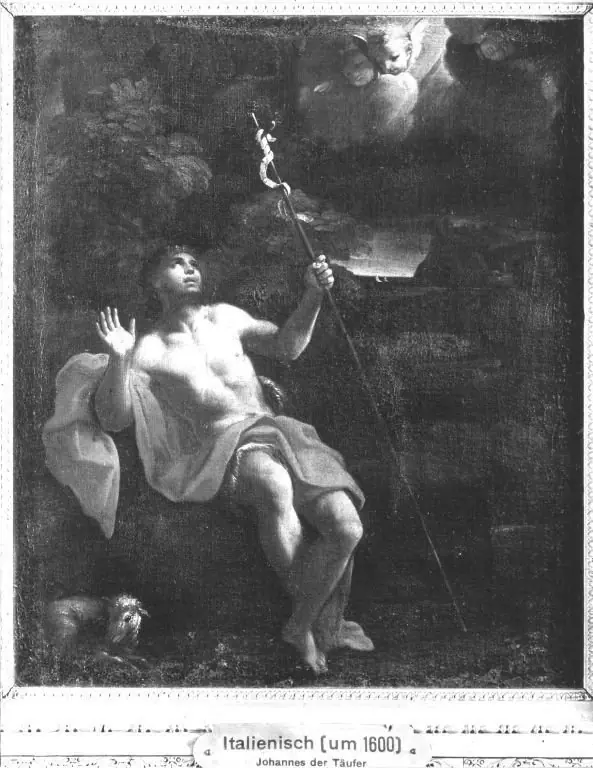
Executed in oil on canvas, the painting presents a solitary, barefoot youth seated on a rough surface, his simple cloth wrapped around the waist.
Johann Ulrich Loth’s 1645 work, a copy of a depiction of John the Baptist, is part of the collection at Munich’s Alte Pinakothek. Executed in oil on canvas, the painting presents a solitary, barefoot youth seated on a rough surface, his simple cloth wrapped around the waist. The figure’s upward gaze and clasped hands convey a contemplative atmosphere, while the dark background heightens the contrast between the pale skin and the modest drapery.
Subject & Meaning
The central figure is identified as John the Baptist, rendered in a moment of quiet devotion. His bare chest and unadorned attire emphasize asceticism, aligning with the saint’s reputation for humility and wilderness. The upward glance suggests a spiritual focus, inviting viewers to consider the prophetic role of the biblical figure and his anticipation of divine revelation.
Technique & Style
Loth employs a restrained chiaroscuro, allowing the single light source to illuminate the boy’s face and the folds of his cloth against a tenebrous backdrop. The soft modeling of flesh and the subtle gradations of shadow reveal the artist’s skill in rendering volume. The limited palette of muted earth tones reinforces the work’s solemn tone and accentuates the interplay of light and darkness.
History & Provenance
Created in 1645 as a copy after an earlier composition, the painting entered the Alte Pinakothek’s holdings during the museum’s early acquisitions of Baroque religious works. Its provenance traces back to the artist’s workshop in the German-speaking regions, where copies of popular devotional images were commonly produced for private devotion and ecclesiastical patrons.
Context
During the mid‑17th century, Northern European artists frequently revisited canonical biblical subjects, adapting them to contemporary tastes for intimate, devotional imagery. Loth’s rendition reflects this trend, offering a personal, almost portrait‑like interpretation of John the Baptist rather than a grand narrative scene, aligning with the Counter‑Reformation’s emphasis on personal piety.
Artist & collection

 Johannes der Täufer
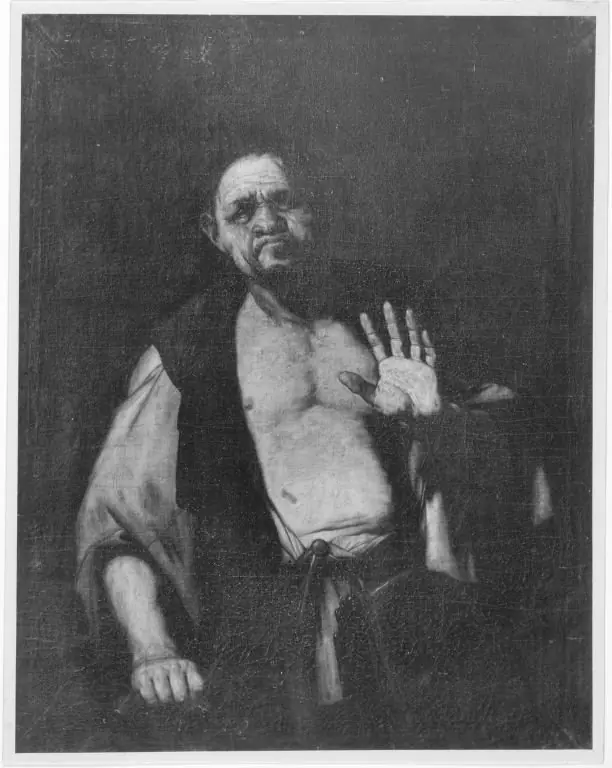 The Cynical Philosopher
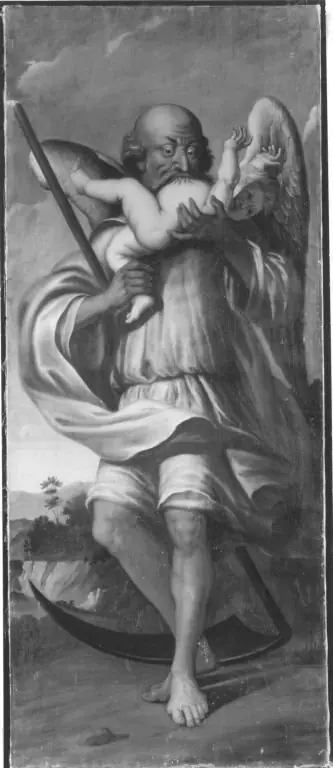 Saturn. the God of Time, devouring his own child
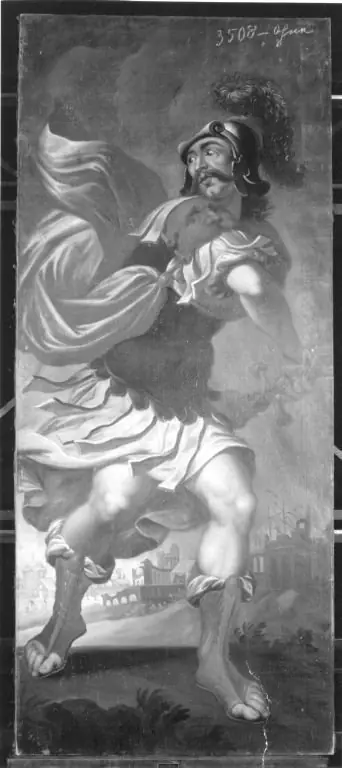 Mars
Mars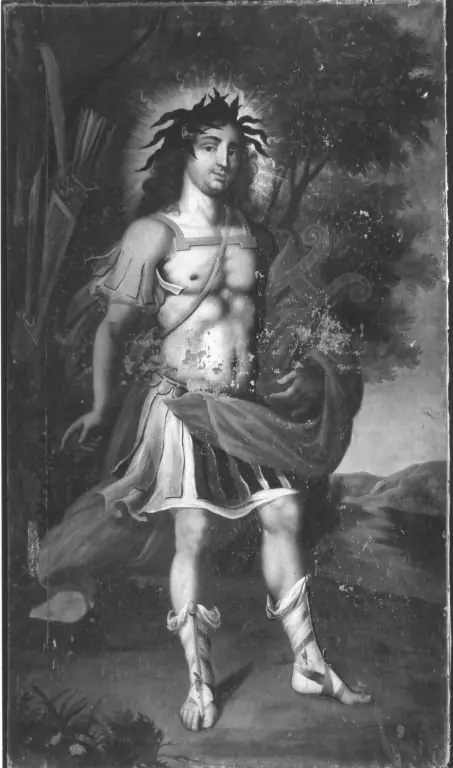 Phoebus Apollo, God of the Arts
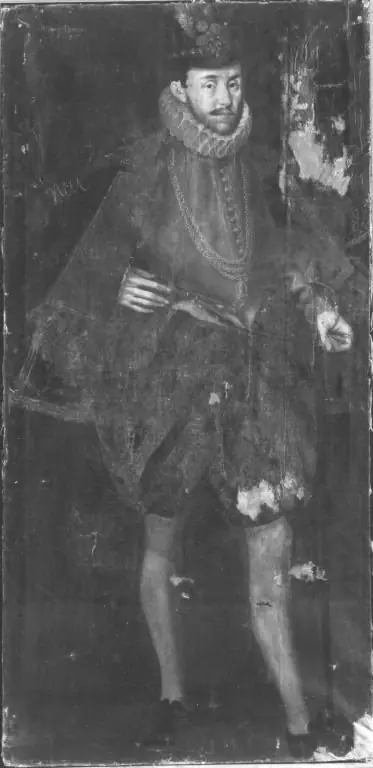 Bildnis eines Mannes (Pfalzgraf Philipp Ludwig von Neuburg) (Umkreis)
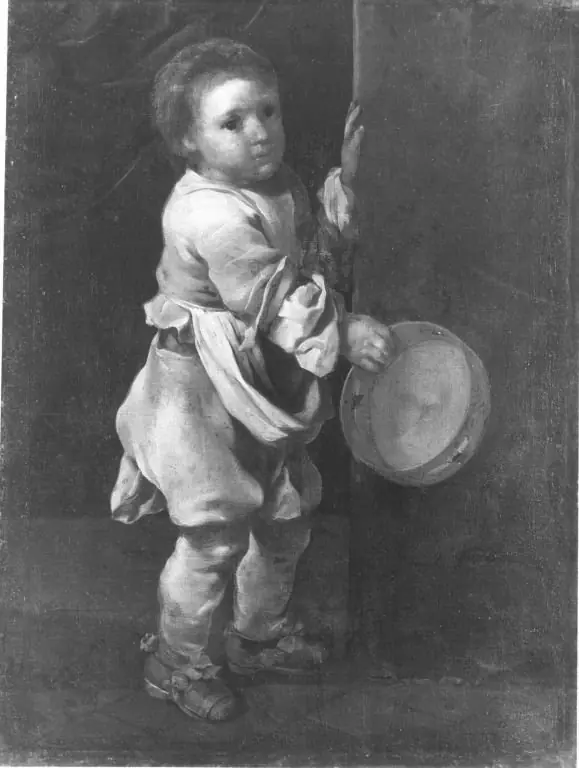 Knabe mit Tamburin
 Johannes der Täufer
 Allegory of Winter
 Der verlorene Sohn
 Johannes der Täufer
 Johannes der Täufer