Artwork
Der ungläubige Thomas
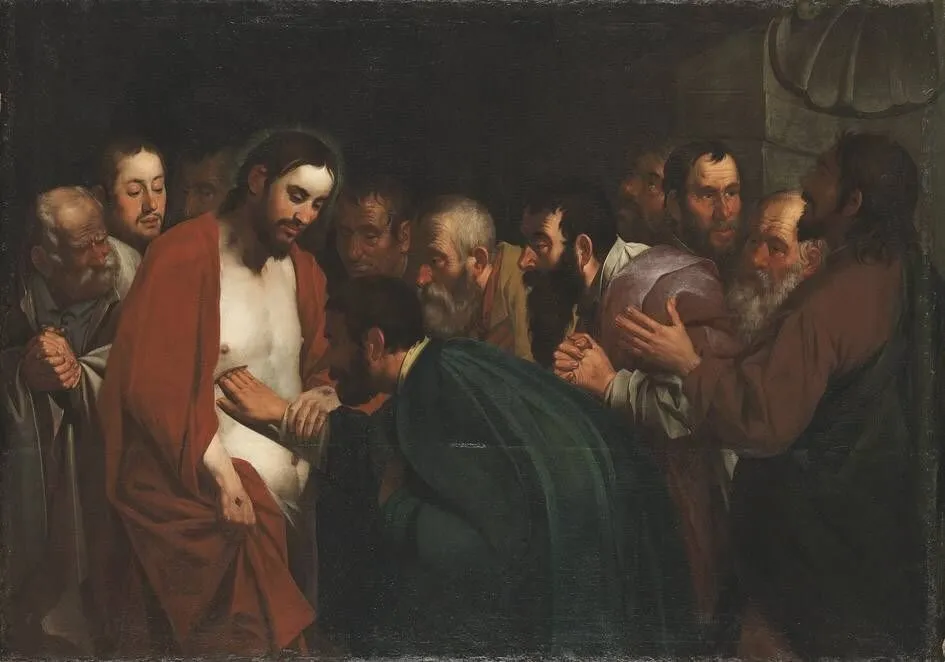
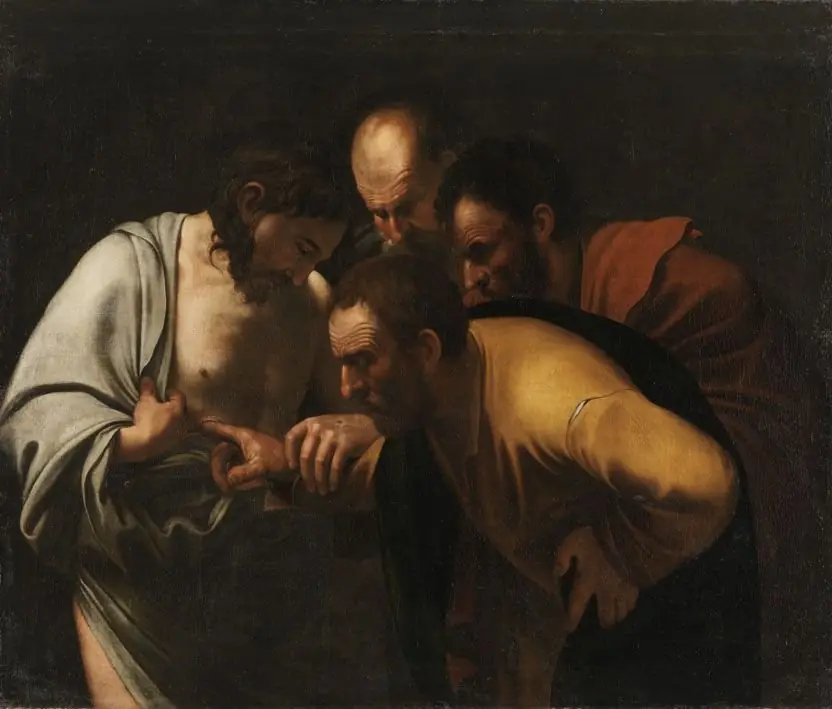
Der ungläubige Thomas is an unspecified painting by the Early Baroque Italian artist Johann Ulrich Loth. It dates from 1635 and is held in the collection of the Bavarian State Painting Collections.
About this work
Overview
Johann Ulrich Loth’s 1635 oil painting, titled *Der ungläubige Thomas*, presents a biblical scene rendered with meticulous attention to human expression. The work is part of the collection of Munich’s Alte Pinakothek, where it remains on display as an example of early‑Baroque religious narrative.
Subject & Meaning
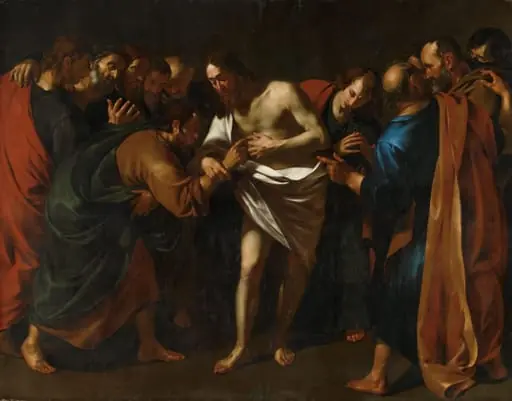
The composition centers on the apostle Thomas, identifiable by his exposed chest and red garment, as he confronts the resurrected Christ. Surrounding figures—clad in green, brown and white—react with a range of emotions, from doubt to reverence, illustrating the moment of Thomas’s skeptical inquiry and subsequent belief.
Technique & Style
Loth employs a pronounced chiaroscuro, using a dark, unadorned wall behind the group to heighten contrast and give the figures a three‑dimensional presence. The careful modeling of flesh and fabric, combined with subtle color variations, creates a lifelike realism characteristic of the Baroque period’s dramatic visual language.
History & Provenance
Created in 1635, the painting entered the Alte Pinakothek’s holdings during the museum’s early acquisitions of German Baroque art. Its provenance traces back to regional collections in Bavaria, where it was valued for its devotional content and technical skill before becoming part of the public collection.
Artist & collection

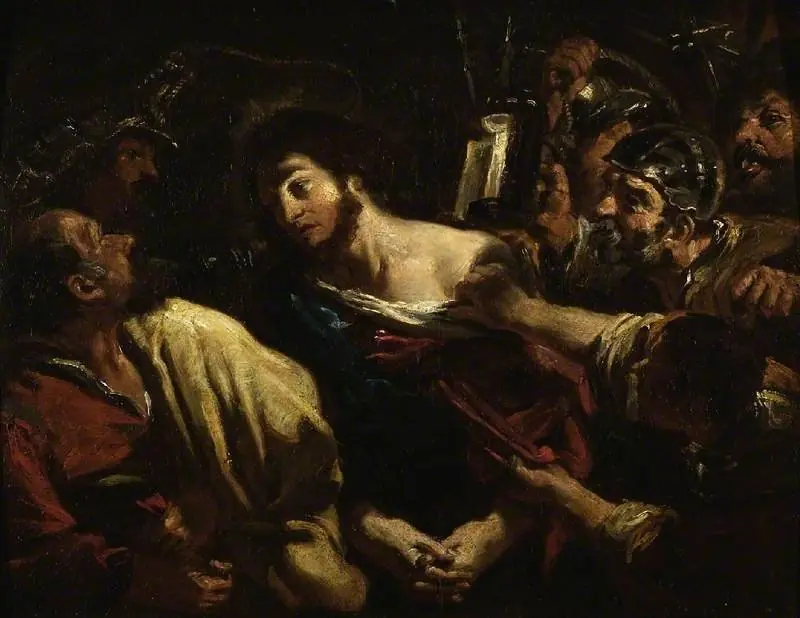 Copy of Guercino's 'Taking of Christ'
 Untitled
 Der ungläubige Thomas
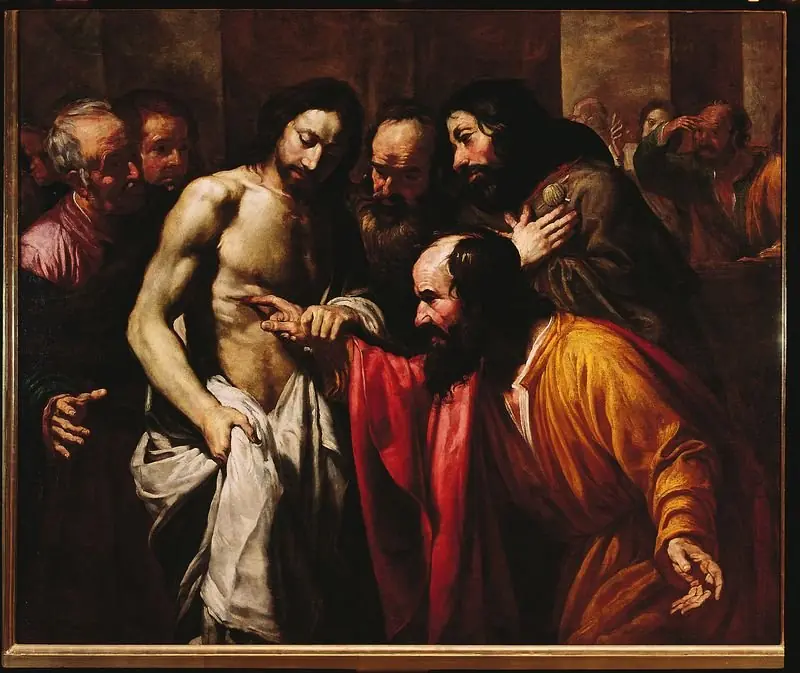 Doubting Thomas
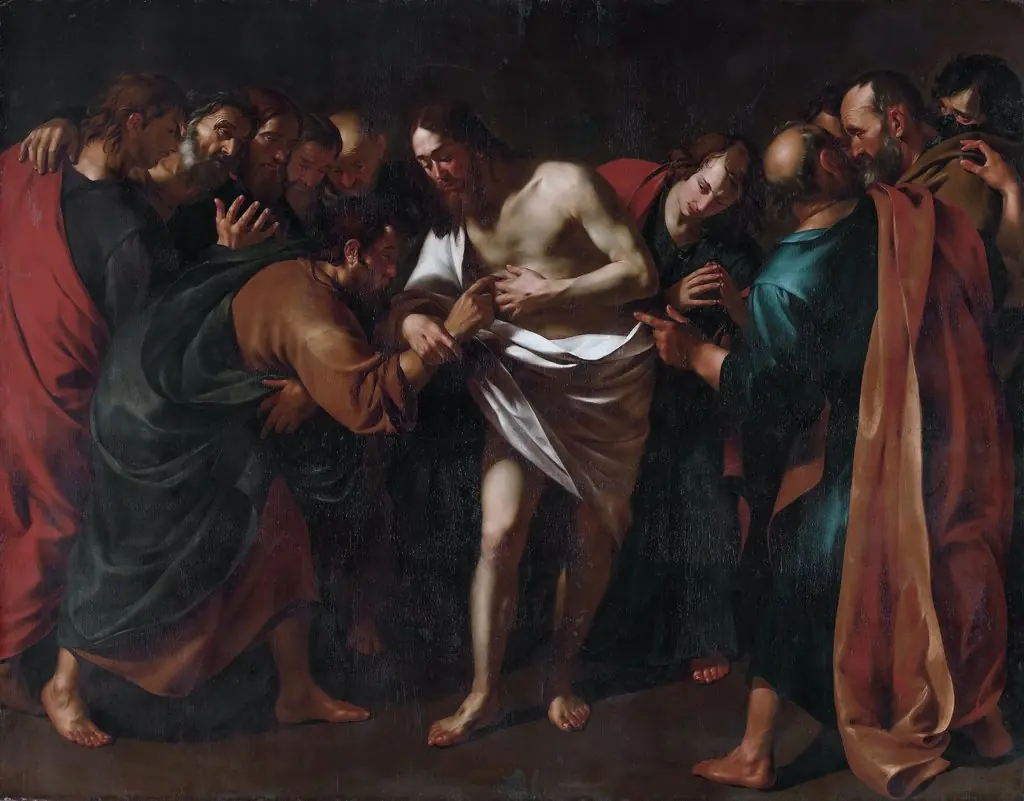 The incredulity of St Thomas
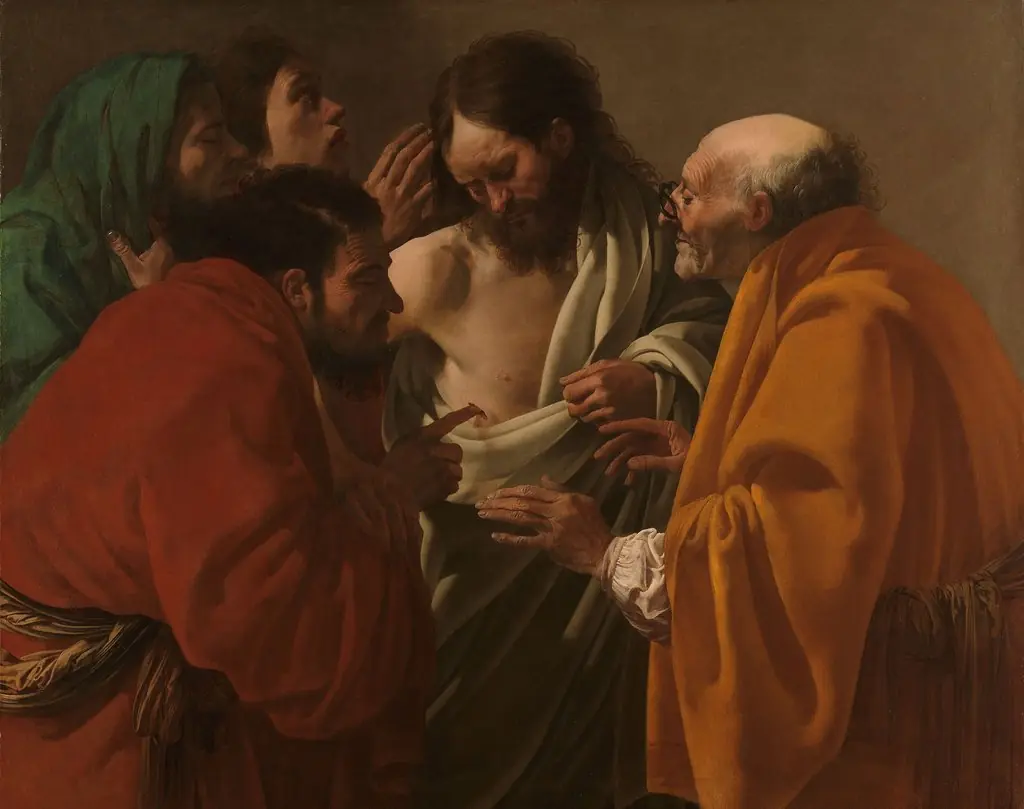 The Incredulity of Thomas
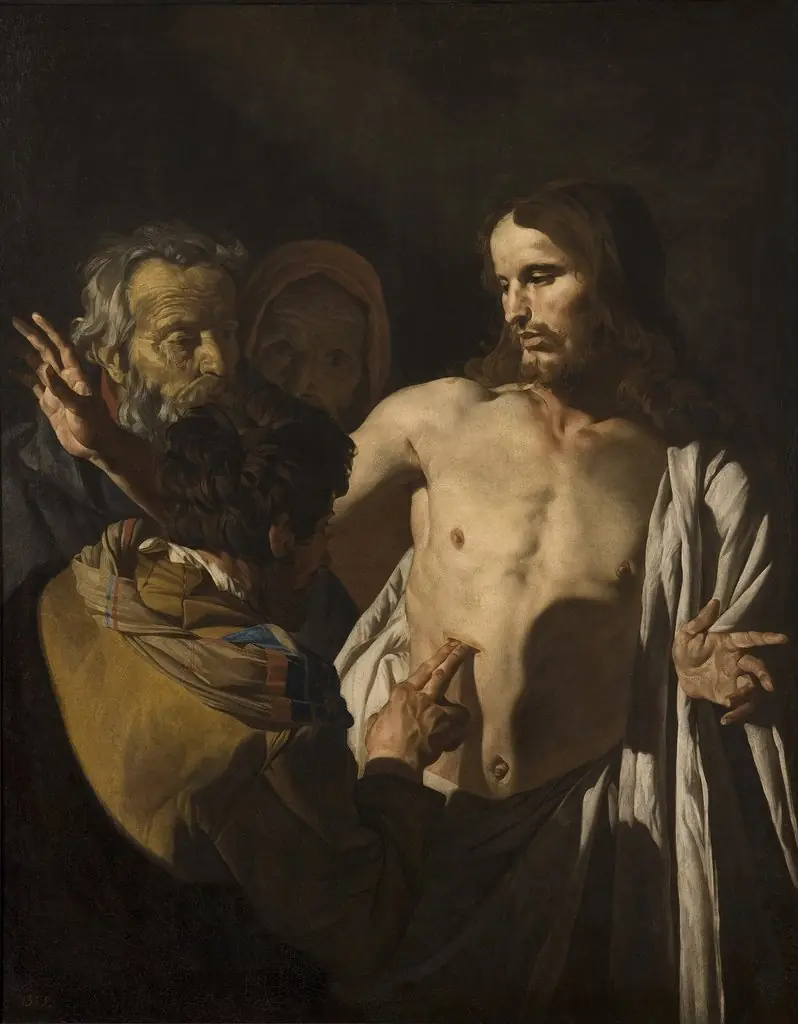 The Incredulity of Saint Thomas
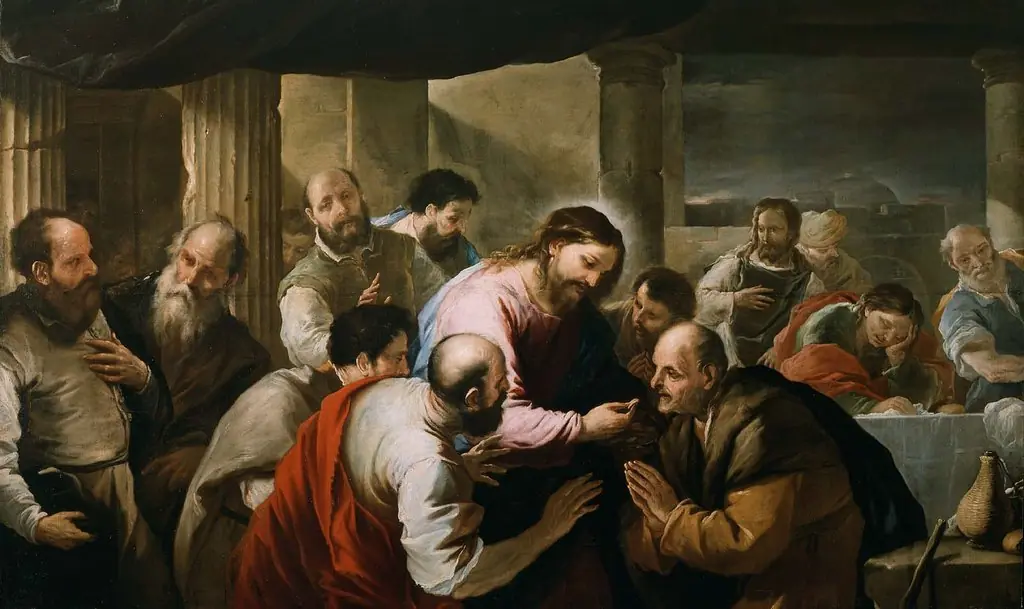 The Communion of the Apostles
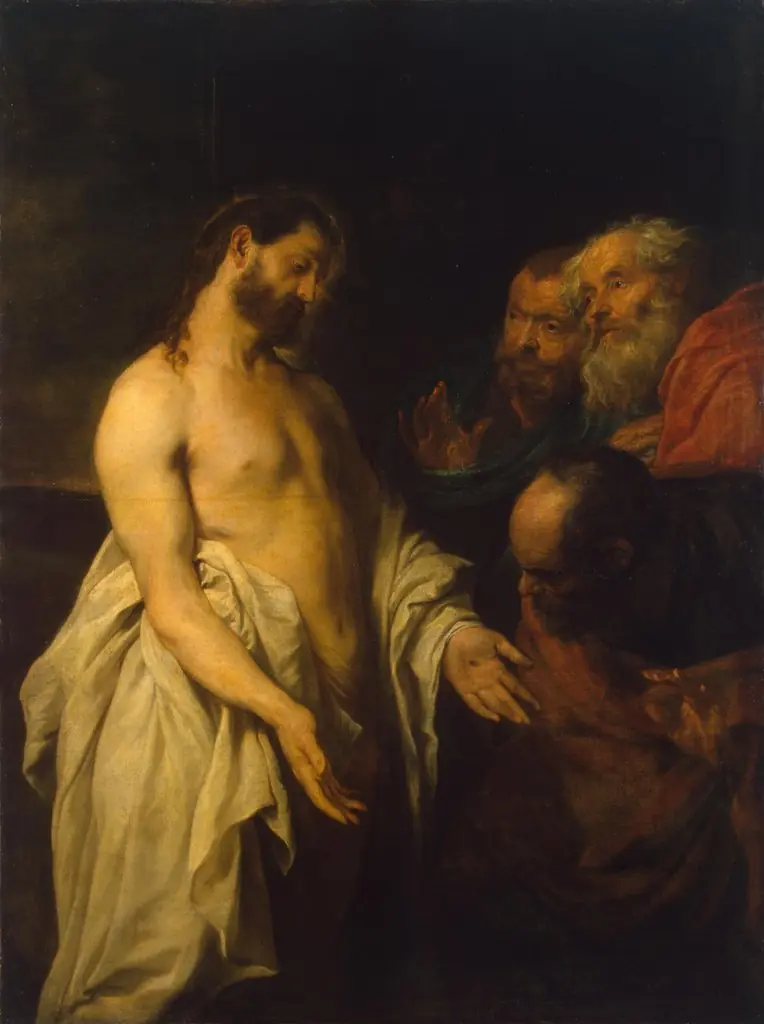 Appearance of Christ to his Disciples
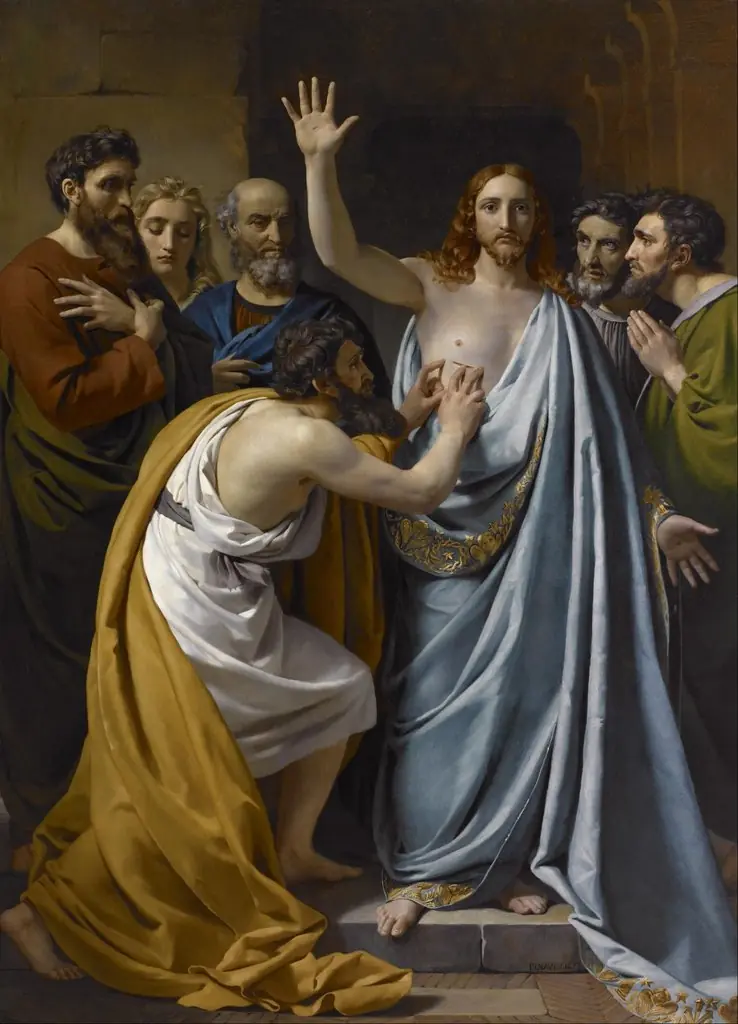 The Incredulity of Saint Thomas
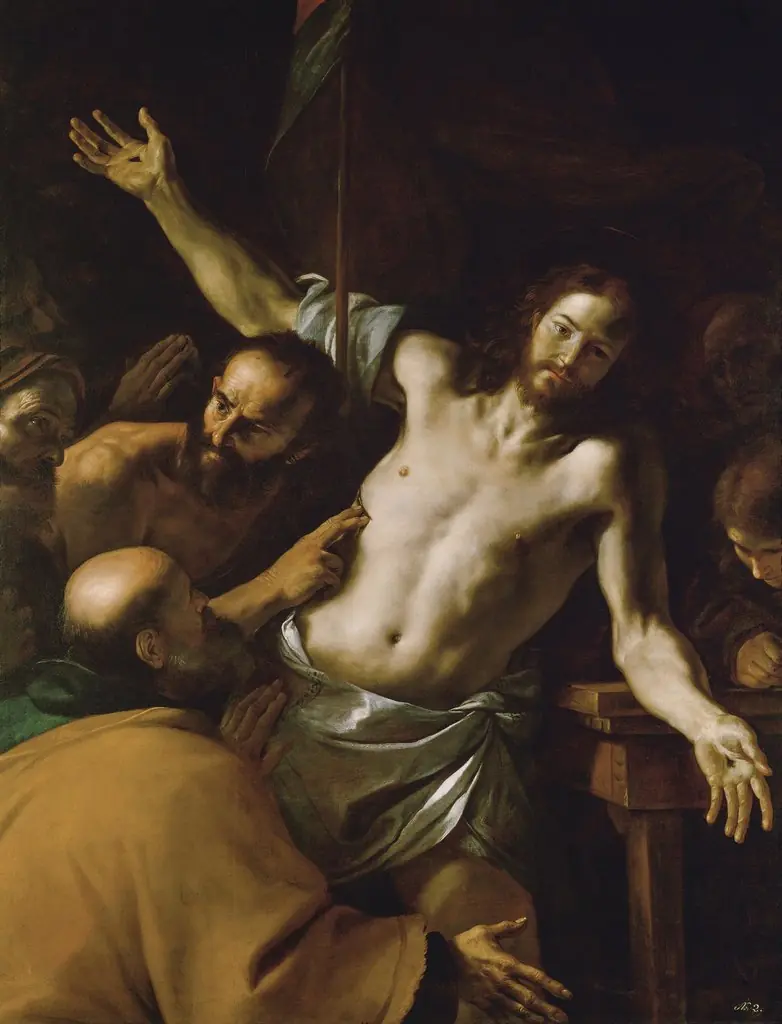 Doubting Thomas
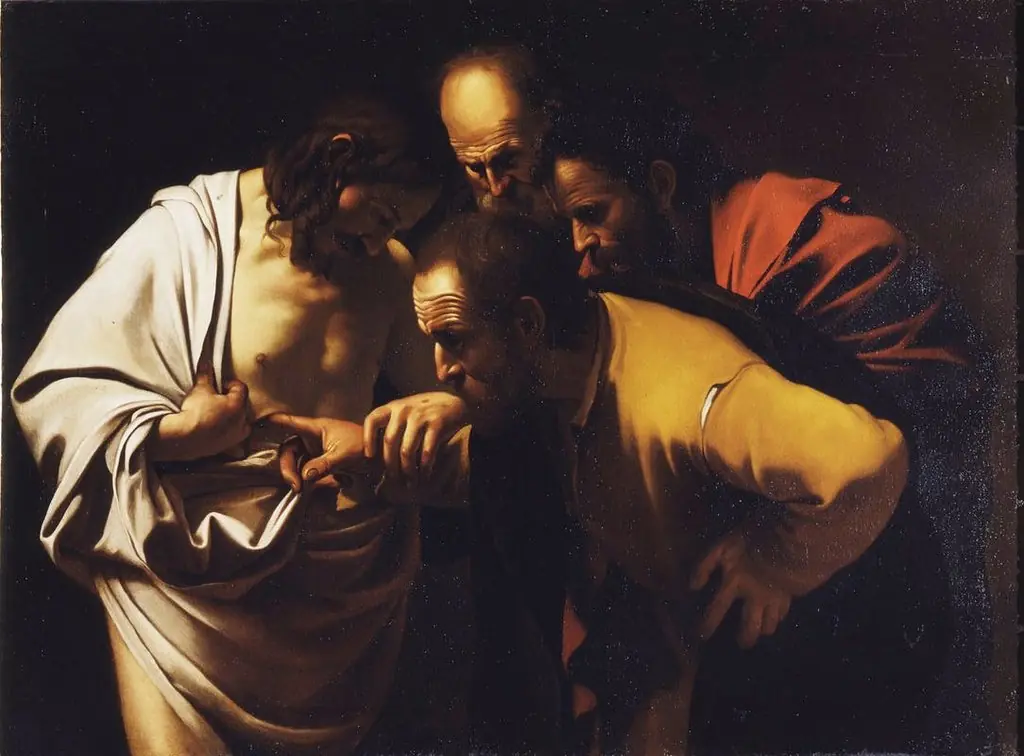 Incredulity of St. Thomas