Artwork
Elisabeth Maria Aloysia Auguste Gemahlin Karl Theodors
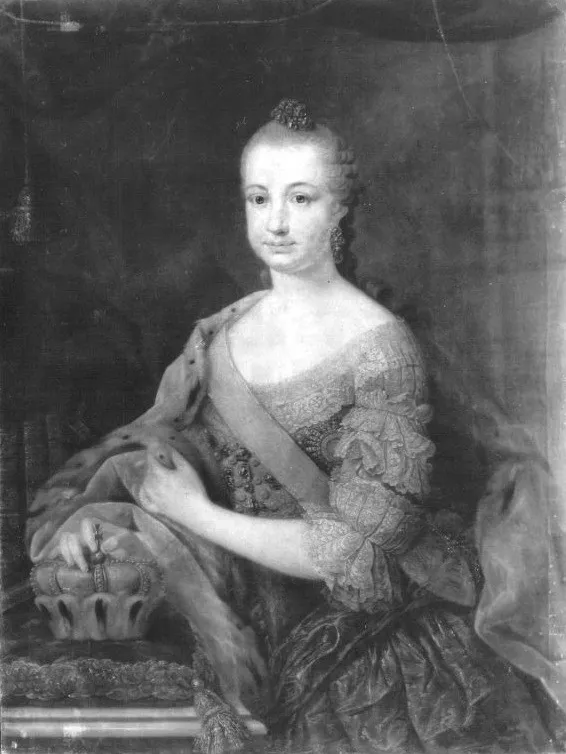
Elisabeth Maria Aloysia Auguste Gemahlin Karl Theodors is an oil painting by the Rococo painting artist Johann Wilhelm Hoffnas. It dates from 1766 and is held in the collection of the Bavarian State Painting Collections.
About this work
Overview
Johann Wilhelm Hoffnas painted this oil work in 1766, and it now belongs to the collection of Munich’s Alte Pinakothek. The canvas presents a seated woman in an opulent costume, holding a crown, her gaze directed outward with a composed seriousness. The composition is set against a deep, muted backdrop that isolates the figure and emphasizes the richness of her attire.
Subject & Meaning
The sitter, identified by the title as Elisabeth Maria Aloysia Auguste, the wife of Karl Theodor, is depicted in regal attire, suggesting her status and role within the court. The crown she holds reinforces her noble position, while her solemn expression conveys the dignified bearing expected of a consort in 18th‑century portraiture.
Technique & Style
Hoffnas employs a refined chiaroscuro, using strong contrasts between the illuminated figure and the surrounding darkness to model form and texture. The meticulous rendering of fabric folds, hair strands, and jewelry demonstrates a high level of draftsmanship, while the subdued palette of the background enhances the visual focus on the subject’s elaborate costume.
History & Provenance
Created in the mid‑1760s, the portrait entered the Alte Pinakothek’s holdings, where it remains on display. Its provenance traces back to the Bavarian court, reflecting the practice of commissioning portraits to document dynastic alliances and personal status during the period.
Context
The work belongs to a broader tradition of court portraiture in the Holy Roman Empire, where artists combined realistic detail with symbolic elements to convey authority. Hoffnas’s approach aligns with contemporary German painters who emphasized texture and materiality, situating the painting within the late Baroque transition toward Rococo sensibilities.
Artist & collection

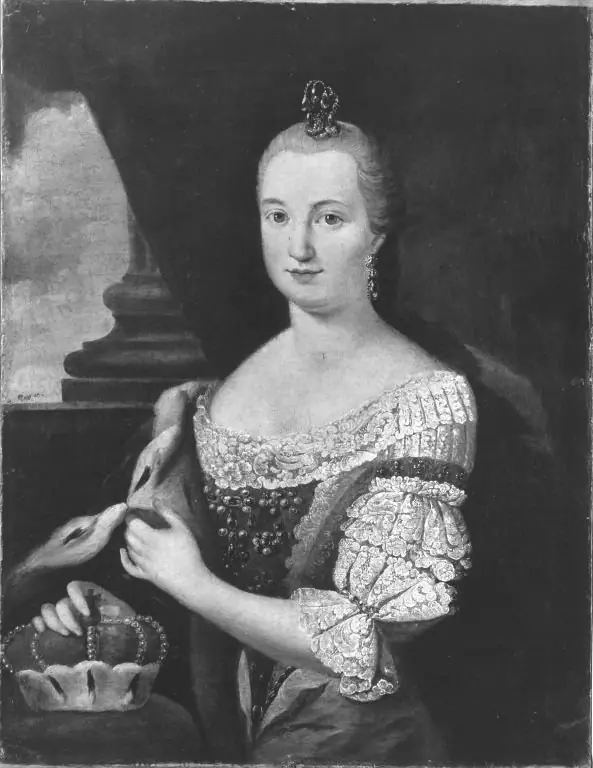 Bildnis der Kurfürstin Elisabeth Auguste von Pfalz-Bayern (Kopie nach)
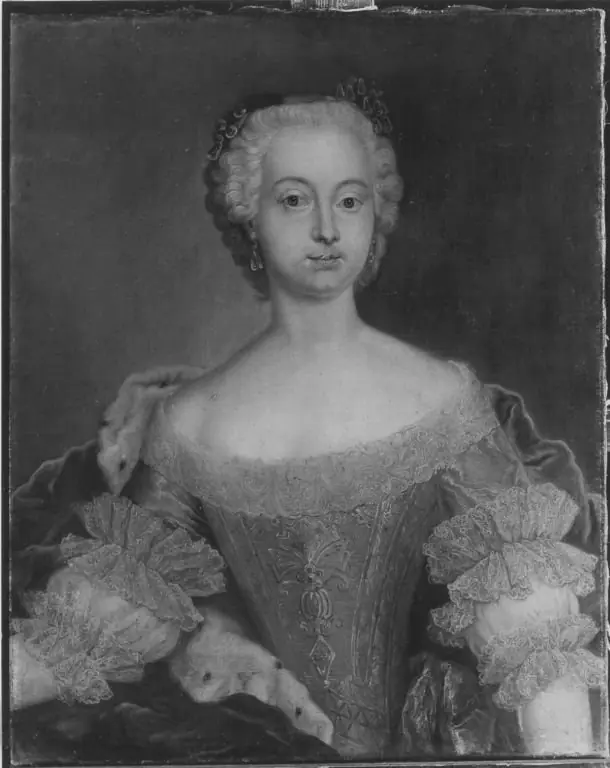 Bildnis einer Fürstin
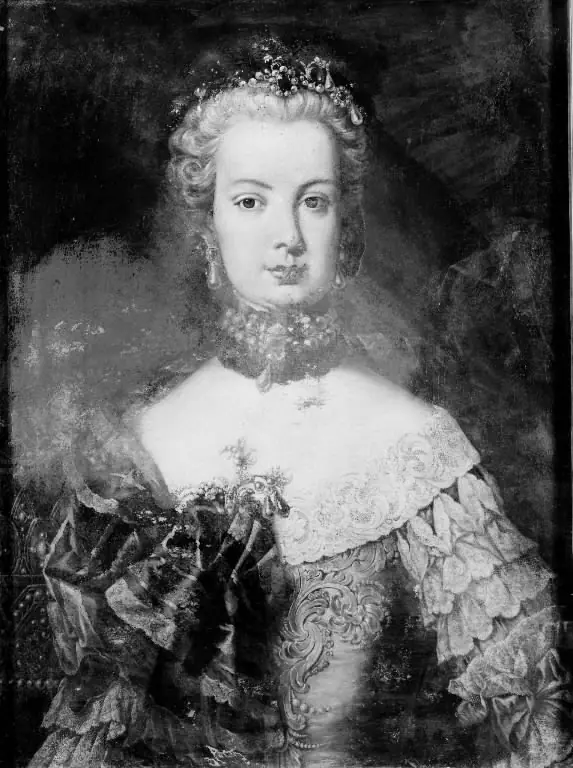 Elisabeth Christine von Braunschweig-Wolfenbüttel
 Elisabeth Christine von Braunschweig-Wolfenbüttel
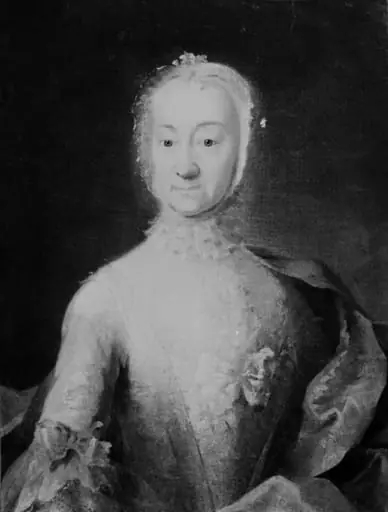 Portrait of Mrs. Brorson
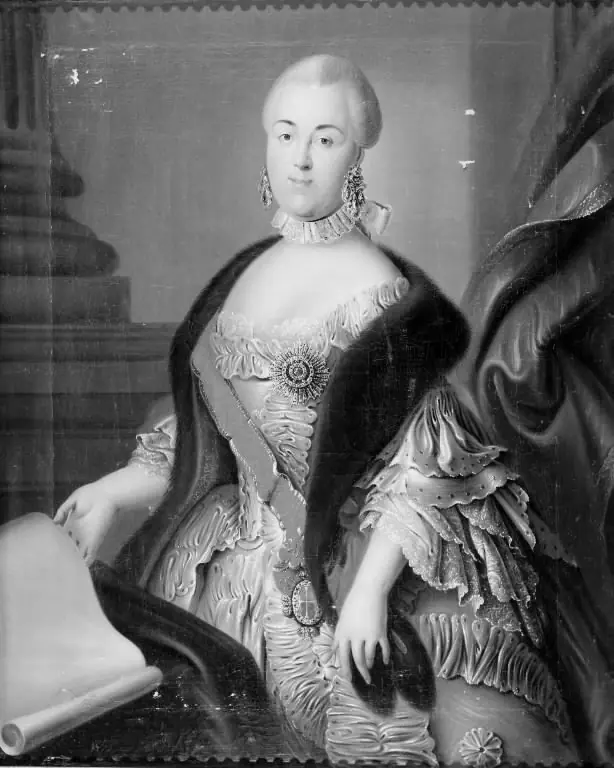 Carl Peter Ulricks gemalinde, Sofia Augusta. Katharina II af Rusland
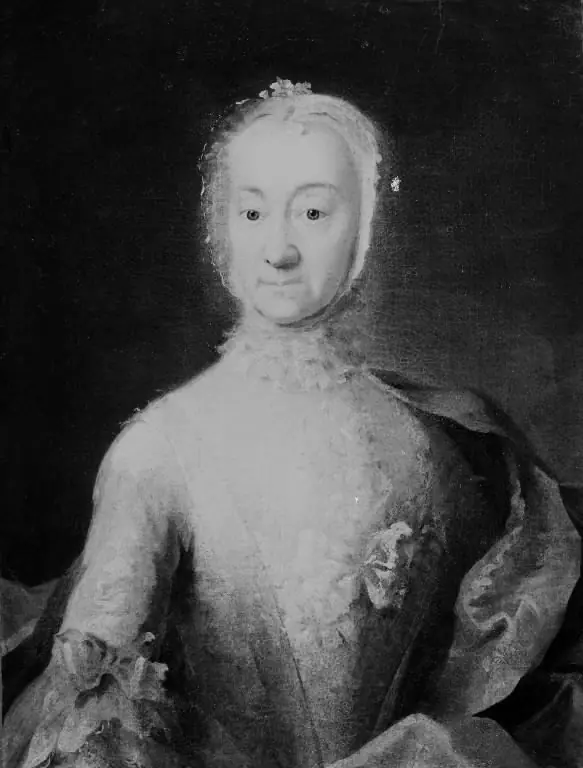 Portrait of Mrs. Brorson
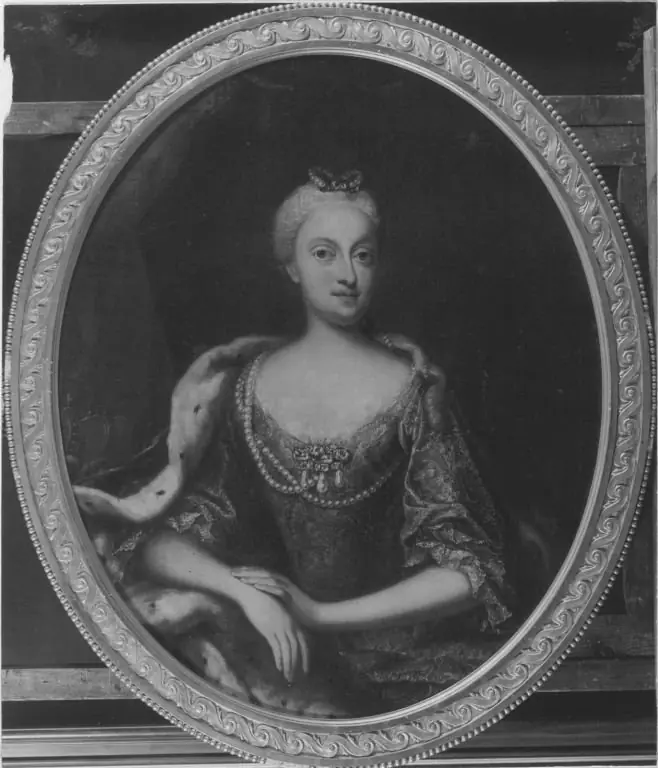 Kaiserin Maria Amalia, Gemahlin Kaiser Karls VII.
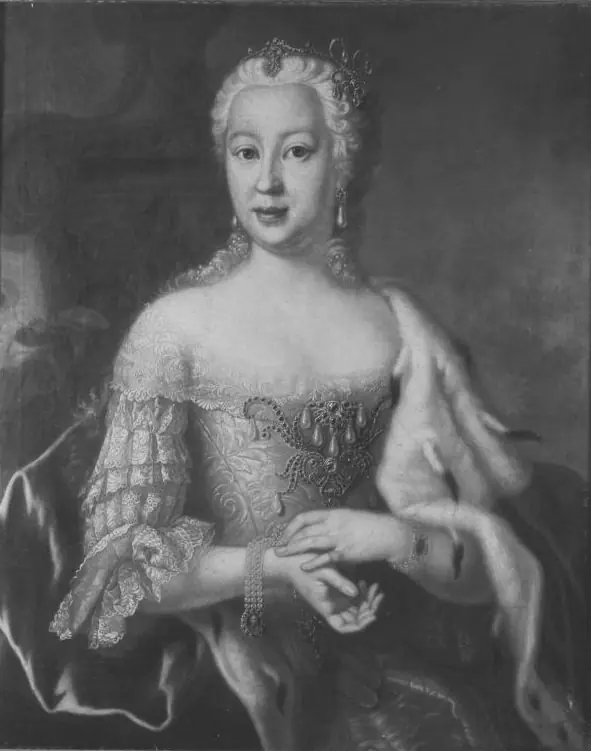 Maria Anna of Sulzbach (1722-1790)
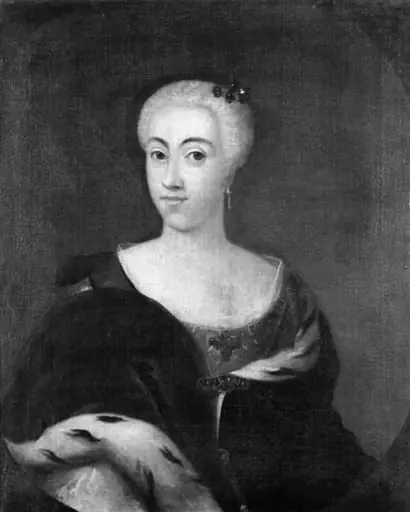 Portrait of a Lady
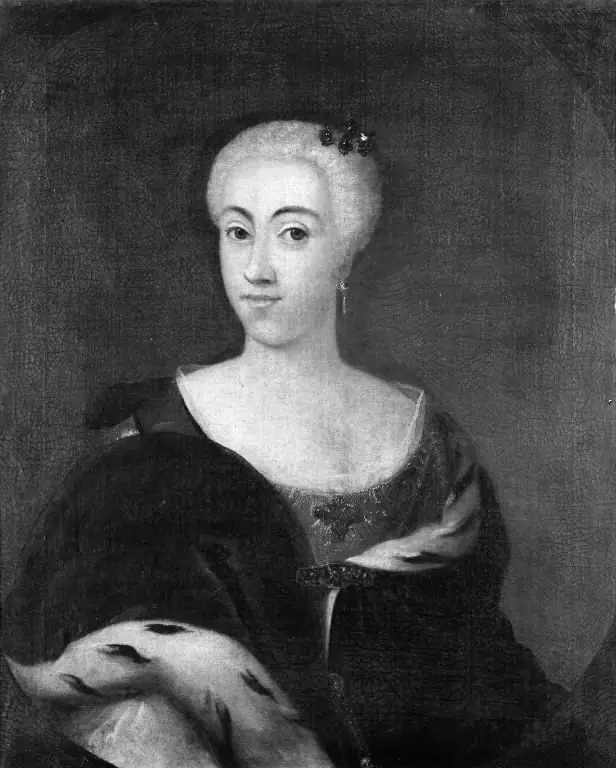 Portrait of a Lady
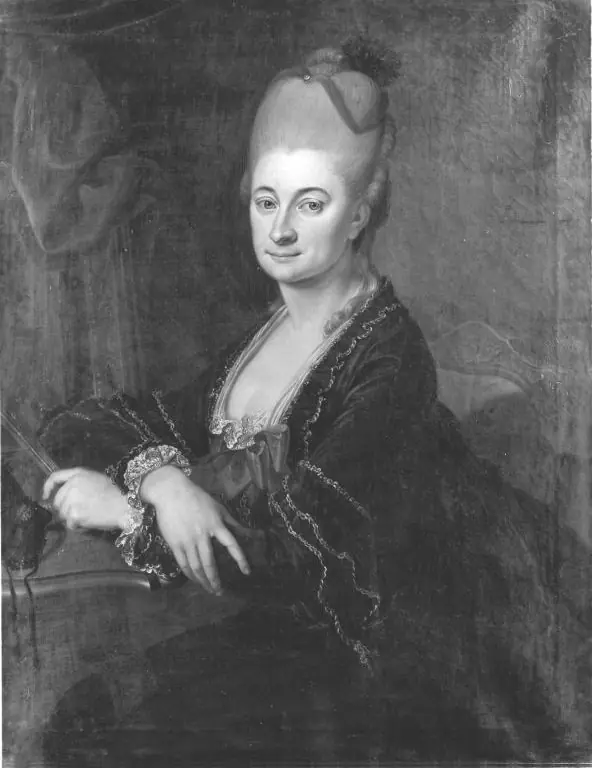 Maria Amalia of Zweibrücken-Birkenfeld