Artwork
Bildnis des Kurfürsten Karl Theodor
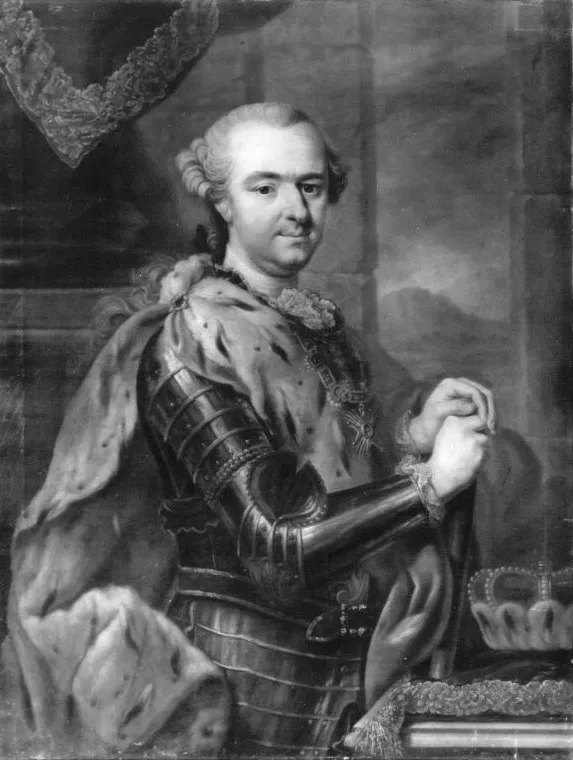
Bildnis des Kurfürsten Karl Theodor is an oil painting by the Rococo painting artist Johann Wilhelm Hoffnas. It dates from 1766 and is held in the collection of the Bavarian State Painting Collections.
About this work
Overview
Painted in 1766 by Johann Wilhelm Hoffnas, this oil portrait depicts Karl Theodor, Elector of the Palatinate. The work resides in the Alte Pinakothek in Munich. It presents the subject in formal attire, combining elements of military dress with aristocratic elegance. The composition is restrained, emphasizing the sitter’s presence against a muted, indistinct background.
Subject & Meaning
Karl Theodor is portrayed as a ruler of authority, dressed in a richly detailed cuirass and ornate cape, symbols of his dual role as noble and military leader.
Karl Theodor is portrayed as a ruler of authority, dressed in a richly detailed cuirass and ornate cape, symbols of his dual role as noble and military leader. His clenched hand and direct gaze convey resolve, while the elaborate collar and curled hair reflect contemporary courtly fashion. The image does not celebrate triumph but rather projects dignified command, consistent with Enlightenment-era ideals of enlightened leadership.
Technique & Style
Hoffnas employs a refined, controlled brushwork to render the metallic sheen of the armor and the soft folds of the cape. The dark, blurred background isolates the figure, focusing attention on texture and posture. Facial features are rendered with subtle modeling, avoiding theatricality. The style aligns with late Baroque portraiture, prioritizing realism over ornamentation while maintaining ceremonial gravitas.
History & Provenance
Commissioned during Karl Theodor’s tenure as Elector, the painting entered the Bavarian royal collection shortly after its completion. It was later transferred to the Alte Pinakothek when the museum was established in the early 19th century. Its continuous presence in state collections underscores its role as an official representation of ruling authority in the region.
Context
Created in the mid-18th century, the portrait reflects the transition from Baroque grandeur to the more restrained aesthetics of the Enlightenment. Rulers like Karl Theodor sought to project rational authority rather than divine right. Hoffnas, though less known than contemporaries, was active in court circles, producing portraits that balanced personal likeness with institutional symbolism.
Legacy
The portrait remains a key example of German court portraiture from the late 1700s. While Hoffnas’s broader oeuvre is limited in public recognition, this work endures as a documented representation of a significant political figure. It contributes to scholarly understanding of how rulers visually constructed legitimacy during a period of shifting political ideals.
Artist & collection

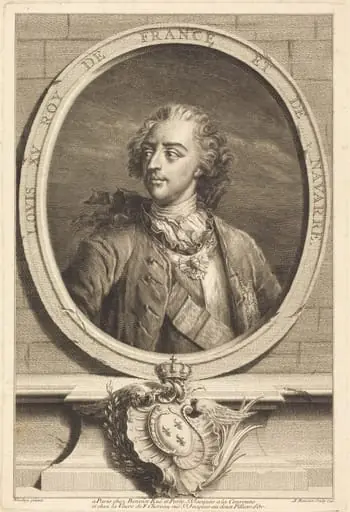 Louis XV, King of France
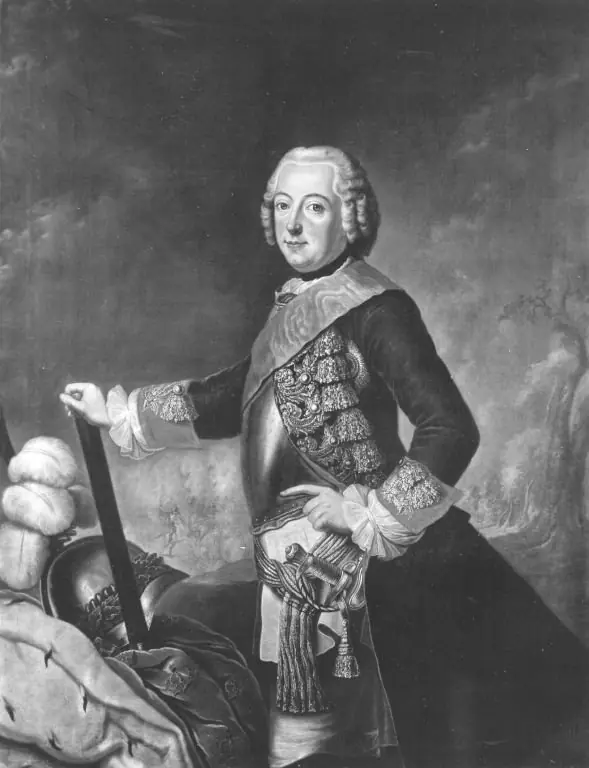 Friedrich II. der Große
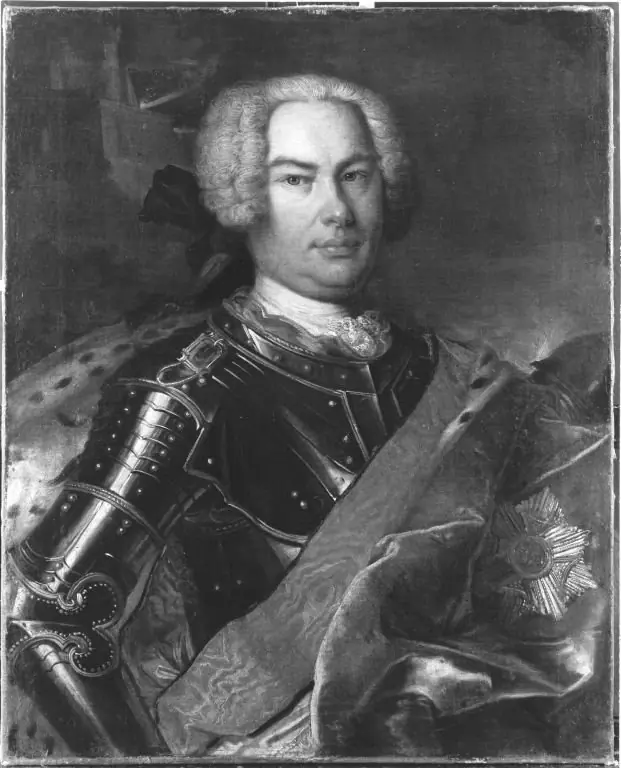 Christian III, Prince of Zweibrücken-Birkenfeld
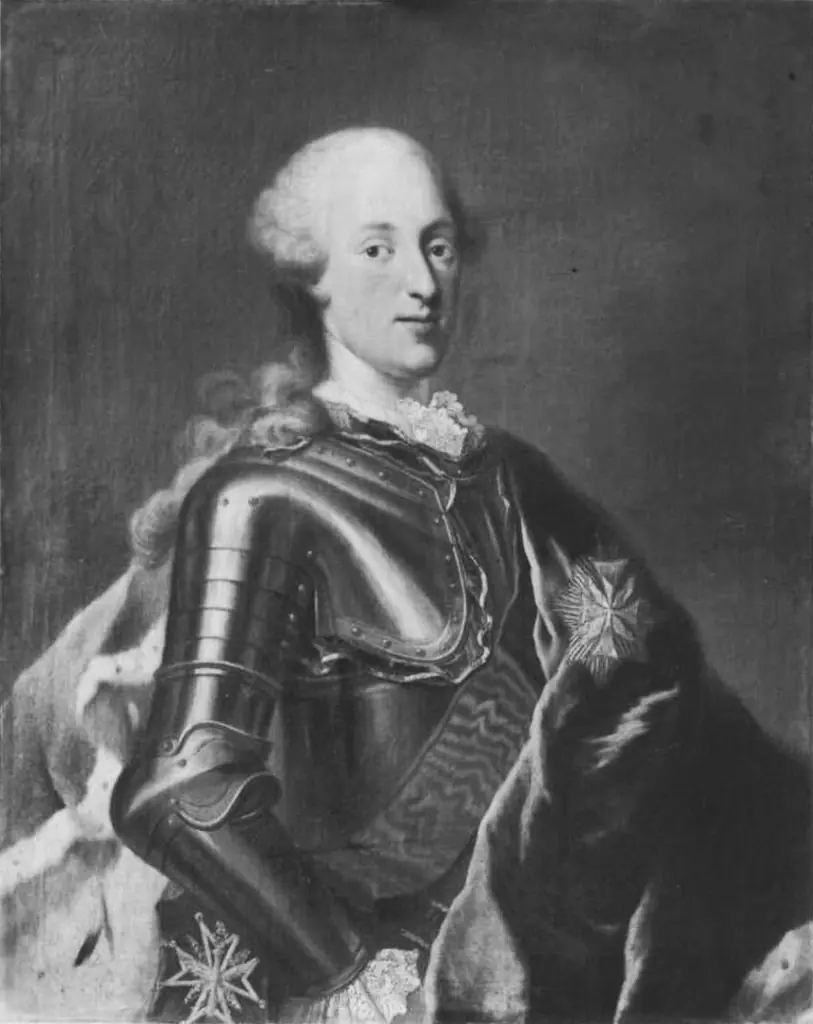 Bildnis eines sächsischen Prinzen
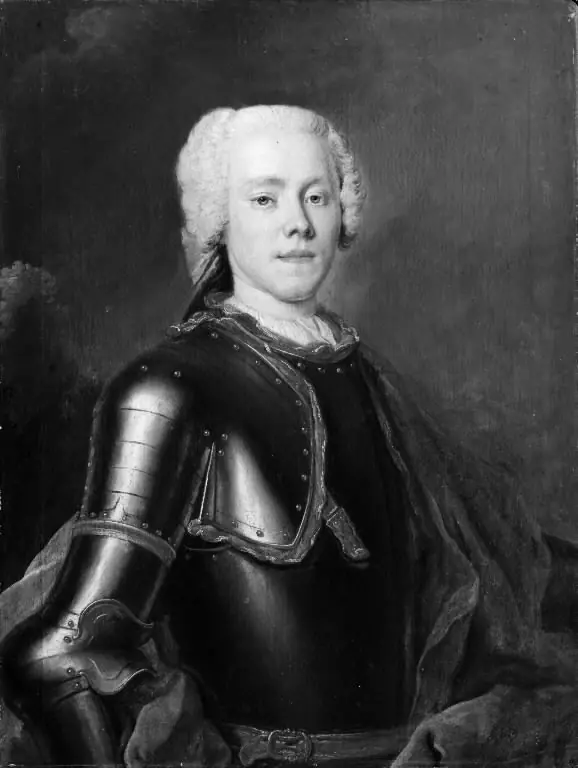 Portrait of Count Jørgen Scheel (1721-1786)
 Portrait of Count Jørgen Scheel (1721-1786)
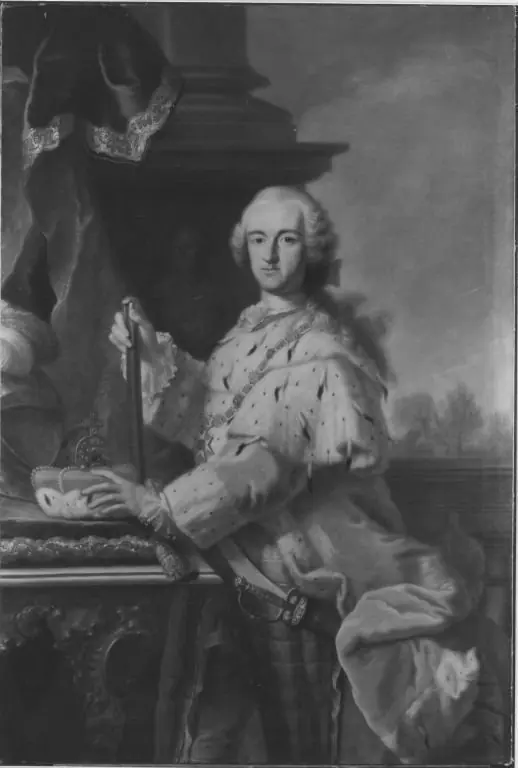 Bildnis des Kurfürsten Karl Theodor von Pfalz-Bayern (Werkstatt)
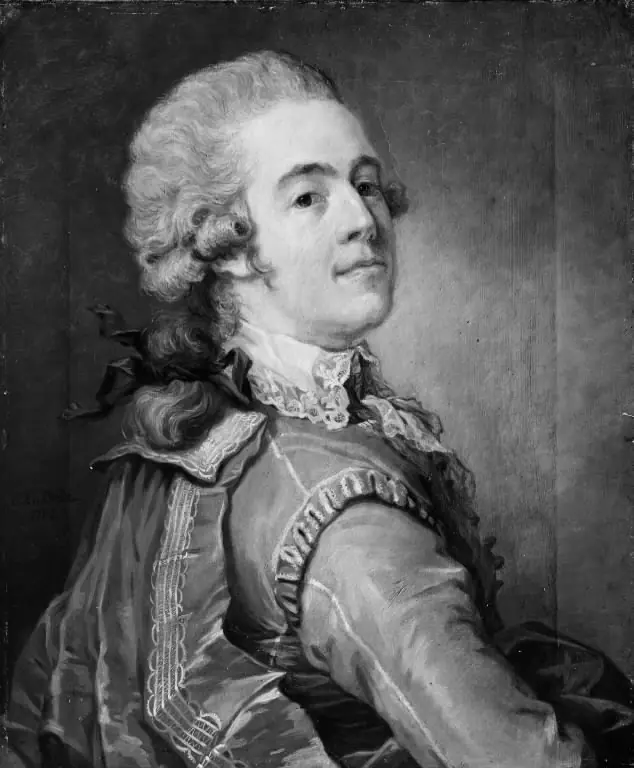 Portrait of Claes Fredrik Horn
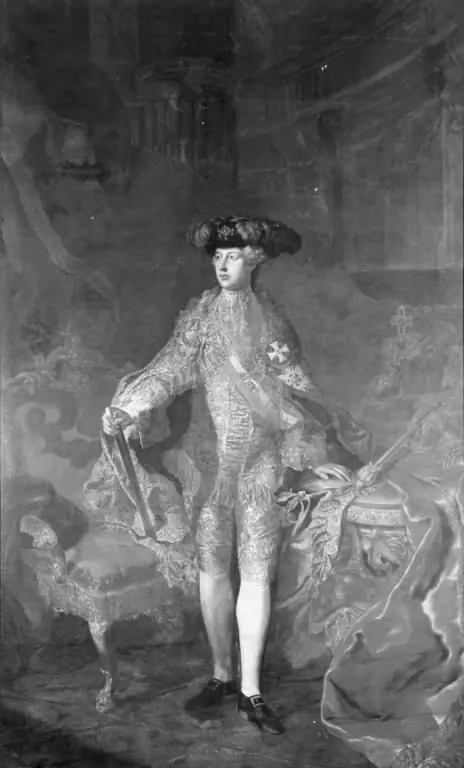 Portrait of the Emperor Joseph II of Austria
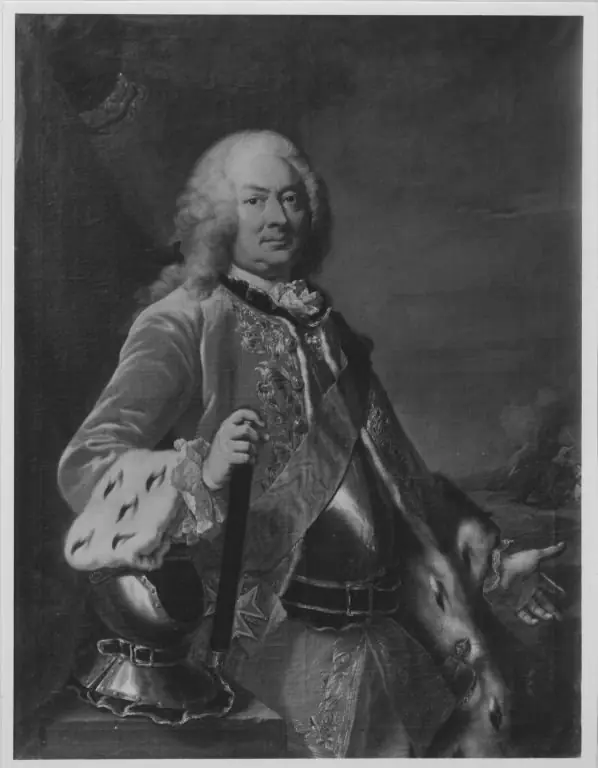 Landgraf Wilhelm VIII. von Hessen-Kassel
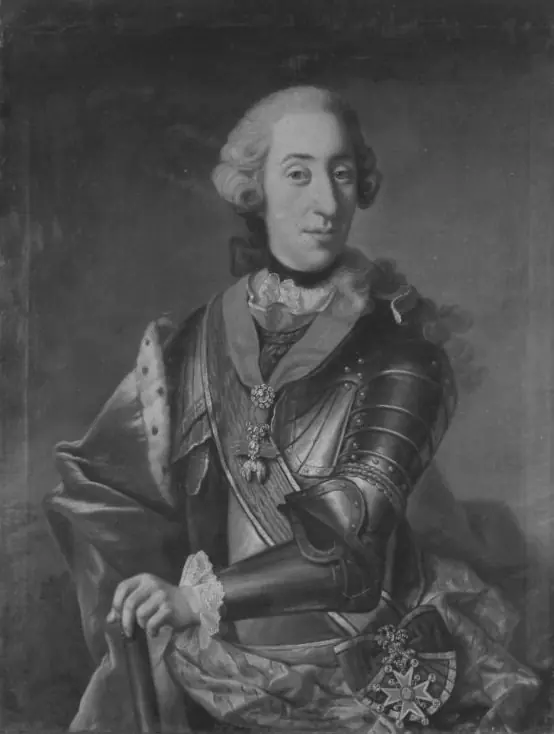 Clement Francis of Bavaria
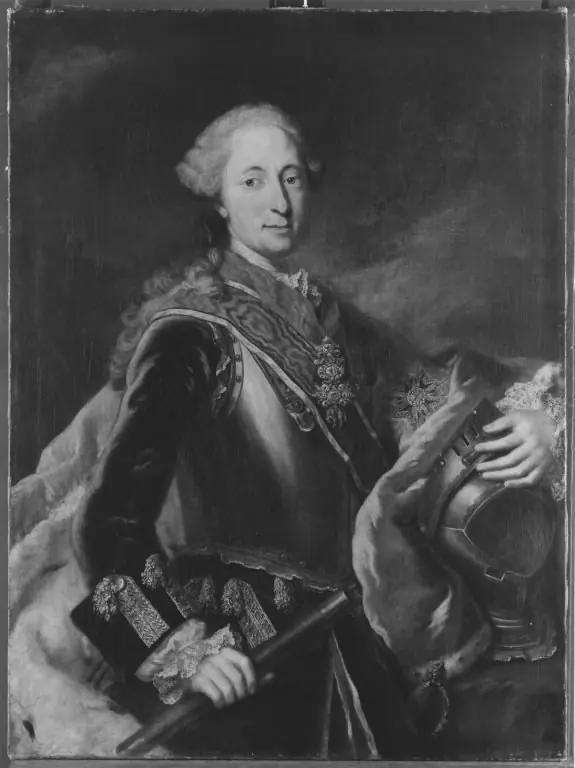 Kurfürst Max III. Joseph von Bayern (zugeschrieben)