Artwork
Gezelschap in 17e-eeuwse dracht bij een tafel waarop een Nautilusbeker
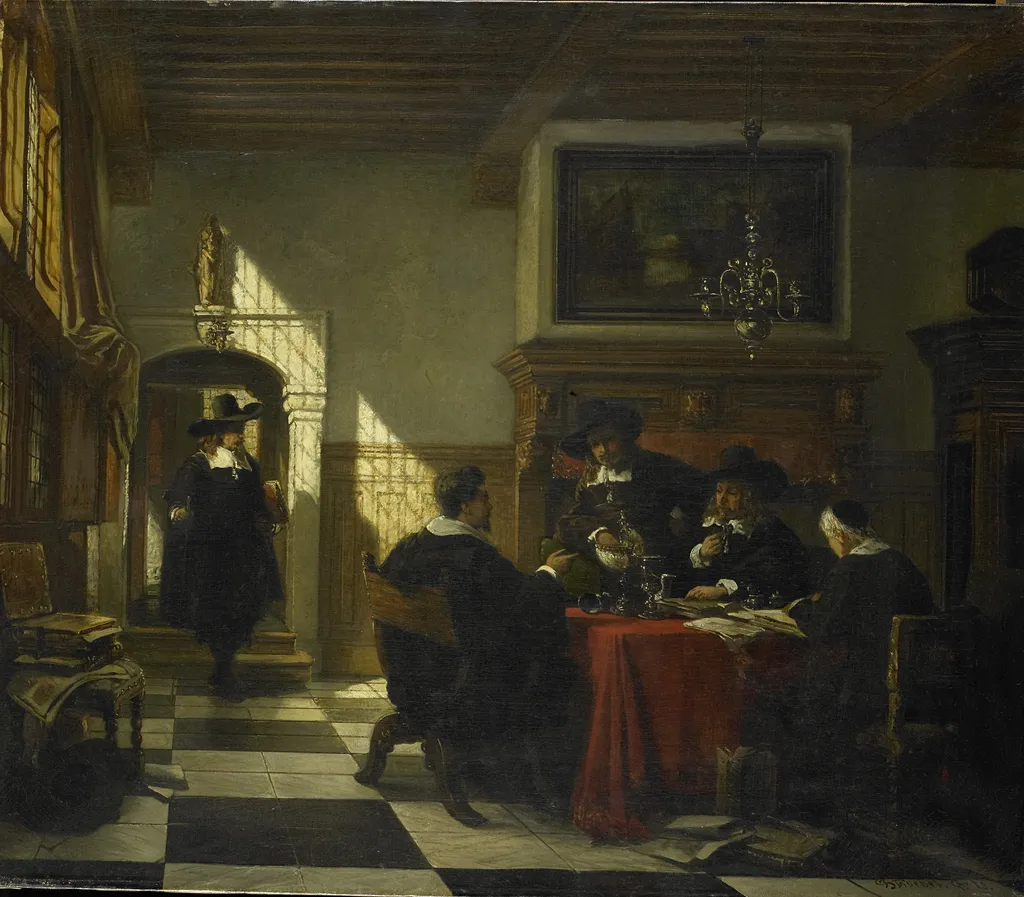
Gezelschap in 17e-eeuwse dracht bij een tafel waarop een Nautilusbeker is an oil painting by the Dutch Golden Age artist Johannes Anthonie Balthasar Stroebel. It dates from 1873 and is held in the collection of the Rijksmuseum.
About this work
Overview
Gezelschap in 17e-eeuwse dracht bij een tafel waarop een Nautilusbeker is an 1873 oil painting by Johannes Anthonie Balthasar Stroebel, depicting a scene of four men in 17th-century attire gathered around a table, with a fifth man standing nearby, set within a dimly lit, cozy interior.
Subject & Meaning
The painting focuses on a group of men engaged in an unspecified, intimate gathering. Central to the composition is a table with a distinctive nautilus shell cup, which may symbolize the group's shared interest or status, given the cup's rarity and value.
Technique & Style
Stroebel employed chiaroscuro to create a warm, inviting atmosphere, carefully balancing strong light sources, such as the window and fireplace, with deep shadows, enhancing the sense of comfort and exclusivity within the scene.
History & Provenance
Created in 1873, the painting is now part of the Rijksmuseum's collection, though specific details about its commission, early ownership, or how it came to the museum are not provided in the available information.
Context
The work reflects a 19th-century interest in historical interiors and attire, with Stroebel imagining a 17th-century setting. The nautilus cup, a luxury item from that era, anchors the scene in historical authenticity.
Legacy
While the painting's impact on the broader art historical canon is not detailed, it remains a notable example of Stroebel's work and a testament to late 19th-century fascination with the Dutch Golden Age, preserved for public viewing at the Rijksmuseum.
Artist & collection
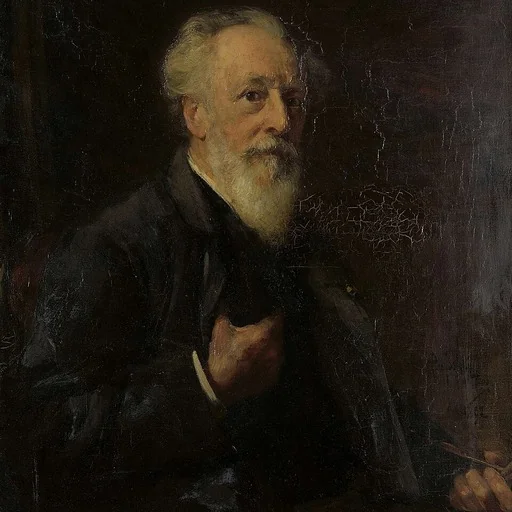
Artist
Johannes Anthonie Balthasar Stroebel
Johannes Anthonie Balthasar Stroebel (1821–1905) was an artist, born in The Hague.

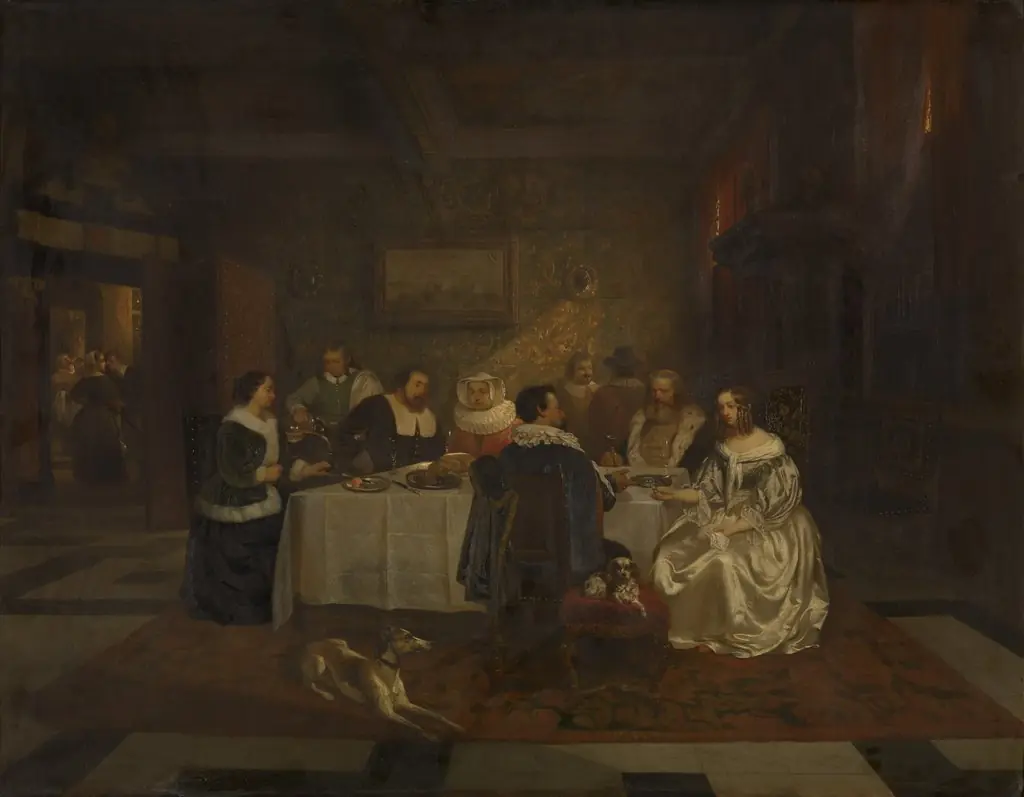 Banquet
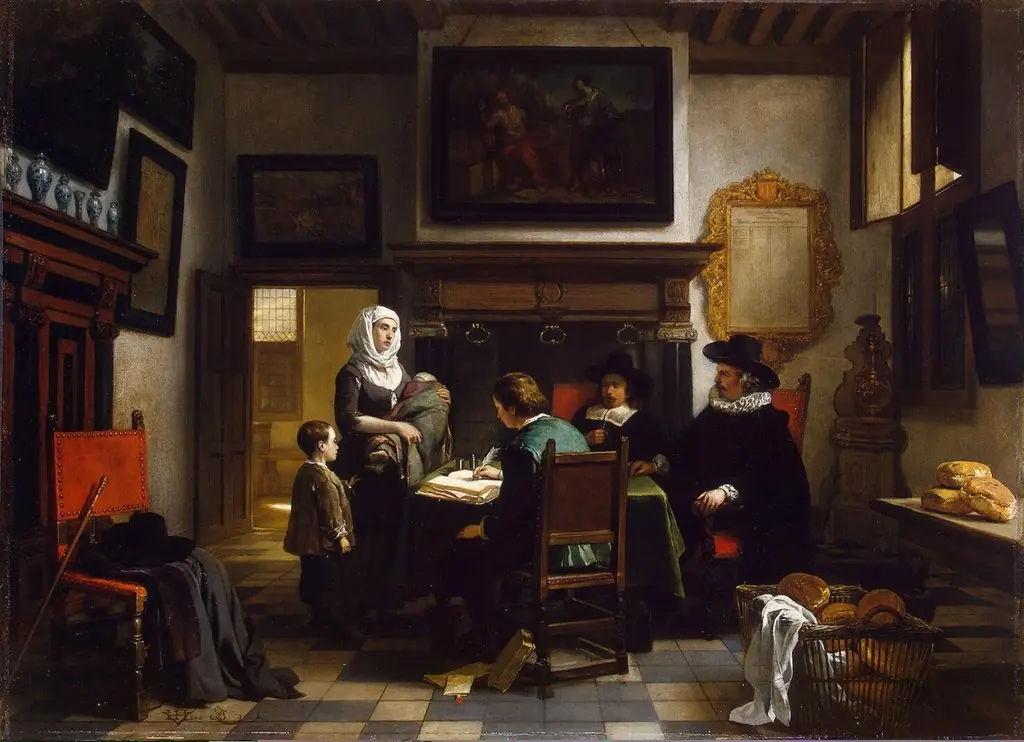 Distribution of Charity in the Alms-House
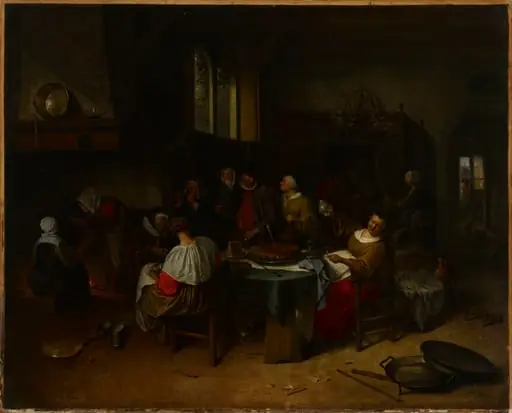 Ristiäisjuhla
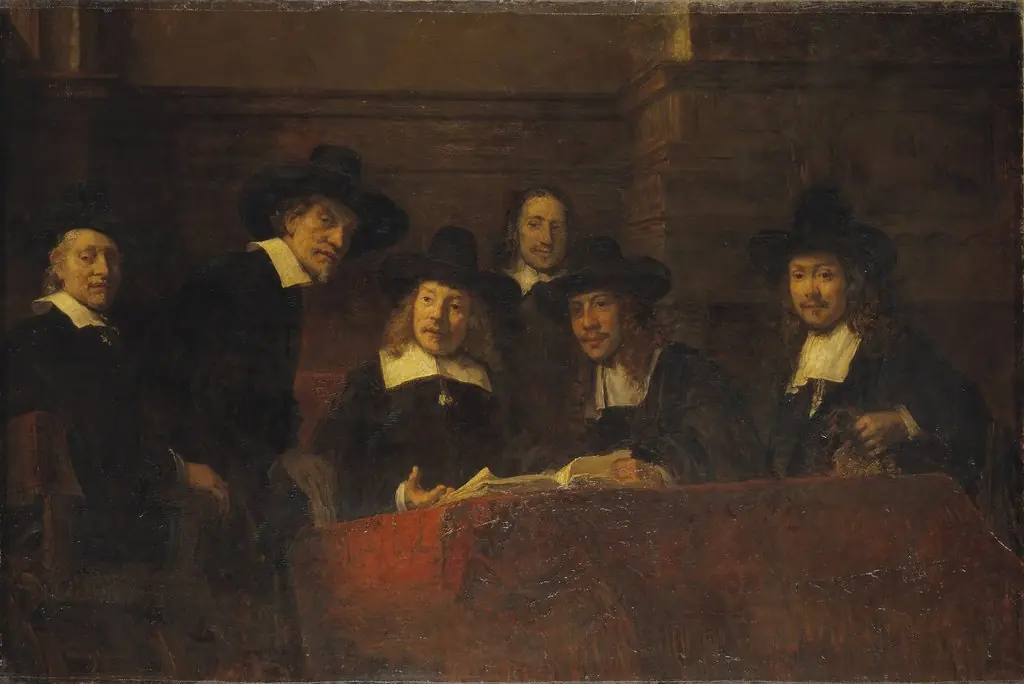 Staalmeesters. After Rembrandt
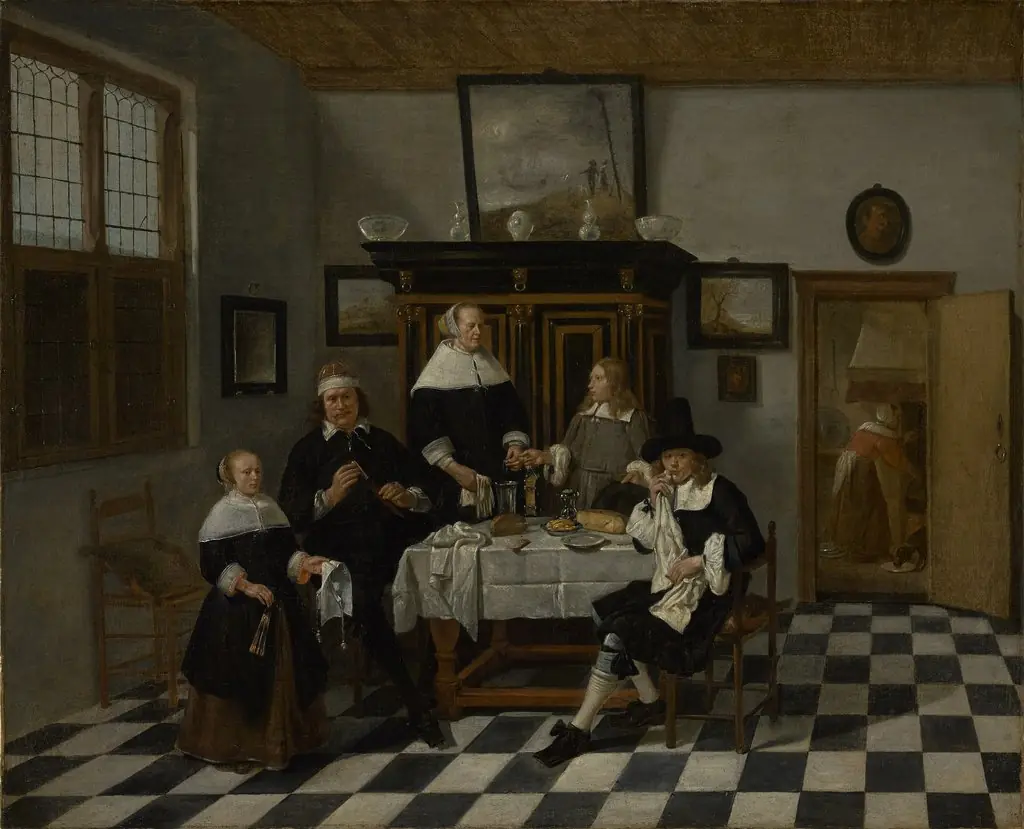 Family Group in an Interior
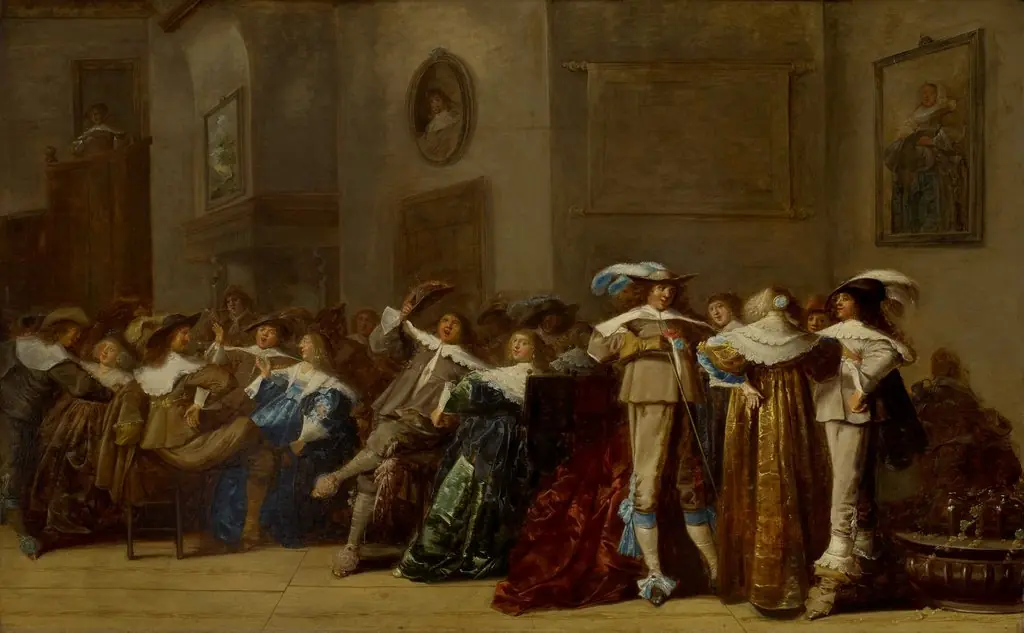 The Merry Company
 An Elegant Company
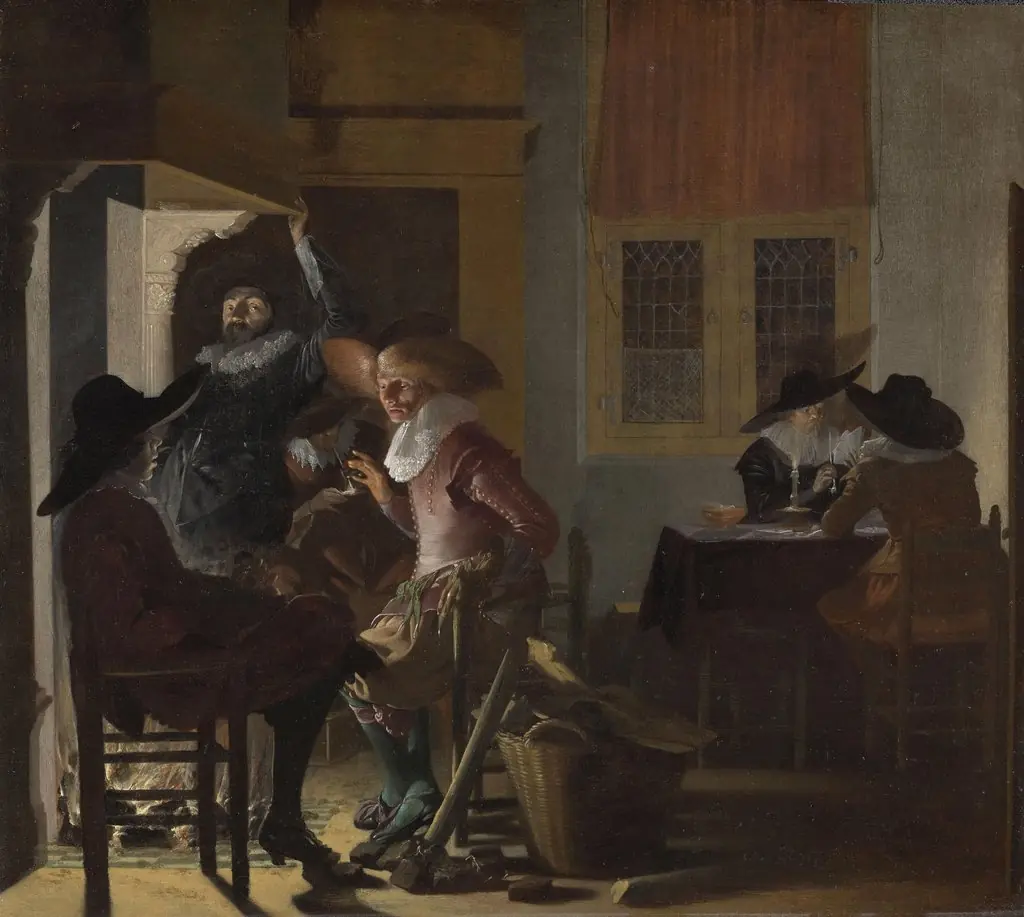 Soldiers beside a Fireplace
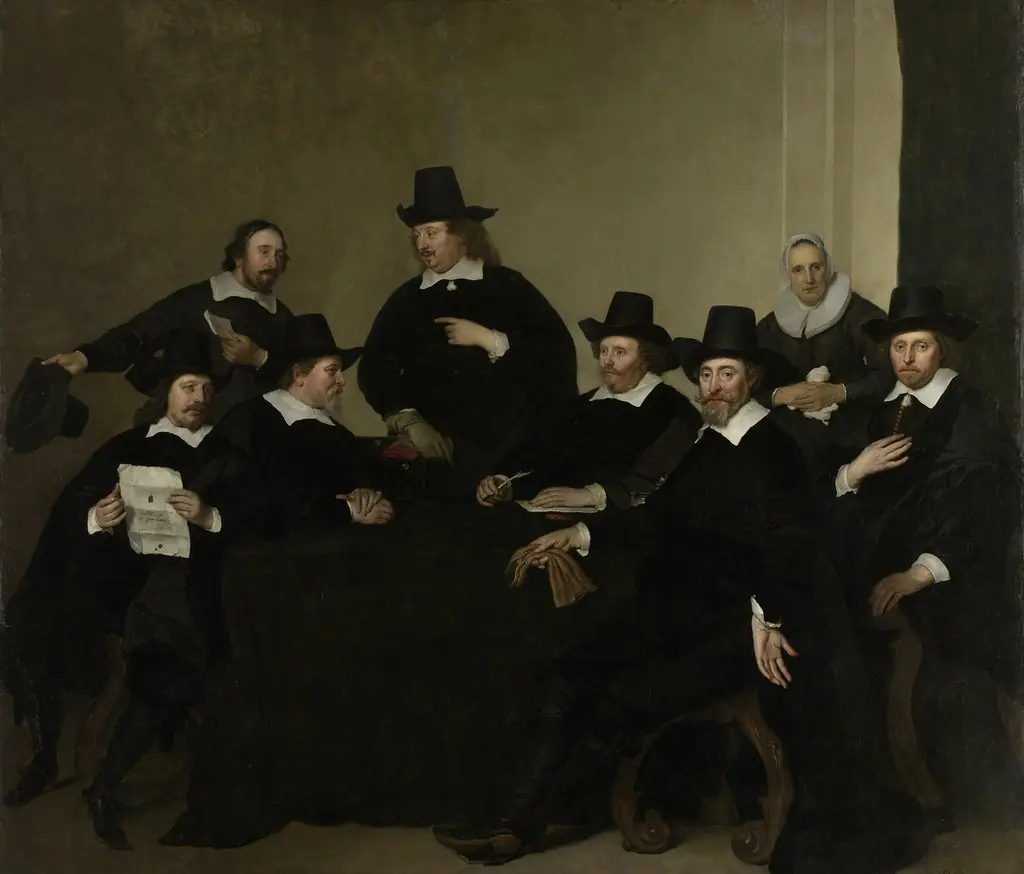 The regents of the Nieuwe Zijds institute for the outdoor relief of the poor, Amsterdam, ca 1650
 Distinguished Company in a Room