Artwork
Army camp
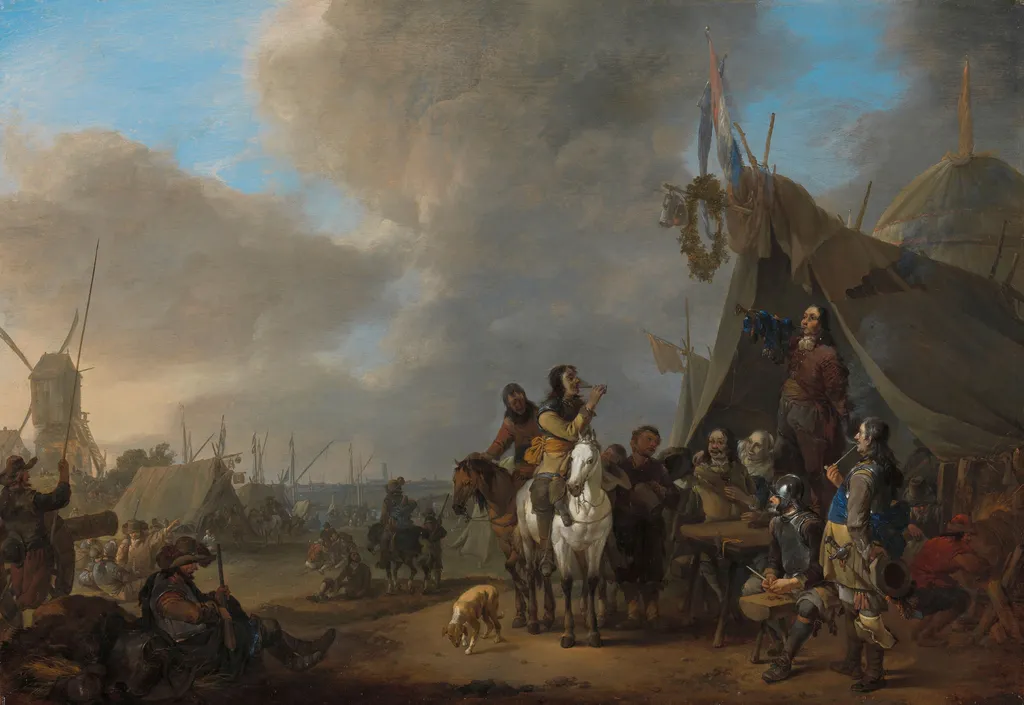
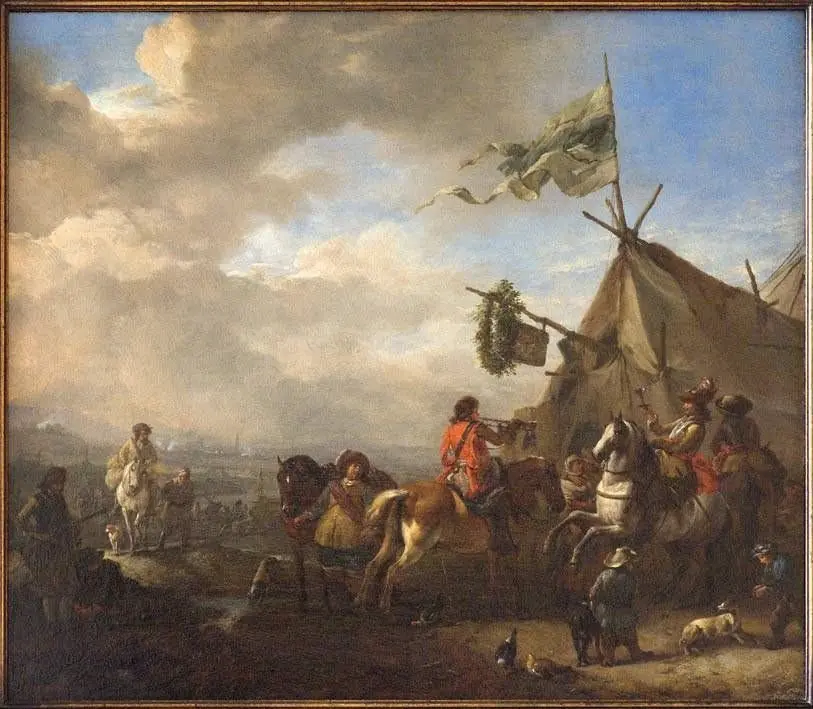
Army camp is an oil painting by the Dutch Golden Age artist Johannes Lingelbach. It dates from 1650 and is held in the collection of the Rijksmuseum.
About this work
Overview
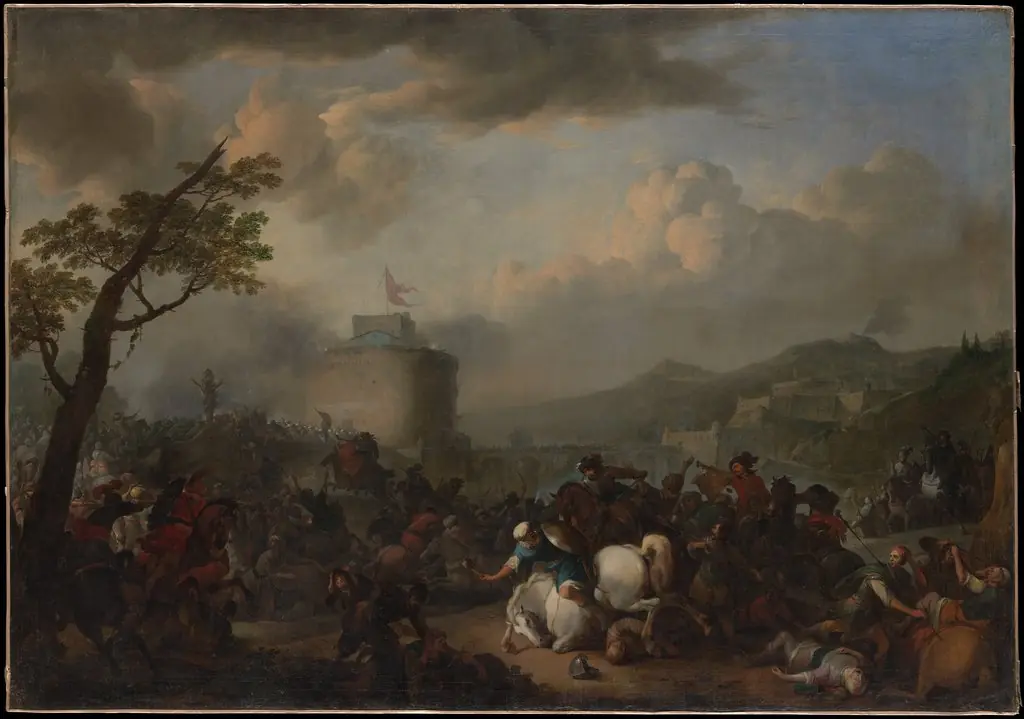
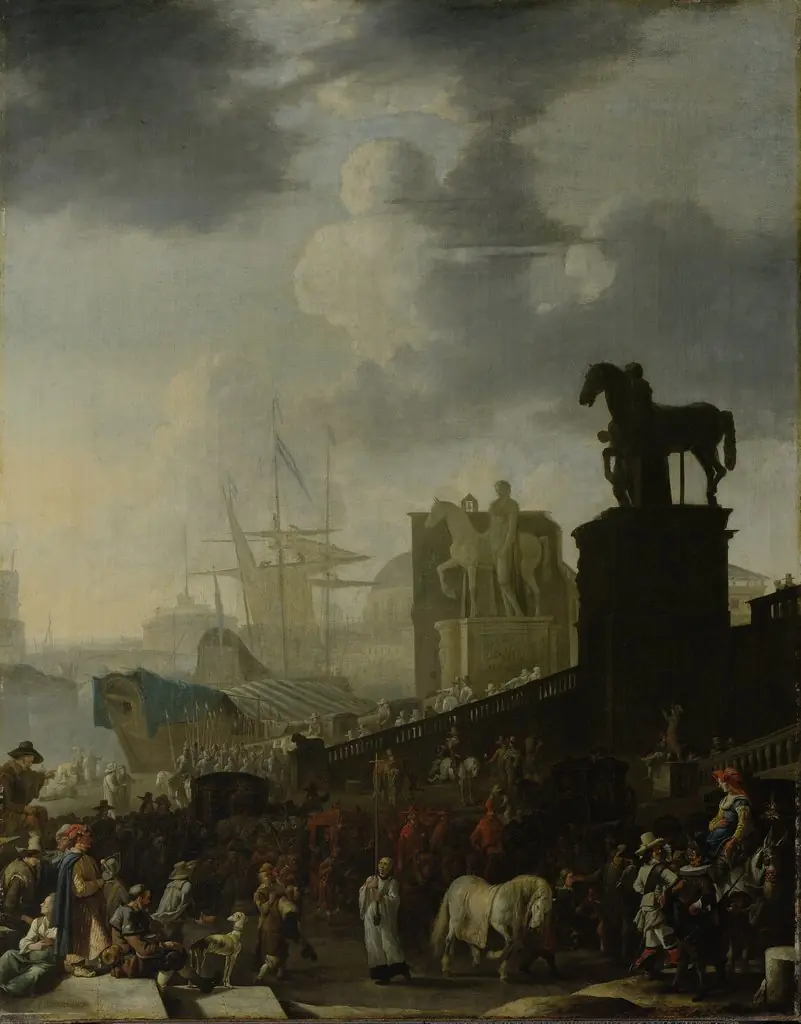
Johannes Lingelbach, a Dutch painter active in the mid‑17th century, produced the oil work *Army camp* around 1650. Classified within the landscape tradition of the Dutch Golden Age, the canvas records a bustling military encampment beside water, populated by soldiers, tents and a flag bearing a cross. The composition captures a moment of organized activity under a dramatic sky.
Subject & Meaning
The scene presents a temporary army base, with infantry and cavalry intermingling among tents and a modest waterfront.
The scene presents a temporary army base, with infantry and cavalry intermingling among tents and a modest waterfront. Central to the picture is a horseman holding a drink while conversing, suggesting a pause in the routine of war. The presence of both armored figures and civilians in ordinary dress hints at the mingling of martial and everyday life, emphasizing the transitory nature of military presence.
Technique & Style
Lingelbach employs a balanced palette of muted earth tones punctuated by bright highlights that illuminate key figures. Soft, diffused shadows model the forms, while the sky is rendered with turbulent clouds pierced by shafts of light, creating atmospheric depth. The brushwork combines detailed rendering of clothing and equipment with looser treatment of background water and terrain, characteristic of the Bamboccianti influence on his landscape scenes.
History & Provenance
Created during Lingelbach’s Roman period, when he was associated with the second generation of Bamboccianti painters, the painting reflects the artist’s interest in genre scenes set abroad. While specific ownership records are scarce, the work has been documented in several 19th‑century Dutch collections before entering a public museum collection in the early 20th century.
Context
*Army camp* belongs to a broader trend in Dutch Golden Age art that portrayed everyday life beyond the Netherlands, often drawing on the artist’s experiences in Italy. Lingelbach’s exposure to Roman military encampments and the bustling street life of the city informed his ability to render diverse figures within a cohesive, narrative landscape.
Own this work as a print
Artist & collection
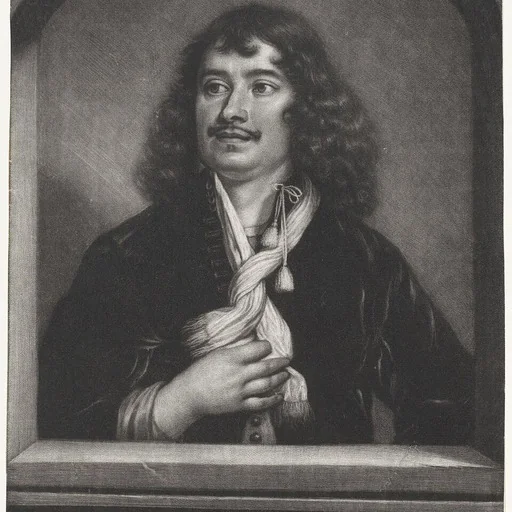
Artist
Johannes (or Johann) Lingelbach (1622 – 3 November 1674) was a Dutch Golden Age painter, associated with the second generation of Bambocciate, a group of genre painters working in Rome from 1625–1700.