Artwork
Campo Vaccino in Rome
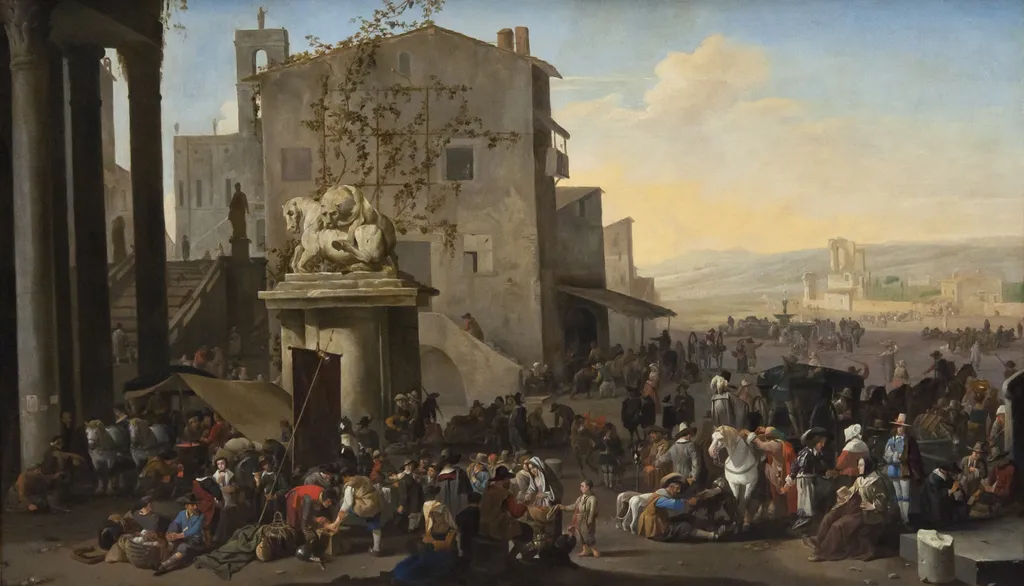
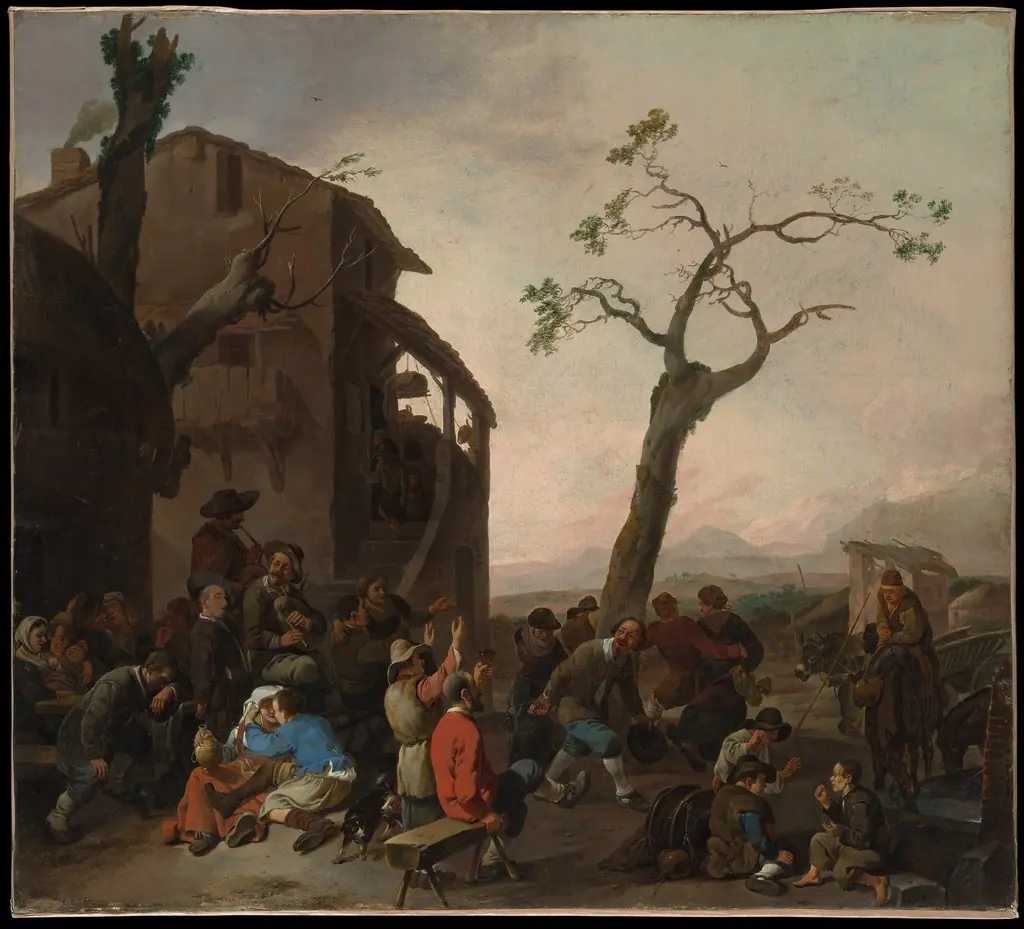
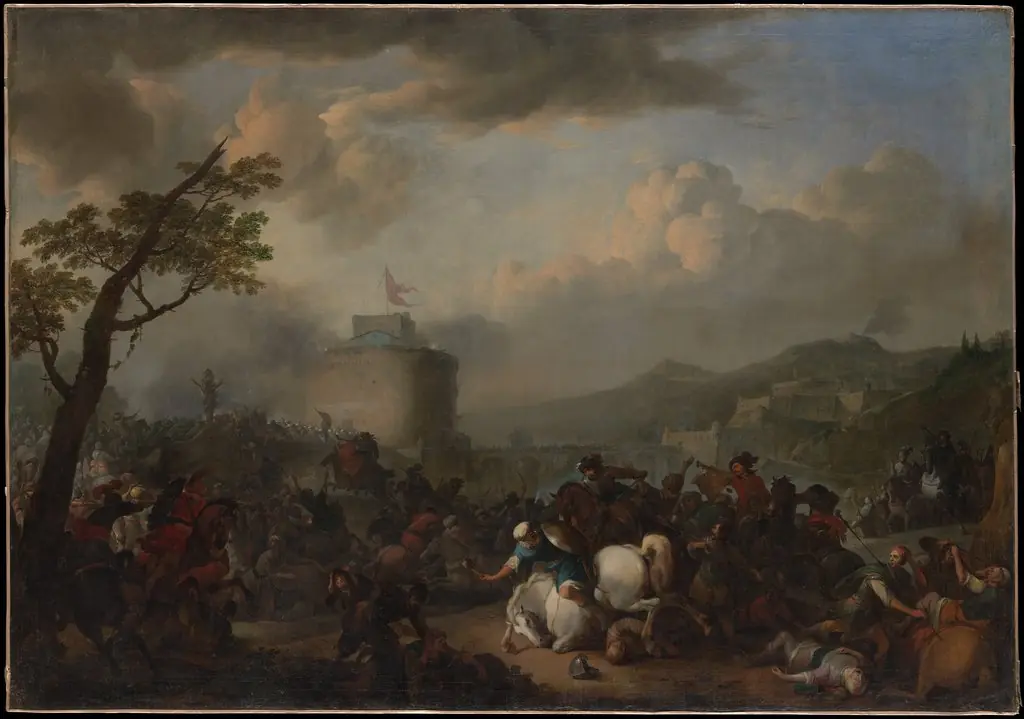
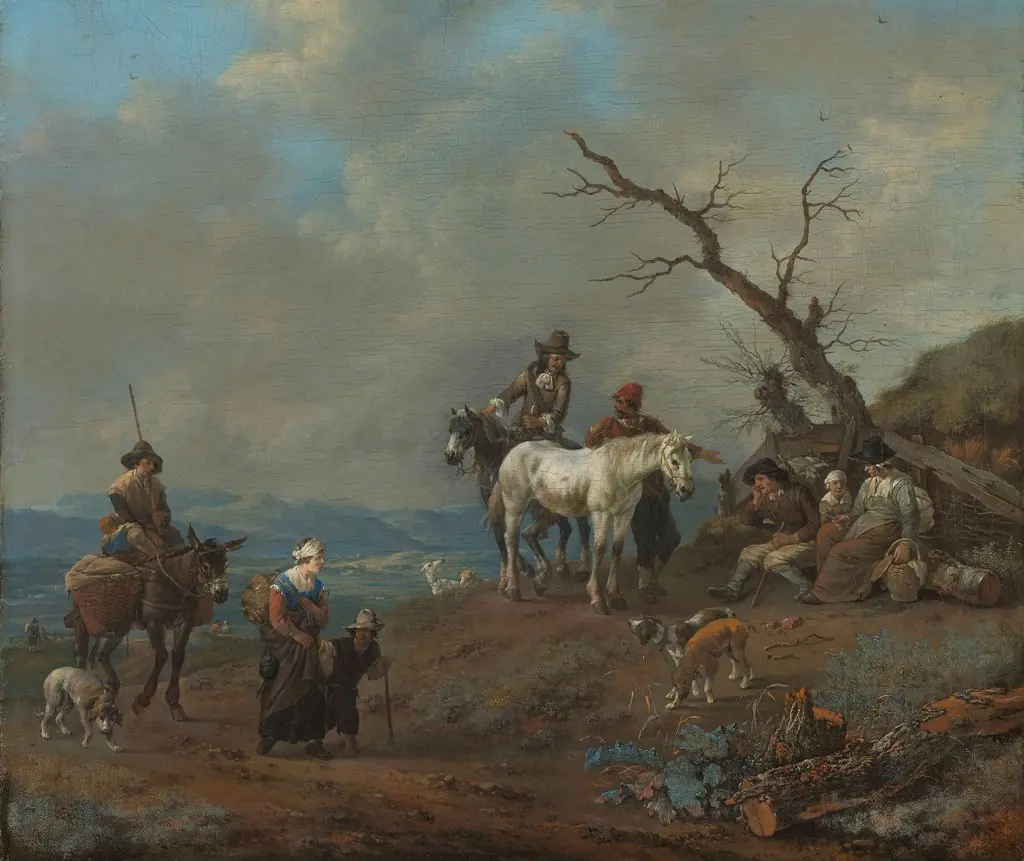
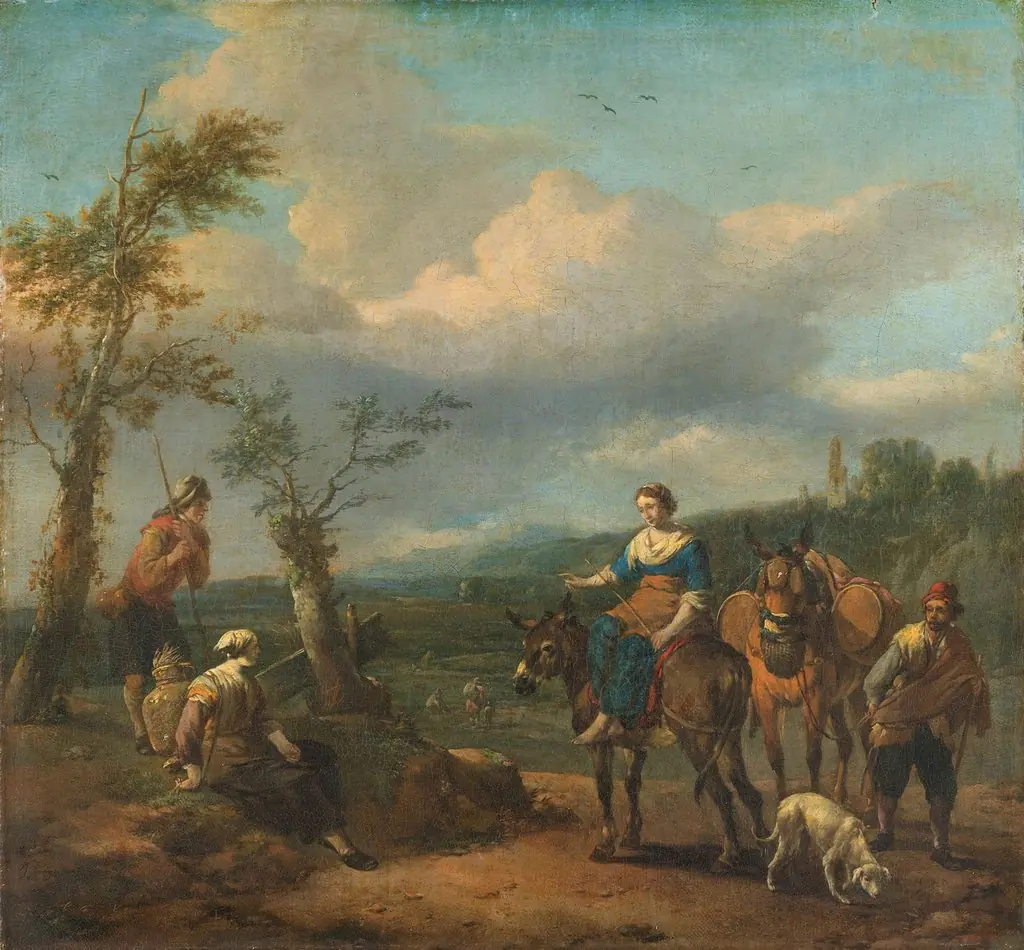
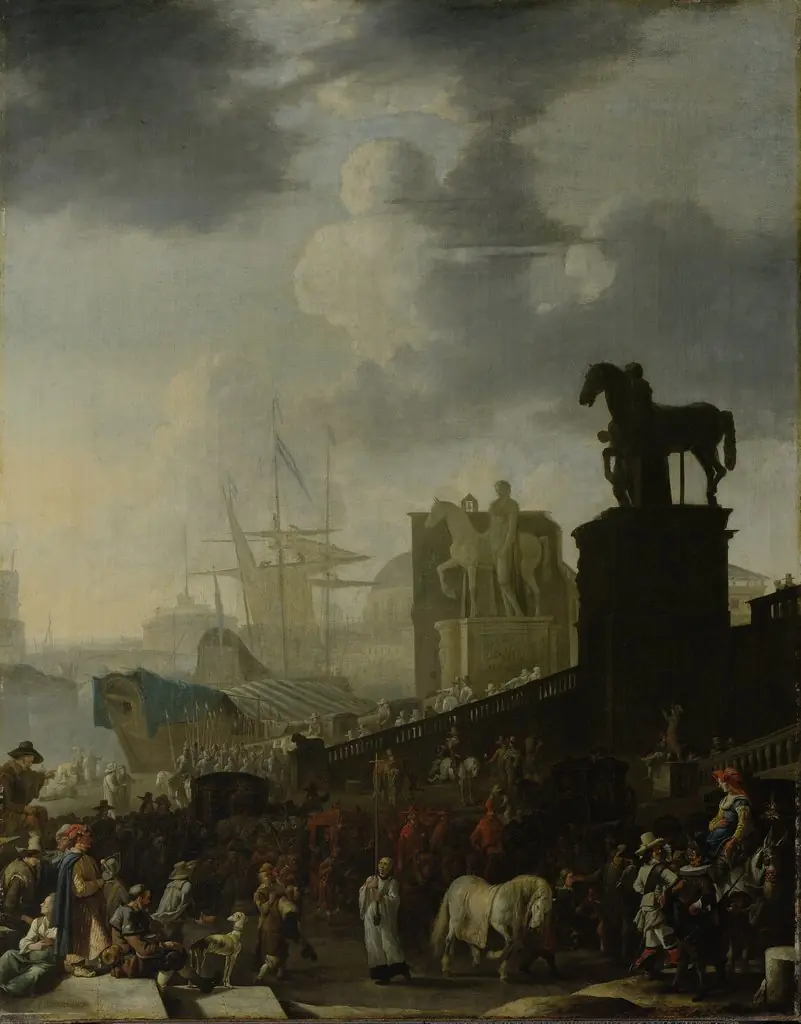
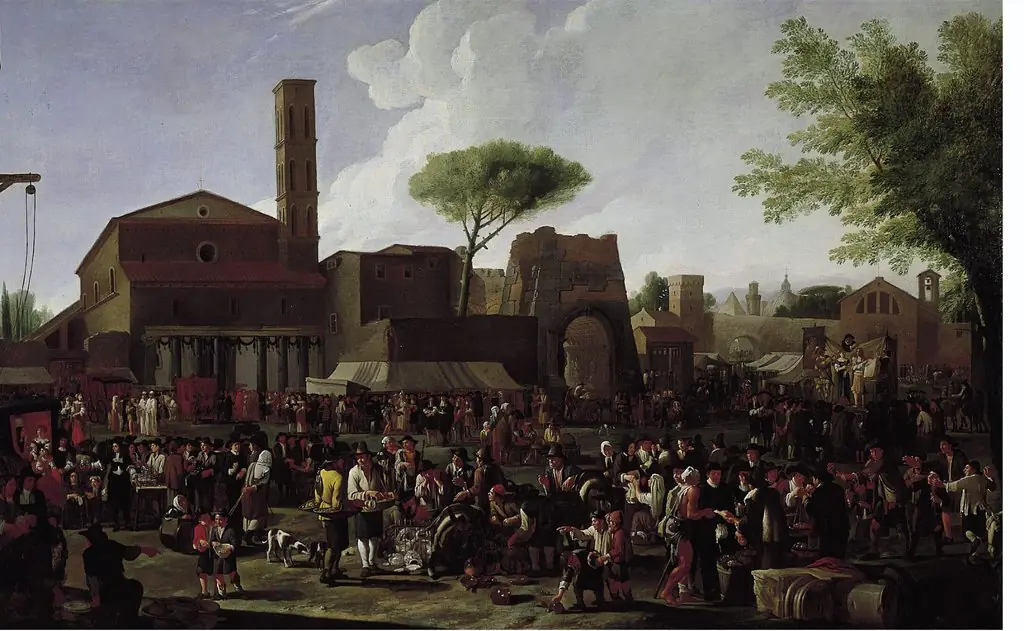
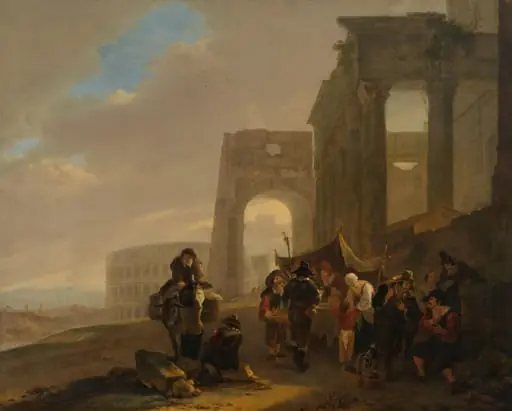
Campo Vaccino in Rome is an oil painting by the Dutch Golden Age artist Johannes Lingelbach. It dates from 1653 and is held in the collection of the Royal Museums of Fine Arts of Belgium.
About this work
Overview
Johannes Lingelbach, a Dutch painter active in mid‑17th‑century Rome, executed the oil canvas *Campo Vaccino in Rome* in 1653. The work belongs to the Bambocciate genre, which foregrounds ordinary urban activity rather than grand historical narratives. Today the painting is part of the collection of the Royal Museums of Fine Arts of Belgium.
Subject & Meaning
The canvas depicts a crowded market courtyard teeming with vendors, shoppers, animals and assorted wares. A monumental stone edifice rises in the distance, its façade crowned by a statue of a rider on horseback. The scene captures the bustling, sometimes disorderly rhythm of daily life in Rome’s public spaces.
Technique & Style
Lingelbach employs a pronounced chiaroscuro, juxtaposing bright, sun‑lit areas against deep shadows to model figures and architecture. The palette is dominated by warm, yellowish sky tones that heighten the sense of midday heat. Loose, lively brushwork conveys movement, while careful attention to detail renders individual faces and objects.
History & Provenance
Created during Lingelbach’s Roman period, the painting reflects his integration into the second generation of Bambocciate artists. After changing hands among private collectors, it entered the Royal Museums of Fine Arts of Belgium, where it remains on display as an example of Dutch genre painting abroad.
Context
The work illustrates the cross‑cultural exchange between Dutch artists and the Italian capital in the 1600s. While many contemporaries focused on biblical or mythological subjects, Lingelbach and his Bambocciate peers turned to the streets, markets, and taverns of Rome, documenting a social world that was often overlooked by academic painters.
Artist & collection
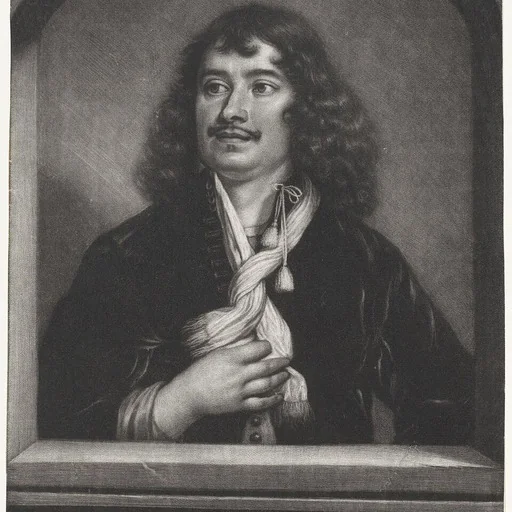
Artist
Johannes (or Johann) Lingelbach (1622 – 3 November 1674) was a Dutch Golden Age painter, associated with the second generation of Bambocciate, a group of genre painters working in Rome from 1625–1700.

Museum
Royal Museums of Fine Arts of Belgium
Continue through works from the same source collection.