Artwork
Govert van Slingelandt (1623-90), lord of Dubbeldam. With his first wife Christina van Beveren and their two sons
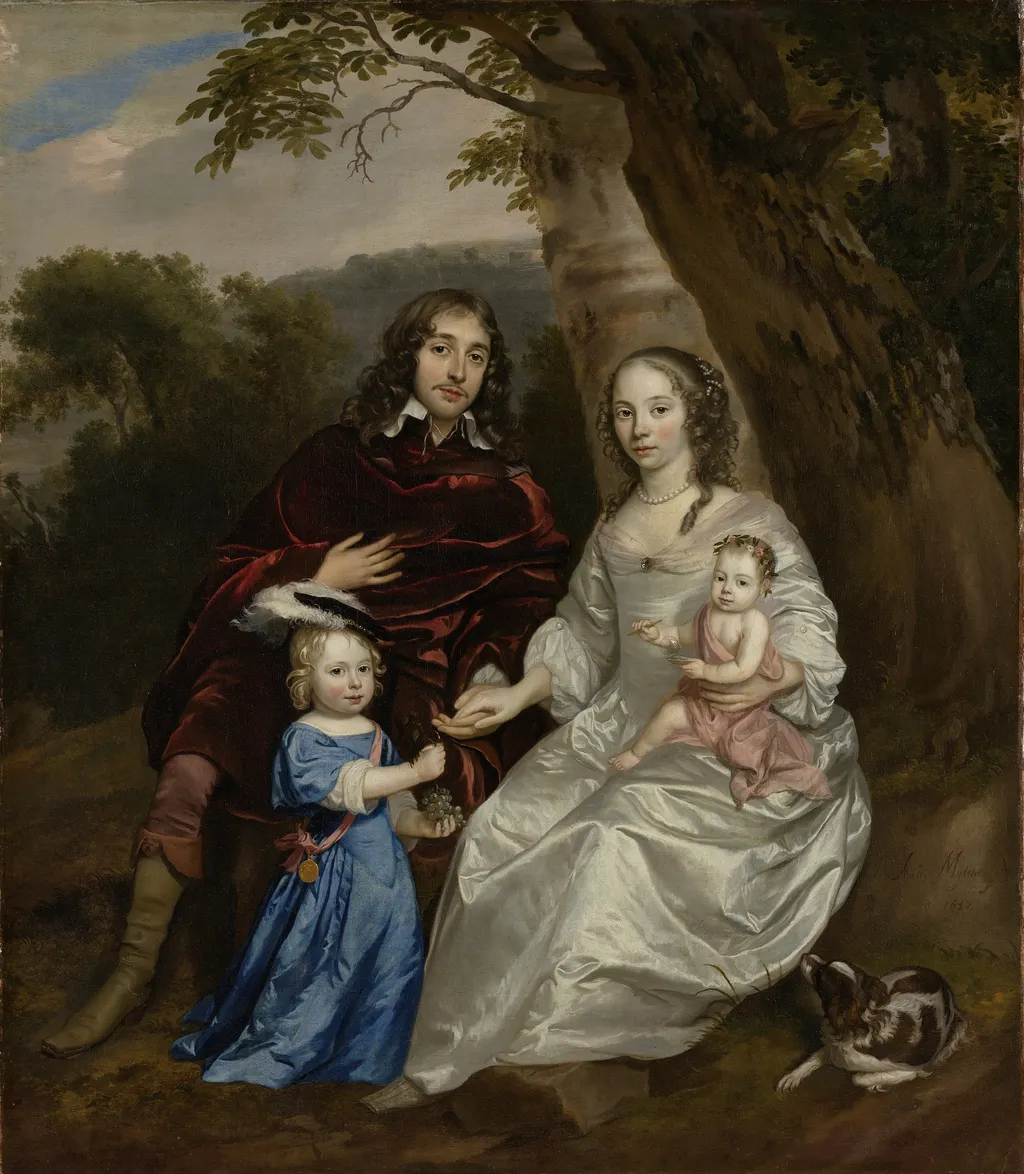
Govert van Slingelandt (1623-90), lord of Dubbeldam. With his first wife Christina van Beveren and their two sons is an oil painting by the Dutch Golden Age artist Johannes Mytens. It dates from 1657 and is held in the collection of the Dordrechts Museum.
About this work
Overview
This family depiction exemplifies the artist's specialization in portraying elite subjects, capturing their likeness and social standing.
Johannes Mytens, a Dutch Golden Age portraitist, completed this group oil painting in 1657. The work features Govert van Slingelandt, lord of Dubbeldam, alongside his first wife Christina van Beveren and their two sons. This family depiction exemplifies the artist's specialization in portraying elite subjects, capturing their likeness and social standing. The painting is a notable part of the Rijksmuseum's collection.
Subject & Meaning
The artwork presents Govert van Slingelandt, distinguished in a dark red, fur-lined cloak, with his wife Christina van Beveren, whose silver dress gleams. She cradles a baby wrapped in pink, while a child in a blue dress with a red sash, holding a flower, stands beside them. A small dog rests quietly at their feet. This composition emphasizes their familial bond and social standing, typical of formal family portraits of the era.
Technique & Style
Mytens employed oil paint to render the luxurious textures of the sitters' attire, such as the man's fur-lined cloak and the woman's shimmering silver gown, which shines like polished metal. His technique creates a sense of opulence and refinement, contrasting with the soft, distant landscape background featuring a rocky hill and trees under a muted sky. This attention to detail and material richness was characteristic of his commissions.
Context
Johannes Mytens was a prominent portraitist active in The Hague during the Dutch Golden Age. Trained by Anthony van Opstal and Nicolas van der Horst, he specialized in depicting the affluent members of society, catering to the rising merchant class and aristocracy. This work exemplifies his skill in capturing the refined image desired by his elite patrons, reflecting the artistic and social conventions of 17th-century Dutch portraiture.
History & Provenance
Painted in 1657, this family portrait by Johannes Mytens has become a significant piece within the Dutch Golden Age collection at the Rijksmuseum. Its inclusion in such a national institution underscores its historical and artistic value, serving as a testament to the societal and artistic trends prevalent in the Netherlands during the 17th century.
Own this work as a print
Artist & collection
Artist
Johannes Mytens or Jan Mijtens, or "Mytens" to the English (c. 1614 – 24 December 1670) was a Dutch Golden Age painter, almost entirely as a portraitist. Mytens was born in The Hague. According to Houbraken, Johannes…

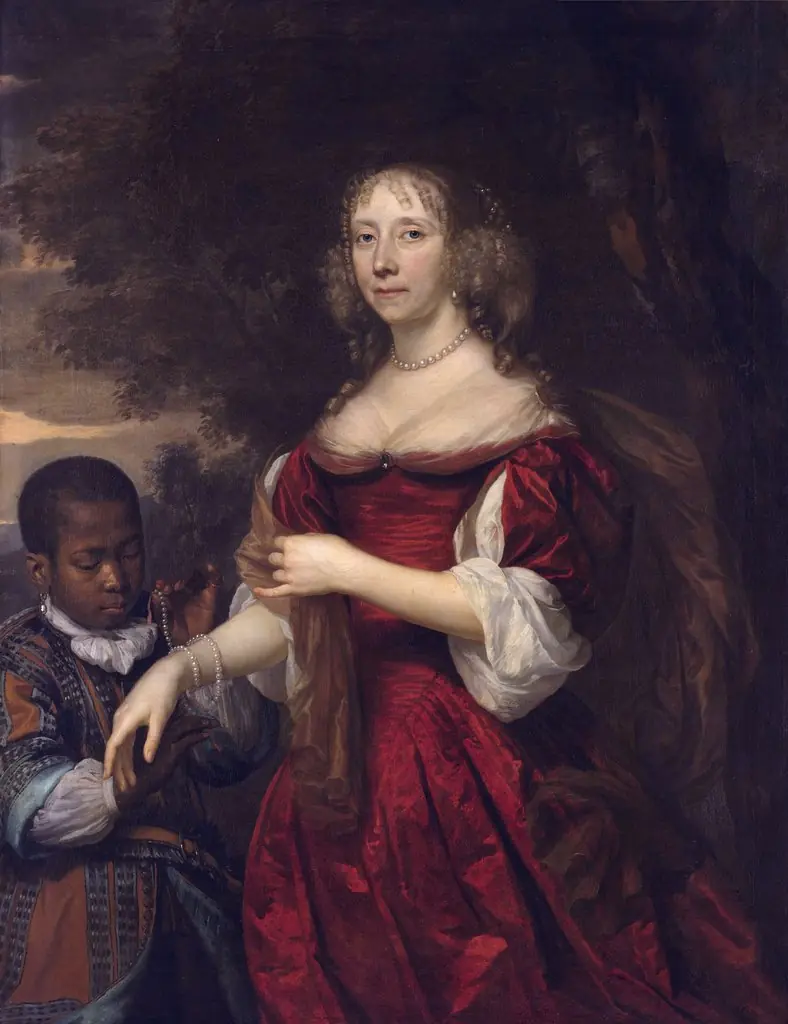 Portrait of Margaretha van Raephorst (d 1690). Wife of Cornelis Tromp
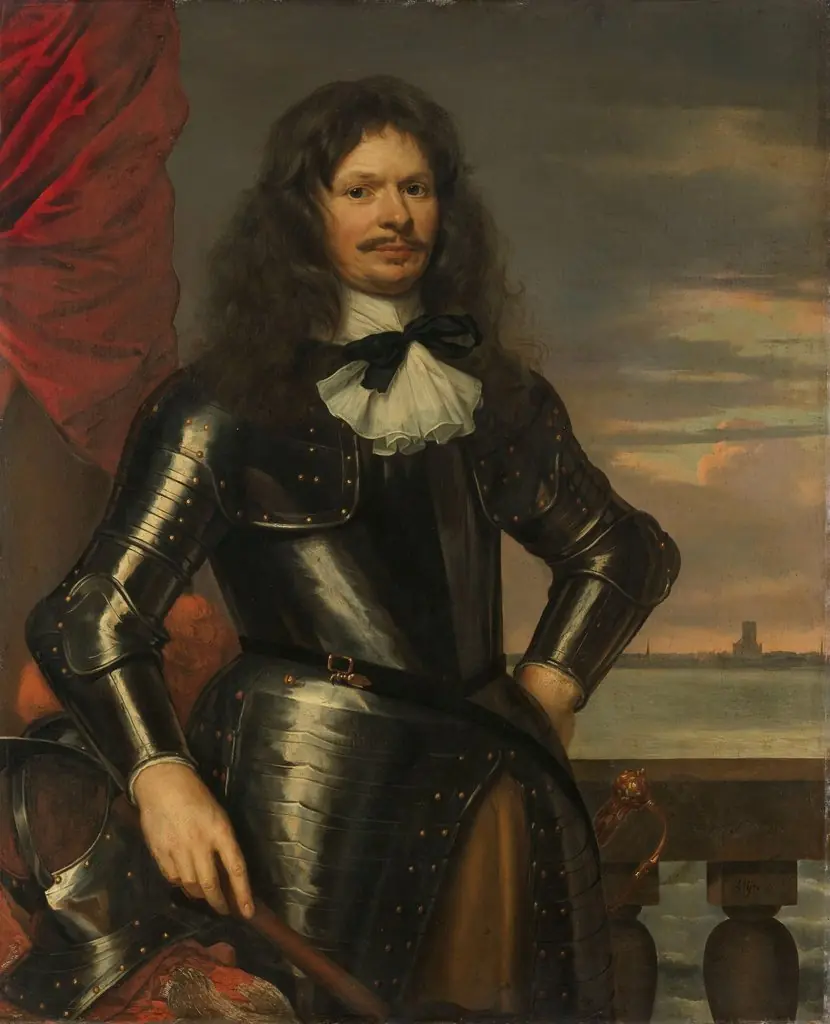 Portrait of Johan van Beaumont. Colonel in the Holland guards and commander of Den Briel
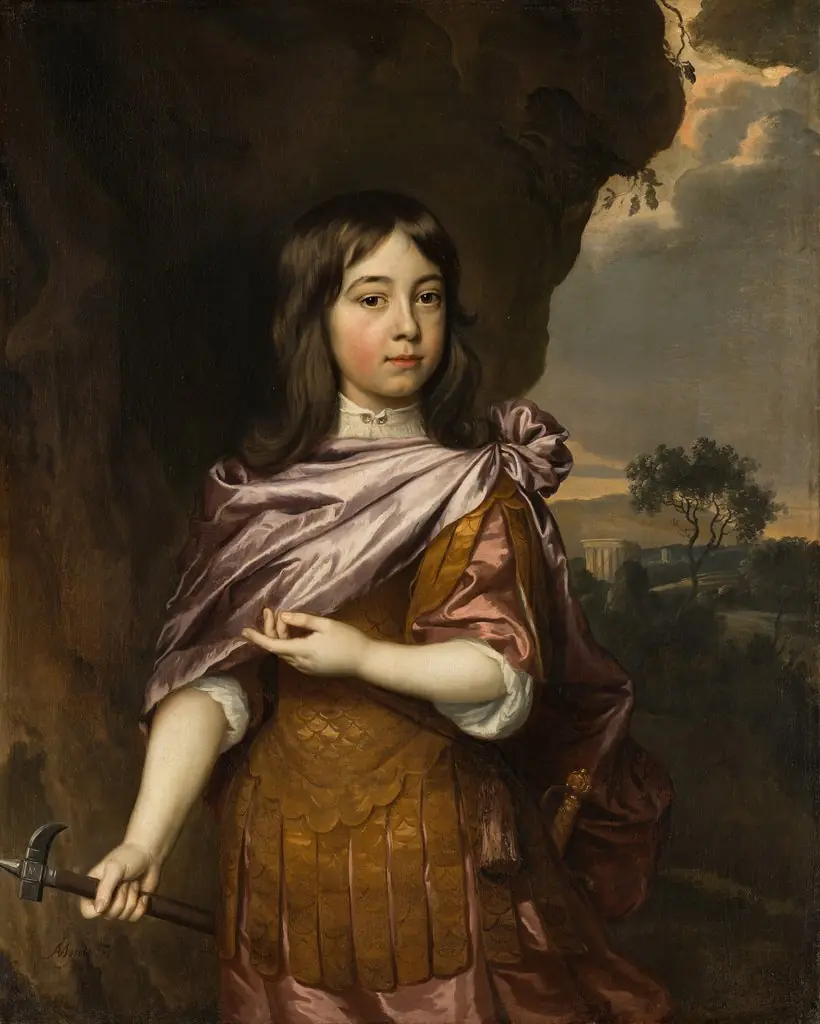 Portrait of Wolfert van Brederode
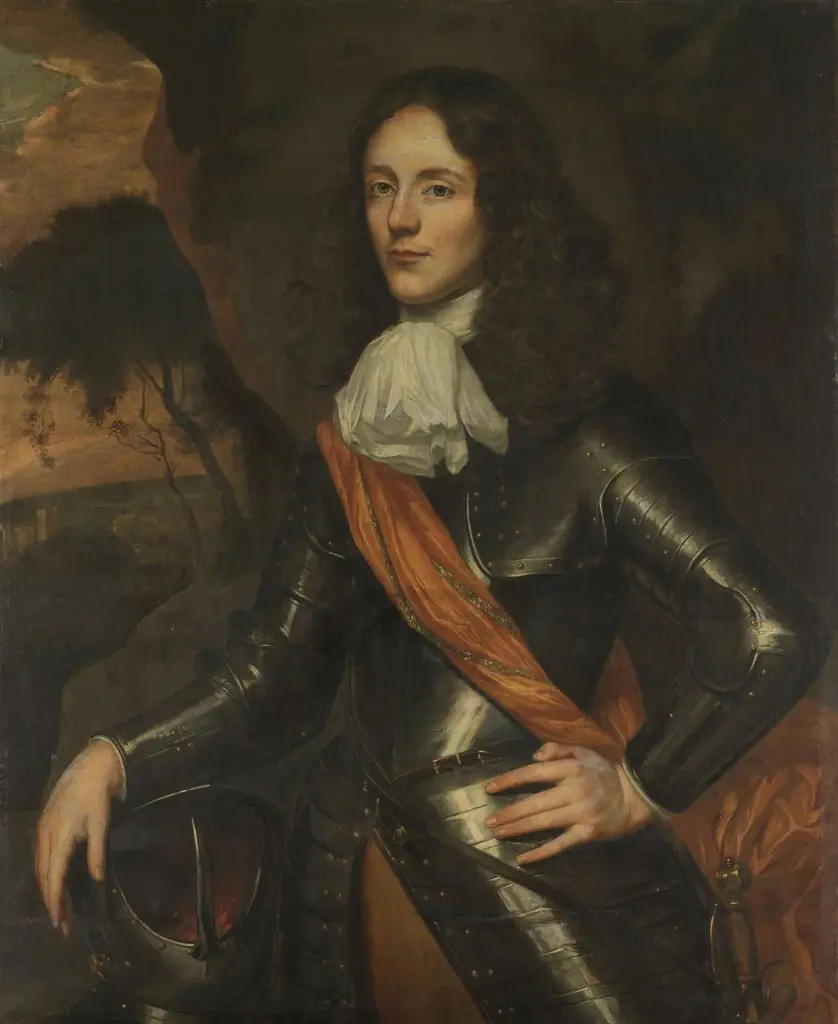 A military officer
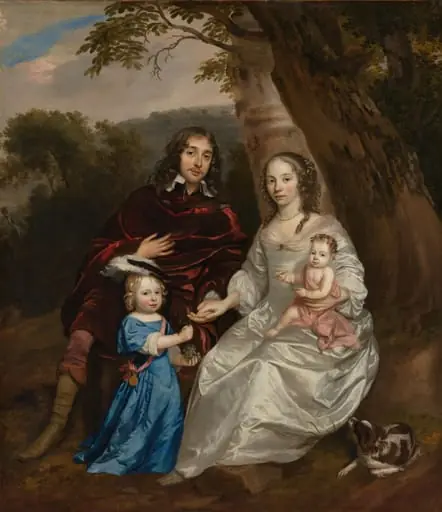 Portrait of Govert van Slingelandt (1623-1690), with his First Wife Christina van Beveren (1632-1656) and their Two Children
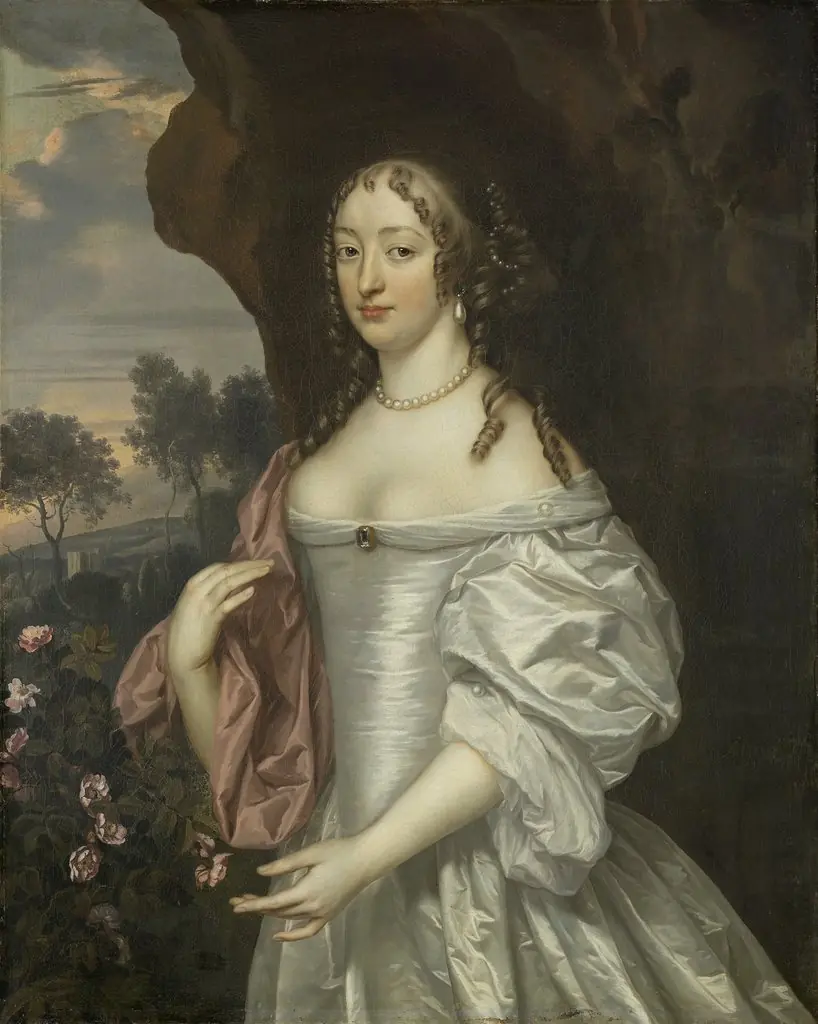 Jacoba van Orliens (1643-91). Wife of Jacob de Witte van Haamstede
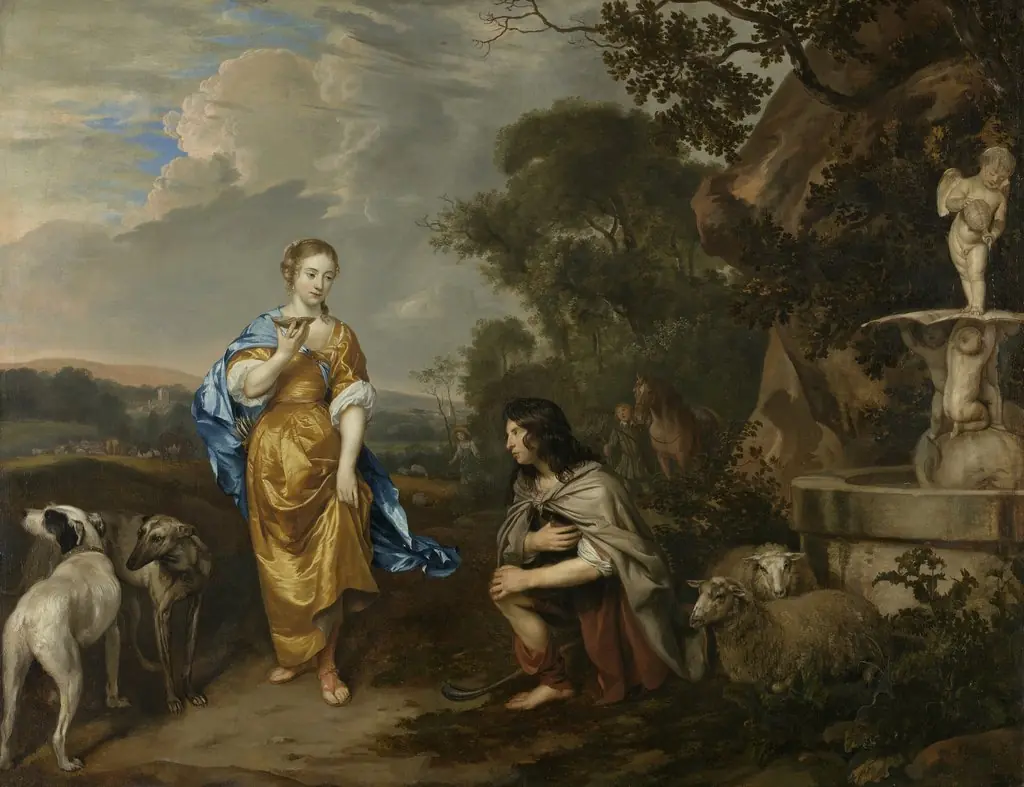 Double portrait of a young couple as Granida and Daiphilo
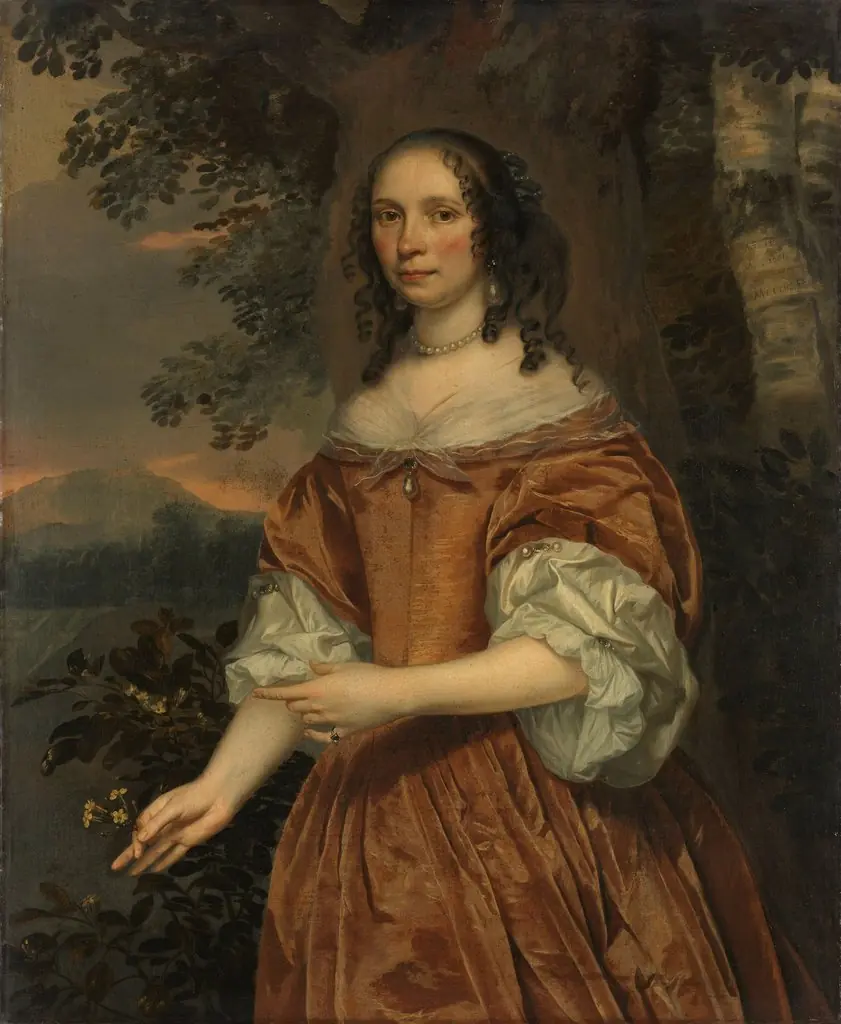 Portrait of Maria de Witte Françoisdr (b 1616). Wife of Johan van Beaumont
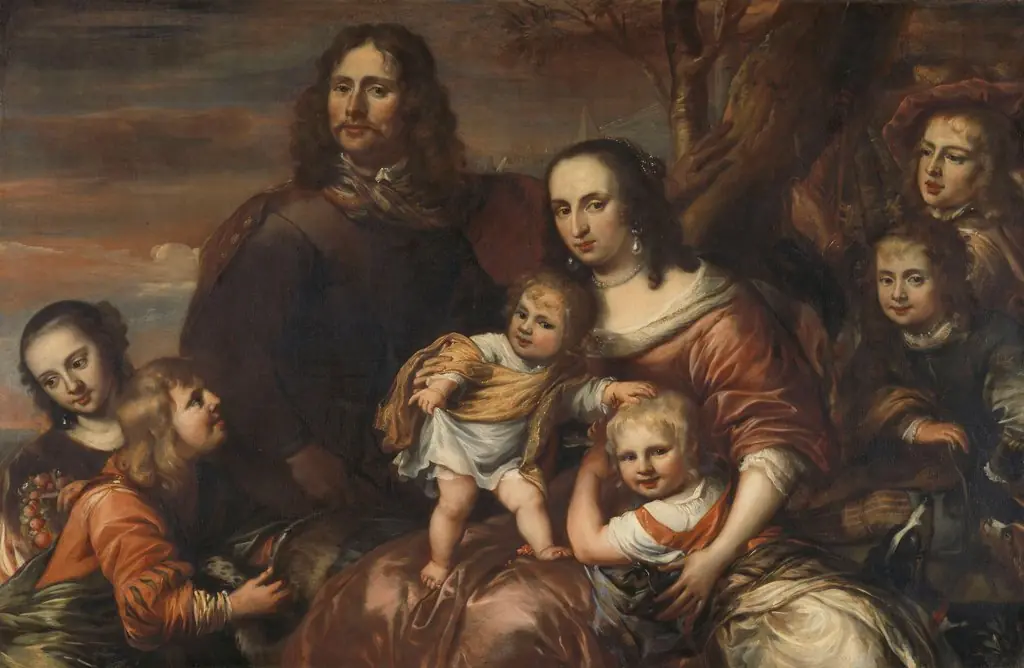 A couple with six children
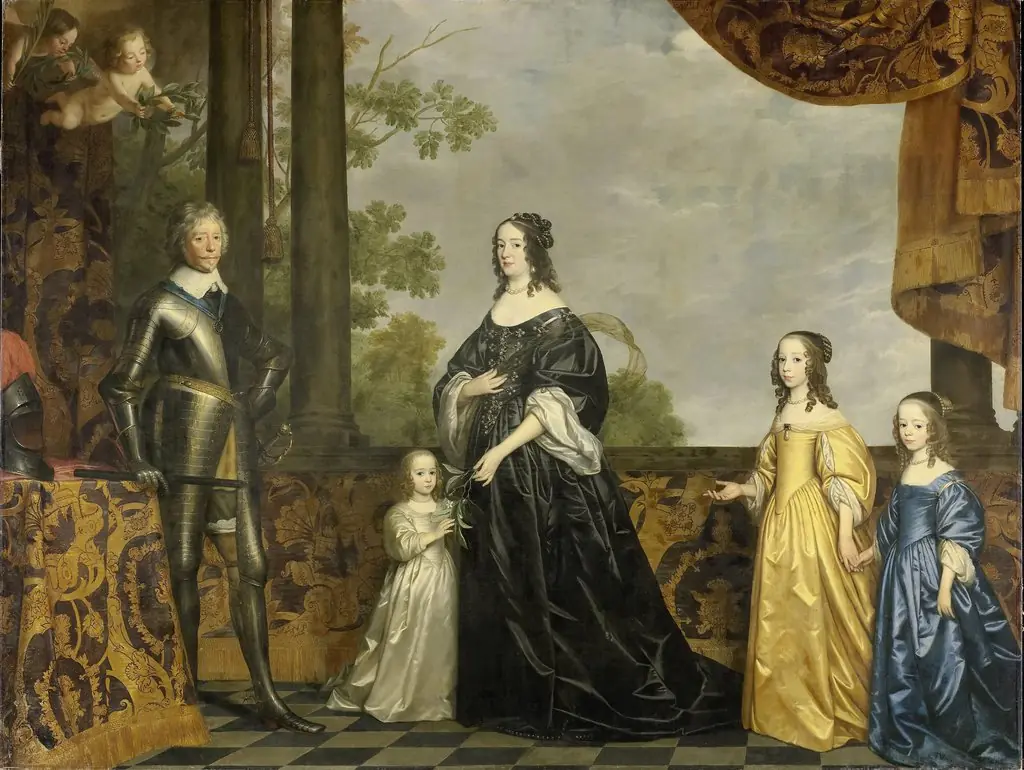 Frederik Hendrik (1584-1647), Prince of Orange, his wife Amalia van Solms (1602-75) and their three youngest daughters, Albertina Agnes (1634-96), Henrietta Catharina (1637-1708) and Maria (1642-88)
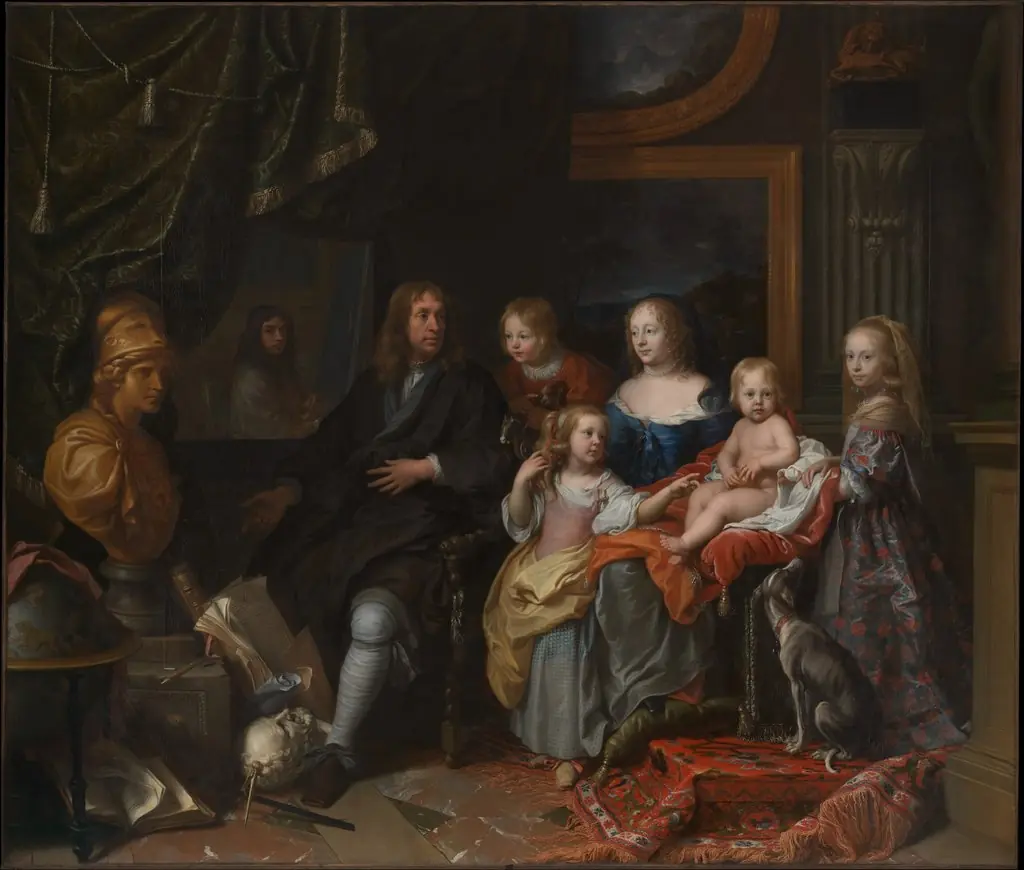 Everhard Jabach (1618–1695) and His Family
 William II, Prince of Orange, and his Bride, Mary Stuart
 Caritas: Johanna de Geer (1629-91) with her children Cecilia Trip (1660-1728) and Laurens Trip (b 1662)
 Married Couple in the Park