Artwork
Man in a Gray Coat
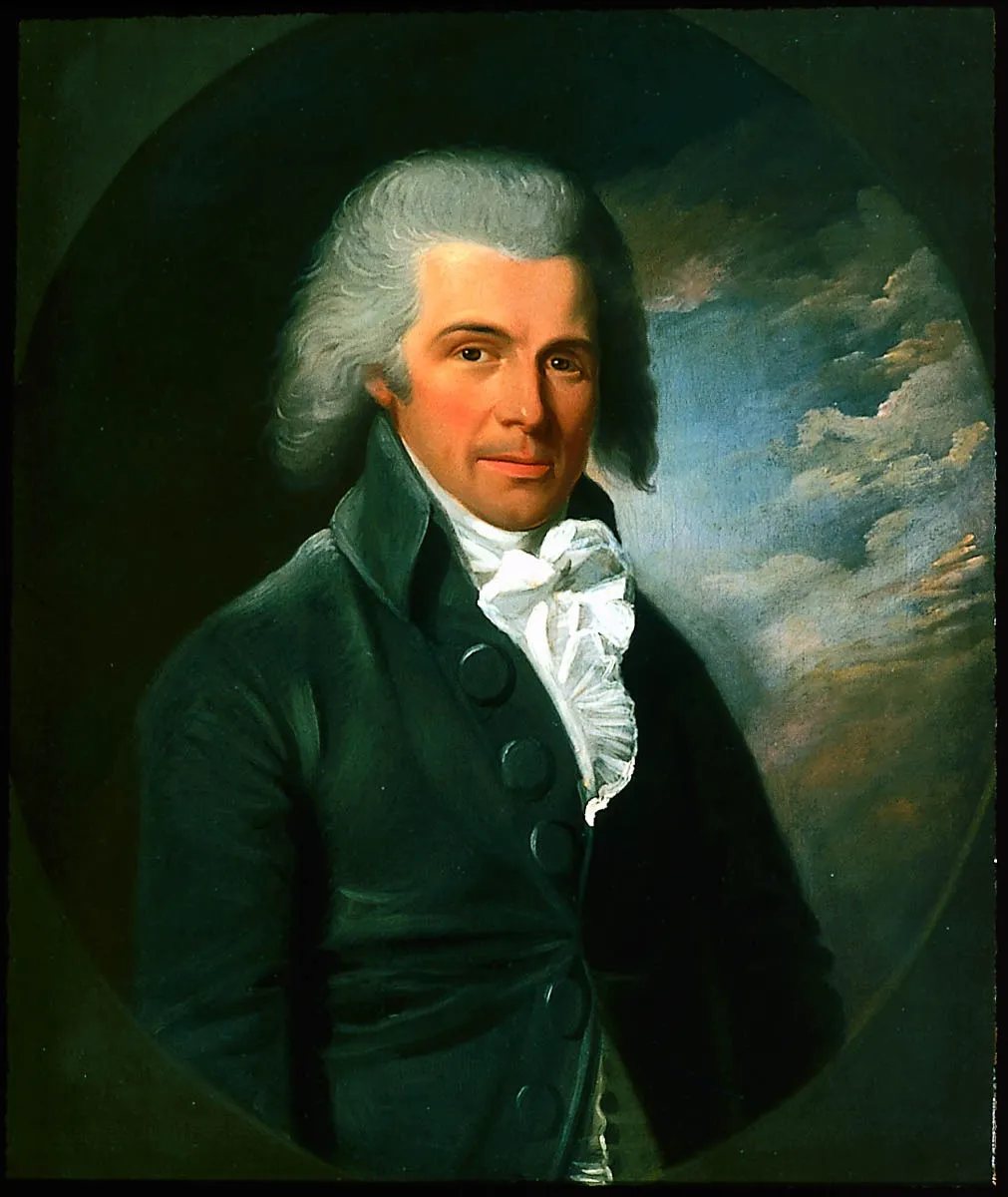
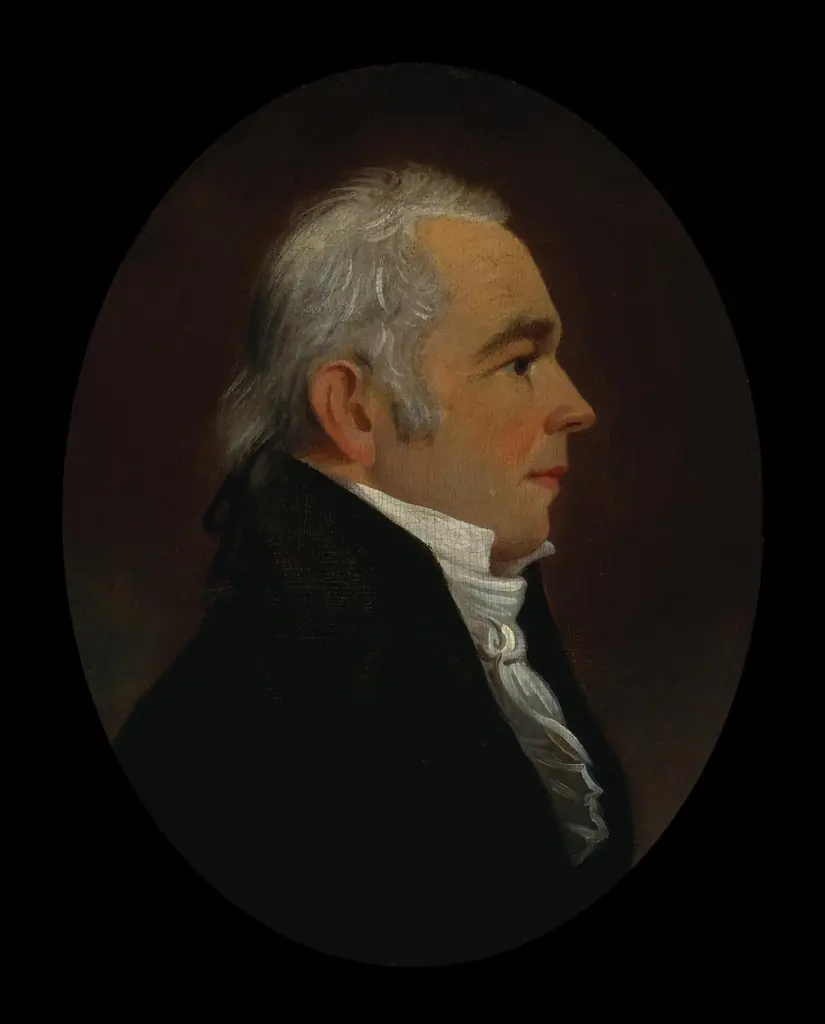
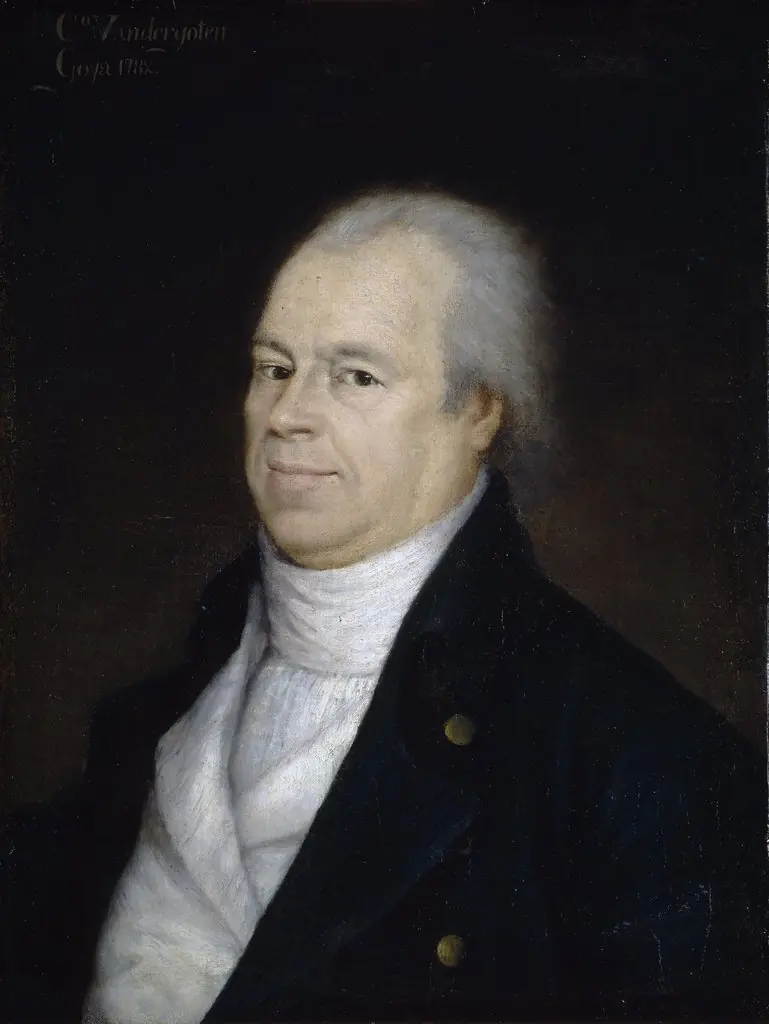
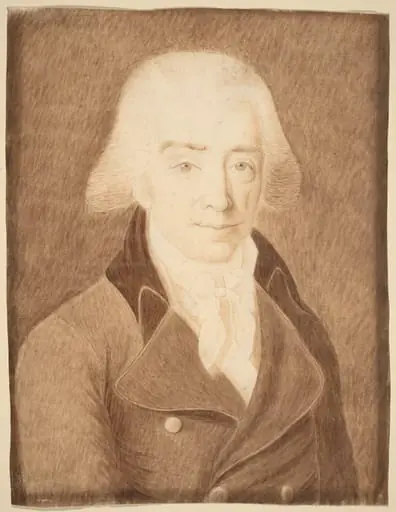
Man in a Gray Coat is an oil painting by the Rococo painting artist John Johnston. It dates from 1794 and is held in the collection of the Museum of Fine Arts Boston.
About this work
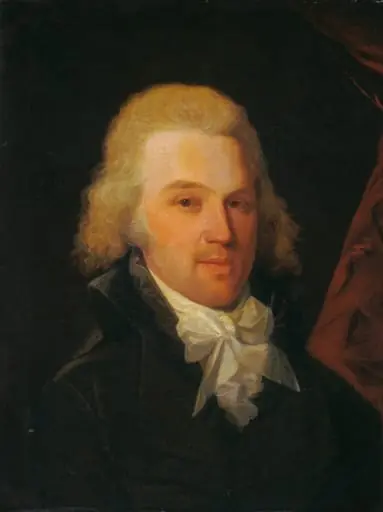
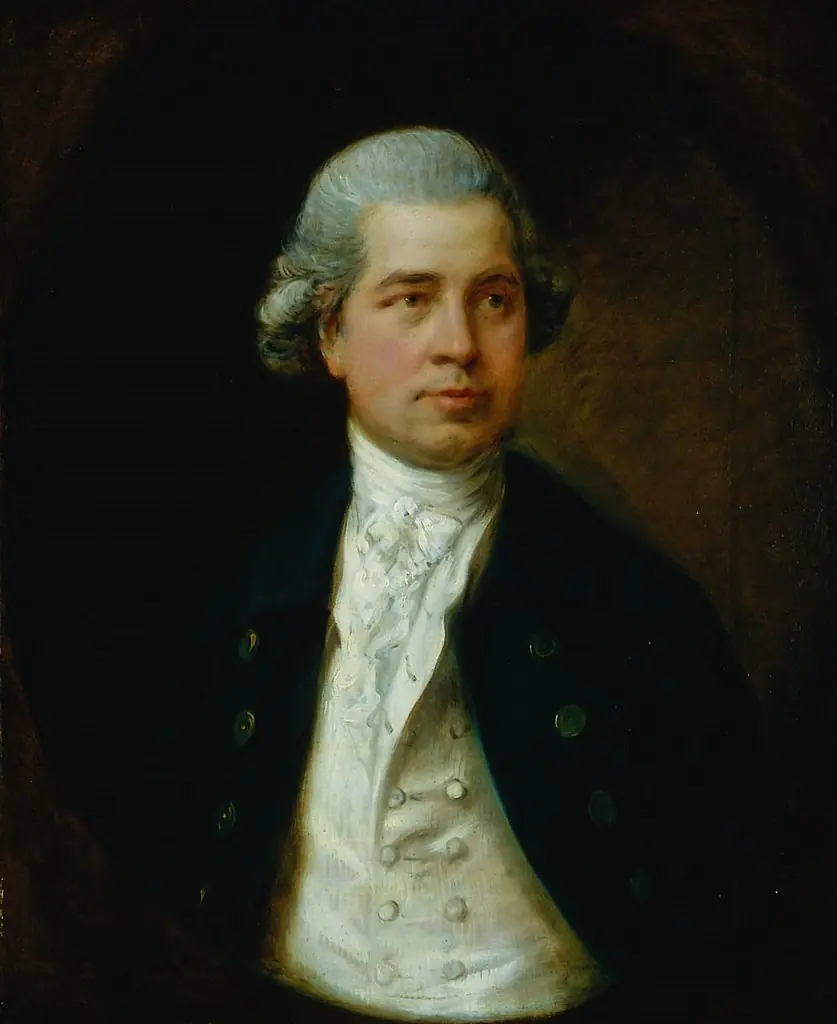
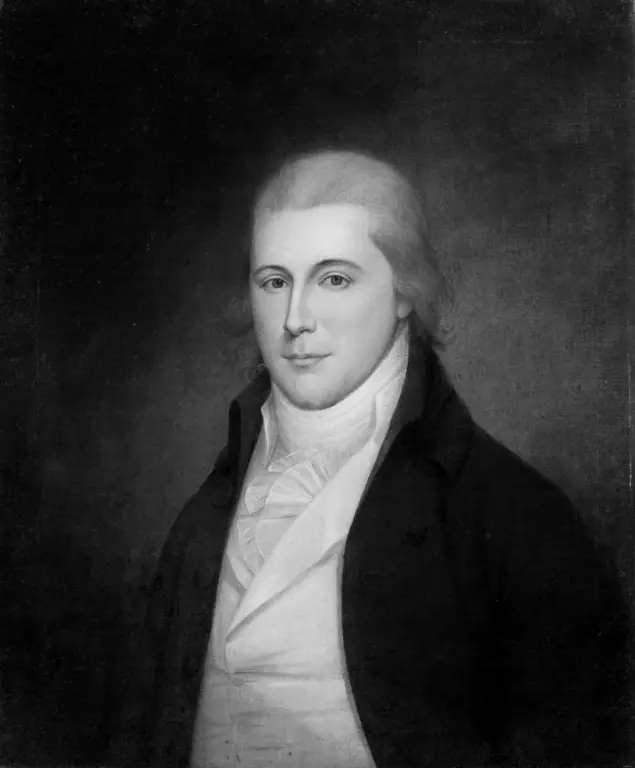
This portrait painting depicts a man with gray hair, dressed in a dark gray coat over a white shirt with a ruffled collar.
This portrait painting depicts a man with gray hair, dressed in a dark gray coat over a white shirt with a ruffled collar. The background features a cloudy sky with shades of blue and brown.
The man's attire and hairstyle suggest a formal setting, possibly from the 18th century. The artist's use of oil paint and the subject's pose create a sense of depth and dimensionality.
The painting's attention to detail and realistic portrayal of the subject make it a notable work. To learn more about similar portraits, explore the works of artist John Johnston.
Overview
Painted in 1794 by John Johnston, Man in a Gray Coat is an oil-on-canvas portrait that captures a man in formal 18th-century dress. The work resides in the Museum of Fine Arts, Boston, as part of its collection of American and European portraiture. Johnston’s careful rendering of texture and light reflects the conventions of late 18th-century painting, emphasizing realism over idealization.
Subject & Meaning
The subject is a man with gray hair, dressed in a dark gray coat and white shirt with a ruffled collar, suggesting social standing and formality. His direct gaze and composed posture convey quiet dignity rather than theatricality. The absence of identifying symbols or settings leaves his identity ambiguous, inviting focus on his presence rather than his status or profession.
Technique & Style
Johnston employed oil paint to achieve subtle gradations of tone, particularly in the gray coat and the atmospheric sky behind. Brushwork is restrained, favoring smooth transitions over visible strokes. The background’s muted blues and browns recede softly, enhancing the figure’s three-dimensionality and anchoring him in a tangible space without distraction.
History & Provenance
The painting entered the Museum of Fine Arts, Boston’s collection in the early 20th century, though its earlier ownership remains undocumented. It has been consistently attributed to John Johnston, a lesser-known American portraitist active in the late 1700s. No records of exhibition or commission have surfaced, suggesting it may have been a private commission or personal study.
Context
Created during a period when American portraiture was developing its own identity apart from European models, the work reflects the influence of British and Dutch traditions. Johnston’s approach aligns with contemporaries who favored restrained elegance and psychological presence over ornate detail, mirroring broader shifts toward understated refinement in post-Revolutionary visual culture.
Legacy
Though not widely known outside institutional collections, Man in a Gray Coat exemplifies the quiet precision of early American portraiture. It contributes to the understanding of how regional artists interpreted formality and individuality during a formative era. The painting remains a reference point for studies of 18th-century technique and social representation in American art.
Artist & collection
Artist
John Johnston painted formal portraits in late 18th-century style, often capturing sitters in sober coats and precise detail.