Artwork
John Morton
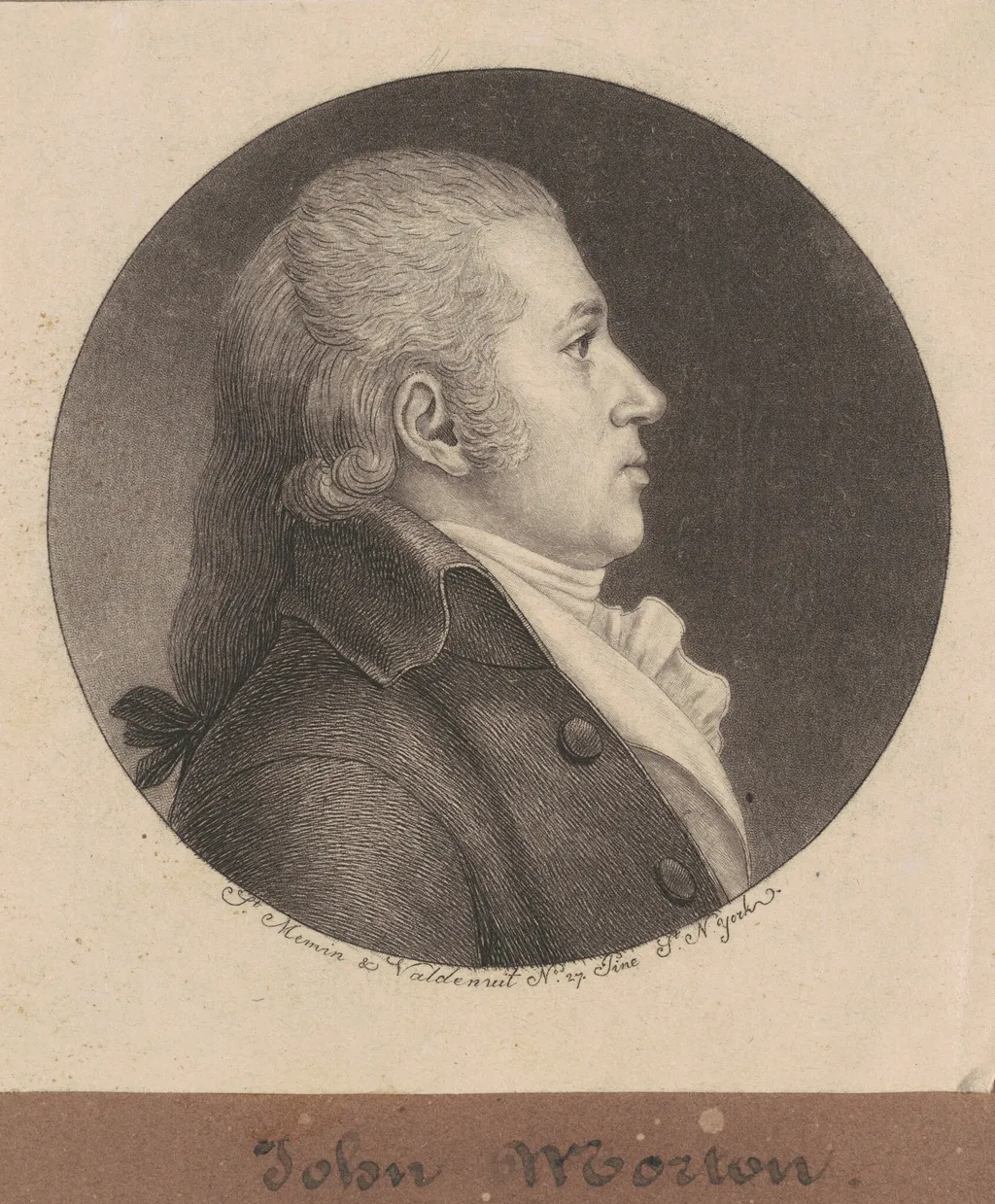
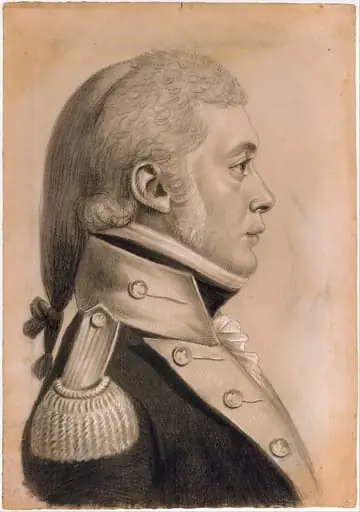
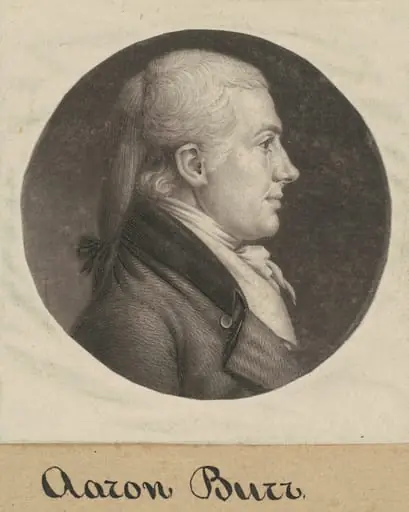
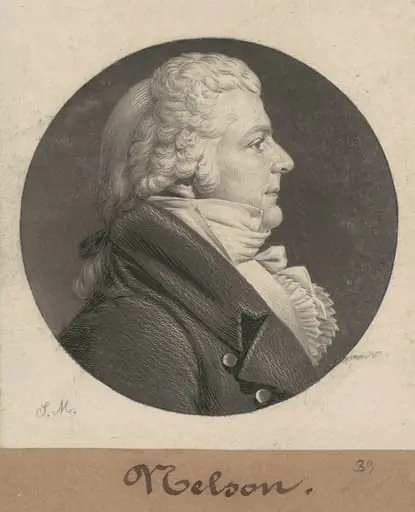
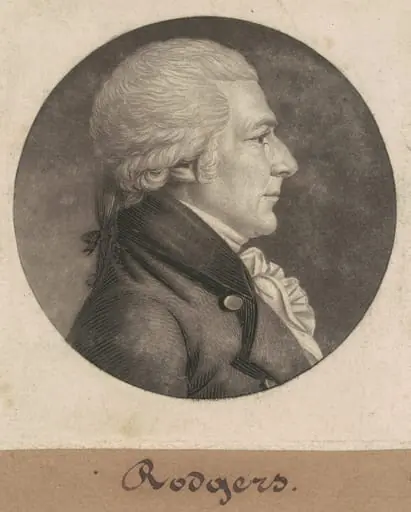
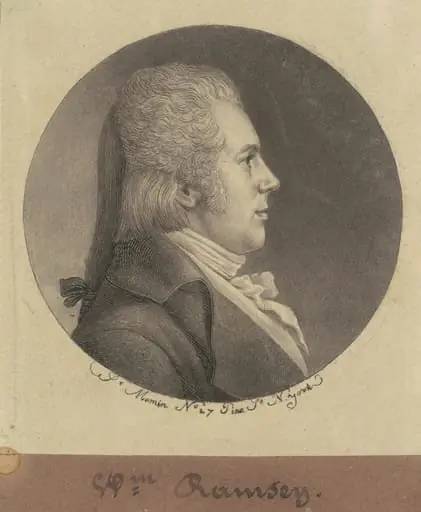
John Morton is an ink print by the Romanticist artist Charles Balthazar Julien Févret de Saint-Mémin. It dates from 1796 and is held in the collection of the National Gallery of Art. The work is a black-and-white print created by Charles B.
About this work
Overview
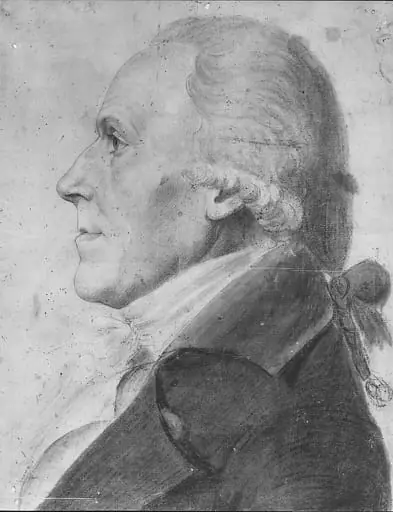
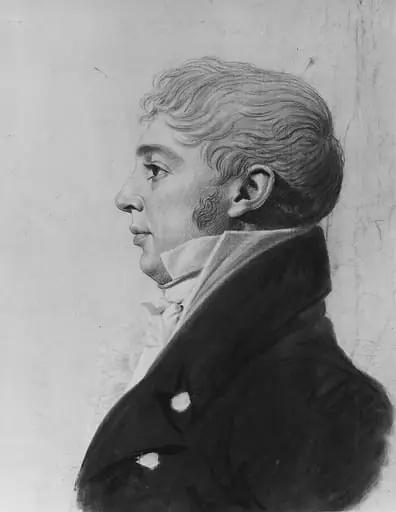
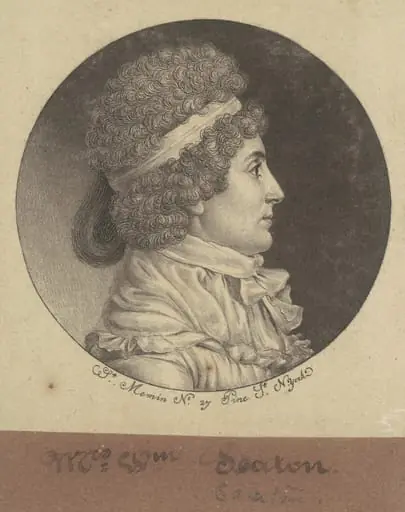
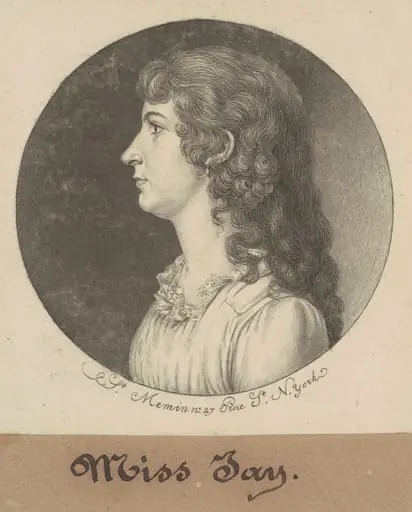
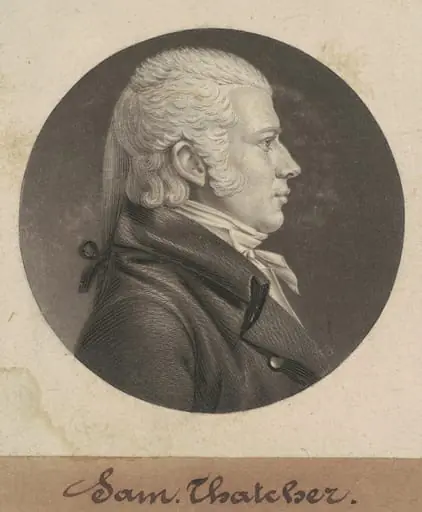
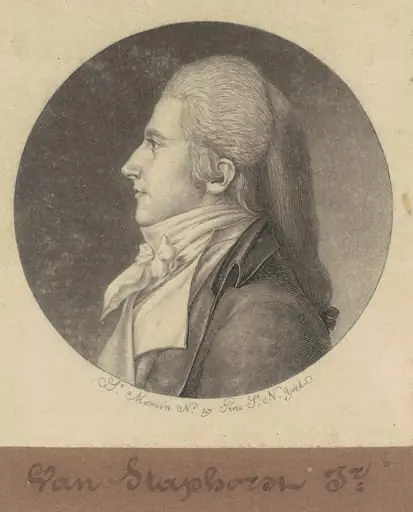
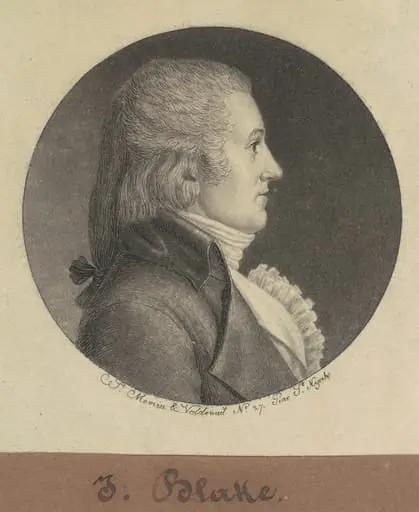
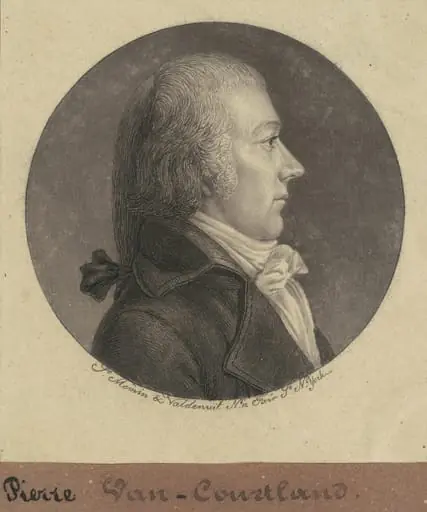
The work is a black-and-white print created by Charles B. J. Févret de Saint‑Mémin, presenting a side view of a gentleman named John Morton. Executed on wove paper and mounted to a brown backing, the image combines mezzotint shading with fine engraving lines to render a dignified portrait typical of the late 1700s.
Subject & Meaning
Morton is depicted in profile, his facial structure accentuated by a subtly upturned nose and a defined jaw. The attire—a high‑collared shirt beneath a double‑breasted coat—signals his social standing and the formal conventions of the period, while the chosen angle emphasizes his features in a flattering, almost classical manner.
Technique & Style
Saint‑Mémin employed a hybrid of mezzotint, which supplies rich tonal gradations, and precise engraving to delineate clothing folds and facial details. This combination reflects the transitional aesthetic of the era, merging realistic observation with the restrained elegance associated with Neoclassical portraiture.
Context
Printed in the late eighteenth century, the portrait aligns with a broader European tradition of commemorating notable individuals through meticulously crafted prints. Such works served both as personal memorabilia and as markers of status within the cultured circles of the time.
Artist & collection

Artist
Charles Balthazar Julien Févret de Saint-Mémin
Charles Balthazar Julien Févret de Saint-Mémin (French pronunciation: ; 1770–1852) was a French portrait painter and museum director.