Artwork
Samuel Thatcher
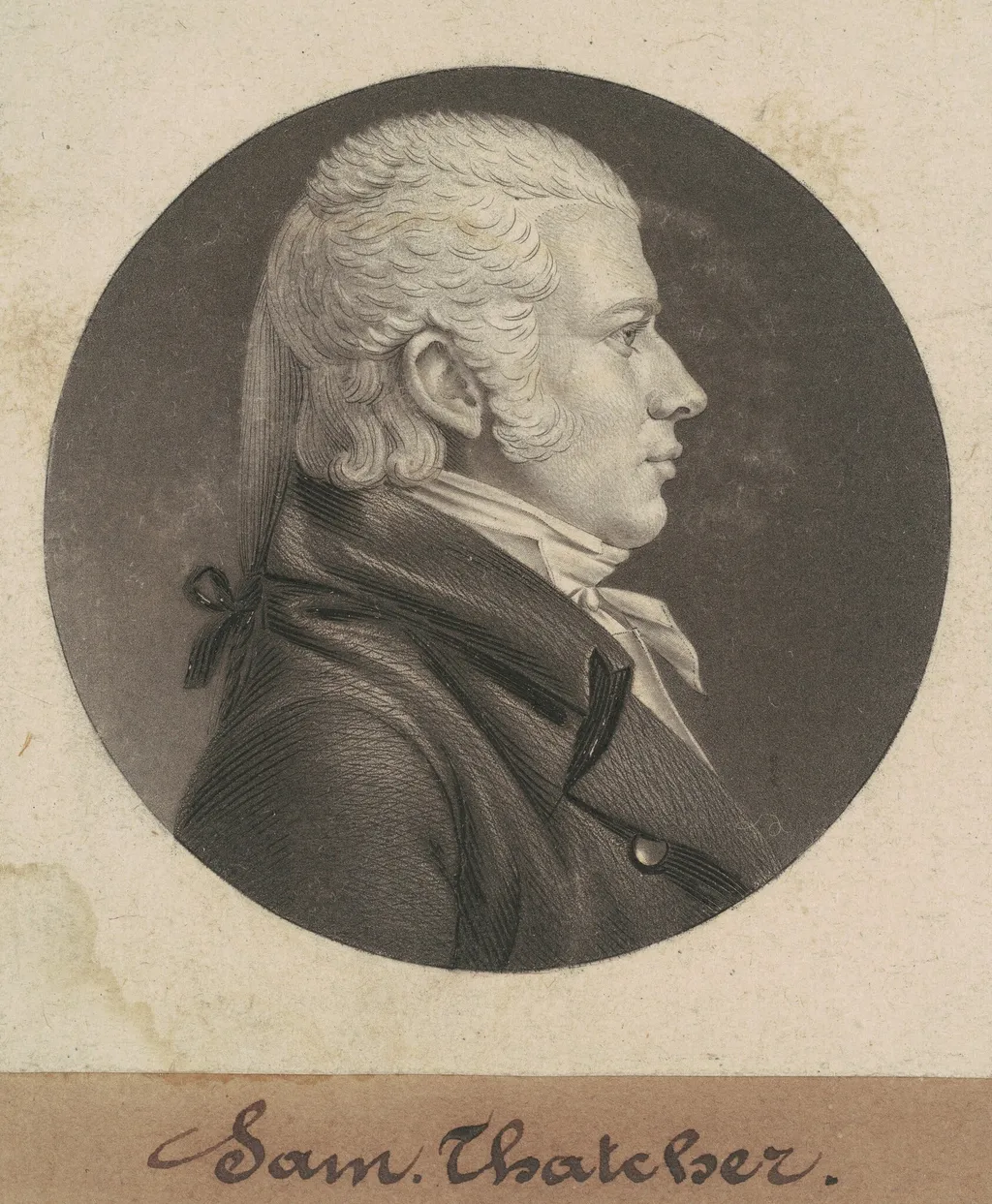
Samuel Thatcher is an ink print by the Romanticist artist Charles Balthazar Julien Févret de Saint-Mémin. It dates from 1805 and is held in the collection of the National Gallery of Art.
About this work
Overview
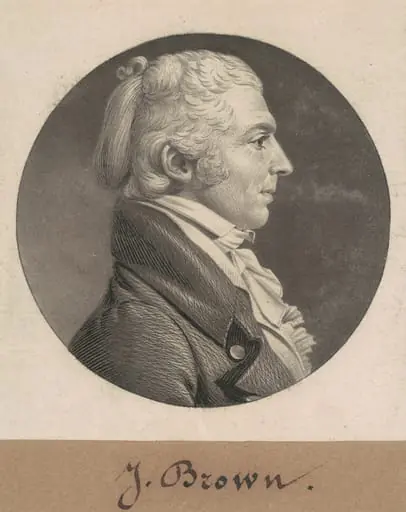
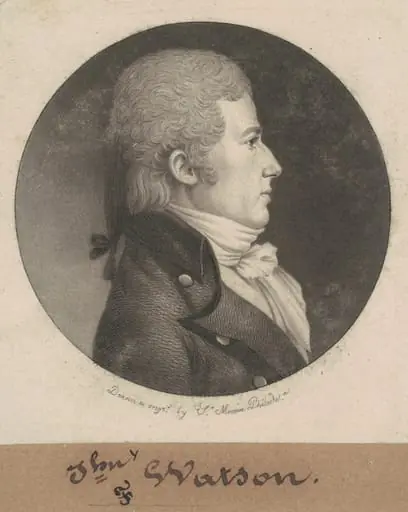
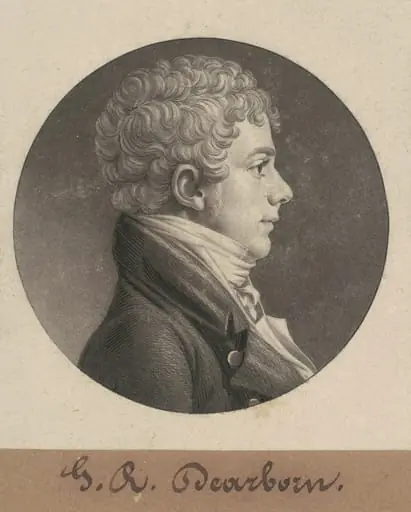
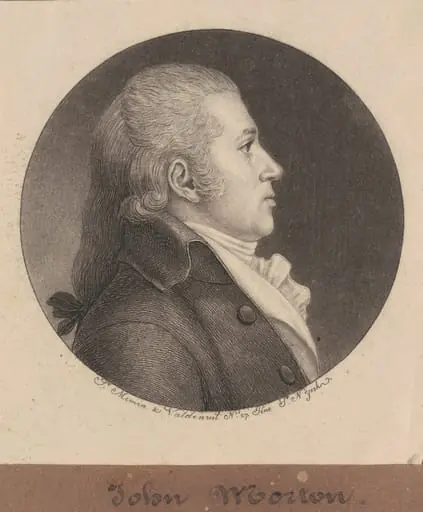
A small portrait print from 1805 depicts Samuel Thatcher, a Massachusetts politician and jurist, rendered in mezzotint and engraving on wove paper. The image is mounted on a slightly darker brown paper support, enhancing contrast. Measuring just over five centimeters in both dimensions, the work is intimate in scale, intended for personal or private circulation rather than public display.
Subject & Meaning
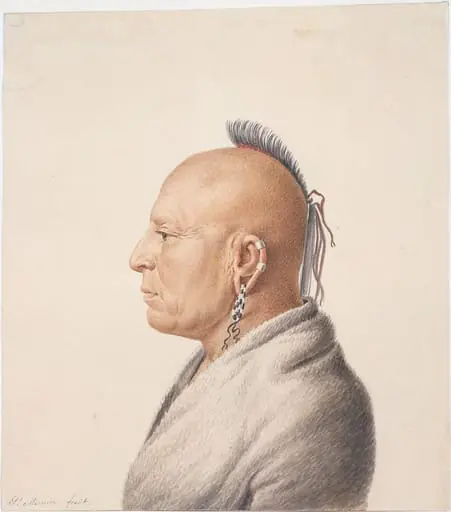
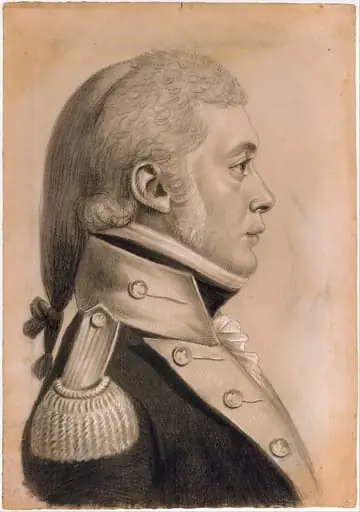
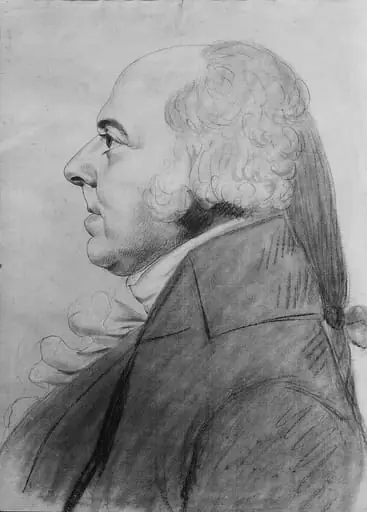
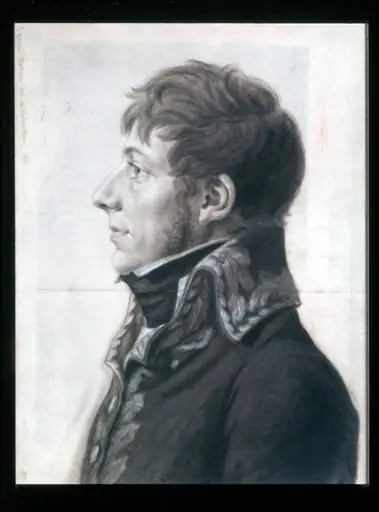
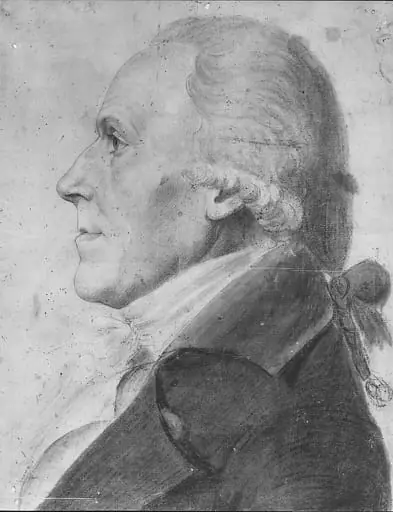
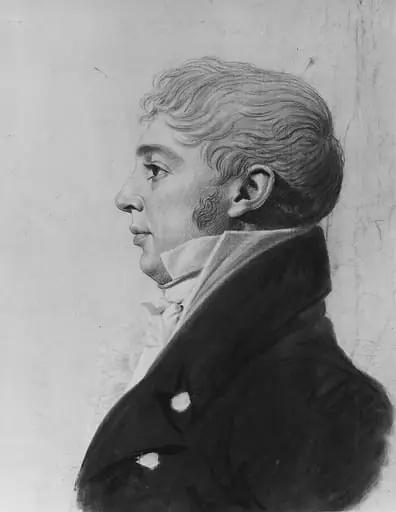
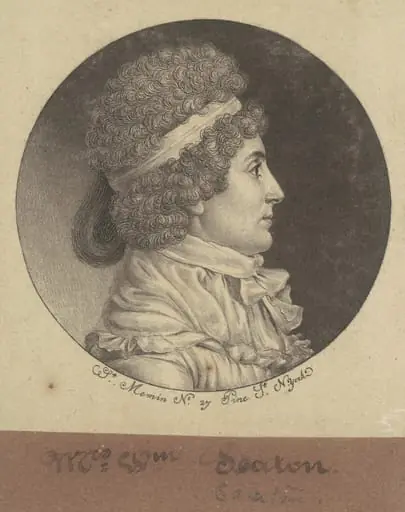
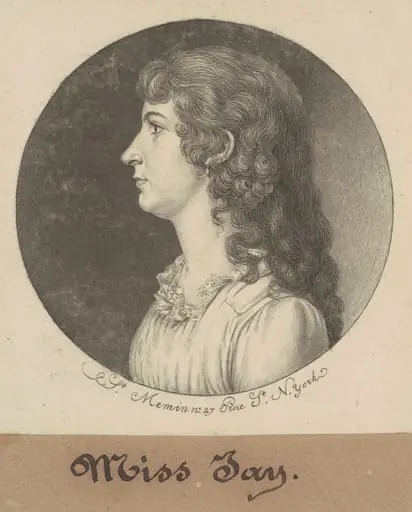
Samuel Thatcher is portrayed in strict profile, facing left, conveying a sense of formal dignity. His prominent nose and defined jawline are rendered with precision, emphasizing physical character over emotional expression. The portrait reflects early 19th-century American ideals of civic virtue, where clear facial structure symbolized moral resolve and public service.
Technique & Style
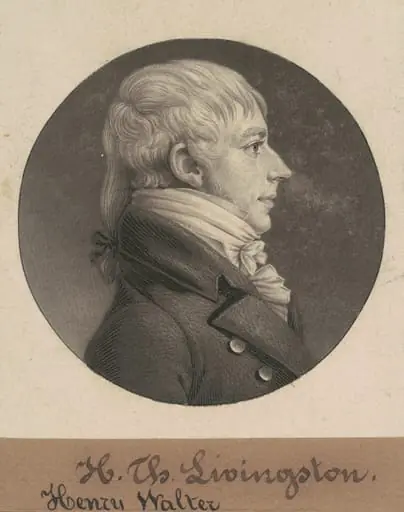
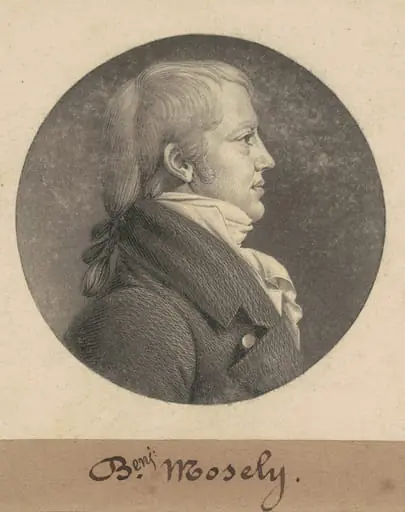
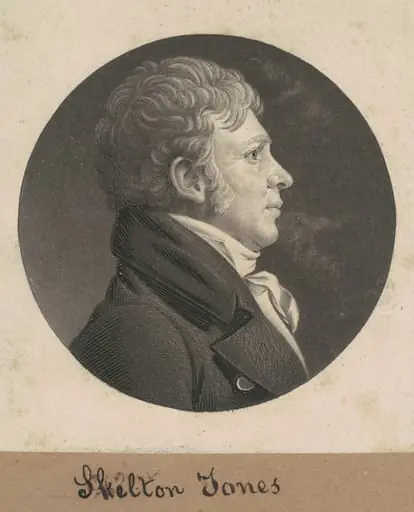
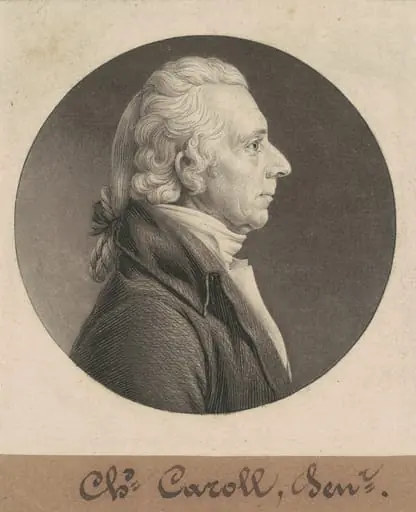
The image combines mezzotint and line engraving, techniques that allow for subtle tonal gradations and sharp linear detail. Mezzotint creates rich blacks and soft transitions, while engraving defines contours and textures like fabric and hair. The result is a compact, highly controlled image that balances realism with the constraints of miniature portraiture.
History & Provenance
Created by Charles B. J. Févret de Saint-Mémin, a French-born artist known for his profile portraits of American elites, the print was made during his time in the United States. It was likely produced as part of a series documenting prominent figures, possibly for private collectors or institutional archives. Its small size suggests it was meant for personal keepsakes or albums.
Context
In the early 1800s, profile portraits were popular in America as affordable alternatives to oil paintings. Saint-Mémin’s technique allowed for multiple impressions, making such images accessible to the emerging middle class. Thatcher’s inclusion reflects his status as a respected legal and political figure in post-Revolutionary Massachusetts.
Legacy
This print survives as an example of early American graphic portraiture, illustrating how technical innovation enabled the dissemination of civic imagery. Though not widely exhibited today, it remains a valuable record of how individuals of influence were visually represented in a period when identity and public role were closely intertwined.
Artist & collection

Artist
Charles Balthazar Julien Févret de Saint-Mémin
Charles Balthazar Julien Févret de Saint-Mémin (French pronunciation: ; 1770–1852) was a French portrait painter and museum director.