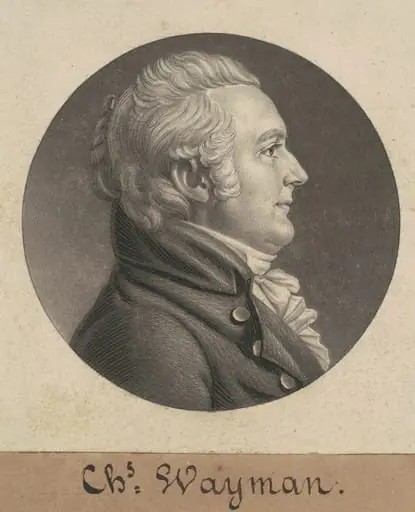
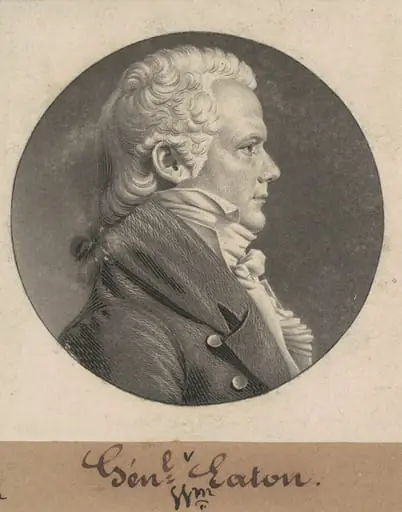
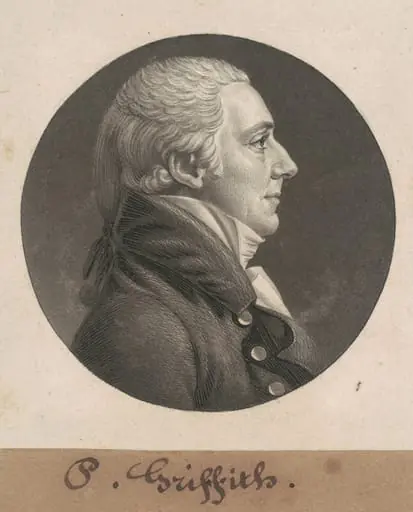
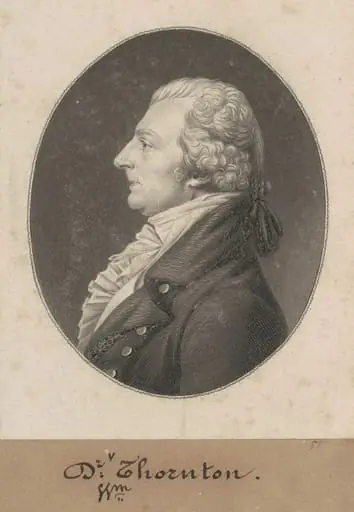
Artwork
Thomas Newton, Jr.
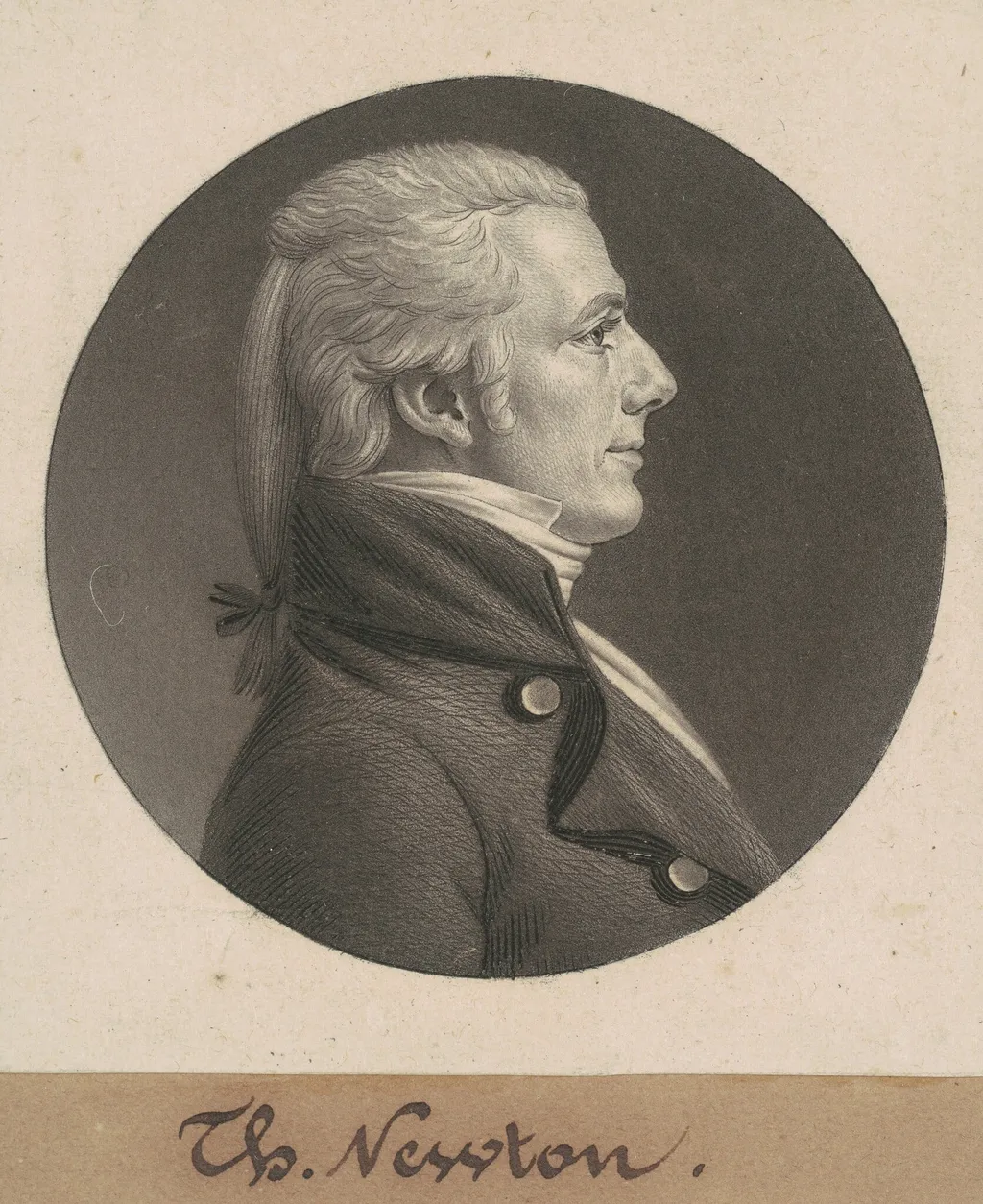
Thomas Newton, Jr. is an ink print by the Romanticist artist Charles Balthazar Julien Févret de Saint-Mémin. It dates from 1806 and is held in the collection of the National Gallery of Art. Created in 1806, this print combines mezzotint and engraving techniques on wove paper that has been affixed to a brown wove backing.
About this work
Overview
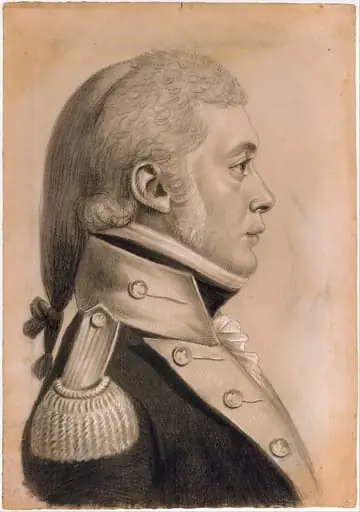
Created in 1806, this print combines mezzotint and engraving techniques on wove paper that has been affixed to a brown wove backing. The image portrays Thomas Newton, Jr., rendered in monochrome with a stark, unadorned background. The work belongs to the Corcoran Collection, where it is catalogued as a representative example of early American portrait printmaking.
Subject & Meaning
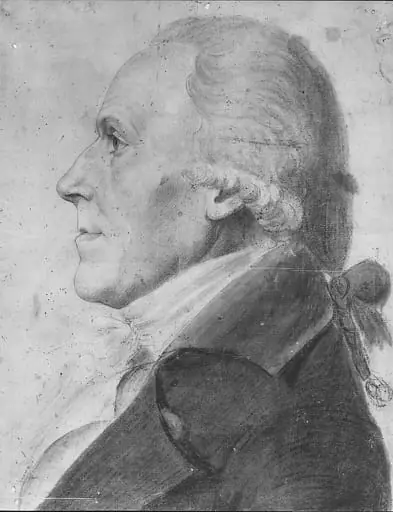
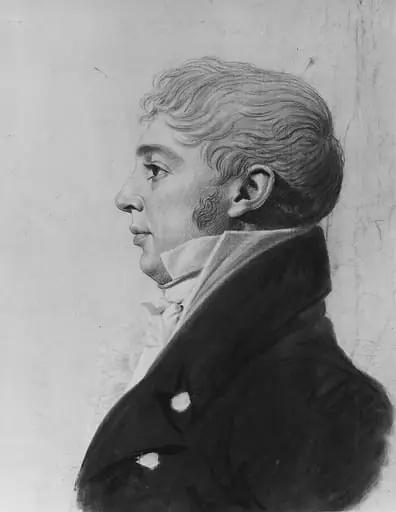
The portrait presents Newton in a dark coat trimmed with a high white collar, his expression serious and his features sharply defined. The plain, dark wash behind him focuses attention on the sitter, emphasizing his status and demeanor without narrative distraction, typical of portraiture intended to convey personal gravitas.
Technique & Style
Saint‑Mémin employed a blend of mezzotint shading and fine engraving, using delicate cross‑hatching to suggest the velvety texture of the coat. The intricate, spider‑like lines create subtle tonal variations, while the mezzotint base provides a rich, atmospheric depth that enhances the three‑dimensional quality of the figure.
History & Provenance
The print was produced by French‑born artist Charles B. J. Févret de Saint‑Mémin, who was active in the United States during the early nineteenth century. After its creation, the work entered the Corcoran Collection, where it remains a documented piece of the museum’s holdings, illustrating the transatlantic exchange of print techniques in the period.
Artist & collection

Artist
Charles Balthazar Julien Févret de Saint-Mémin
Charles Balthazar Julien Févret de Saint-Mémin (French pronunciation: ; 1770–1852) was a French portrait painter and museum director.