Artwork
State Visit of Her Majesty, Queen Victoria to the Glasgow International Exhibition, 1888
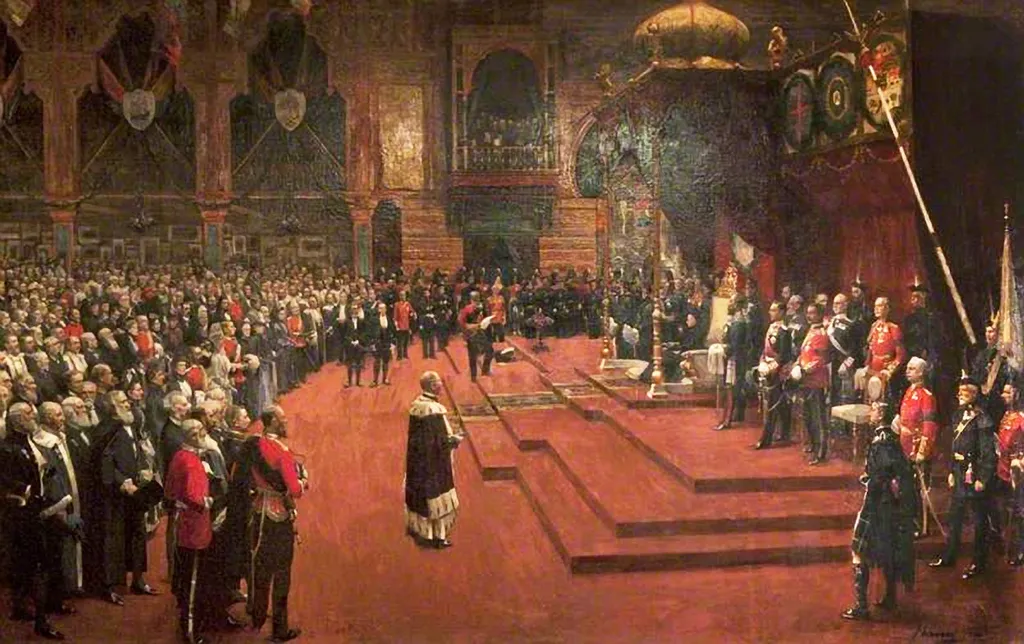
State Visit of Her Majesty, Queen Victoria to the Glasgow International Exhibition, 1888 is an oil painting by the Impressionist artist John Lavery. It dates from 1896 and is held in the collection of the Kelvingrove Art Gallery and Museum.
About this work
Overview
Painted in 1896 by Irish artist John Lavery, this oil on canvas depicts Queen Victoria’s visit to the Glasgow International Exhibition of 1888.
Painted in 1896 by Irish artist John Lavery, this oil on canvas depicts Queen Victoria’s visit to the Glasgow International Exhibition of 1888. Though the event occurred eight years earlier, Lavery composed the scene retrospectively, capturing the ceremonial atmosphere with attention to detail and spatial depth. The work is part of the permanent collection at Kelvingrove Art Gallery and Museum in Glasgow.
Subject & Meaning
The painting records a formal royal appearance at a major international exposition, symbolizing imperial prestige and civic pride. Queen Victoria is shown ascending a central stage amid a crowd of dignitaries, officials, and spectators, all dressed in formal attire. The presence of flags and banners underscores the national significance of the occasion, framing the monarch as a unifying figure within a moment of public celebration.
Technique & Style
Lavery employed loose brushwork and a luminous palette to convey movement and atmosphere, reflecting influences from French Impressionism. He rendered light filtering through the exhibition hall with subtle gradations, while the red and gold textiles create visual rhythm without overt ornamentation. The composition balances structured architecture with dynamic figures, suggesting both order and spontaneous activity.
History & Provenance
Commissioned after the event, the painting was completed in 1896 as a commemorative record rather than a contemporary report. It entered the Kelvingrove collection shortly after its completion and has remained there since. Unlike many state portraits, it avoids idealized formality, instead capturing the contingent energy of a real public occasion, which contributed to its enduring institutional value.
Context
The Glasgow International Exhibition of 1888 showcased industrial and cultural achievements from across the British Empire. Queen Victoria’s visit was a rare public appearance during her later years, making it a significant civic event. Lavery’s depiction aligns with a broader trend in late Victorian art that sought to document public life with observational honesty, blending ceremonial gravity with everyday detail.
Legacy
The painting remains a key example of Lavery’s ability to merge portraiture with genre scene, capturing both individual presence and collective atmosphere. It stands as a visual archive of late 19th-century British ceremonial culture, valued for its nuanced portrayal of monarchy within a modern, public context rather than as a purely symbolic representation.
Artist & collection
Artist
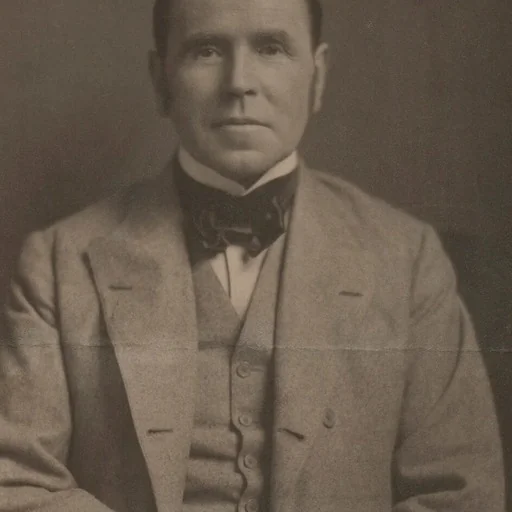
Sir John Lavery (20 March 1856 – 10 January 1941) was an Irish painter best known for his portraits and wartime depictions.

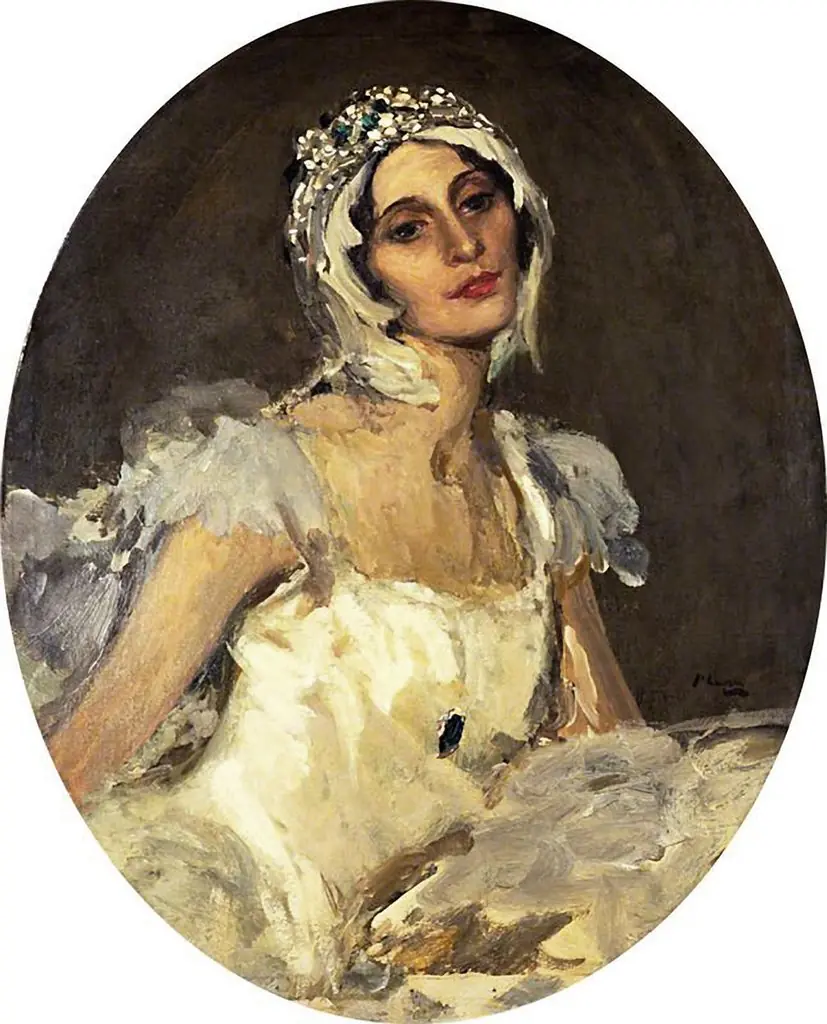 Anna Pavlova (1881–1931), as 'The Dying Swan'
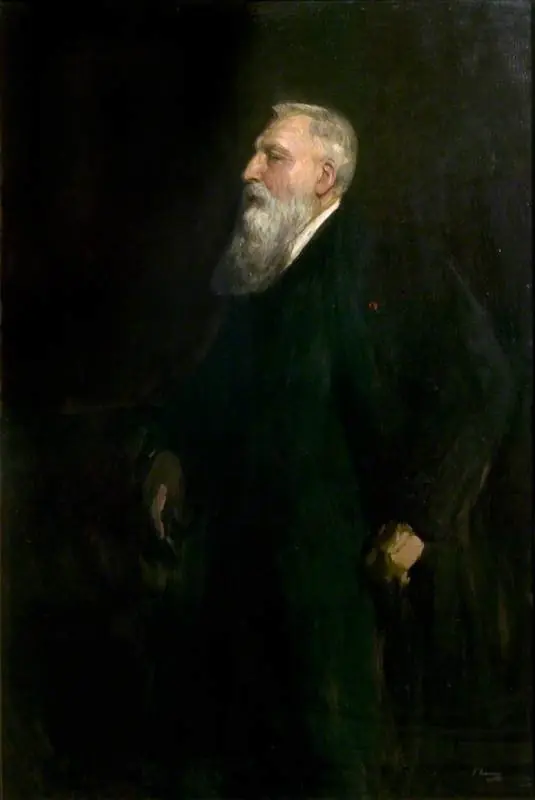 Auguste Rodin (1840–1917)
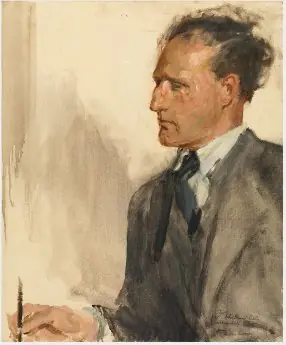 Portrait of John Stewart Collis (1900-1984), Author
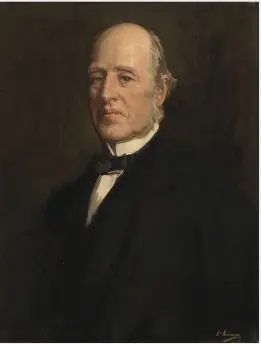 Portrait of W.E.H. Lecky (1838-1903), Historian
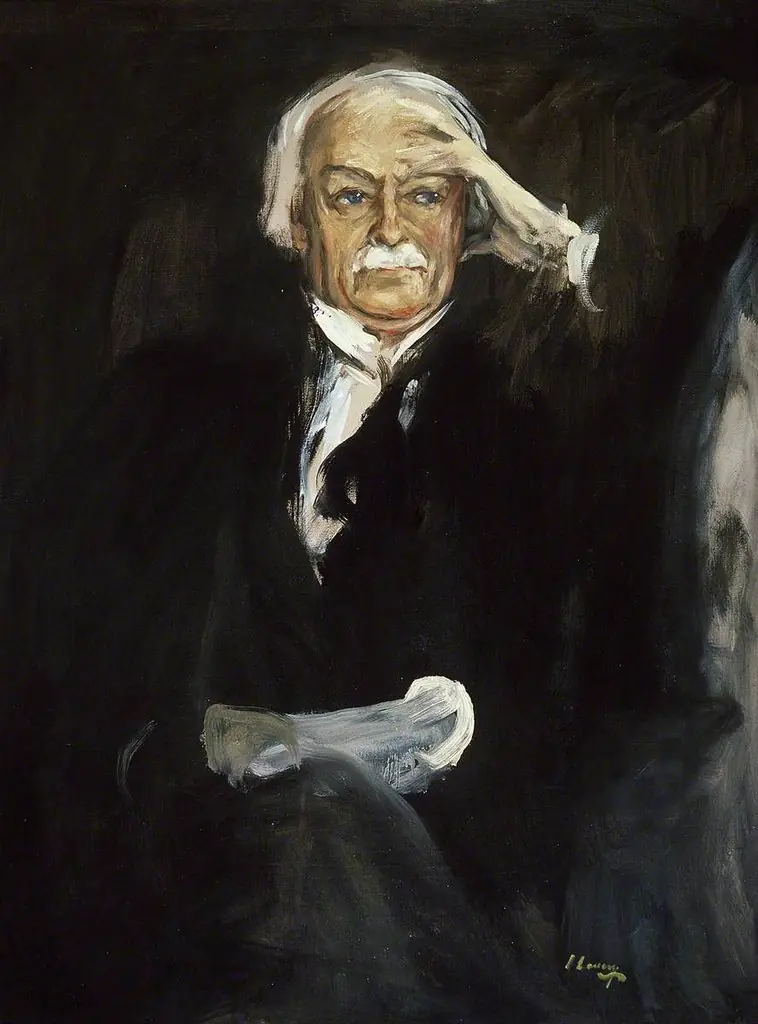 David Lloyd George (1863–1945)
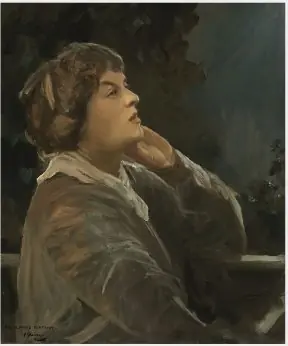 Portrait of Dora Sigerson (Mrs Shorter) (c.1870-1918), Poet
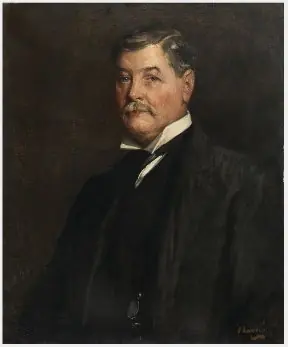 Portrait of T.P. O'Connor, Parliamentarian and Journalist
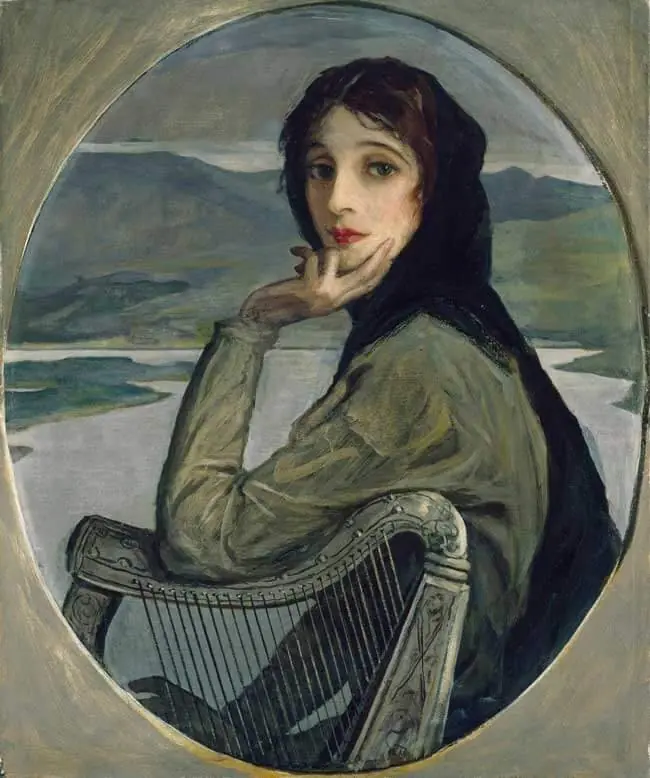 Portrait of Lady Lavery as Kathleen Ni Houlihan
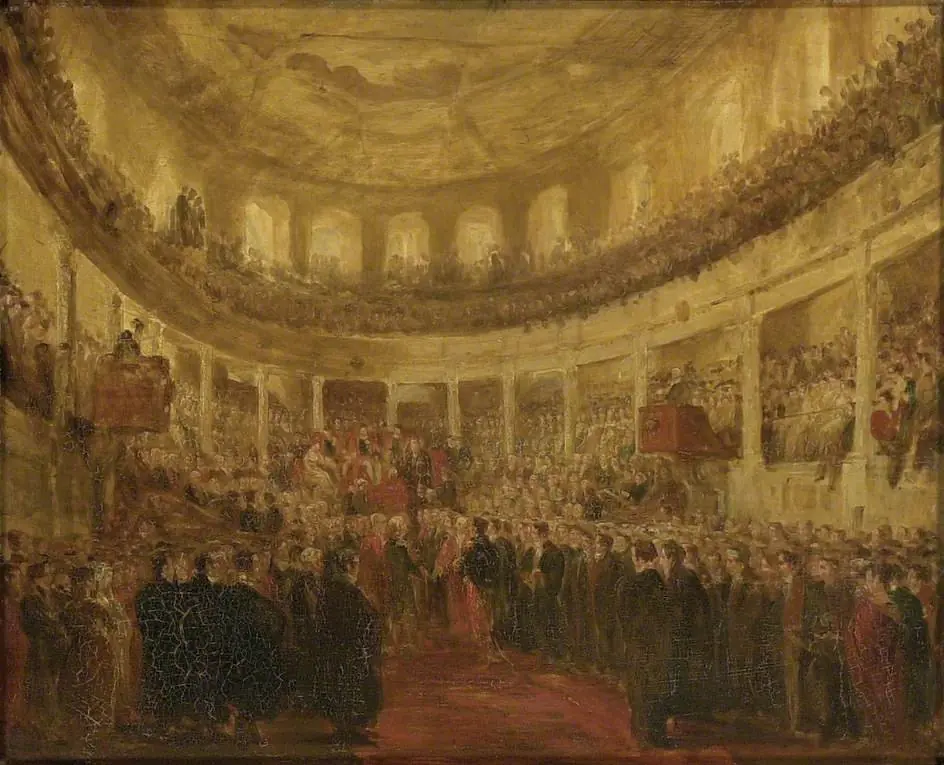 The Conferment of Honorary Degrees on the Allied Sovereigns in the Sheldonian Theatre
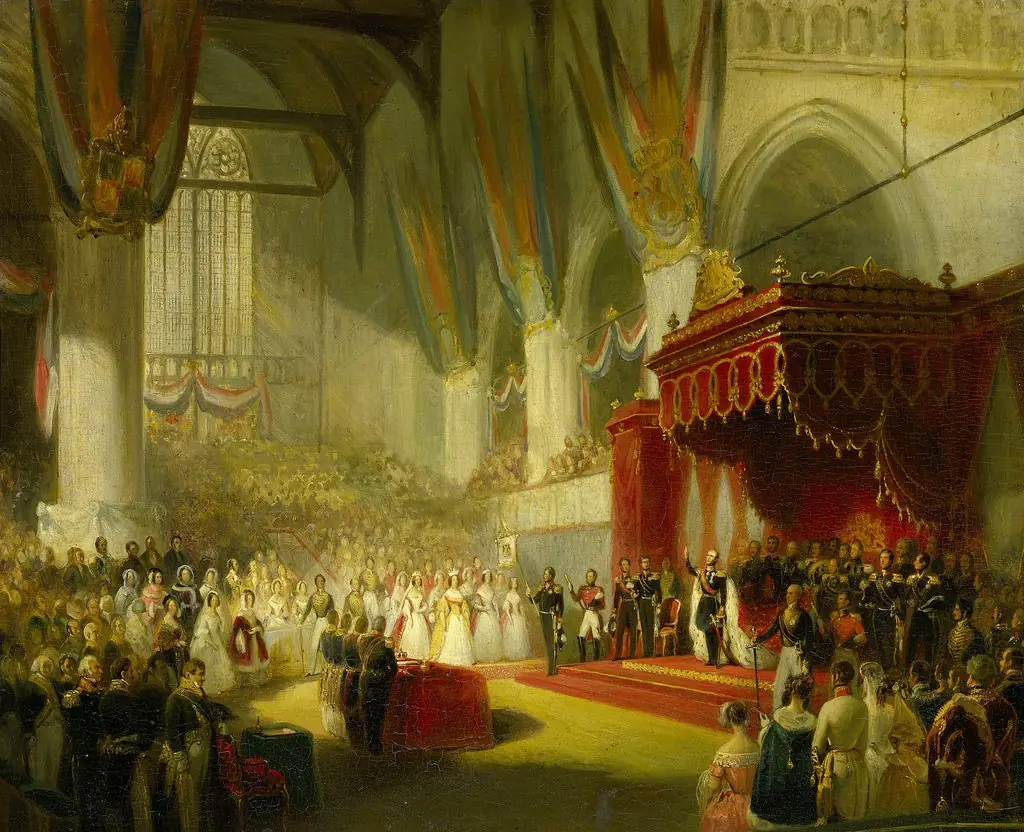 The Inauguration of King William II in the Nieuwe Kerk in Amsterdam on 28 November 1840
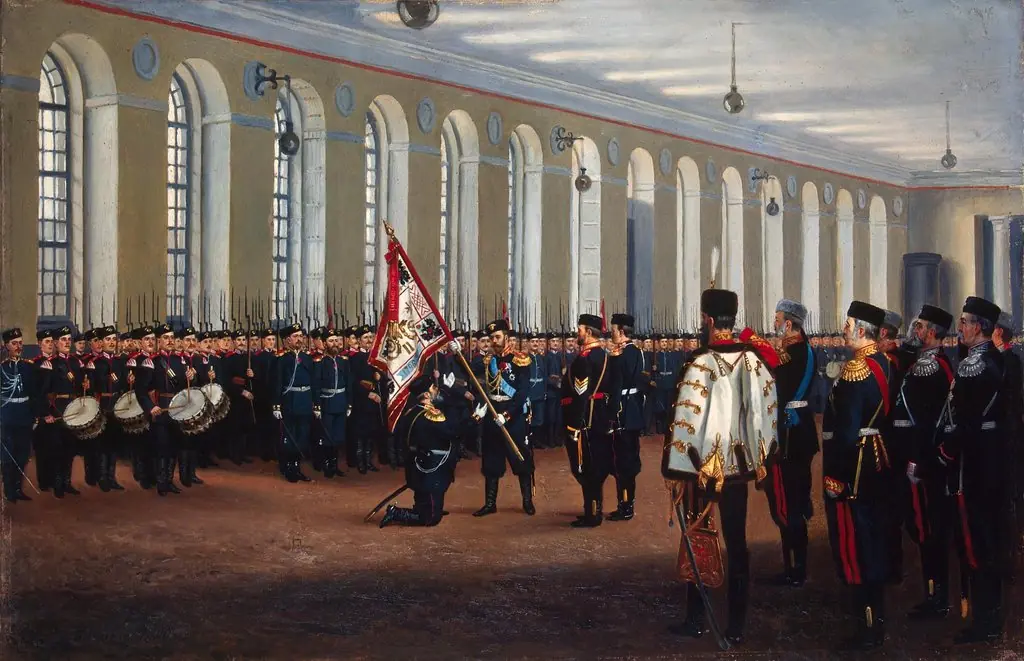 Empreror Nicholas II Presenting the Colour to the 145th Novocherkassk Infantry Regiment
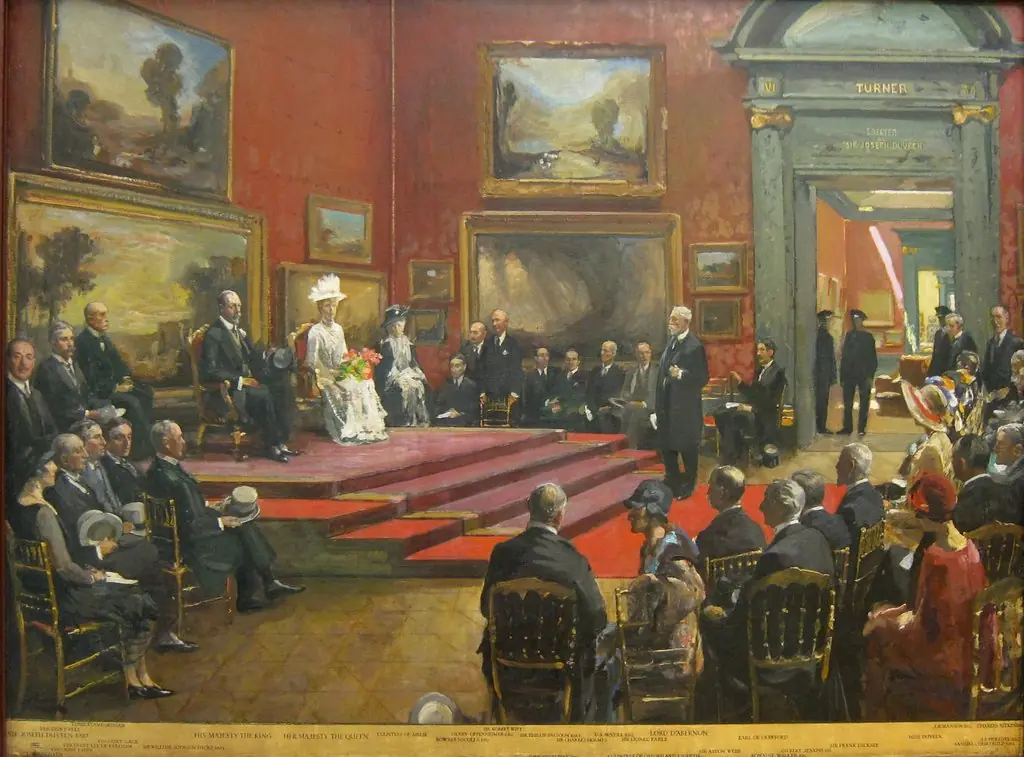 The Opening of the Modern Foreign and Sargent Galleries at the Tate Gallery, 26 June 1926
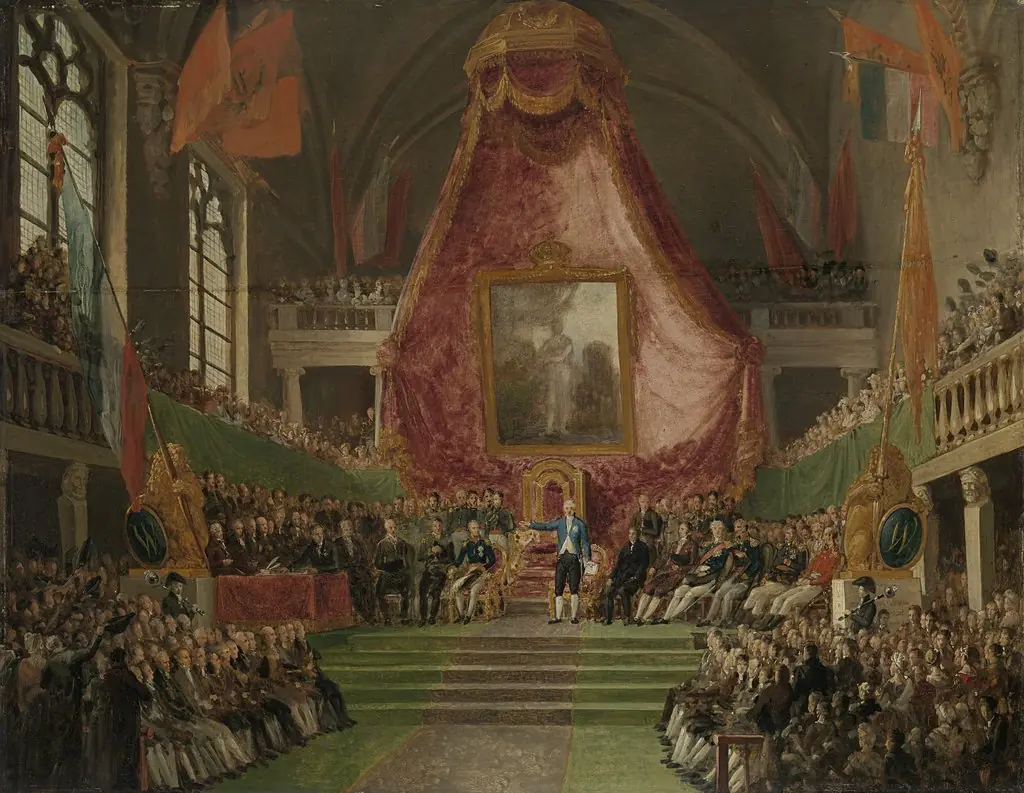 The Solemn Inauguration of University of Ghent by the Prince of Orange in the Throne Room of the Town Hall on 9 October 1817
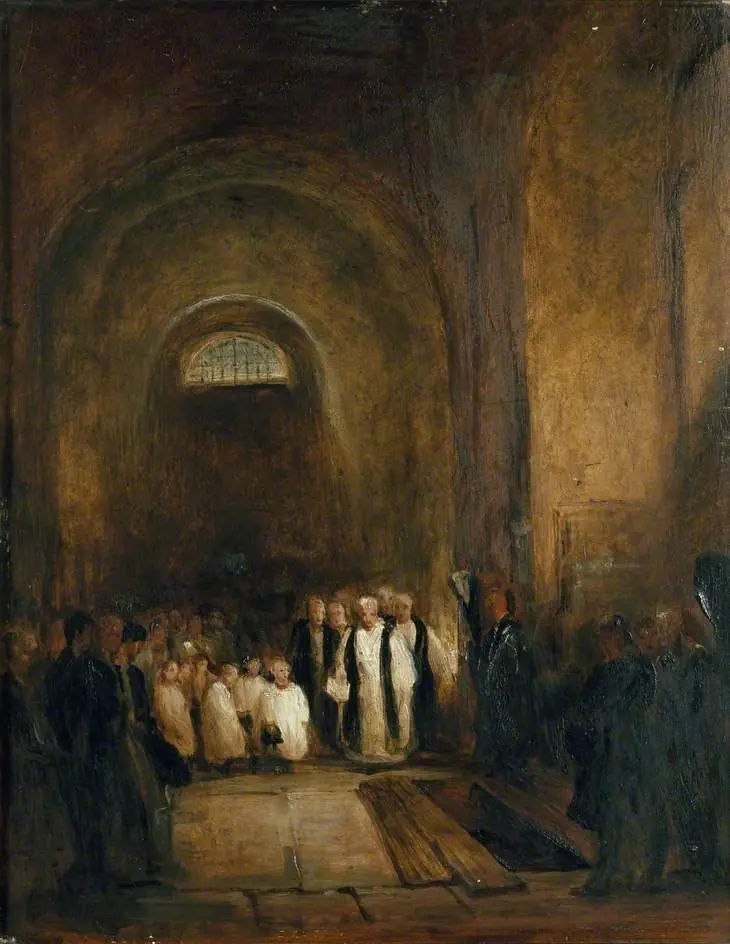 Turner's Burial in the Crypt of St Paul's
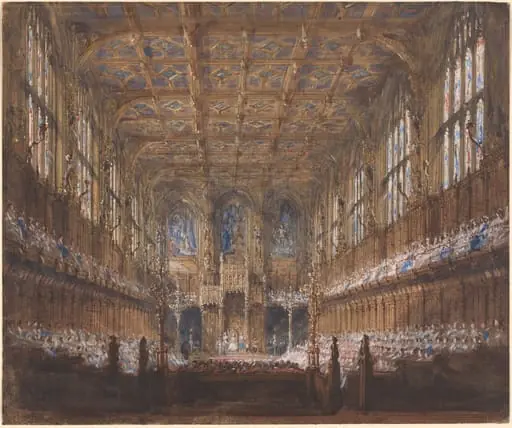 The State Opening of Parliament in the Rebuilt House of Lords
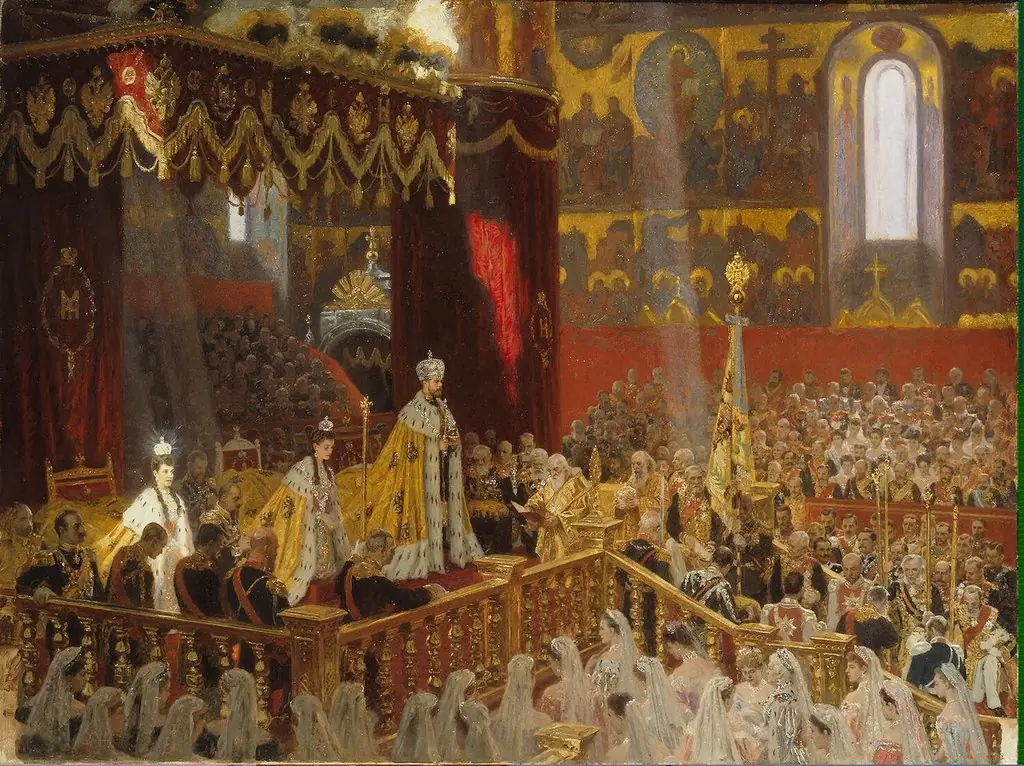 The Coronation of Emperor Nicholas II and Empress Alexandra Feodorovna
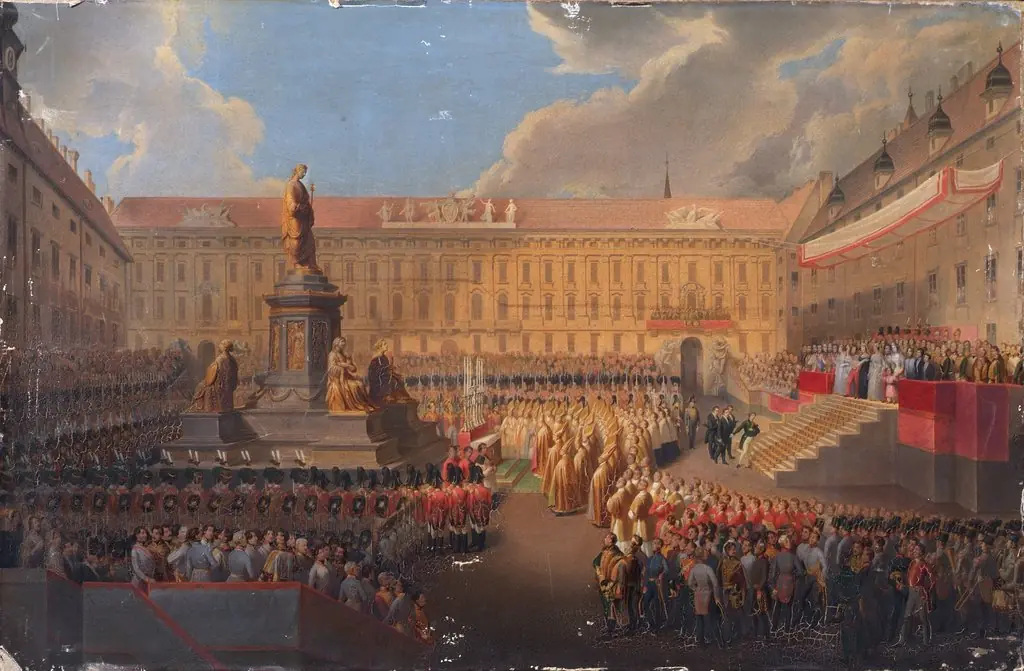 Unveiling of the Monument to Emperor Franz I of Austria on Vienna's Franzensplatz on 19 June 1846
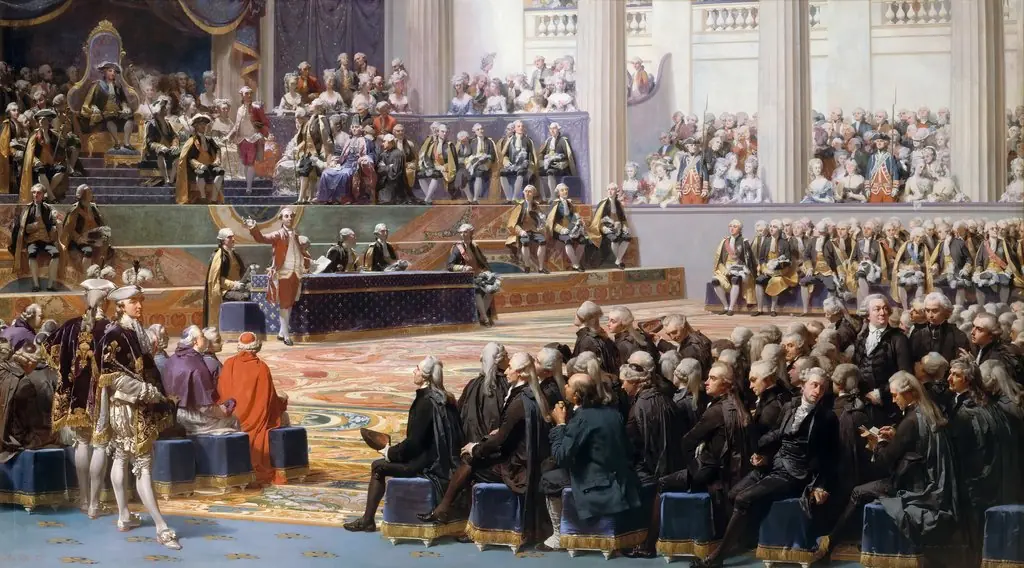 Opening session of the General Assembly, 5 May 1789