Artwork
Indian Telegraph
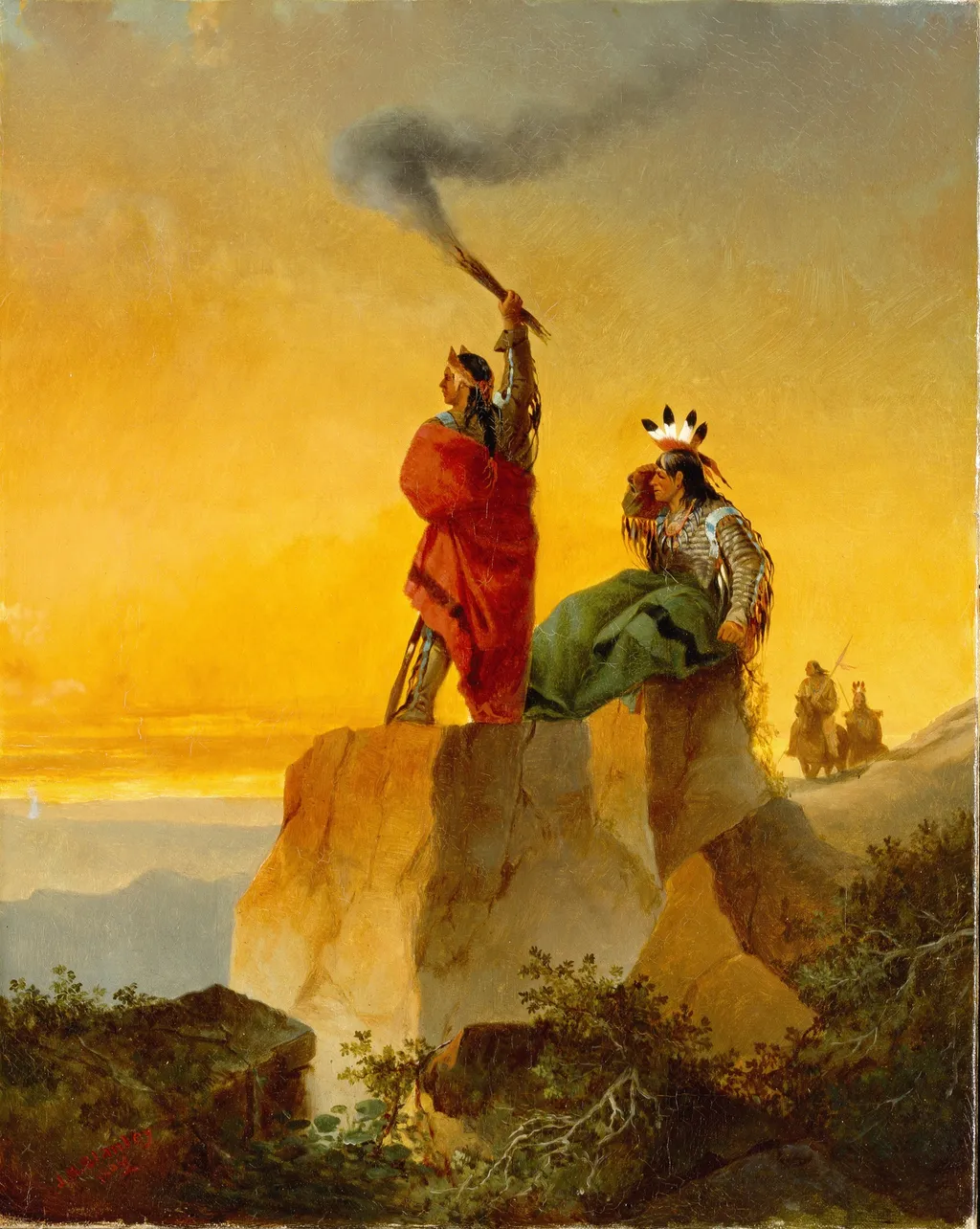
Indian Telegraph is an oil painting by the American Impressionist artist John Mix Stanley. It dates from 1860 and is held in the collection of the Detroit Institute of Arts.
About this work
Overview
Indian Telegraph is a landscape painting created by John Mix Stanley in 1860, depicting a scene of Indigenous figures in a natural setting at sunset.
Subject & Meaning
The painting features two Indigenous figures on a rocky cliff: one operating a smoke signal pole, the other sitting nearby. A distant rider on horseback observes the scene. The smoke pole implies a method of long-distance communication, highlighting traditional Indigenous signaling practices.
Technique & Style
Stanley employed warm, golden hues to evoke a sense of dramatic serenity. The work aligns with the American Impressionist movement, characterized by its emphasis on capturing light and everyday life.
History & Provenance
John Mix Stanley, an American artist from New York’s Finger Lakes region, drew inspiration from his travels documenting Native American life in the West and his experience illustrating Western scenes during the Mexican–American War. The painting is part of the Detroit Institute of Arts collection.
Context
Created during a period of significant American West expansion, Indian Telegraph reflects Stanley’s fascination with Native American tribal life and traditional practices, set against the backdrop of the region’s changing landscape.
Legacy
While specific lasting impacts of Indian Telegraph on the broader art historical canon are not prominently noted, it remains a representative example of 19th-century American Impressionist depictions of Indigenous life, offering a glimpse into historical communication methods and the artist’s observational approach.
Own this work as a print
Artist & collection
Artist
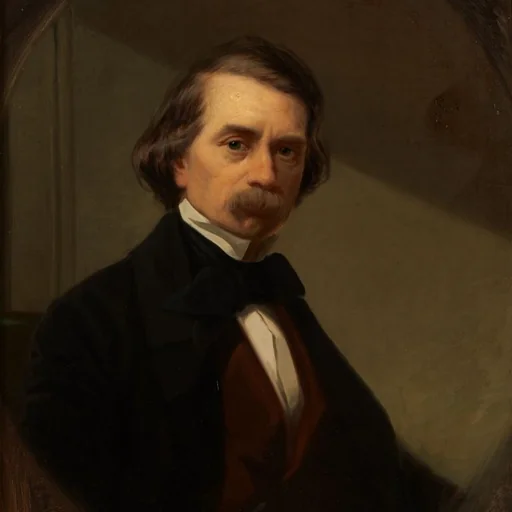
John Mix Stanley (January 17, 1814 – April 10, 1872) was an artist-explorer, an American painter of landscapes, and Native American portraits and tribal life.

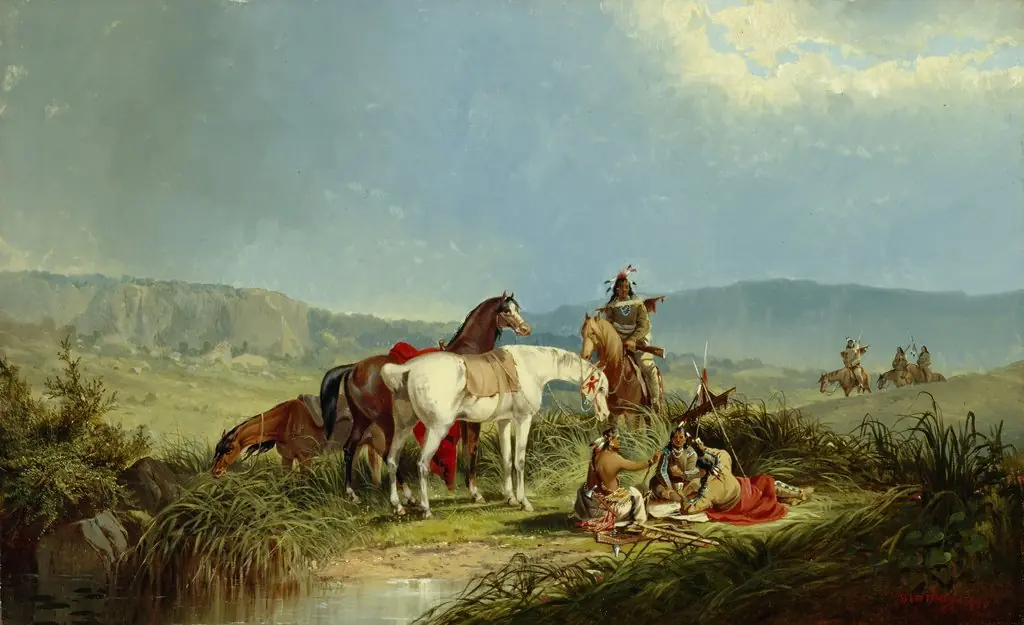
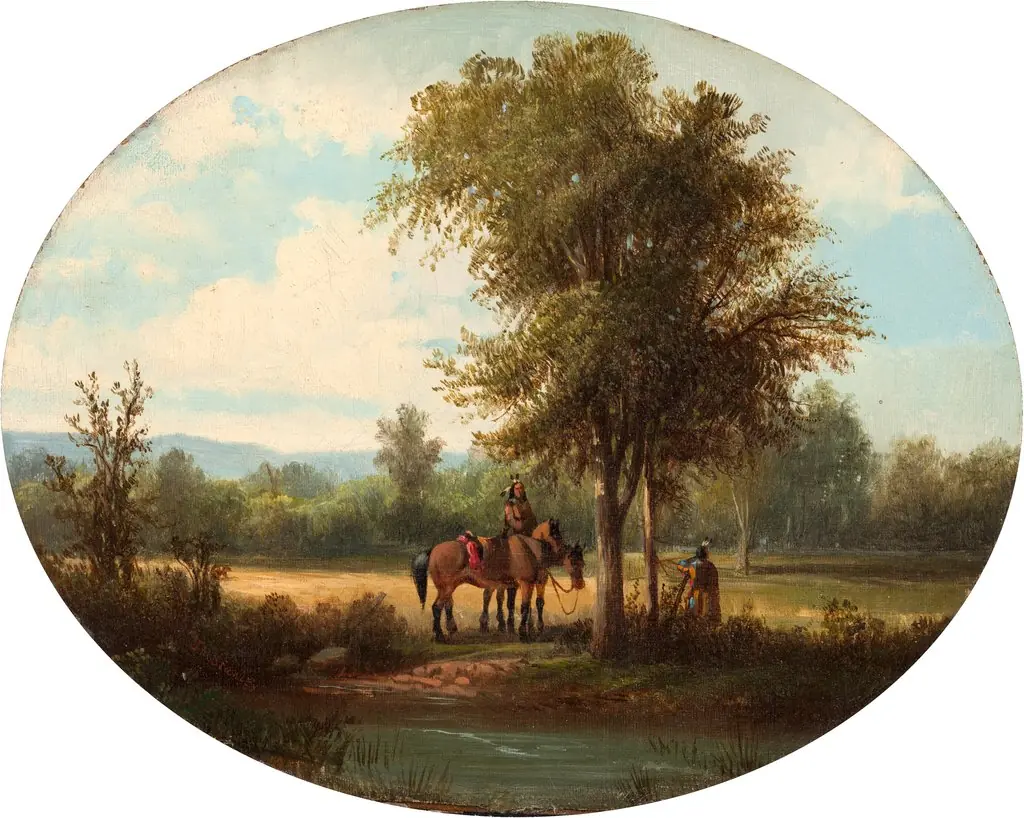
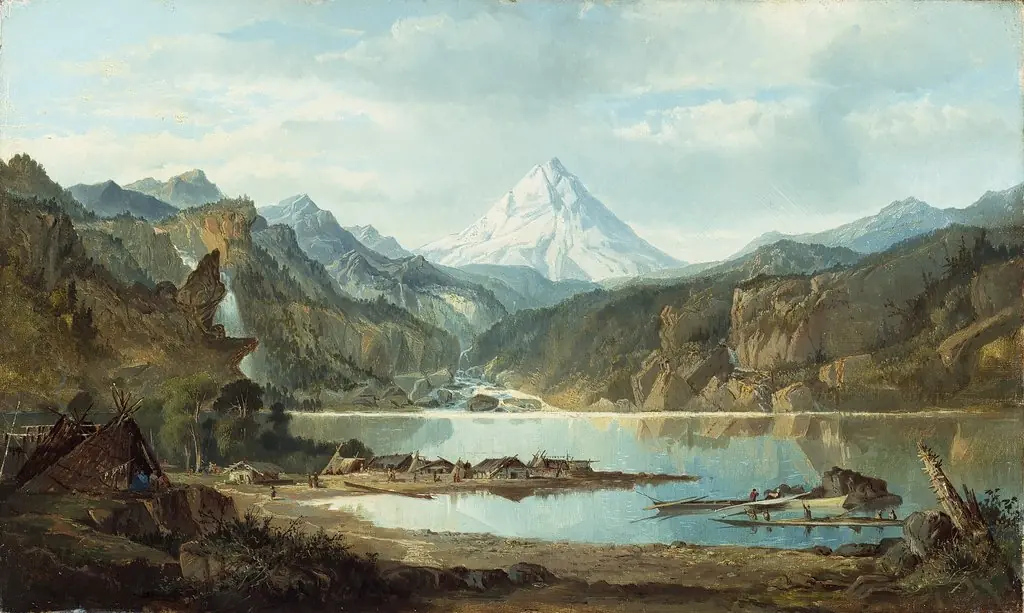
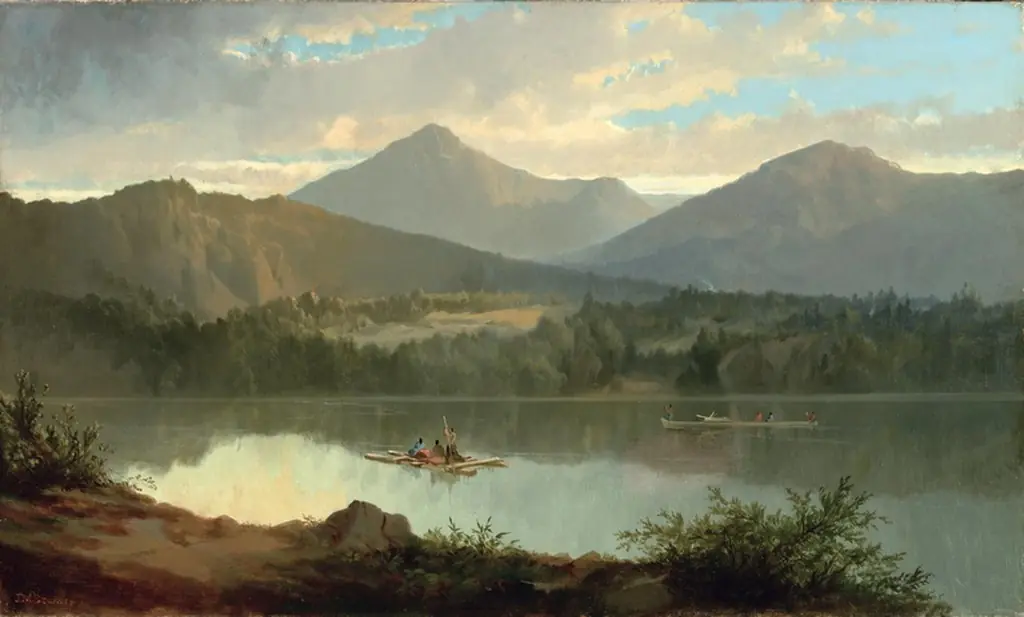
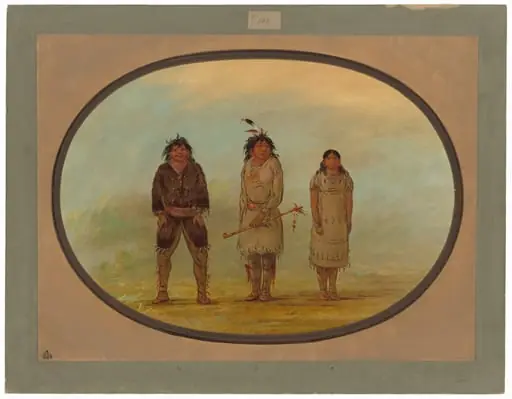 Three Selish Indians
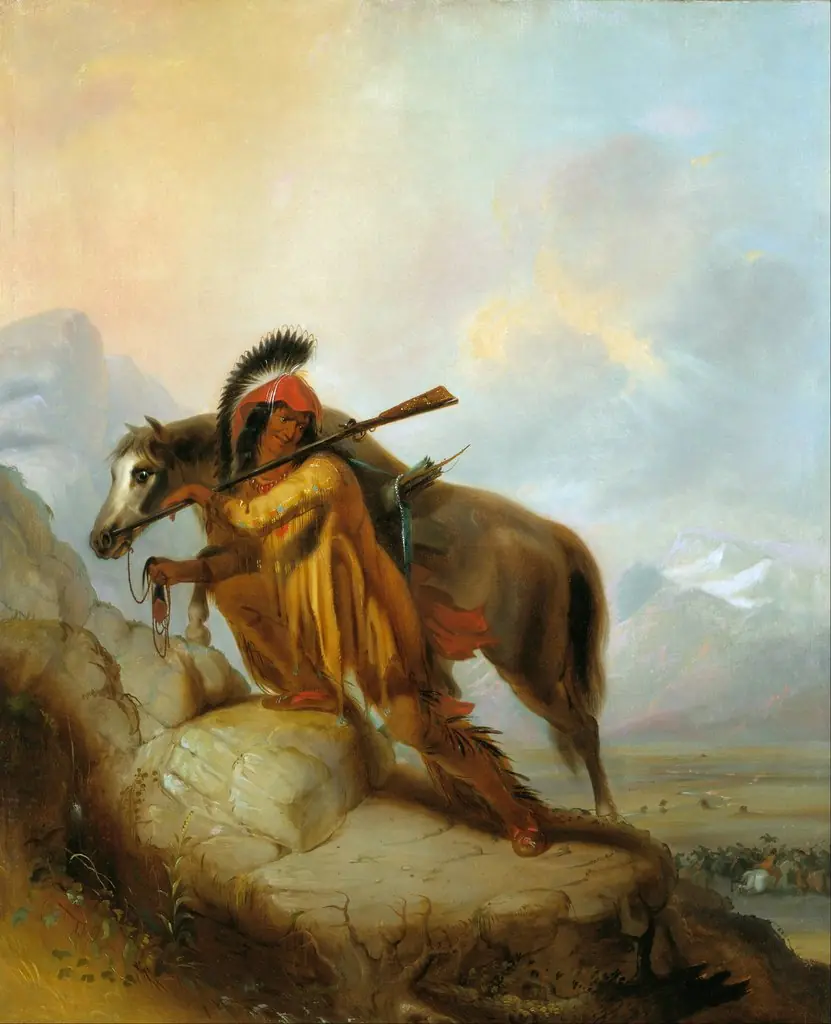 The Scalplock
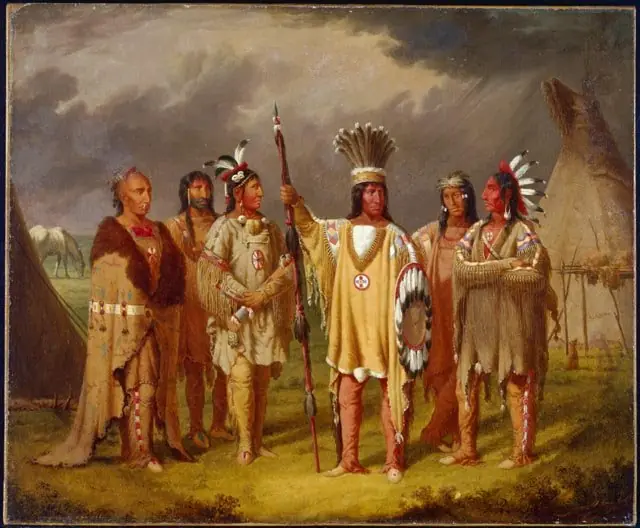 Big Snake, Chief of the Blackfoot Indians, Recounting his War Exploits to Five Subordinate Chiefs
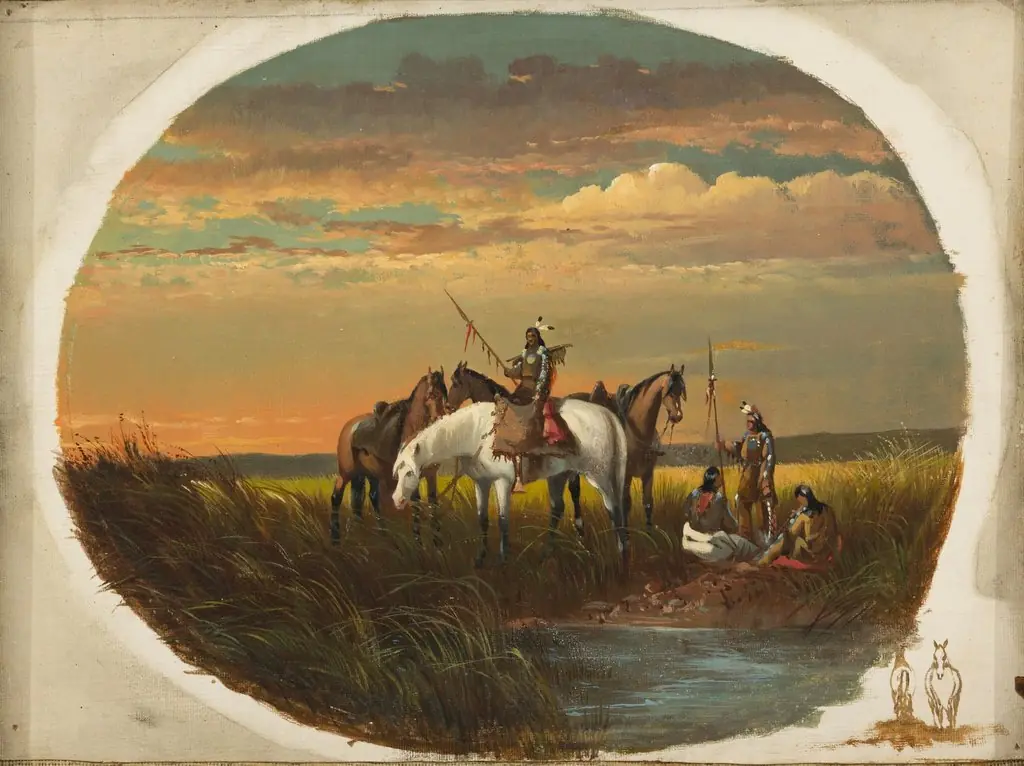 A Halt on the Prairie for a Smoke
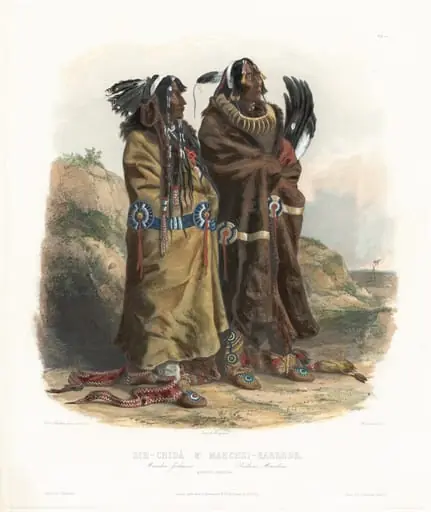 Sih-Chidä and Mahchsi-Karehde
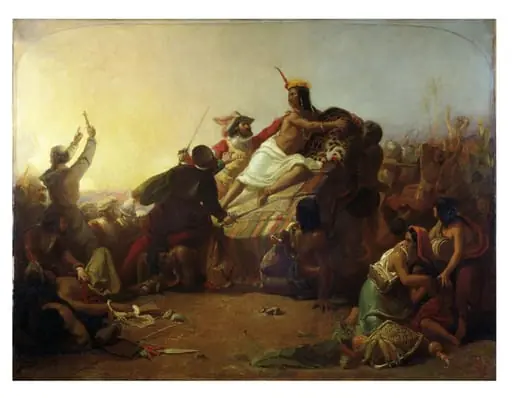 Pizarro Seizing the Inca of Peru
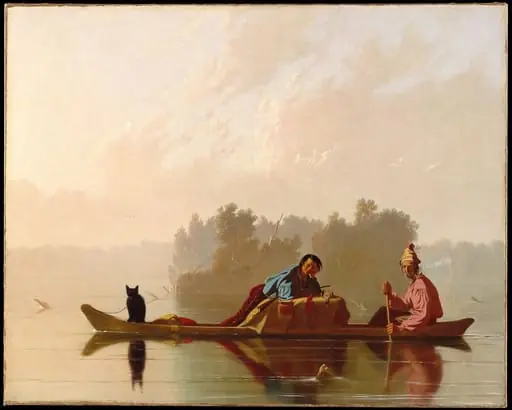 Fur Traders Descending the Missouri
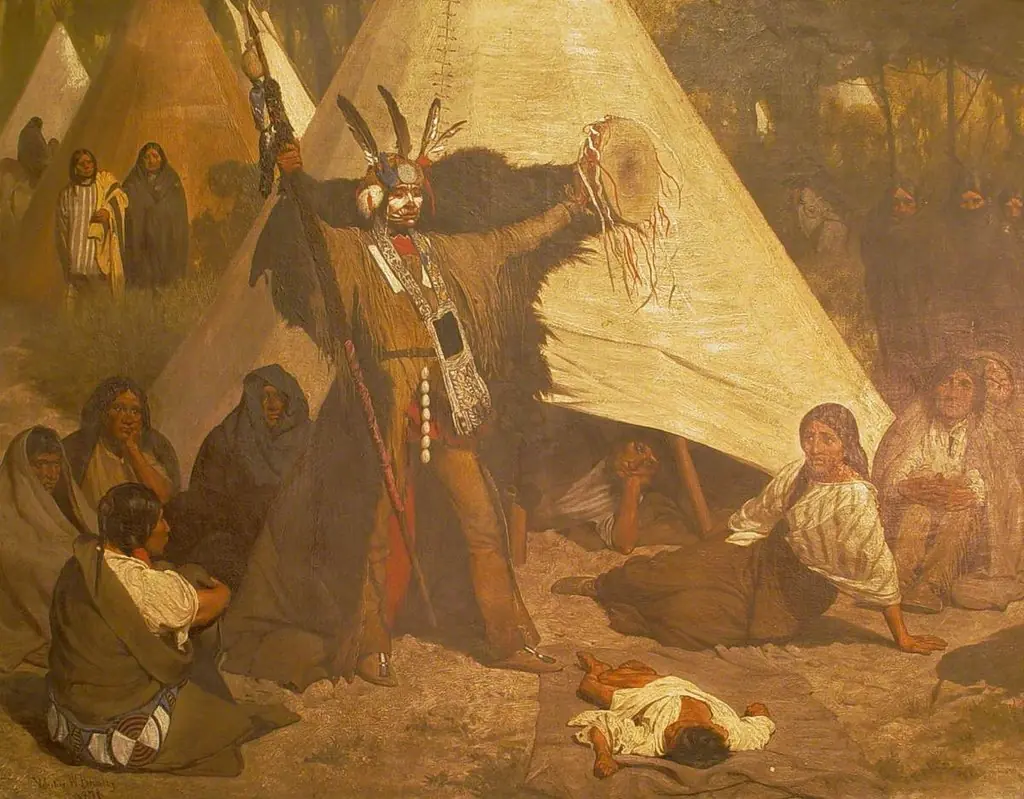 Native North American Medicine Man
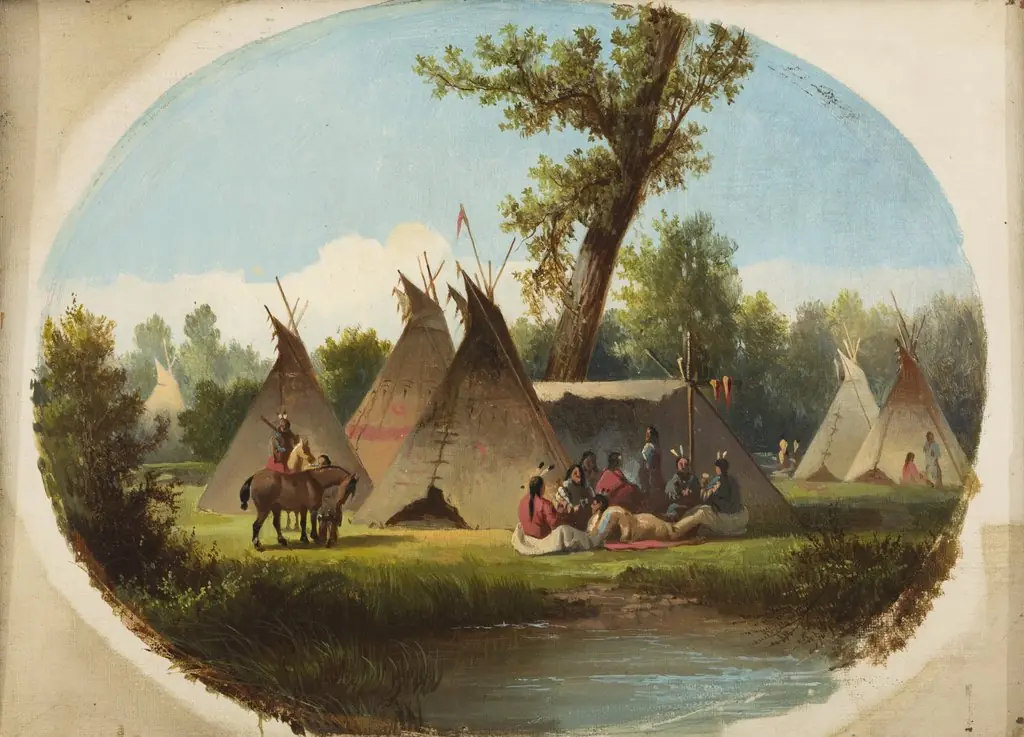 Assiniboin Encampment on the Upper Missouri