Artwork
Francis Smith
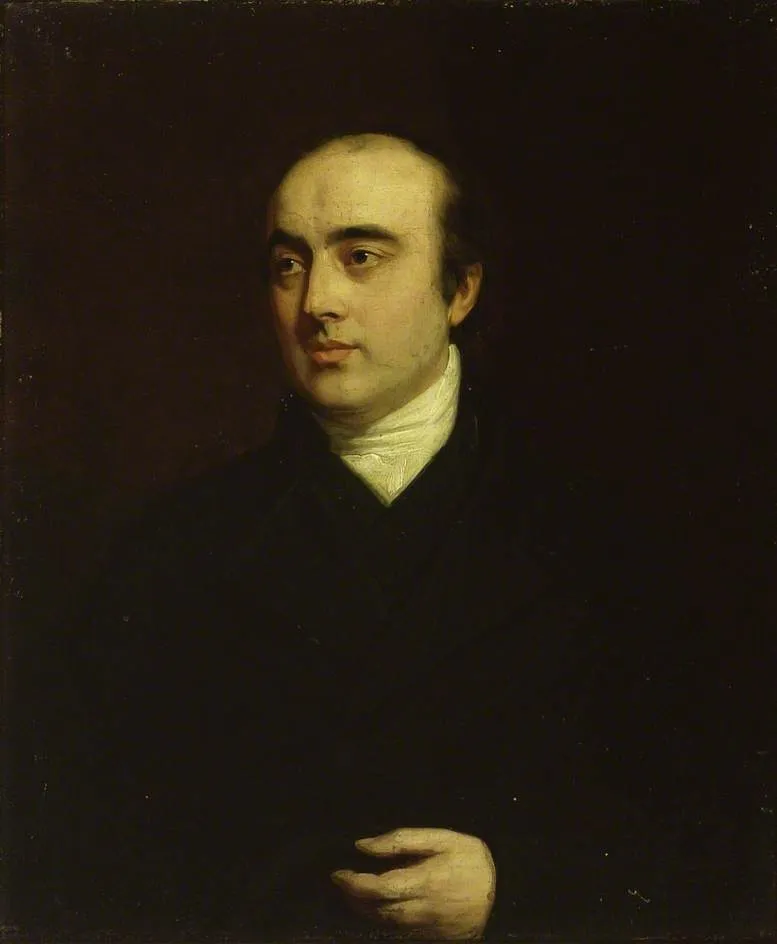
Francis Smith is an oil painting by John Opie. It dates from 1794 and is held in the collection of the Ashmolean Museum.
About this work
The artist's use of chiaroscuro, a technique that emphasizes contrasts between light and dark, adds depth to the portrait.
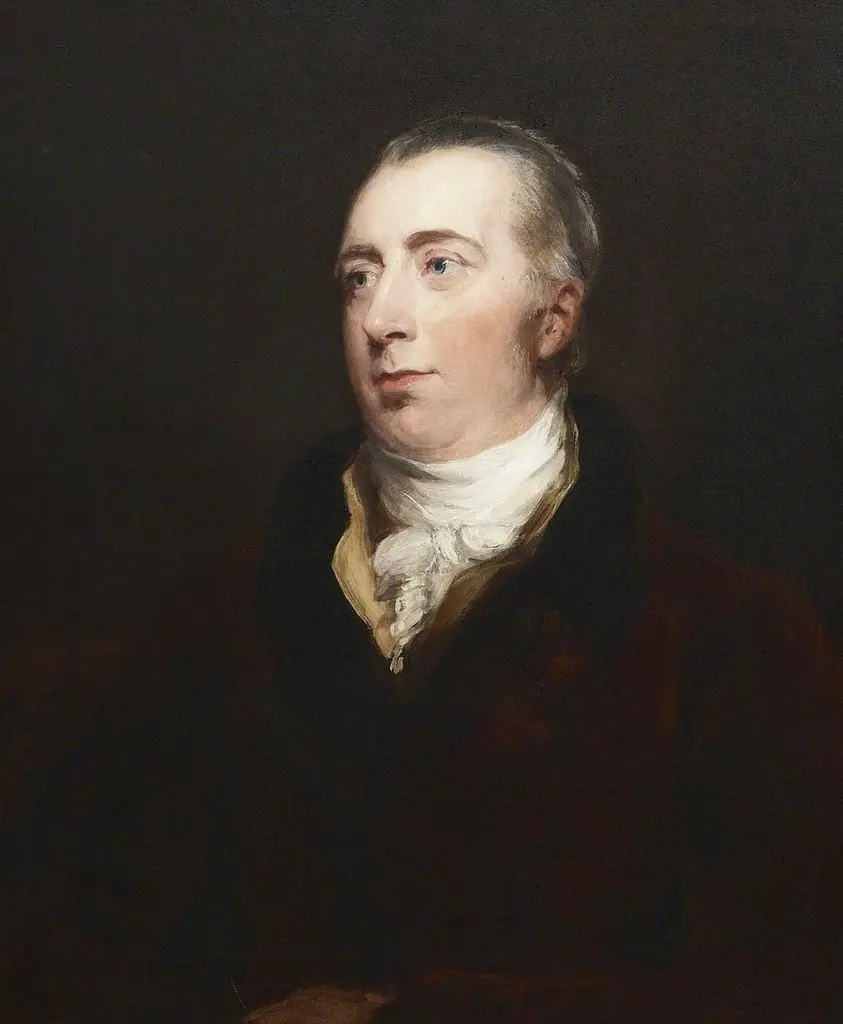
This portrait painting features a man with a balding head and dark hair on the sides, gazing to the left. He wears a black jacket over a white cravat and a white shirt. His right hand is visible, resting on his stomach.
The subject's attire and the dark background suggest a formal setting, possibly from the 18th or early 19th century. The artist's use of chiaroscuro, a technique that emphasizes contrasts between light and dark, adds depth to the portrait.
To learn more about the artist's style and techniques, explore the works of John Opie.
Overview
John Opie painted Francis Smith in oil around 1794, capturing a figure from his network of intellectual and social acquaintances. The work is a formal portrait, executed with attention to texture and posture, reflecting Opie’s reputation for portraying individuals connected to Britain’s cultural elite. It resides today in the Ashmolean Museum’s collection, part of a broader body of work documenting late 18th-century British portraiture.
Subject & Meaning
Francis Smith, though not a widely documented public figure, was likely a member of Opie’s circle—possibly an artist, writer, or patron. The portrait conveys quiet dignity rather than grandeur; the subject’s direct gaze and restrained gesture suggest introspection. His attire, though simple, signals respectability, aligning with the values of the period’s educated middle class rather than aristocratic display.
Technique & Style
Opie employed chiaroscuro to model the figure with subtle gradations of light and shadow, enhancing the three-dimensionality of the face and hands. The dark, unadorned background isolates the subject, focusing attention on his form and expression. Brushwork is precise yet fluid, particularly in the rendering of the cravat and the soft transition between skin and fabric, reflecting Opie’s academic training and sensitivity to tonal harmony.
History & Provenance
The painting entered the Ashmolean Museum’s collection in the 19th century, likely through donation or acquisition from a private estate. Its documented history is limited, but its presence in the museum’s holdings indicates early recognition of its artistic merit. No significant alterations or restorations are recorded, preserving the original surface and intent of Opie’s execution.
Context
Painted during a period when British portraiture emphasized character over ornamentation, Opie’s work reflects the influence of Reynolds and the Royal Academy’s ideals. Unlike grand historical scenes, this portrait belongs to a quieter tradition—focusing on individual presence rather than social status. It aligns with contemporaneous efforts to depict intellectual and professional figures with sincerity and restraint.
Legacy
While not among Opie’s most famous portraits, *Francis Smith* exemplifies his ability to convey psychological presence through understated means. It contributes to the understanding of how artists of the era captured the quiet dignity of non-royal subjects. The painting remains a reference point for studying the evolution of British portraiture beyond ceremonial representation.
Artist & collection
Artist
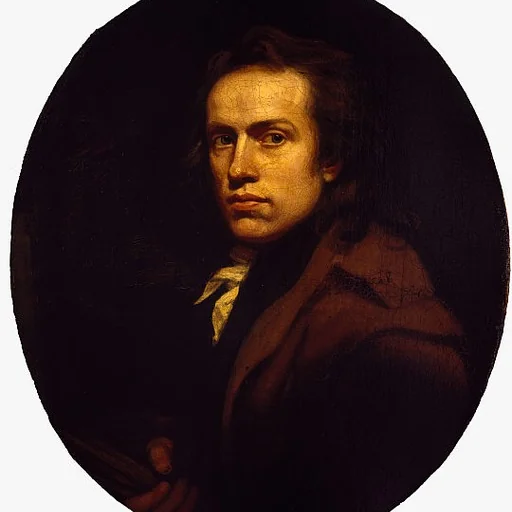
John Opie (16 May 1761 – 9 April 1807) was a British painter whose subjects included many prominent men and women of his day, members of the British royal family and others who were notable in the artistic and literary careers.

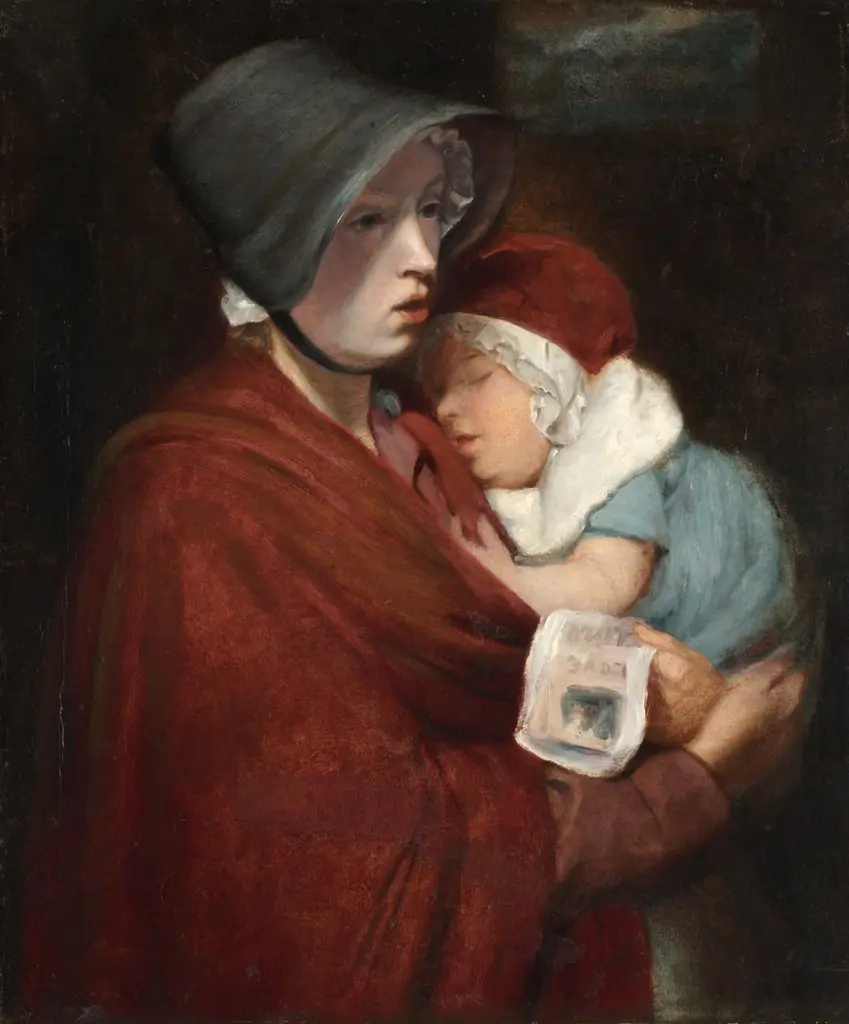 Street Singer and Child
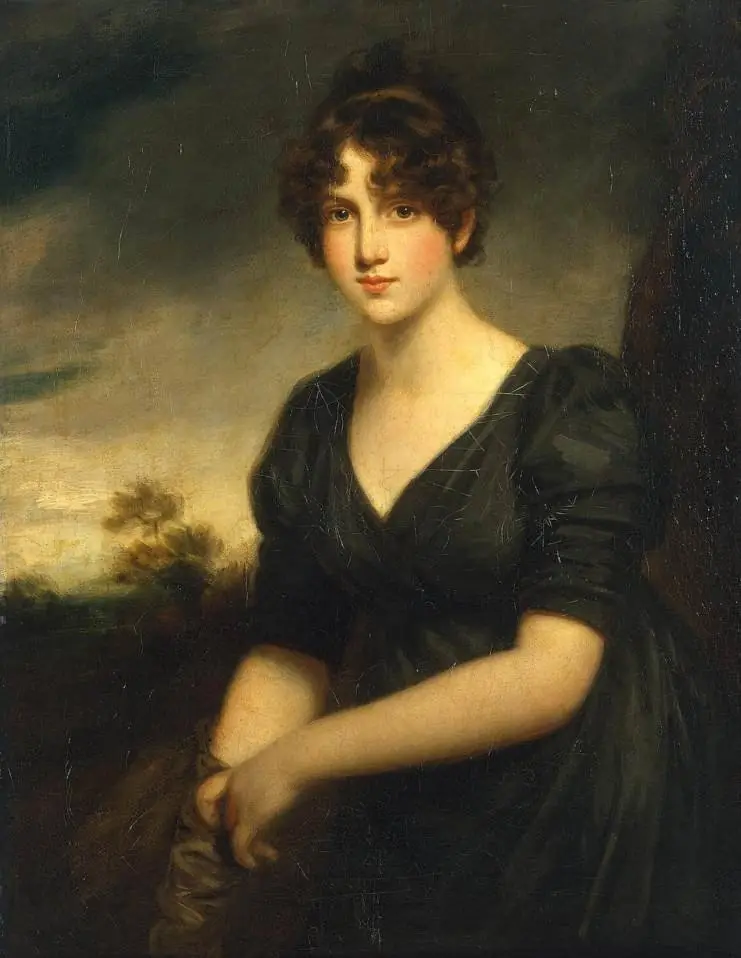 Portrait of a Woman (Miss Frances Winnicobe ?)
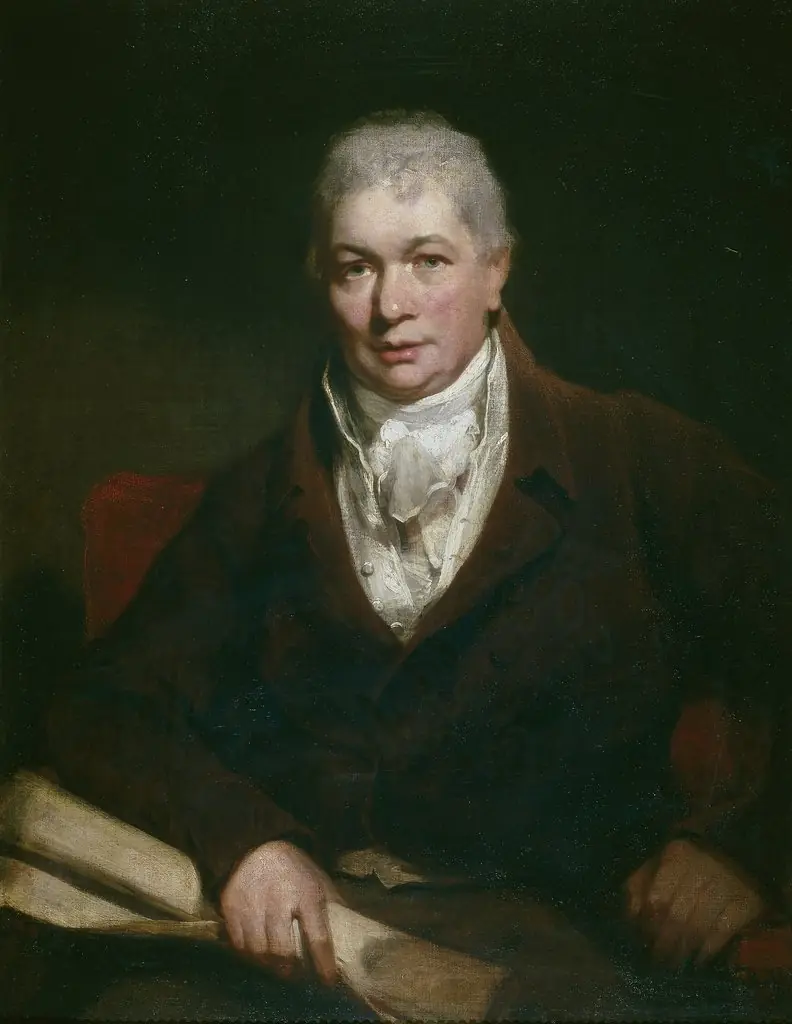 Portrait of a Man
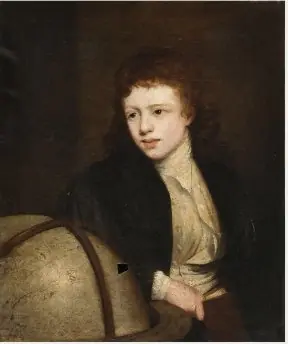 Portrait of ?Josias Rowley (1765-1842), later Vice-Admiral and Baronet
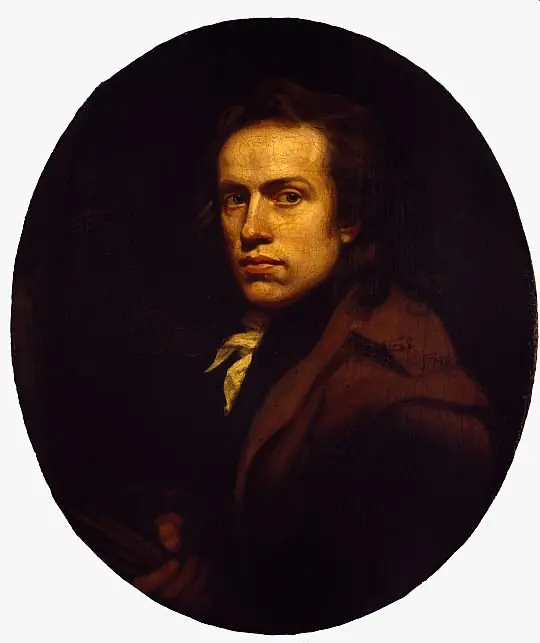 Self-portrait
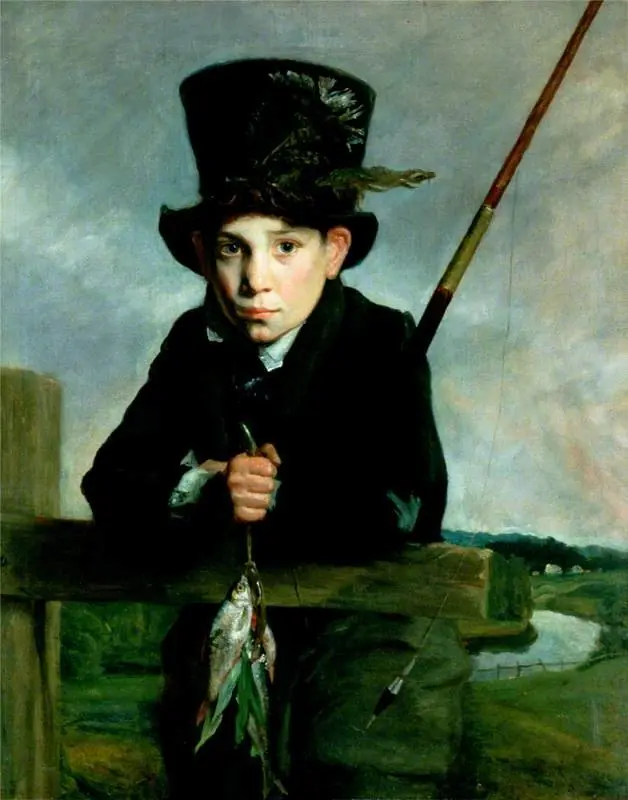 Portrait of a Boy in a Top Hat with Flies
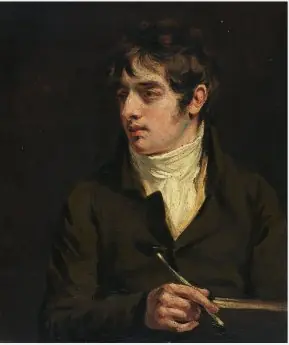 Presumed Portrait of Thomas Girtin (1775-1802), Artist
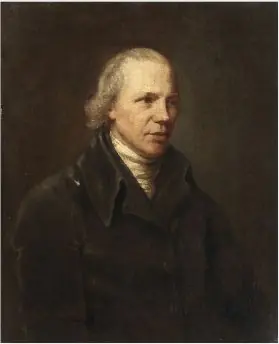 Supposed Portrait of James Barry (1741-1806), Artist
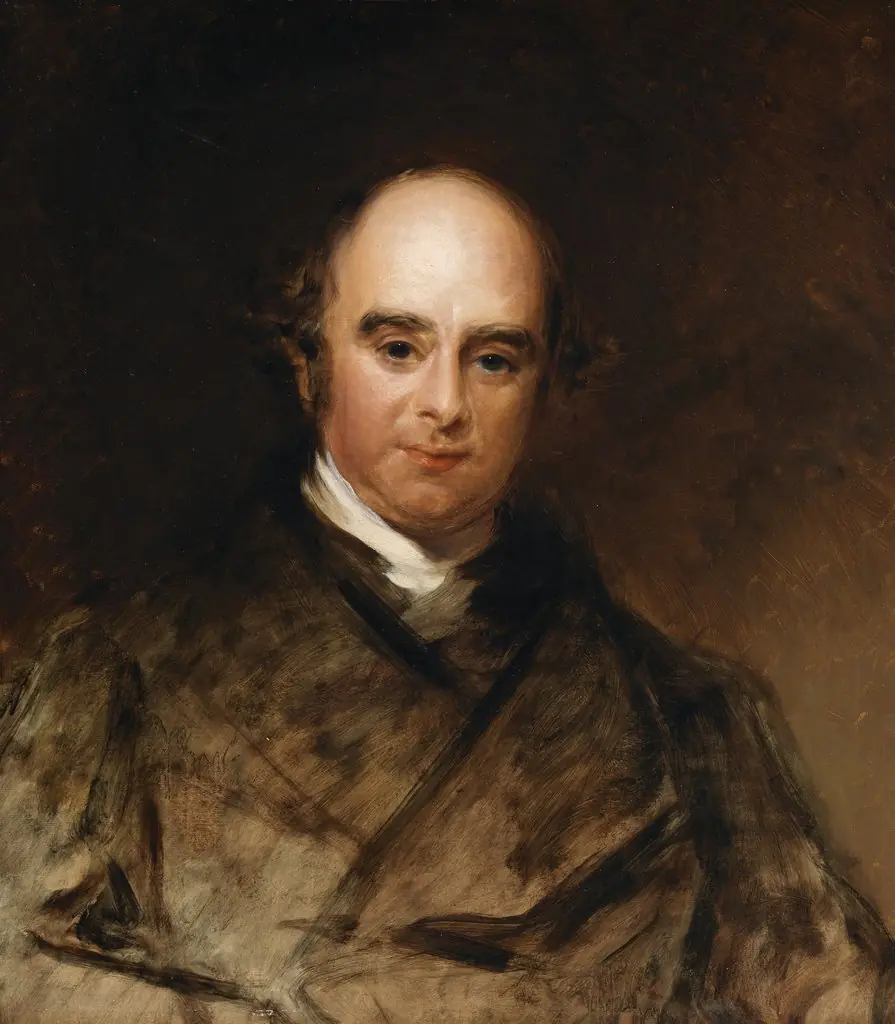 Portrait of Professor J.H. Todd (1805-1869), Author and Antiquary
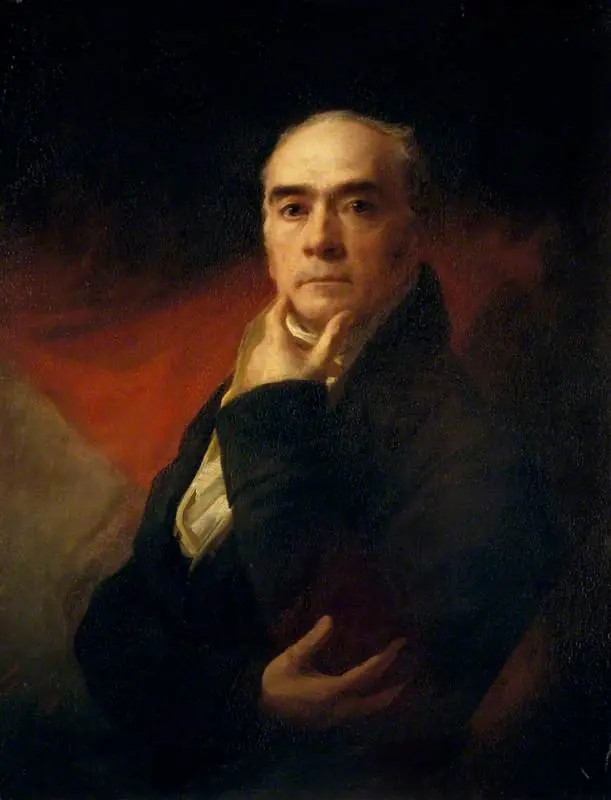 Self-portrait
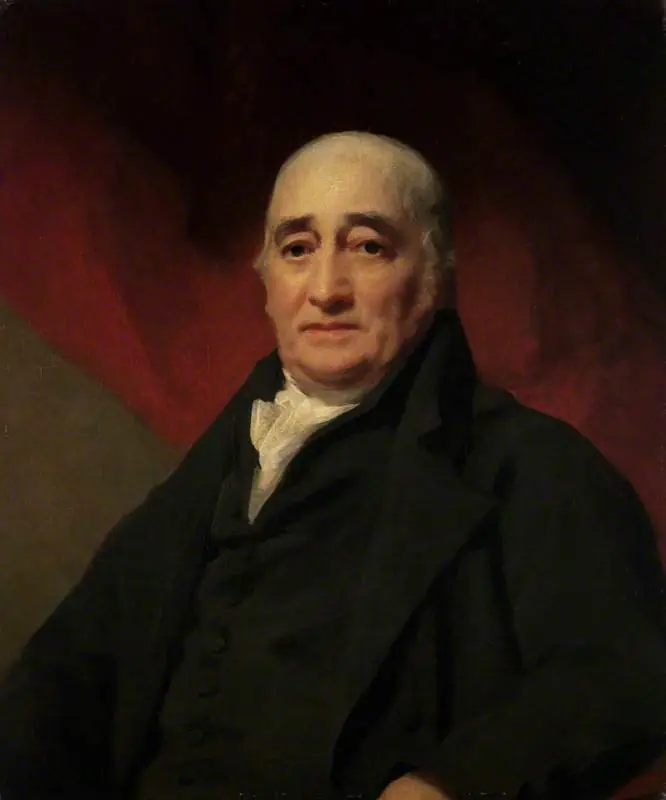 Alexander Bonar of Ratho (1750 - 1820)
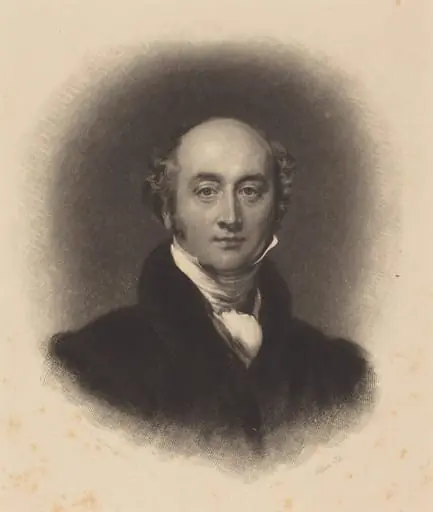 Sir Thomas Lawrence
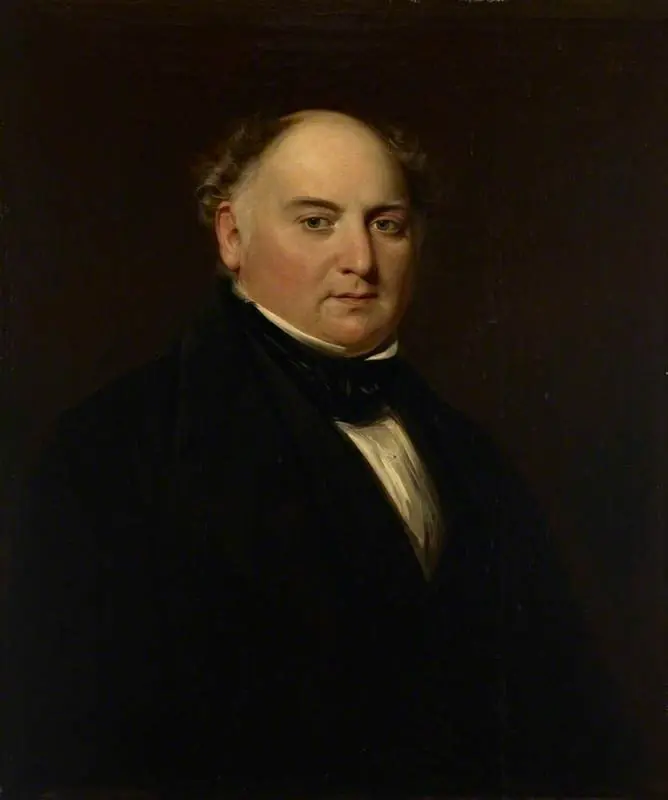 Self-portrait
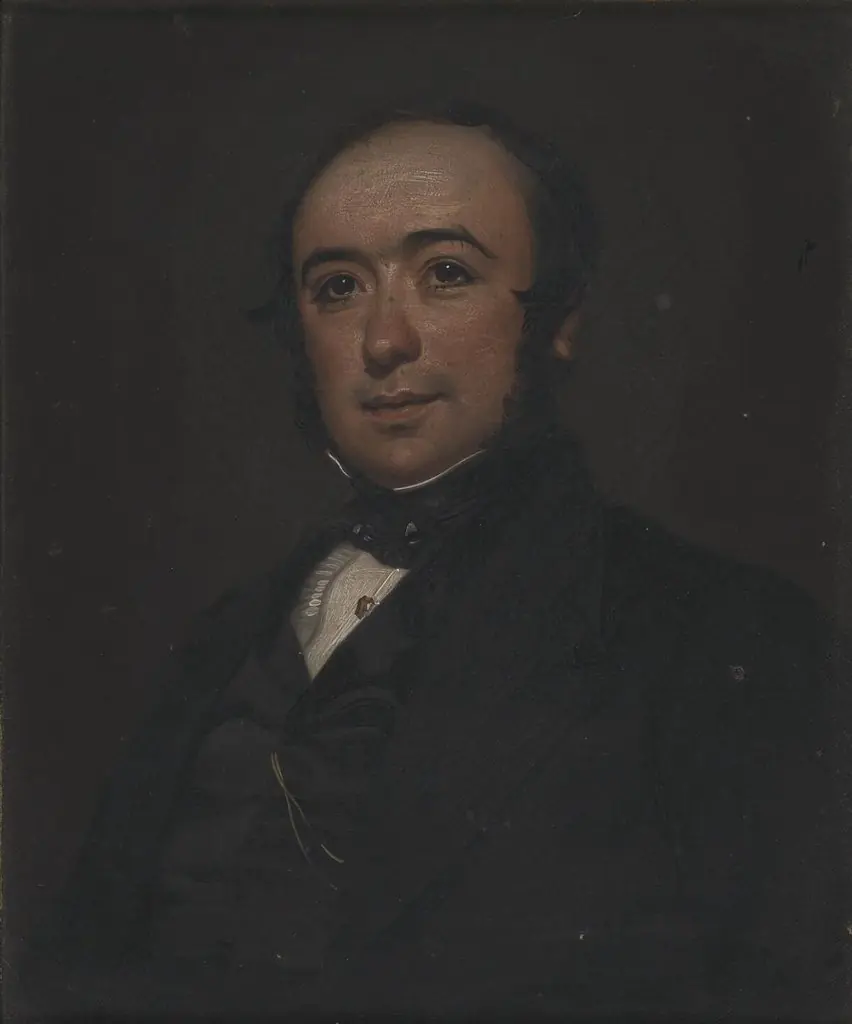 Thomas Davies, Llandingad
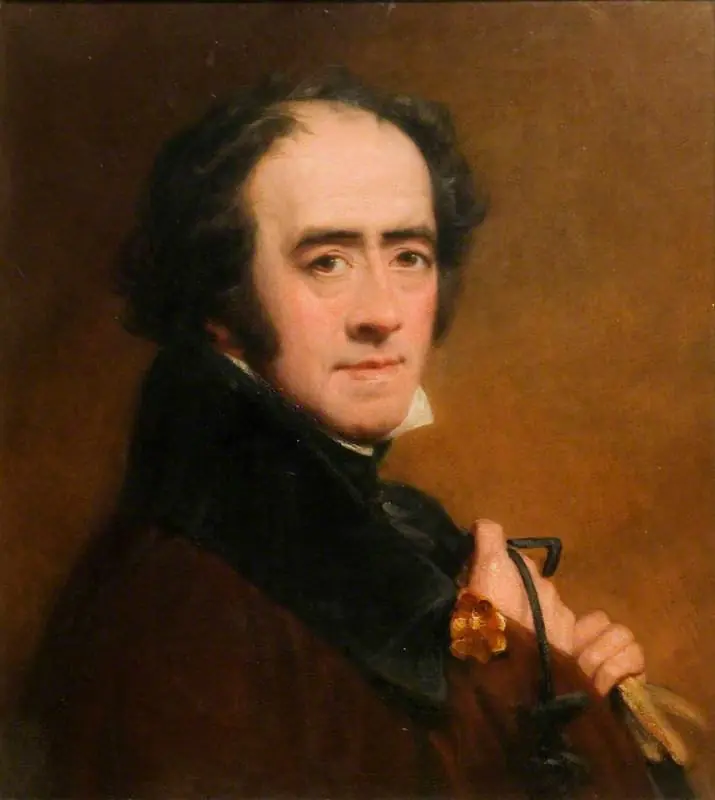 Self Portrait
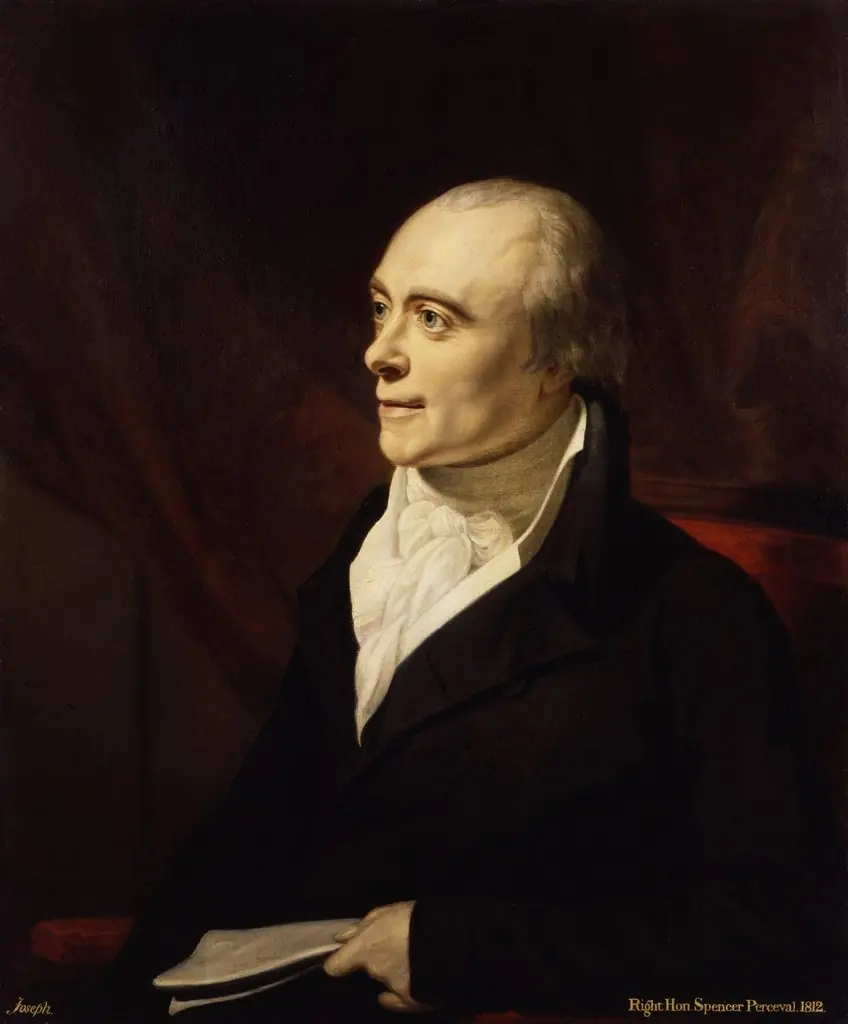 Spencer Perceval
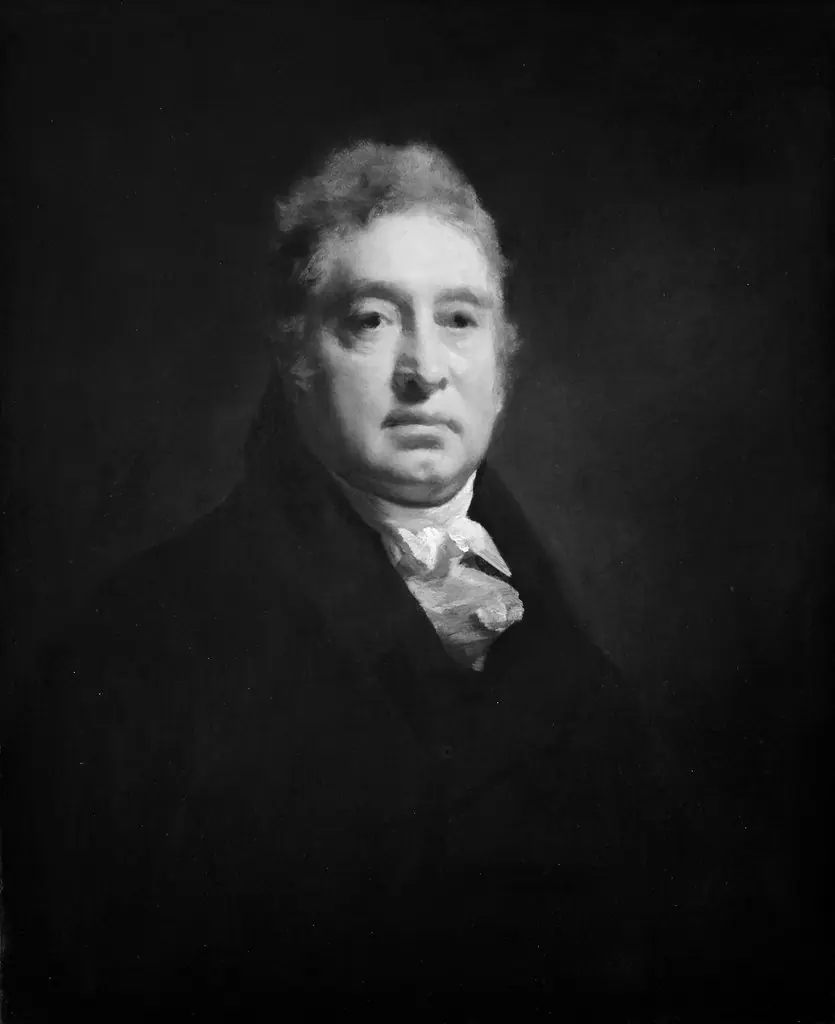 Portrait of a Man with Gray Hair
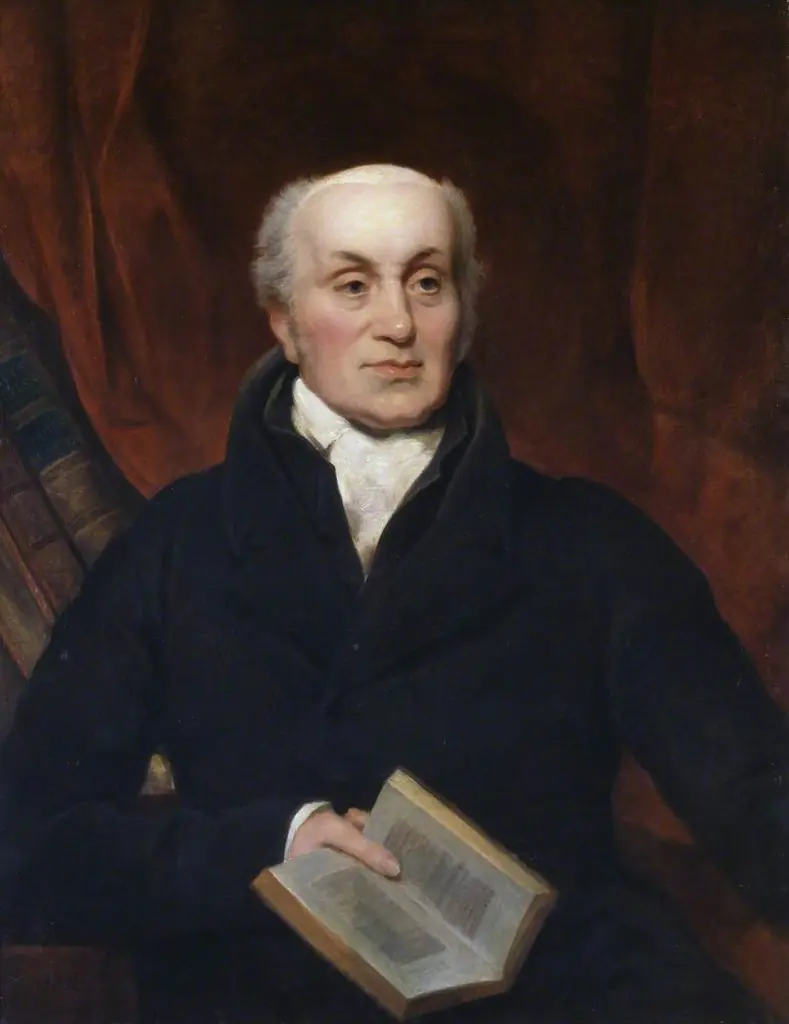 Joseph Planta (1744–1827), Principal Librarian (1799–1827)
 Richard Payne Knight (1751–1824), Benefactor and Trustee of the British Museum (copy after Sir Thomas Lawrence)
 Thomas Williams