Artwork
Judge Charles Chambers
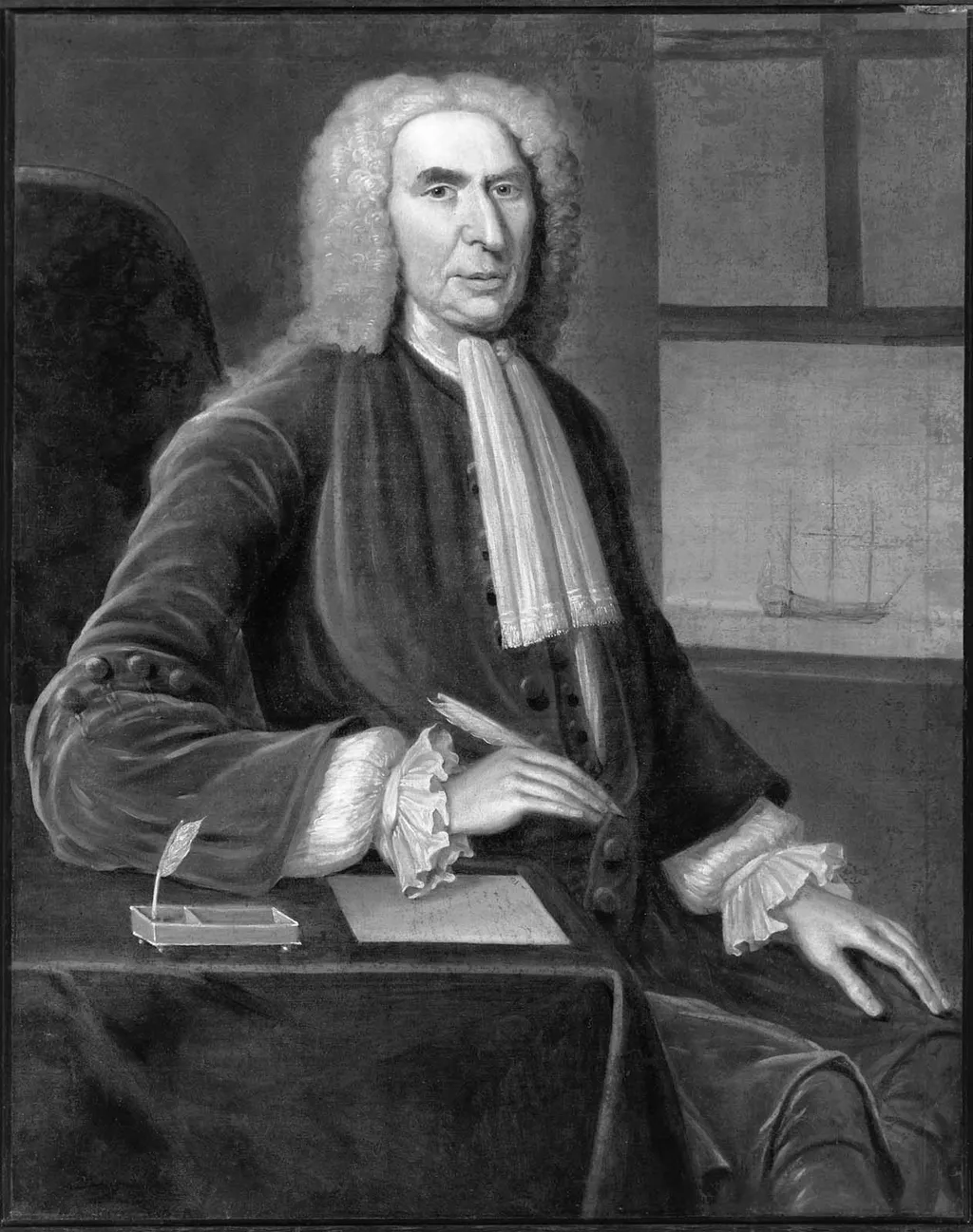
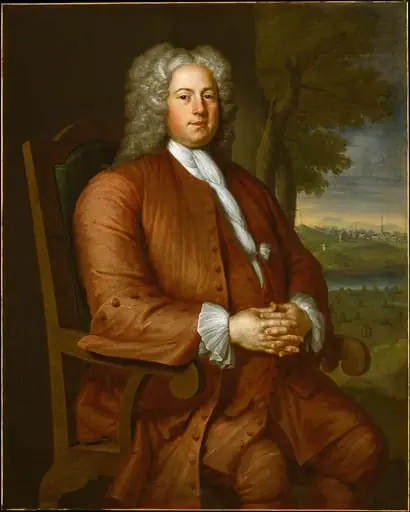
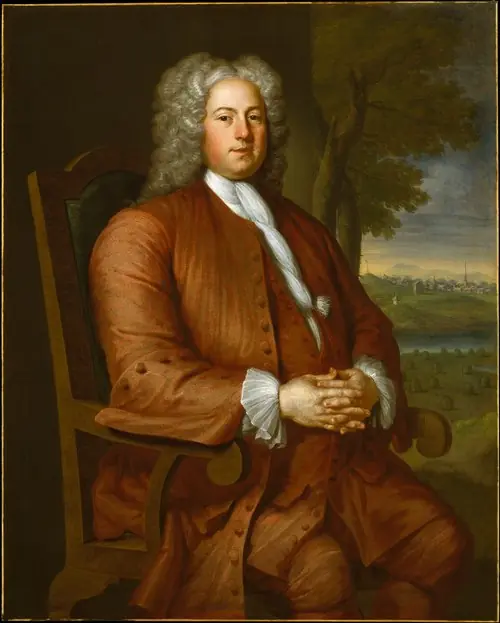
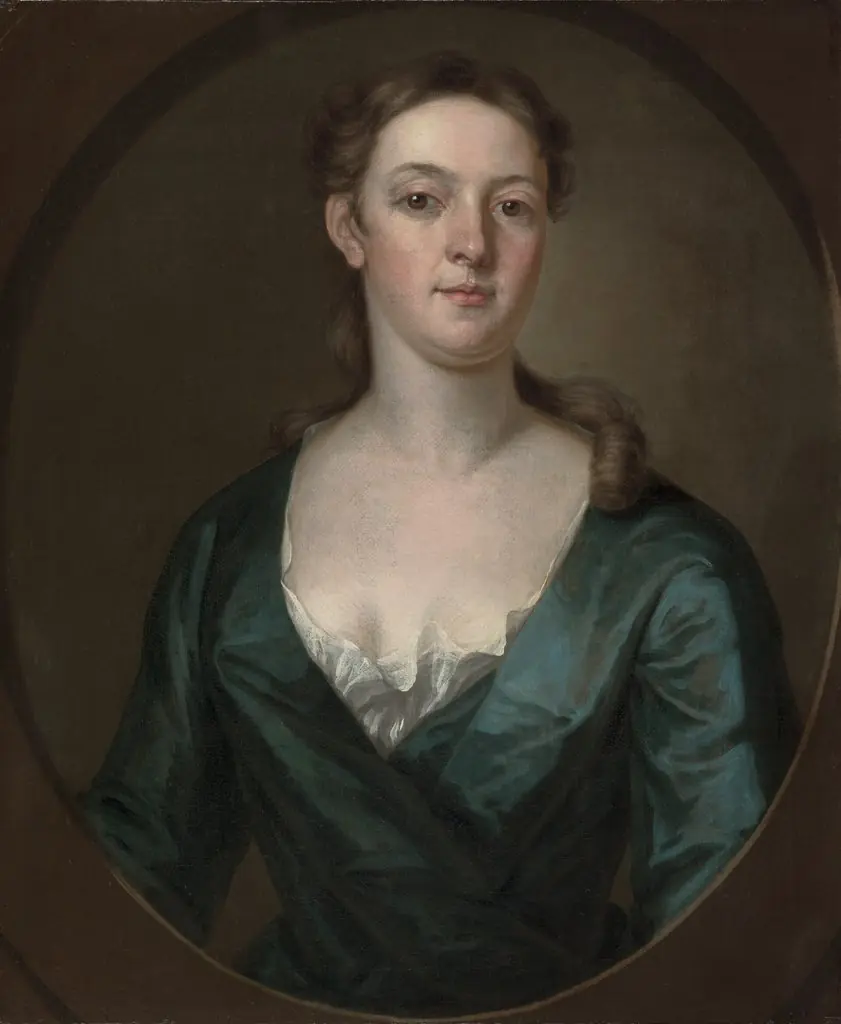
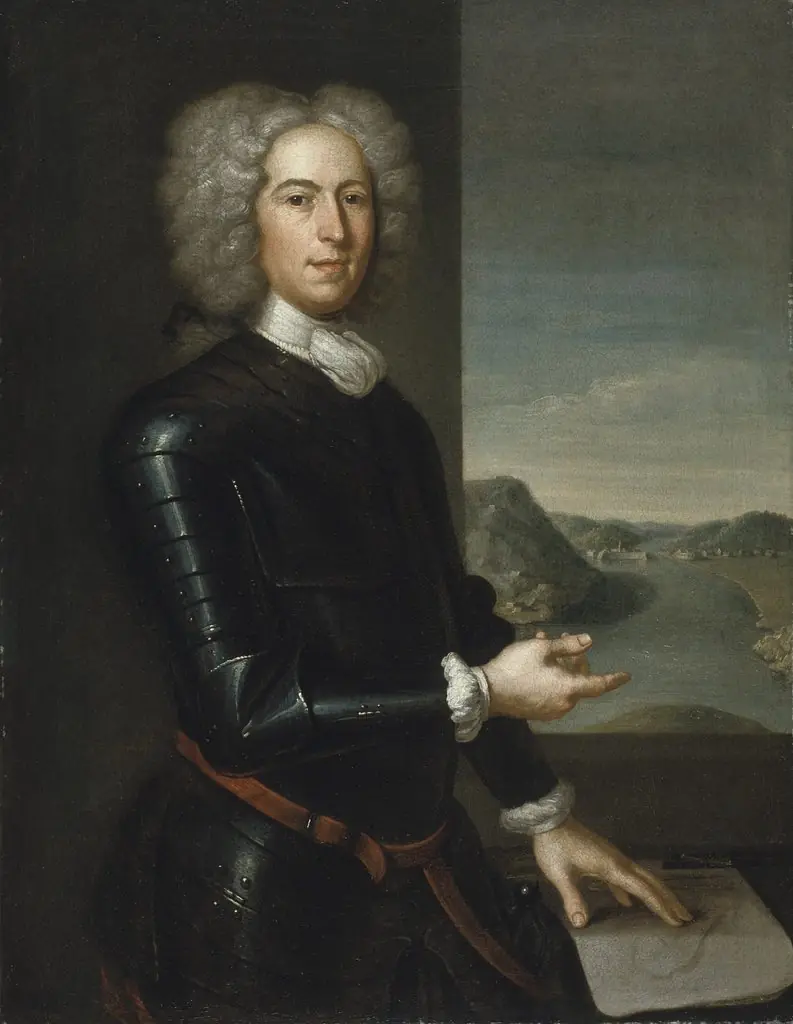
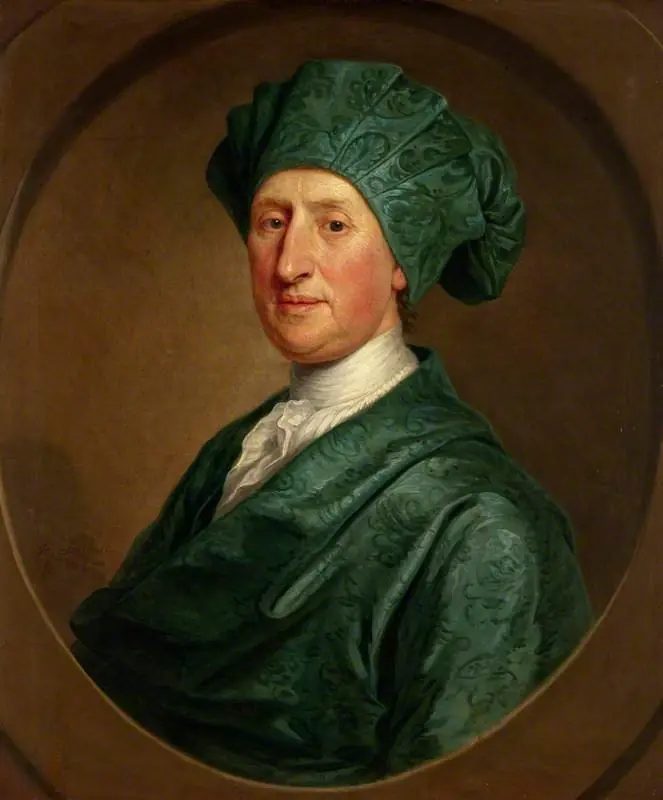
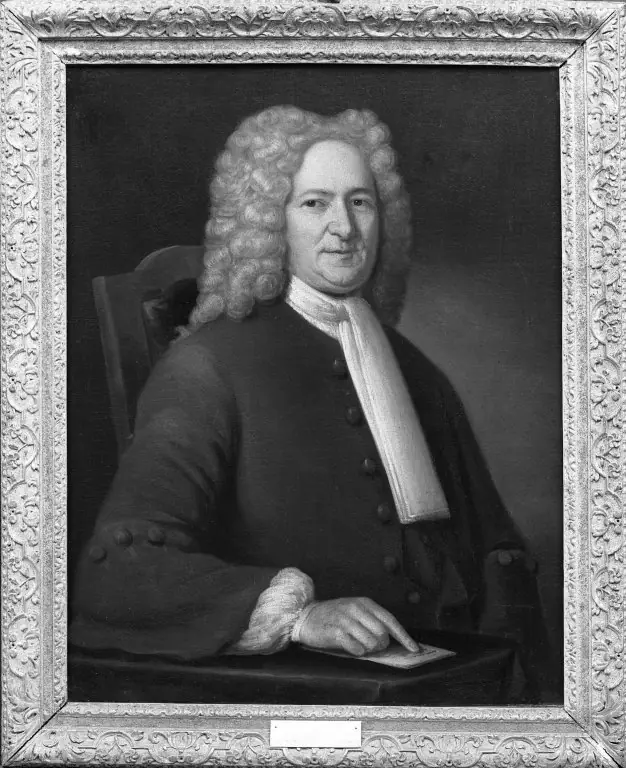
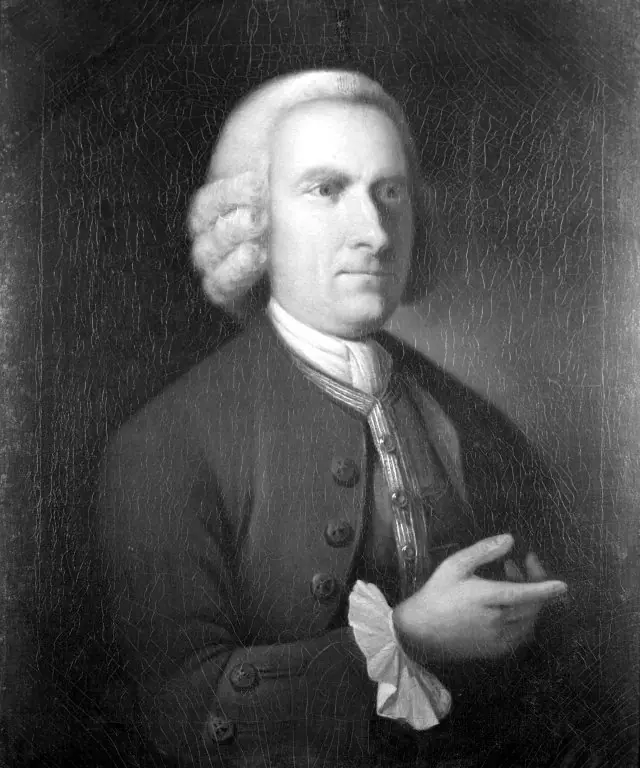
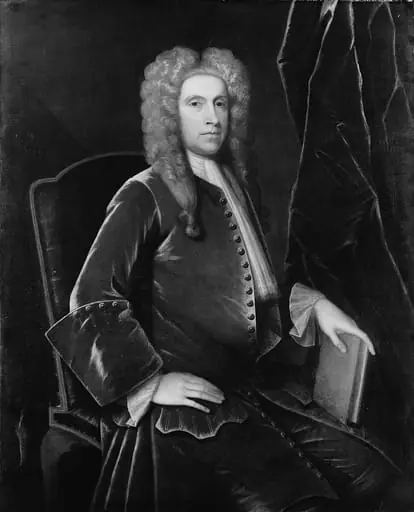
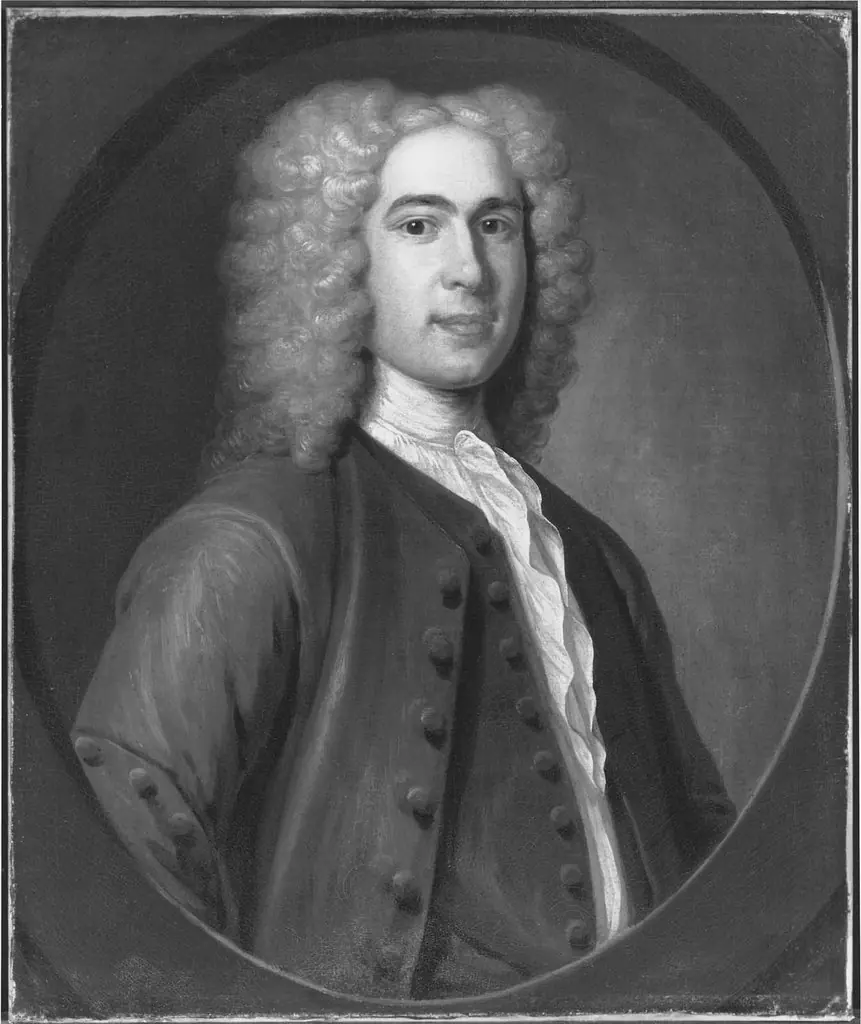
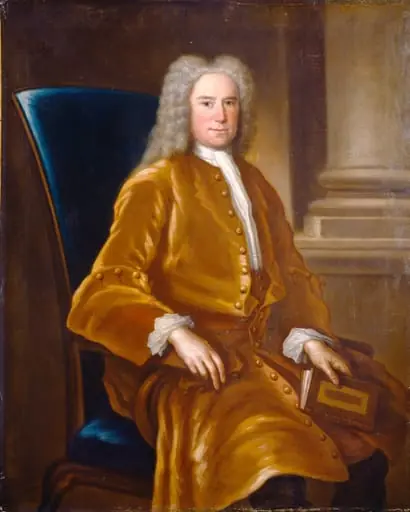
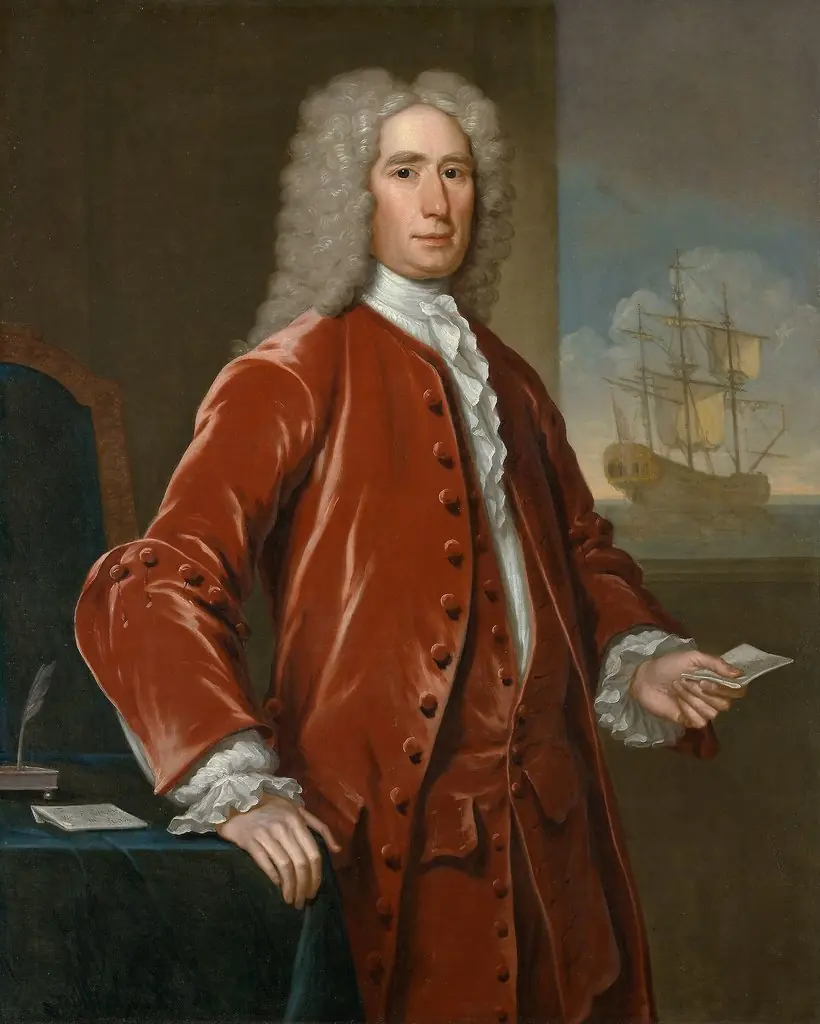
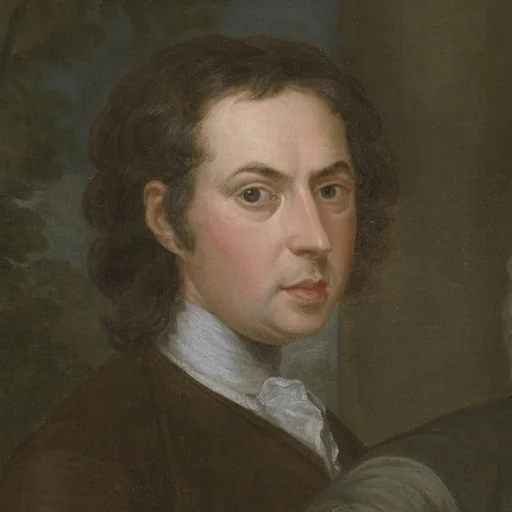
Judge Charles Chambers is an oil painting by the Rococo painting artist John Smibert. It dates from 1743 and is held in the collection of the Museum of Fine Arts Boston.
About this work
Overview
Smibert, trained in Europe and the first artist in British America with formal academic grounding, brought European conventions to colonial portraiture.
Painted in 1743 by John Smibert, *Judge Charles Chambers* is an oil portrait of a colonial legal figure. Smibert, trained in Europe and the first artist in British America with formal academic grounding, brought European conventions to colonial portraiture. The work is part of the Museum of Fine Arts, Boston’s permanent collection and represents an early example of refined secular portraiture in the American colonies.
Subject & Meaning
The subject, Judge Charles Chambers, is depicted seated at a desk, holding a quill pen, suggesting his role in legal affairs. His formal attire—dark coat, white ruffled shirt—conveys status and professionalism. The open box of pens and the desk’s orderly arrangement imply a man engaged in duty, not mere display. The portrait emphasizes dignity and authority, aligning with the values of colonial elite society.
Technique & Style
Smibert employed oil paint with careful attention to texture and light, using subtle chiaroscuro to model the face and fabric. The composition is balanced and restrained, avoiding excessive ornamentation despite its Rococo-era origins. Details like the ruffled cuffs and the grain of the wooden desk are rendered with precision, reflecting European academic training and a focus on verisimilitude over theatricality.
History & Provenance
Commissioned during Smibert’s time in Boston, the portrait was likely created for Chambers’ family or associates. It remained in private hands until entering the Museum of Fine Arts, Boston’s collection, where it has been preserved as a key example of early American portraiture. Its survival offers rare insight into the material culture and social aspirations of colonial officials in the mid-18th century.
Context
In 1740s British America, formal portraiture was rare and largely imported from Europe. Smibert’s presence in Boston marked a shift: local elites could now commission likenesses from a trained artist. This painting reflects the growing desire among colonial officials to align themselves visually with European norms of power and refinement, even in a distant outpost of the empire.
Legacy
As one of the earliest surviving portraits by Smibert in the colonies, it helped establish a precedent for American portraiture. His approach influenced later artists who sought to blend European technique with local subjects. Though not widely known today, the work remains a foundational piece in understanding the development of visual culture in early America.
Artist & collection
Artist
John Smibert (24 March 1688 – 2 April 1751) was a Scottish-born painter who specialised in portrait painting and was the first academically trained artist to work in British America.