Artwork
Mrs. James Pitts
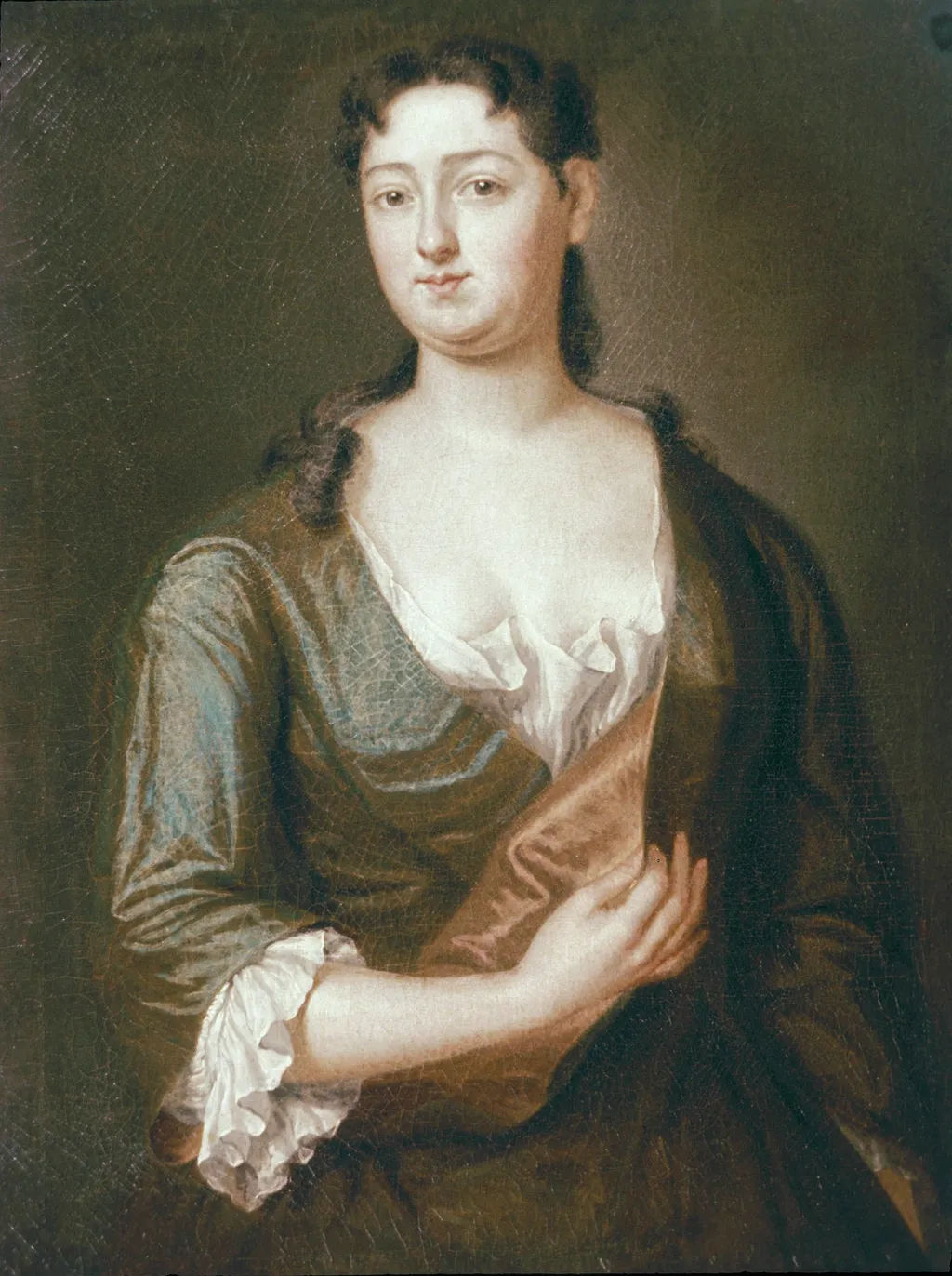
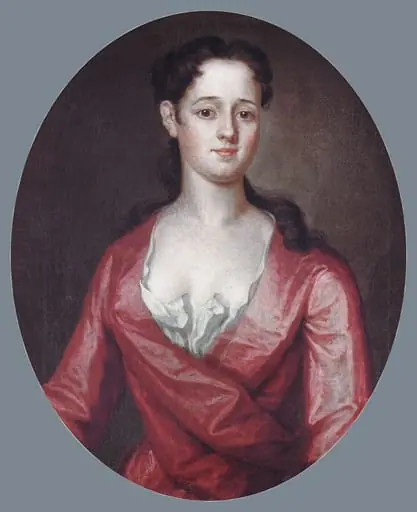
Mrs. James Pitts is an oil painting by the Rococo painting artist John Smibert. It dates from 1735 and is held in the collection of the Detroit Institute of Arts. Mrs.
About this work
Overview
Mrs. James Pitts is an oil painting created in 1735 by John Smibert, a Scottish-born artist trained in Europe. The work is a portrait of a woman in 18th-century attire, characterized by a dark dress with white accents, an updo, and a neutral expression. Her hands are clasped, holding an indistinct object, set against a muted background that emphasizes her dignified presence.
Subject & Meaning
The subject, Mrs. James Pitts, is portrayed with quiet dignity and reserve, conveyed through her direct yet neutral gaze and composed posture. The specifics of the object she holds (possibly fabric or a letter) are left ambiguous, focusing attention on her demeanor rather than narrative detail.
Technique & Style
Painted in the Rococo style, the portrait showcases Smibert's European training. The use of a dark, muted background to highlight the subject, along with the attention to textile details (ruffled collar, cuffs), exemplifies the style's emphasis on elegance and subtle nuance.
History & Provenance
As the first academically trained artist to practice portrait painting in British America, Smibert's work marks an important milestone. *Mrs. James Pitts* is currently part of the Detroit Institute of Arts collection.
Context
Created during Smibert's practice in British America, the painting reflects the introduction of European artistic traditions to the colonial setting, influencing local portraiture.
Legacy
While specific lasting impacts of *Mrs. James Pitts* on broader art movements are not prominently documented, it remains significant as an early example of academically trained portraiture in British America, attributed to Smibert's pioneering role.
Own this work as a print
Artist & collection
Artist
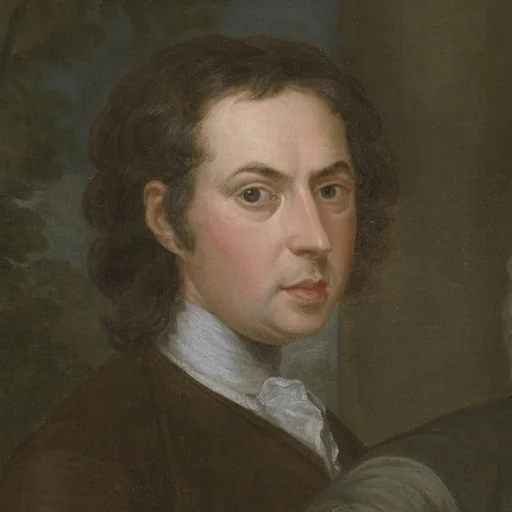
John Smibert (24 March 1688 – 2 April 1751) was a Scottish-born painter who specialised in portrait painting and was the first academically trained artist to work in British America.

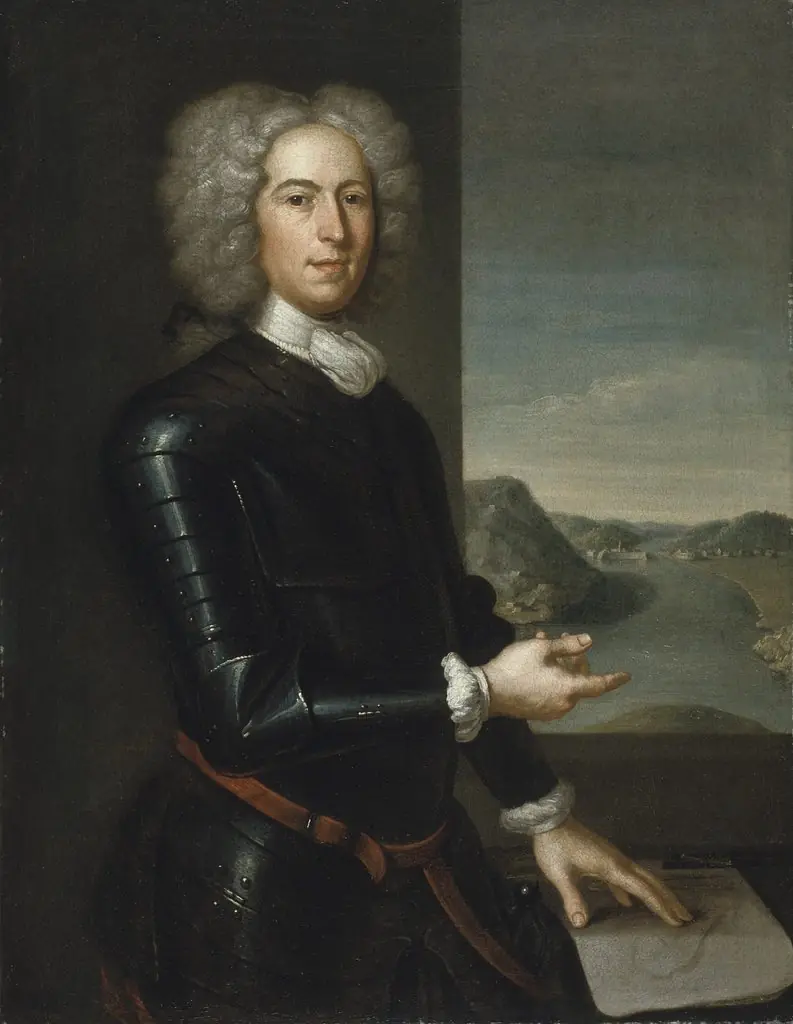
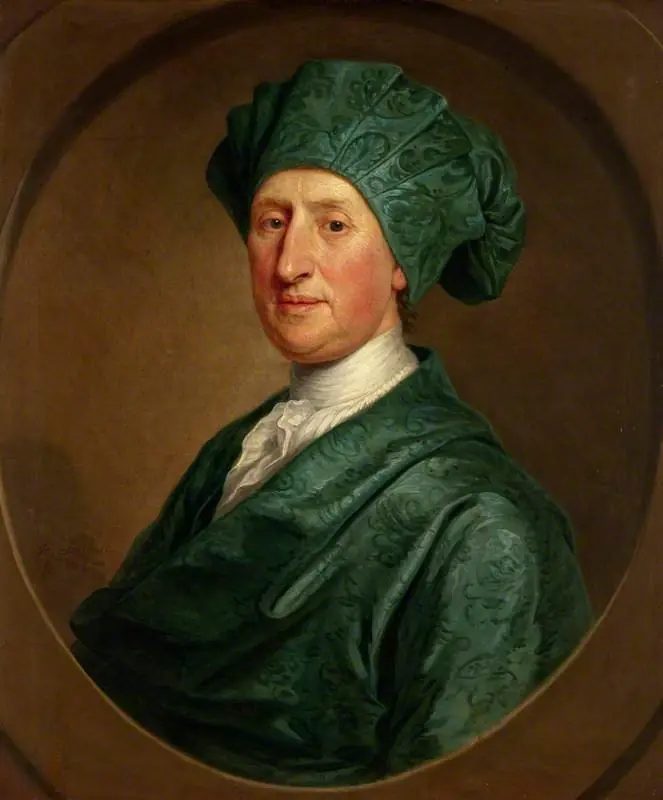
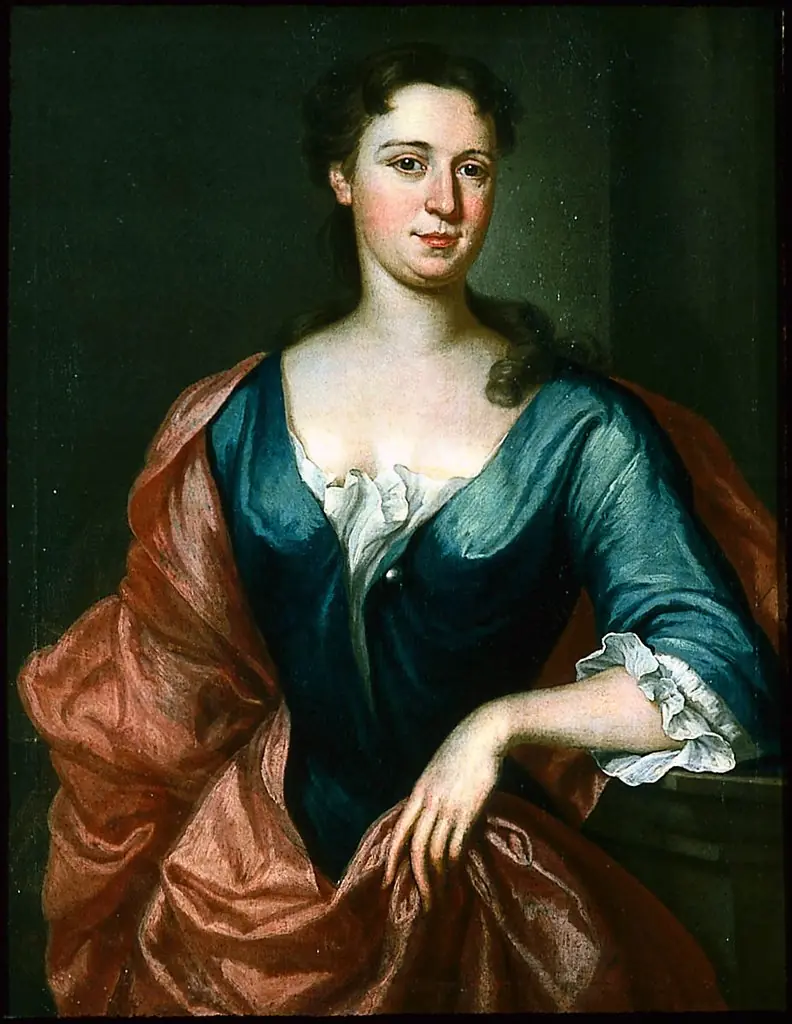 Mrs. Tyng
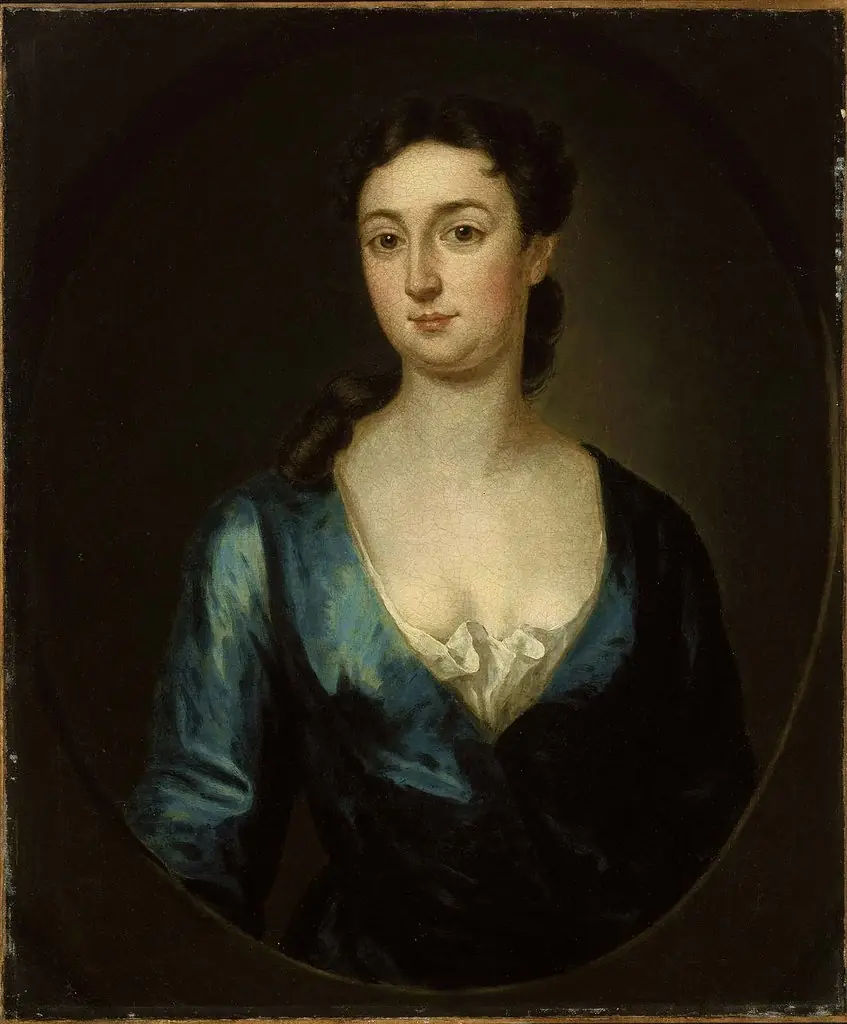 Mrs. James MacSparran (Hannah Gardiner)
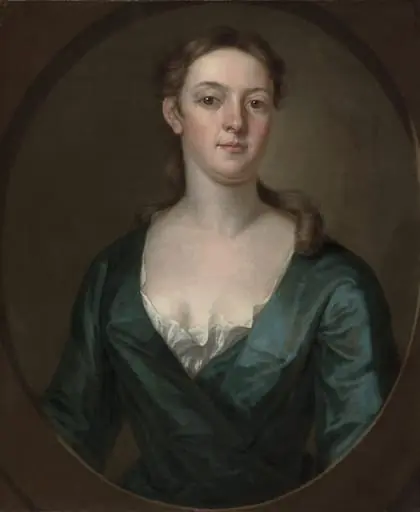 Portrait of a Woman (Judith Colman Bulfinch?)
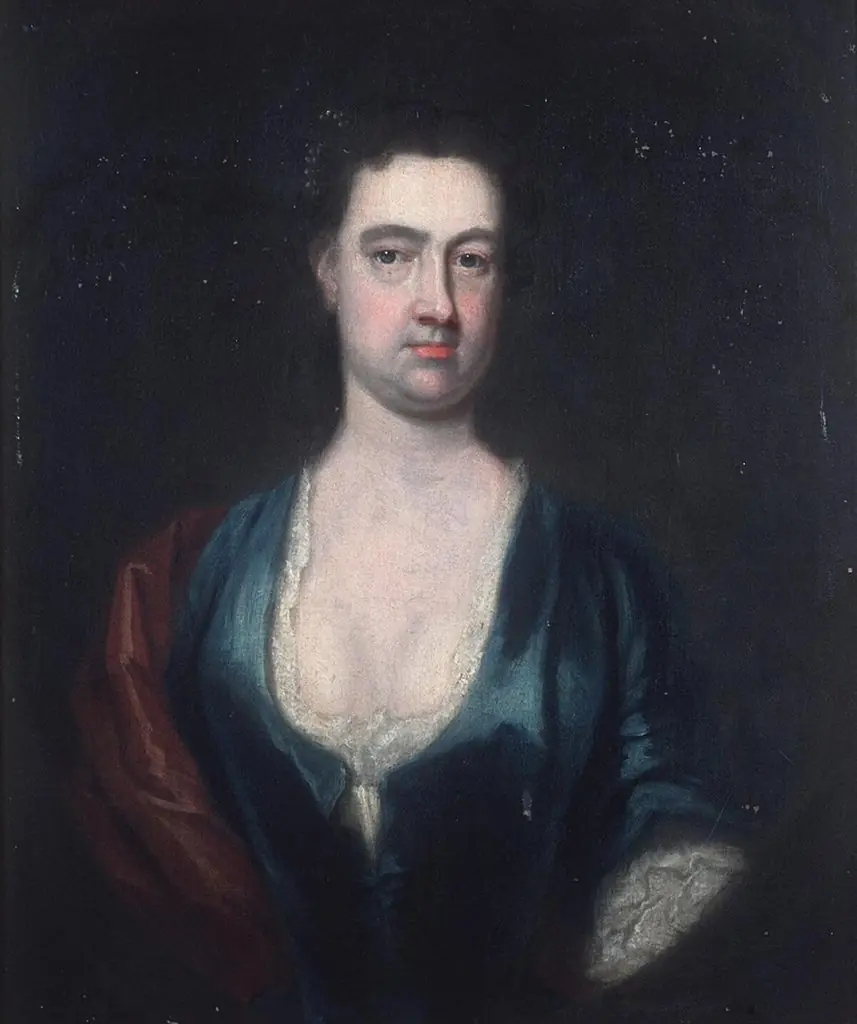 Anne Corbet, Eldest Daughter of V Corbet
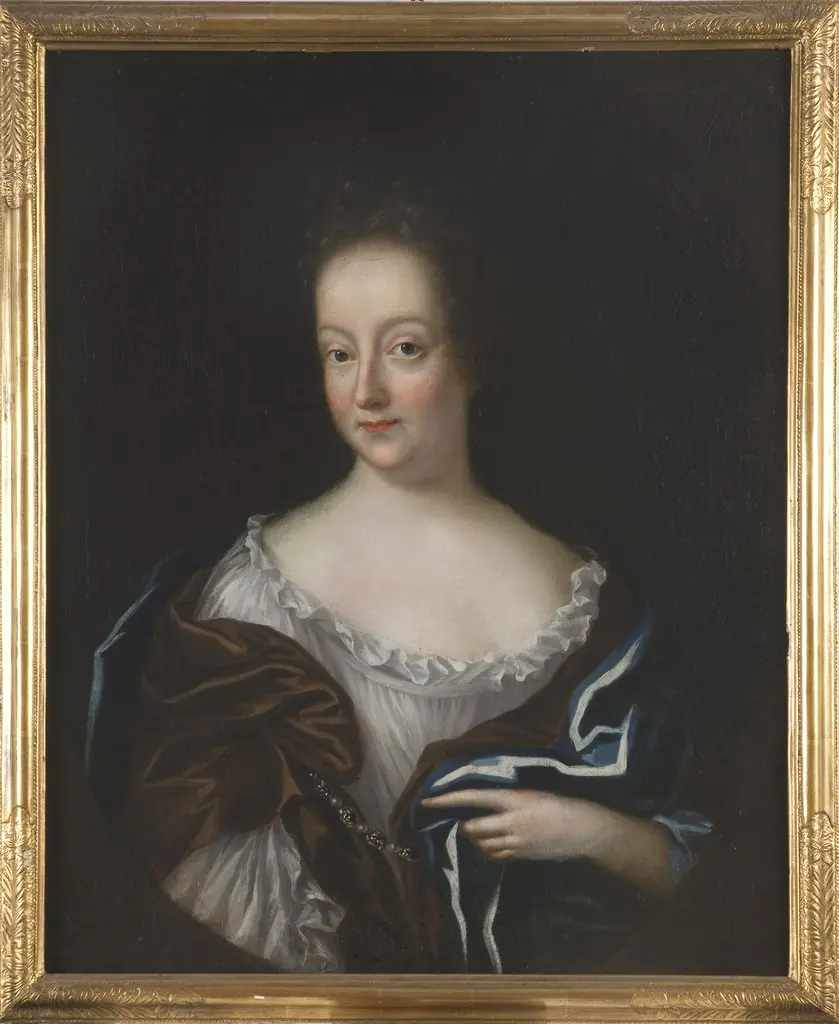 Beata Elisabet von Königsmarck (1637-1723), grevinna, gift med greve Pontus Fredrik De la Gardie
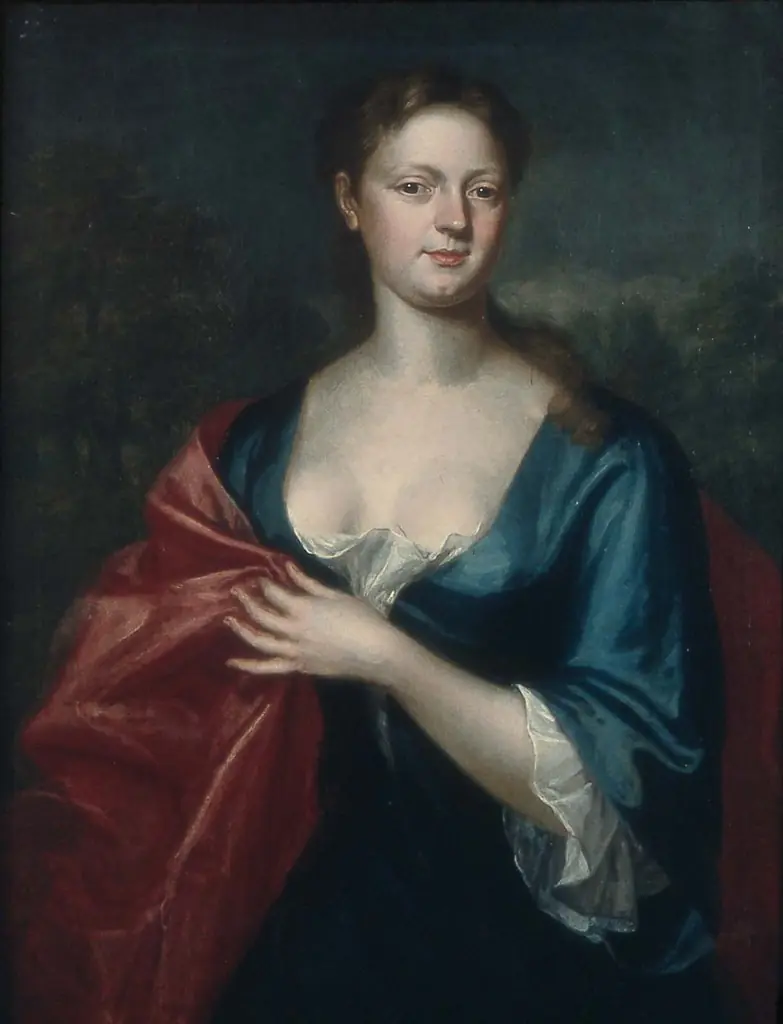 Mrs. William Dudley (Elizabeth Davenport)
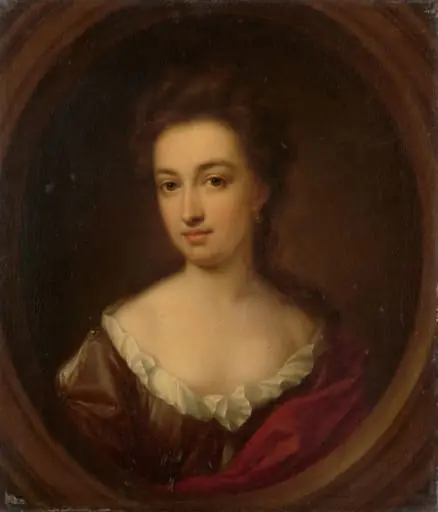 Josina Clara van Citters (1671-1753), Sister of Anna van Citters
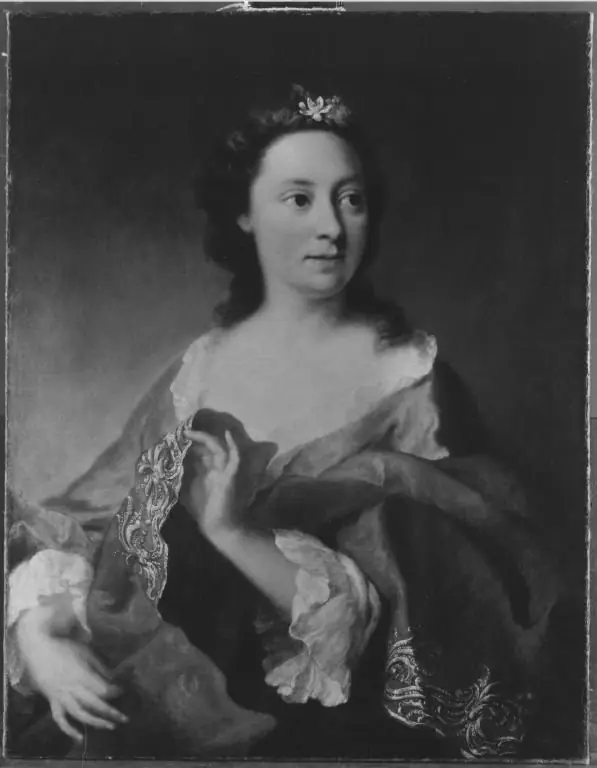 Bildnis der Gemahlin des Hofmedailleurs Franz Aandreas Schega
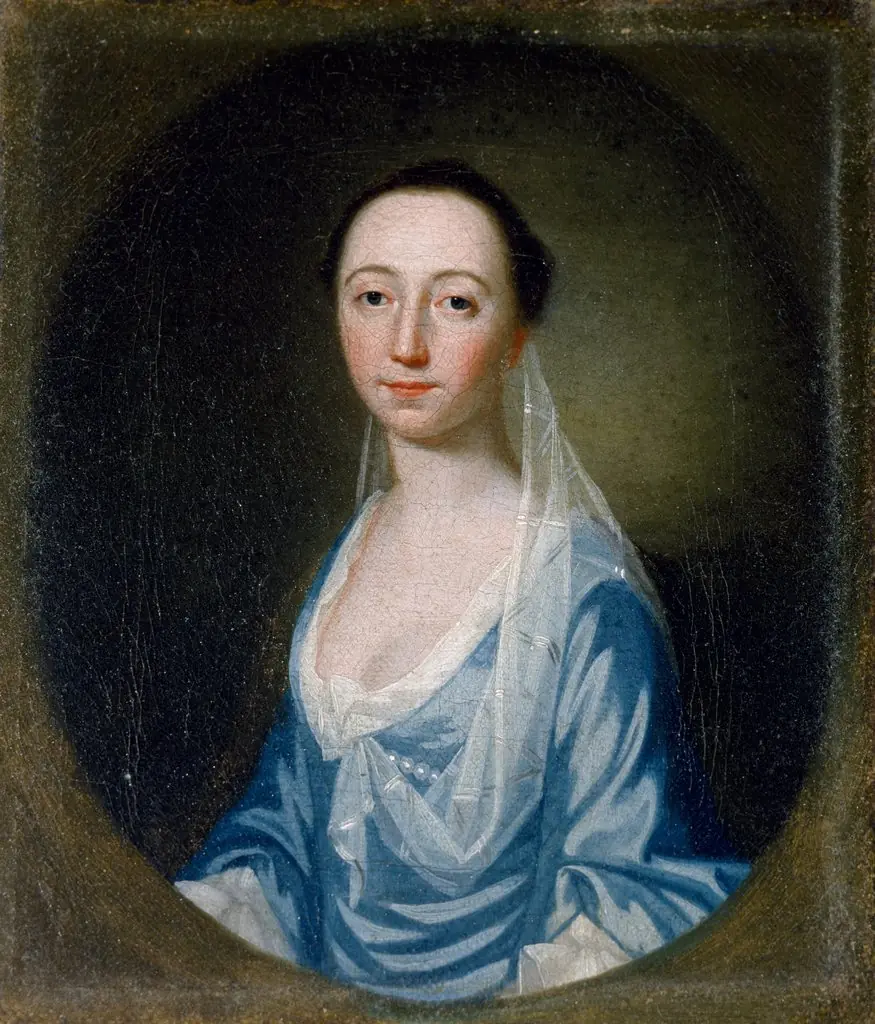 Millicent Watson
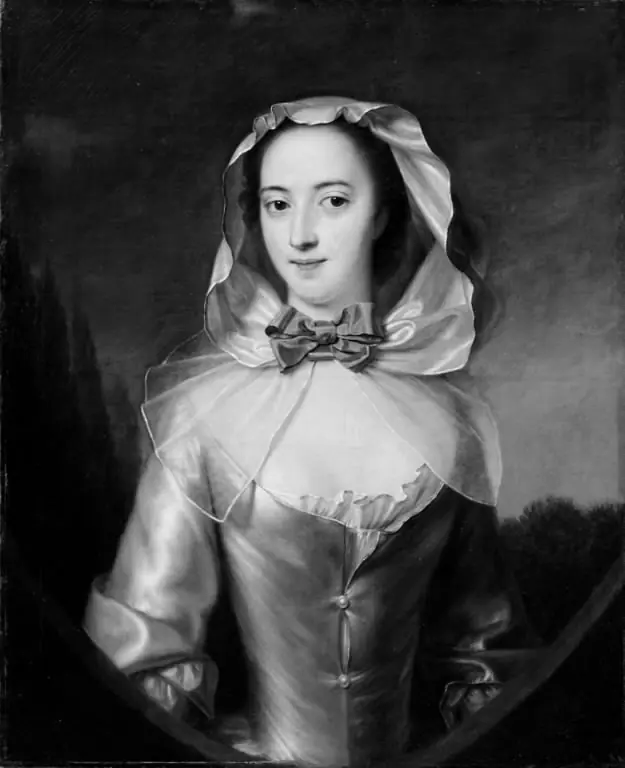 Portrait of a lady