Artwork
Unknown man
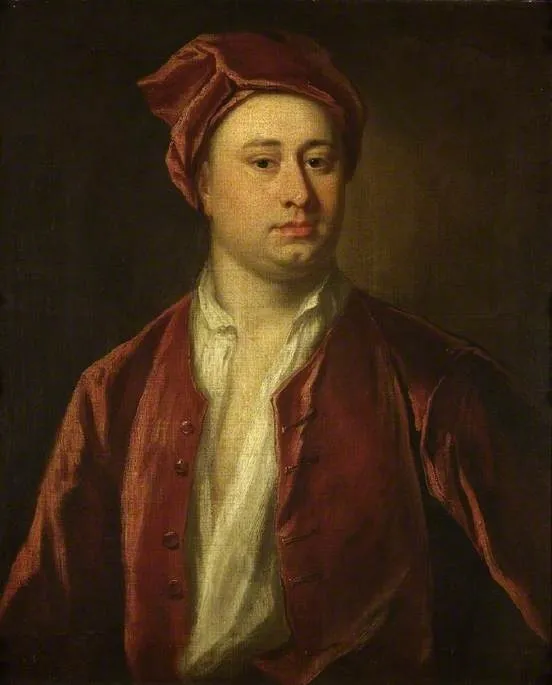
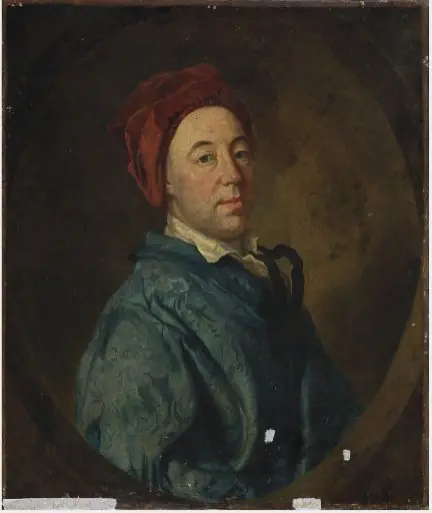
Unknown man is an oil painting by the American Folk Art artist John Smibert. It dates from 1729 and is held in the collection of the Fitzwilliam Museum.
About this work
Overview
Painted around 1729, this portrait is one of the earliest known works by John Smibert, a Scottish artist who brought European training to British America.
Painted around 1729, this portrait is one of the earliest known works by John Smibert, a Scottish artist who brought European training to British America. It represents a rare example of formal portraiture in the colonies before the establishment of art academies. The subject remains unidentified, but the careful rendering of costume and lighting suggests a sitter of modest means seeking to convey dignity through appearance.
Subject & Meaning
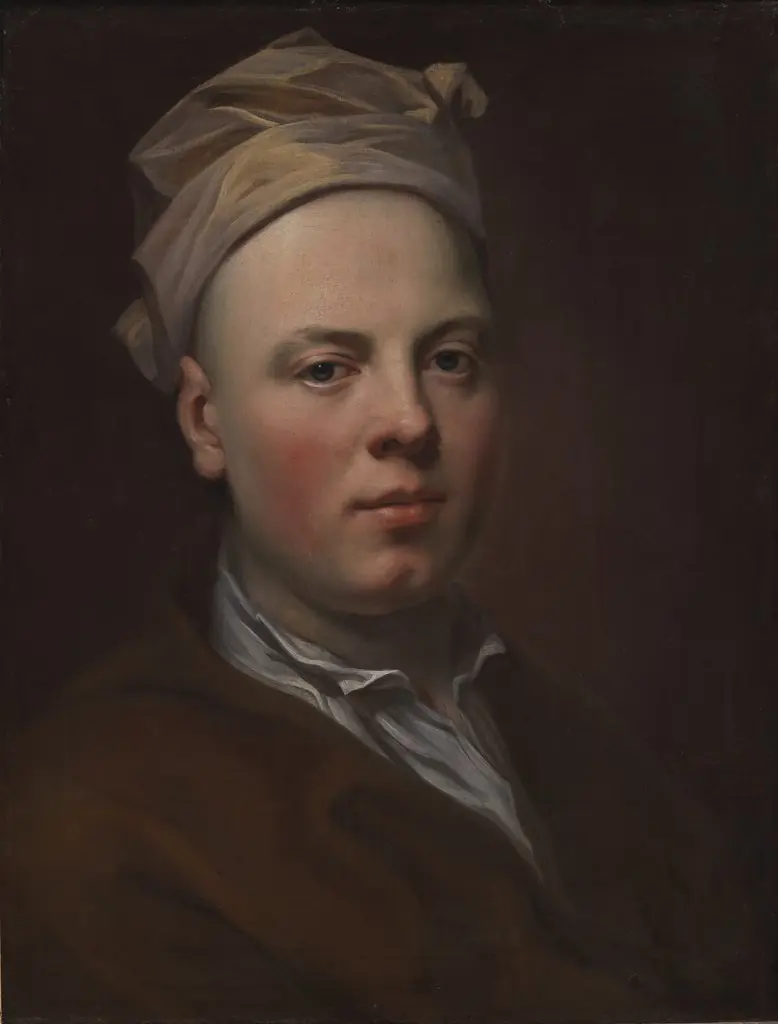
The unidentified man is depicted in a red velvet jacket and matching cap, garments that signal social aspiration rather than aristocratic status. His neutral expression and direct gaze convey composure, typical of colonial portraiture’s emphasis on restraint and decorum. The choice of rich fabric and precise tailoring implies a desire to project refinement, possibly reflecting the sitter’s role in a growing mercantile society.
Technique & Style
Smibert employed chiaroscuro to model the face and clothing, creating depth against a dark, undefined background. The brushwork is controlled, with attention to texture in the velvet and linen, yet the overall style remains unembellished. This restrained approach reflects both the artist’s academic training and the practical constraints of working in a colonial environment without access to elaborate studio resources.
History & Provenance
The painting entered the collection of the Fitzwilliam Museum in Cambridge, England, where it remains today. Its journey from colonial America to a British institution suggests it may have been acquired by a collector with ties to the American colonies. Little is known of its early ownership, but its preservation reflects early recognition of Smibert’s significance in American art history.
Context
In the early 18th century, formal portraiture in British America was scarce, with few artists trained in European traditions. Smibert’s presence in Boston marked a turning point, as he introduced techniques and conventions unfamiliar to local artisans. This portrait exemplifies the transitional phase between folk representation and academic portraiture, bridging colonial practicality with European aesthetic norms.
Legacy
Though not widely known today, Smibert’s work laid foundational precedents for American portraiture. His disciplined approach influenced later artists who sought to elevate colonial imagery beyond mere likeness. This painting endures as a quiet testament to the emergence of a distinct artistic voice in early America, shaped by transatlantic training and local constraints.
Artist & collection
Artist
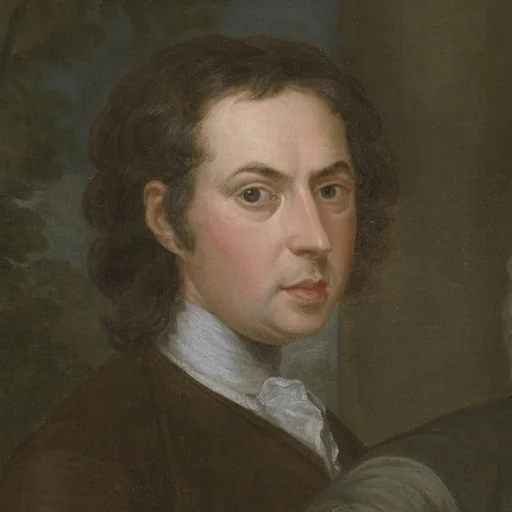
John Smibert (24 March 1688 – 2 April 1751) was a Scottish-born painter who specialised in portrait painting and was the first academically trained artist to work in British America.

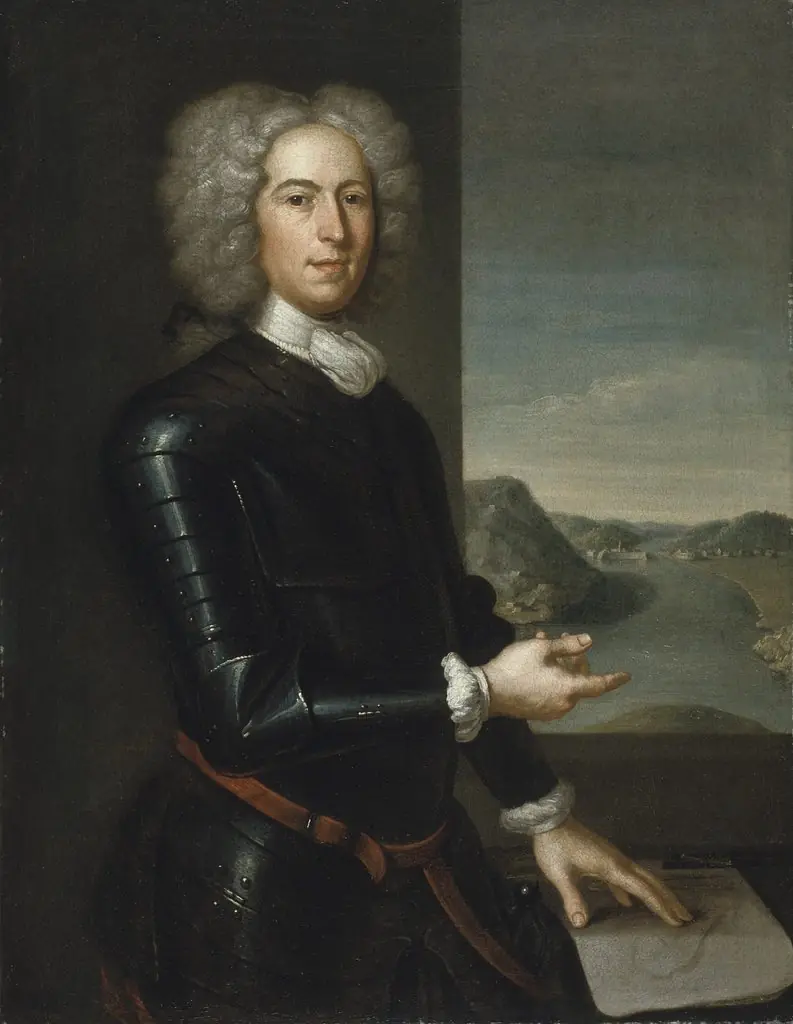
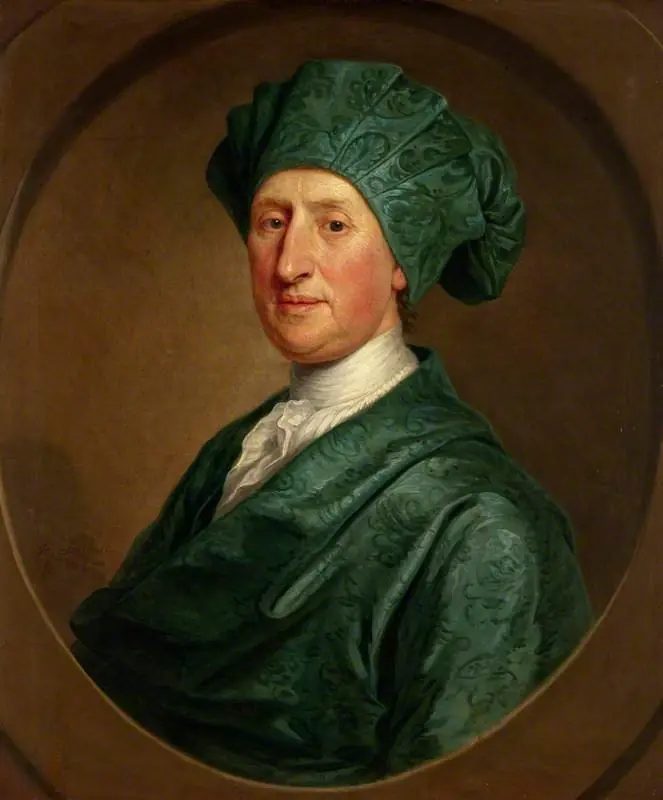
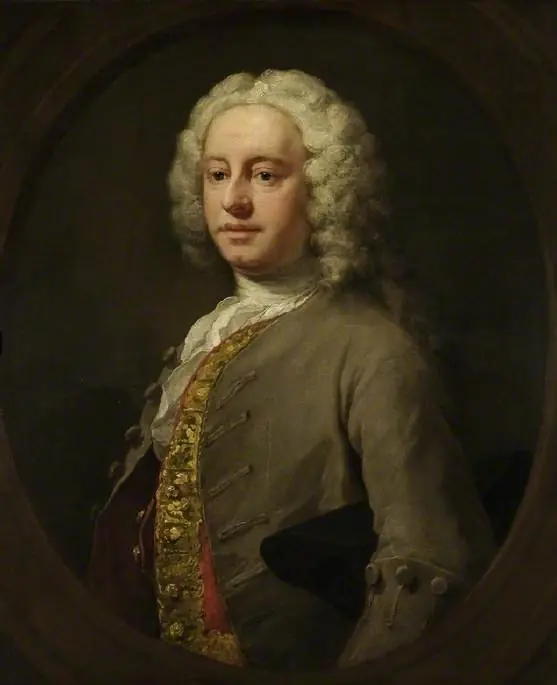 Portrait of an Unknown Man
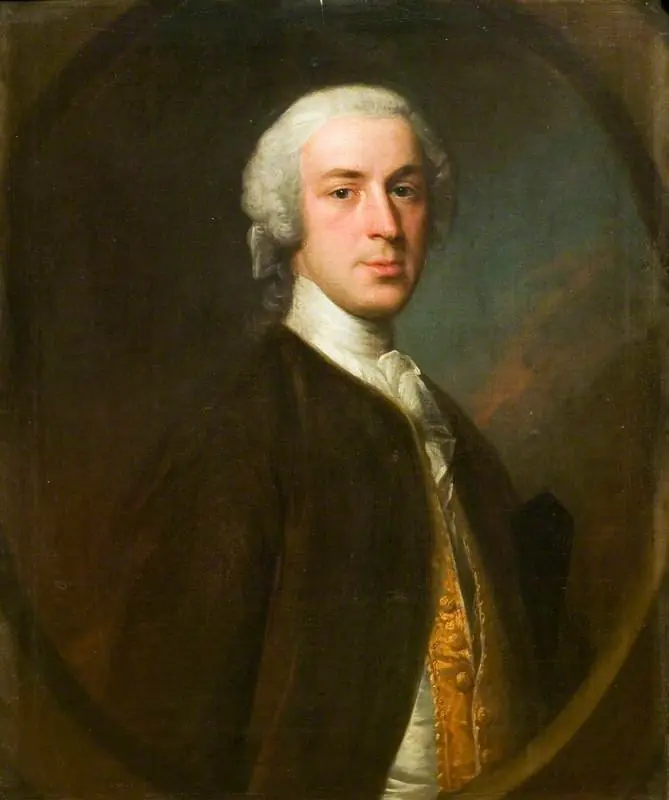 Portrait of an Unknown Man
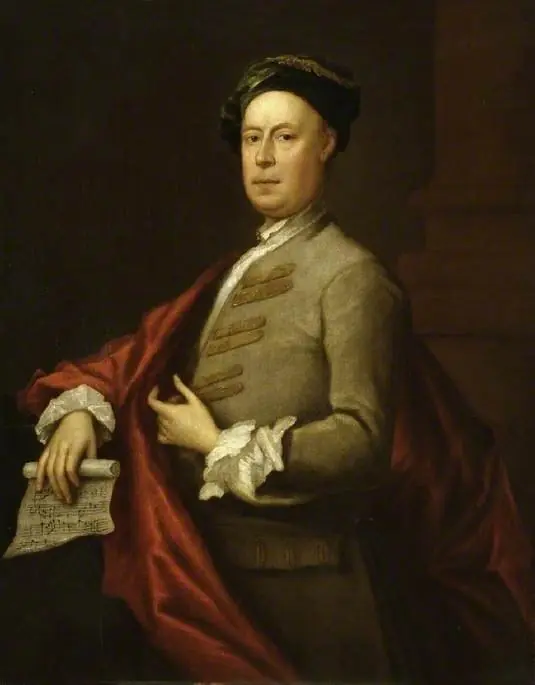 'G.F. Handel'
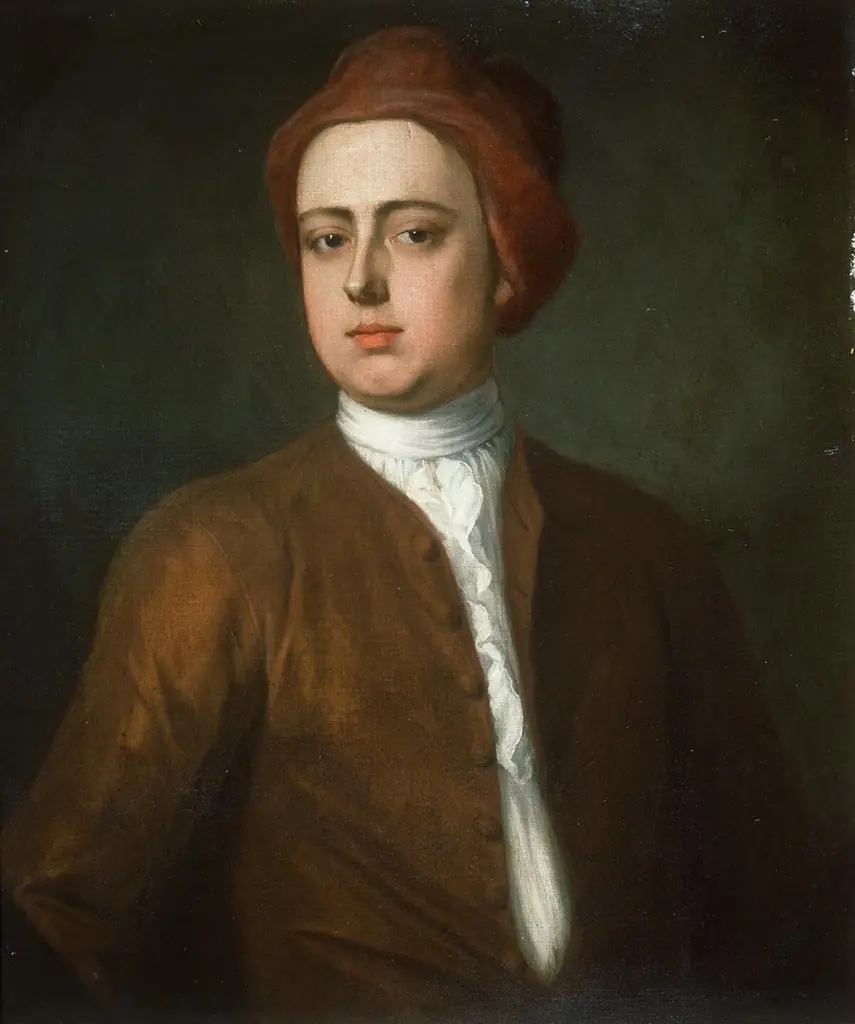 Portrait of a gentleman in red turban
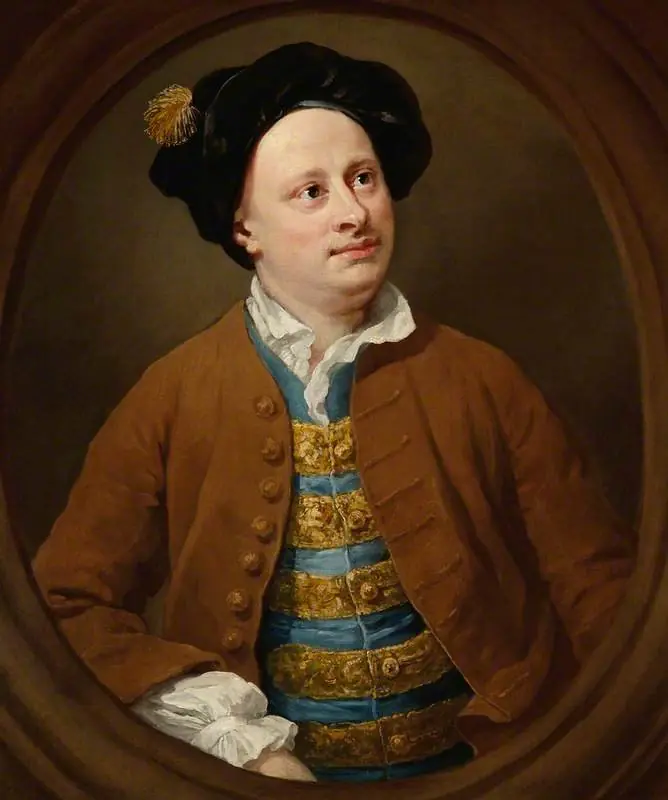 Portrait of Richard James of the Middle Temple
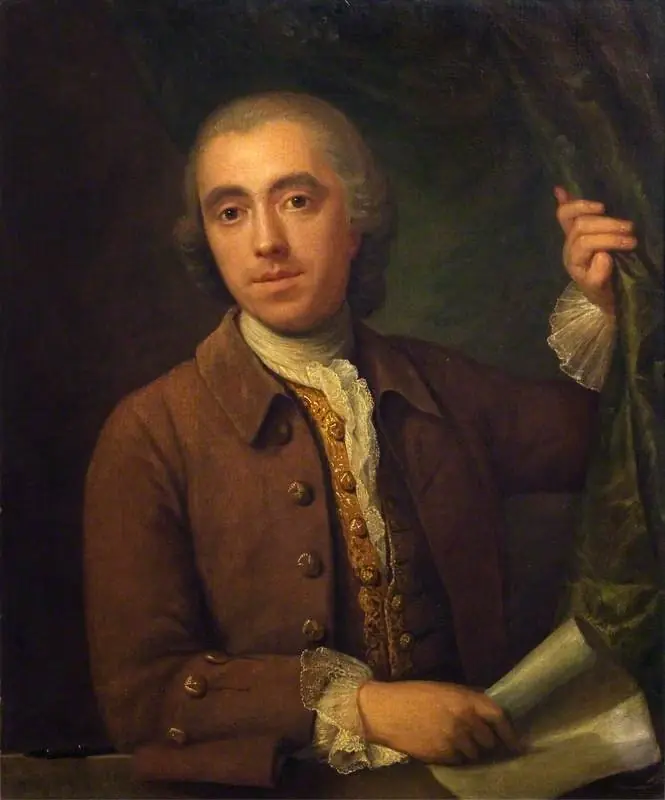 Portrait of an Unknown Man
 Self-Portrait
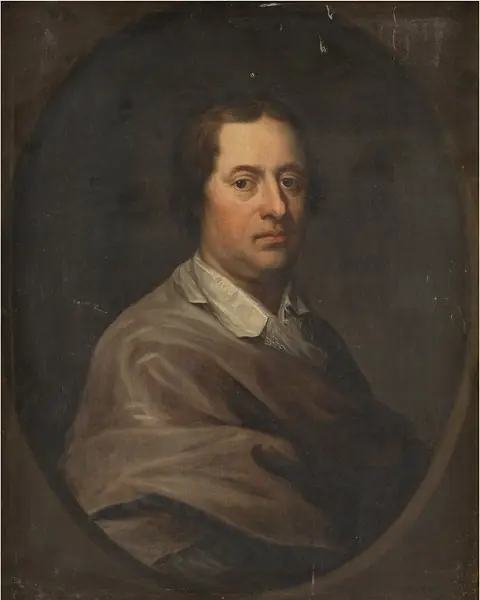 Mandsportræt
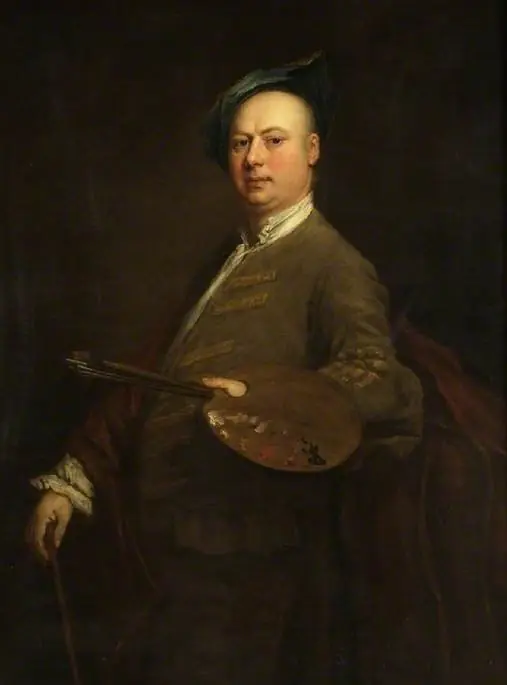 Portrait of a painter
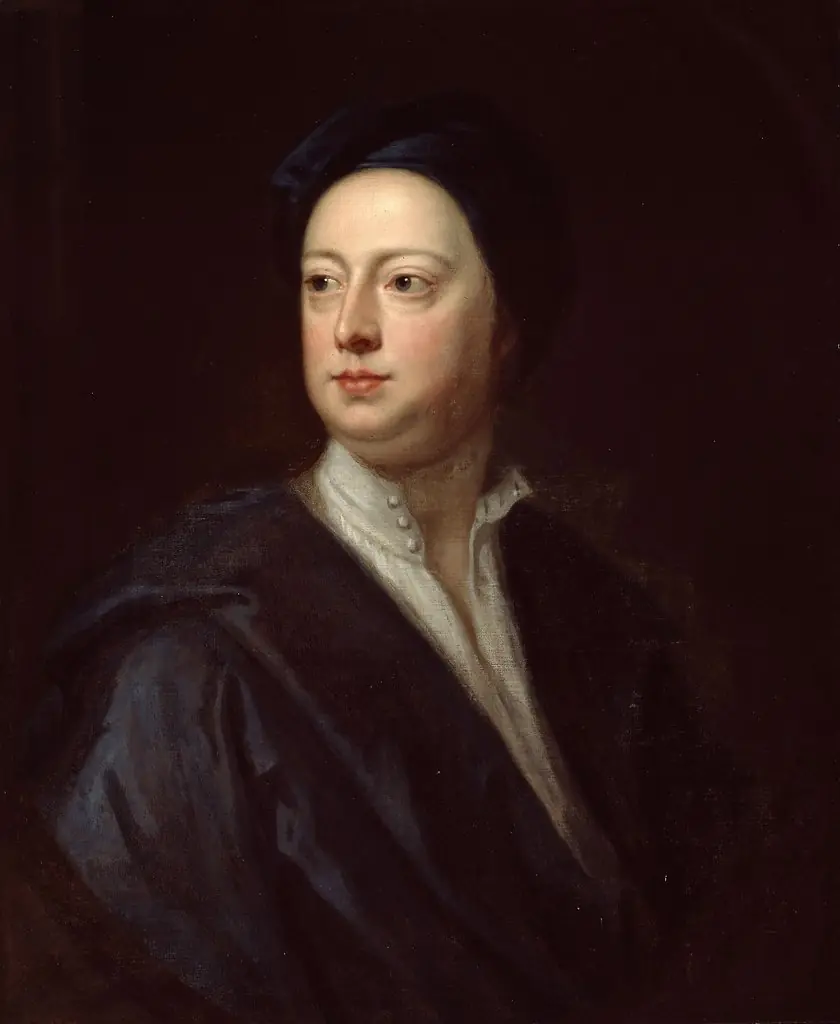 Sir Andrew Fountaine
 Portrait of a Young Man Wearing a White Cap
 Captain Thomas Church