Artwork
Portrait of Richard James of the Middle Temple
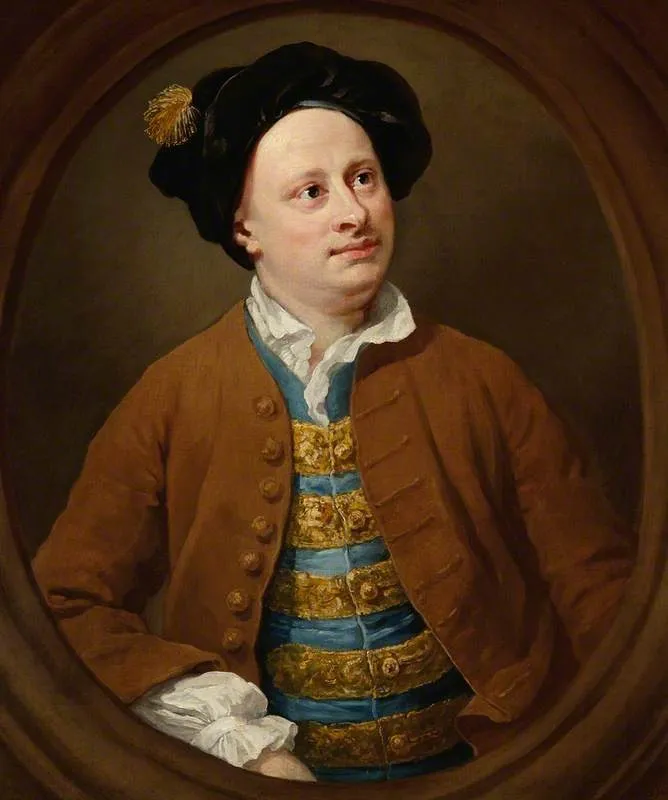
Portrait of Richard James of the Middle Temple is an oil painting by the Rococo painting artist William Hogarth. It dates from 1744 and is held in the collection of the Fitzwilliam Museum.
About this work
Overview
Painted in 1744 by William Hogarth, this oil portrait depicts Richard James, a member of the Middle Temple. Executed in the mid-18th century, the work reflects Hogarth’s engagement with portraiture alongside his more famous satirical series. It is part of the Fitzwilliam Museum’s collection in Cambridge, where it remains as a quiet example of his non-satirical output during the Rococo era.
Subject & Meaning
Richard James, a legal professional associated with the Middle Temple, is portrayed with restrained dignity.
Richard James, a legal professional associated with the Middle Temple, is portrayed with restrained dignity. His serious expression and formal attire suggest his social standing and professional identity. The absence of symbolic objects or elaborate settings shifts focus to his presence alone, conveying a sense of quiet authority rather than ostentation, typical of portraits commissioned by the professional class of the time.
Technique & Style
Hogarth employs a restrained palette dominated by earth tones and subtle contrasts to model the figure. The muted brown background isolates the subject, enhancing the three-dimensionality of his form through careful gradations of light. Attention to fabric texture—especially the gold embroidery on the vest and the sheen of the hat’s tassel—demonstrates a precise, observational approach, though without the dramatic chiaroscuro of continental Baroque traditions.
History & Provenance
The painting was completed in 1744 and remained in private hands until entering the Fitzwilliam Museum’s collection. Its provenance is not extensively documented, but its preservation suggests it was valued by later collectors for its craftsmanship and historical association with Hogarth. Unlike his narrative series, this portrait was likely commissioned by James or his family, intended for personal or institutional display.
Context
In 1740s England, portraiture served both social and professional functions, particularly among the legal and mercantile classes. Hogarth, though better known for moral satire, regularly accepted portrait commissions to support his career. This work aligns with contemporary trends favoring restrained elegance over flamboyance, reflecting the subject’s identity within London’s legal establishment during a period of growing civic professionalism.
Legacy
While not among Hogarth’s most widely recognized works, the portrait contributes to understanding his versatility as an artist. It illustrates his ability to adapt his style to the expectations of individual patrons, balancing realism with psychological subtlety. Today, it remains a representative example of mid-18th-century English portraiture outside the realm of satire.
Artist & collection
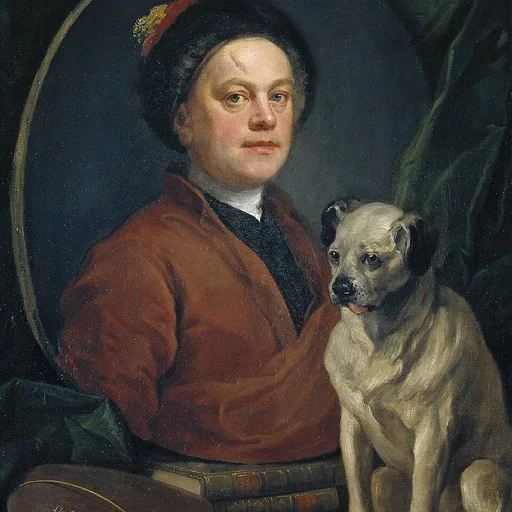
Artist
William Hogarth (; 10 November 1697 – 26 October 1764) was an English painter, engraver, satirist, cartoonist and writer.

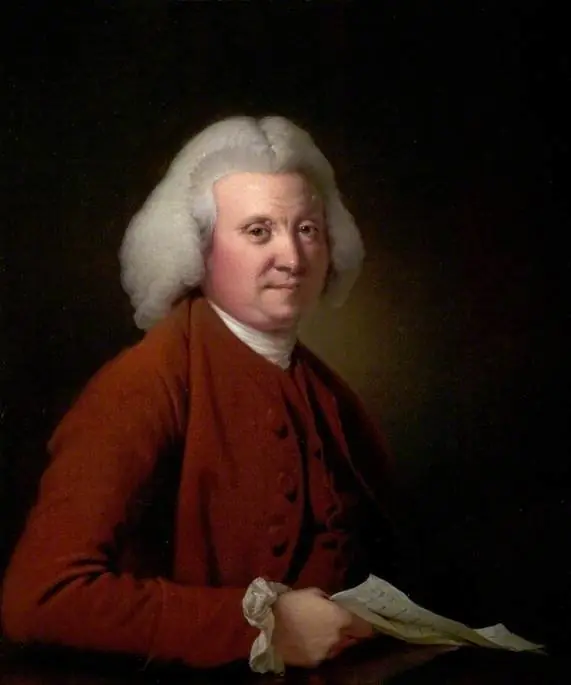 Samuel Crompton (c.1720–1782)
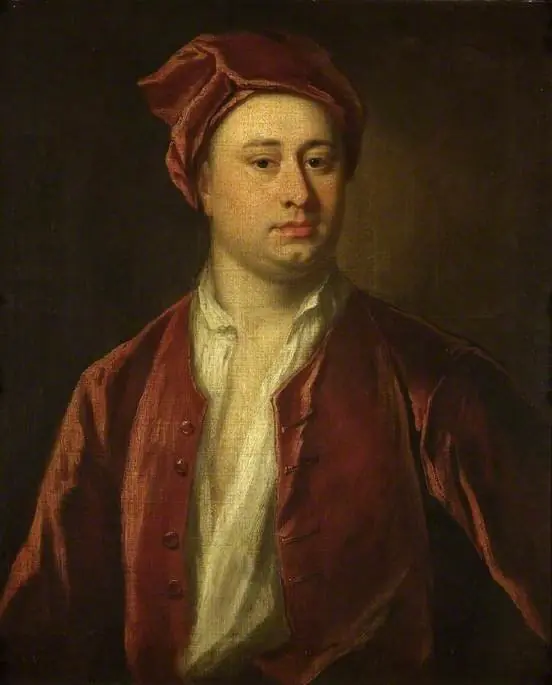 Unknown man
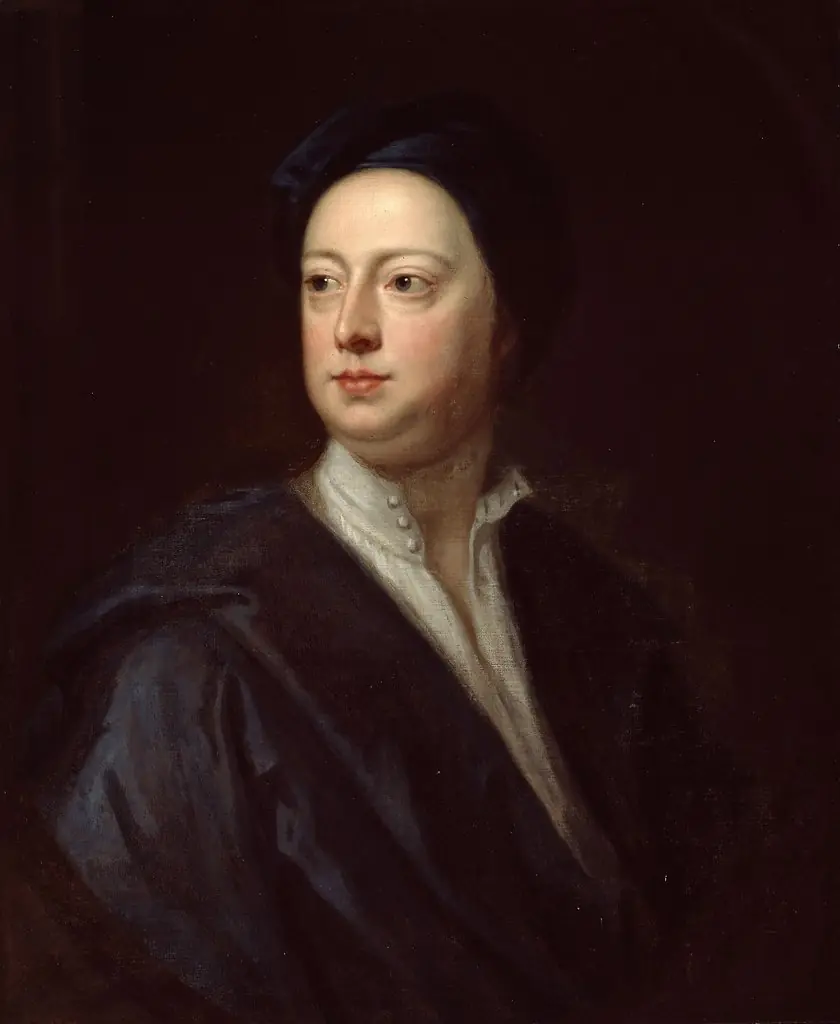 Sir Andrew Fountaine
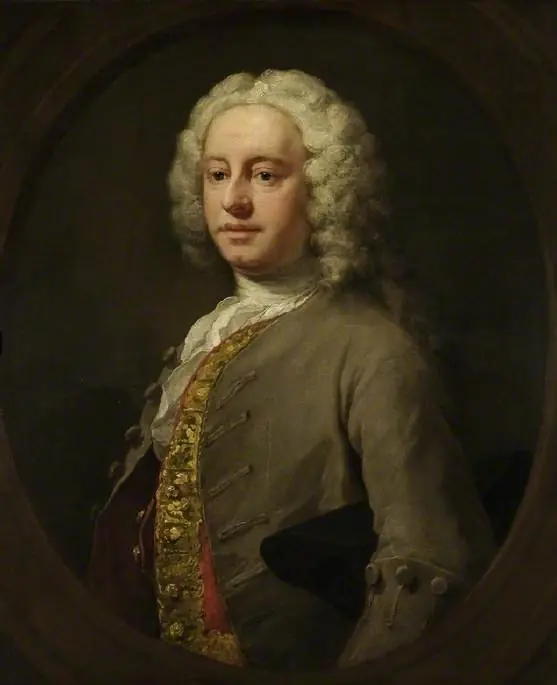 Portrait of an Unknown Man
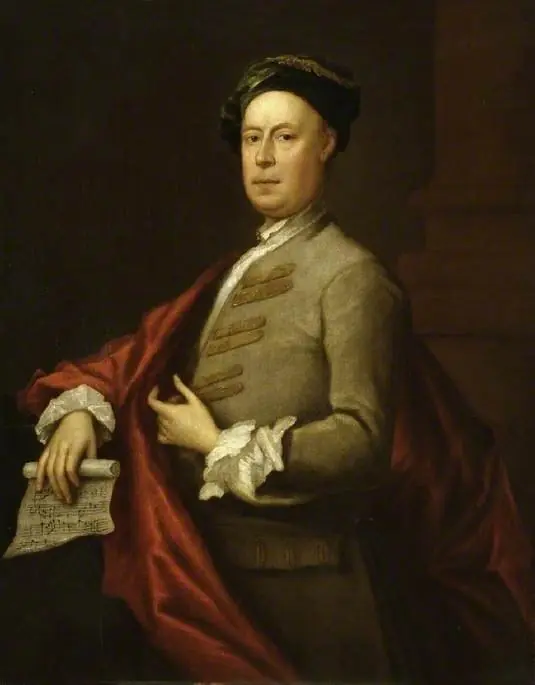 'G.F. Handel'
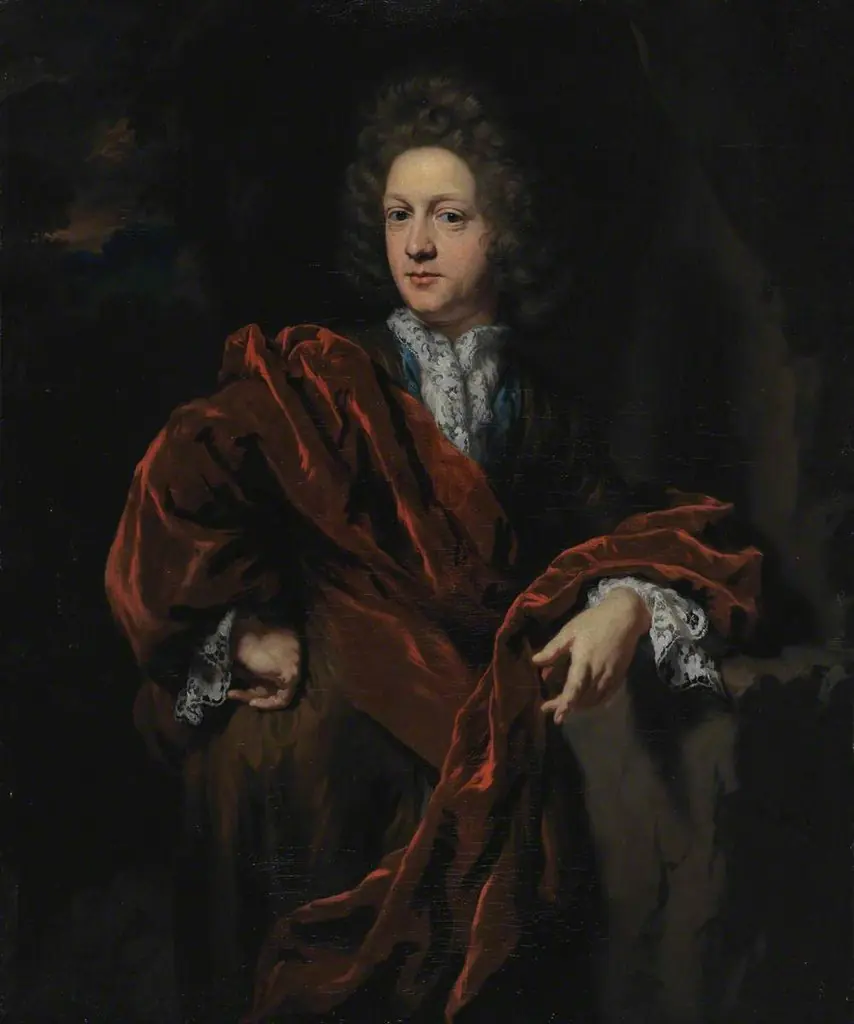 Portrait of a gentleman in a red cloak
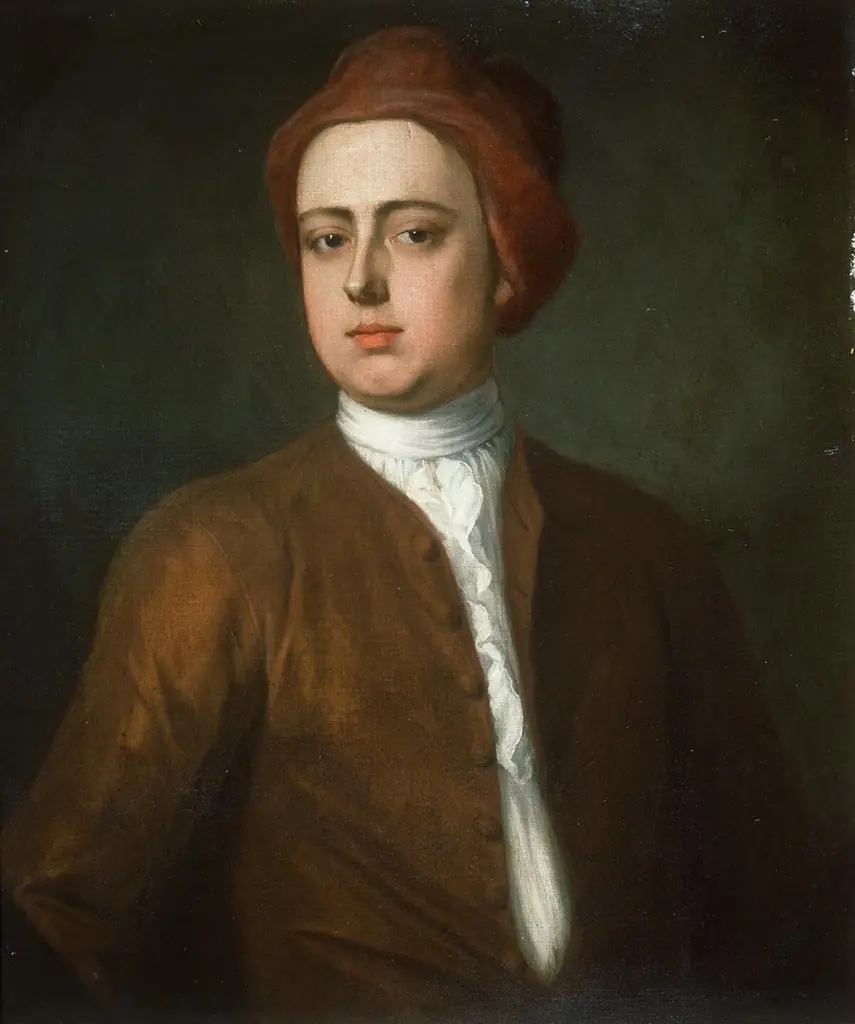 Portrait of a gentleman in red turban
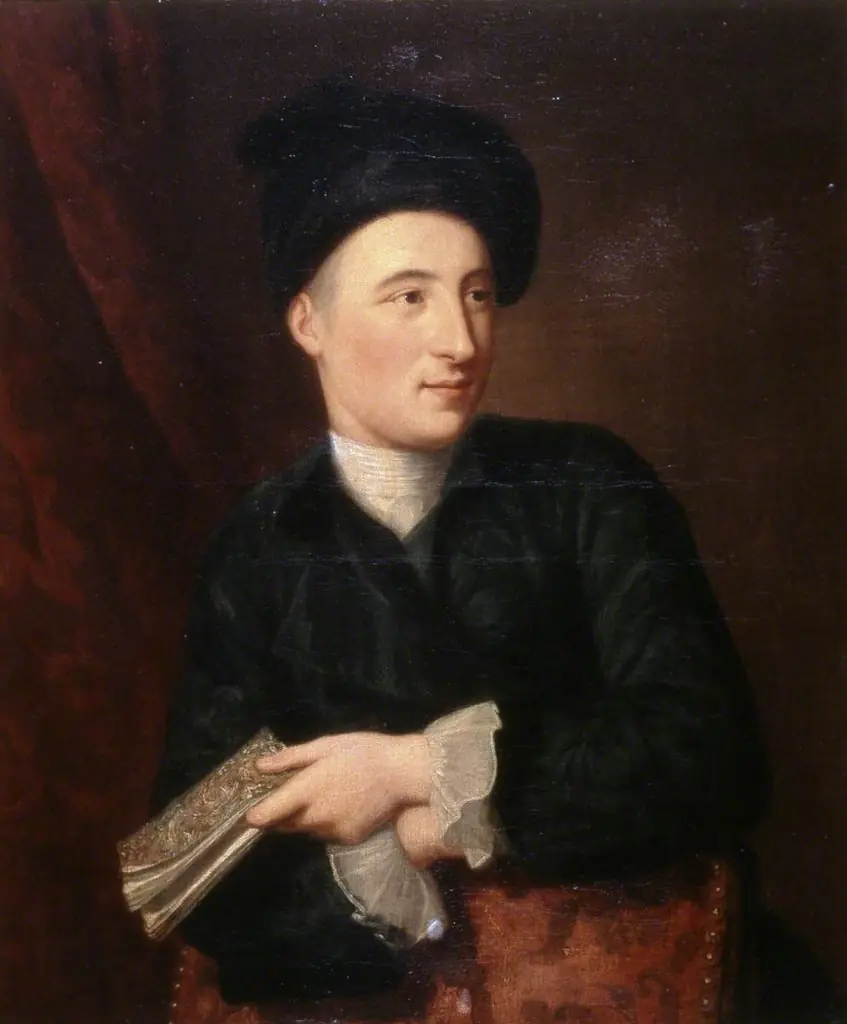 Dr Matthew Maty (1718–1776), Principal Librarian (1772–1776)
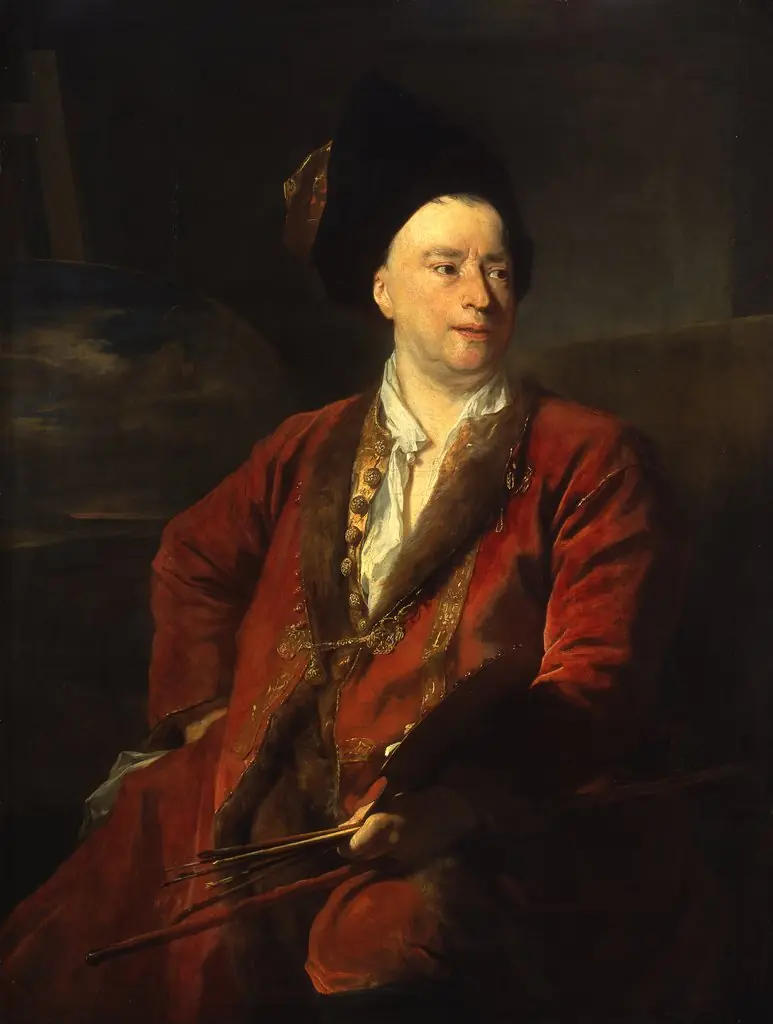 The Landscape Painter Jean Forest
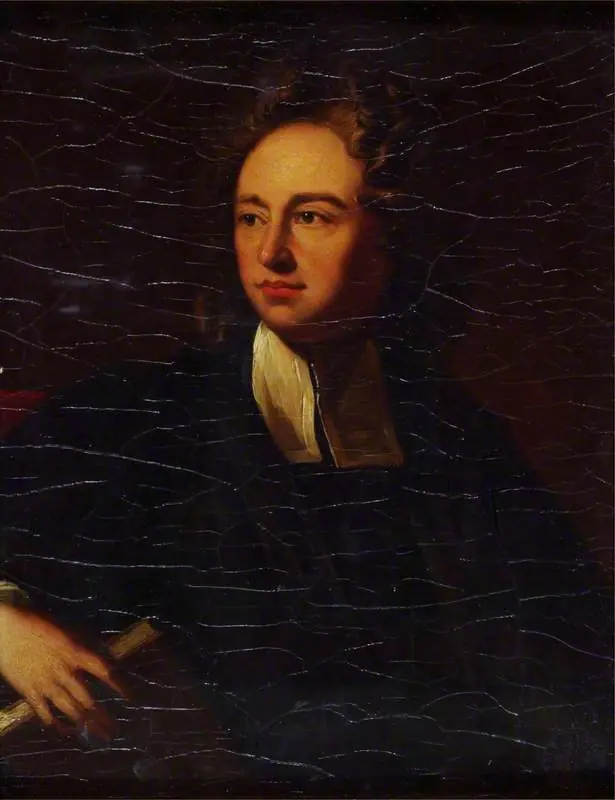 Richard Bentley (after James Thornhill)
 Joshua Kirby
 Philip Dupont