Artwork
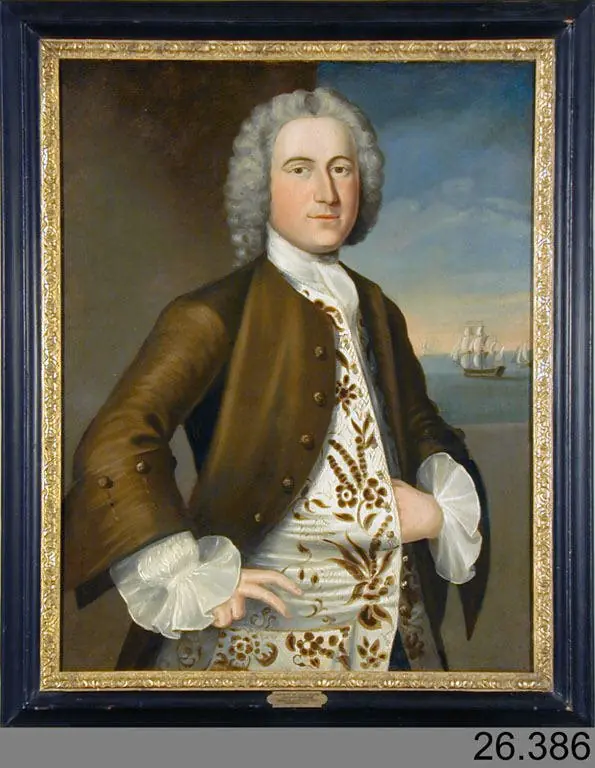
Portrait of a Man (possibly Sir Charles Hardy)
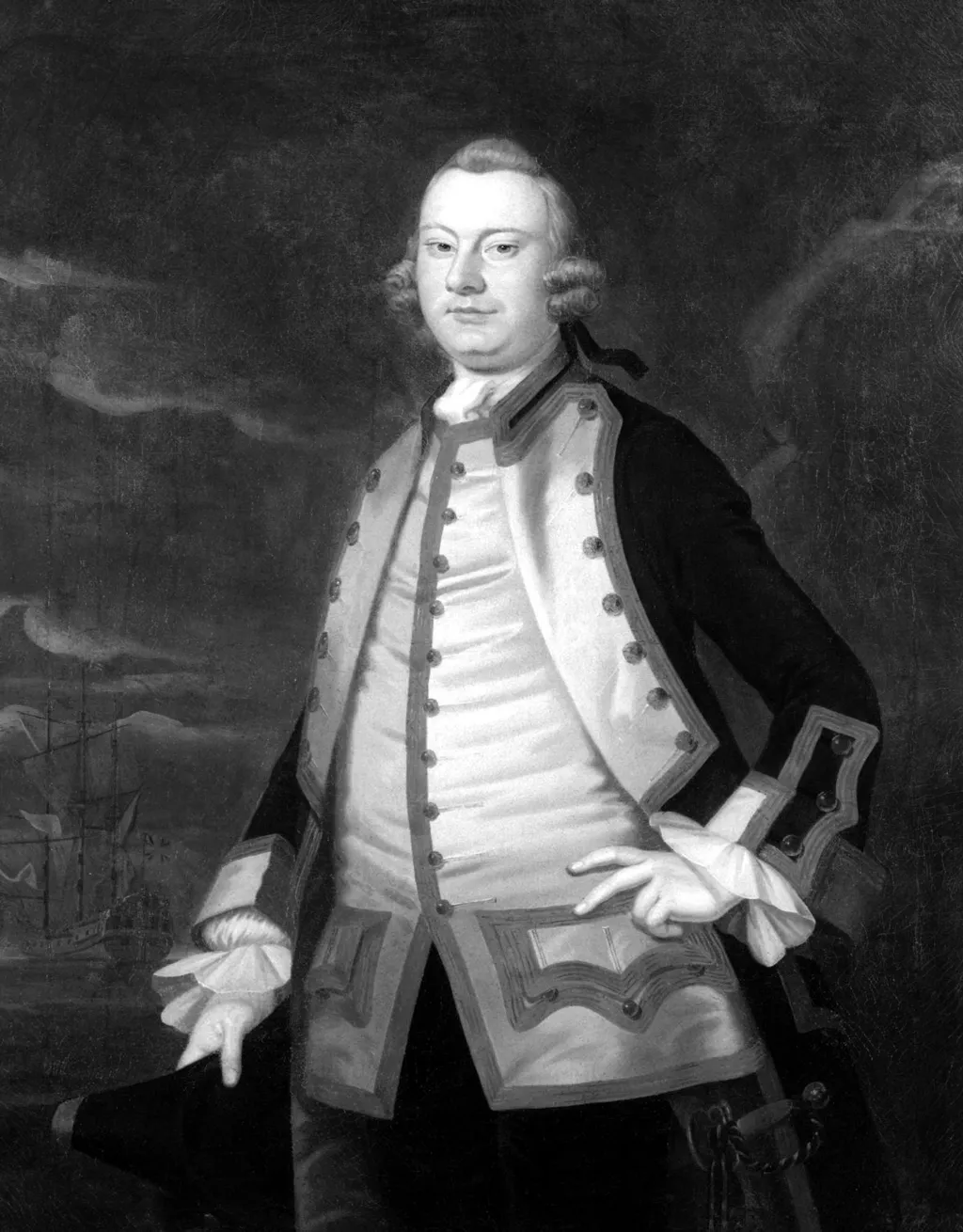
Portrait of a Man (possibly Sir Charles Hardy) is an oil painting by the Rococo painting artist John Wollaston. It dates from 1758 and is held in the collection of the Brooklyn Museum.
About this work
Overview
Painted in 1758, this oil portrait is attributed to John Wollaston the Younger, an English-born artist active in British North America. Wollaston produced numerous portraits during his decades in the colonies, adapting European conventions for colonial elites. The work is part of the Brooklyn Museum’s collection and reflects the transatlantic flow of artistic styles in the mid-18th century.
Subject & Meaning
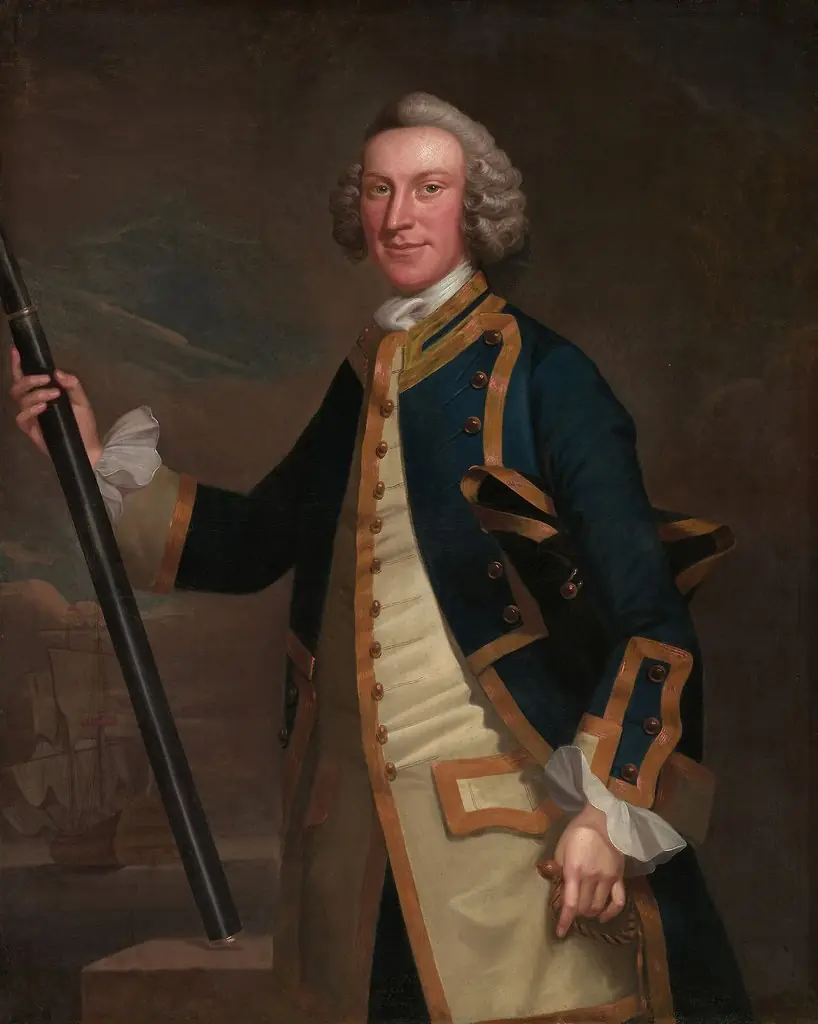
The sitter, possibly Sir Charles Hardy, a Royal Navy officer, is depicted in formal attire with a dark jacket, light lapels, and a detailed waistcoat.
The sitter, possibly Sir Charles Hardy, a Royal Navy officer, is depicted in formal attire with a dark jacket, light lapels, and a detailed waistcoat. His right hand rests on his hip, conveying poise; his left hand holds a dark object, likely a hat or cloak. A ship in the distant, stormy sky hints at his maritime connection, reinforcing identity through subtle symbolism rather than overt heraldry.
Technique & Style
Wollaston employed soft modeling and controlled chiaroscuro to define the sitter’s features and fabric textures. The background, a moody sky with a faint vessel, contrasts with the sharp clarity of the figure. Details like button stitching and shirt ruffles reflect meticulous observation, typical of colonial portraiture that prioritized social presence over dramatic flair.
History & Provenance
The painting entered the Brooklyn Museum’s collection in the 20th century, though its earlier ownership remains undocumented. It was likely commissioned by a colonial elite with ties to the British navy. Wollaston’s practice of producing multiple versions of portraits complicates attribution, but stylistic consistency supports its placement within his known oeuvre.
Context
In mid-18th-century North America, portraiture served as a marker of status and cultural alignment with Britain. Wollaston’s Rococo-influenced style—elegant, refined, and attentive to surface detail—met colonial demand for European sophistication. The inclusion of maritime elements in portraiture was uncommon, making this work a rare example of professional identity encoded in visual language.
Legacy
Wollaston’s portraits, including this one, helped establish a visual vocabulary for colonial gentility. Though less celebrated than later American painters, his work documented the aspirations of a rising merchant and naval class. The painting endures as a quiet testament to the transatlantic exchange of artistic norms before the American Revolution reshaped cultural identity.
Own this work as a print
Artist & collection
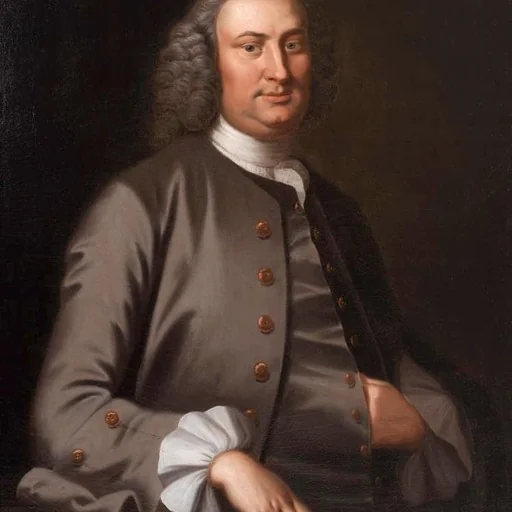
Artist
John Wollaston (fl. 1742 – 1775) was an English painter who specialised in portrait painting and was active mostly in British North America. He was one of a handful of painters to introduce English Rococo styles of…

 Thomas Dongan
 Portrait of Captain John Pigott
 John Adams
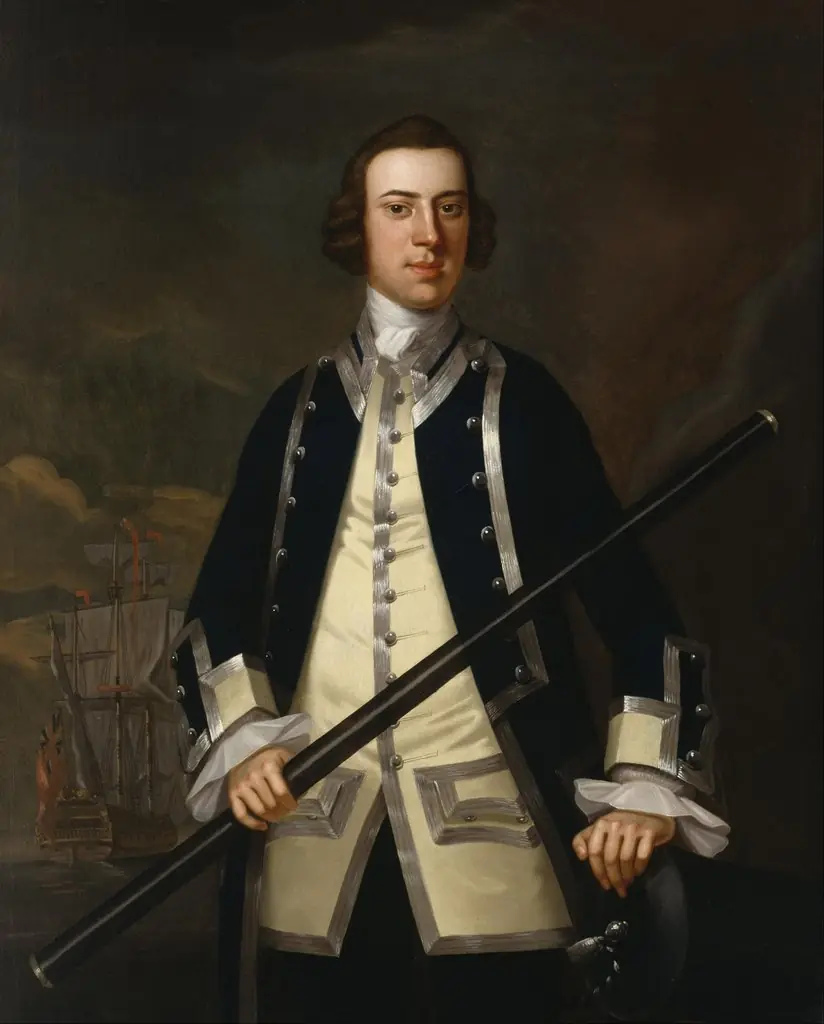 Portrait of a Naval Officer, Known as Augustus Keppel
 Major General Christopher Nugent (d.1742)
 John Newton
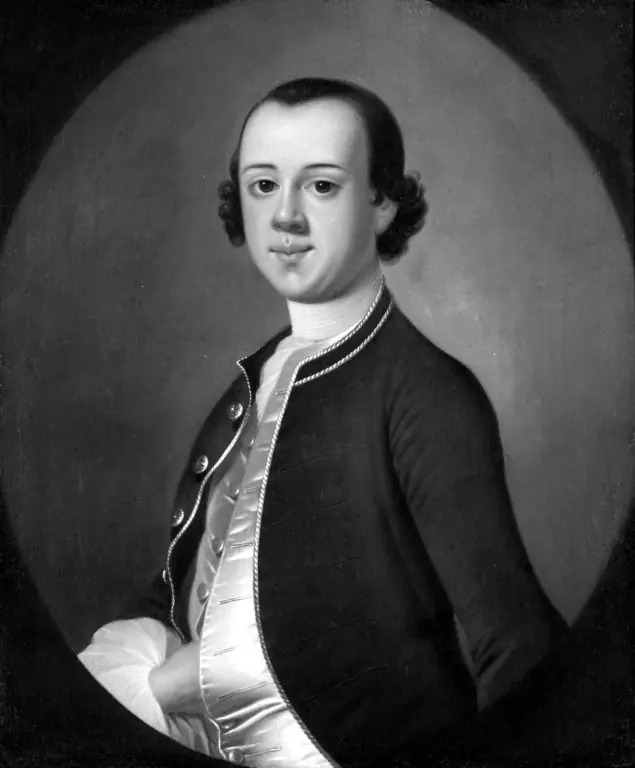 Samuel Jones's Son
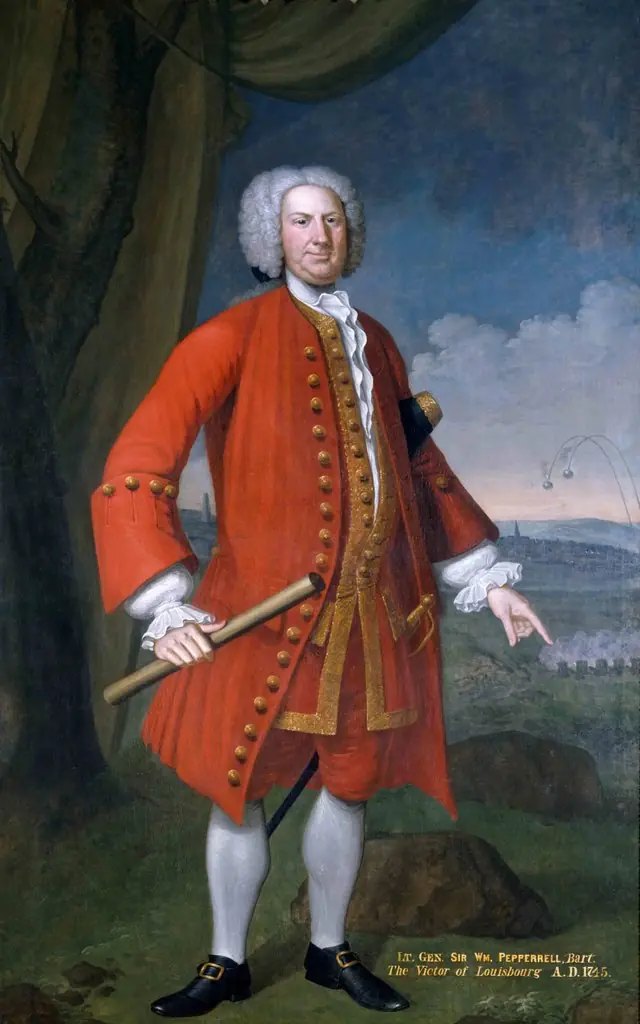 Portrait of William Pepperrell
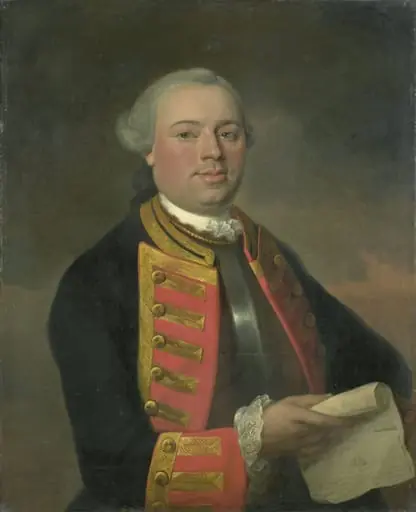 Johan Arnold Zoutman (1724-93), Vice Admiral
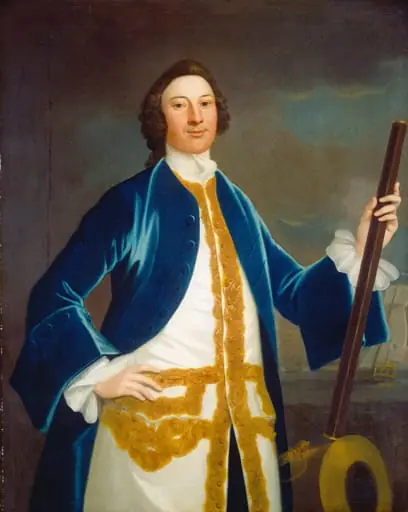 Unidentified British Navy Officer
 Portrait of a Man (possibly Captain Samuel Partridge)
 John Langdon