Artwork
Samuel Jones's Son
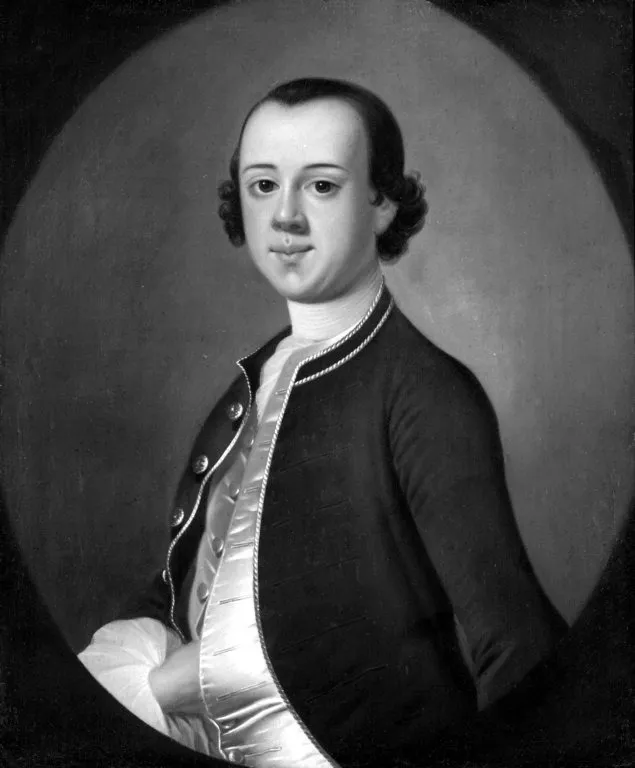
Samuel Jones's Son is an oil painting by the Rococo painting artist Jeremiah Theus. It dates from 1760 and is held in the collection of the Brooklyn Museum.
About this work
Overview
The work reflects the regional demand for genteel imagery among colonial elites, executed with careful attention to texture and posture.
Painted in 1760 by Jeremiah Theus, this oil portrait captures a young boy from a prominent South Carolina family. Theus, a Swiss-born artist based in Charleston, specialized in formal portraiture during the mid-18th century. The work reflects the regional demand for genteel imagery among colonial elites, executed with careful attention to texture and posture. Its restrained composition and polished finish align with prevailing conventions of American colonial painting.
Subject & Meaning
The subject is a boy from the Jones family, depicted in a composed, solemn stance that conveys social standing rather than childhood playfulness. His attire—dark jacket with white trim and neatly tied hair—signals wealth and refinement, typical of elite colonial families seeking to project stability and taste. The plain background focuses attention on the figure, emphasizing lineage and propriety over narrative context.
Technique & Style
Theus employed oil paint to achieve subtle gradations of light and fabric texture, particularly in the boy’s jacket and collar. Brushwork is precise but not overly ornate, avoiding the exuberance of European Rococo in favor of a quieter, more restrained realism. The rendering of skin tone and hair shows careful observation, while the overall composition follows the formal conventions of 18th-century portraiture, prioritizing clarity over decorative flourish.
History & Provenance
Created in Charleston during a period of growing colonial prosperity, the painting likely served as a family keepsake or status symbol. Theus, one of the region’s leading portraitists, received commissions from merchant and planter families. While specific ownership records after 1760 are limited, the work remains a documented example of Theus’s output and reflects the cultural priorities of South Carolina’s upper class in the decades before the Revolution.
Context
In mid-18th-century South Carolina, portraiture was a marker of social identity among the planter and mercantile classes. Artists like Theus filled a niche for local representation, as few European-trained painters worked in the region. This portrait reflects the influence of British portraiture traditions, adapted to colonial resources and tastes, where dignity and restraint were valued over theatricality.
Legacy
Samuel Jones's Son stands as one of several surviving works by Jeremiah Theus, offering insight into the visual culture of colonial Charleston. It contributes to the understanding of how American elites used portraiture to assert identity in a distant British empire. Though not widely known outside regional art history, the painting remains a significant artifact of early American artistic practice and social hierarchy.
Artist & collection

Artist
Jeremiah Theus (né Theüs; April 5, 1716 – May 17, 1774) was a Swiss-born American painter, primarily of portraits.

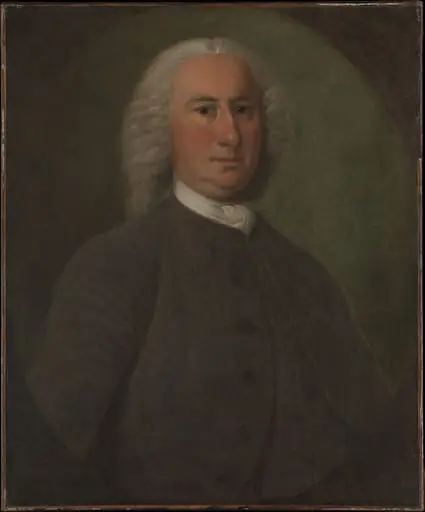
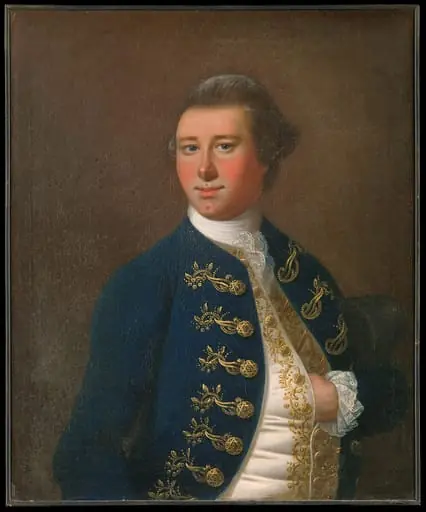
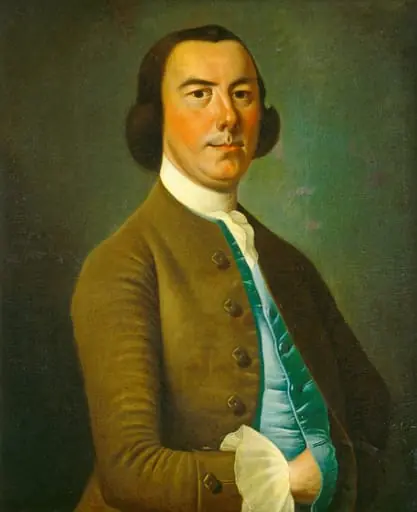
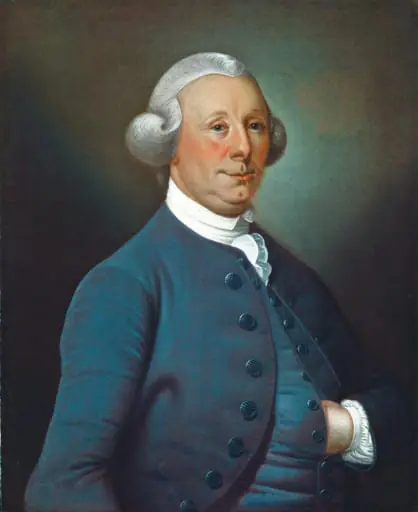
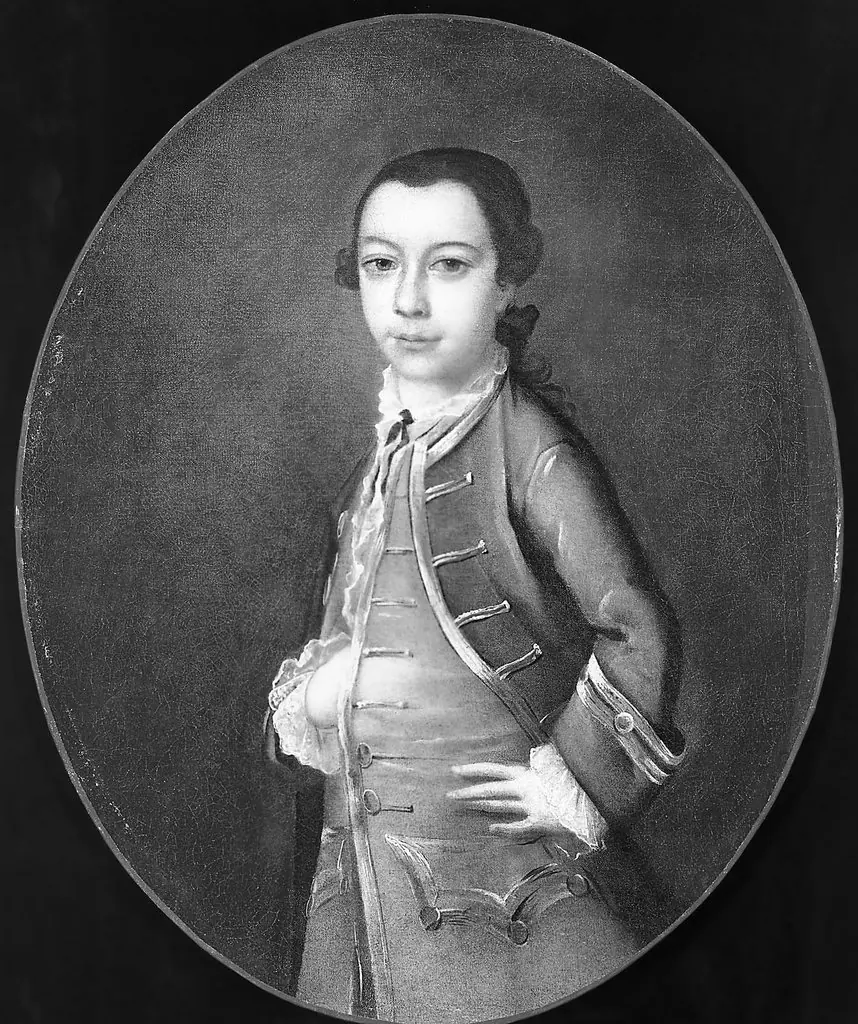 Boy of the Jacob Family, Charleston, South Carolina
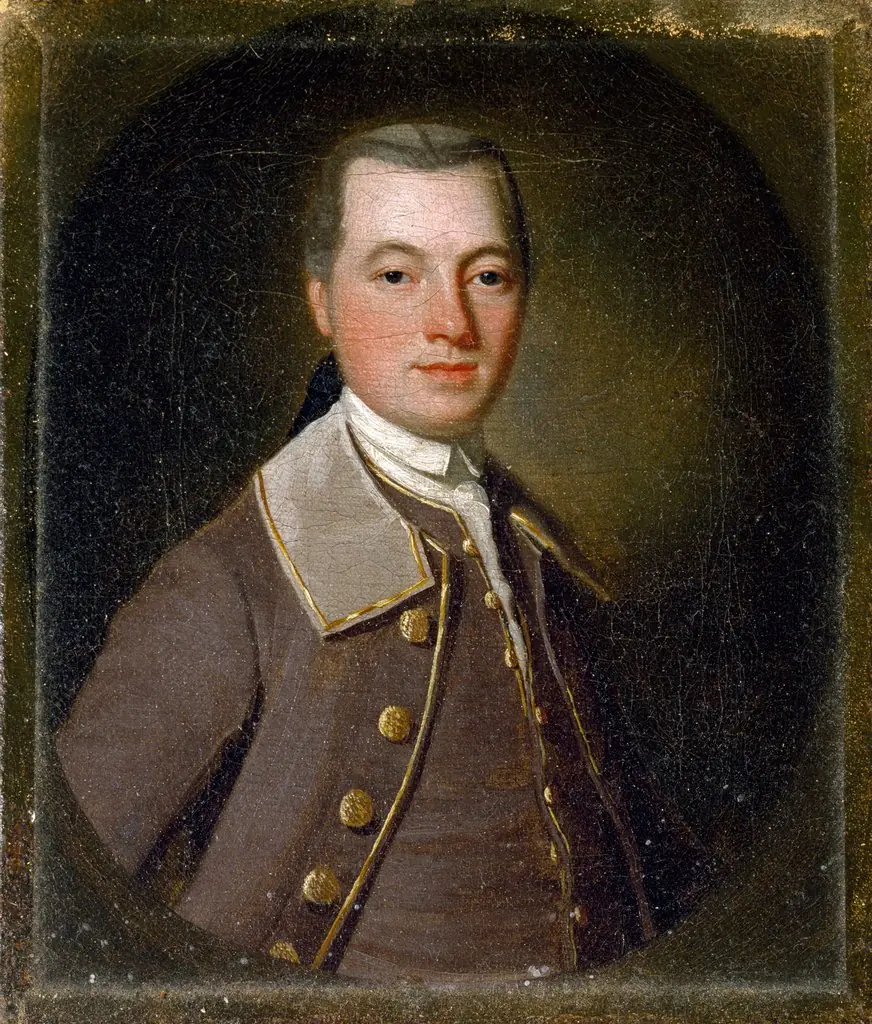 William Watson
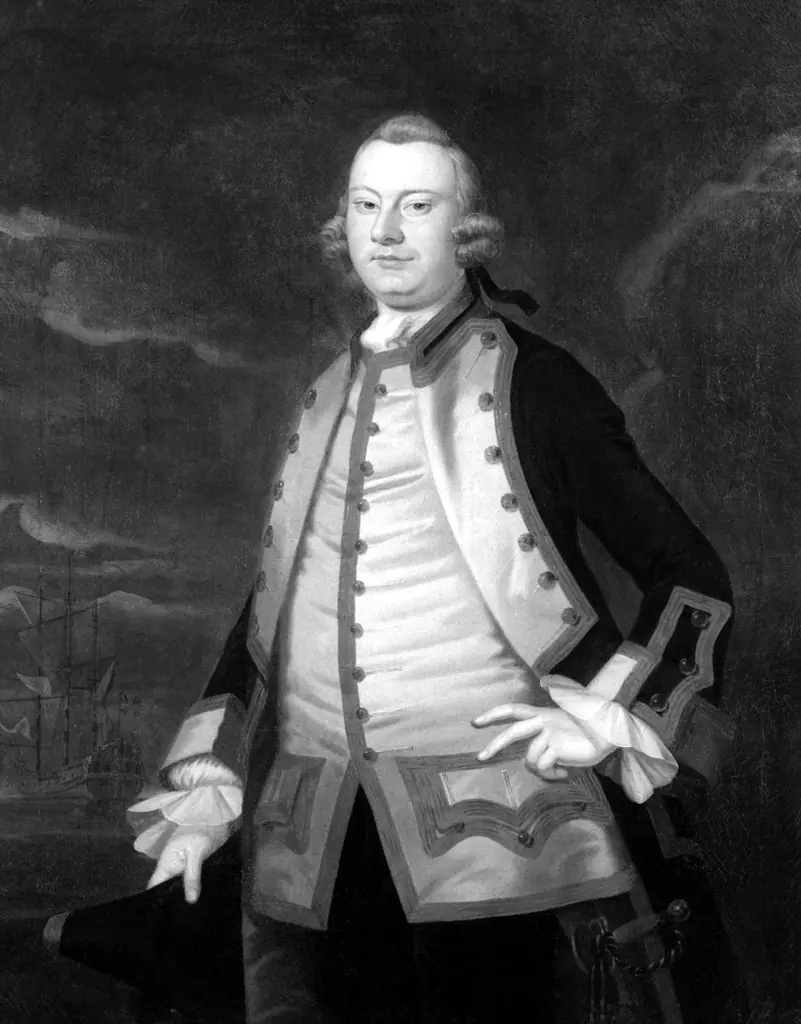 Portrait of a Man (possibly Sir Charles Hardy)
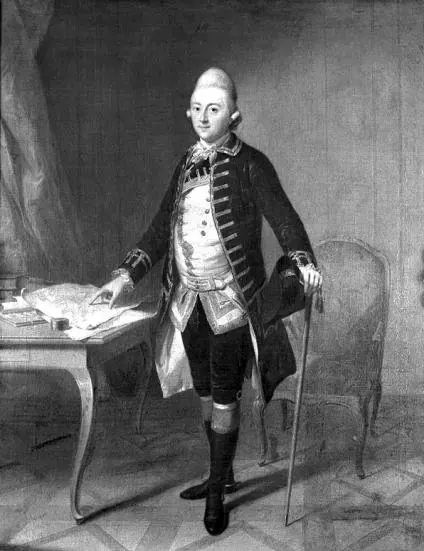 Major General Christopher Nugent (d.1742)
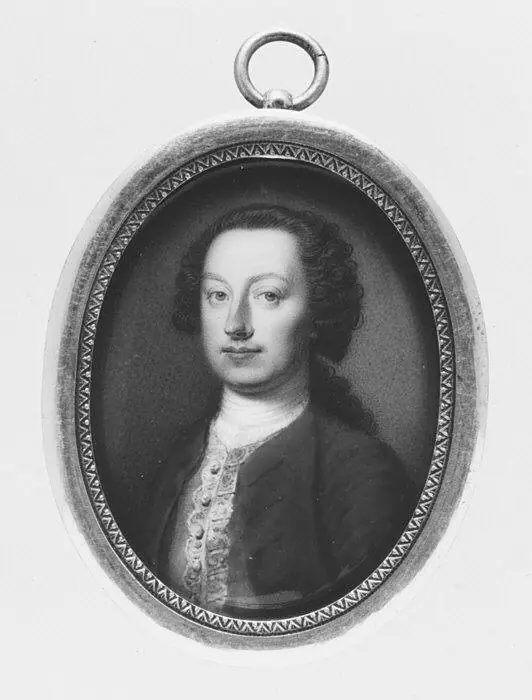 Portrait of a Man
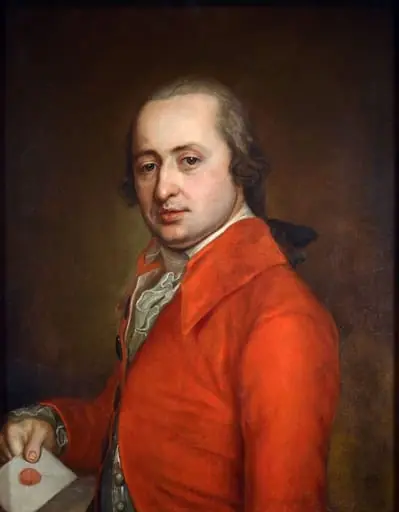 Portret de bărbat
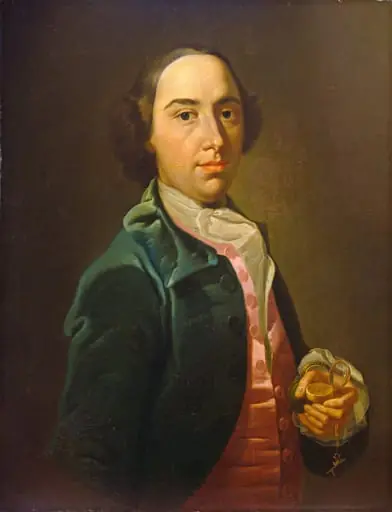 Portrait of a Gentleman
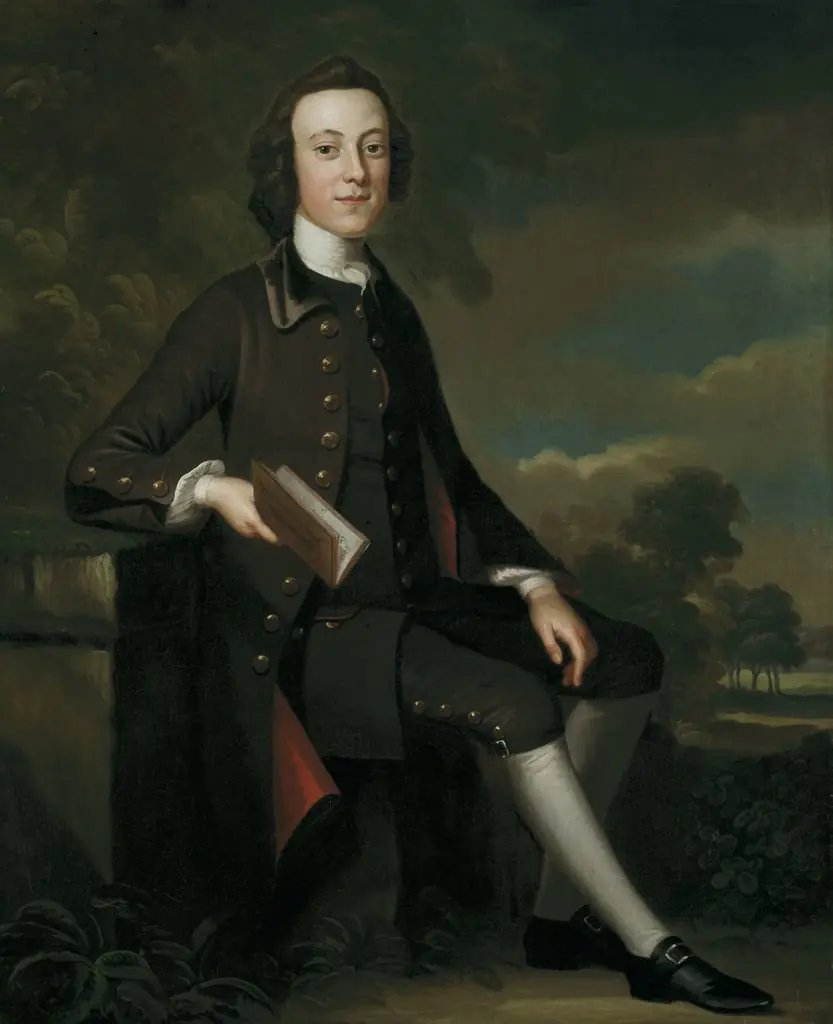 Portrait of a Young Man
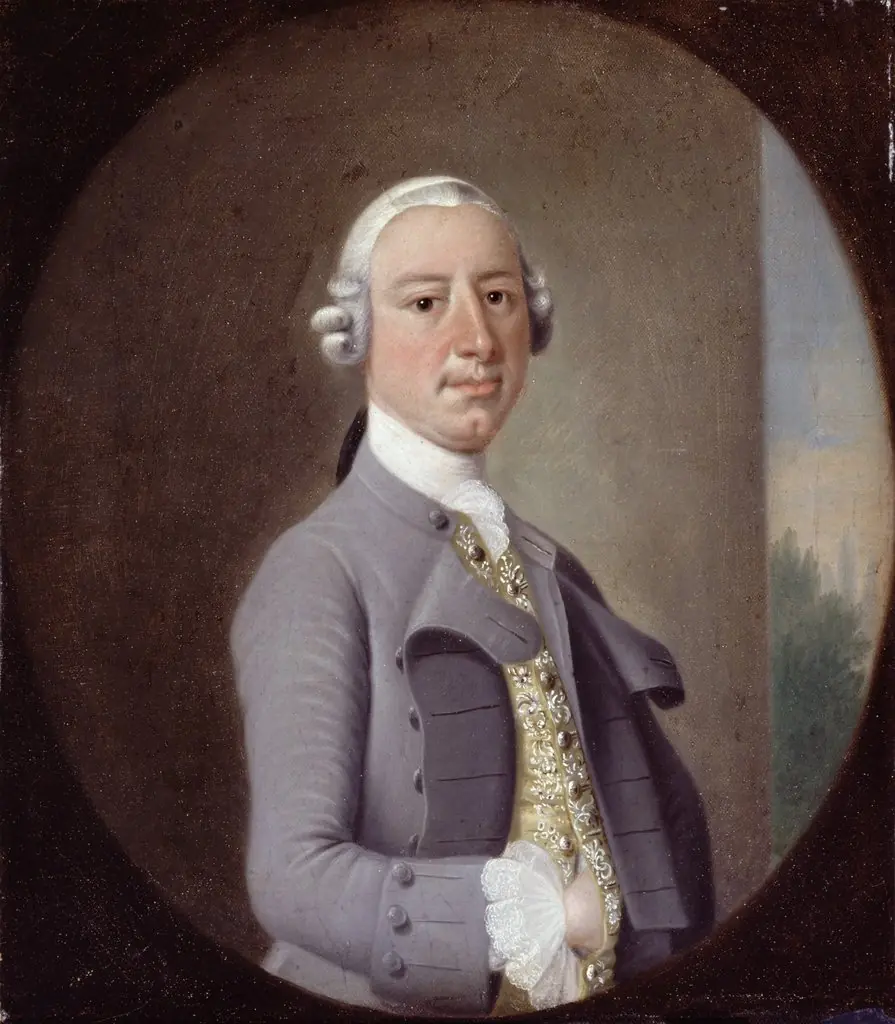 William Wragg
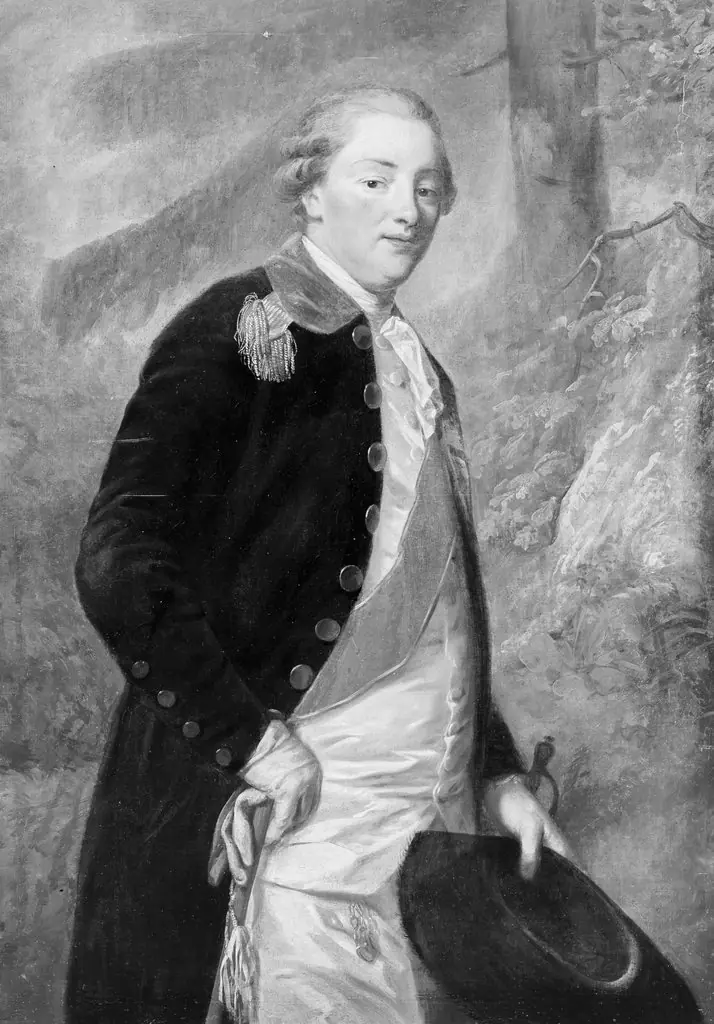 Portrait of a German prince
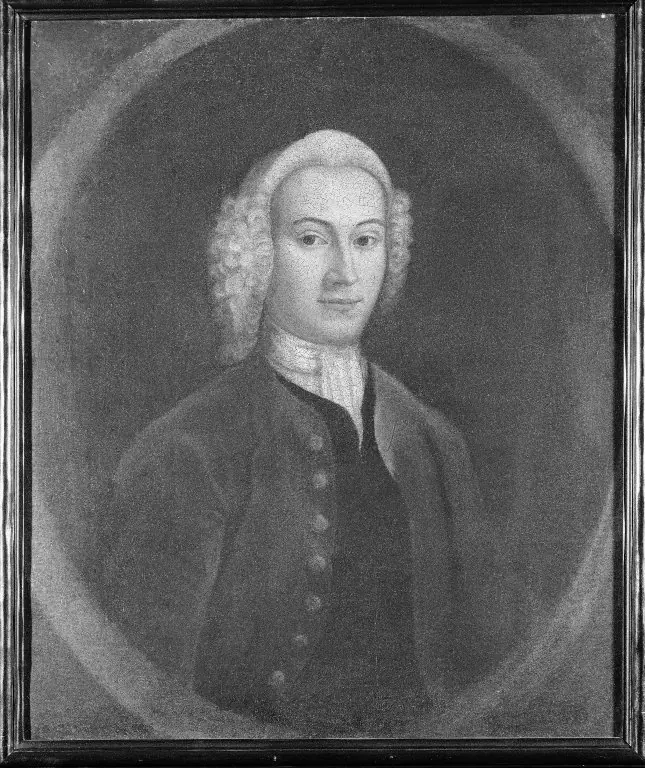 Gentleman of the Breckenridge Family of Virginia