Artwork
"Wrencote," High Street, Croydon
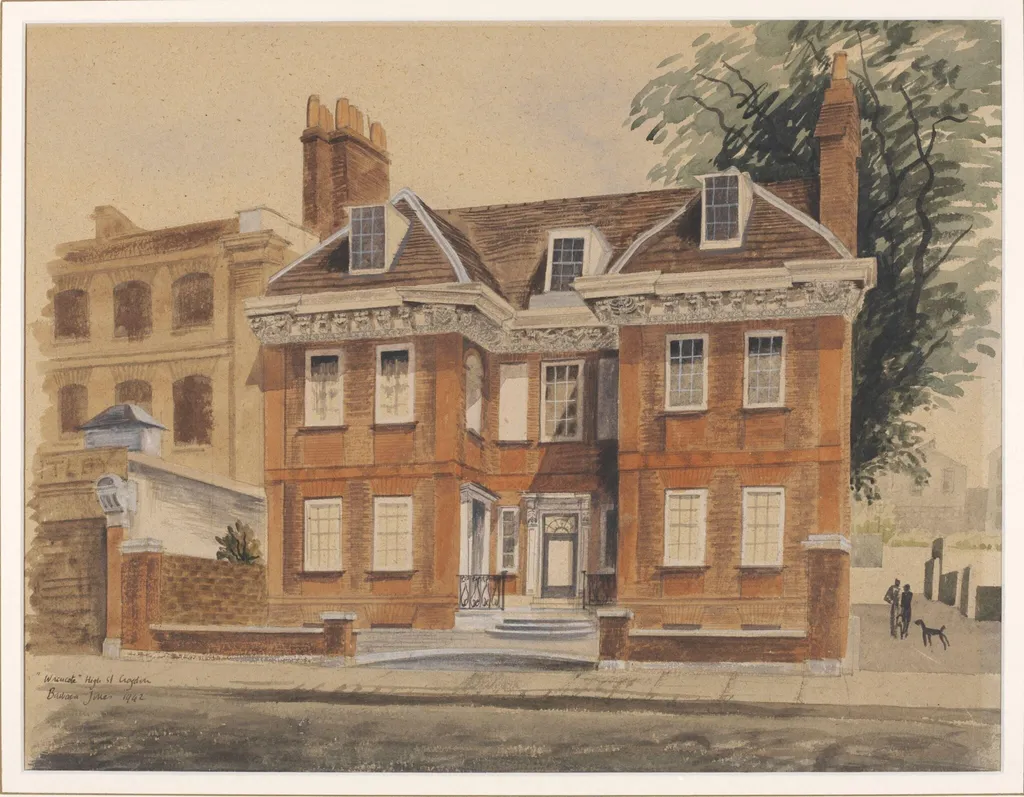
"Wrencote," High Street, Croydon is a watercolor work on paper by the British Romanticist artist Barbara Jones. It dates from 1942 and is held in the collection of the Victoria and Albert Museum.
About this work
This watercolor shows a red-brick house with white window frames and a dark door at the center.
This watercolor shows a red-brick house with white window frames and a dark door at the center. The roof has two small dormer windows, and a chimney rises behind it. A tree leans over the right side, and a sidewalk with a low wall runs in front. Two people and a dog walk along the street, which looks quiet and clean.
The artist signed it in the corner, marking the year 1942. The house is labeled "Wrencote" on High Street in Croydon.
Next, check out the Victoria and Albert Museum to see more of this painting.
Overview
Created in 1942, this watercolour by Barbara Jones captures a modest townhouse on High Street in Croydon, labeled 'Wrencote.' Painted during the Second World War, it belongs to the 'Recording Britain' project, a government-backed effort to visually archive structures deemed vulnerable to wartime destruction or modernization. Jones’s work contributes a quiet, observational record of everyday architecture, emphasizing detail over drama.
Subject & Meaning
The subject is an early 18th-century brick residence with classical detailing—ornate frieze, cornice, and dormer windows—set against a calm street scene. A leaning tree, low front wall, and two pedestrians suggest ordinary life continuing amid wartime uncertainty. The house’s name, 'Wrencote,' anchors it to a specific place and history, turning a local building into a symbol of enduring, unremarkable heritage.
Technique & Style
Jones employed transparent watercolour washes to render the red brickwork, white window frames, and shadowed door with precision yet restraint. Delicate linework defines architectural elements, while soft gradients suggest light and texture without heavy modeling. The composition is balanced and uncluttered, reflecting the project’s emphasis on clarity and documentation over expressive flourish.
History & Provenance
Commissioned by the 'Recording Britain' initiative under Sir Kenneth Clark, the painting was produced as part of a national effort to preserve visual records of threatened architecture. Jones’s work, like others in the series, was collected by the Victoria and Albert Museum, where it remains part of a broader archive of wartime topographical art. The signed and dated work confirms its origin within this organized project.
Context
During the early 1940s, Britain faced widespread destruction and rapid urban change. 'Recording Britain' sought to counter cultural loss by commissioning artists to document vernacular buildings, rural landscapes, and historic streetscapes. Jones’s depiction of a Croydon townhouse reflects this mission—not as a grand monument, but as a quiet testament to the ordinary structures that shaped community identity.
Legacy
The painting endures as part of a significant wartime archive, offering insight into how art was mobilized to preserve collective memory. While not widely exhibited, it contributes to scholarly understanding of regional architecture and the role of artists in documenting social history during crisis. Its presence in the V&A ensures continued access for researchers and the public.
Artist & collection
Artist
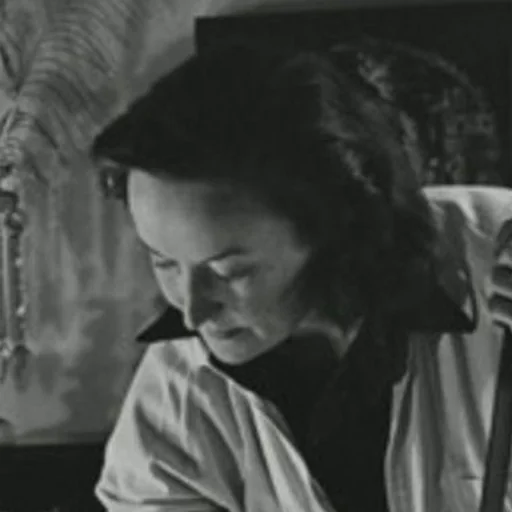
Barbara Mildred Jones (25 December 1912 – 28 August 1978) was an English artist, writer and mural painter. She is known for curating the exhibition Black Eyes and Lemonade (1951) and her book The Unsophisticated Arts (1951).

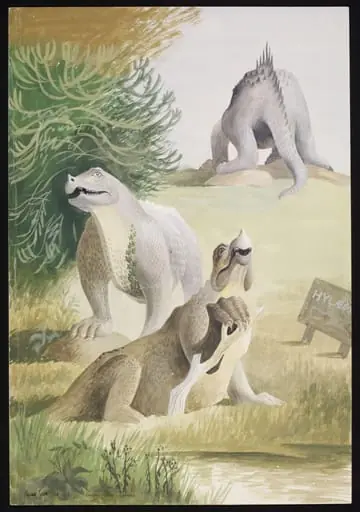 Crystal Palace Gardens, Sydenham, Kent
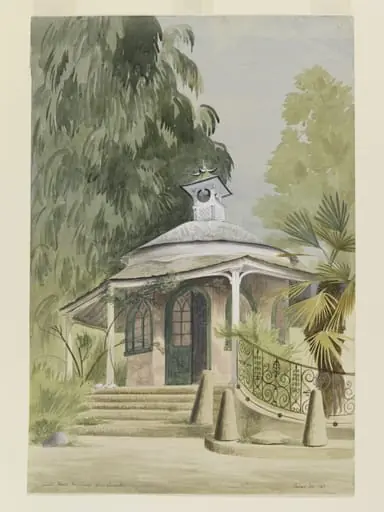 Summer House, Marlborough House, Falmouth
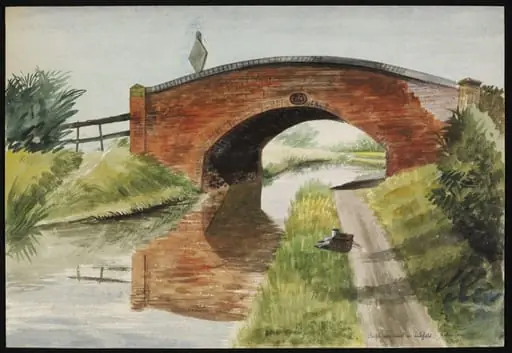 Bridge over Canal, near Litchfield
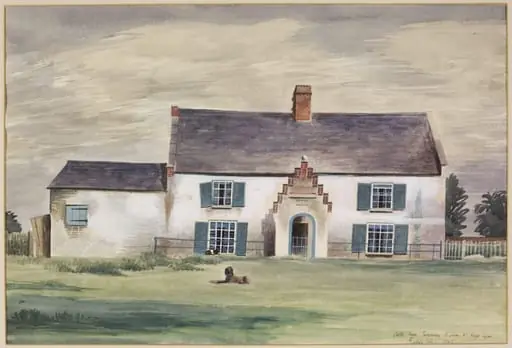 Castle Farm, Terrington St John, near King's Lynn
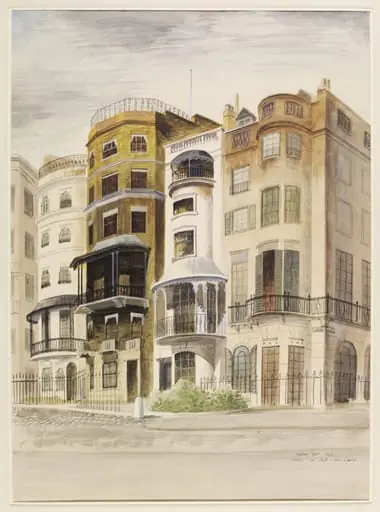 93 to 97 Park Lane, W.1.
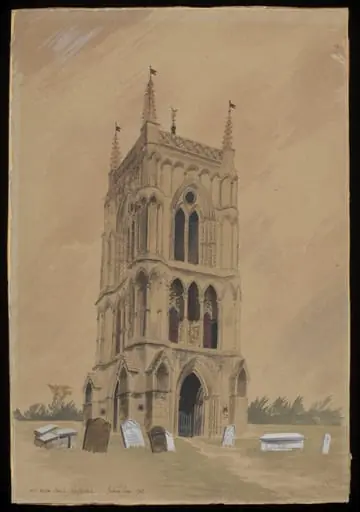 The bell tower, St. Mary's Church, West Walton near Wisbech
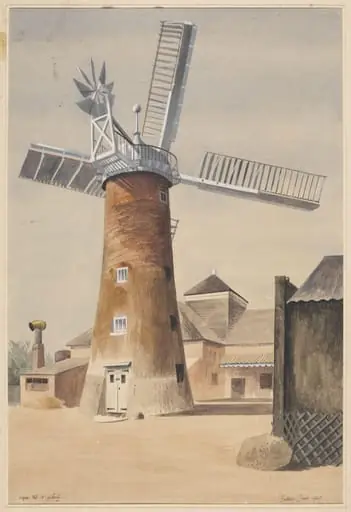 The Mill, Walpole Highway, near Wisbech
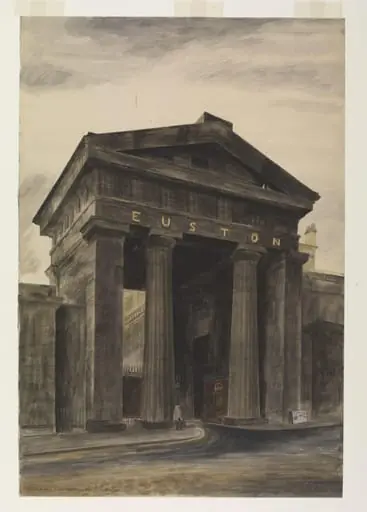 Doric arch, Euston Station, London, NW1
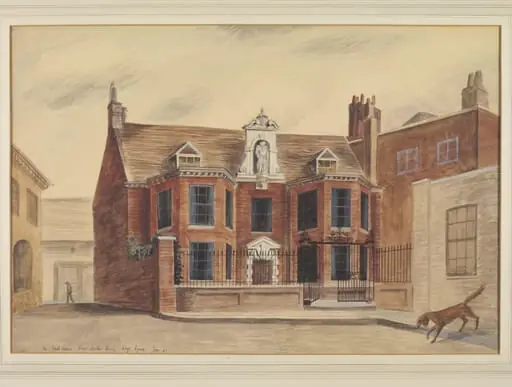 The Bank House, Kings Staithes Quay, Kings Lynn
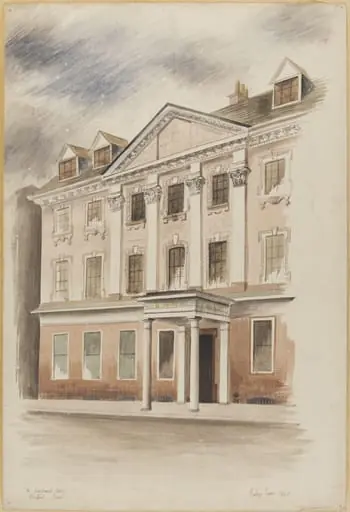 The Greyhound Hotel, Blandford
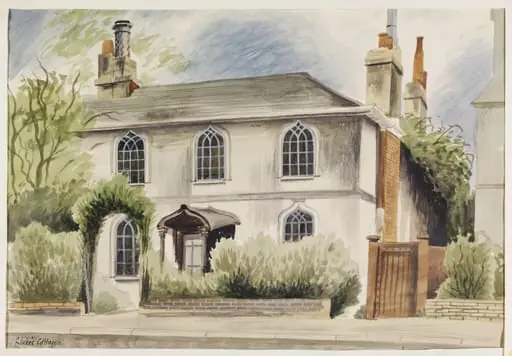 Blake's Cottages, Park Lane, Croydon
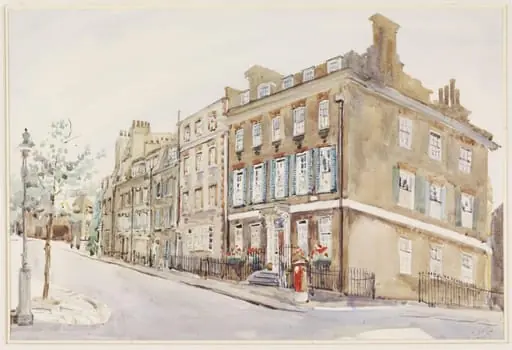 Buckingham Place, Westminster
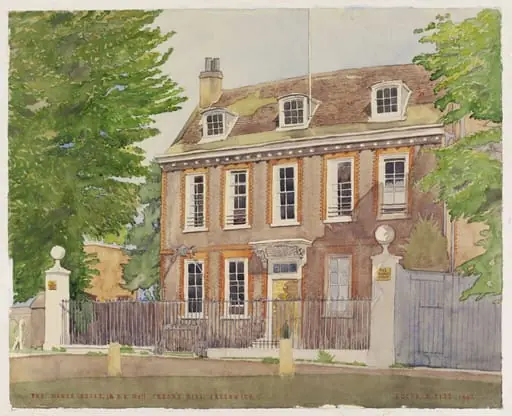 The Manor House, Croom's Hill, Greenwich
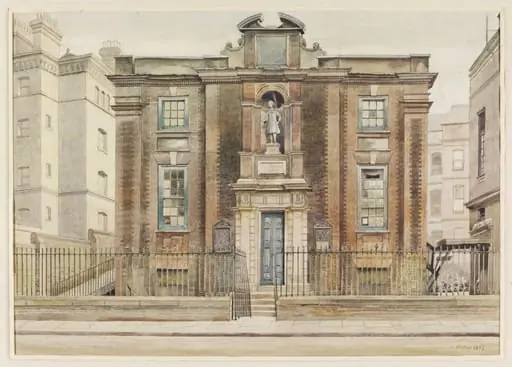 Bluecoat School, Caxton Street, Westminster
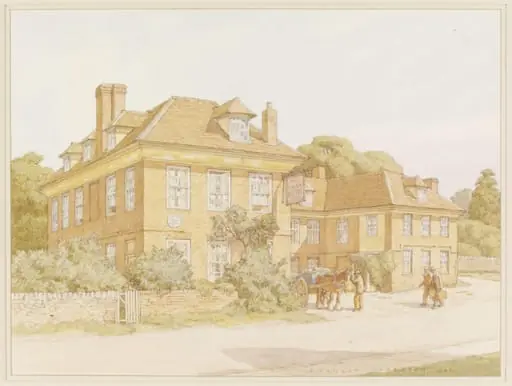 The Swan Hotel, Tetsworth
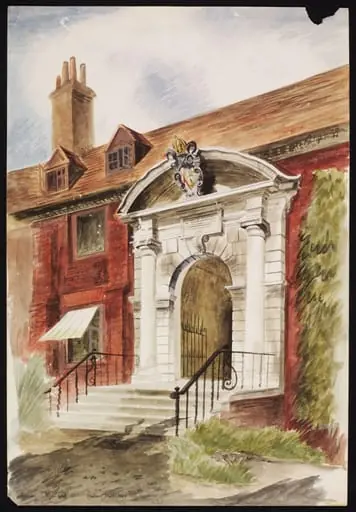 Entrance to Bromley College
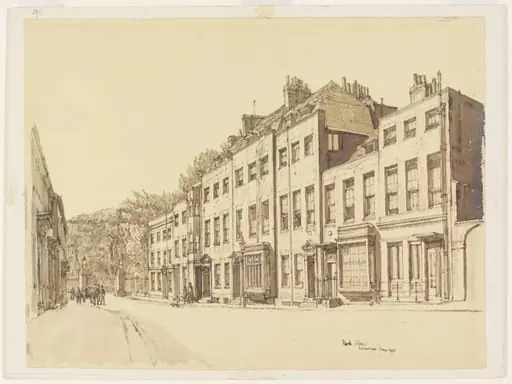 Park Street, Windsor
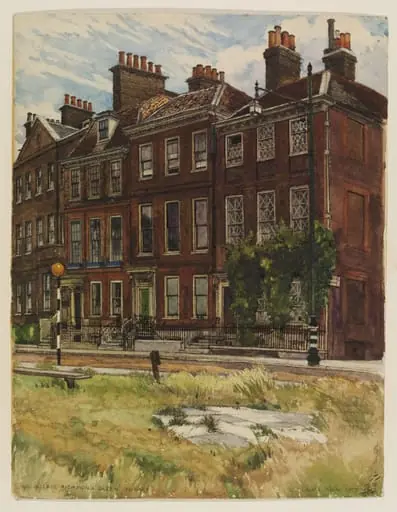 Nos 10, 11 & 12 Richmond Green, Surrey
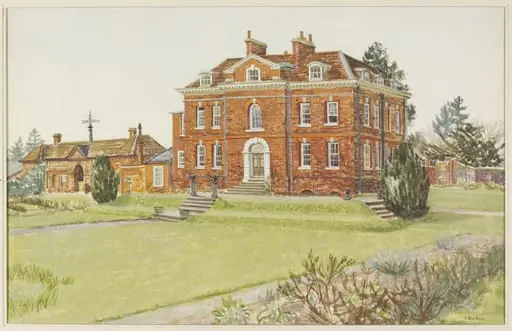 Much Hadham Hall
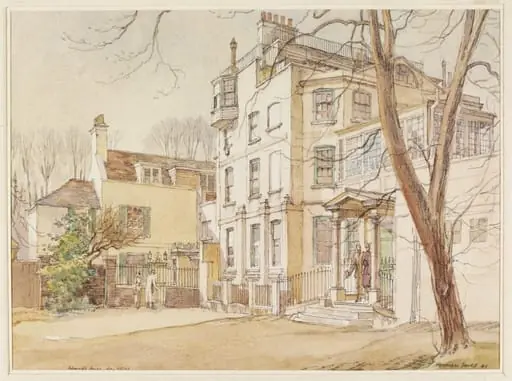 Admiral's House, Hampstead