Artwork
Edmund Burke
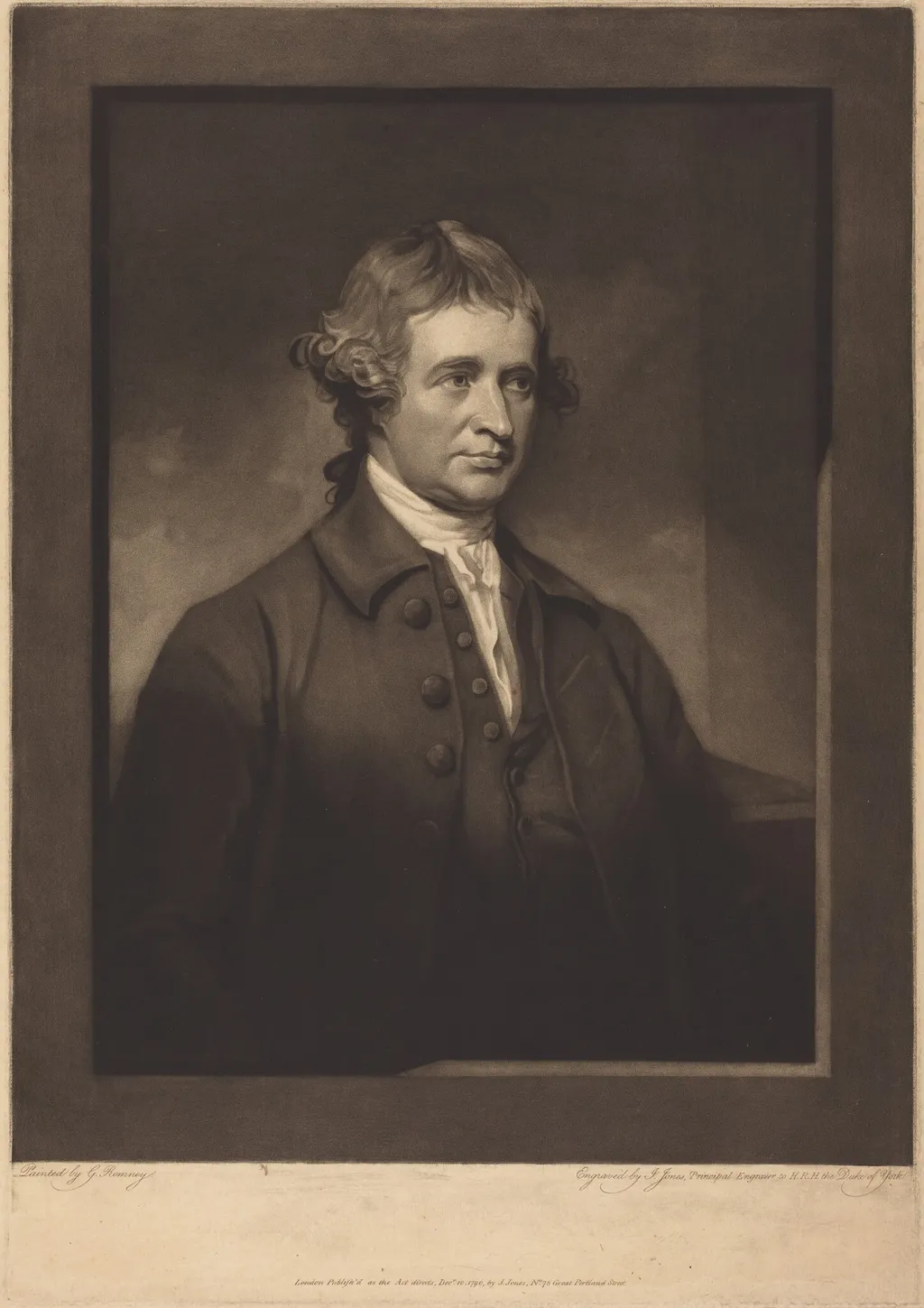
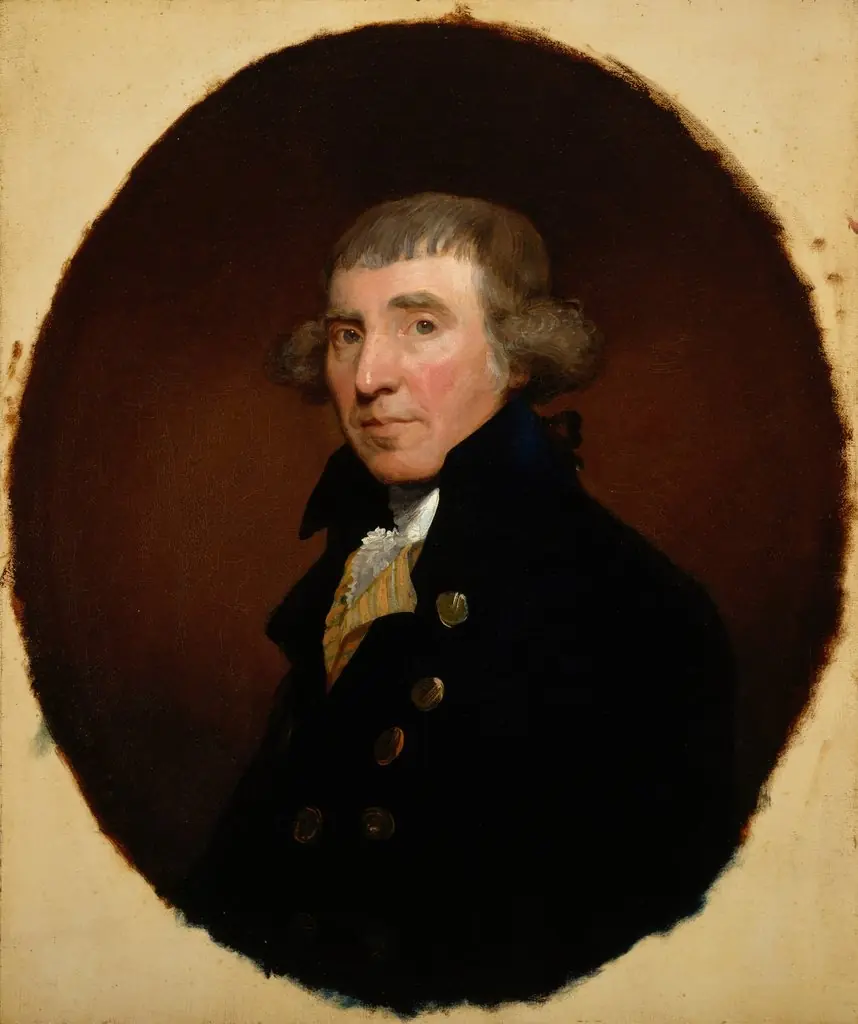
Edmund Burke is an ink print by the Romanticist artist John Jones. It dates from 1790 and is held in the collection of the National Gallery of Art.
About this work
The artist's use of chiaroscuro creates a sense of drama and contrast, drawing the viewer's eye to the subject's face.
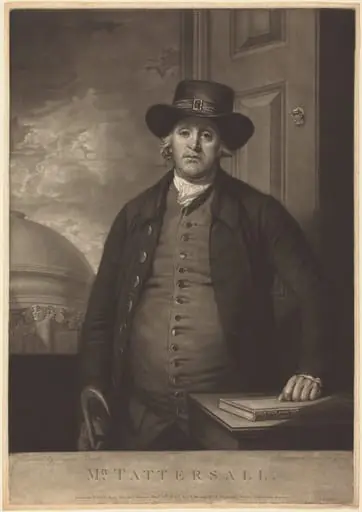
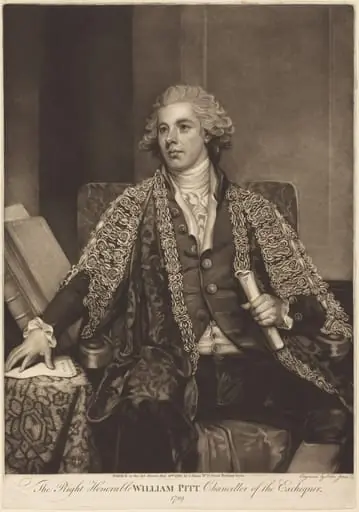
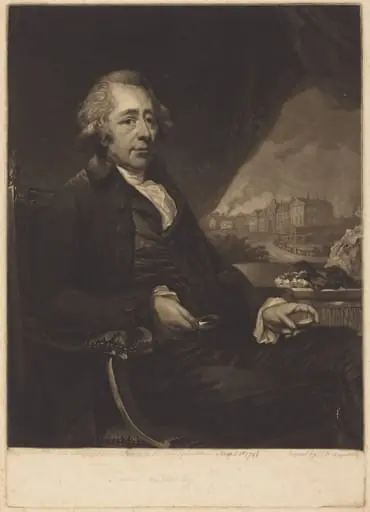
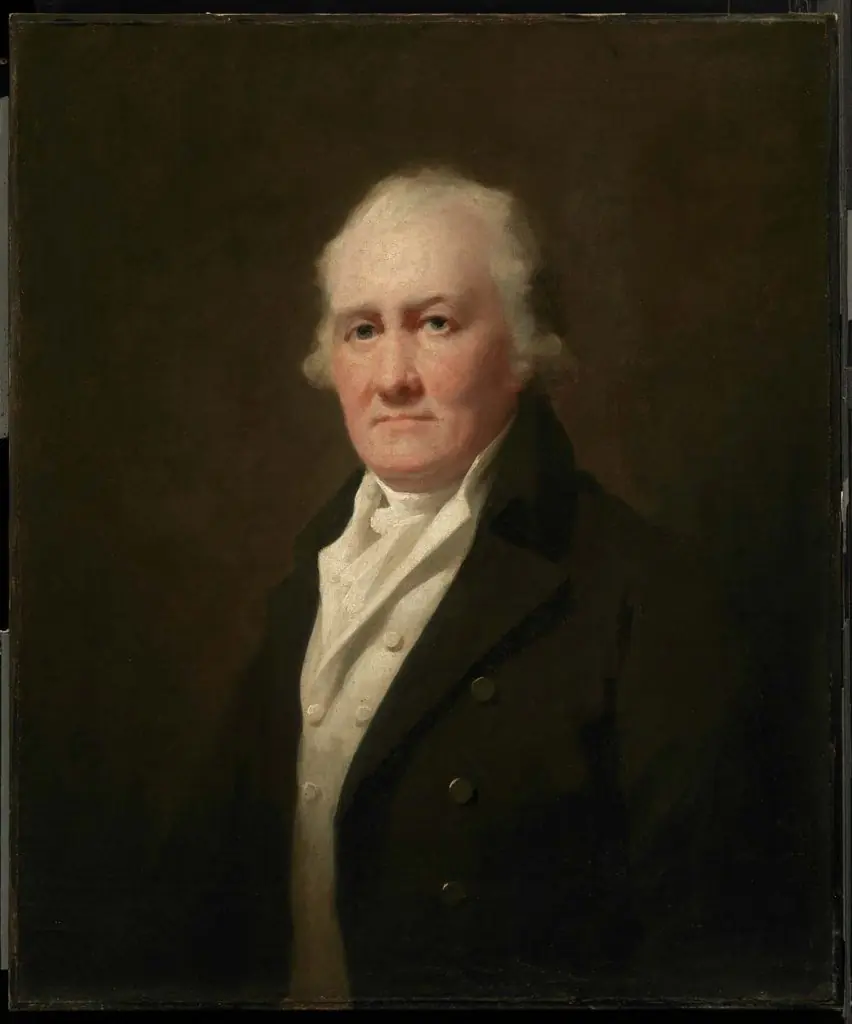
This painting is a portrait of a man, likely from the 18th century. He has short, curly hair and is dressed in a dark coat with buttons down the front, over a white shirt and cravat. The background is dark, with a subtle gradient that suggests a sense of depth.
The man's expression is serious, with a hint of intensity in his eyes. His face is well-defined, with prominent features that give him a strong presence. The overall effect is one of dignity and gravitas, as if the subject is a person of importance.
The artist's use of chiaroscuro creates a sense of drama and contrast, drawing the viewer's eye to the subject's face. This technique is characteristic of the Romanticism movement, which emphasized emotion and individualism. To learn more about this style, explore the Romanticism movement.
Overview
Edmund Burke is a mezzotint print created by John Jones in 1790, portraying a man of apparent importance from the 18th century.
Subject & Meaning
The subject, identified as Edmund Burke, is depicted with a serious expression and intense gaze, conveying dignity and gravitas, suggesting his prominence.
Technique & Style
The print utilizes chiaroscuro, a dramatic contrast of light and dark, characteristic of the Romanticism movement, emphasizing the subject's face and creating depth.
History & Provenance
Created in 1790 by John Jones, specific provenance details are not provided, highlighting the work's existence as a portrait of Edmund Burke from this period.
Context
Emerging during the Romanticism movement, the piece aligns with the era's emphasis on emotion and dramatic lighting, though its direct contextual significance beyond this is not detailed.
Artist & collection