Artwork
Rev. John Clowes
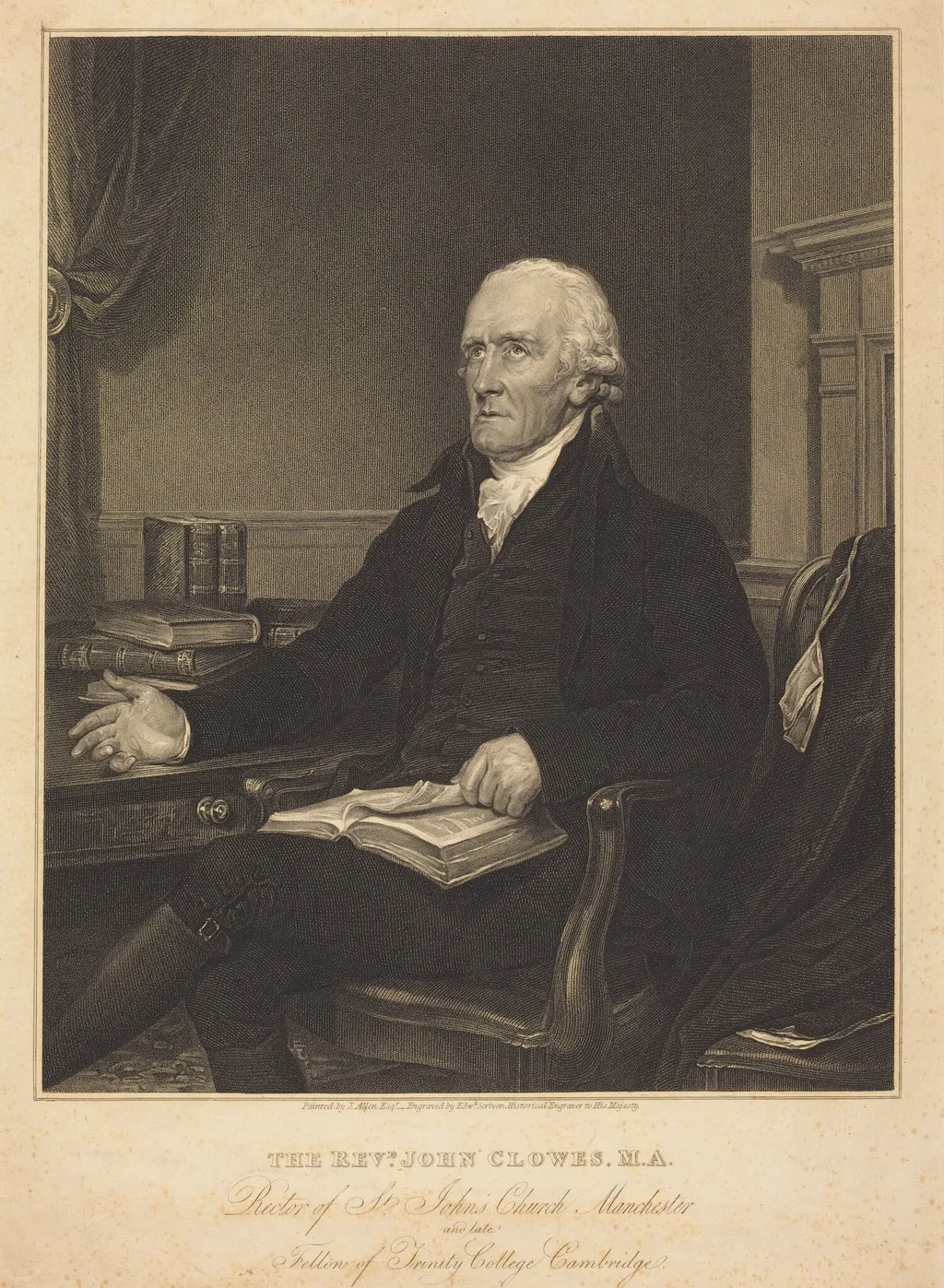
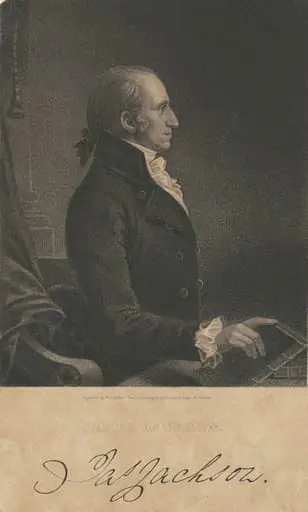
Rev. John Clowes is an ink print by the Romanticist artist Edward Scriven. It dates from 1820 and is held in the collection of the National Gallery of Art. Rev.
About this work
Overview
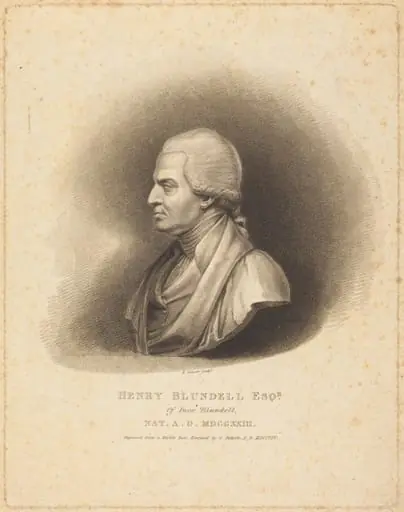
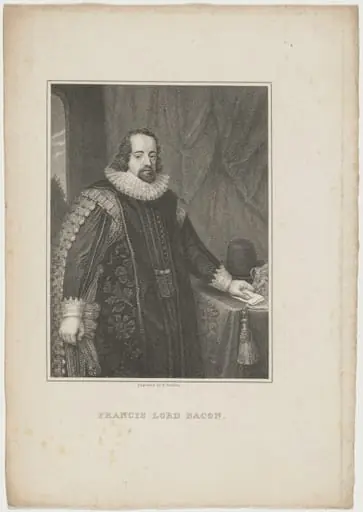
Rev. John Clowes is portrayed in a stipple engraving by Edward Scriven, dated 1820. The work is characteristic of Scriven’s prolific output as a prominent English engraver, specializing in stipple and chalk portraits.
Subject & Meaning
The engraving captures Rev. John Clowes in a moment of introspection. Seated with a book in hand, his serious expression and contemplative posture convey a sense of quiet reflection, aligning with the subdued, thoughtful themes often associated with Romanticism.
Technique & Style
Scriven employs stipple engraving to achieve nuanced tonal variations, delicately rendering Clowes’ facial features and the play of light on his attire. The technique’s emphasis on subtle shading enhances the overall somber, contemplative ambiance.
History & Provenance
Part of Edward Scriven’s extensive portfolio of 210 recorded portraits, this 1820 engraving demonstrates his mastery of the stipple technique. Specific provenance details for this piece are not provided.
Context
Created during the Romantic era, the engraving’s themes of introspection and its stylistic approach place it within the broader artistic movements of early 19th-century England, where emotional depth and individuality were increasingly valued.
Legacy
While the broader impact of this specific engraving on the art historical canon is not distinctly outlined, it contributes to the understanding of Scriven’s contributions to English portraiture and the enduring appeal of stipple engraving in capturing nuanced human expression.
Artist & collection
Artist
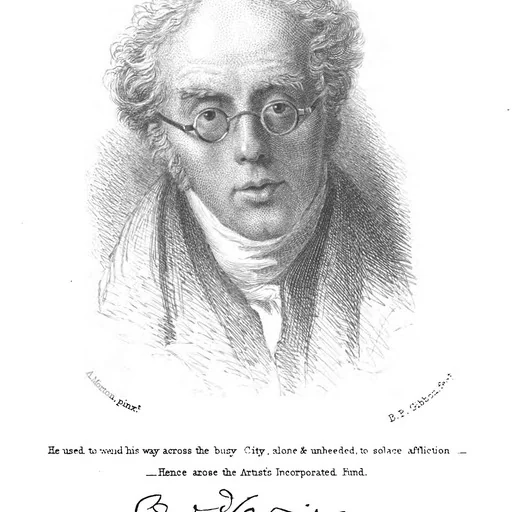
Edward Scriven (1775 – 23 August 1841) was an English engraver of portraits, in the stipple and chalk manner. Scriven was the pre-eminent engraver of his generation, with 210 portraits ascribed to him by the National Portrait Gallery.