Artwork
Child Beggar
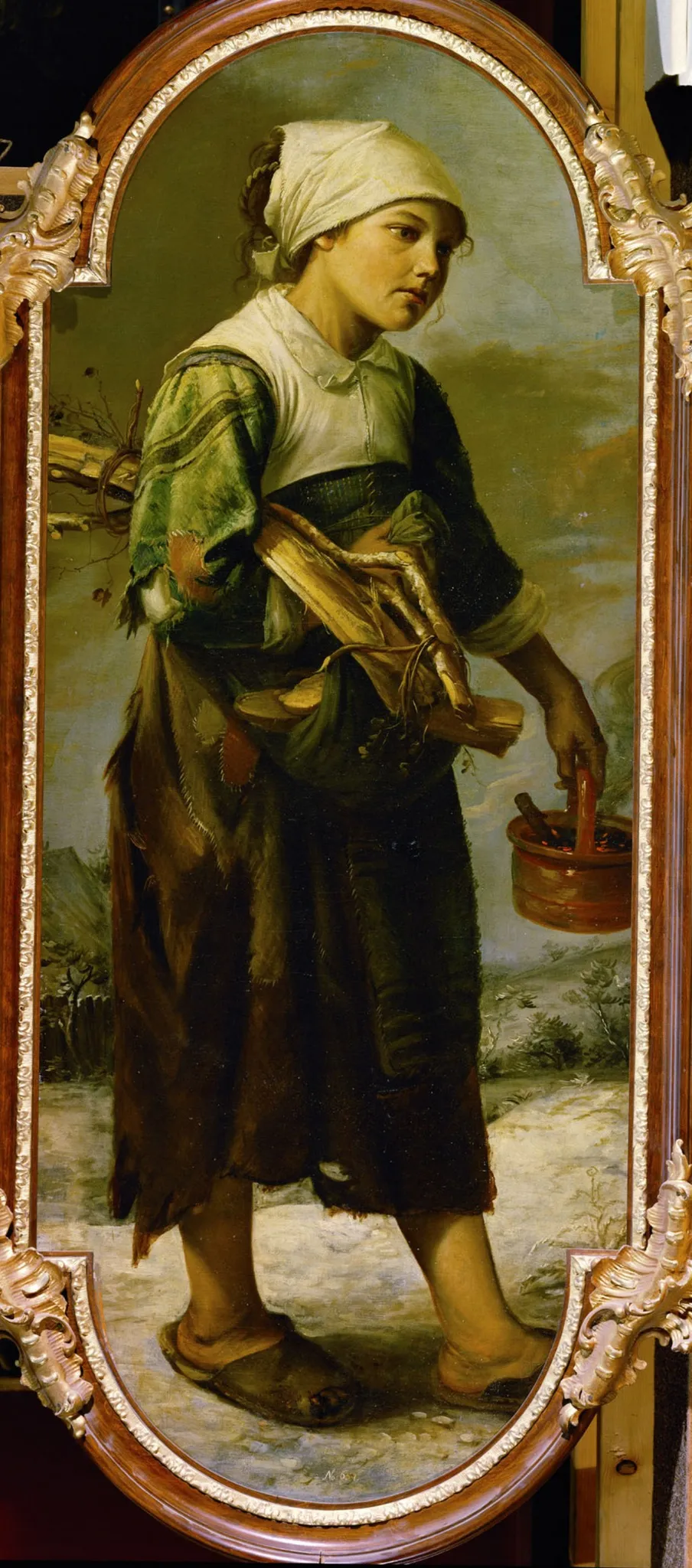
Child Beggar is an unspecified painting by Joos van Craesbeeck. It dates from 1642 and is held in the collection of the Kunsthistorisches Museum.
About this work
Overview
Child Beggar, painted around 1642 by Flemish artist Joos van Craesbeeck, is a genre scene depicting a young, impoverished girl in a rustic setting. Characteristic of the artist’s oeuvre, it focuses on marginalized figures of the time.
Subject & Meaning
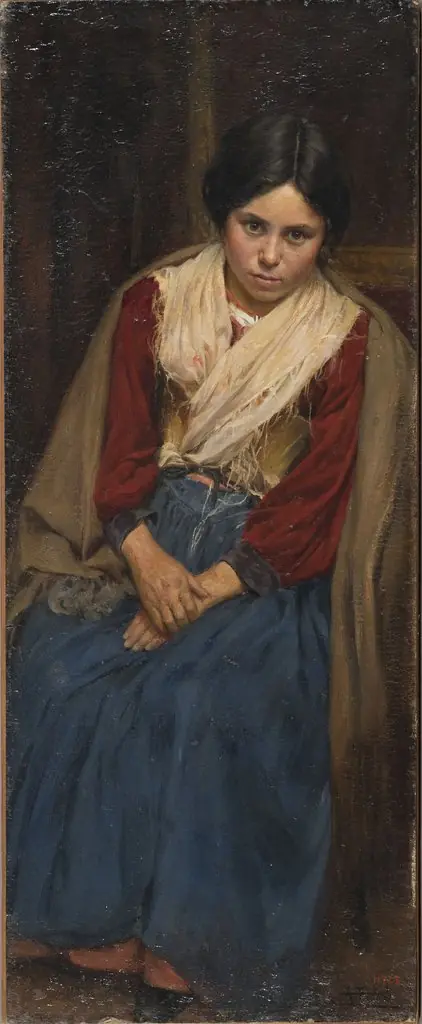
The painting portrays a solitary, barefoot girl dressed in worn attire, carrying a bundle of sticks and a red pot, her expression subdued and introspective. The subject reflects van Craesbeeck’s interest in capturing the lives of the underprivileged and socially overlooked.
Technique & Style
Van Craesbeeck employs chiaroscuro to create depth and draw attention to the girl’s figure against a muted, earthy-toned background. The use of contrasting light and dark enhances the sense of volume and introspective mood.
History & Provenance
Created in the mid-17th century, *Child Beggar* is now part of the Kunsthistorisches Museum’s collection, contributing to the institution’s holdings of Flemish genre paintings from the period.
Context
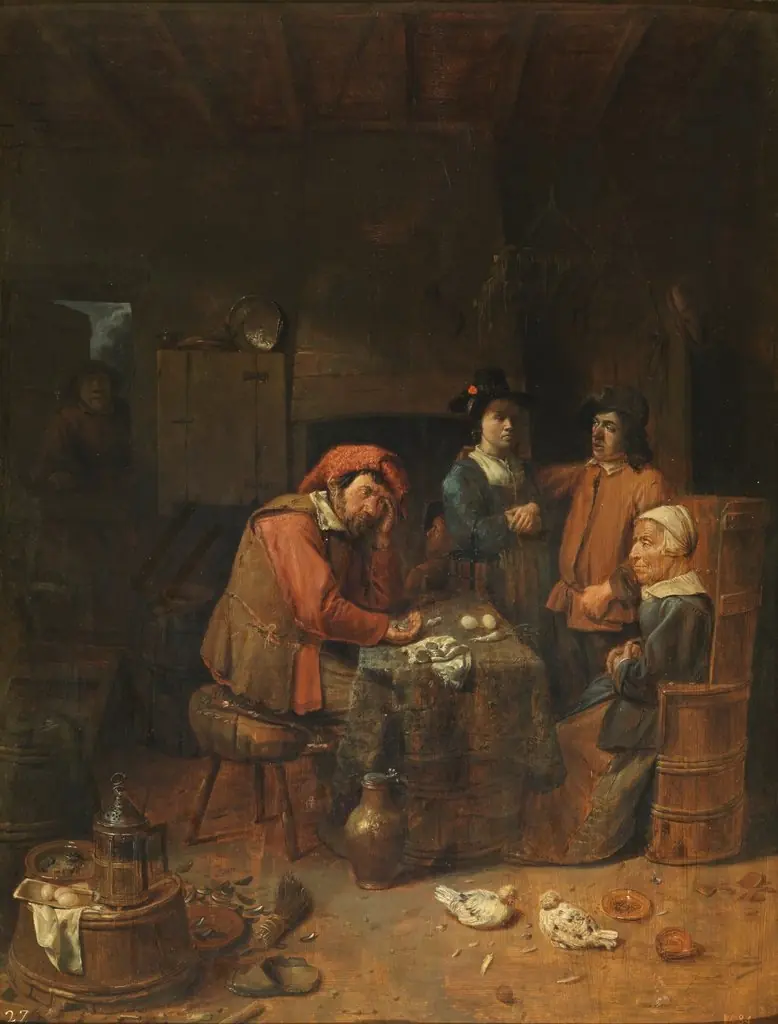
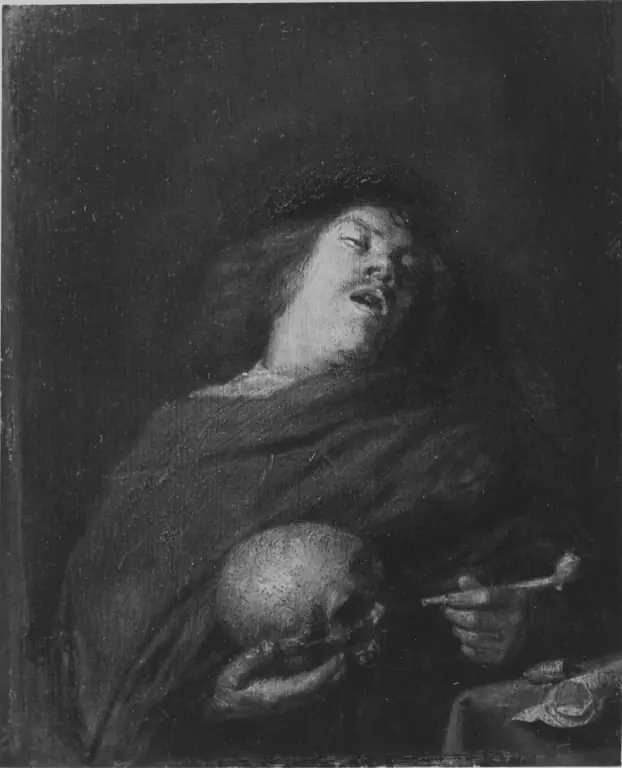
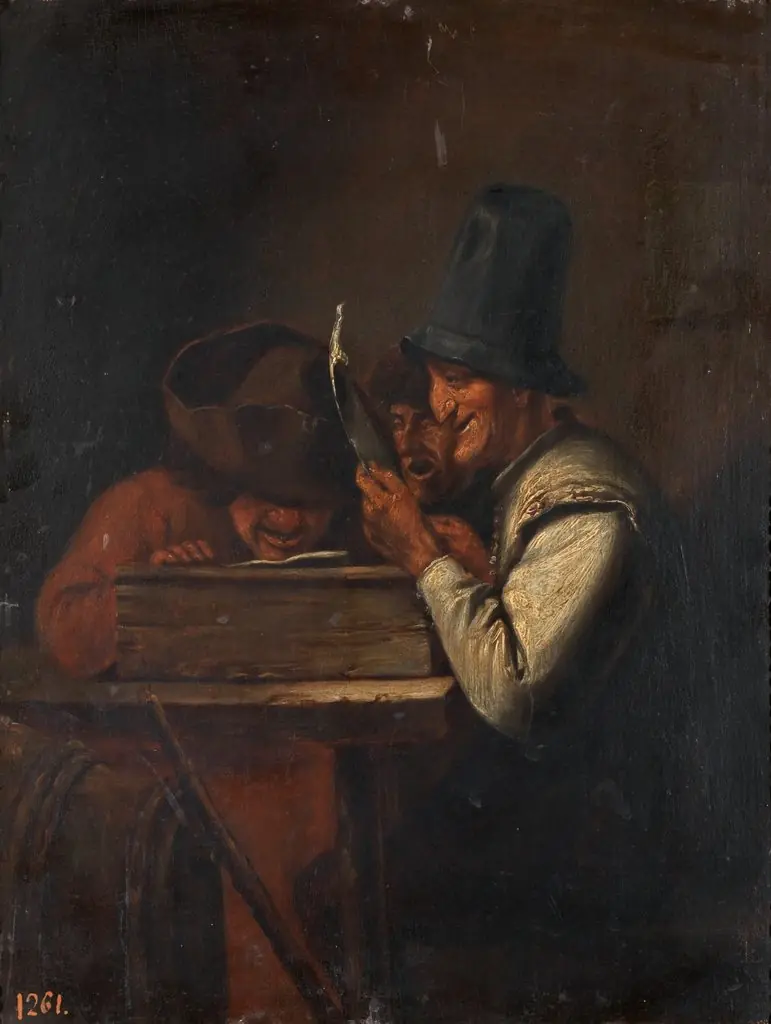
This work contributes to the development of Flemish genre painting in the 17th century, alongside van Craesbeeck’s other scenes of everyday, often low-life, subjects.
Legacy
While specific lasting impacts of *Child Beggar* on subsequent art movements are not prominently documented, it remains representative of van Craesbeeck’s contribution to the broader tradition of Flemish genre painting.
Artist & collection
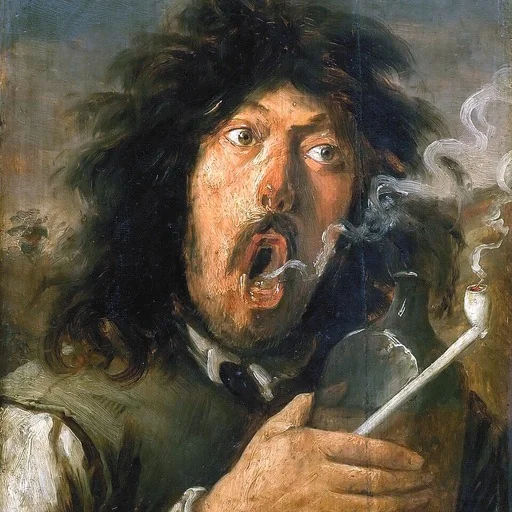
Artist
Joos van Craesbeeck (c. 1605/06 – c. 1660) was a Flemish baker and a painter who played an important role in the development of Flemish genre painting in the mid-17th century through his tavern scenes and dissolute…