Artwork
Parable of the Hidden Treasure
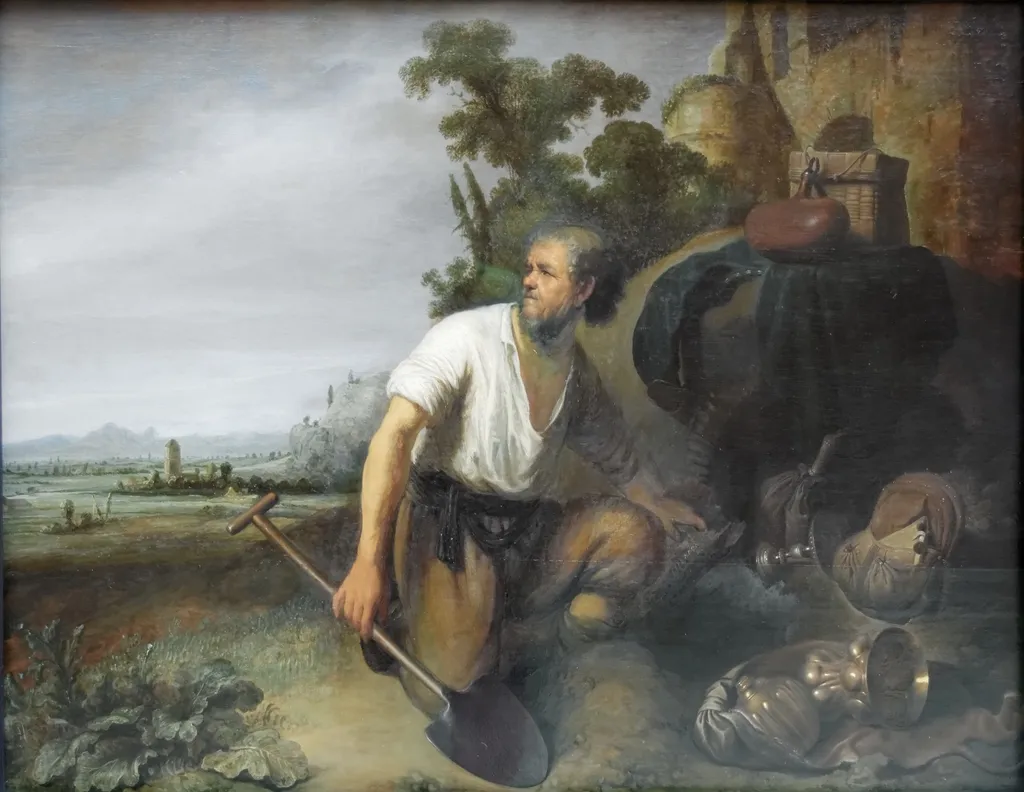
Parable of the Hidden Treasure is an oil painting by the Early Baroque Italian artist Rembrandt. It dates from 1630 and is held in the collection of the Museum of Fine Arts, Budapest.
About this work
Overview
Created in 1630 by Rembrandt Harmenszoon van Rijn, this oil painting portrays the biblical story of a man who uncovers a hidden treasure. The work is held in the collection of the Museum of Fine Arts in Budapest and exemplifies the early Baroque sensibility that linked Dutch and Italian artistic currents.
Subject & Meaning
The central figure is a weary laborer, dressed in a white shirt and dark trousers, kneeling and digging with a long implement. A donkey laden with bags stands nearby, suggesting the toil of searching for something of great value. The composition reflects the parable’s moral lesson about the discovery of spiritual riches.
Technique & Style
Rembrandt employs a pronounced chiaroscuro, contrasting deep shadows with illuminated areas to give the scene a tangible three‑dimensionality. The soft green landscape, distant village, and rocky hill are rendered with muted tones, while the figure’s worn face is highlighted to convey fatigue and focus.
History & Provenance
Since its completion, the painting has remained in European collections, eventually entering the Museum of Fine Arts, Budapest. Its provenance traces a typical path for Dutch Baroque works, moving through private hands before becoming part of a public institution’s holdings.
Context
The work belongs to the early Baroque period, a time when artists across the Netherlands and Italy explored dramatic lighting and narrative depth. Rembrandt’s treatment of a biblical parable aligns with contemporary interests in moral storytelling through everyday scenes.
Artist & collection
Artist
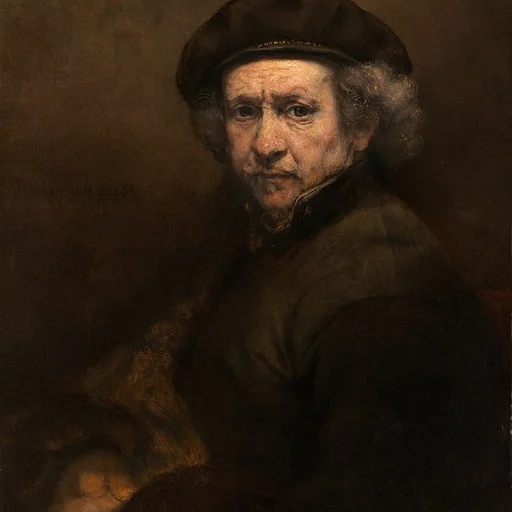
Rembrandt Harmenszoon van Rijn (15 July 1606 – 4 October 1669), known mononymously as Rembrandt, was a Dutch Golden Age painter, printmaker, and draughtsman.

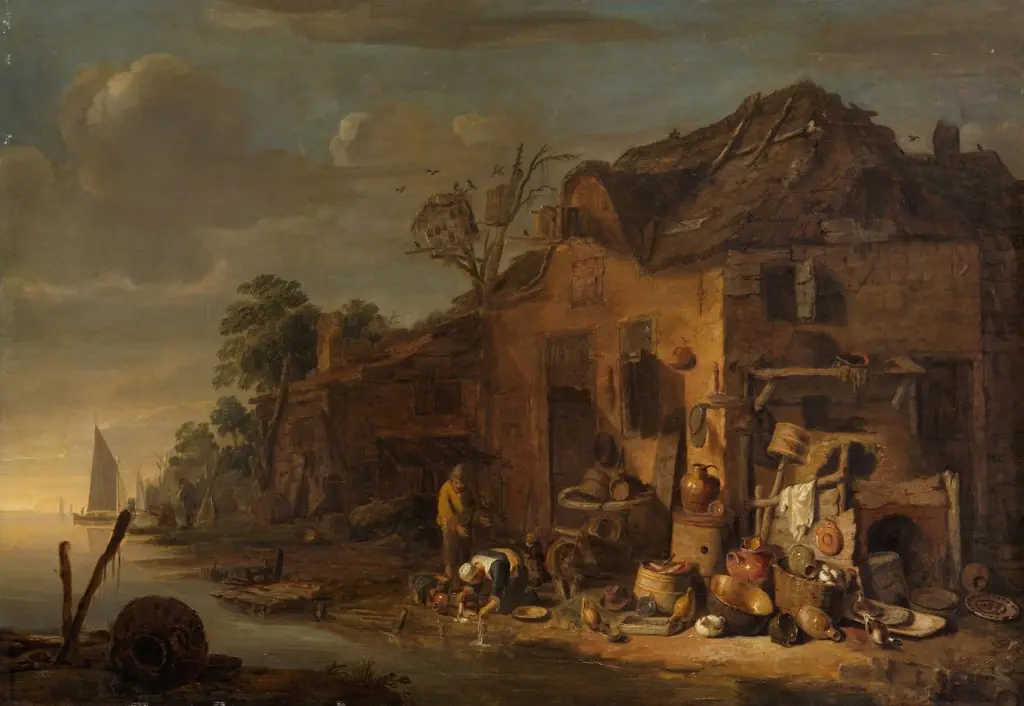 Landscape with farm at a river
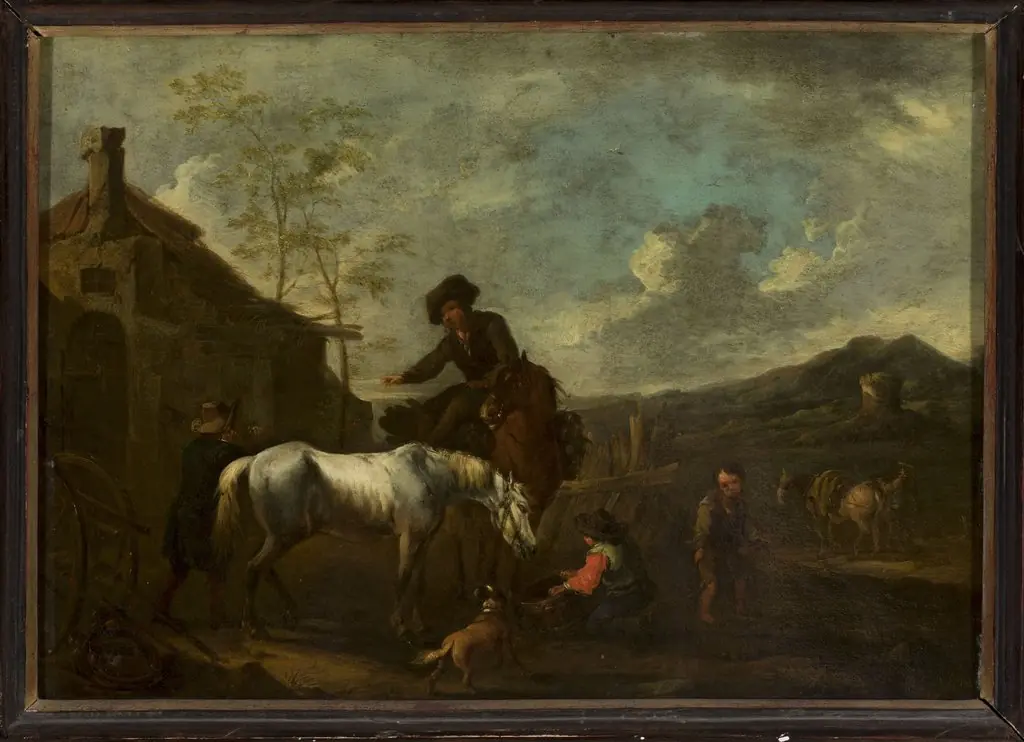 Watering the horses
 Two Horsemen by a Stream
 Laban Searching for His Gods
 Beggars' neighborhood
 De dorstigen laven
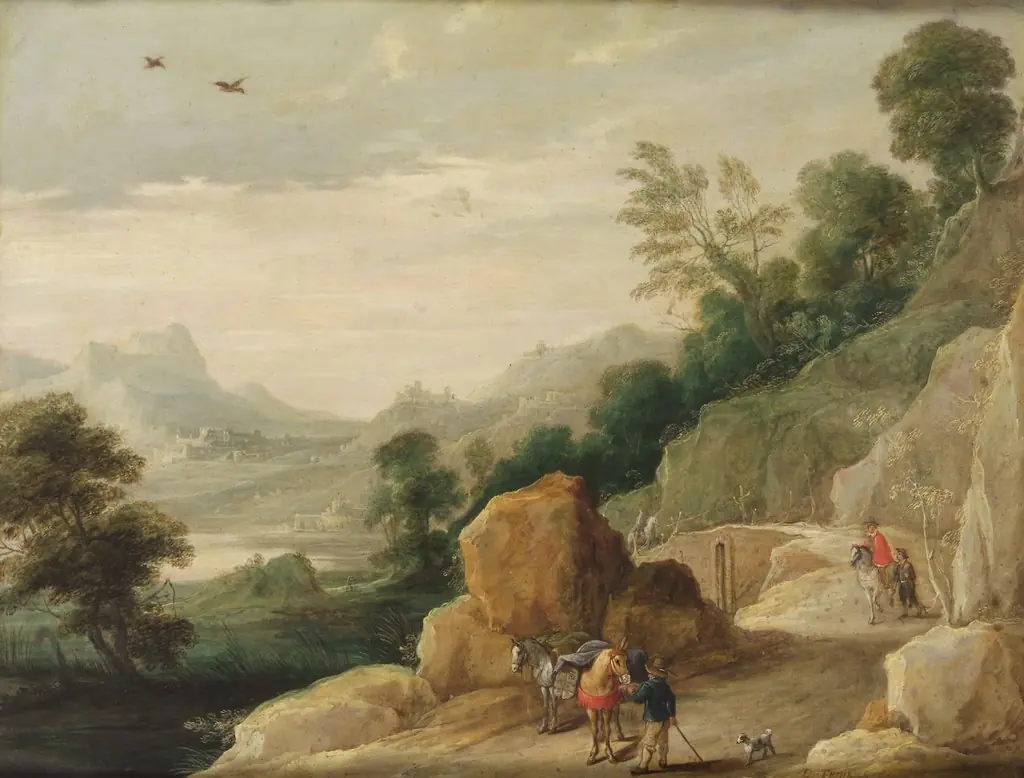 Landschaft mit zwei Maultieren
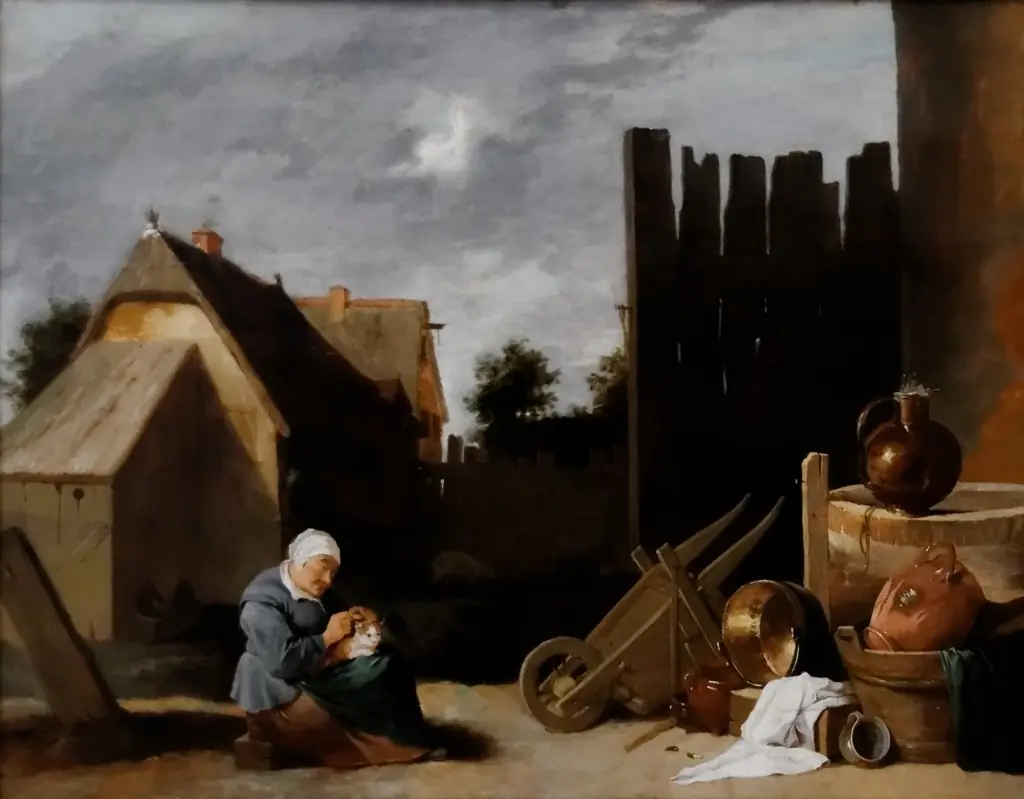 Peasant Court with an Old Woman and a Cat
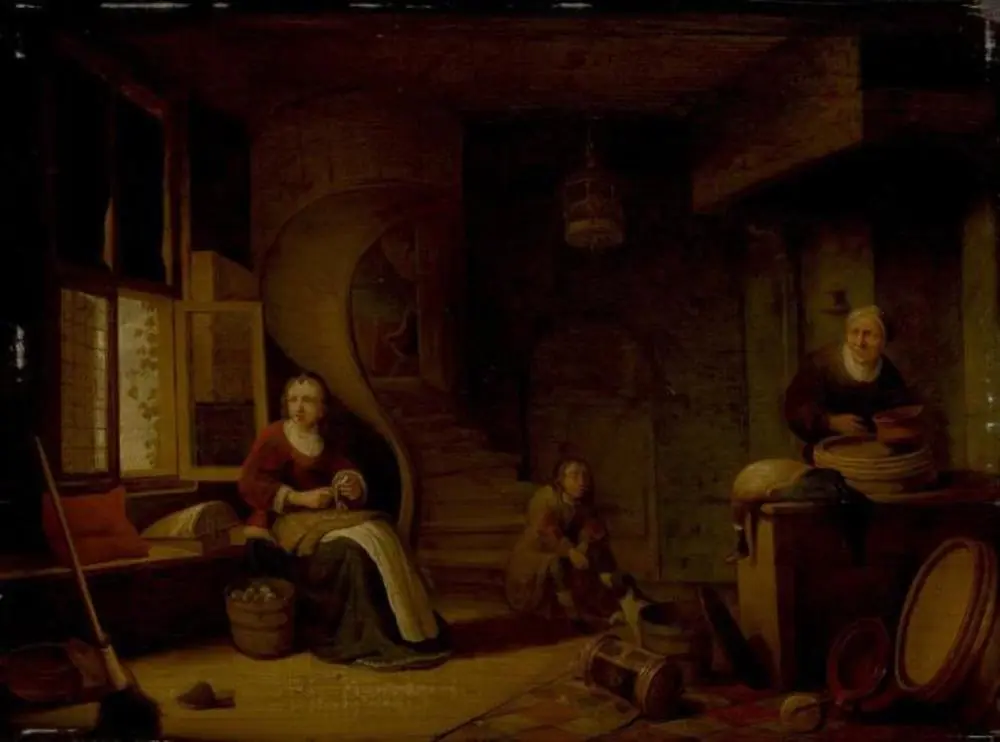 Genre Scene in a Kitchen
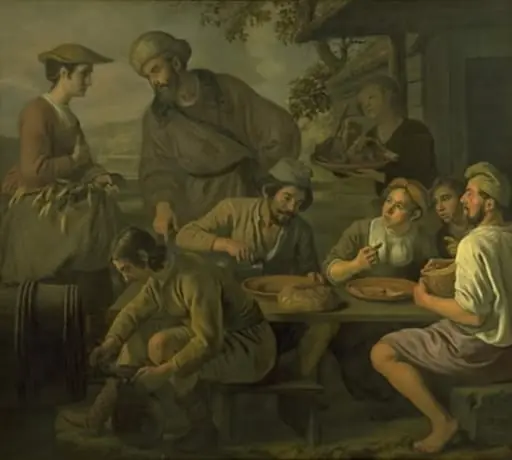 Boaz and Ruth
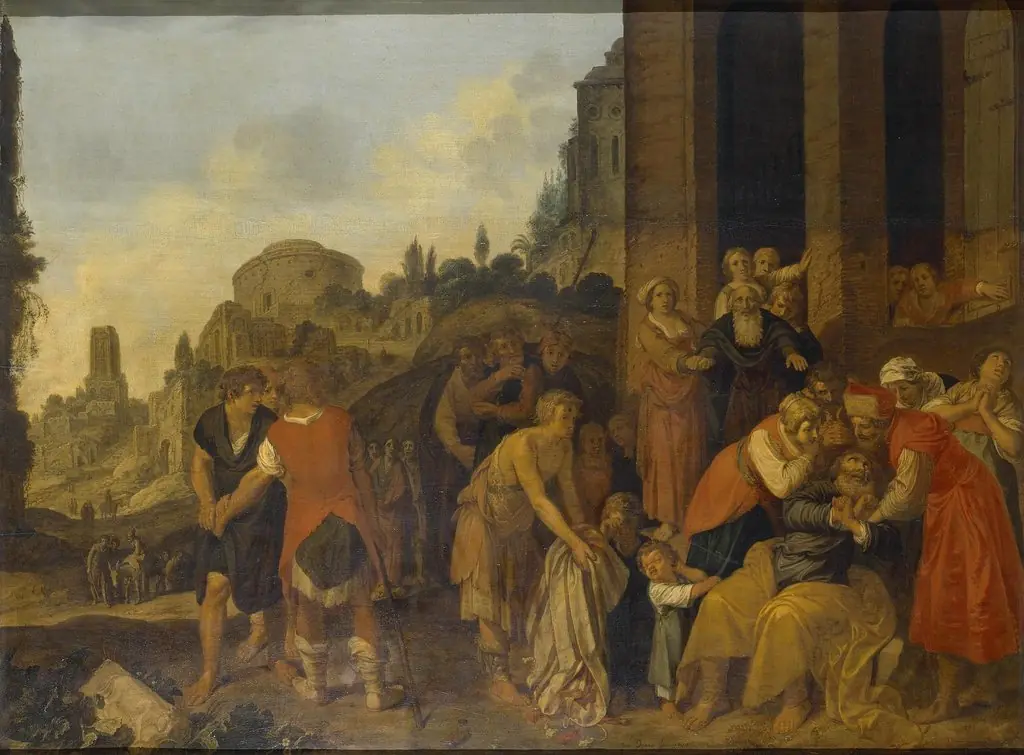 Jacob's Sons Show Him Joseph's Blood-Stained Robe
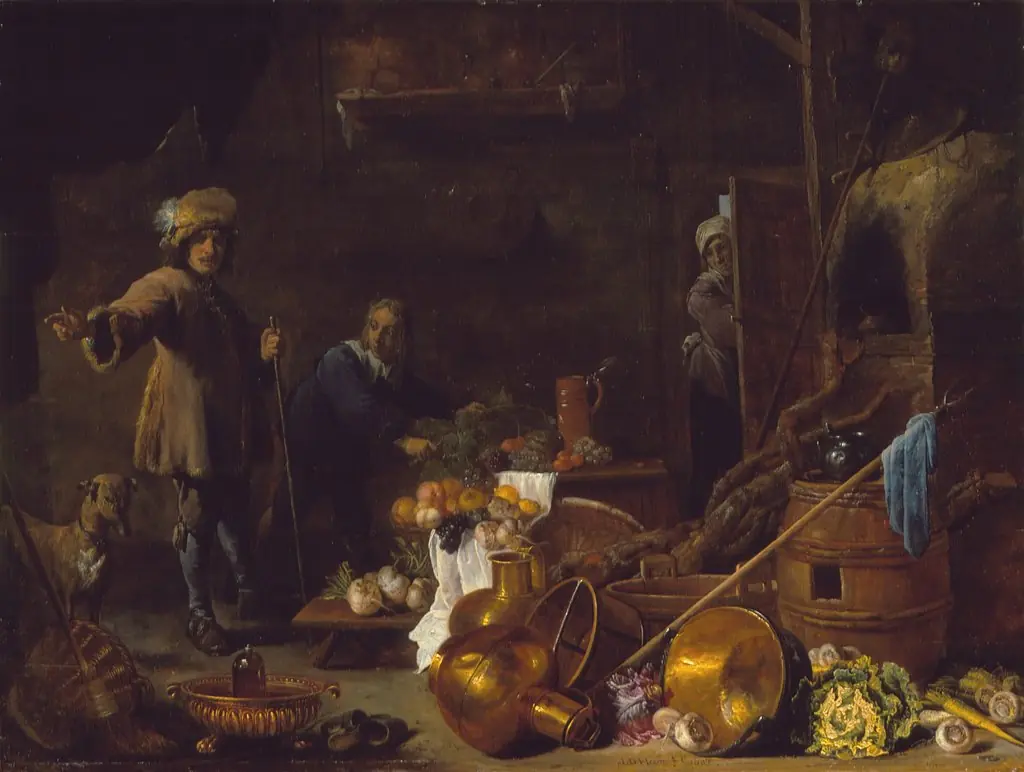 Kitchen Interior