Artwork
Portrait of Euzébio Stevaux
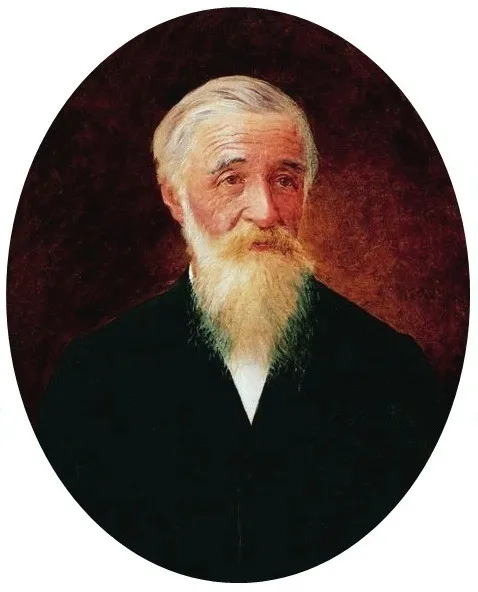
Portrait of Euzébio Stevaux is an oil painting by the Impressionist artist José Ferraz de Almeida Júnior. It dates from 1898 and is held in the collection of the Pinacoteca de São Paulo.
About this work
Overview
Created in 1898, the oil portrait depicts Euzébio Stevaux, an elderly gentleman with white hair and a full beard, dressed in a dark jacket over a white shirt. The composition places the sitter against a predominantly dark backdrop, illuminated by a lighter halo behind his head, drawing attention to his solemn expression and direct gaze.
Subject & Meaning
The work presents Stevaux as a dignified figure, his neatly combed hair and well‑groomed beard emphasizing a sense of order and respectability. The serious demeanor and focused eyes suggest a portrait intended to convey the sitter’s personal gravitas and social standing, rather than narrative or allegorical content.
Technique & Style
Almeida Júnior employs a realistic approach characteristic of his early Realist phase, while the handling of light shows Impressionist influences. Subtle chiaroscuro models the facial features, and the contrast between the dark background and the illuminated headspace creates depth, highlighting texture in the clothing and skin.
History & Provenance
The painting was executed by José Ferraz de Almeida Júnior, a Brazilian artist trained in Brazil and Paris, known for integrating European Realist and Impressionist ideas. Since its creation, the portrait has been part of the permanent collection of the Pinacoteca do Estado de São Paulo, where it remains on display.
Artist & collection
Artist
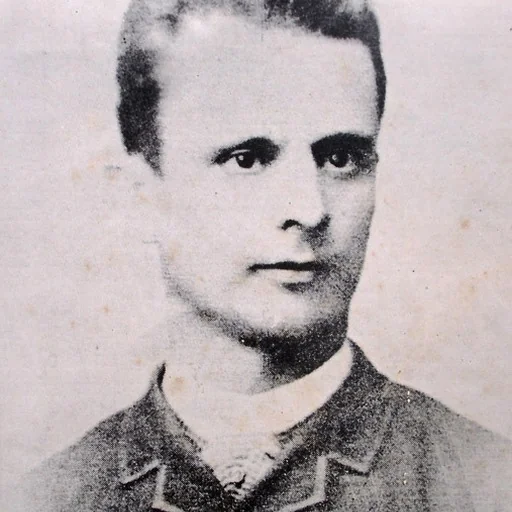
José Ferraz de Almeida Júnior (8 May 1850 – 13 November 1899) was a Brazilian artist and designer; one of the first there to paint in the Realistic tradition of Gustave Courbet and Jean-François Millet.

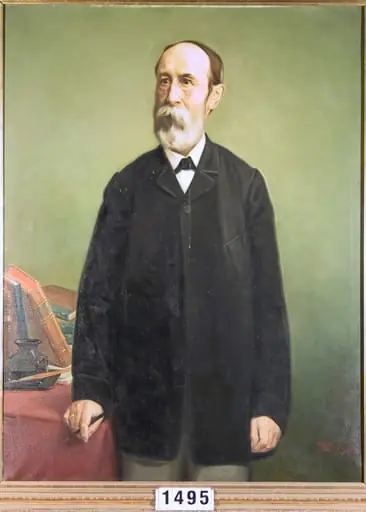 Dr. jur. Josef Bedeus von Scharberg
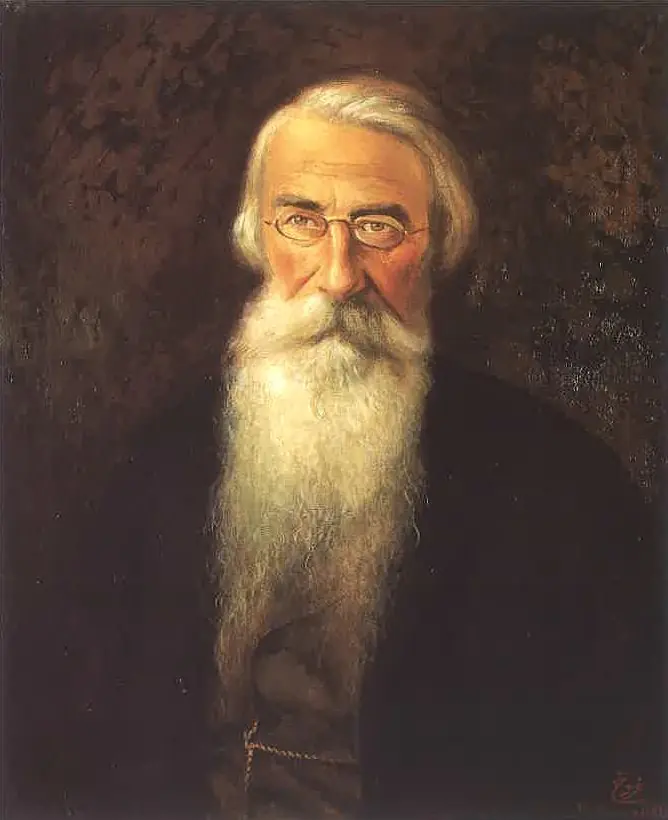 Portrait of Cornelius Van Dyck (1818 - 1896)
 Bogdan Petriceicu Hasdeu
 Portrait of a minister
 Dr. jur. J. Bedeus von Scharberg
 Bogdan Petriceicu Hasdeu
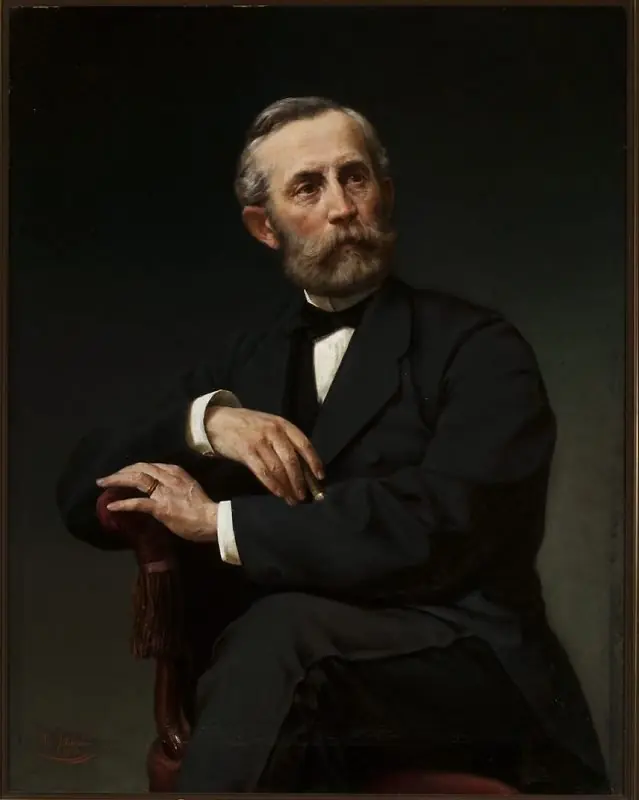 Portrait of Ewaryst Mejer, president of the Sectional Directorate of the Land Credit Association in Warsaw
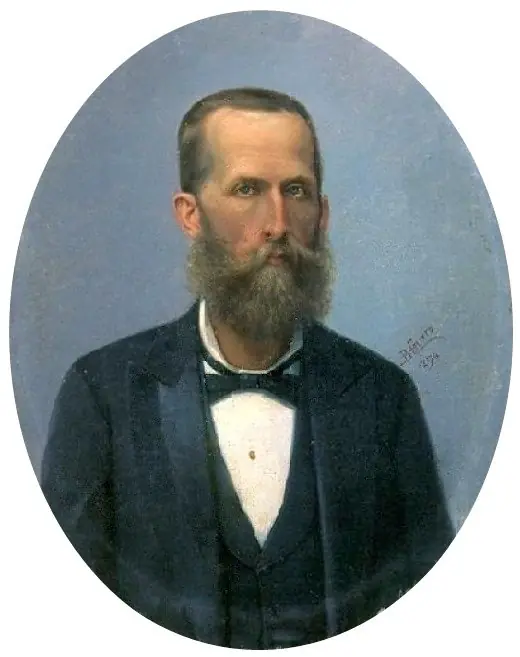 Portrait of Francisco Mariano Corrêa de Moraes
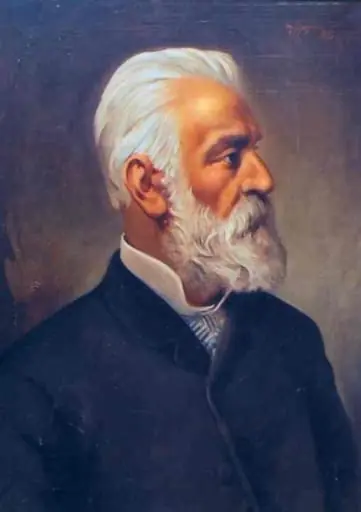 George Sion
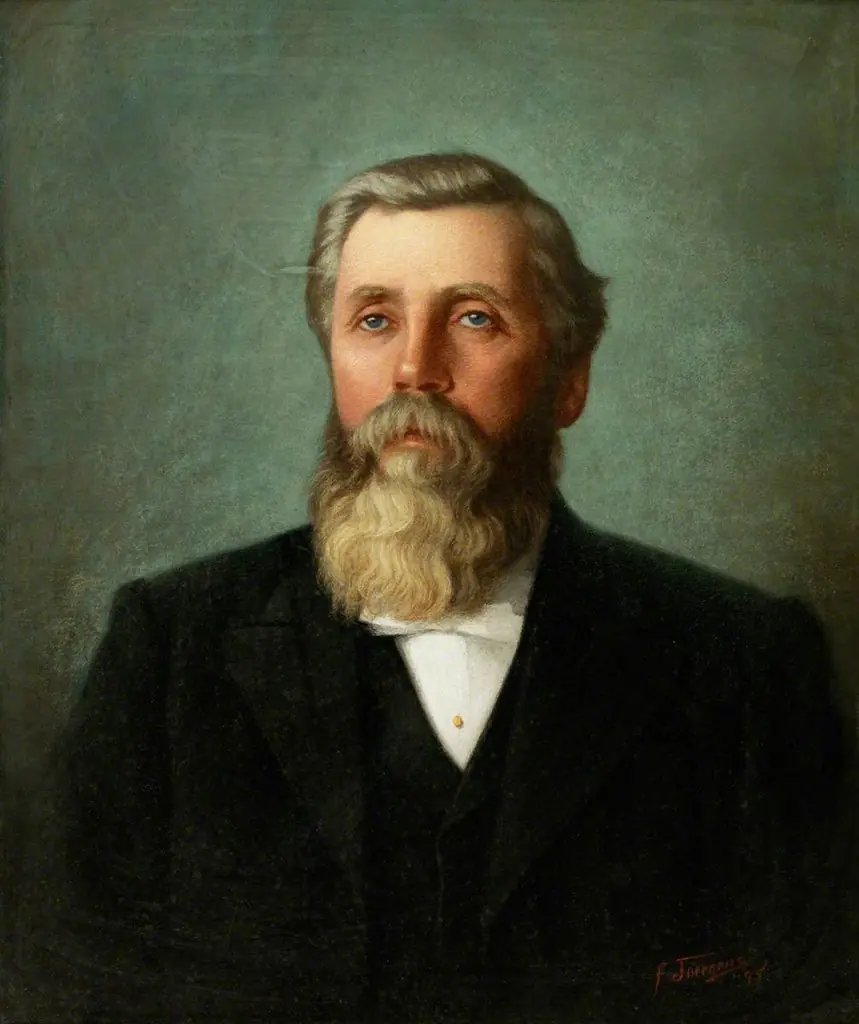 Reverend Dr John Cynddylan Jones (1841–1930)
 Barbu Catargiu
 Portrait of a bearded man