Artwork
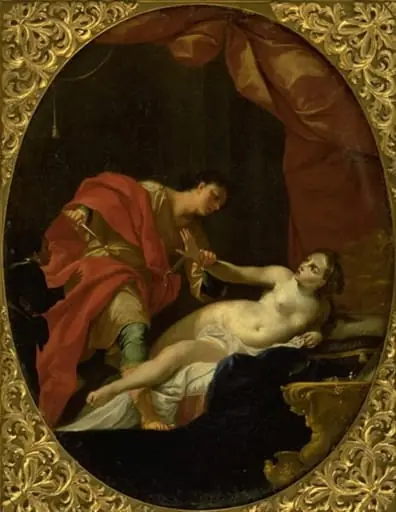
Tarquin and Lucretia
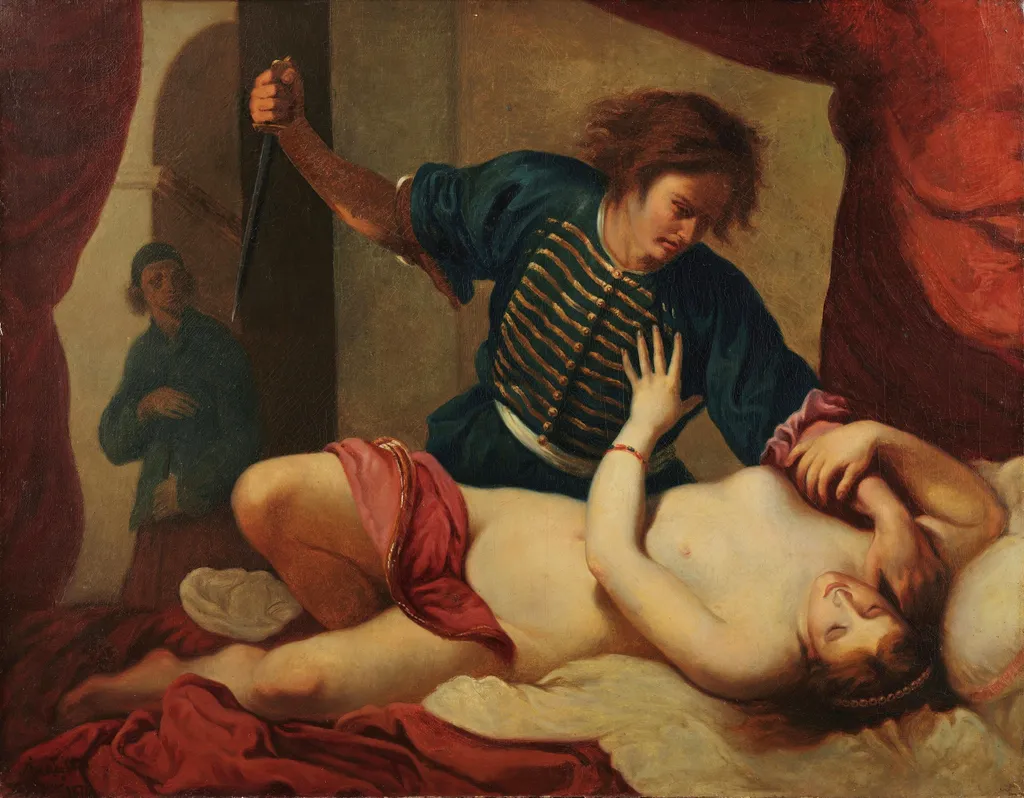
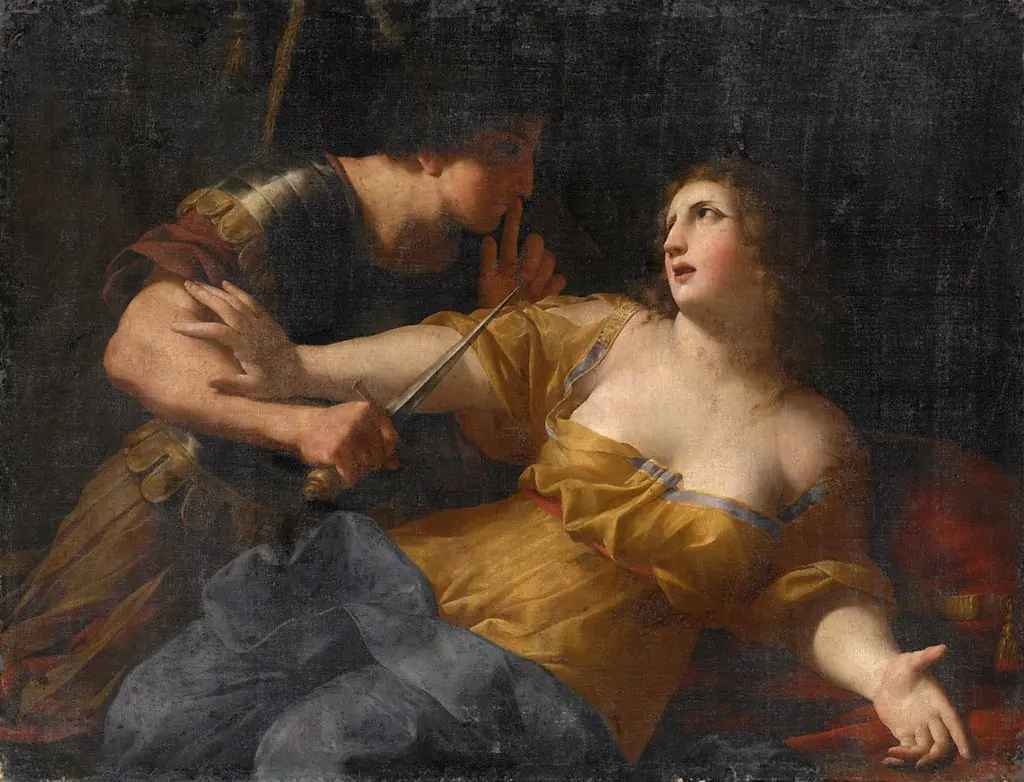
Tarquin and Lucretia is an oil painting by the Realist artist José Ferraz de Almeida Júnior. It dates from 1874 and is held in the collection of the Pinacoteca de São Paulo.
About this work
Overview
Painted in 1874 by Brazilian artist José Ferraz de Almeida Júnior, this oil on canvas work portrays a moment from Roman legend involving Tarquin and Lucretia.
Painted in 1874 by Brazilian artist José Ferraz de Almeida Júnior, this oil on canvas work portrays a moment from Roman legend involving Tarquin and Lucretia. It reflects the artist’s engagement with European Realism, particularly the naturalistic approaches of Courbet and Millet. The painting was produced during a period when Brazilian art was shifting toward secular, historically grounded subjects, moving away from purely academic or religious themes.
Subject & Meaning
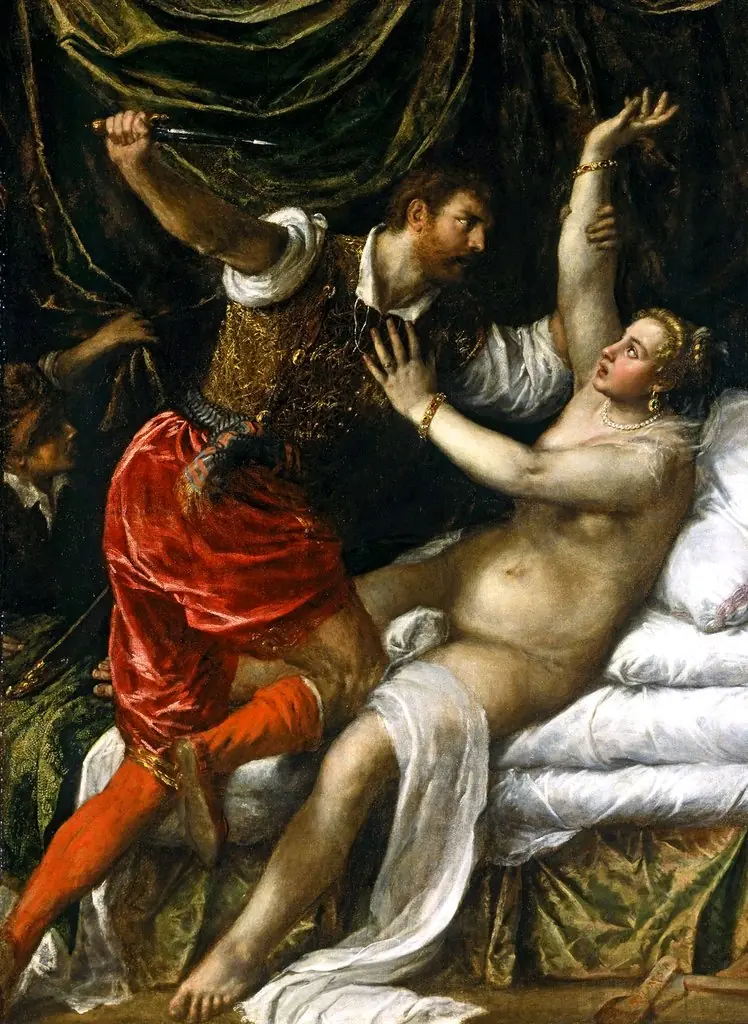
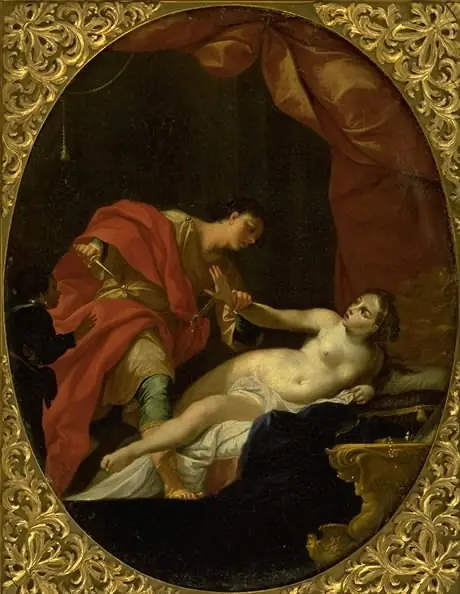
The scene captures Tarquin, the tyrannical Etruscan prince, confronting Lucretia, a noblewoman, moments before her assault. Her posture and expression convey vulnerability, while Tarquin’s raised sword suggests imminent violence. A third figure, partially visible in shadow, watches silently—possibly a servant or witness—adding a layer of complicity or helplessness. The narrative draws from Livy’s account of tyranny and moral resistance, resonating with 19th-century concerns about power and justice.
Technique & Style
Almeida Júnior employs chiaroscuro to heighten emotional tension, directing light sharply across Lucretia’s exposed form and Tarquin’s dark garments. The contrast isolates the figures against a muted background of stone and heavy red drapery. Brushwork is precise yet unembellished, avoiding theatricality in favor of psychological realism. The red of Lucretia’s garment stands out against cooler tones, reinforcing her vulnerability amid the oppressive atmosphere of the room.
History & Provenance
Created during Almeida Júnior’s mature period, the painting was likely exhibited in Brazil soon after completion, contributing to his reputation as a leading Realist. It remained in private collections for much of the 20th century before entering a public institution. Its preservation reflects its significance in the development of Brazilian national art, where historical narratives were increasingly used to explore social and moral themes.
Context
In 1870s Brazil, artists sought to establish a visual language distinct from colonial traditions. Almeida Júnior, trained in Europe, brought back Realist methods to depict local and classical subjects with psychological depth. This painting aligns with broader Latin American efforts to use historical drama to critique authority and explore gendered power dynamics, mirroring European debates while grounding them in a distinctly Brazilian artistic context.
Legacy
The work is recognized as one of Almeida Júnior’s most powerful explorations of human vulnerability under coercion. It influenced later generations of Brazilian painters who turned to historical and literary themes with psychological realism. Though less known internationally, it remains a key reference in studies of 19th-century Latin American art, illustrating how European techniques were adapted to address local moral and political concerns.
Own this work as a print
Artist & collection
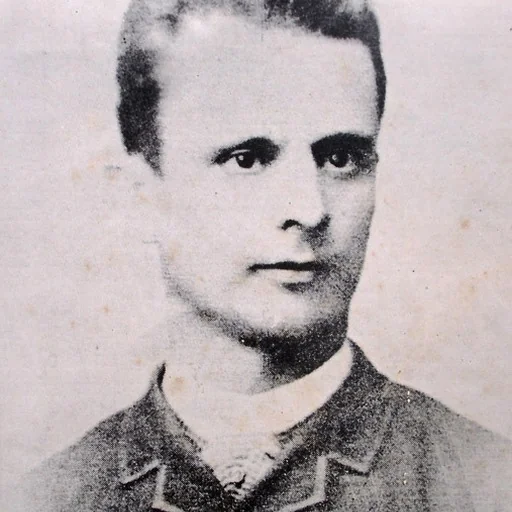
Artist
José Ferraz de Almeida Júnior (8 May 1850 – 13 November 1899) was a Brazilian artist and designer; one of the first there to paint in the Realistic tradition of Gustave Courbet and Jean-François Millet.