Artwork
Silvino Egydio de Souza Aranha
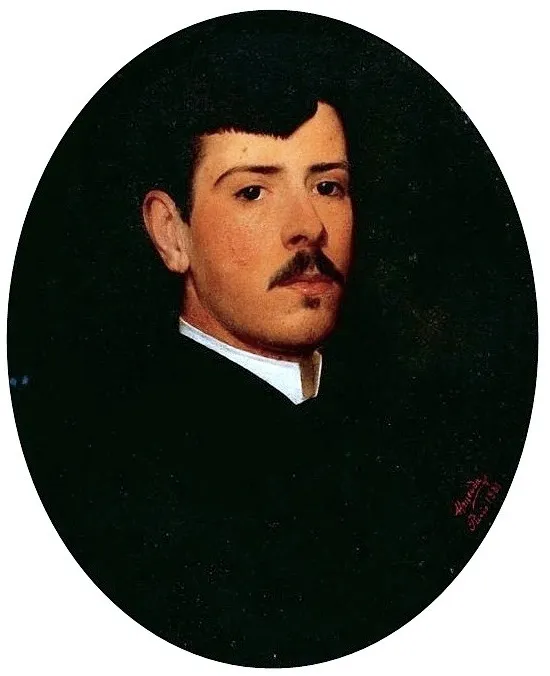
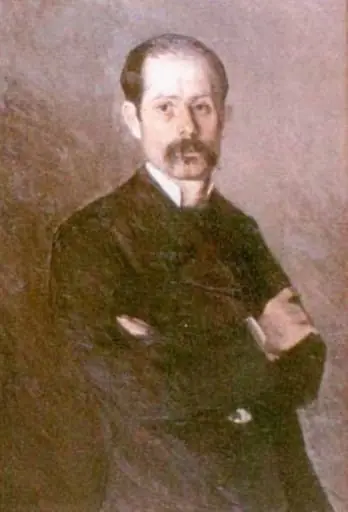
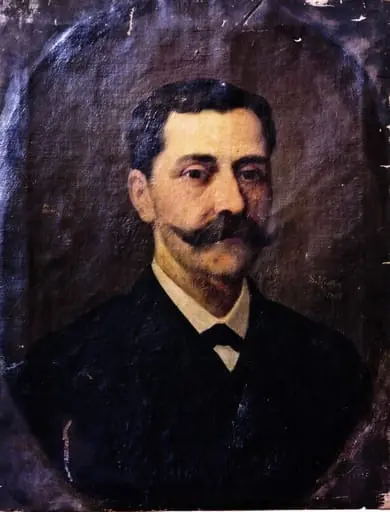
Silvino Egydio de Souza Aranha is an oil painting by the Impressionist artist José Ferraz de Almeida Júnior. It dates from 1891 and is held in the collection of the Pinacoteca de São Paulo.
About this work
Overview
Created in 1891, this oil portrait by José Ferraz de Almeida Júnior presents Silvino Egydio de Souza Aranha in a restrained, naturalistic manner. Executed during the artist’s São Paulo period, the work exemplifies the Realist current that Almeida Júnior introduced to Brazilian painting, reflecting a focus on direct observation of contemporary individuals.
Subject & Meaning
The sitter appears as a middle‑aged man with dark hair, a neatly trimmed mustache, and a formal dark jacket over a white shirt. Set against a dark, unadorned background, the composition emphasizes his presence and suggests a professional or official role, highlighting the era’s interest in portraying respectable, everyday figures.
Technique & Style
Almeida Júnior employs oil pigments to achieve subtle modeling of flesh and fabric, creating a sense of volume and texture. The brushwork balances precise detail in the face and clothing with a softer handling of the background, aligning with Realist principles while hinting at Impressionist concerns for light and surface.
History & Provenance
Since its completion, the portrait has remained within Brazil’s public collections and is presently housed in the Pinacoteca do Estado de São Paulo. Its presence in this institution underscores the painting’s role in documenting the development of a national visual culture during the late nineteenth century.
Artist & collection
Artist
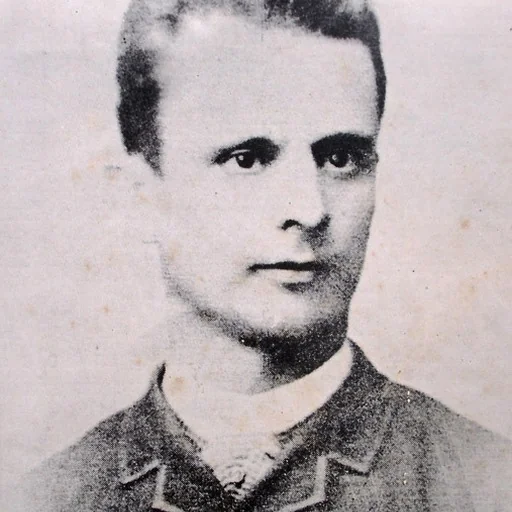
José Ferraz de Almeida Júnior (8 May 1850 – 13 November 1899) was a Brazilian artist and designer; one of the first there to paint in the Realistic tradition of Gustave Courbet and Jean-François Millet.