Artwork
Conversion of Saint Augustin
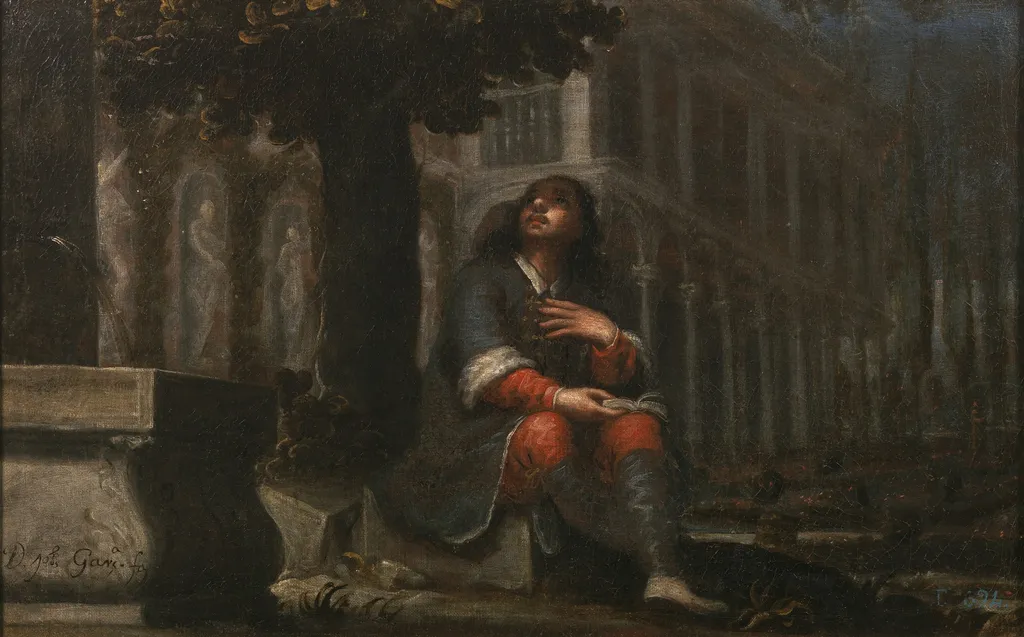
Conversion of Saint Augustin is an oil painting by the Early Baroque Italian artist José García Hidalgo. It dates from 1663 and is held in the collection of the Museo del Prado.
About this work
Overview
Conversion of Saint Augustin is a 1663 oil painting by Spanish artist José García Hidalgo, created in the style of the early Baroque Italian movement.
Subject & Meaning
The painting depicts a pivotal moment in the life of Augustine of Hippo, with a young Augustine shown in contemplation, surrounded by ghostly figures in a shadowy setting, evoking themes of faith or doubt.
Technique & Style
García Hidalgo employed strong chiaroscuro, using pronounced contrasts between light and dark to draw attention to Augustine's face, with highlights on his red sleeves and white collar against a dark, atmospheric background.
History & Provenance
Created in 1666 by José García Hidalgo, the painting is now part of the Museo del Prado's collection. García Hidalgo, born in Villena around 1646, left some documented aspects of his life, though his birth details were confirmed later.
Context
As part of the early Baroque Italian movement, the painting reflects the era's emphasis on emotional intensity and dramatic lighting, despite being created by a Spanish artist.
Legacy
While specific lasting impacts of *Conversion of Saint Augustin* are not detailed, its presence in the Museo del Prado suggests recognition of its artistic and historical value within the Baroque tradition.
Own this work as a print
Artist & collection
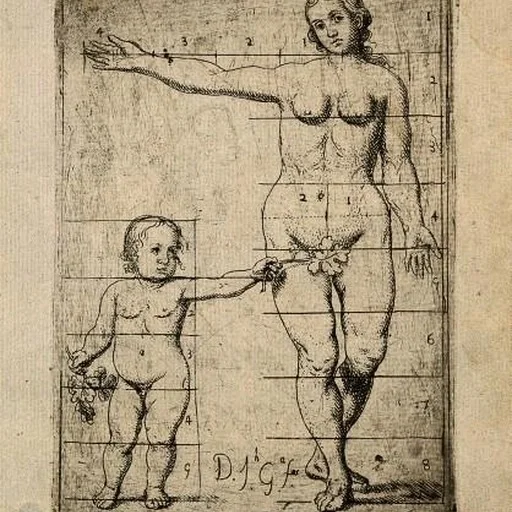
Artist
José García Hidalgo (1645 or 1646 – 1717 or 1719) was a Spanish painter, who wrote notes of his life, but omitted to state where and when he was born.

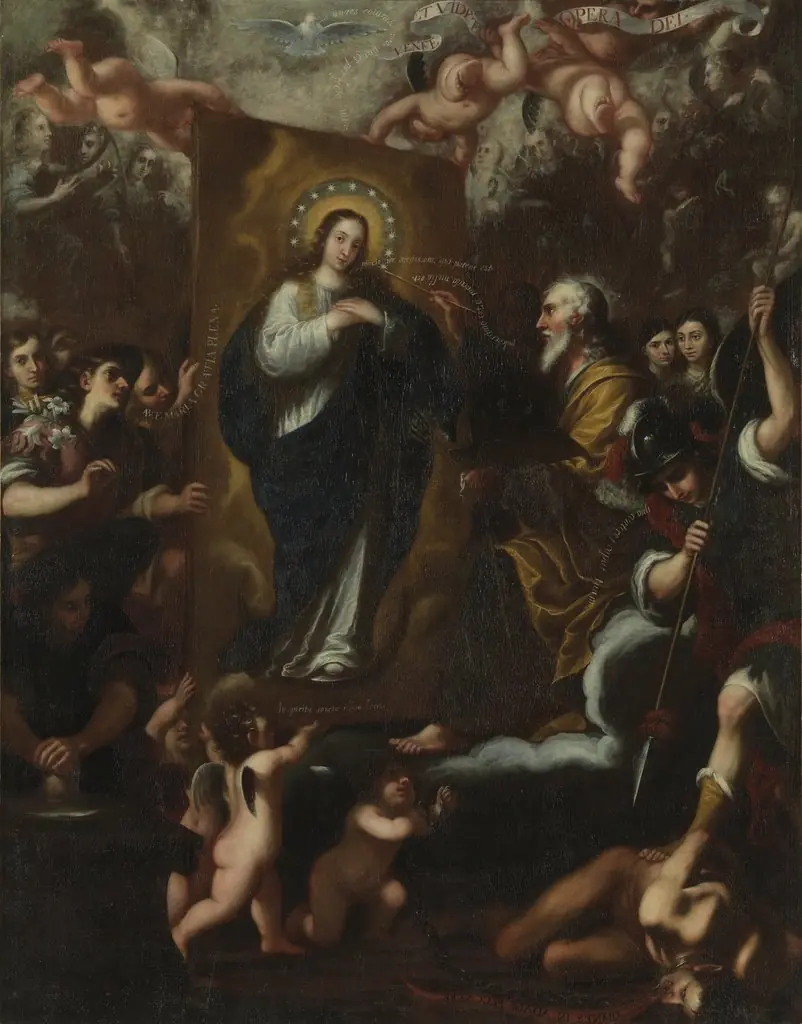 God the Father painting the Immaculate Conception
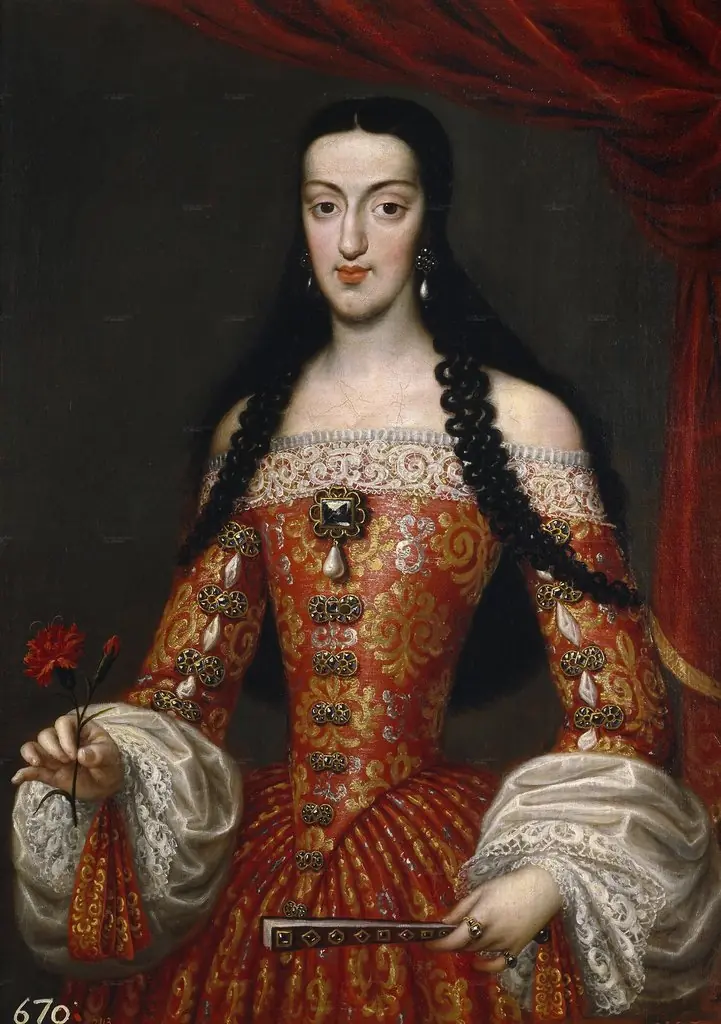 Mary Louise of Orleans, queen of Spain
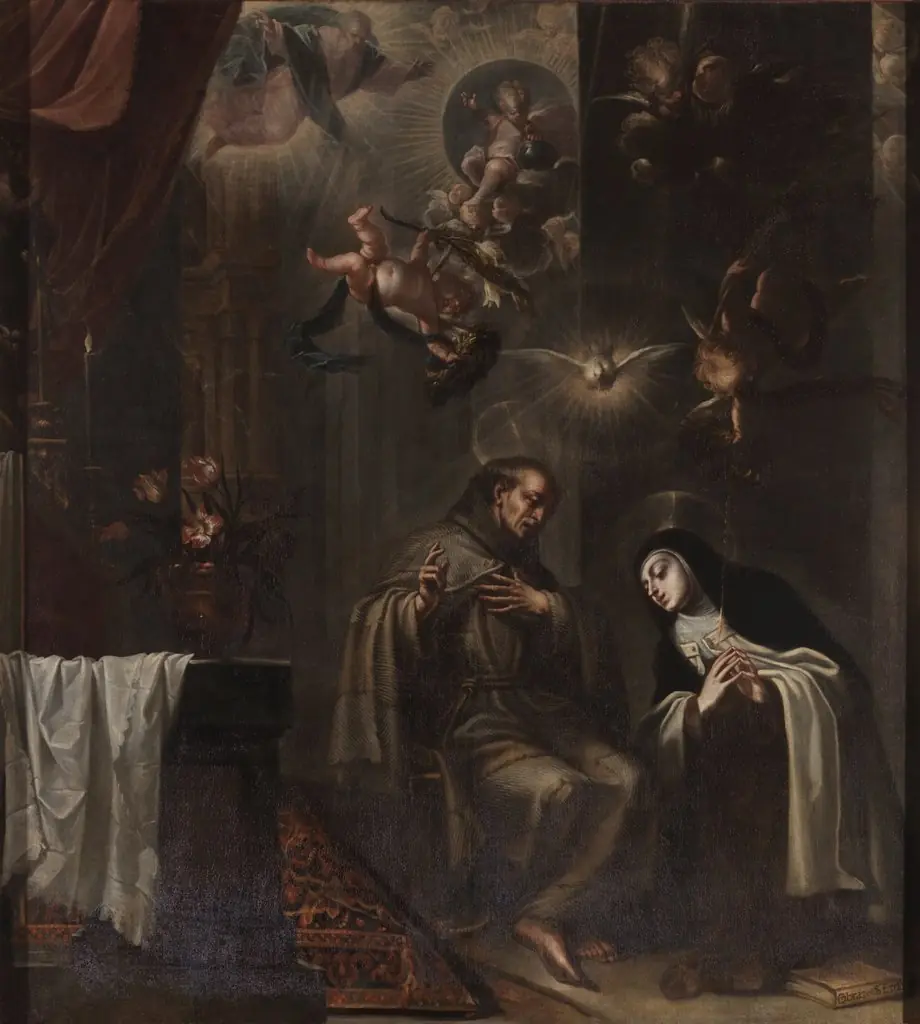 San Pedro de Alcántara confesando a Santa Teresa
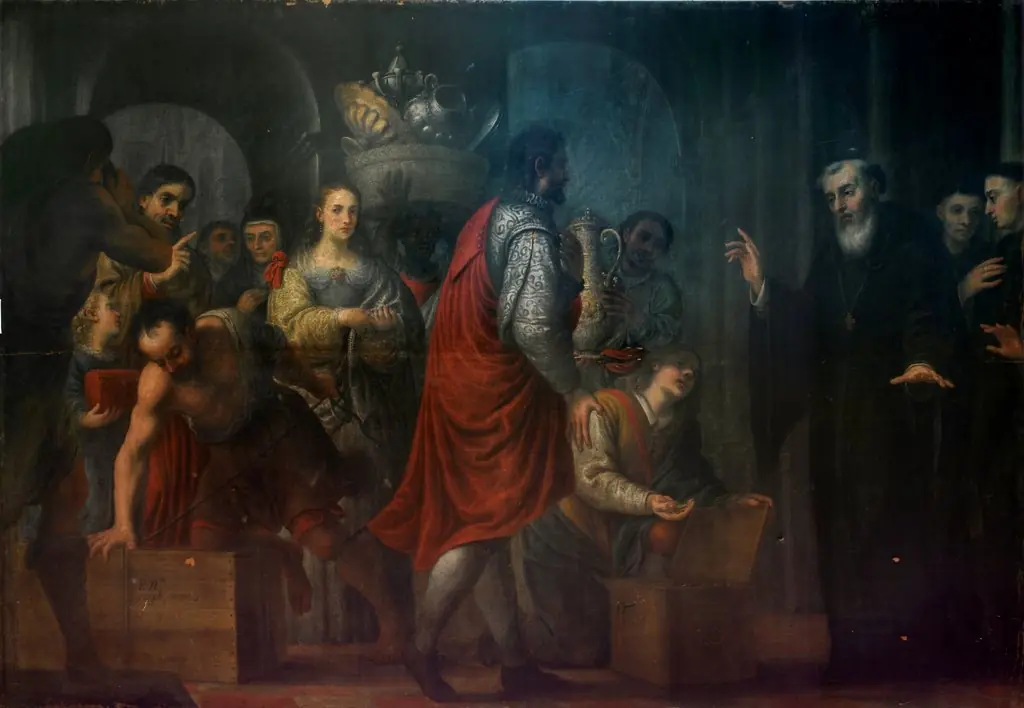 San Agustín recibiendo donaciones de los ricos para entregarlas a los pobres
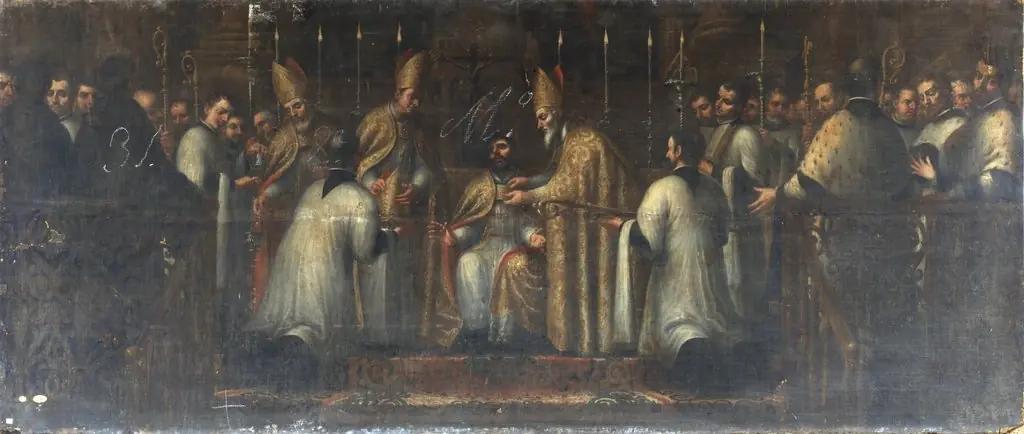 San Agustín discutiendo con el maniqueo Fortunato
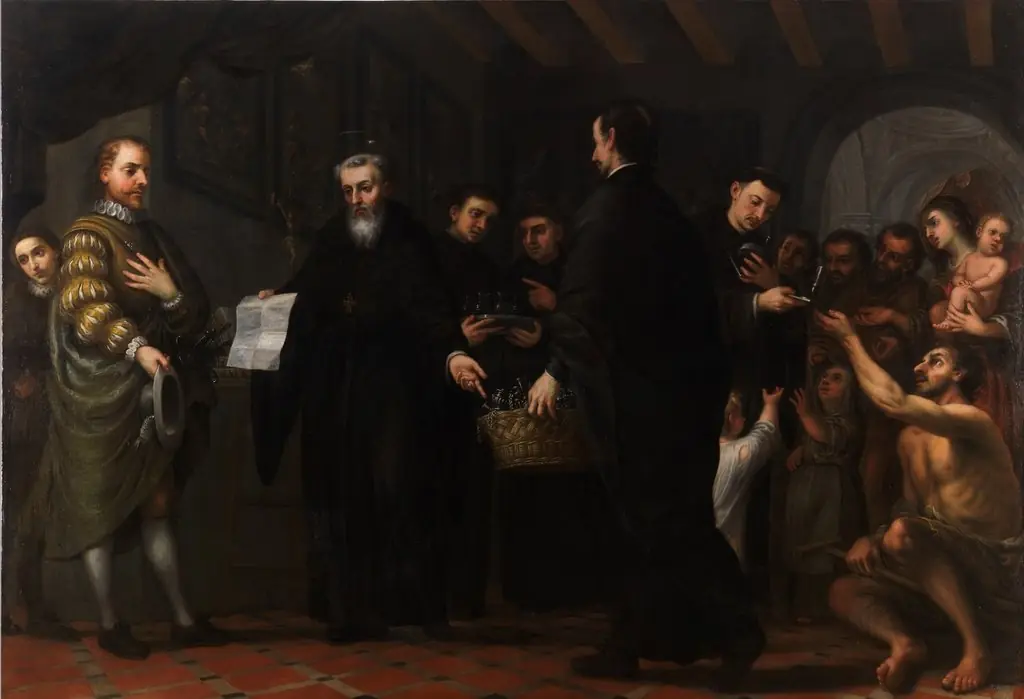 San Agustín repartiendo los bienes de los ricos entre los pobres
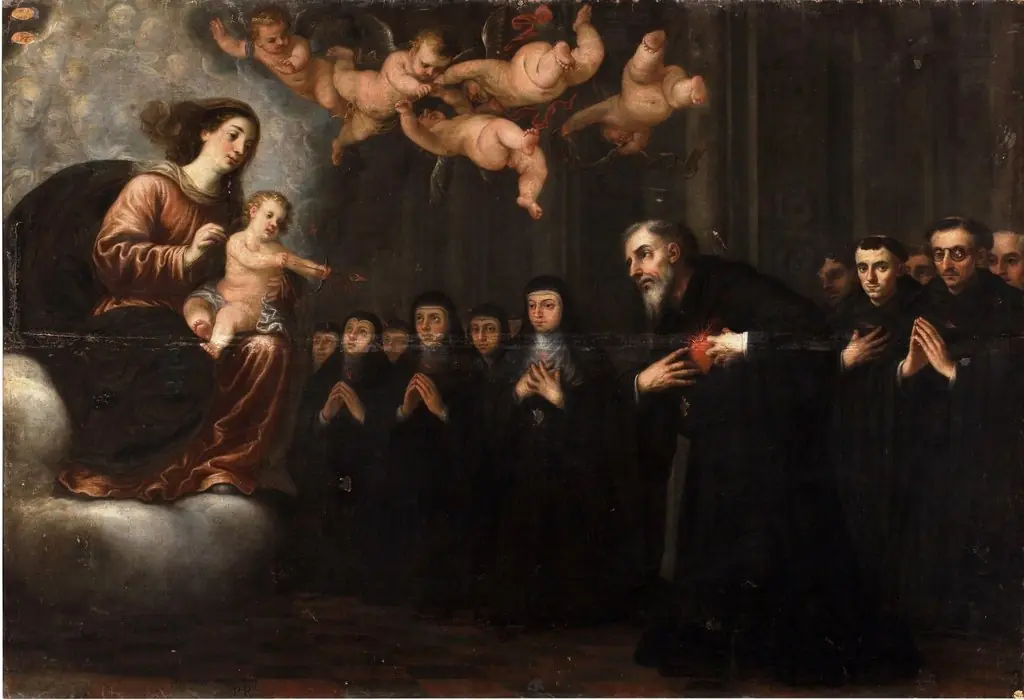 La Virgen y el Niño transverberando el corazón a San Agustín ante la comunidad de agustinos
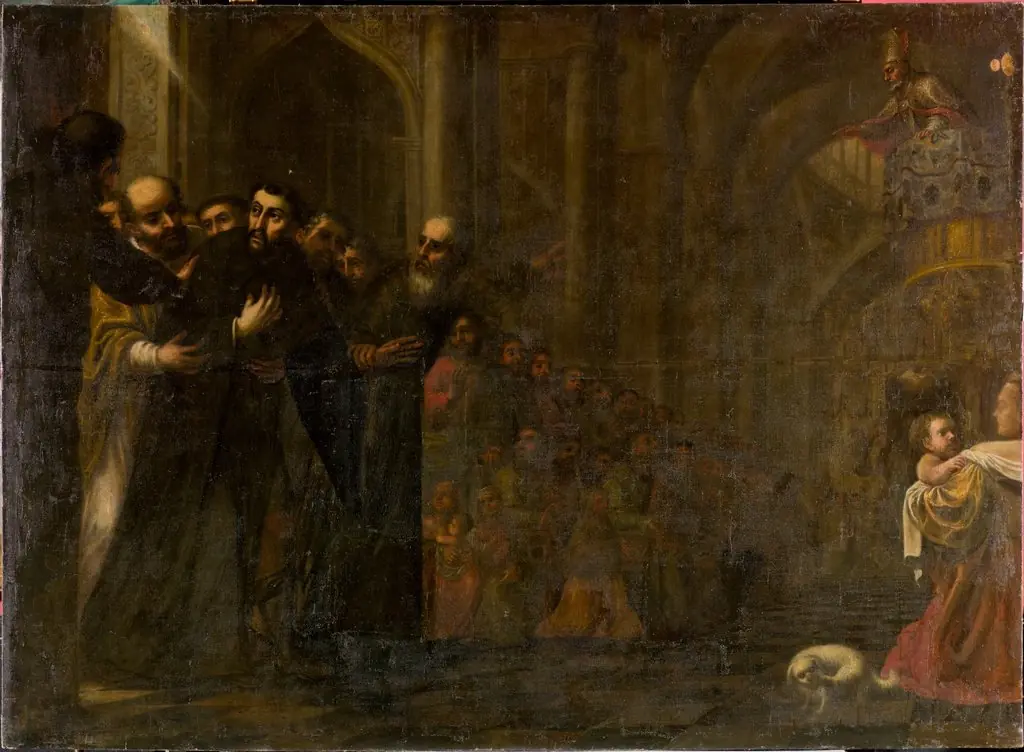 Ordenación de San Agustín
 Bird-Catching by a Decoy with a Whistle and Net (Decorative painting for a supper-box at Vauxhall Gardens, London)
 Nopanpelaajat
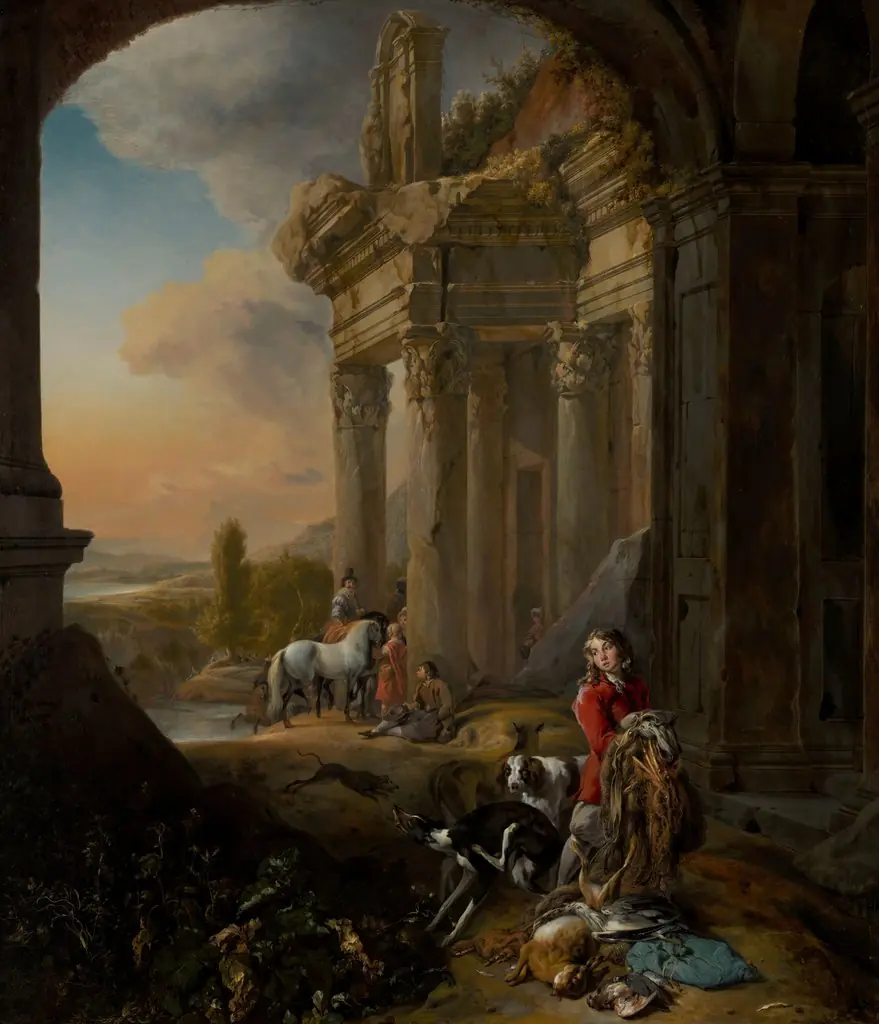 After the Hunt
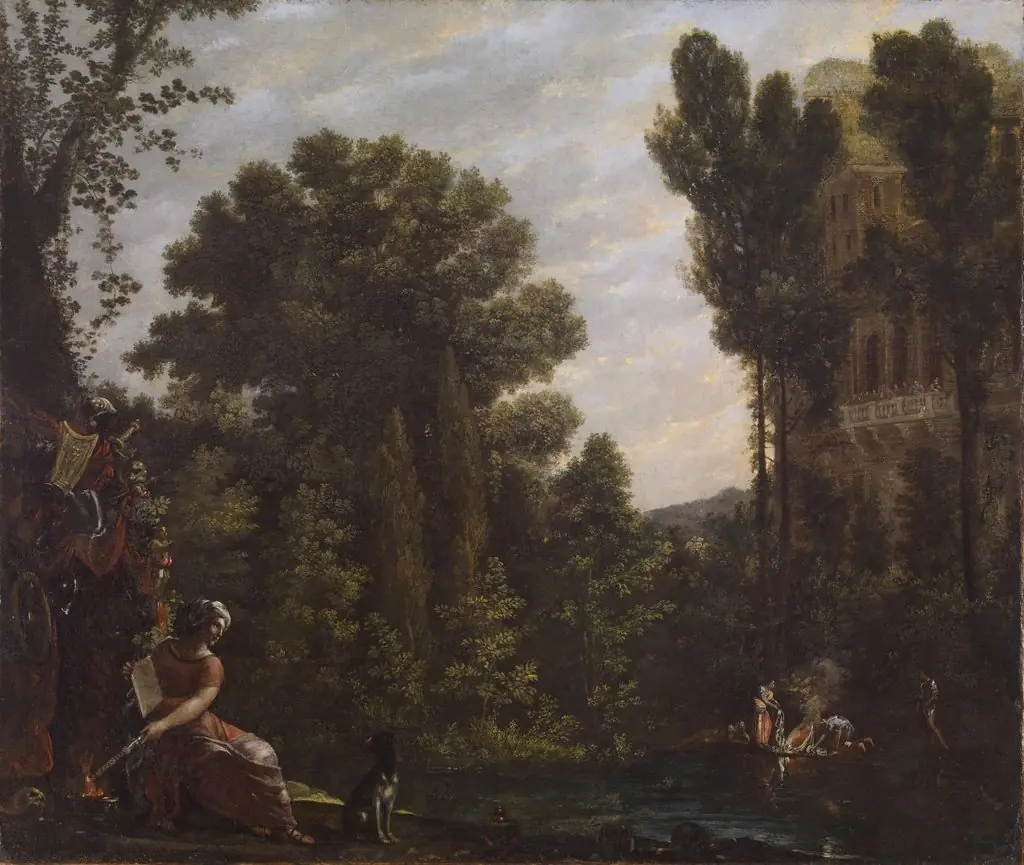 Landscape with a Scene of Witchcraft
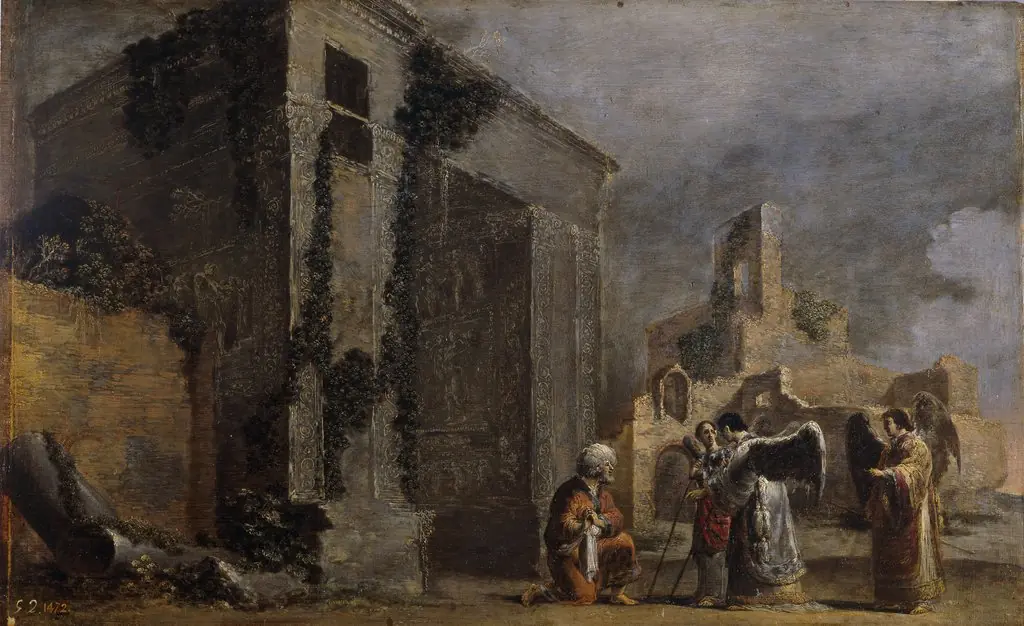 Abraham and the Three Angels
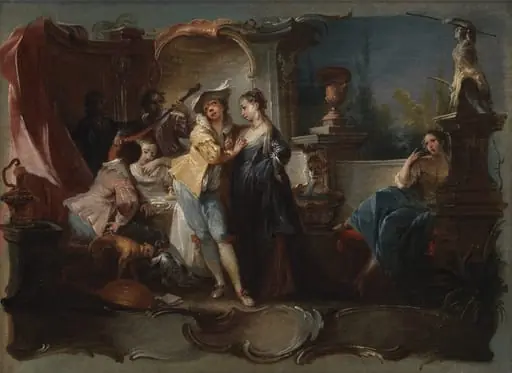 The Prodigal Son Living with Harlots
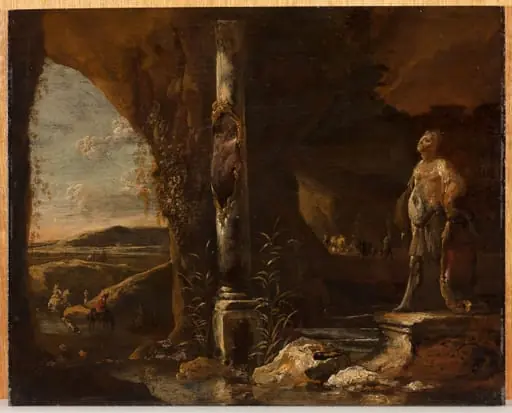 Grottenlandschaft
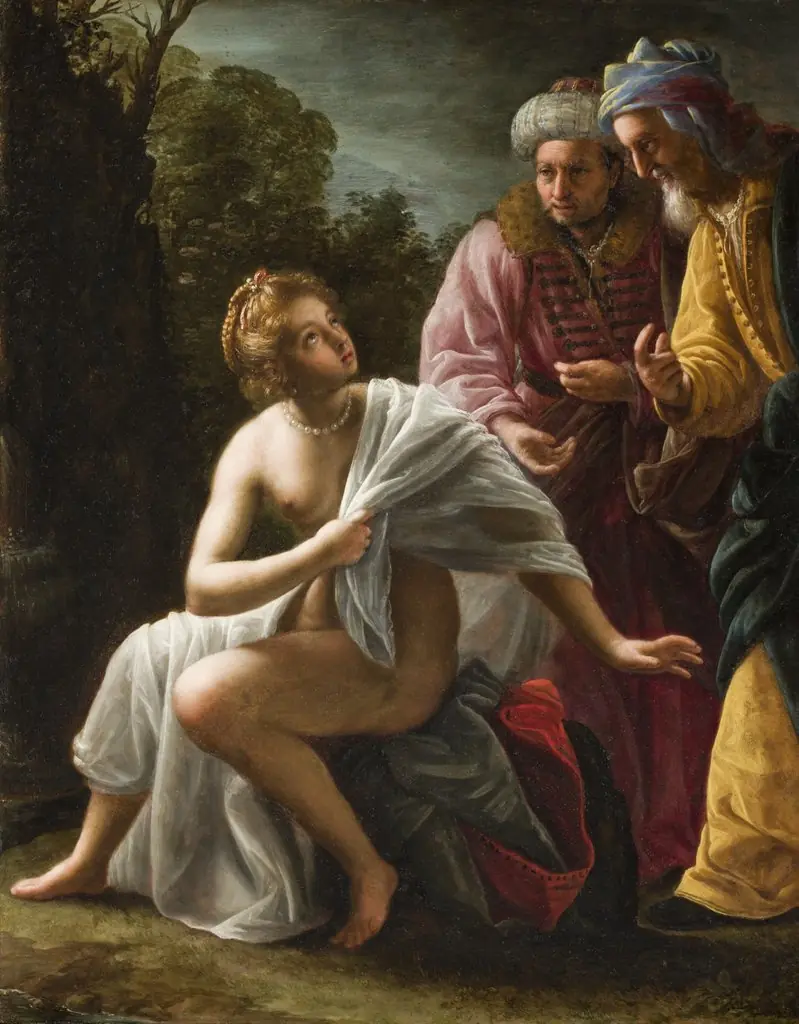 Susanna and the Elders
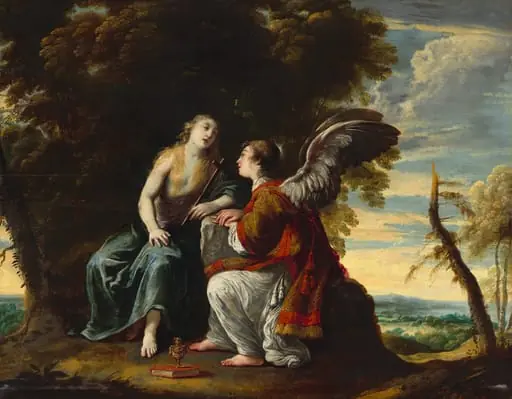 Mary Magdalene Comforted by an Angel
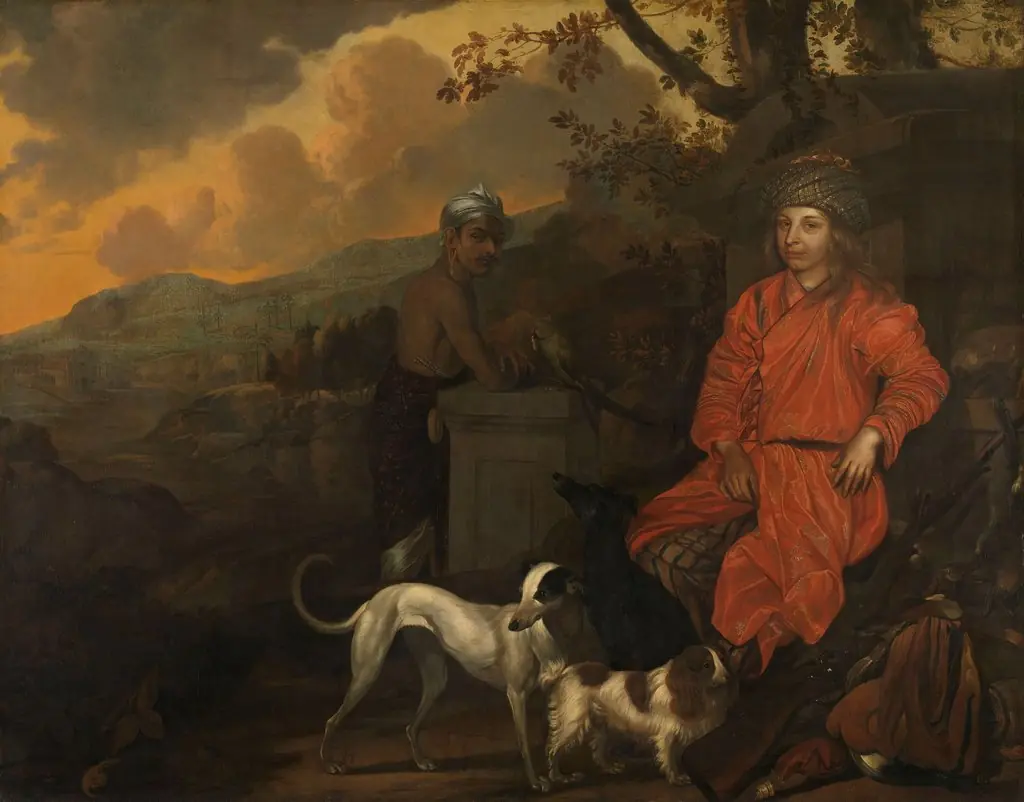 Portrait of Philippus Baldaeus and Gerrit Mossopotam
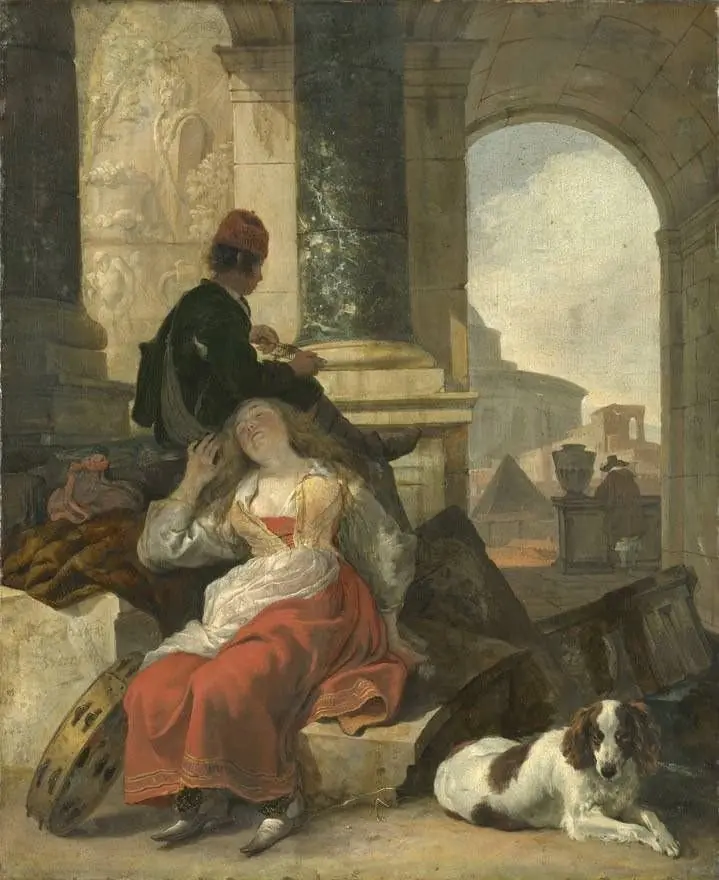 Sleeping girl
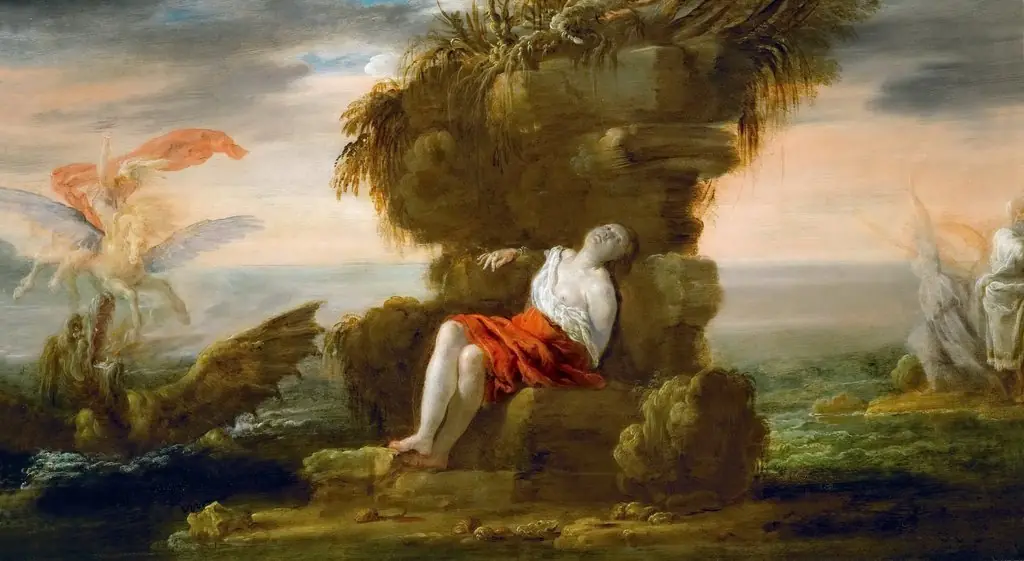 Perseus freeing Andromeda