Artwork
Portrait of Tadeusz Kościuszko
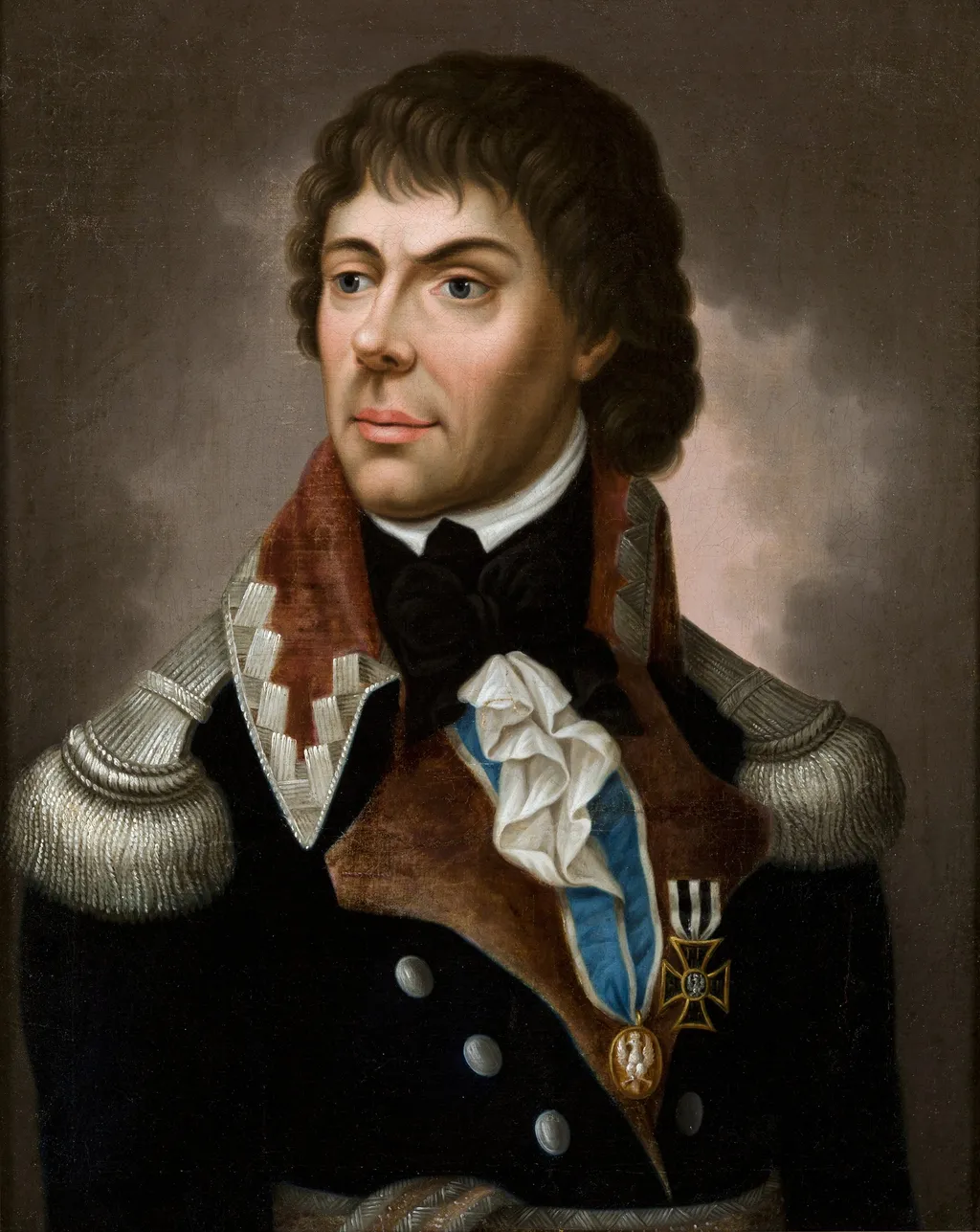
Portrait of Tadeusz Kościuszko is an oil painting by Josef Grassi. It is held in the collection of the National Museum in Kraków.
About this work
Overview
The oil painting titled *Portrait of Tadeusz Kościuszko* was executed by the Austrian artist Josef Grassi, who was active in the late 18th and early 19th centuries. Created around 1850, the work presents a realistic likeness of the Polish‑Lithuanian military leader and statesman. It is part of the permanent collection of the National Museum in Kraków.
Subject & Meaning
The sitter is Tadeusz Kościuszko, renowned for his engineering expertise and leadership in the American and Polish‑Lithuanian struggles for independence. He is portrayed with a solemn expression, gazing directly at the viewer, which conveys a sense of resolve and dignity appropriate to his historic role.
Technique & Style
Grassi employed traditional oil techniques to achieve a finely detailed surface. The portrait features a dark‑haired figure in a black jacket adorned with silver buttons, a red‑and‑white scarf, and a gold medal on a blue ribbon. A mottled brown background provides a subdued setting that emphasizes the sitter’s features without distraction.
History & Provenance
After its completion in the mid‑19th century, the painting entered the holdings of the National Museum in Kraków, where it remains on display. The museum’s acquisition reflects the work’s relevance to Polish national heritage and its association with a key figure in the country’s military history.
Context
Grassi, born in 1757, was known for both portraiture and historical scenes, often working for aristocratic and governmental patrons. This portrait aligns with the 19th‑century trend of commemorating national heroes through formal, lifelike representation, reinforcing collective memory of Kościuszko’s contributions.
Own this work as a print
Artist & collection
Artist
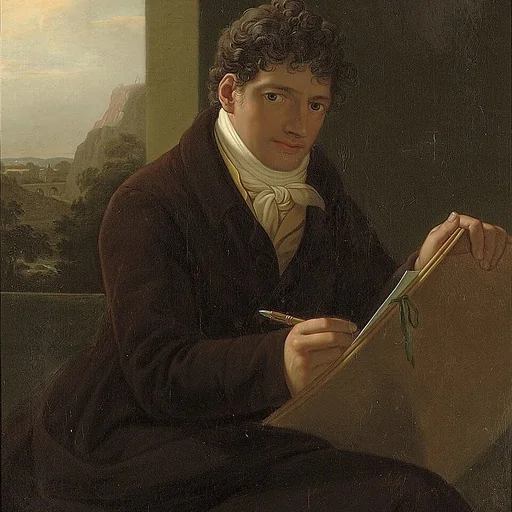
Josef Grassi (22 April 1757 – 7 January 1838) was an Austrian portrait and history painter. His middle name is usually given as "Maria", although there is evidence that it was actually "Mathias". He is also called "Giuseppe Grassi".

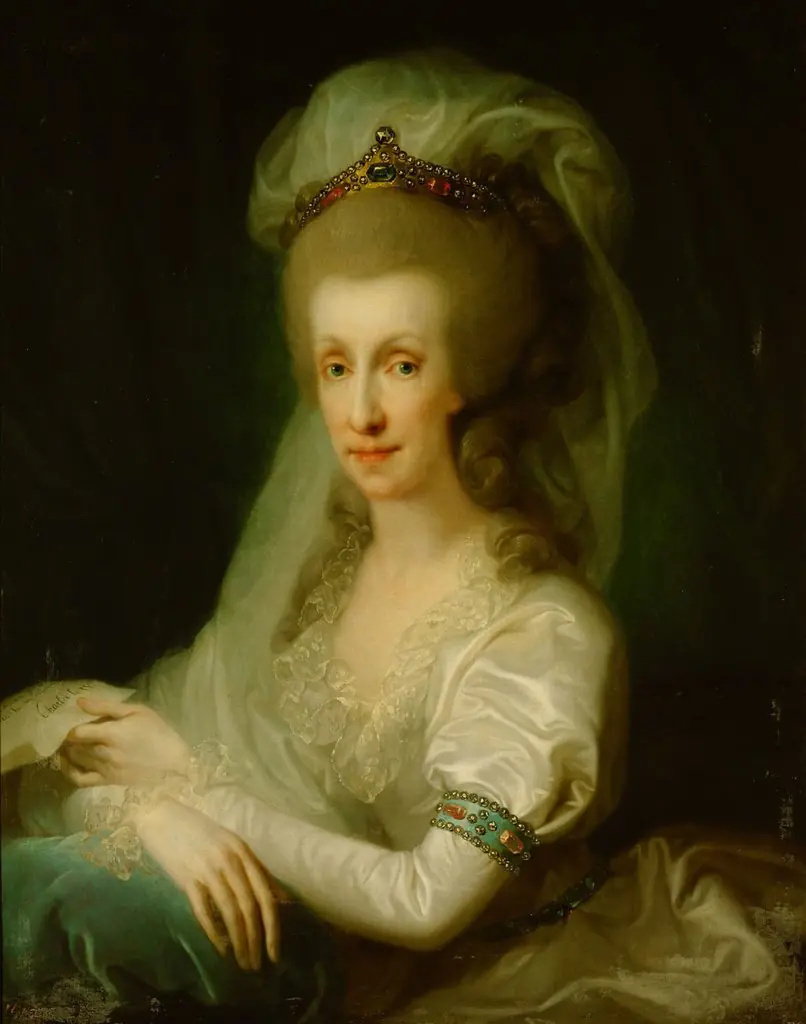 Portrait of Maria Luisa of Spain (1745-1792), Holy Roman Empress
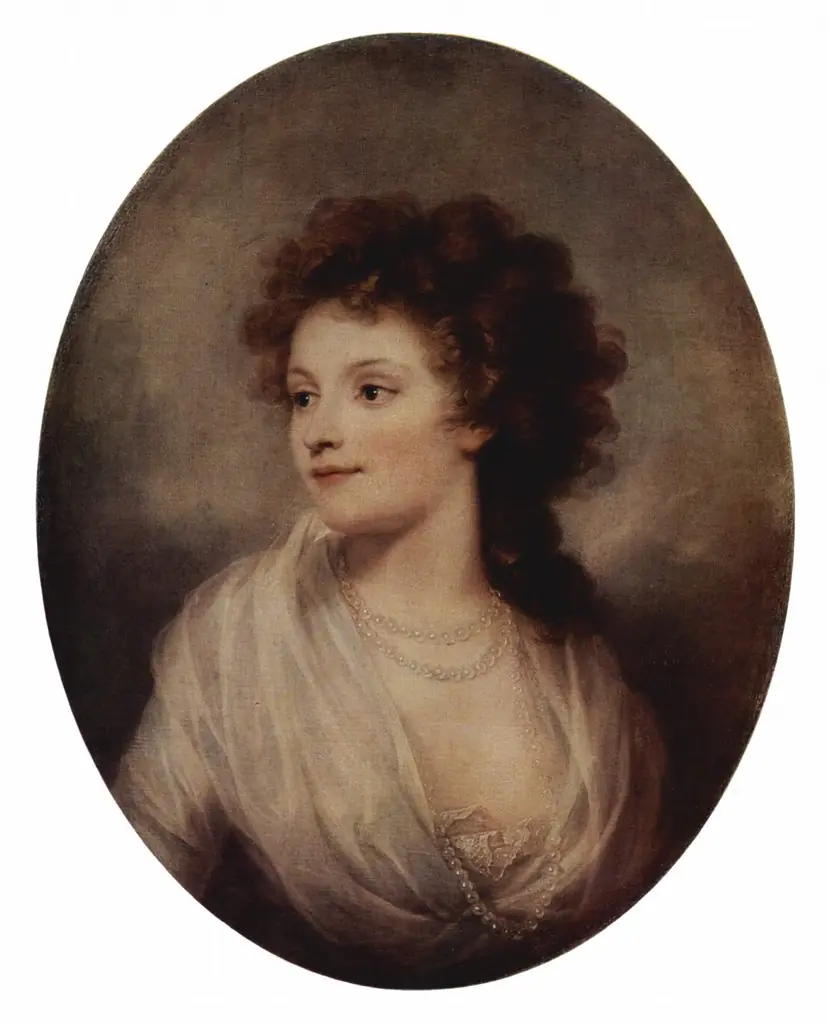 Portrait of Charlotte Bach Mannteufel
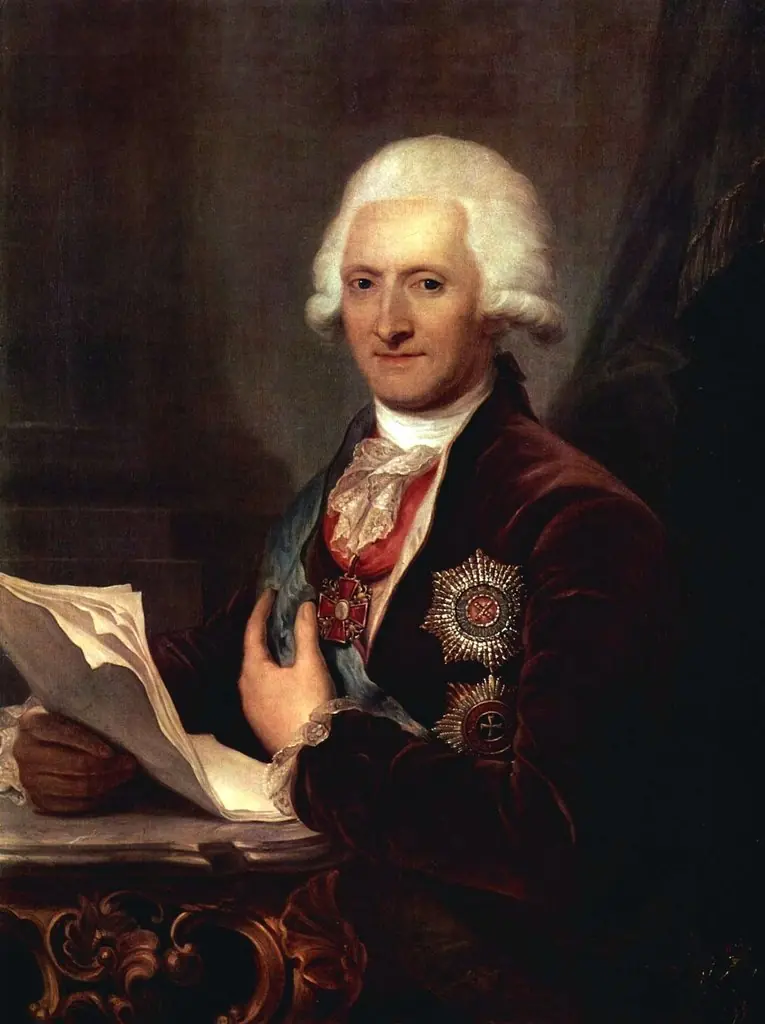 Portrait of Count J.E. Sievers
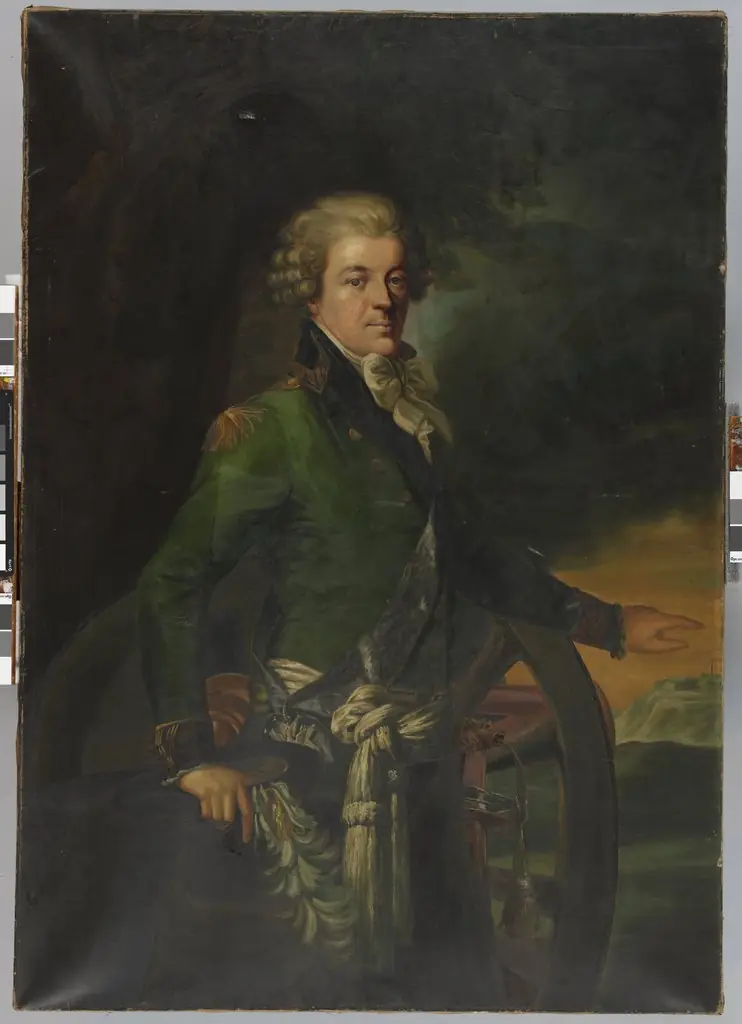 Portrait of Stanisław Kostka Potocki
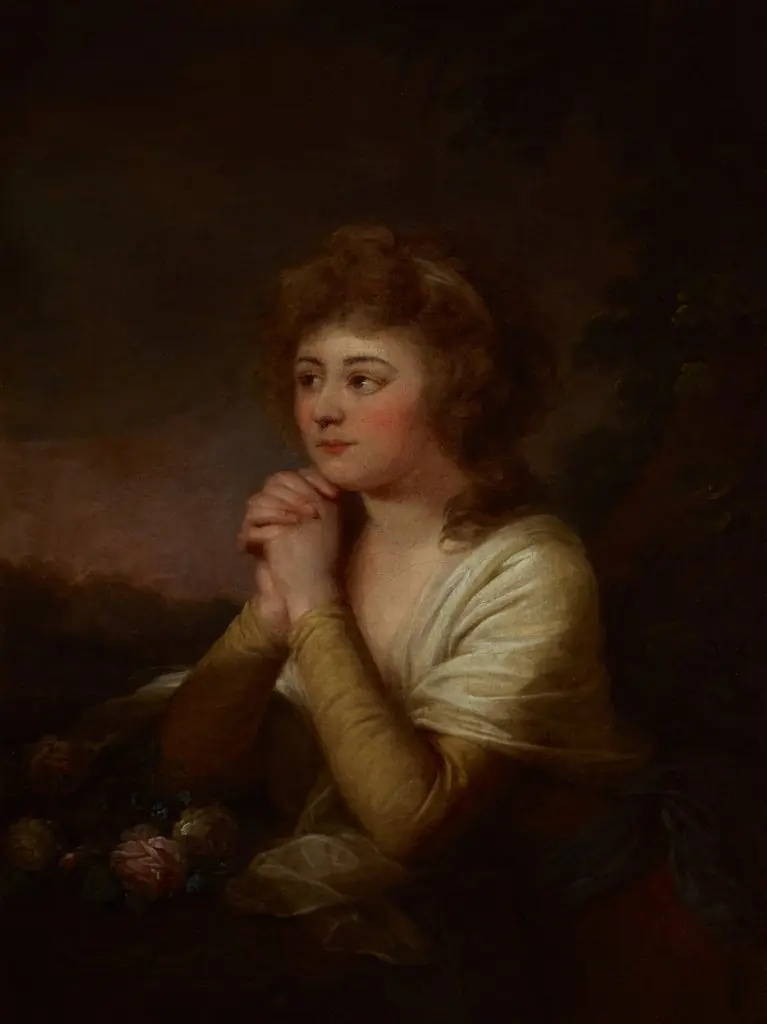 Portrait of a Lady from the Skrzyński Family
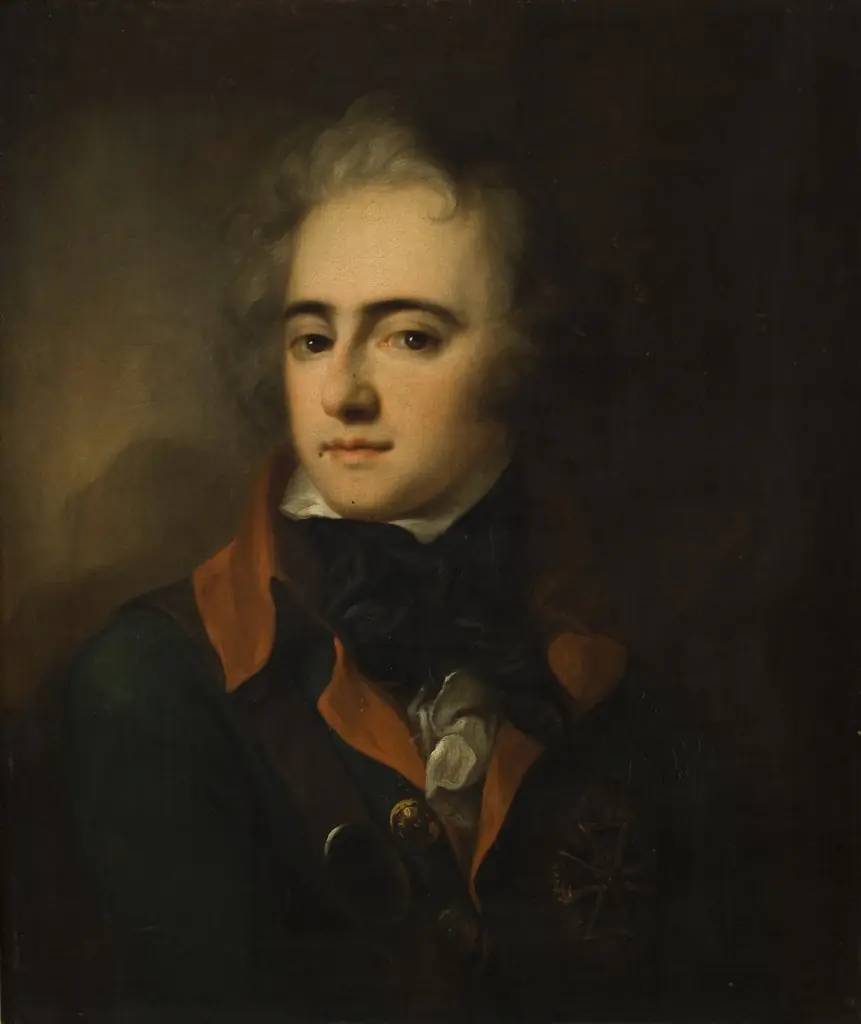 Portrait of Prince Józef Poniatowski
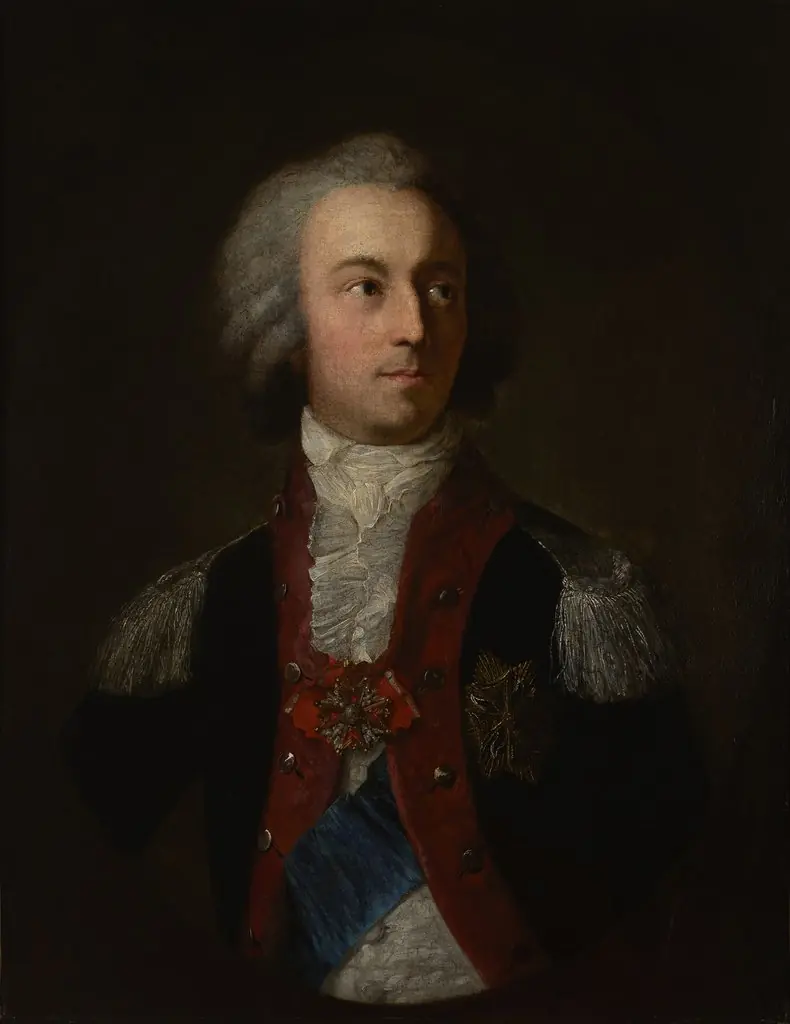 Portrait of Prince Adam Kazimierz Czartoryski (1734–1823) as the Commandant of the Corps of Cadets
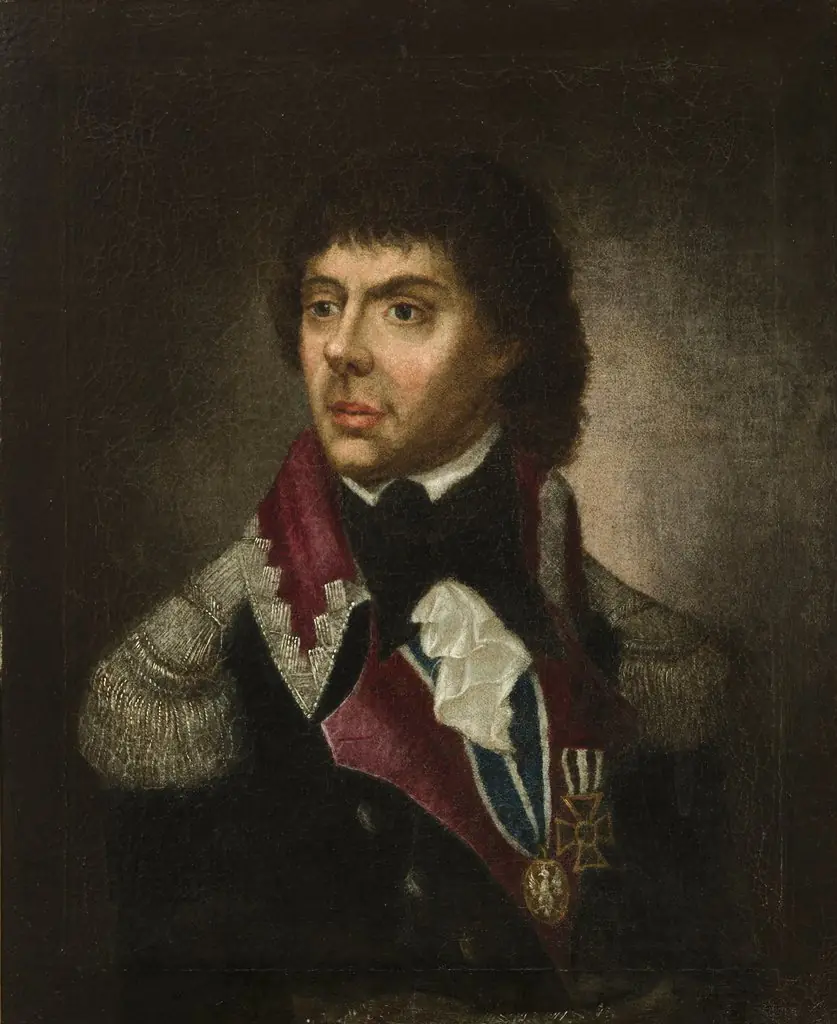 Portrait of Tadeusz Kościuszko
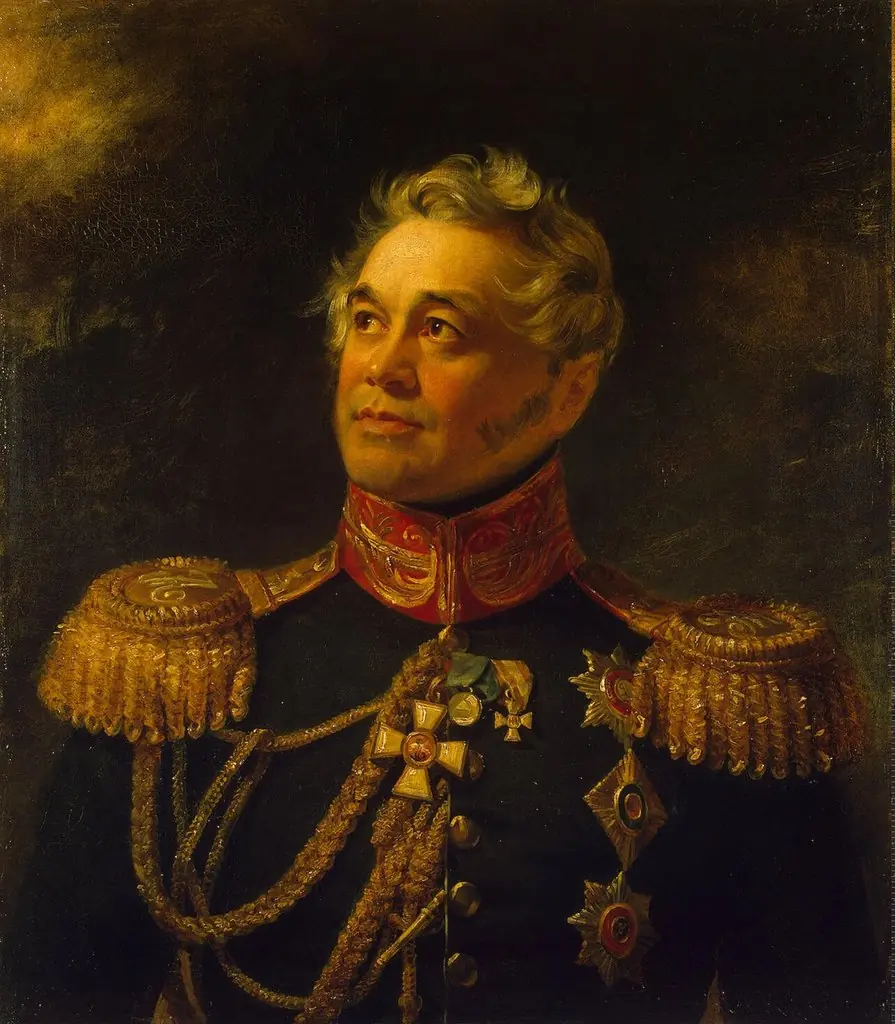 Portrait of Alexey G. Shcherbatov (1776-1848)
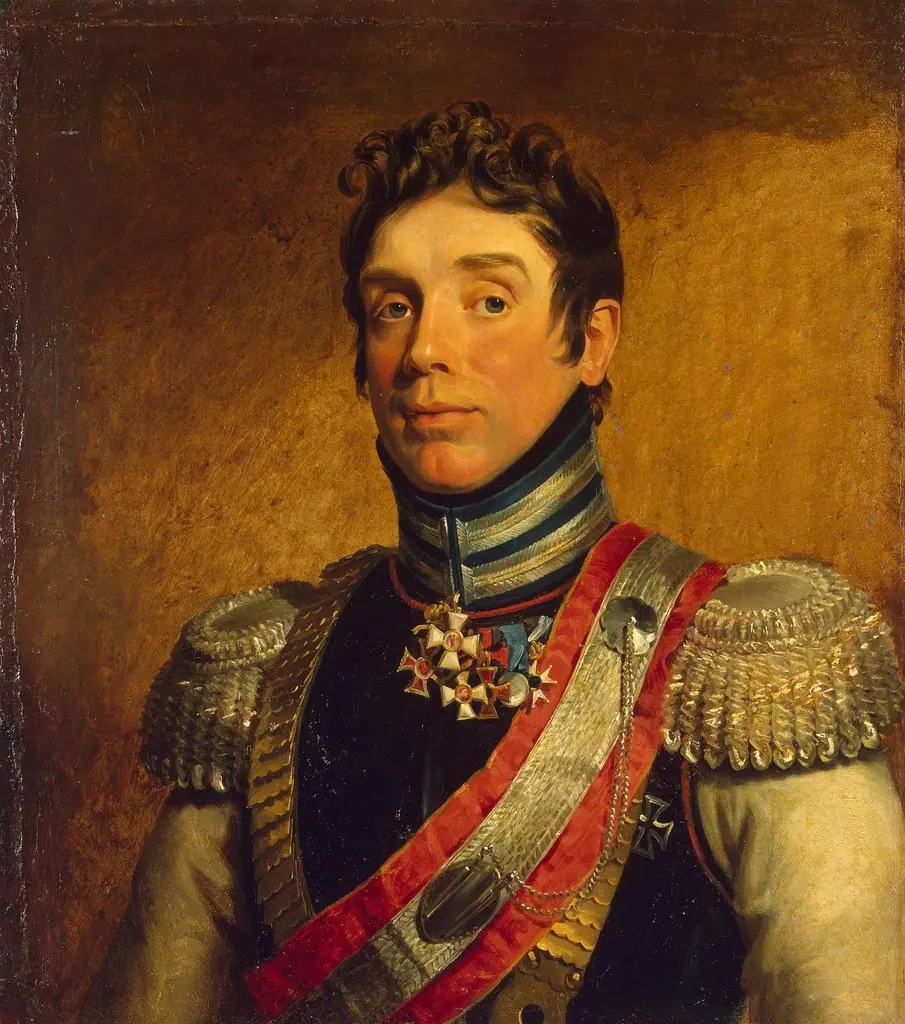 Portrait of Karl V. Budberg (1774-1829)
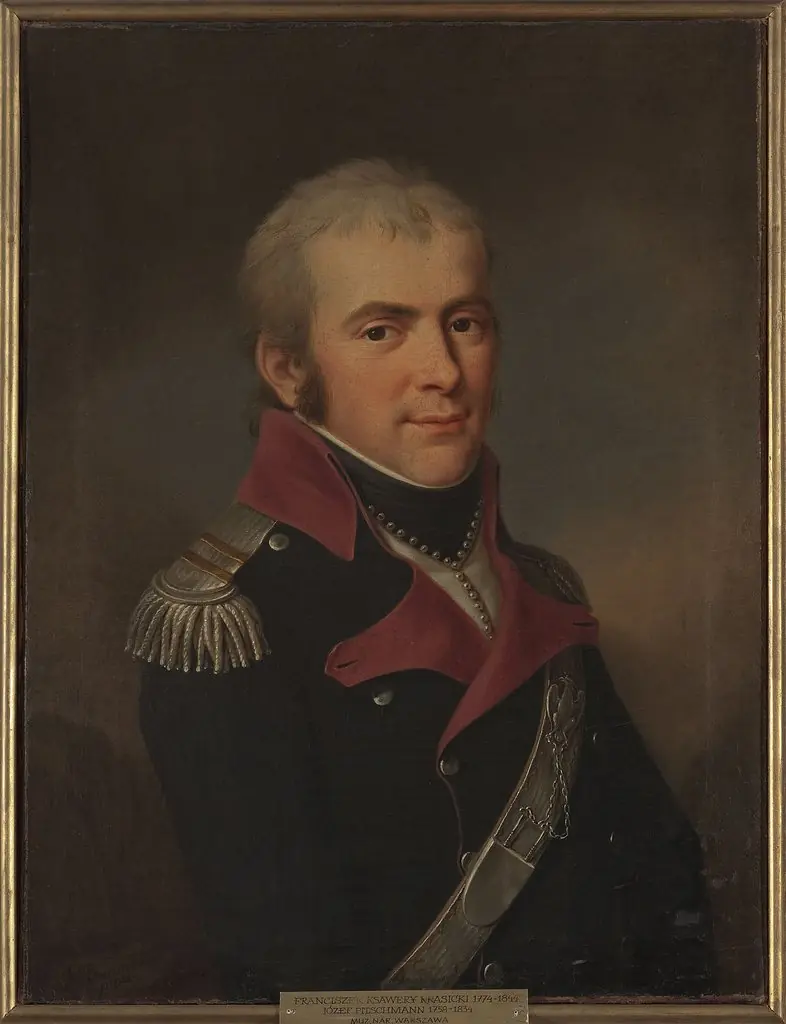 Portrait of Ksawery Krasicki (1774–1844)
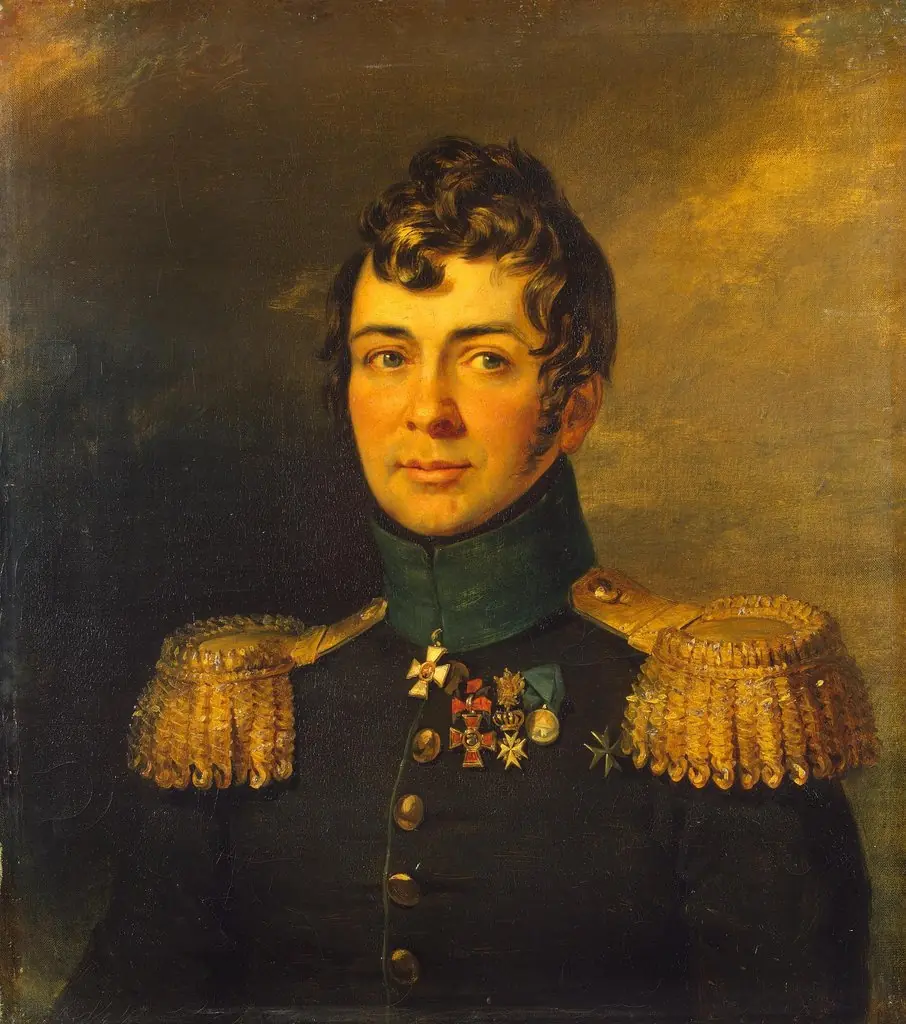 Portrait of Sergey N. Ushakov (1776-1814) (2nd)
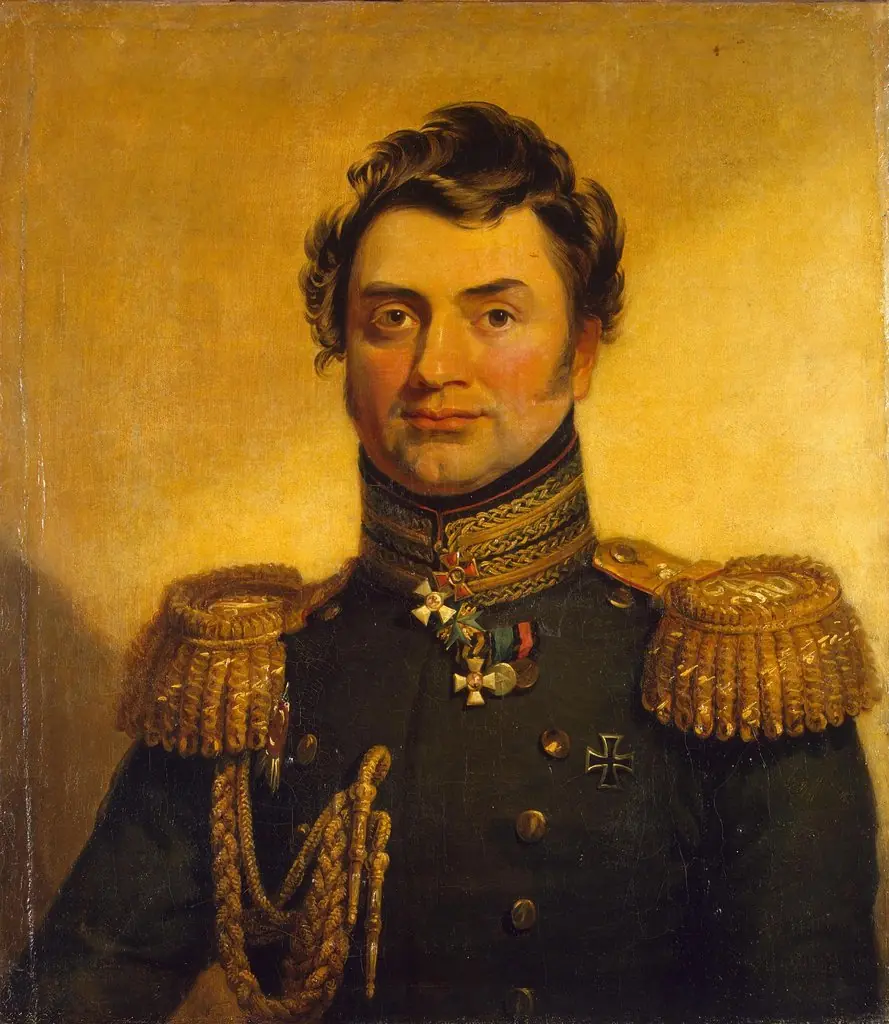 Portrait of Matvey Ye. Khrapovitsky (1784-1847) (replica of the 1821 portrait)
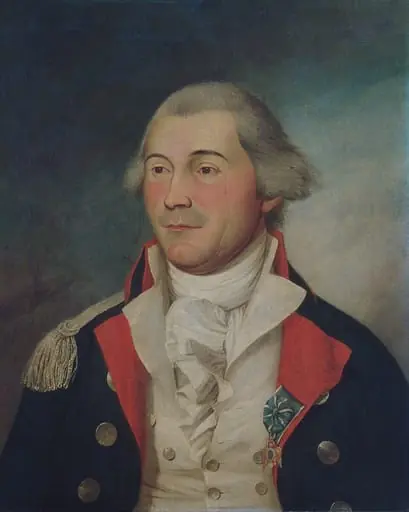 Joseph Howell, Jr.
 Portrait of Fyodor A. Lindfors (1760-1813)
 Jean-Baptiste Jourdan
 Portrait of Fyodor P. Uvarov (1769-1824) (the artist's replica ?)