Artwork
Portrait of Prince Adam Kazimierz Czartoryski (1734–1823) as the Commandant of the Corps of Cadets
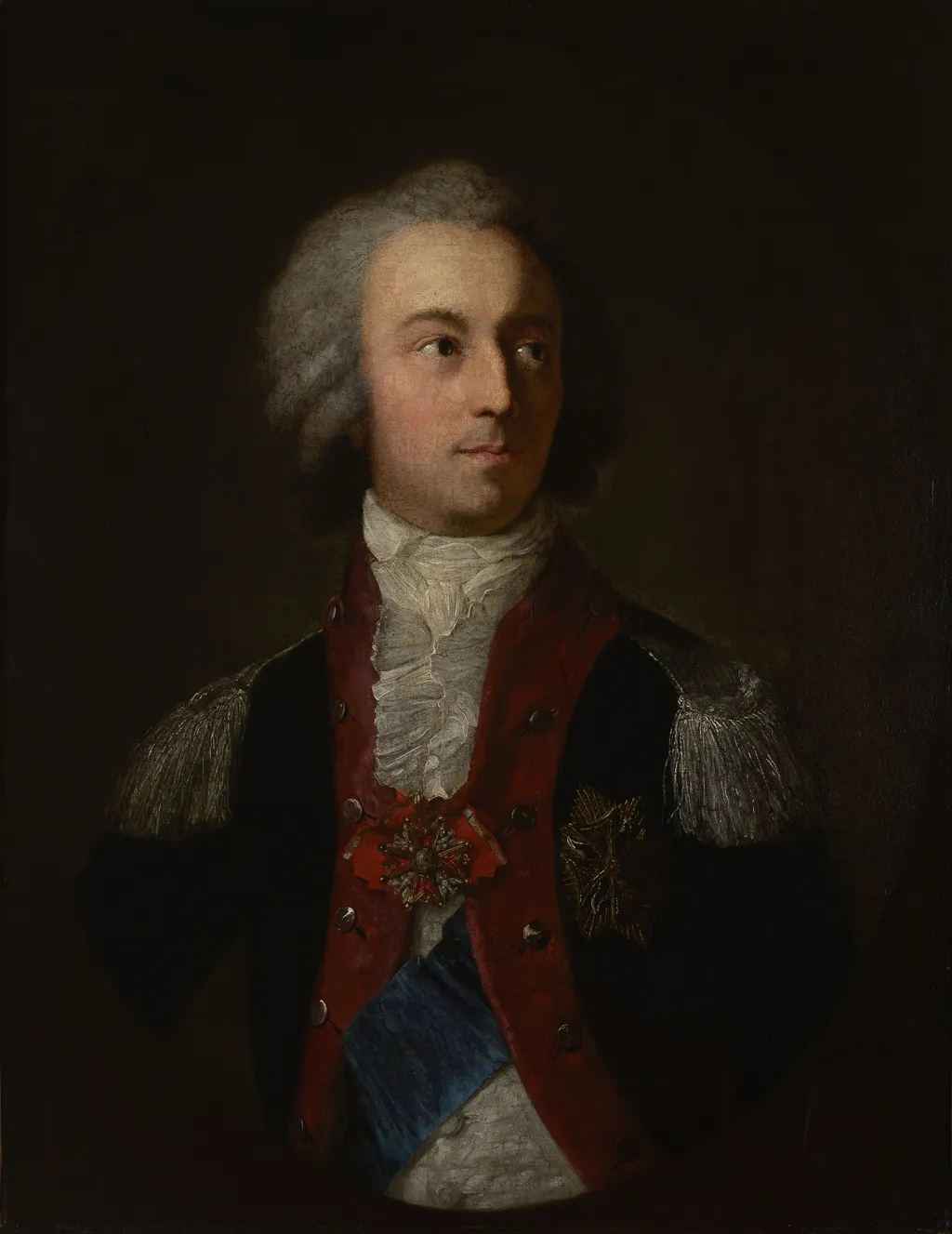
Portrait of Prince Adam Kazimierz Czartoryski (1734–1823) as the Commandant of the Corps of Cadets is an oil painting by Josef Grassi. It dates from 1790 and is held in the collection of the National Museum in Kraków.
About this work
The artist's use of chiaroscuro, a technique that uses strong contrasts between light and dark, adds depth and drama to the portrait.
This painting depicts a man with a serious expression, wearing a red coat with gold embroidery and a white shirt. He has a blue sash across his chest and a large red ribbon with a gold and silver medal attached to it. His hair is styled in a powdered wig, and he wears a black jacket with gold tassels on the shoulders.
The man's attire suggests he is a military officer, and the medal on his chest may indicate his rank or achievements. The painting's style and the subject's clothing suggest it was created in the 18th century.
The artist's use of chiaroscuro, a technique that uses strong contrasts between light and dark, adds depth and drama to the portrait. To learn more about this artist, look up Josef Grassi.
Overview
In 1790, Austrian painter Josef Grassi created an oil portrait of Adam Kazimierz Czartowy, then serving as commander of the Corps of Cadets. The work is part of the National Museum in Kraków’s collection and exemplifies late‑18th‑century portraiture.
Subject & Meaning
The sitter is shown in full military regalia, his expression solemn and authoritative. A red coat trimmed with gold embroidery, a blue chest sash, and a prominent medal on a red ribbon signal his rank and the responsibilities of the cadet corps command.
Technique & Style
Grassi employs pronounced chiaroscuro, contrasting illuminated areas of the face and uniform with deep shadows to model form and convey a sense of gravitas. The brushwork is precise, rendering the textures of fabric, metal, and the powdered wig with clarity typical of academic portraiture of the period.
History & Provenance
The painting remained in Polish aristocratic hands before entering the National Museum in Kraków, where it has been displayed as part of the museum’s holdings of Polish Enlightenment-era portraiture.
Context
Created during a time when the Polish–Lithuanian Commonwealth was undergoing reform, the portrait reflects the Enlightenment emphasis on disciplined education and military preparation embodied by the Corps of Cadets, an institution founded to modernise the nation’s officer corps.
Own this work as a print
Artist & collection
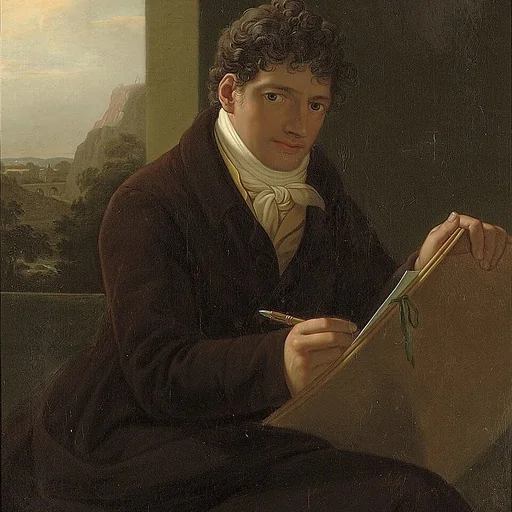
Artist
Josef Grassi (22 April 1757 – 7 January 1838) was an Austrian portrait and history painter. His middle name is usually given as "Maria", although there is evidence that it was actually "Mathias". He is also called "Giuseppe Grassi".

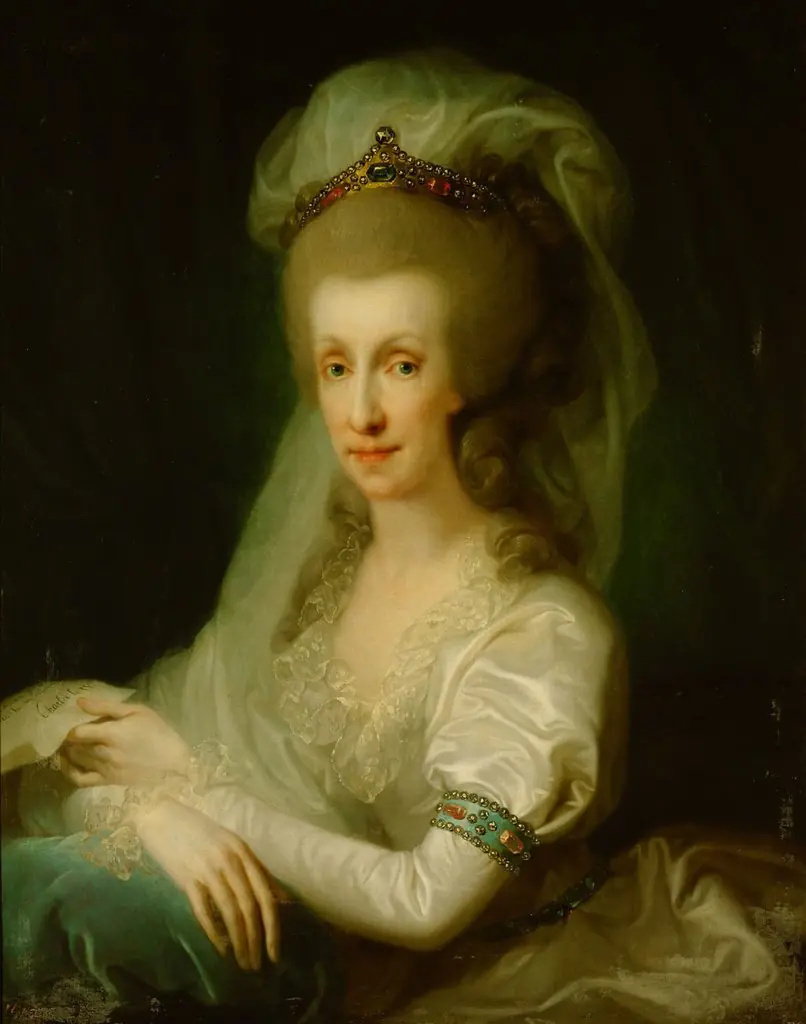 Portrait of Maria Luisa of Spain (1745-1792), Holy Roman Empress
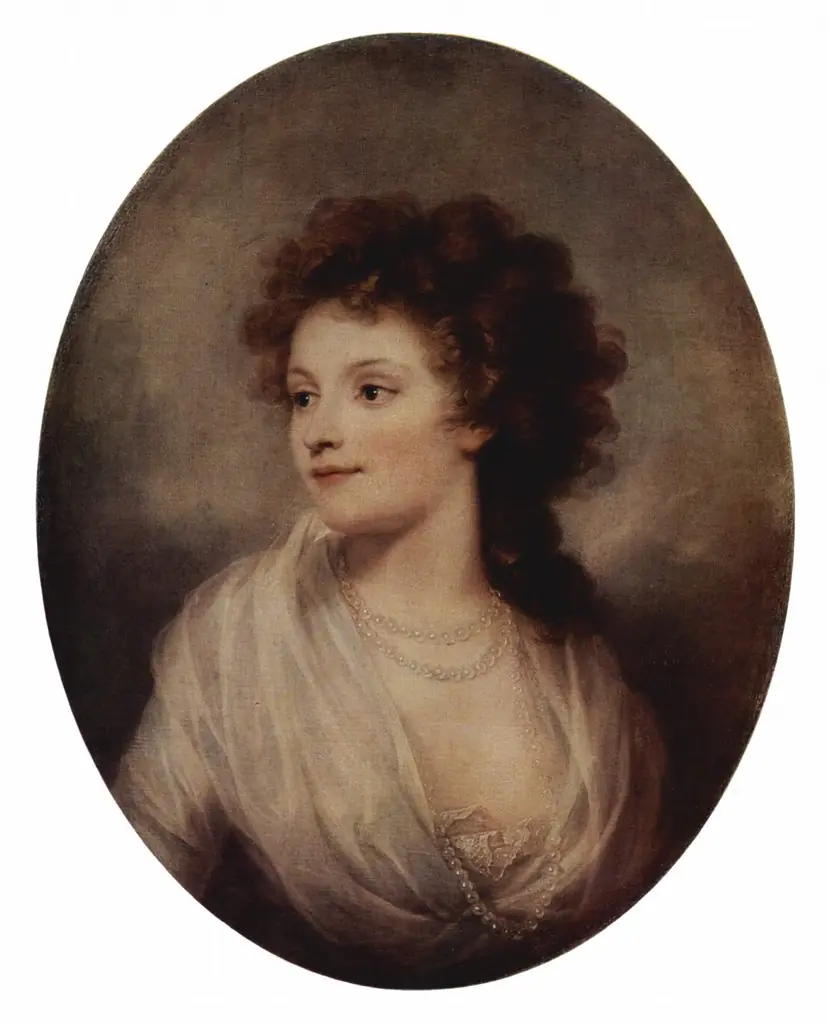 Portrait of Charlotte Bach Mannteufel
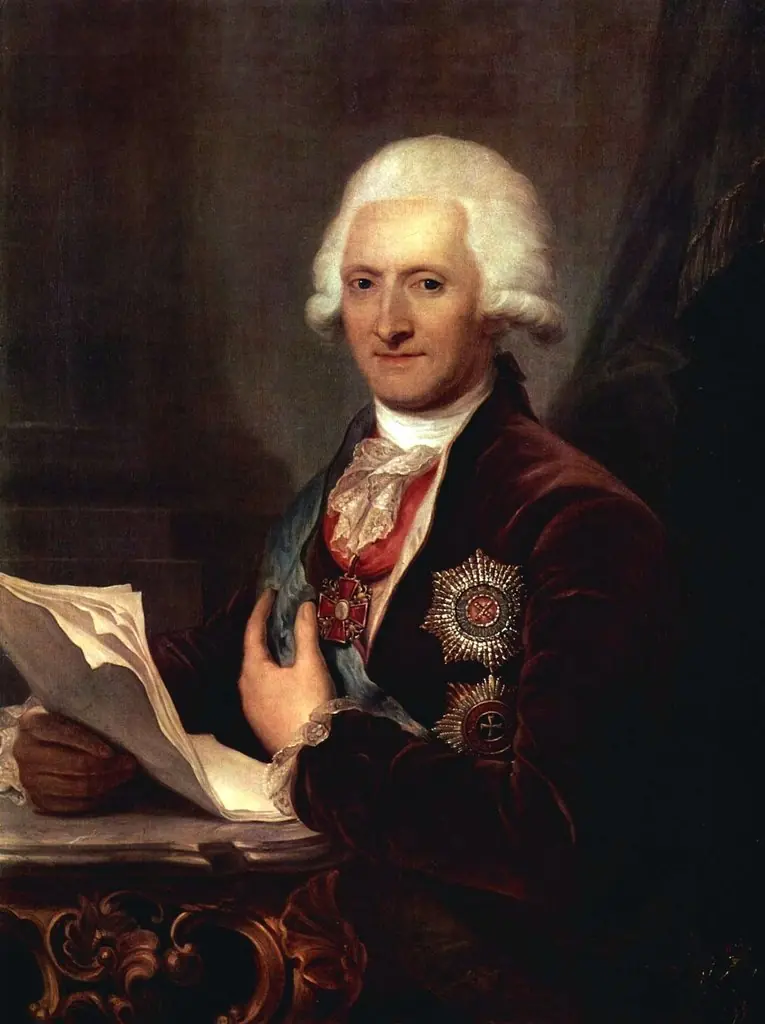 Portrait of Count J.E. Sievers
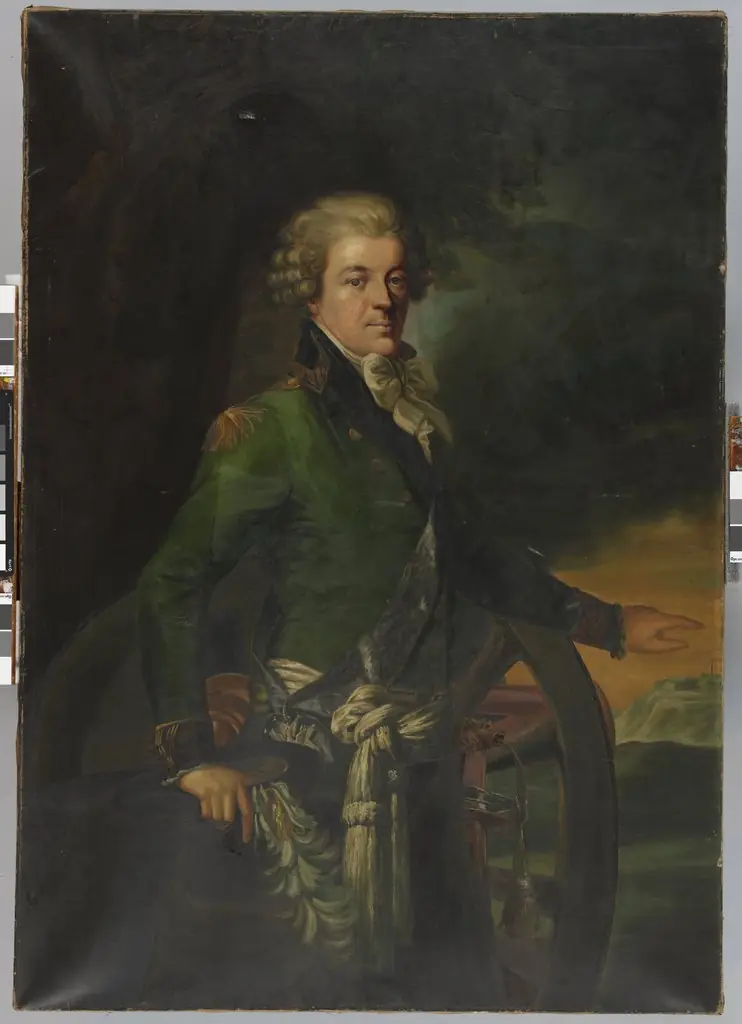 Portrait of Stanisław Kostka Potocki
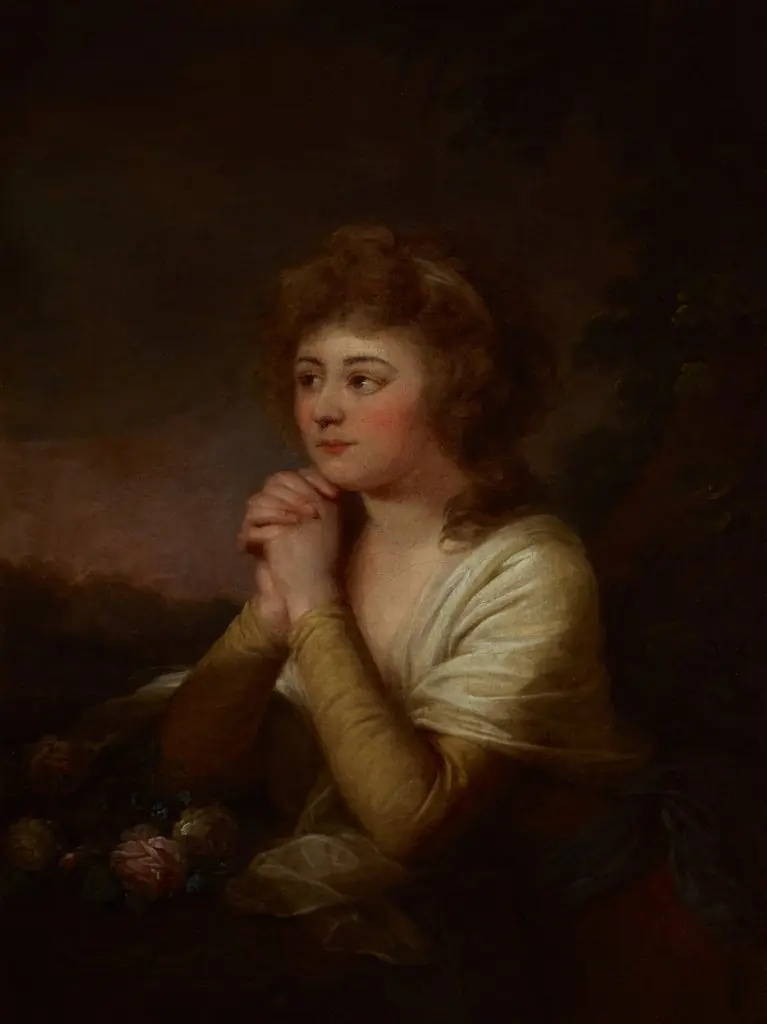 Portrait of a Lady from the Skrzyński Family
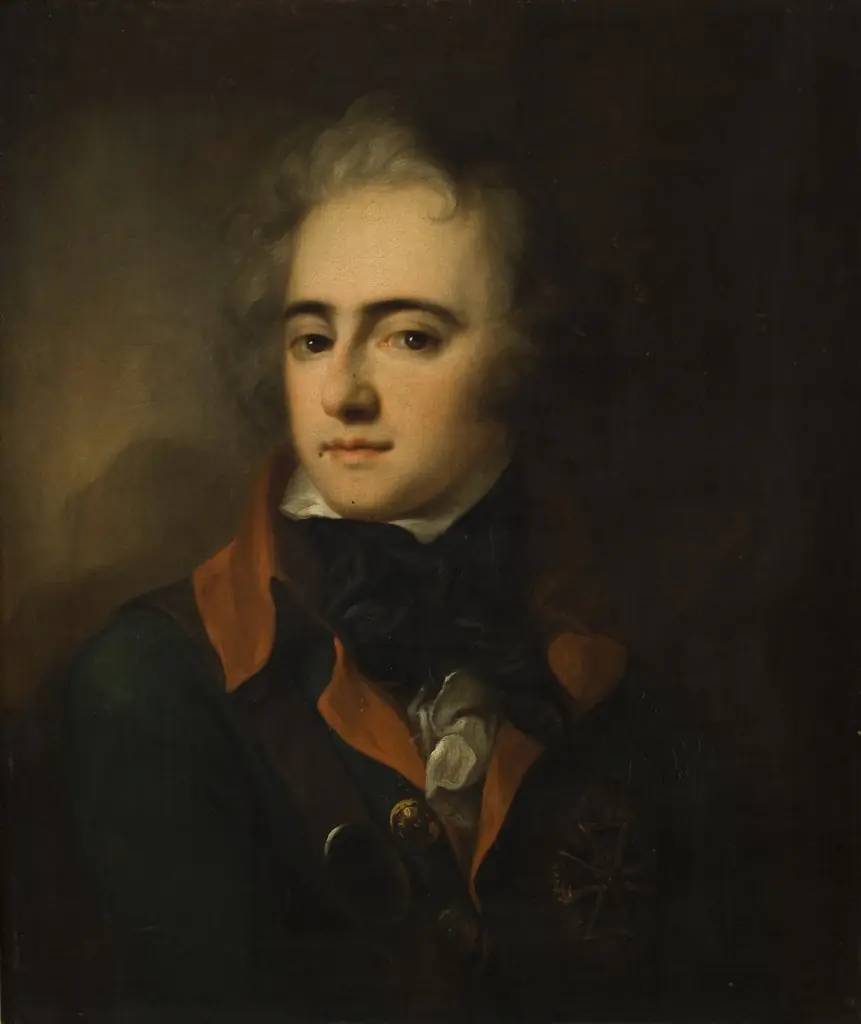 Portrait of Prince Józef Poniatowski
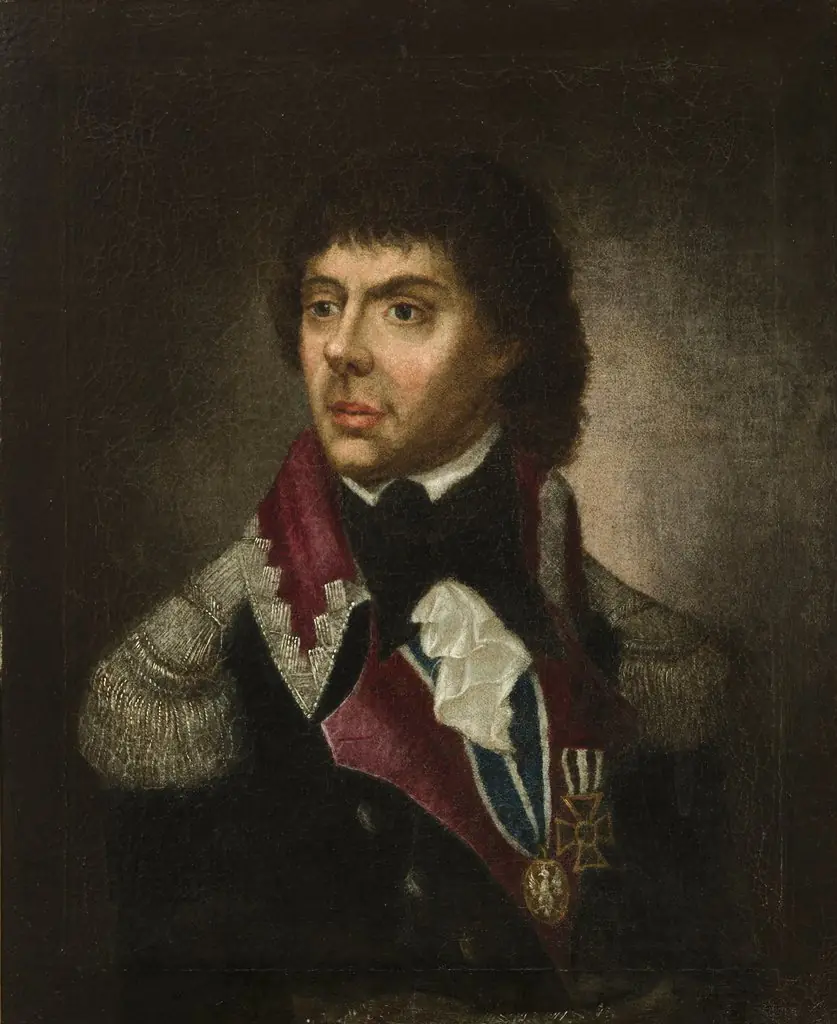 Portrait of Tadeusz Kościuszko
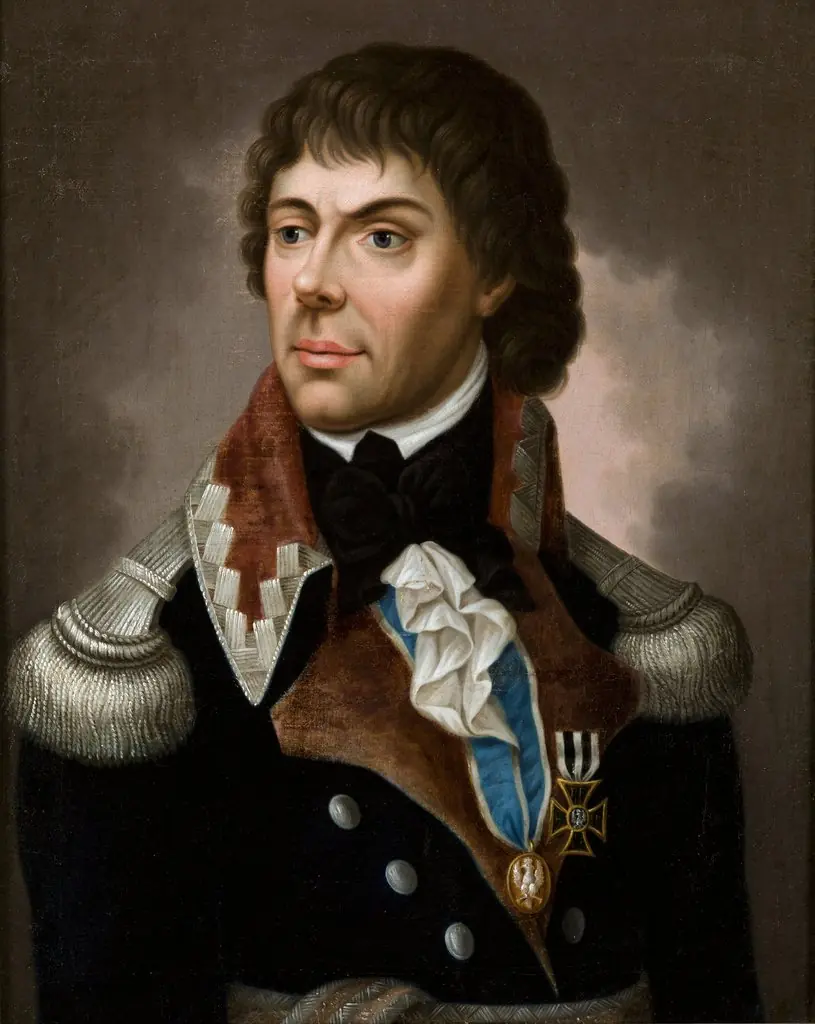 Portrait of Tadeusz Kościuszko
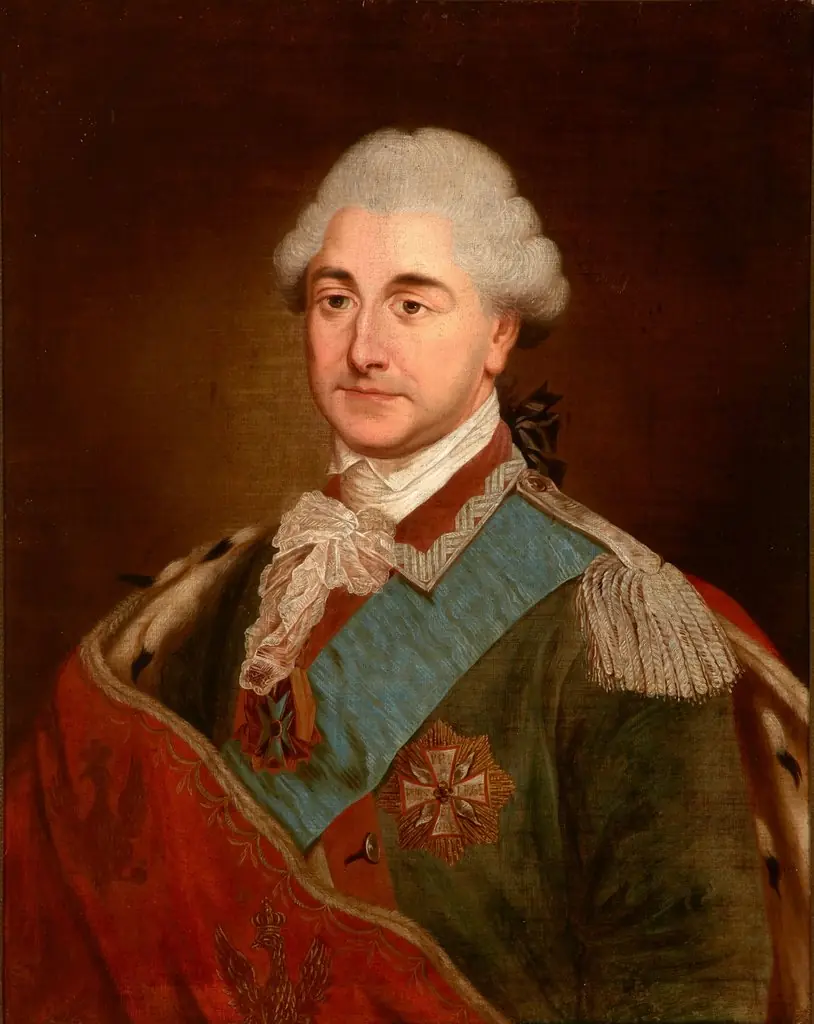 Portrait of Stanisław August Poniatowski (1732–1798), King of Poland
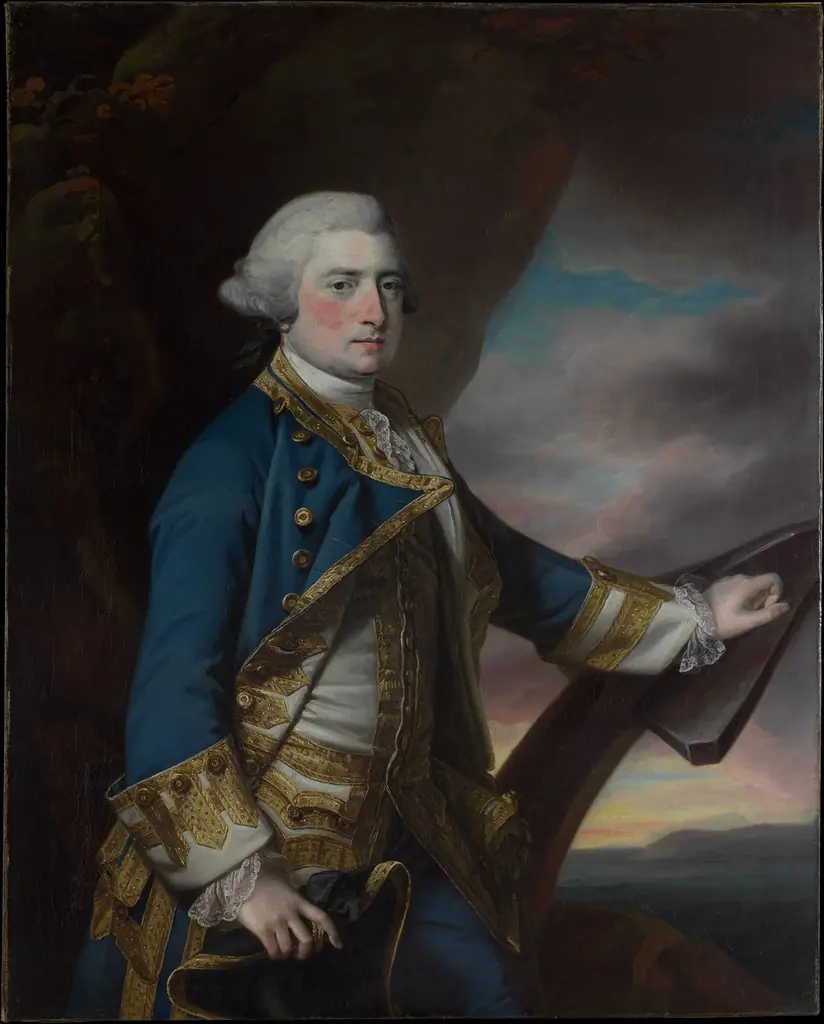 Admiral Harry Paulet (1719/20–1794), Sixth Duke of Bolton
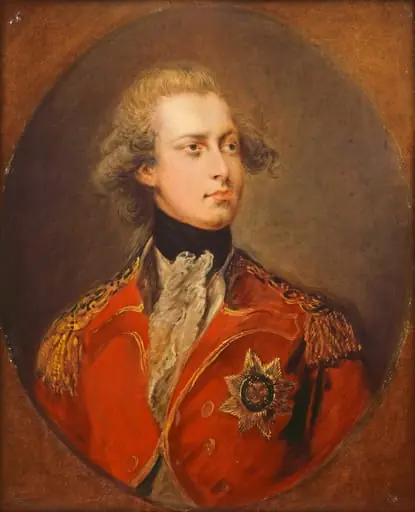 George IV as Prince of Wales
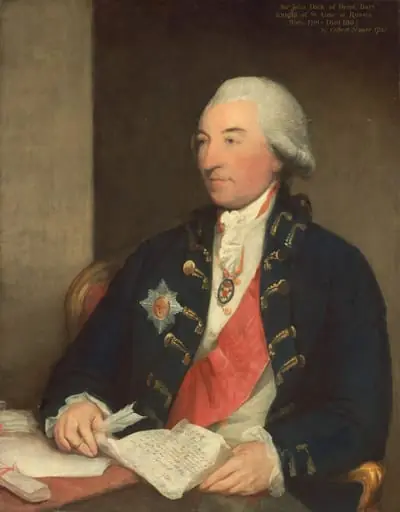 Sir John Dick
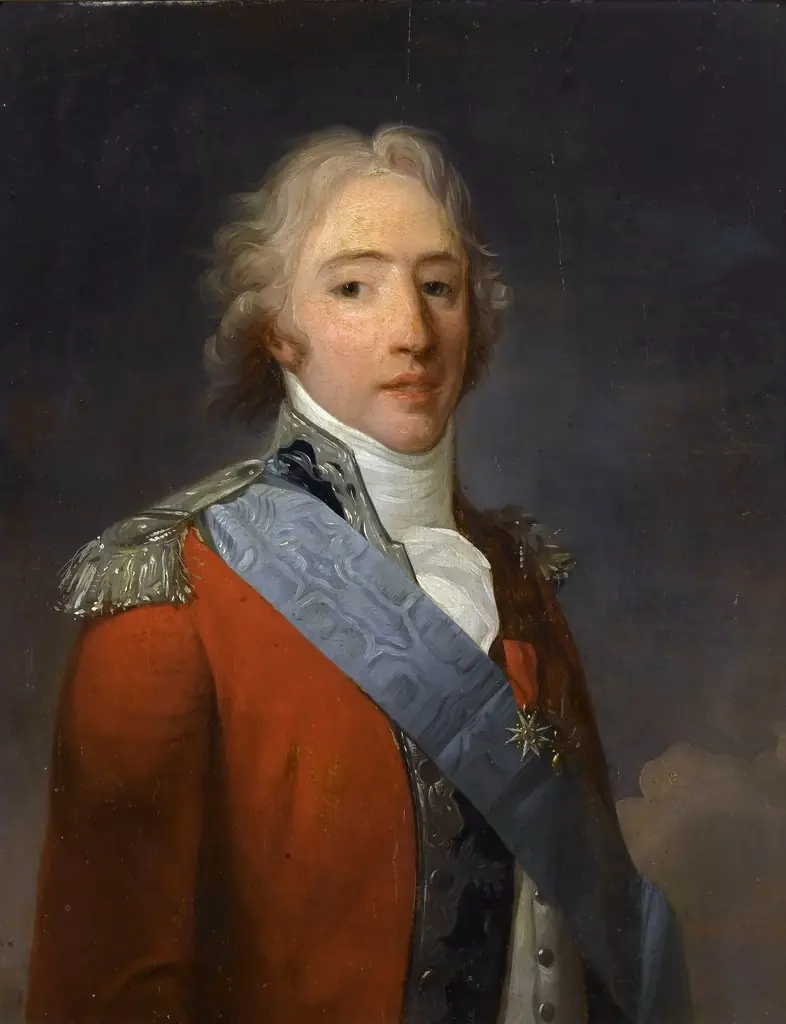 Charles Philippe de France, comte d'Artois (1757-1836)
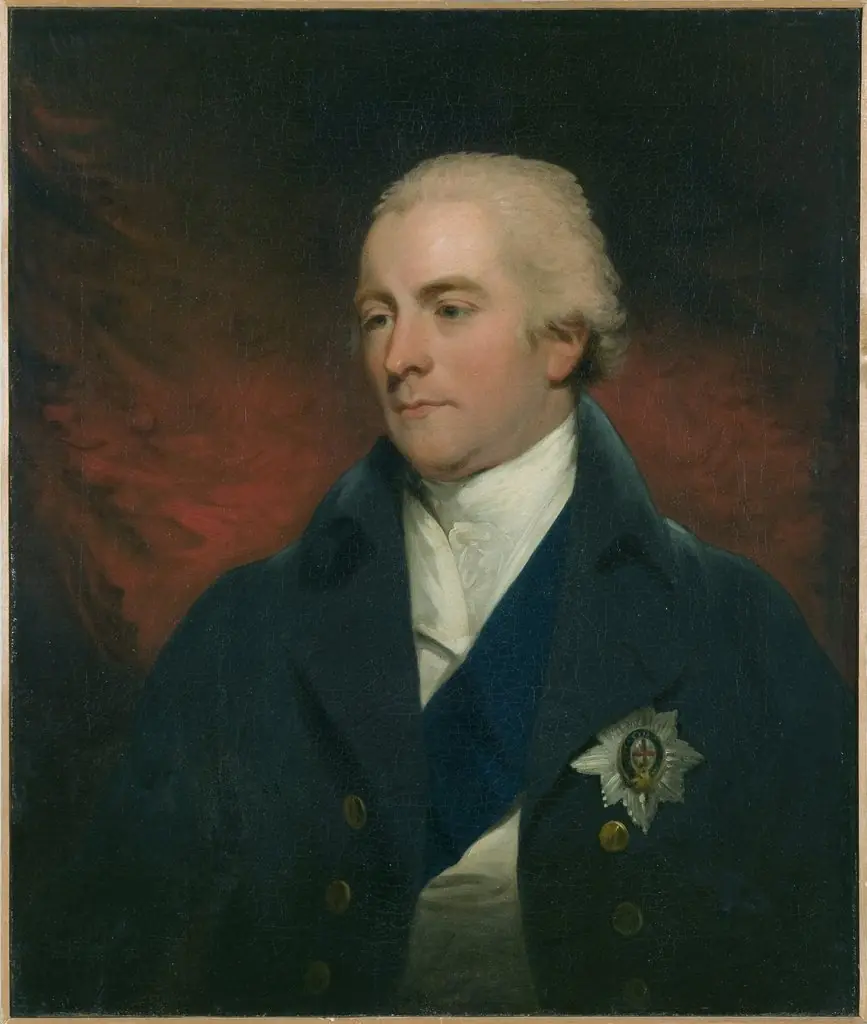 Portrait of Count George Spencer (2nd) (1758-1834)
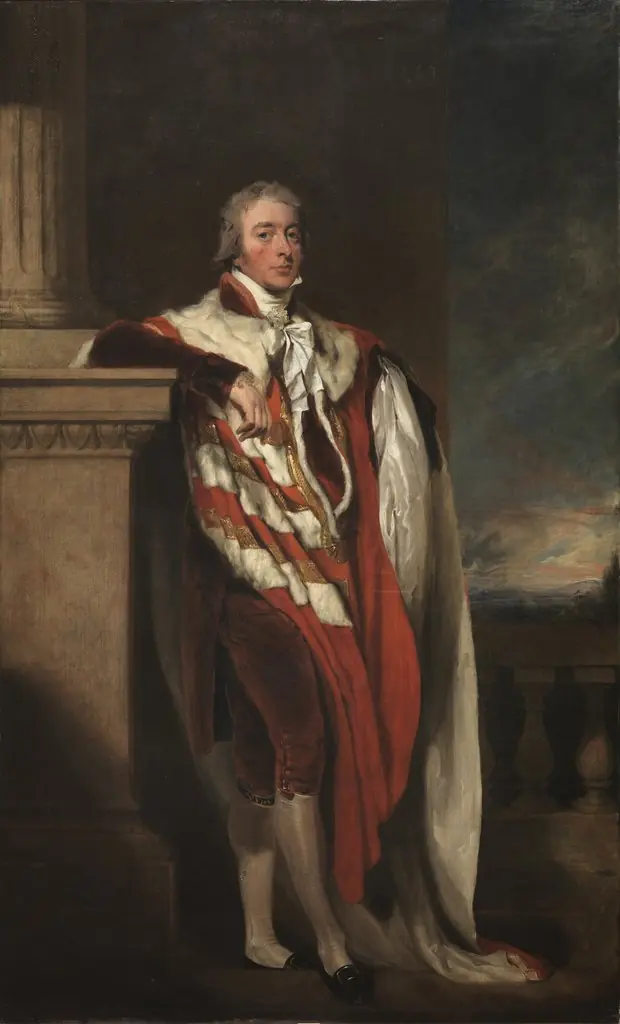 John Fane, 10th Earl of Westmoreland
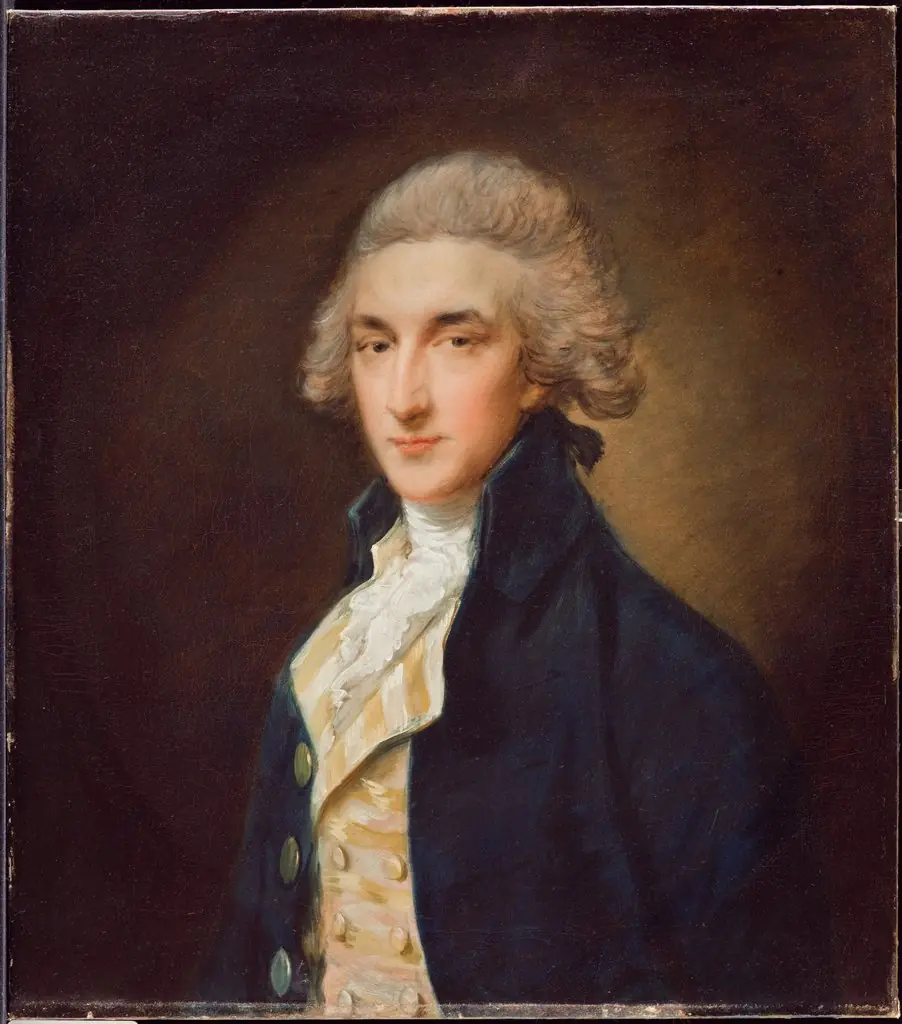 Sir John Edward Swinburne
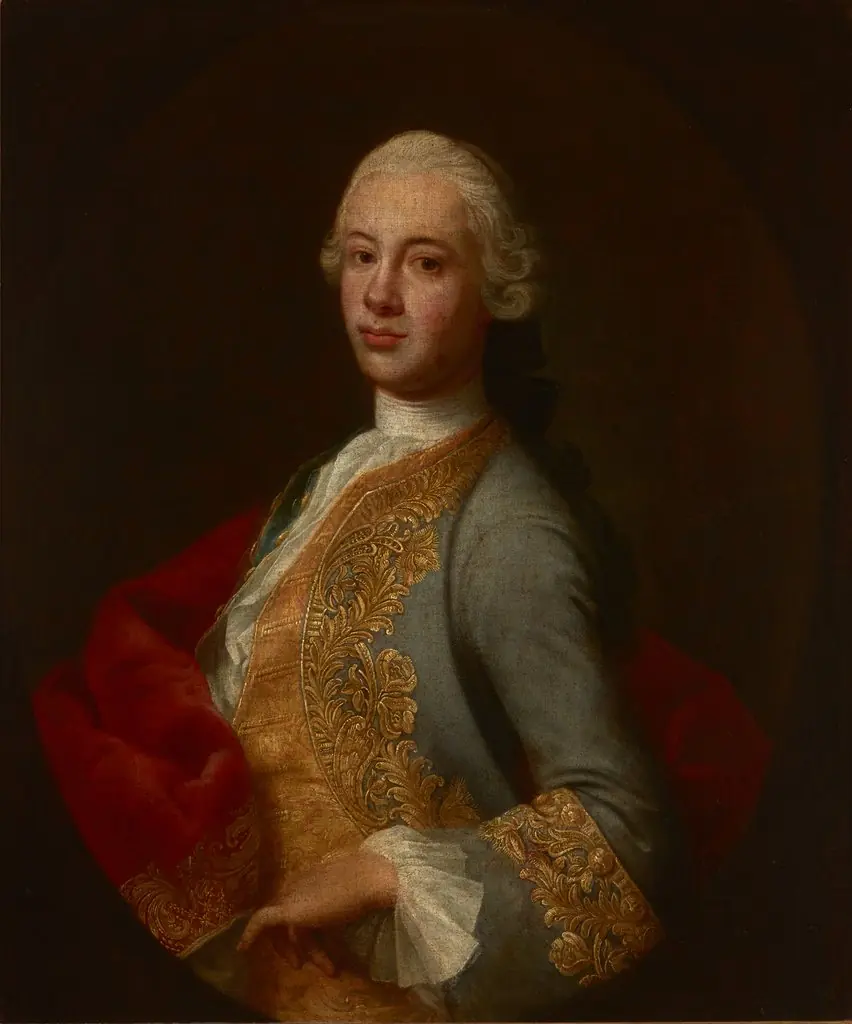 Portrait of Jan Jacek Tarnowski (1729–1808), Starost of Kahorlice and Byszów
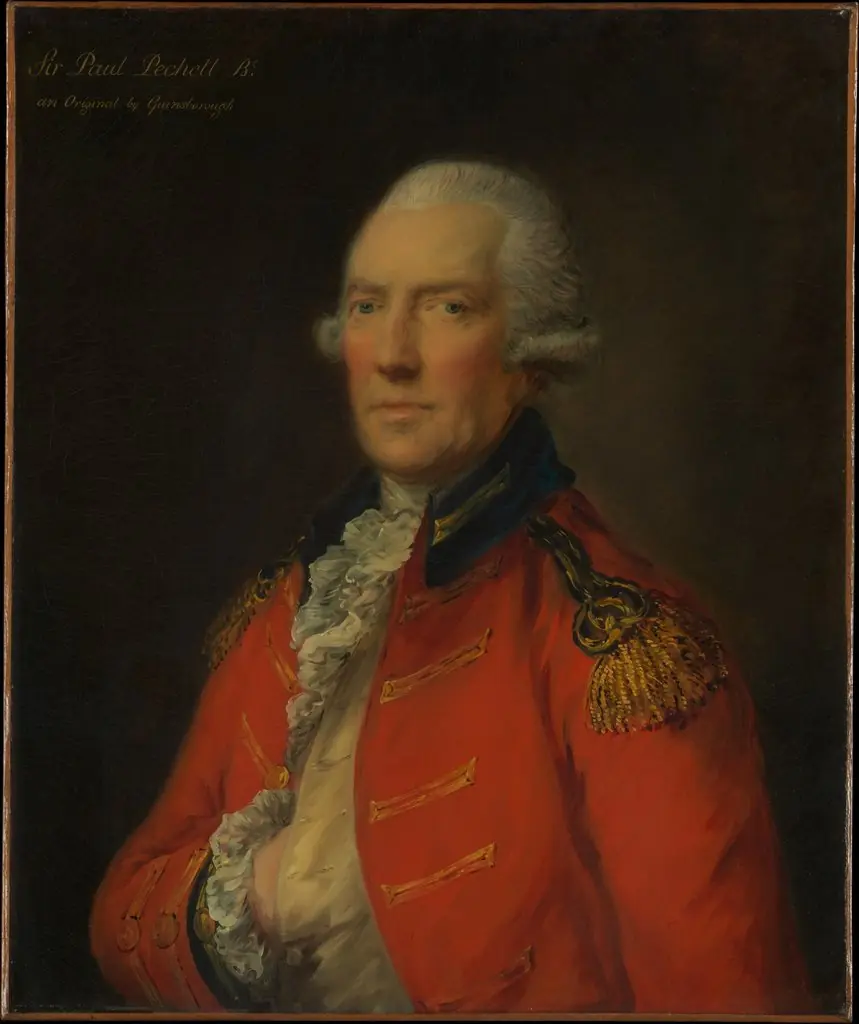 Lieutenant Colonel Paul Pechell (1724–1800)