Artwork
Portrait of Prince Józef Poniatowski
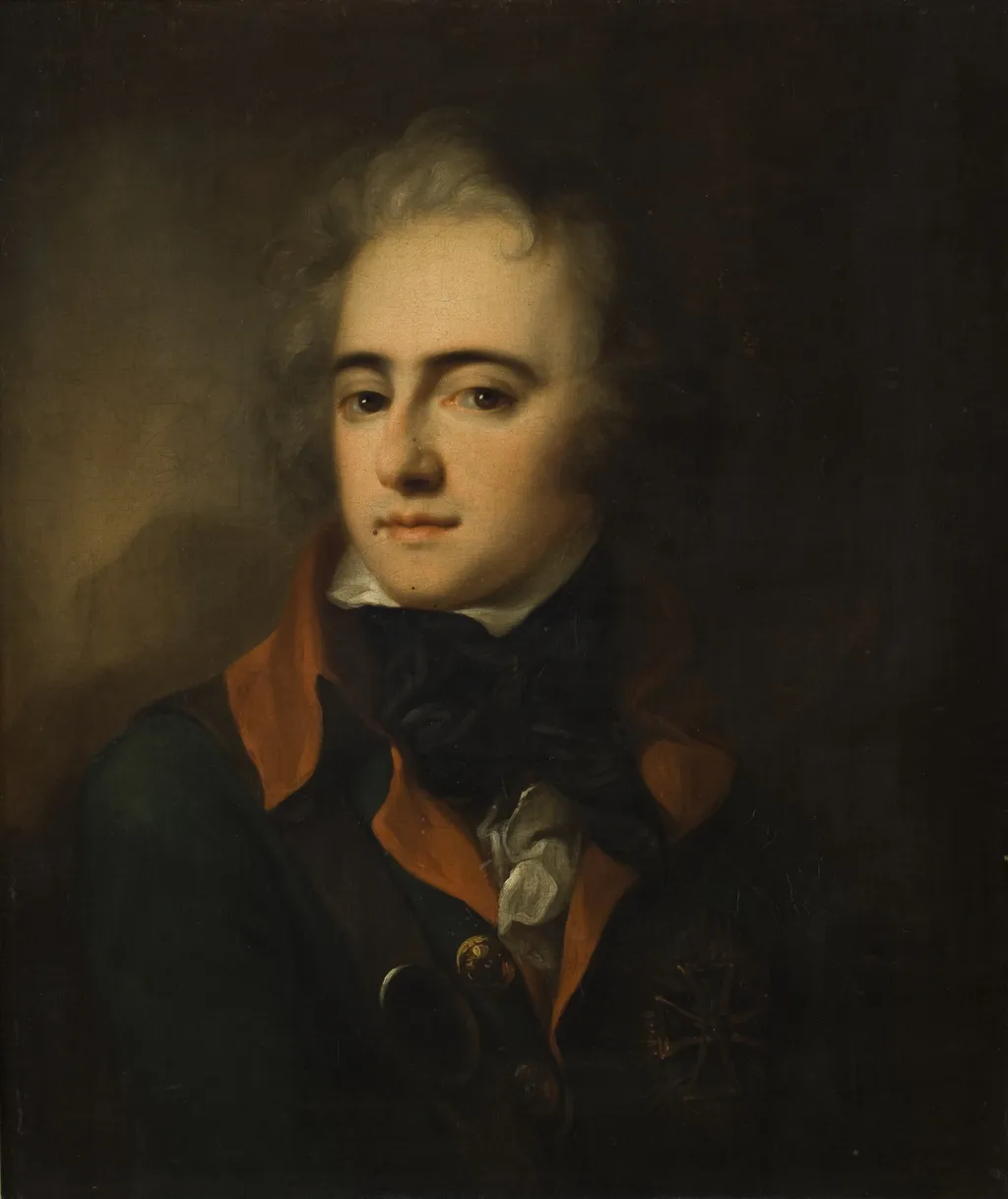
Portrait of Prince Józef Poniatowski is an oil painting by Josef Grassi. It dates from 1796 and is held in the collection of the National Museum in Kraków.
About this work
Overview
Created in 1796, this oil portrait presents Prince Józef Poniatowski, a notable Polish military leader, rendered by the Austrian painter Josef Grassi. The canvas is held by the National Museum in Kraków, where it forms part of the institution’s collection of late‑18th‑century portraiture.
Subject & Meaning
The sitter is shown in a formal pose, gazing directly at the viewer with a composed, solemn expression. His attire—a dark coat trimmed with a vivid red collar over a crisp white shirt—conveys both rank and the dignified bearing expected of a prince and military commander of his era.
Technique & Style
Grassi employs a restrained palette and chiaroscuro, allowing the dark background to recede while the illuminated features of the prince emerge with clarity. The brushwork is smooth, emphasizing the texture of the fabrics and the subtle modeling of the face, characteristic of late‑Baroque portrait conventions transitioning toward Neoclassicism.
History & Provenance
Born in 1757, Josef Grassi worked across Central Europe under the Italianized name Giuseppe Grassi before his death in 1838. The portrait entered the National Museum in Kraków’s holdings through acquisition in the early 20th century, where it remains displayed as a representative example of his diplomatic portraiture.
Context
At the time of its execution, Prince Józef Poniatowski was emerging as a key figure in the Polish–Lithuanian Commonwealth’s military reforms. Portraits such as this served to affirm his status and to disseminate his image among the aristocracy, aligning personal prestige with the broader political aspirations of Poland’s late‑enlightenment period.
Own this work as a print
Artist & collection
Artist
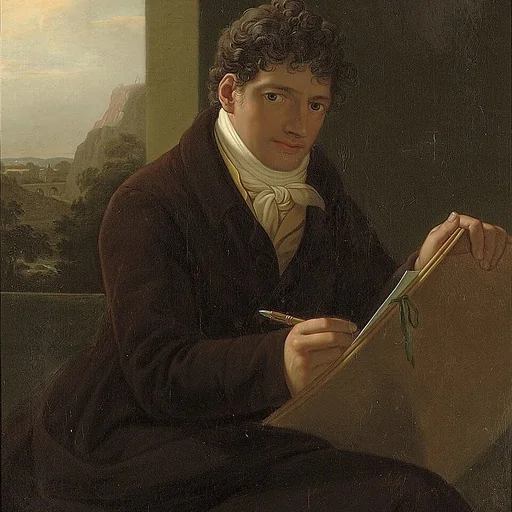
Josef Grassi (22 April 1757 – 7 January 1838) was an Austrian portrait and history painter. His middle name is usually given as "Maria", although there is evidence that it was actually "Mathias". He is also called "Giuseppe Grassi".

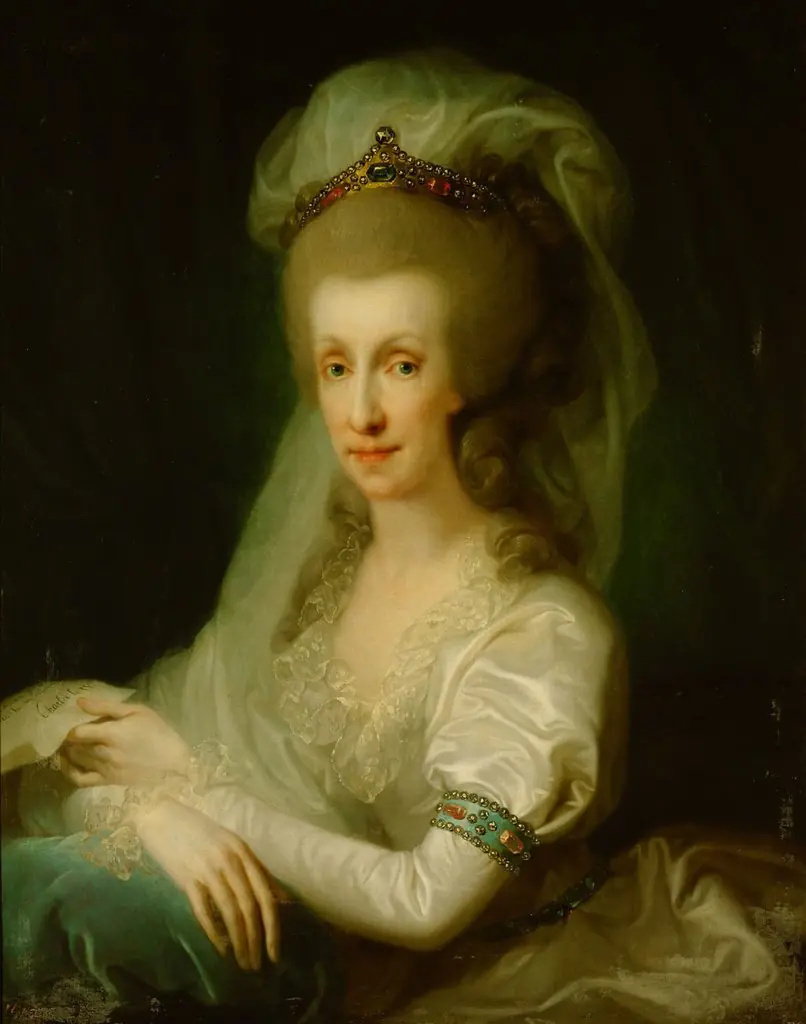 Portrait of Maria Luisa of Spain (1745-1792), Holy Roman Empress
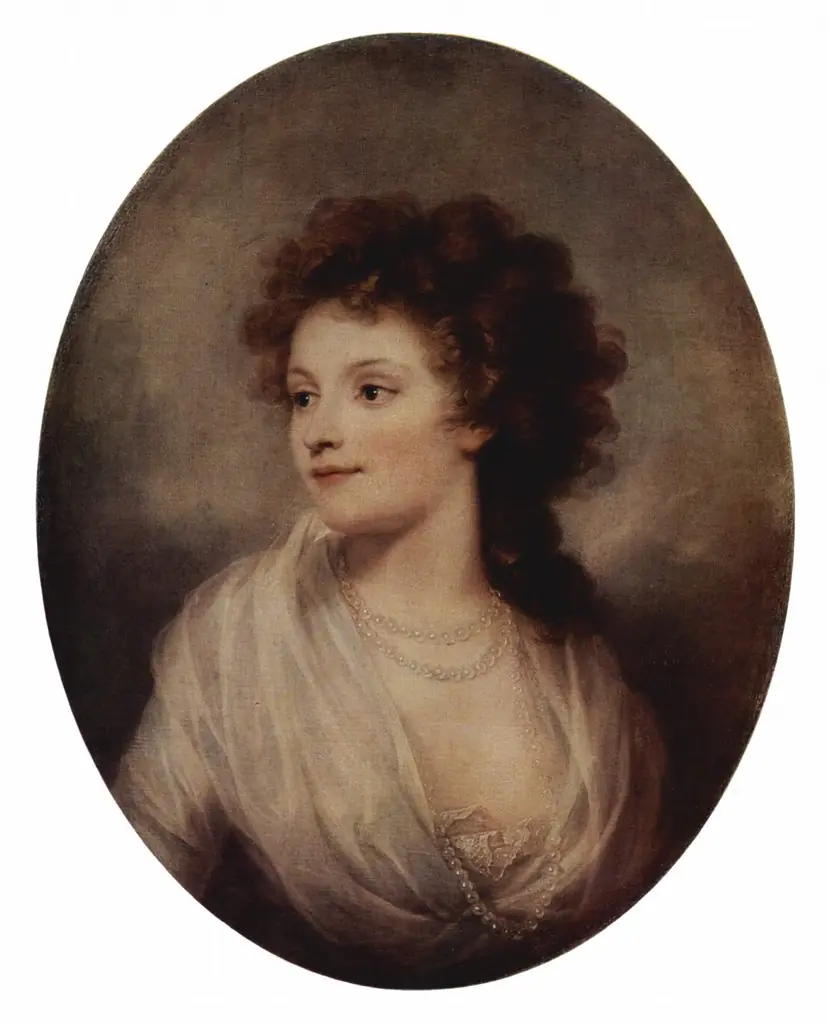 Portrait of Charlotte Bach Mannteufel
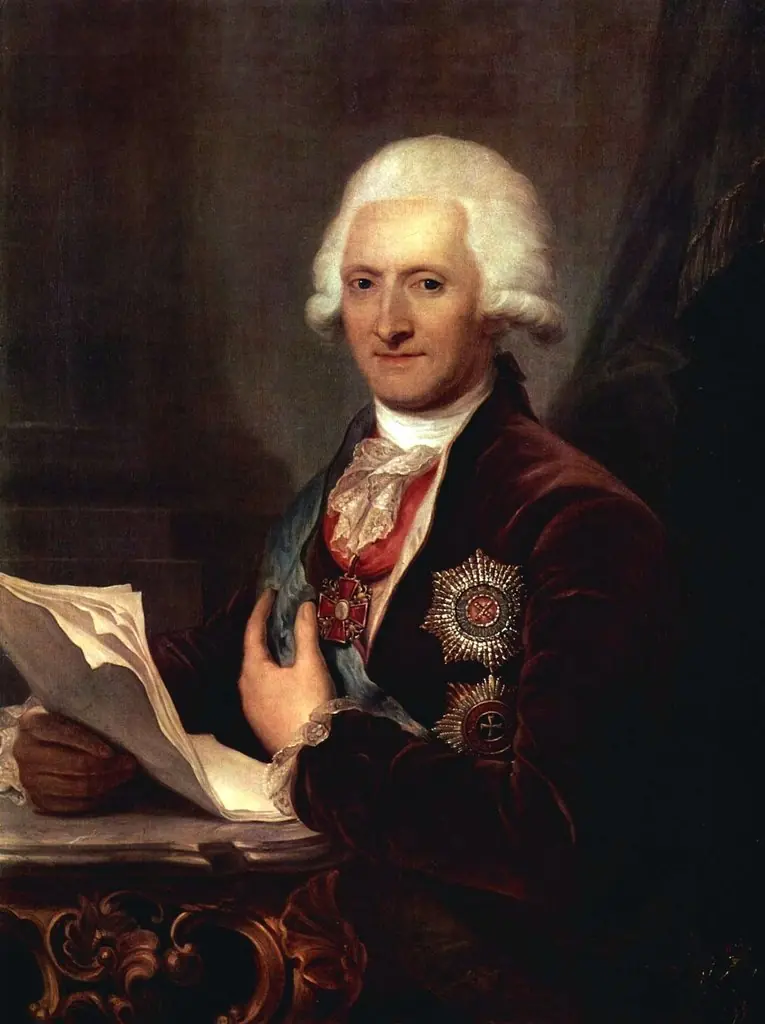 Portrait of Count J.E. Sievers
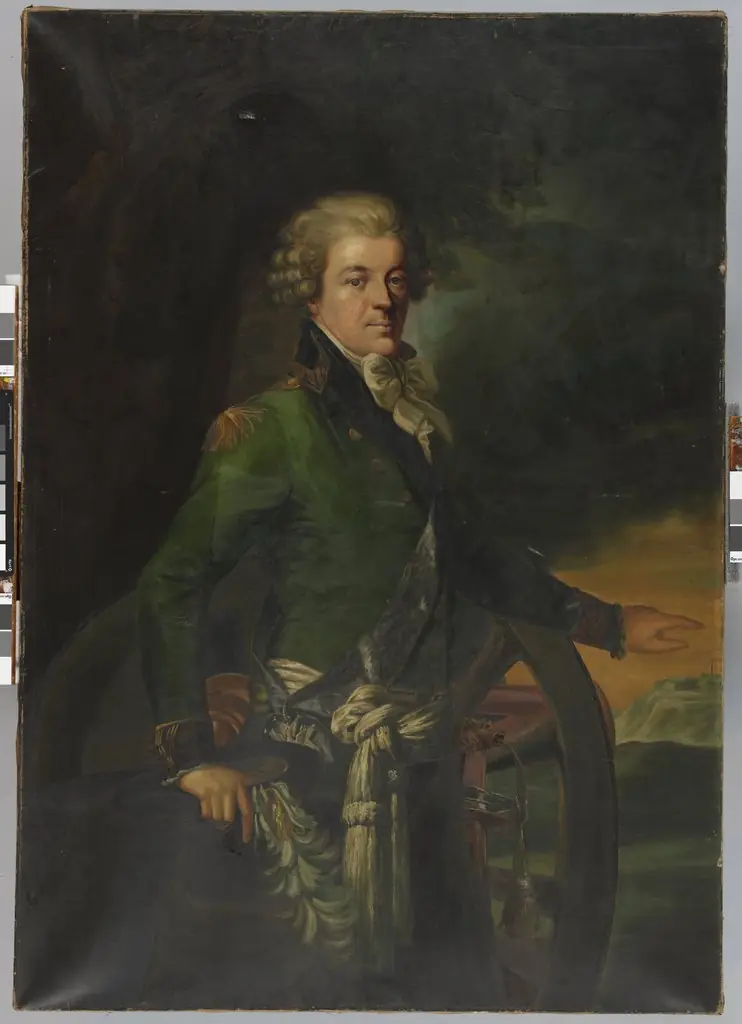 Portrait of Stanisław Kostka Potocki
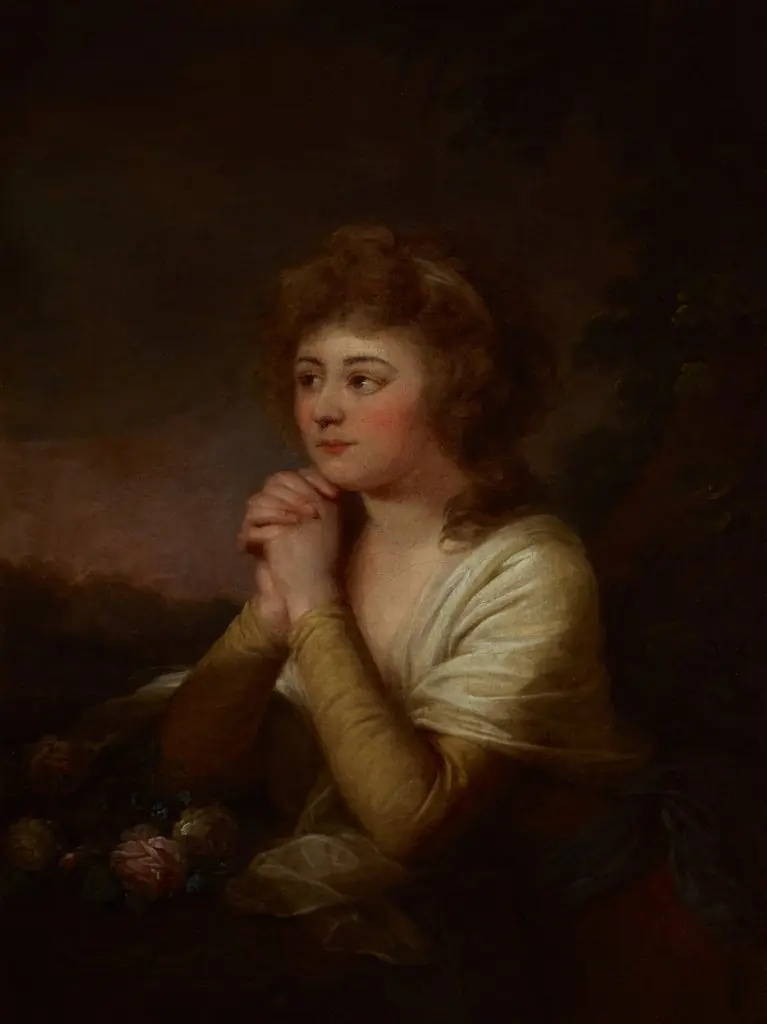 Portrait of a Lady from the Skrzyński Family
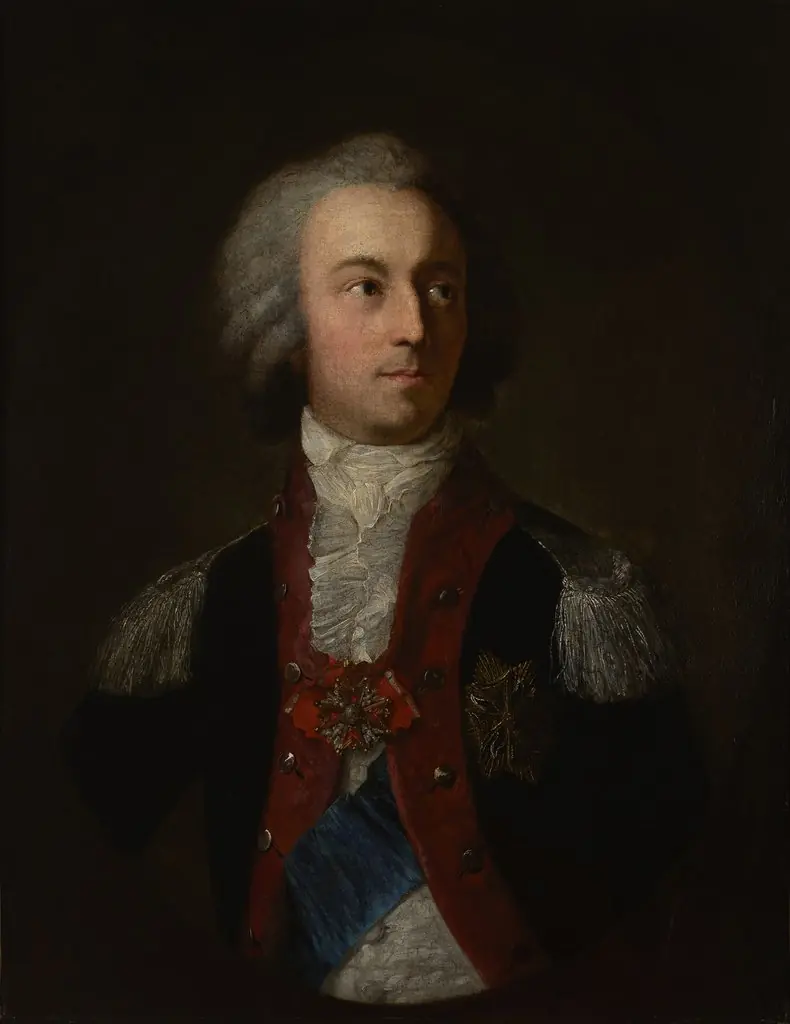 Portrait of Prince Adam Kazimierz Czartoryski (1734–1823) as the Commandant of the Corps of Cadets
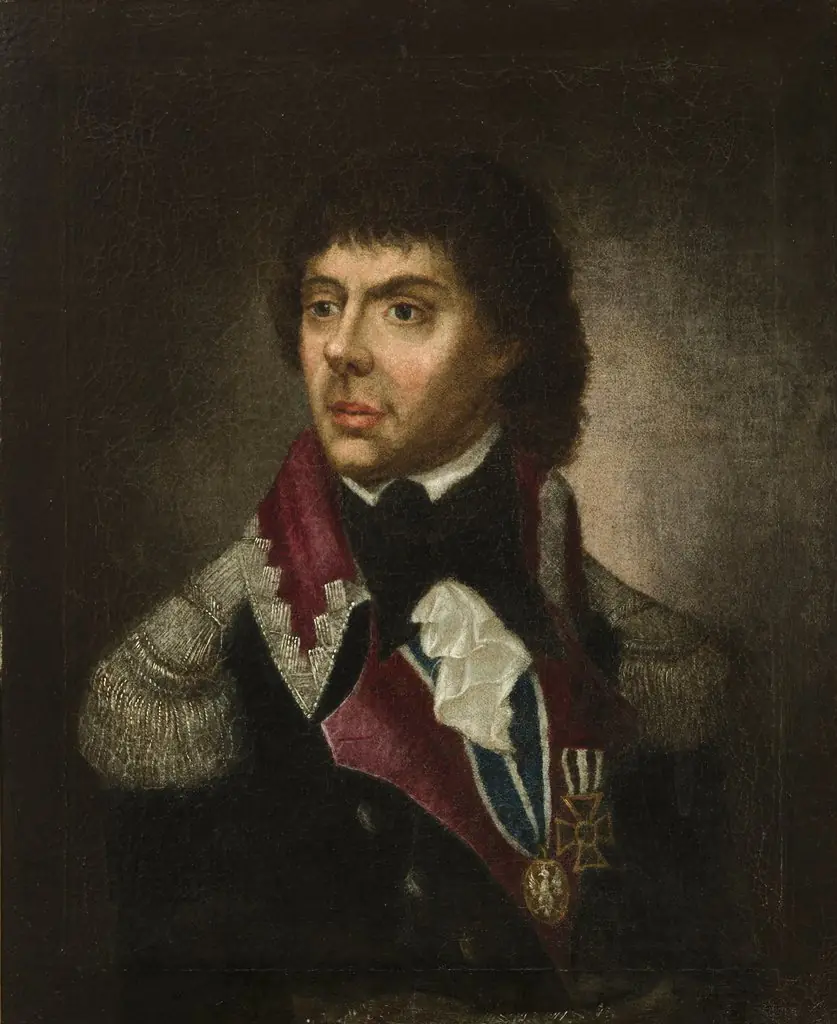 Portrait of Tadeusz Kościuszko
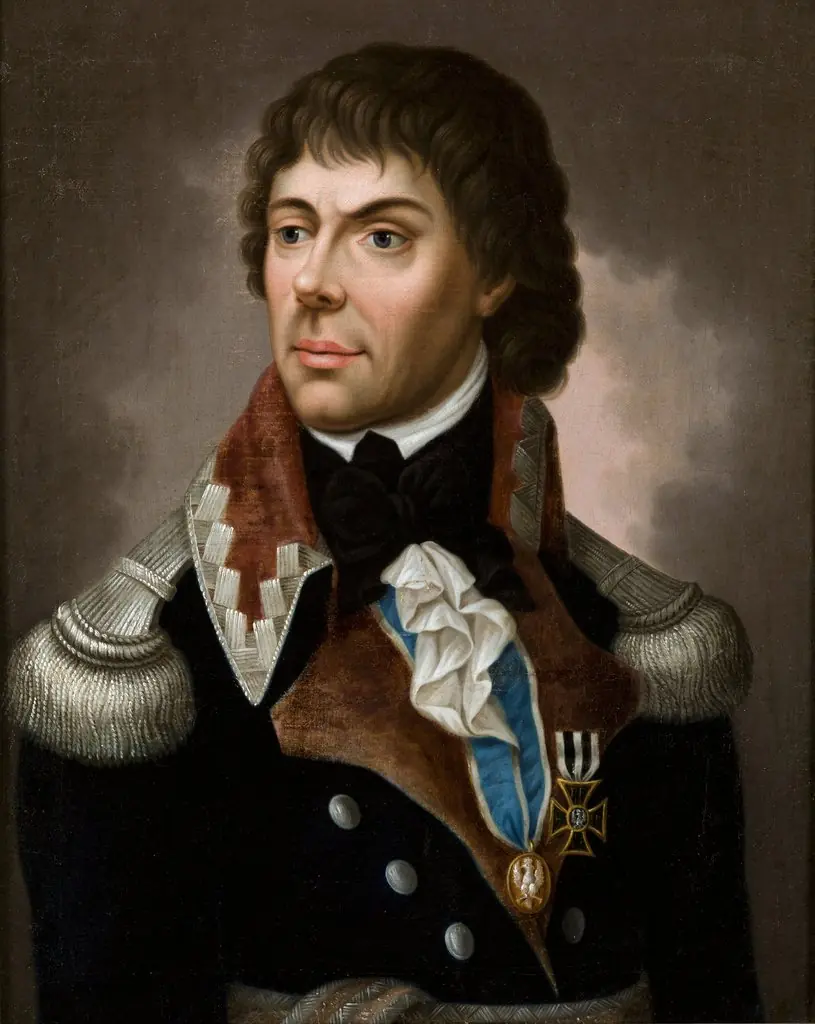 Portrait of Tadeusz Kościuszko
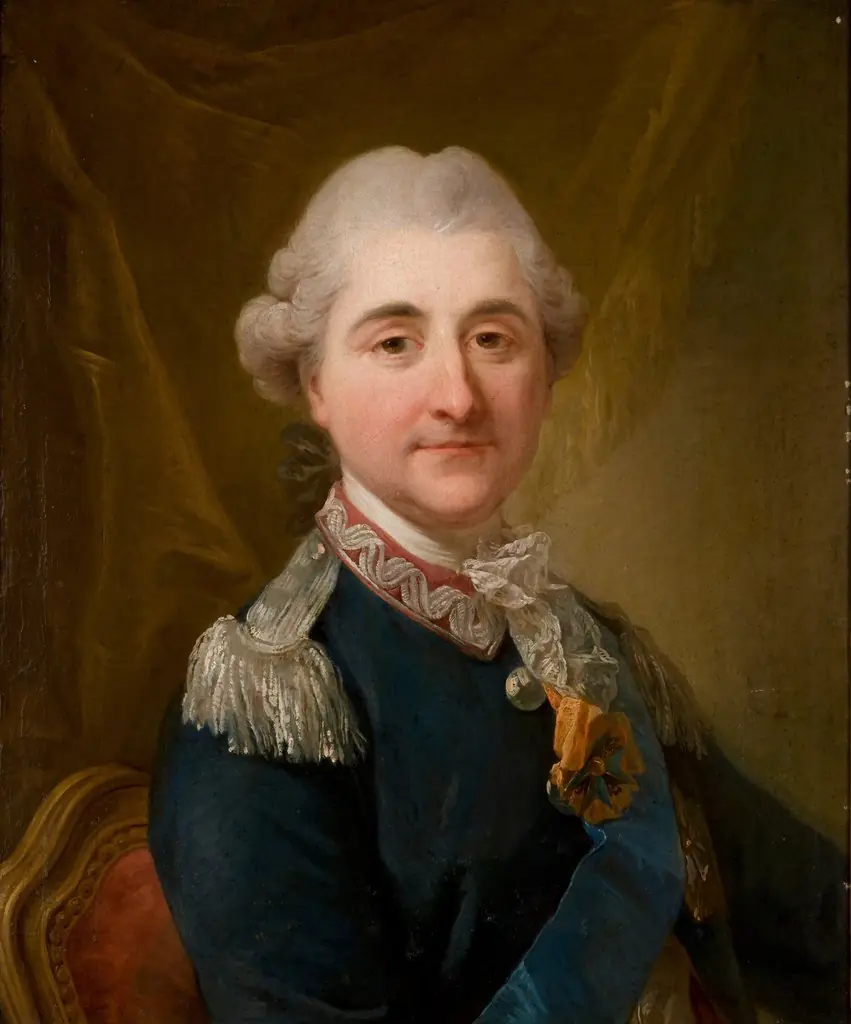 Portrait of King Stanislaus Augustus Poniatowski
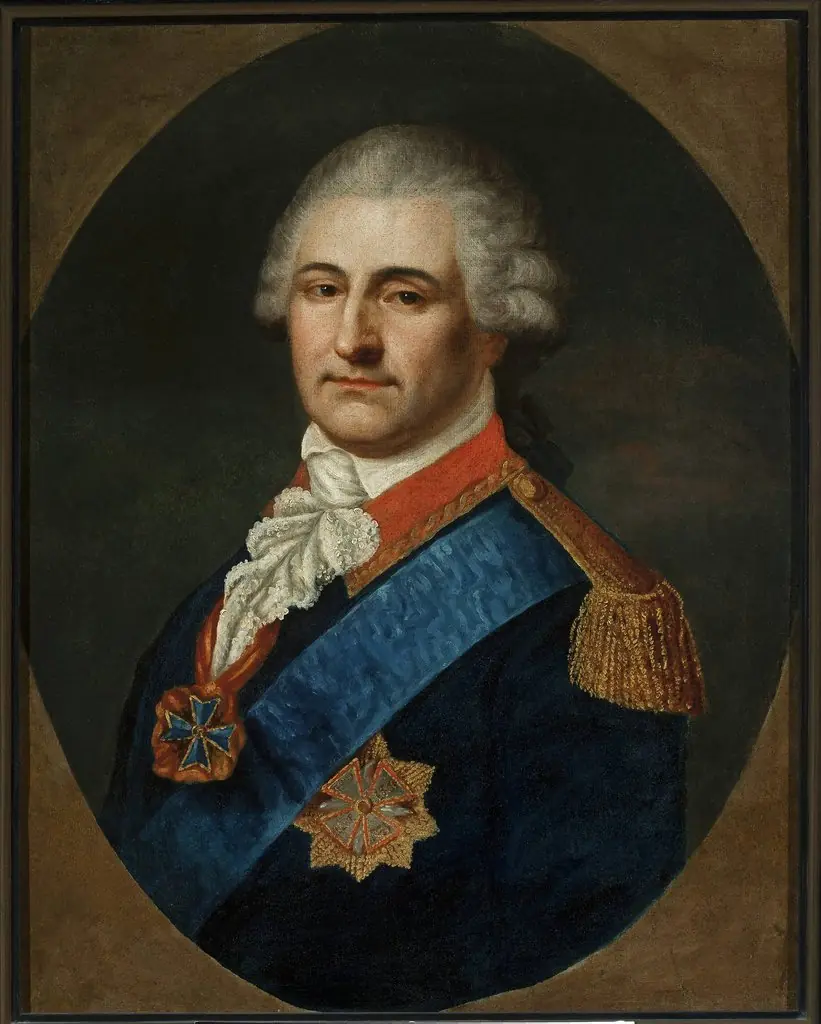 Portrait of Stanisław August Poniatowski in the general’s uniform
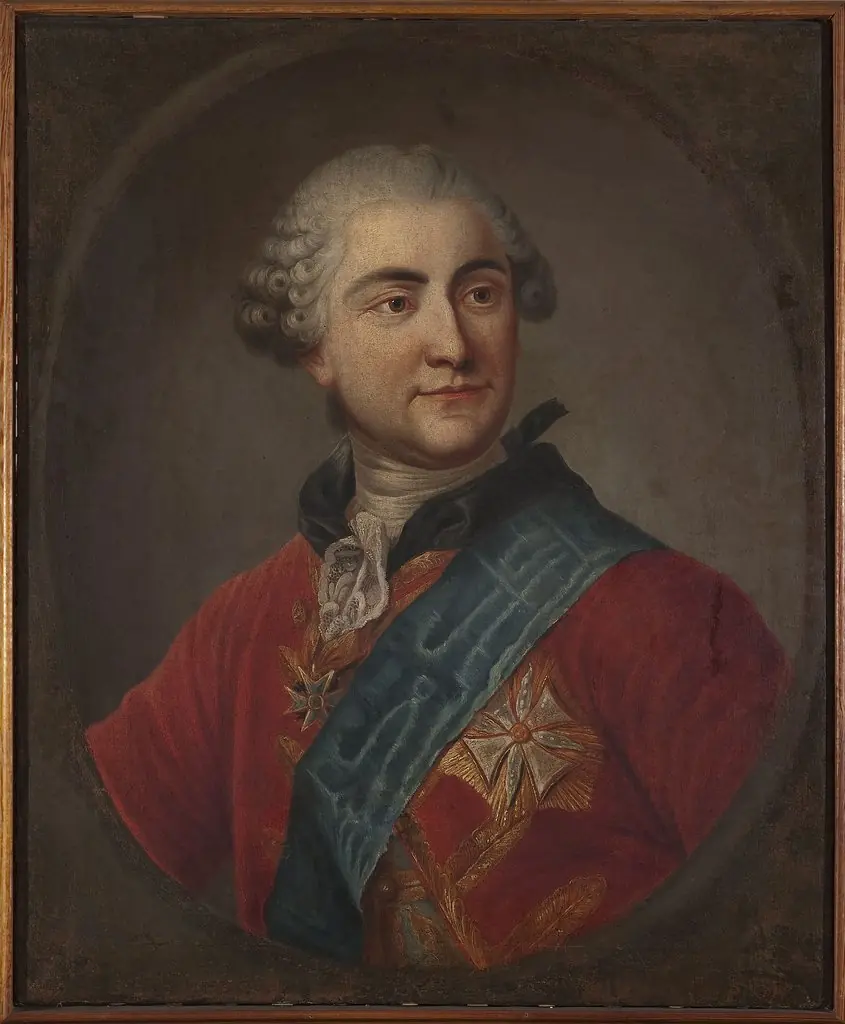 Portrait of Stanisław August Poniatowski
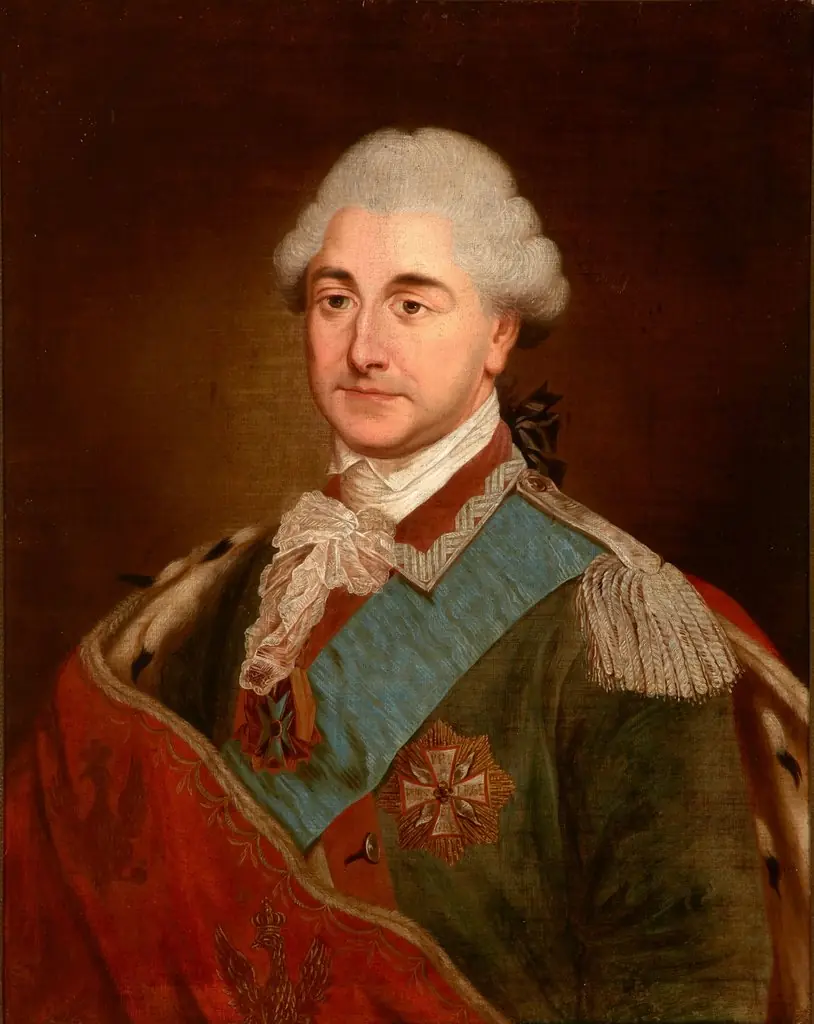 Portrait of Stanisław August Poniatowski (1732–1798), King of Poland
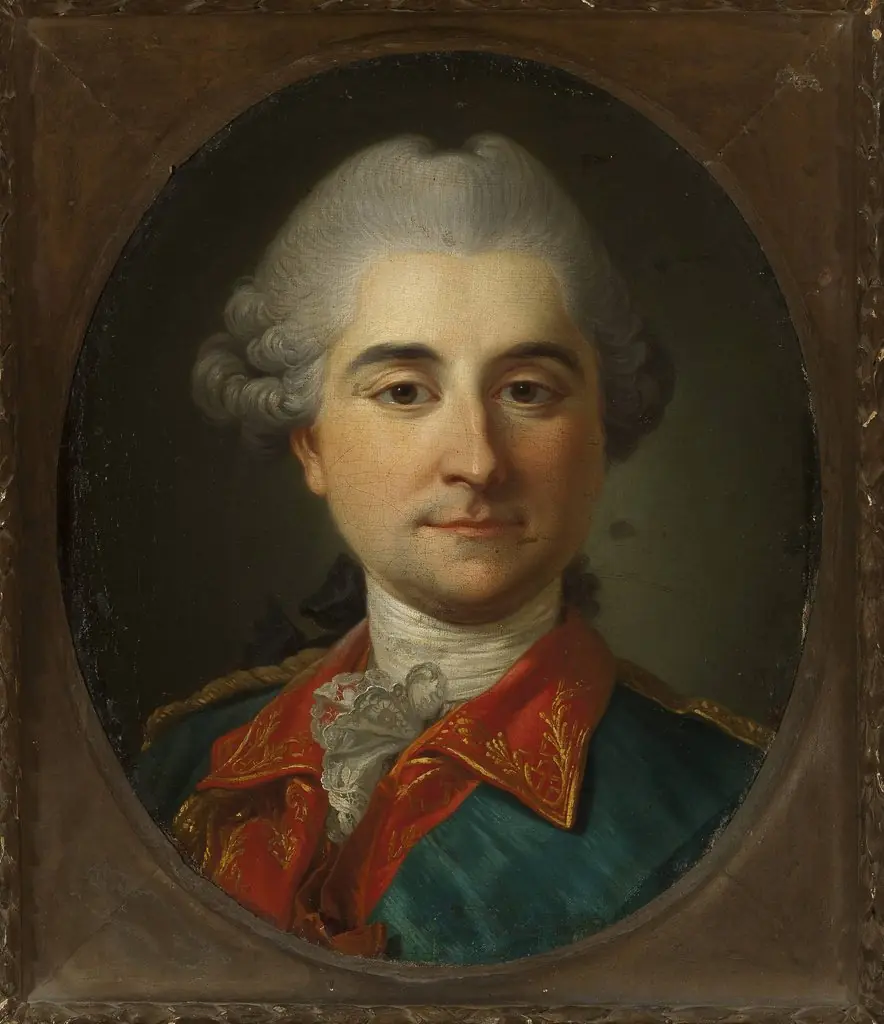 Portrait of Stanisław August Poniatowski
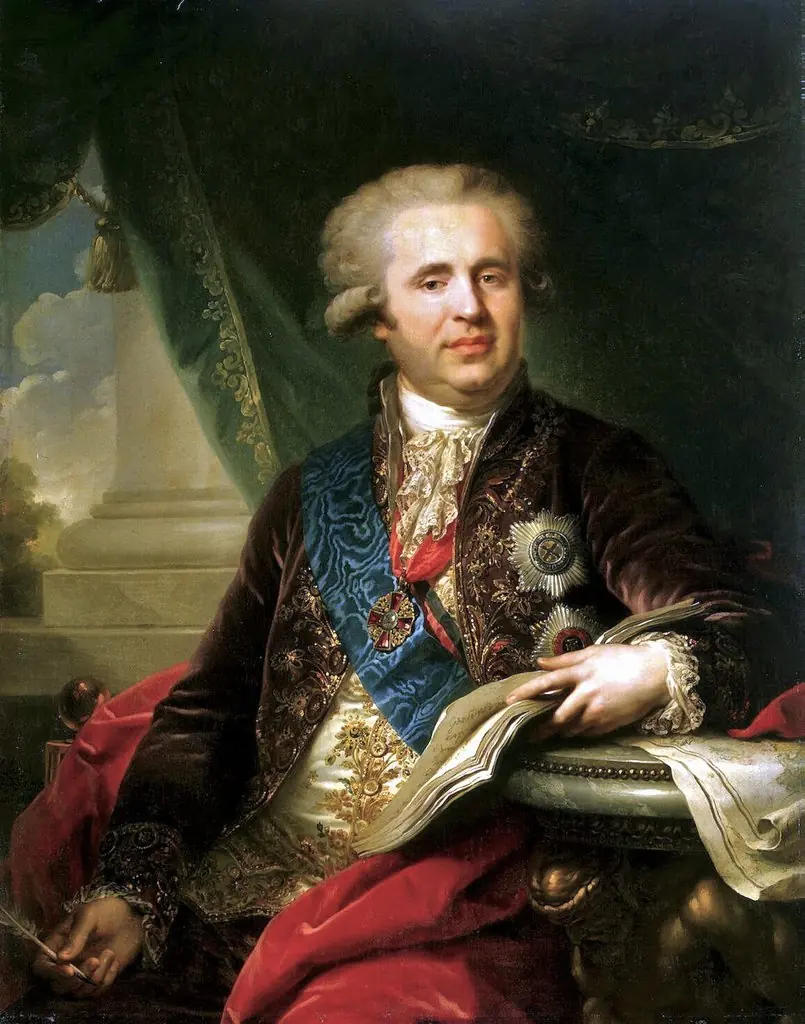 Portrait of Prince Bezborodko A.A.
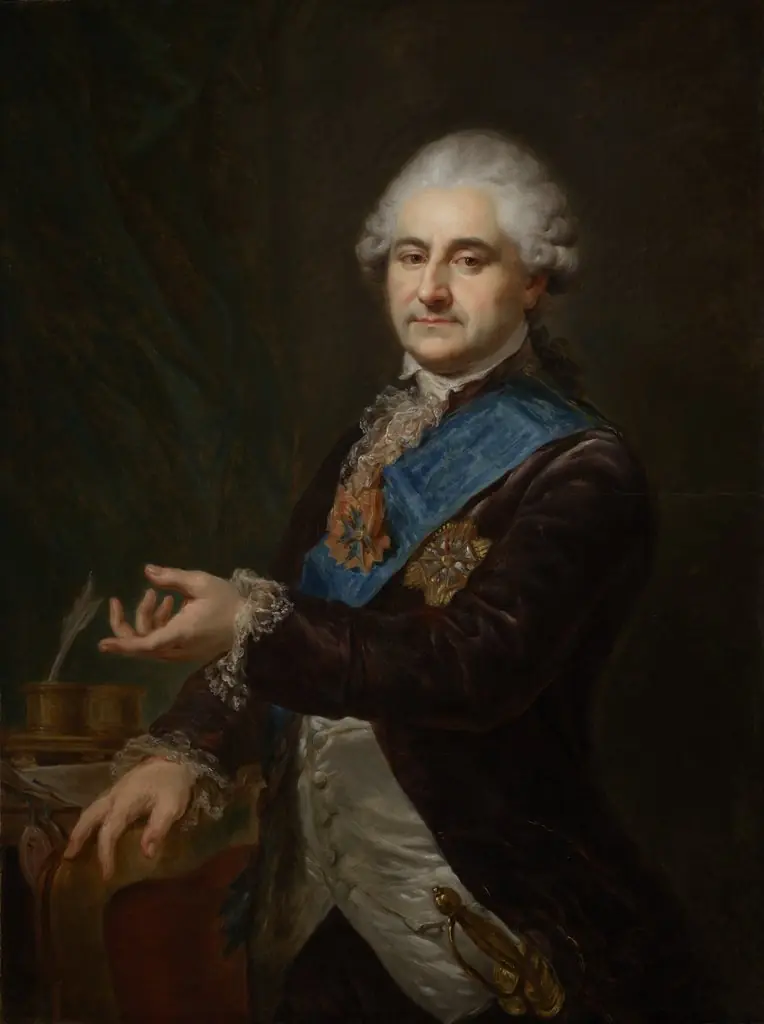 Portrait of Stanislaus Augustus Poniatowski (1732–1798)
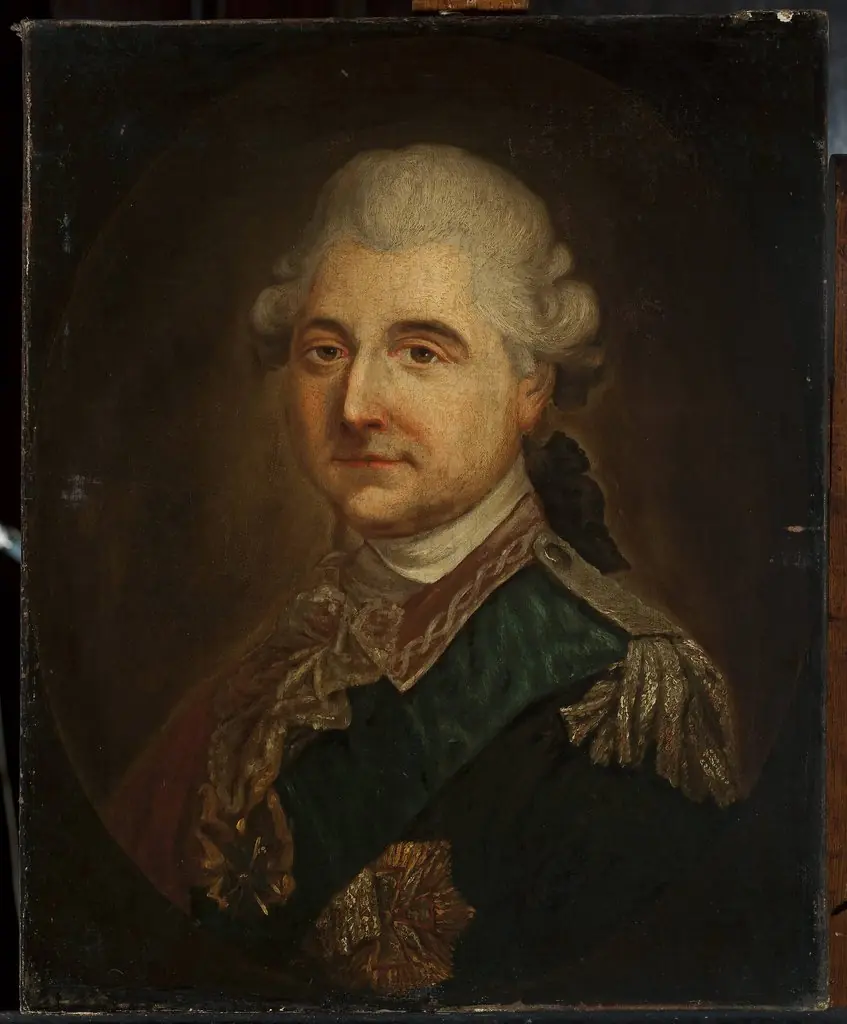 Portrait of Stanisław August Poniatowski in the uniform of the head of the Corps of Cadets