Artwork
Portret van Maria Jozefa Pavot
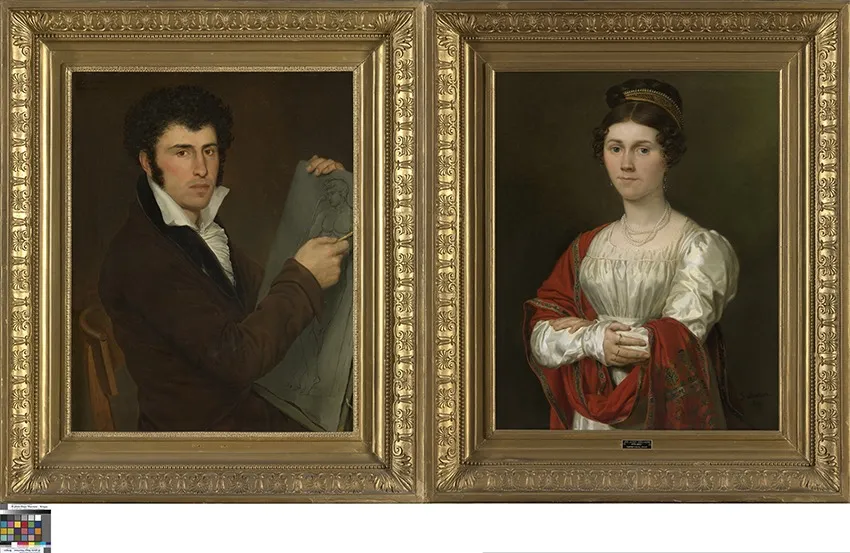
Portret van Maria Jozefa Pavot is an oil painting by Joseph-Denis Odevaere. It dates from 1819 and is held in the collection of the Groeningemuseum.
About this work
Overview
Painted in 1819 by Joseph-Denis Odevaere, this oil-on-canvas work presents a paired portrait of Maria Jozefa Pavot and an accompanying male figure.
Painted in 1819 by Joseph-Denis Odevaere, this oil-on-canvas work presents a paired portrait of Maria Jozefa Pavot and an accompanying male figure. Executed in the Neo-Classical idiom, the painting reflects Odevaere’s training and his role as court painter to King William I of the Netherlands. The composition is formal, with both subjects depicted from the waist up against a dark, unadorned background, emphasizing their presence through careful lighting and detail.
Subject & Meaning
The portrait centers on Maria Jozefa Pavot, identified by her name in the title, shown wearing a white dress and a red shawl, along with a black hat edged in gold. Beside her is a man holding a gray cloth, possibly a servant or relative, though his identity remains unconfirmed. The pairing suggests a domestic or familial context, common in early 19th-century portraiture, where social status and personal relationships were subtly conveyed through attire and composition.
Technique & Style
Odevaere employs a restrained palette and precise brushwork characteristic of Neo-Classicism. Light falls evenly across the figures, defining form without dramatic contrast, though subtle tonal shifts suggest volume. The textures of fabric, hair, and metal jewelry are rendered with quiet accuracy. Gold frames enclose each portrait, reinforcing their symmetry and elevating their status as objects of quiet dignity rather than flamboyant display.
History & Provenance
The painting has remained in the collection of the Groeningemuseum in Bruges since its creation. Odevaere, a native of the Southern Netherlands, gained recognition for his historical and portrait works during the post-Napoleonic era. This portrait likely originated as a private commission, reflecting the tastes of the regional elite. Its preservation in Bruges underscores its local significance and the museum’s commitment to regional artistic heritage.
Context
Created during the early years of the United Kingdom of the Netherlands, the portrait aligns with a broader cultural shift toward refined, morally grounded imagery. Neo-Classicism, favored by emerging state institutions, promoted clarity and restraint over Baroque excess. Odevaere’s work, including this portrait, contributed to a visual language that linked personal identity with civic order, reflecting the political and aesthetic priorities of the time.
Legacy
While not widely reproduced, the portrait remains a representative example of Odevaere’s portraiture and the Neo-Classical style in the Low Countries. Its inclusion in the Groeningemuseum ensures continued scholarly attention and public access. The work contributes to understanding how regional artists adapted international styles to local patrons, preserving a nuanced record of early 19th-century Flemish society.
Artist & collection
Artist
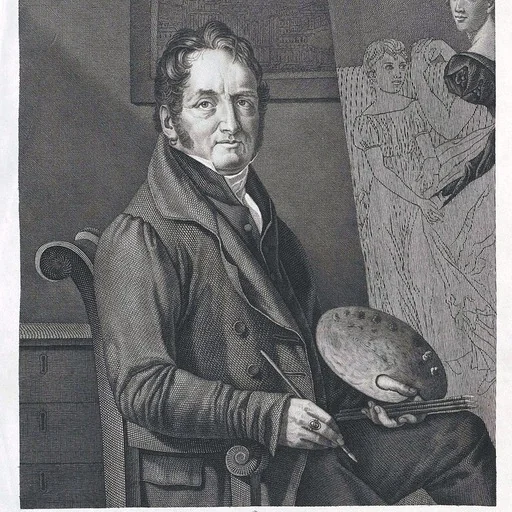
Joseph Denis Odevaere, or Joseph-Désiré Odevaere (2 December 1775, in Bruges – 26 February 1830, in Brussels), was a Neo-Classical painter from the Southern Netherlands (now Belgium). He served as court painter to King William I.

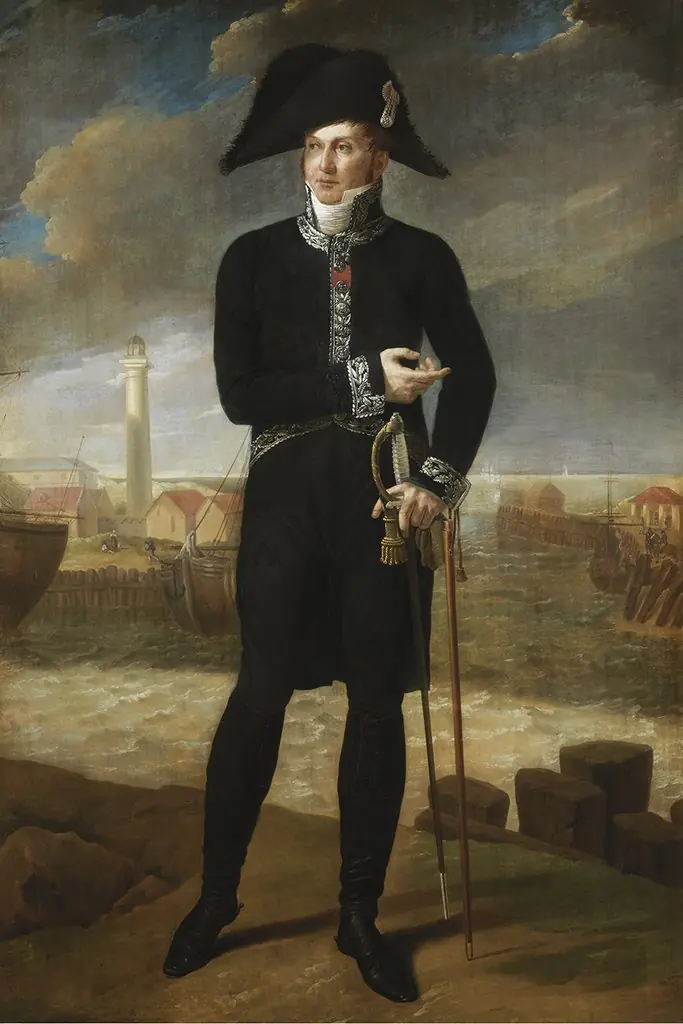 Portrait of Marquis Bernard-François de Chauvelin
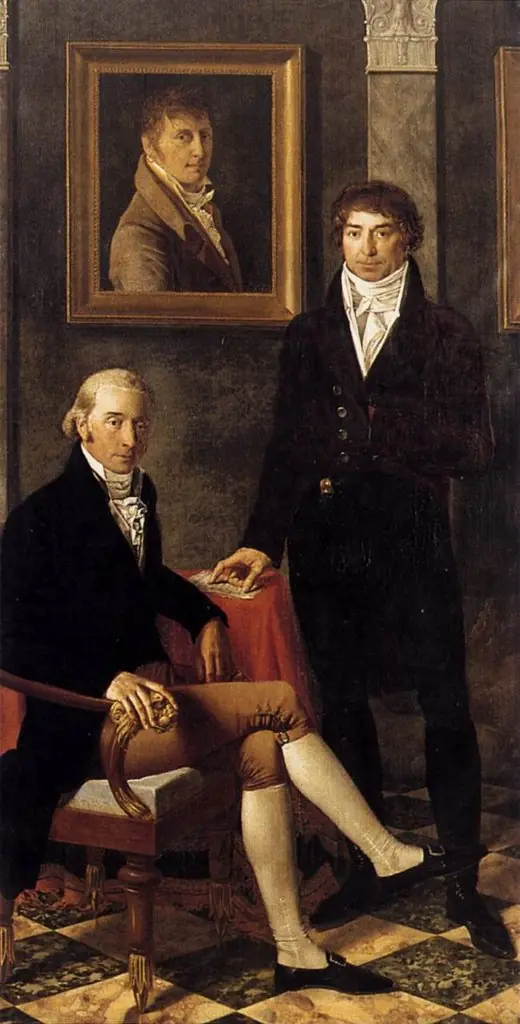 Friendship portrait of the artists François Wynckelman, François van der Donckt and Joseph Odevaere
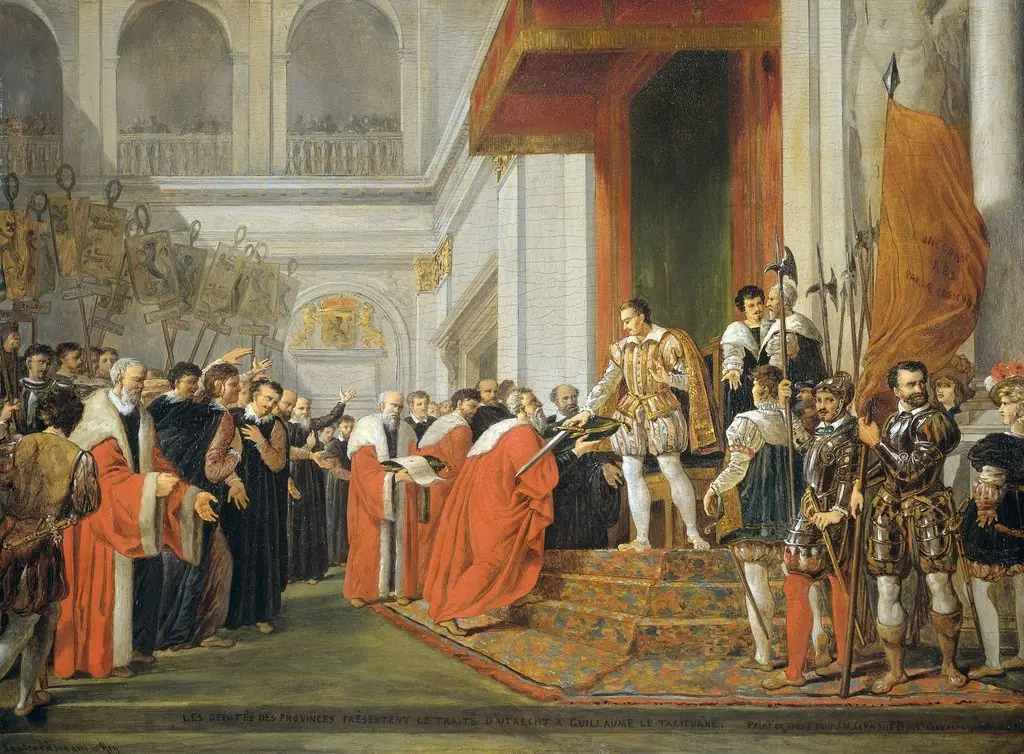 The Union of Utrecht
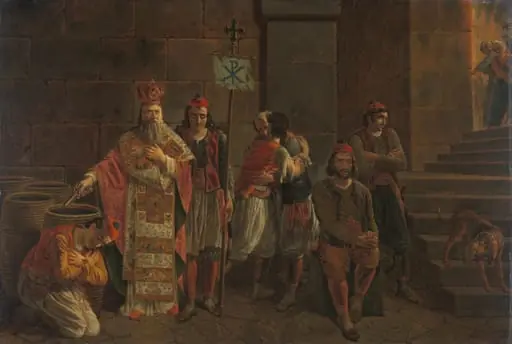 The Last Defenders of Missolonghi, 22 April 1826: an episode from the Greek War of Independence
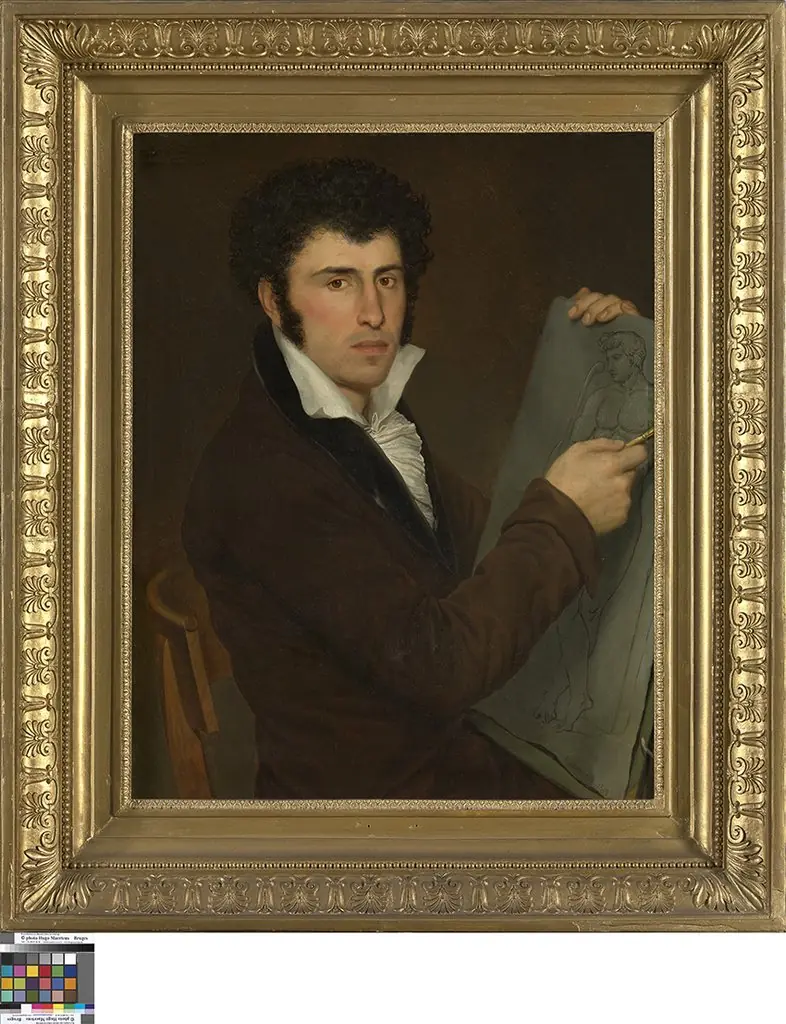 Portret van Filips Jacob Van Houtte
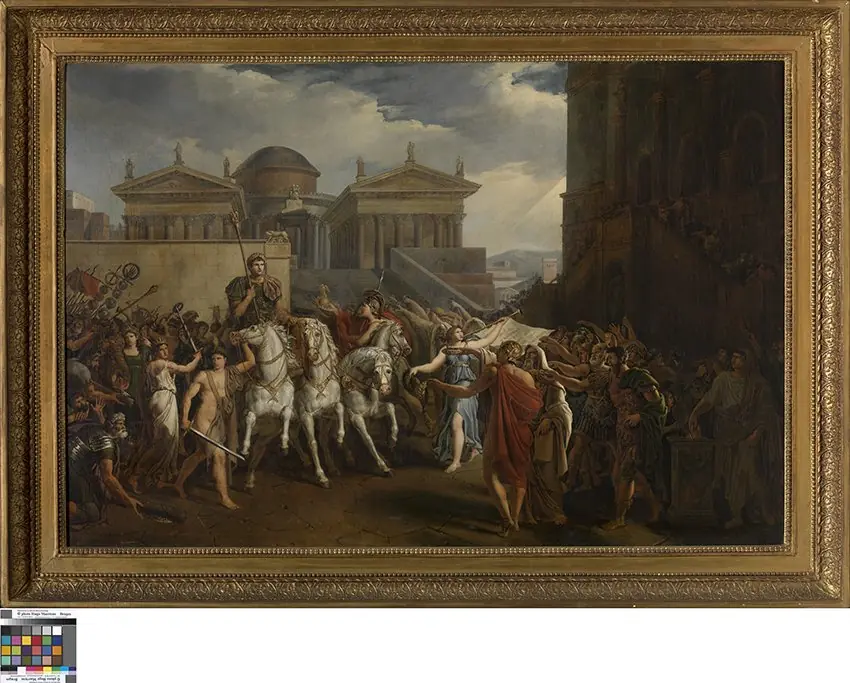 Triomftocht van keizer Trajanus
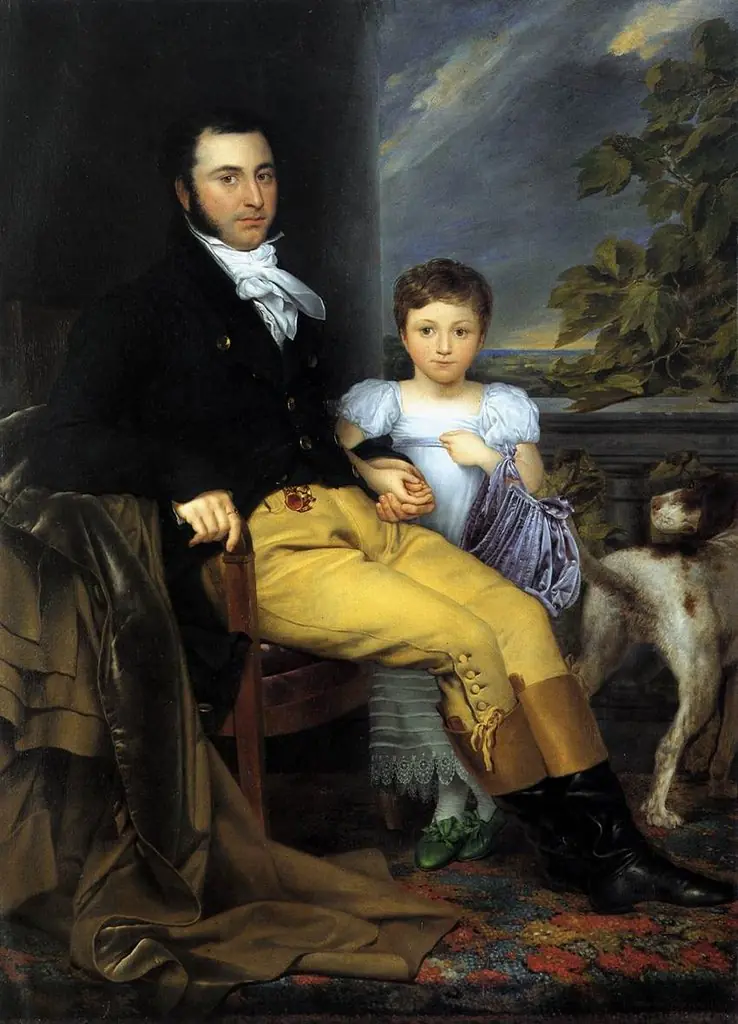 Portret van een voornaam man met zijn dochter en een jachthond
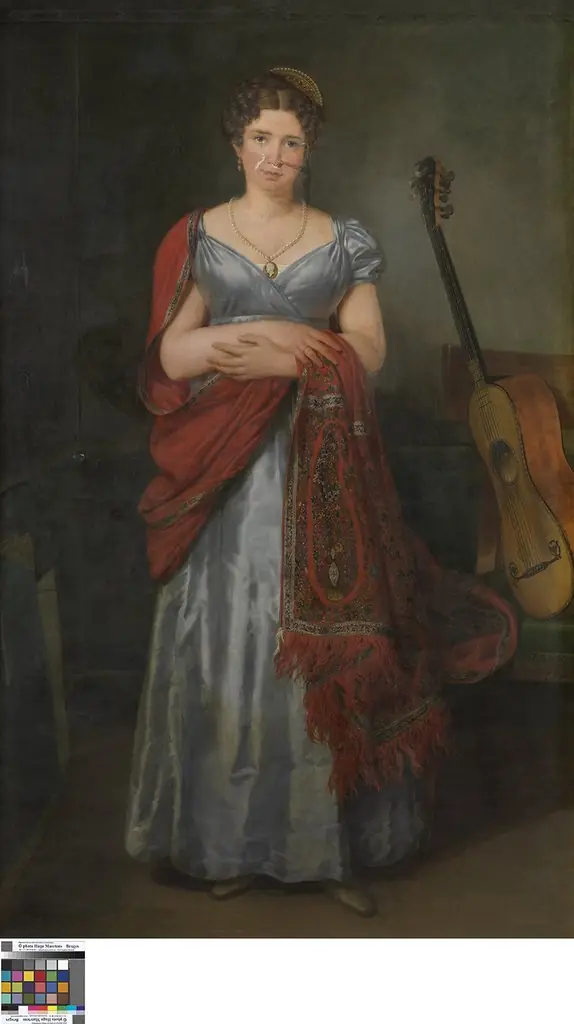 Portret van Sylvie de la Rue
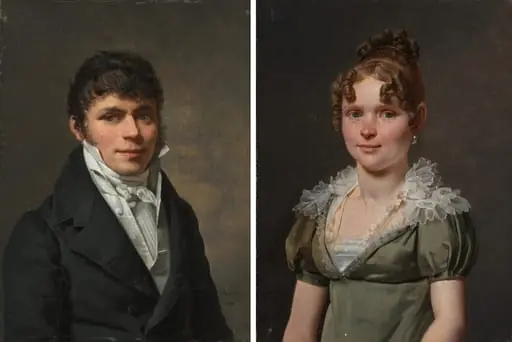 Nicolas Louis Faret and Madame Nicolas Louis Faret
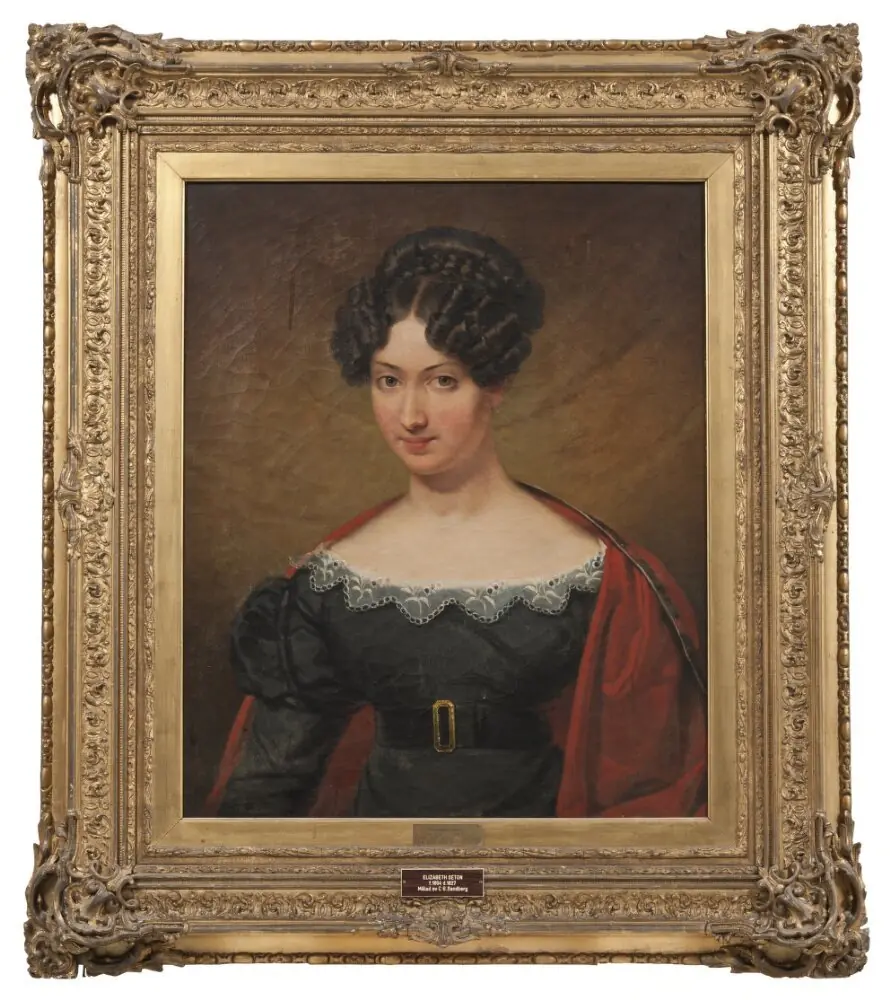 Elizabeth Seton (1804-1827), stiftsjungfru, sondotter till Alexander Baron Seton
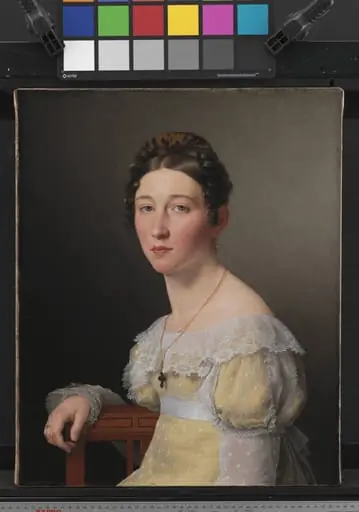 Portrait of Emilie Henriette Massmann, Betrothed of Frederik Wilhelm Caspar von Benzon
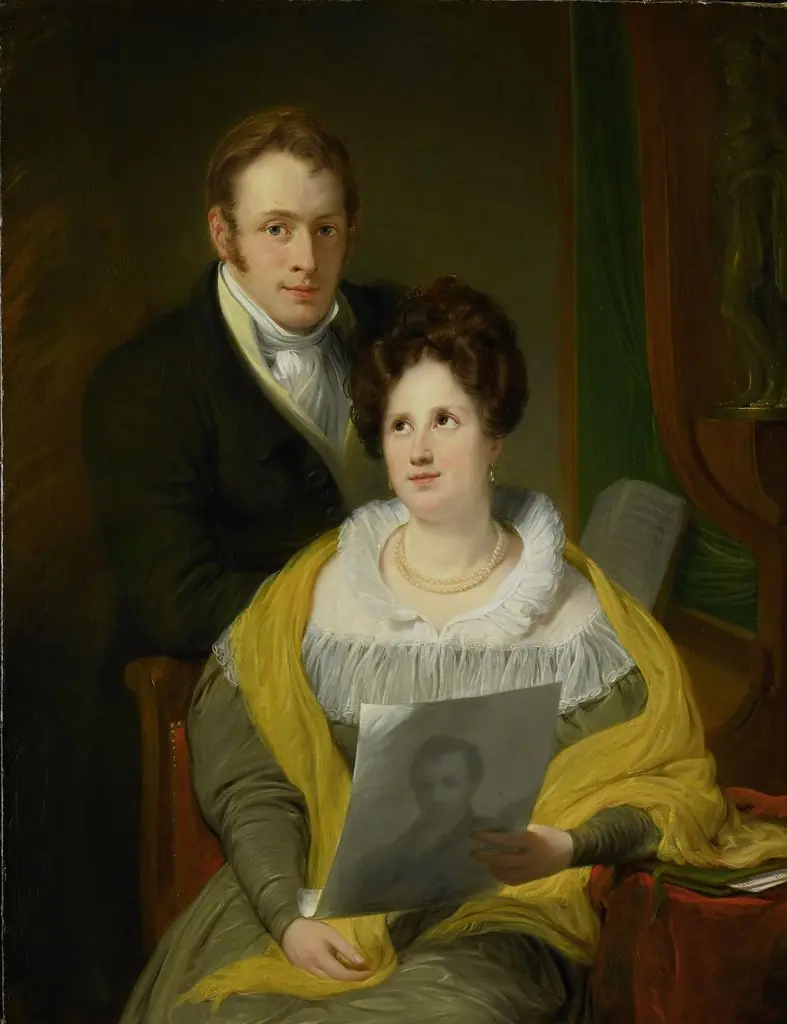 Portrait of a Woman and a Man
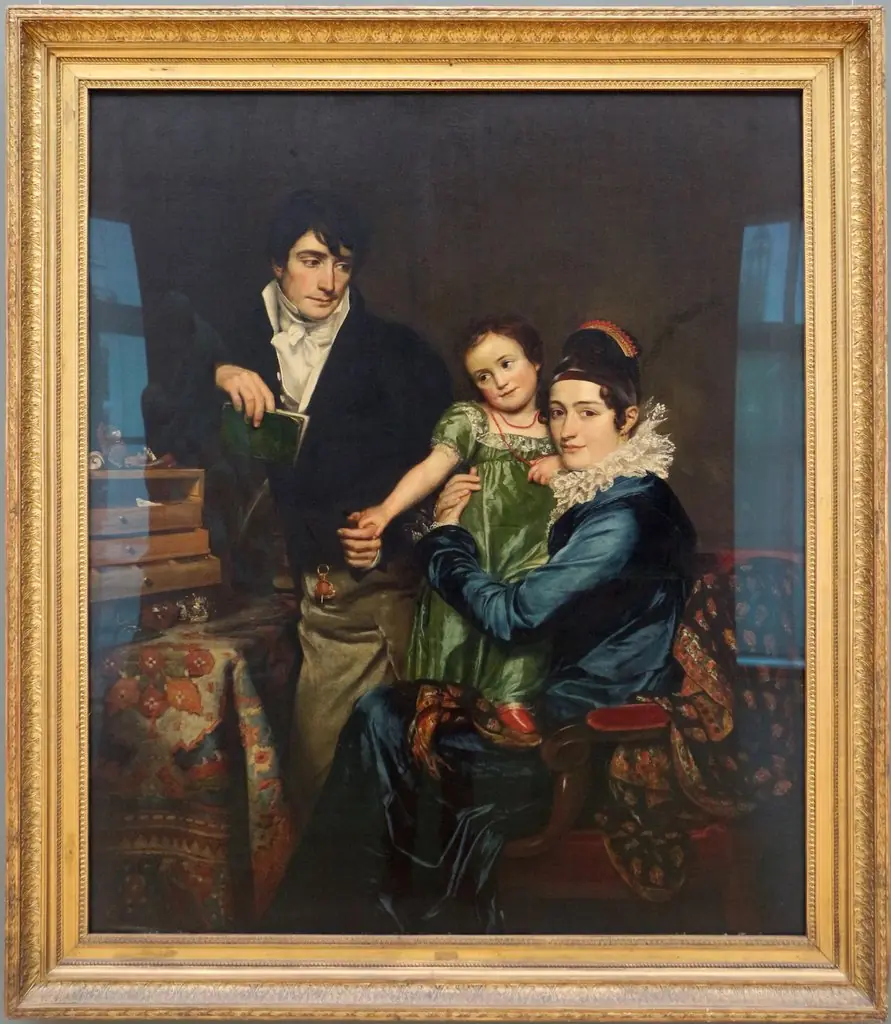 Portrait of the family of August Donat de Hemptinne (1783-....)
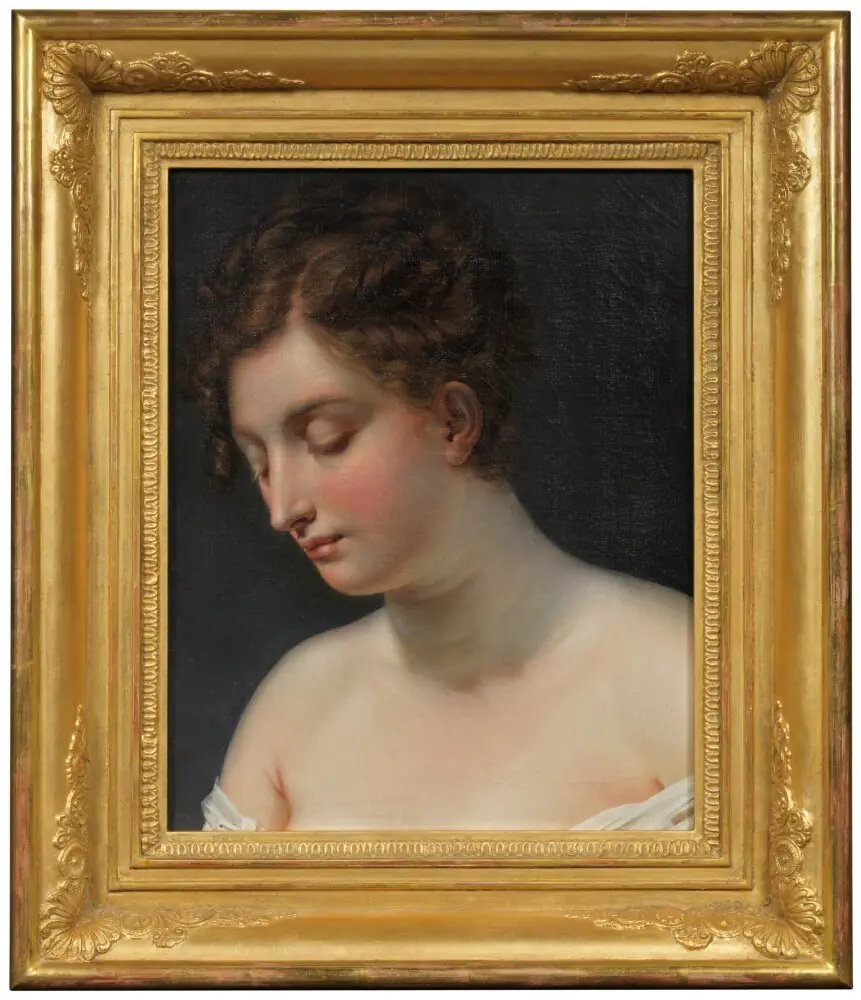 Galathea. Study
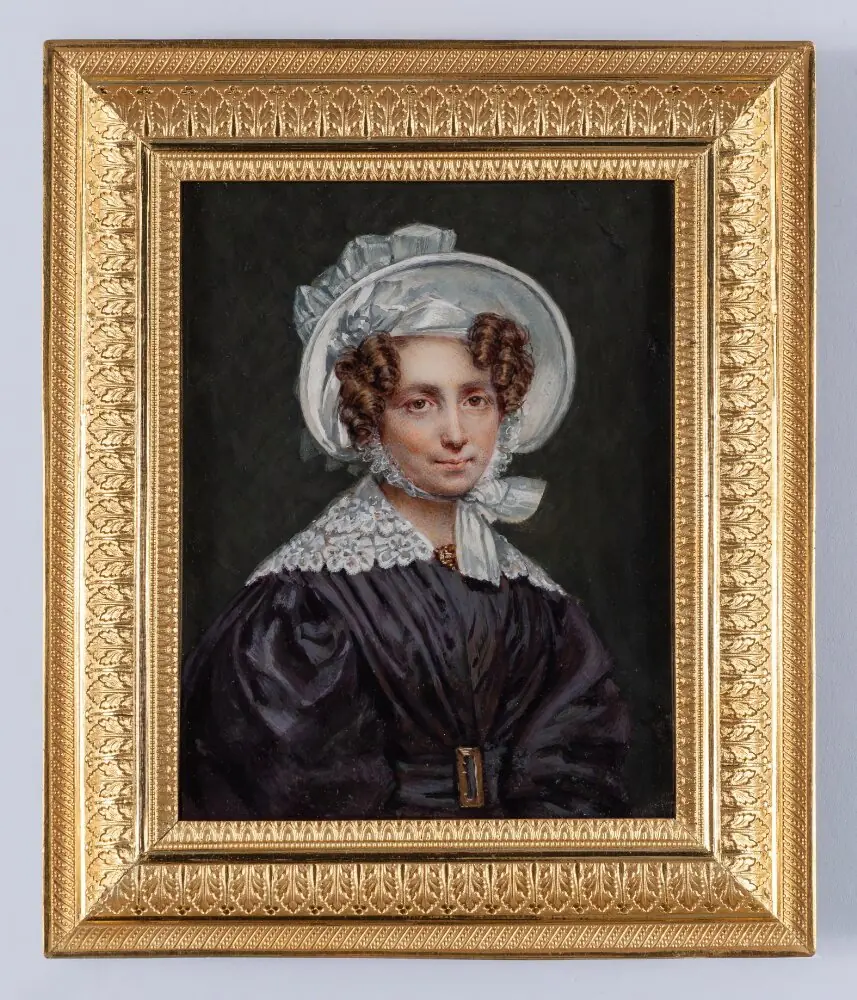 Porträtt av ung kvinna i en violett klänning med vit spetskrage
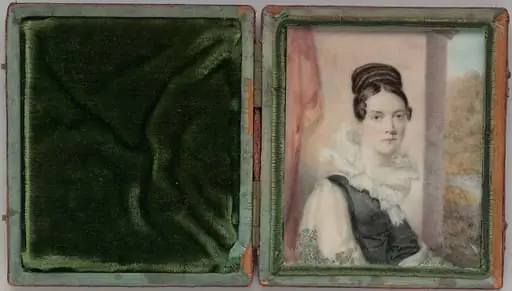 Portrait of a Lady
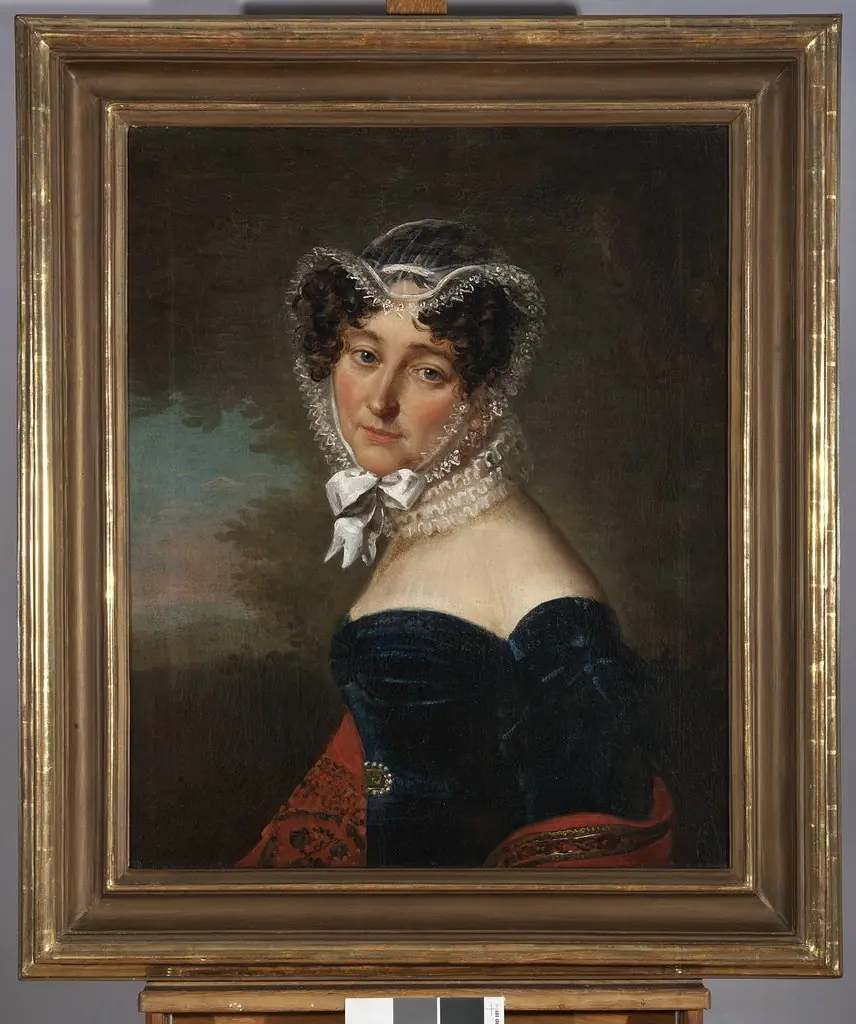 Portrait of Józefa Węgleńska née Tyrowska
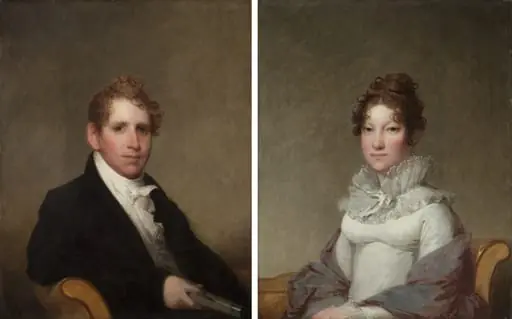 Dr. James Stuart; Mary Campbell Stuart
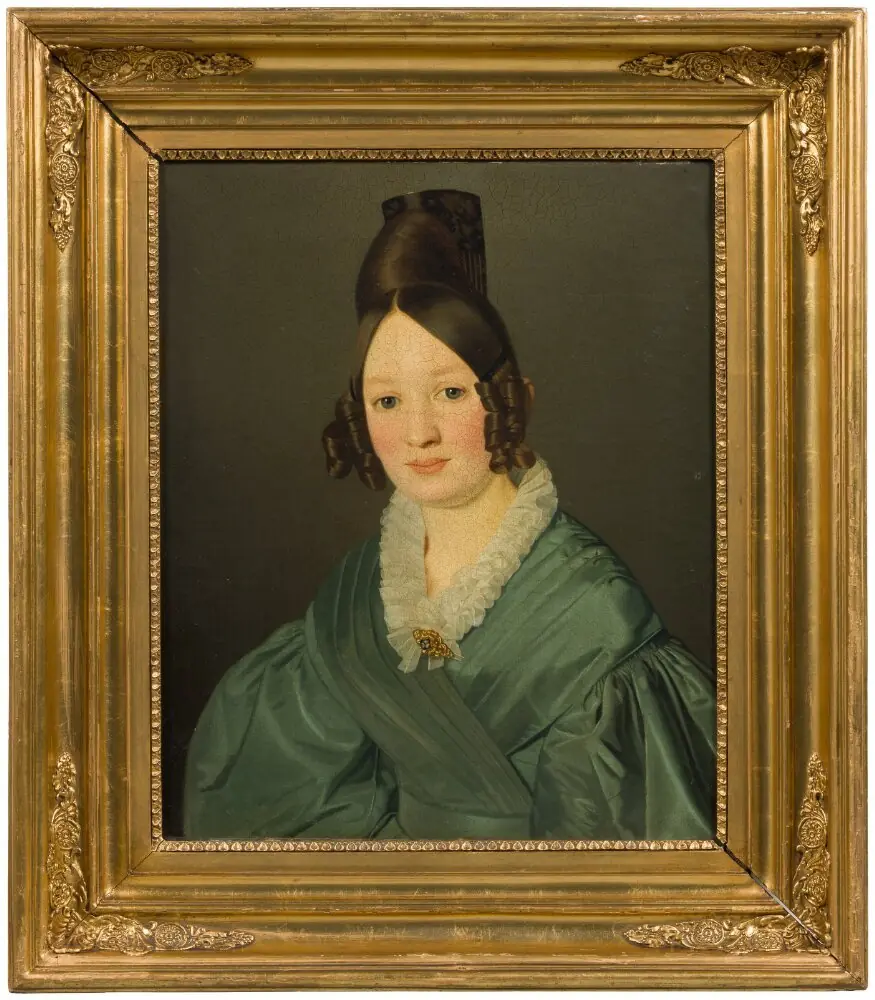 Portrait of a Woman