Artwork
Archduchess Constance (1588-1631), Queen of Poland, with a Monkey
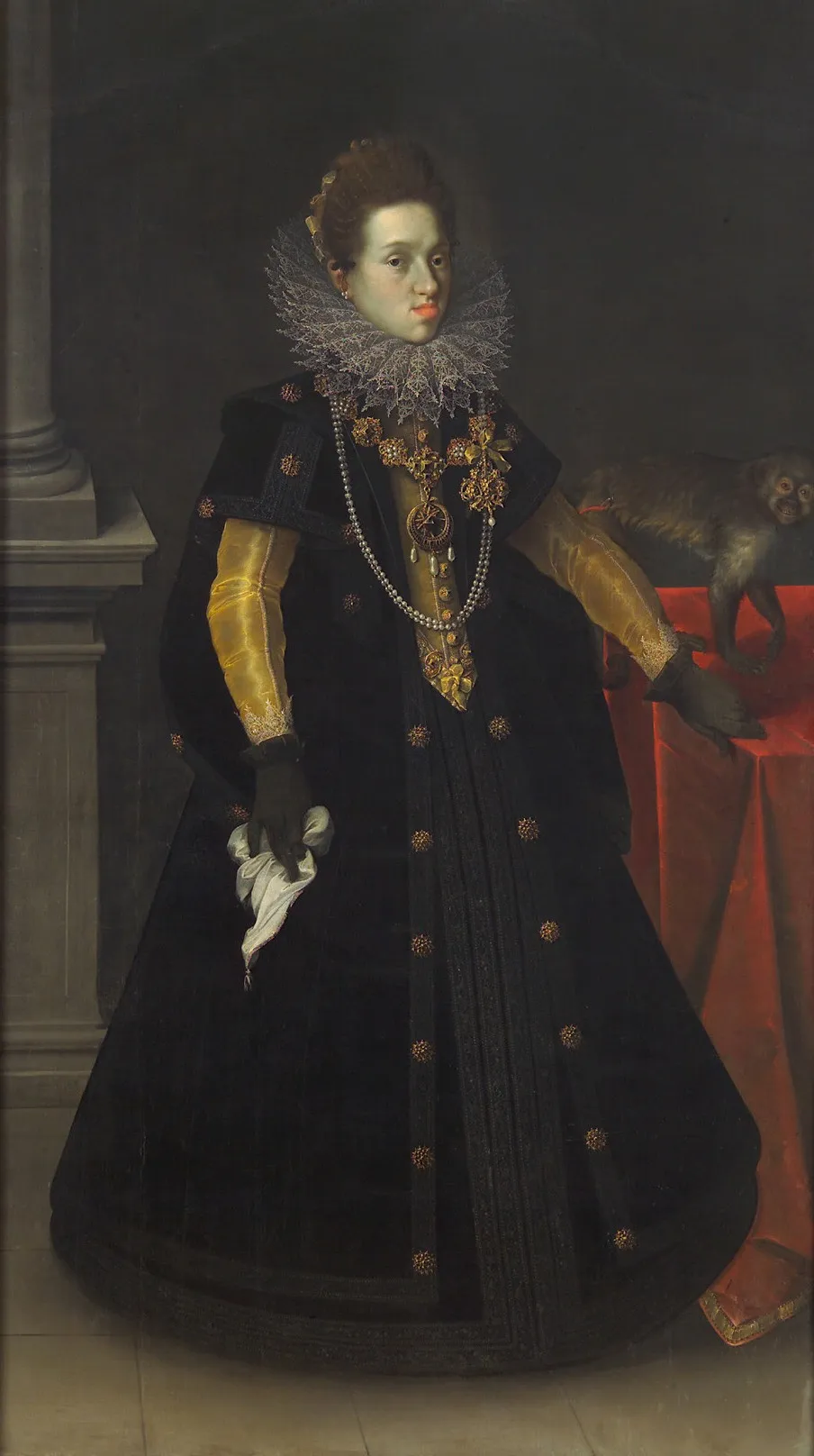
Archduchess Constance (1588-1631), Queen of Poland, with a Monkey is an oil painting by the Early Baroque Italian artist Joseph Heintz the Elder. It dates from 1604 and is held in the collection of the Kunsthistorisches Museum. This oil painting, dated 1604, portrays Archduchess Constance of Austria, who later became Queen of Poland.
About this work
Overview
Attributed to Joseph Heintz the Elder, it presents a formal depiction of the subject in a dimly lit interior.
This oil painting, dated 1604, portrays Archduchess Constance of Austria, who later became Queen of Poland. Attributed to Joseph Heintz the Elder, it presents a formal depiction of the subject in a dimly lit interior. The composition emphasizes her status through attire and symbolic elements, including an accompanying animal, while the subdued palette and selective gilding underscore the work’s courtly context.
Subject & Meaning
The portrait captures Constance of Austria, then Archduchess, shortly before her marriage to Sigismund III Vasa of Poland. Her somber black gown, adorned with gold embroidery, reflects both Spanish-influenced fashion and Habsburg austerity. The monkey, a recurring motif in Renaissance portraiture, may signify exoticism or the taming of nature, aligning with contemporary allegorical conventions. The white cloth she holds could denote purity or dynastic continuity.
Technique & Style
Heintz employs a restrained yet precise technique, characteristic of late Mannerist portraiture. The dark background, punctuated by subtle chiaroscuro, directs focus toward the sitter’s face and luxurious garments. Gold accents, meticulously rendered, highlight the interplay of light on fabric, while the monkey’s fur and the cloth’s texture demonstrate the artist’s attention to material detail. The composition’s verticality reinforces the subject’s regal bearing.
History & Provenance
The painting entered the Kunsthistorisches Museum’s collection as part of the Habsburg imperial holdings. Its creation in 1604 coincides with Constance’s betrothal to Sigismund III, suggesting it may have served as a diplomatic or commemorative commission. Though its early ownership remains undocumented, its survival within the museum’s inventory indicates its preservation as a dynastic record rather than a private work.
Context
Portraits of Habsburg women during this period often balanced personal likeness with political symbolism. Constance’s marriage to Sigismund III, ruler of Poland-Lithuania, reinforced Habsburg influence in Central Europe. The inclusion of a monkey—a luxury import—reflects the era’s fascination with global trade and courtly spectacle. Such works circulated among European elites, reinforcing alliances and dynastic prestige.
Legacy
While not among Heintz’s most frequently reproduced works, this portrait contributes to the study of early 17th-century court portraiture. Its depiction of Constance aligns with broader Habsburg iconographic traditions, where female sitters were often framed by symbols of virtue and power. The painting’s presence in the Kunsthistorisches Museum ensures its role in ongoing discussions of Renaissance portraiture and dynastic representation.
Artist & collection

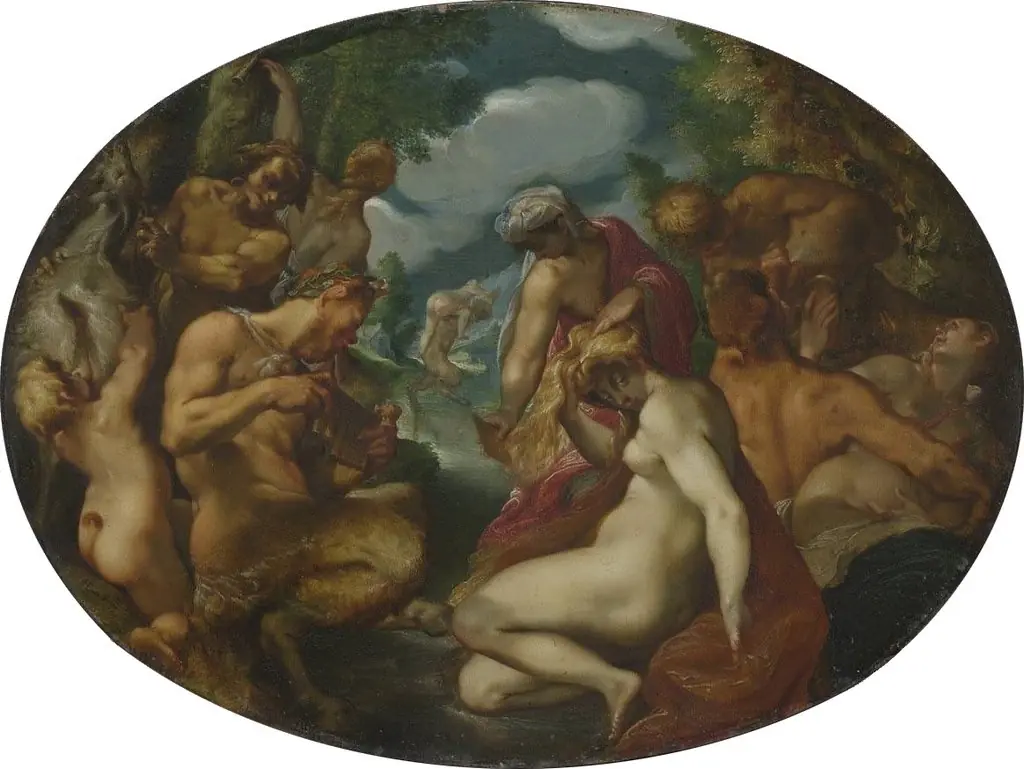 Satyrs and nymphs
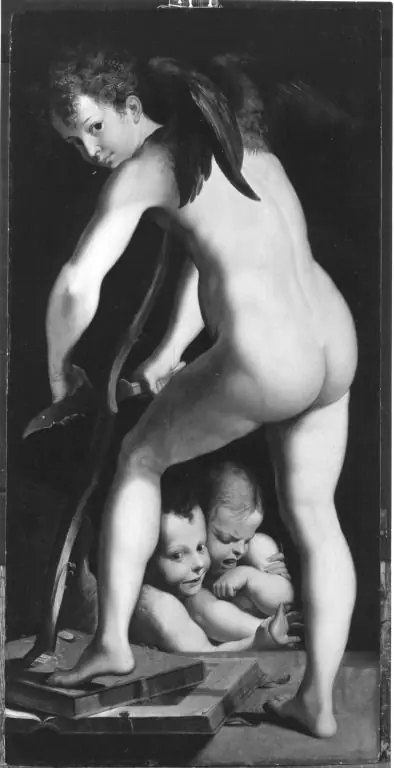 Cupid carves the bow
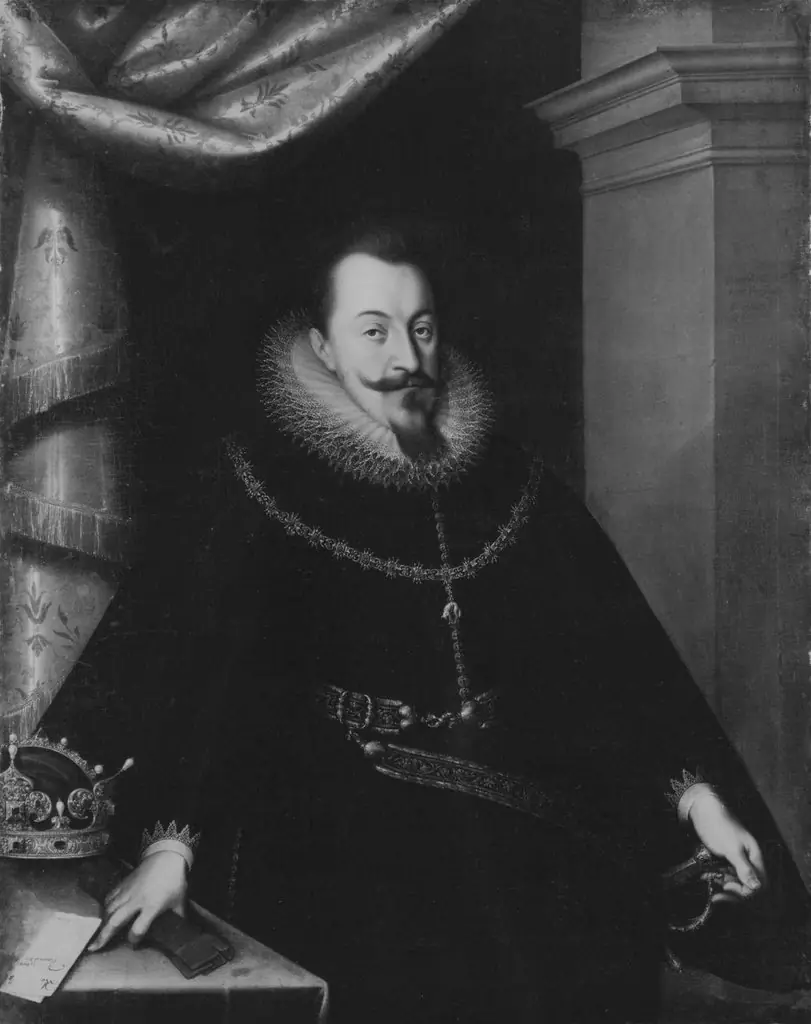 Bildnis des Königs Sigismund III. Vara von Polen und Schweden
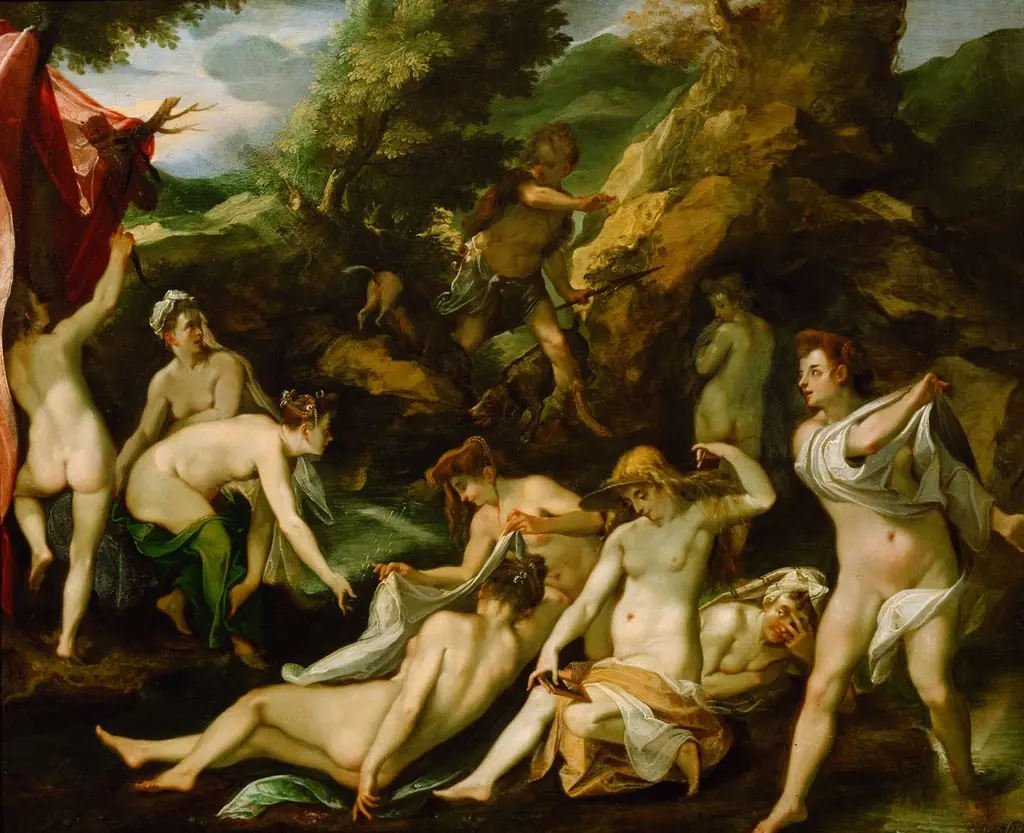 Diana and Actaeon
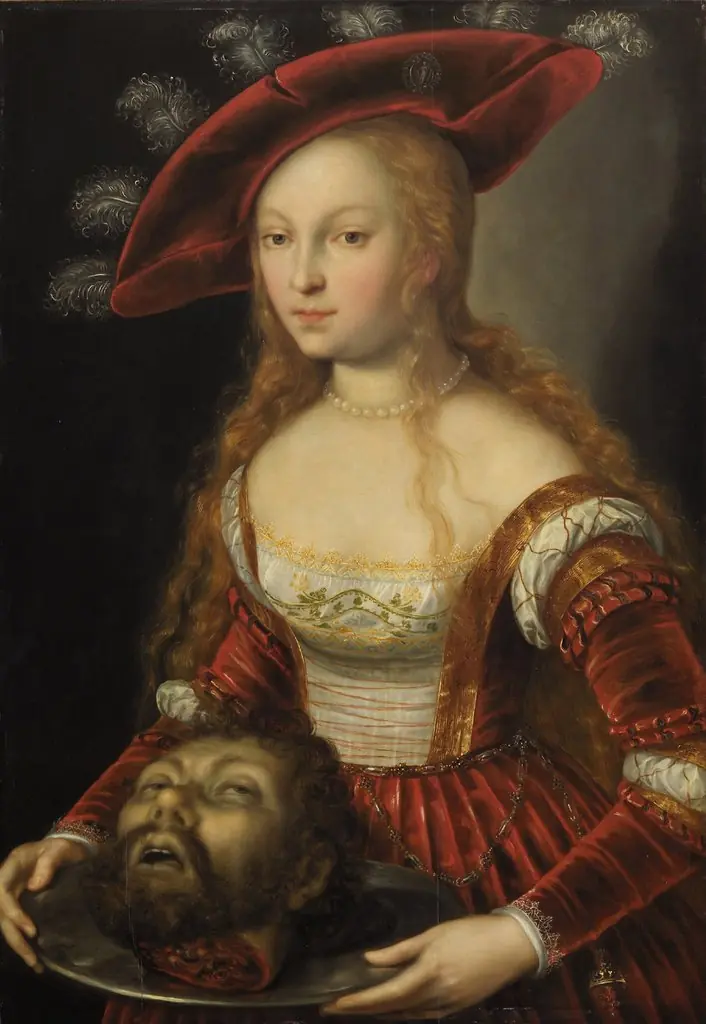 Salome with the head of John the Baptist
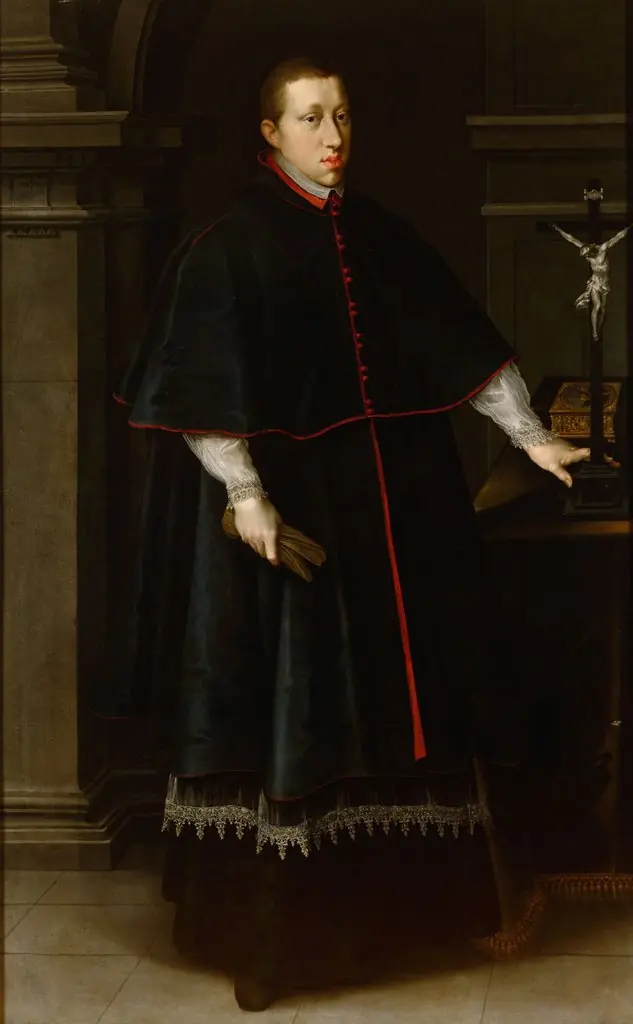 Archduke Leopold V (1586-1632) in the Spiritual Garment
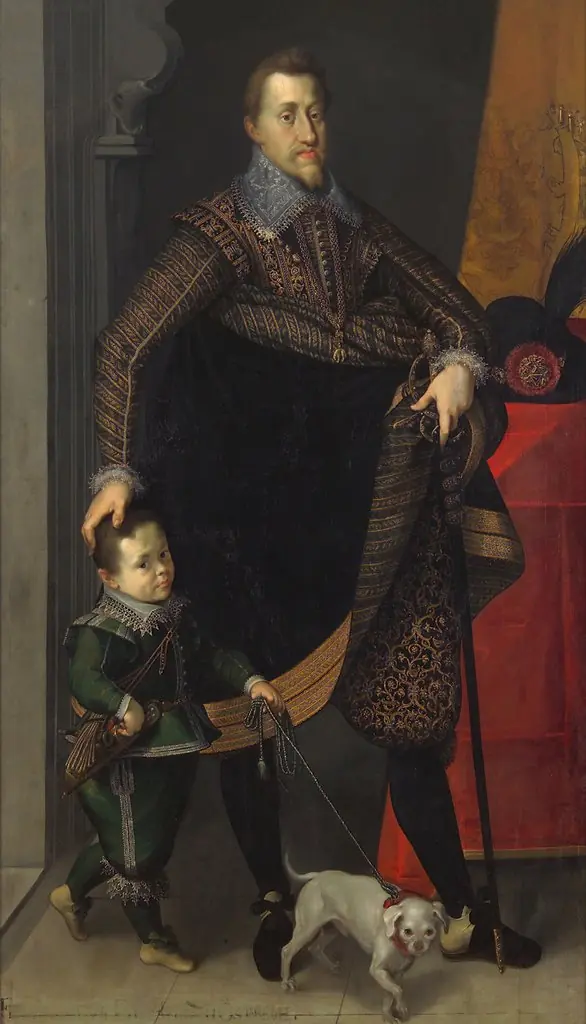 Emperor Ferdinand II (1578-1637) in Full Figure with a Court Dwarf
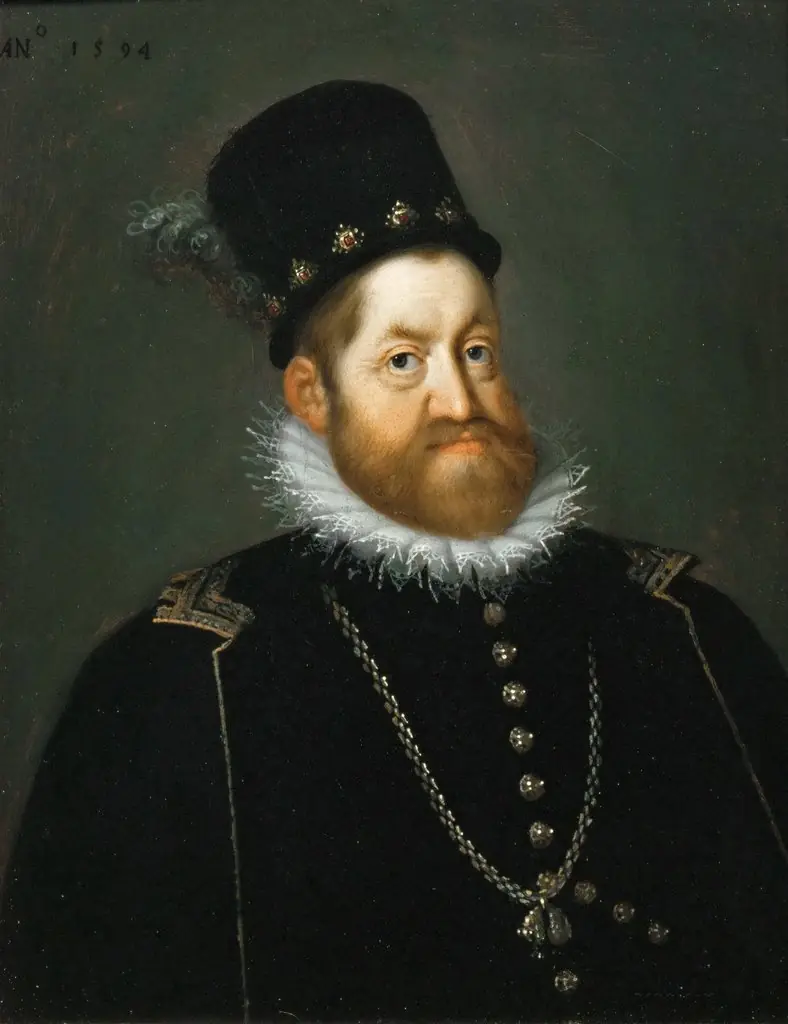 Porträt des Kaisers Rudolf II.
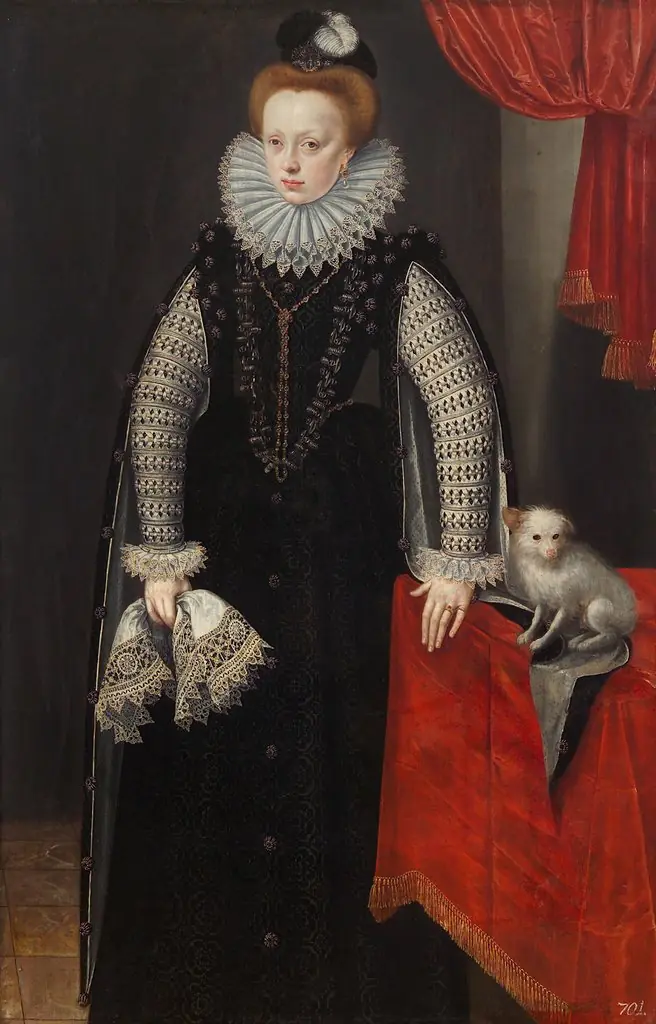 Duchess Sibylle (1557-1627) von Jülich-Cleve-Berg
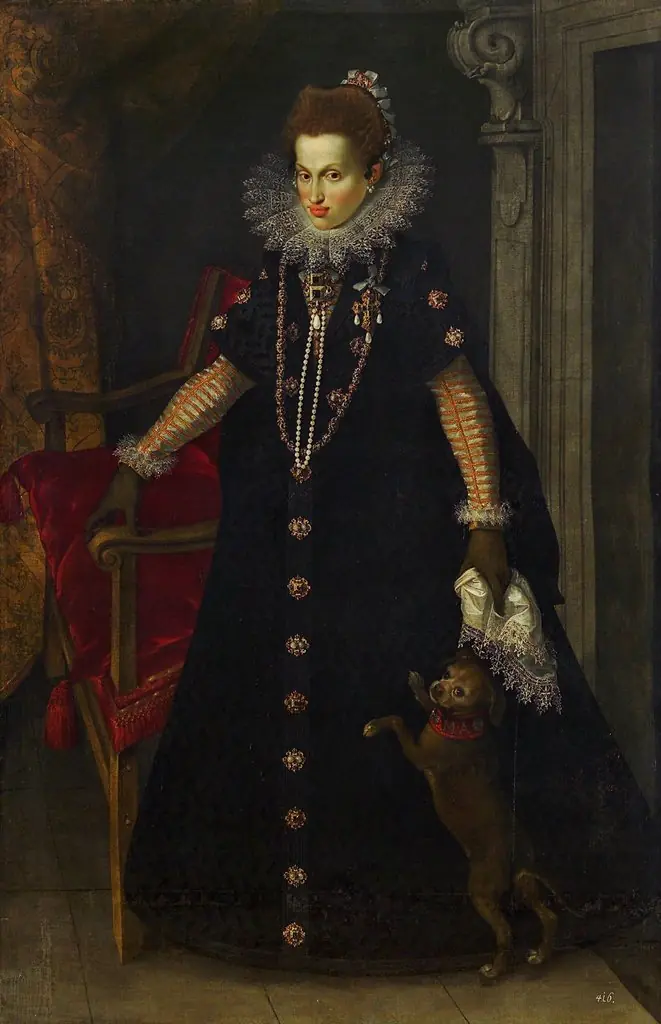 Portrait of Maria Anna of Bavaria (1574–1616), Archduchess of Austria
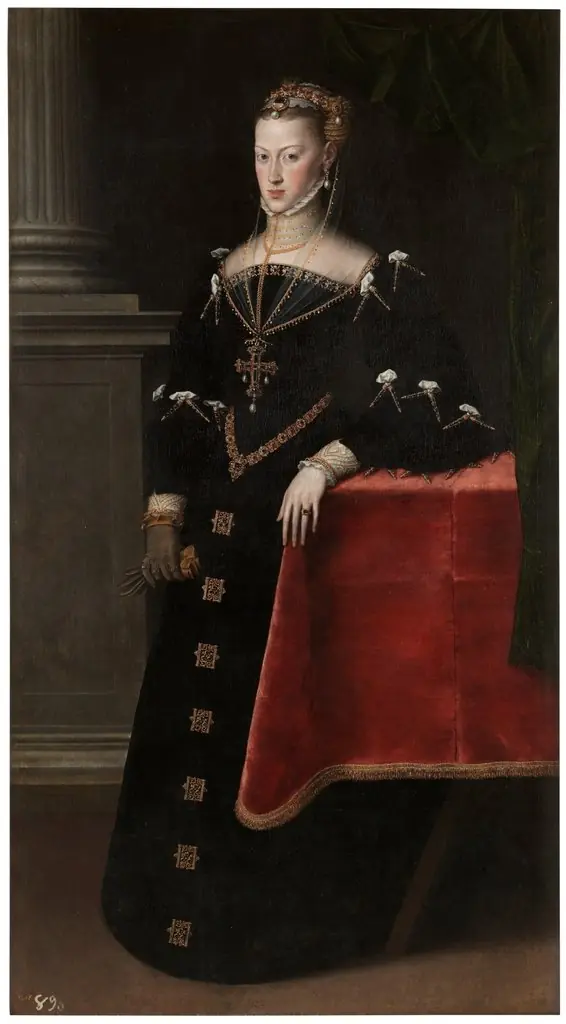 Empress Maria of Austria, Wife of Maximilian II
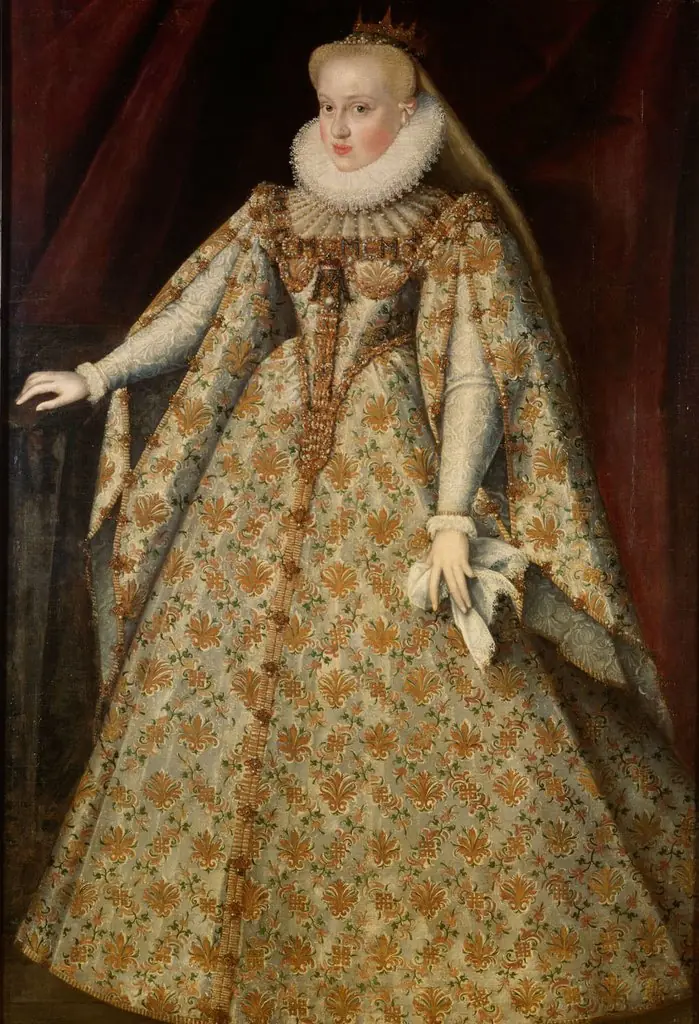 Portrait of Archduchess Maria Christina of Austria (1574–1621)
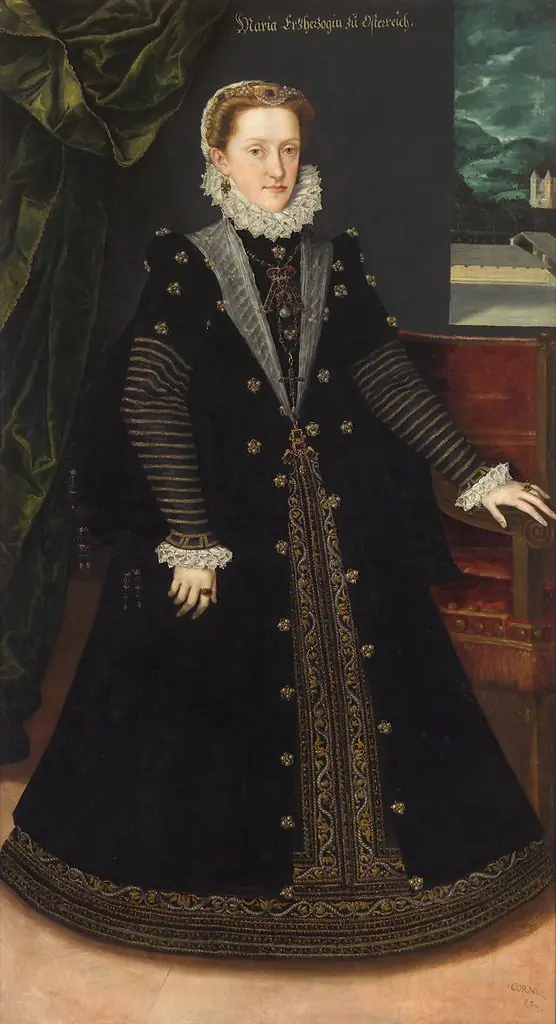 Portrait of Archduchess Mary Anna of Bavaria
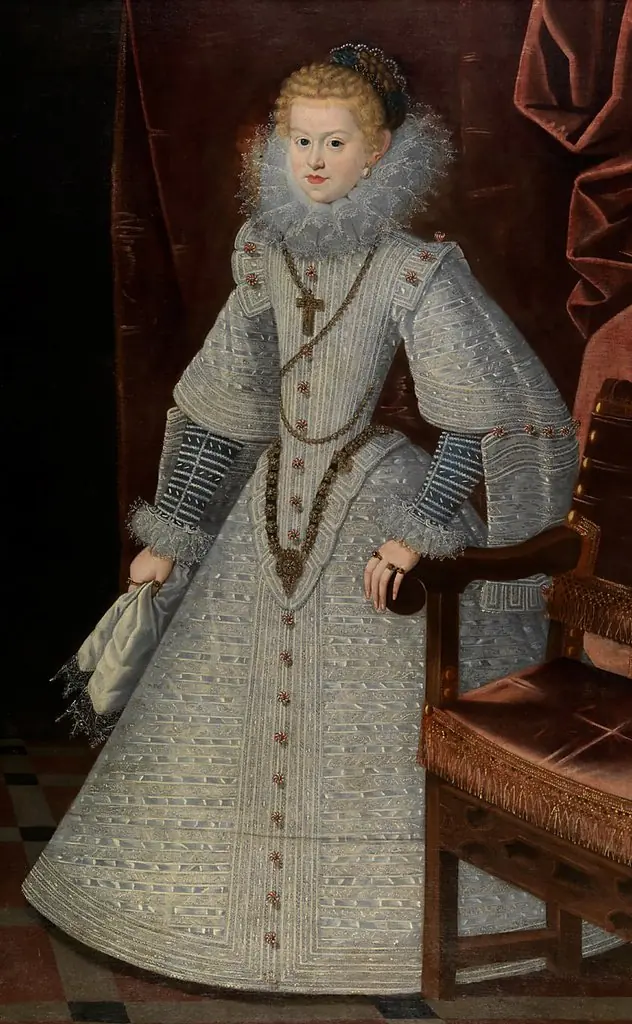 Infantin Maria Anna (1606-1646), Kaiserin, in ganzer Figur
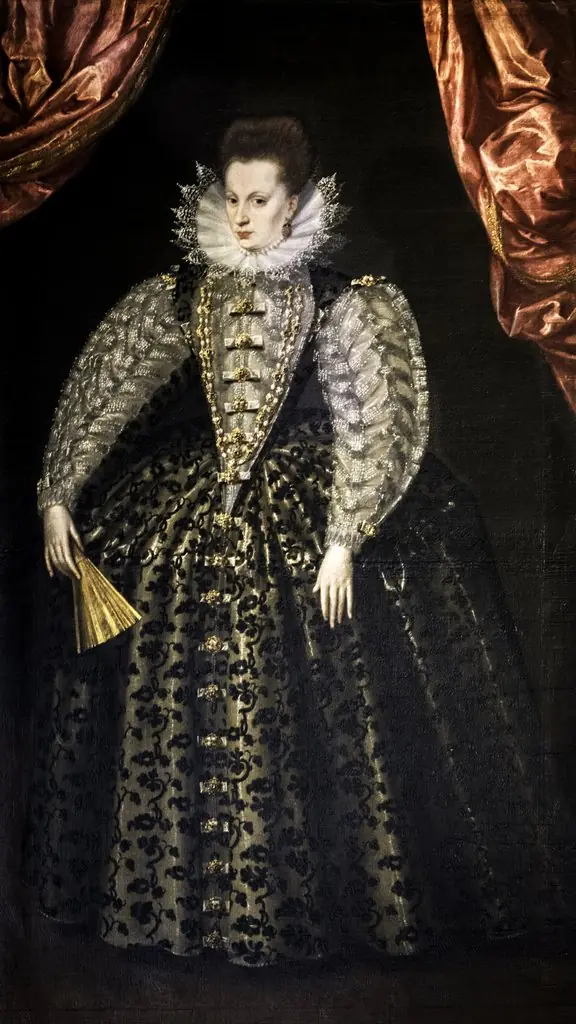 Portrait of Elisabeth Renata von Lothringen, wife of Maximilians I. von Bayern
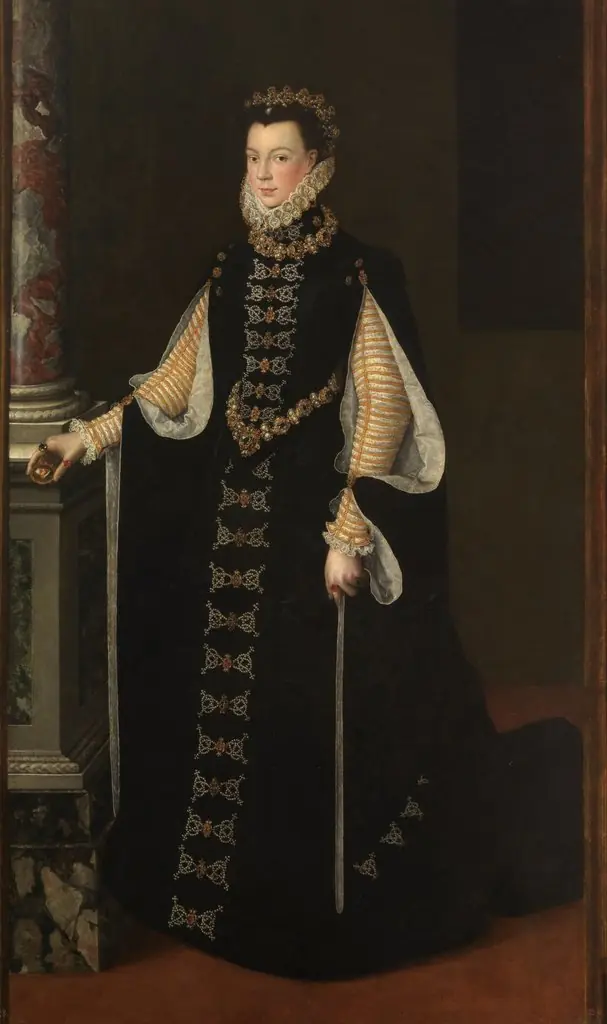 Portrait of Elisabeth of Valois
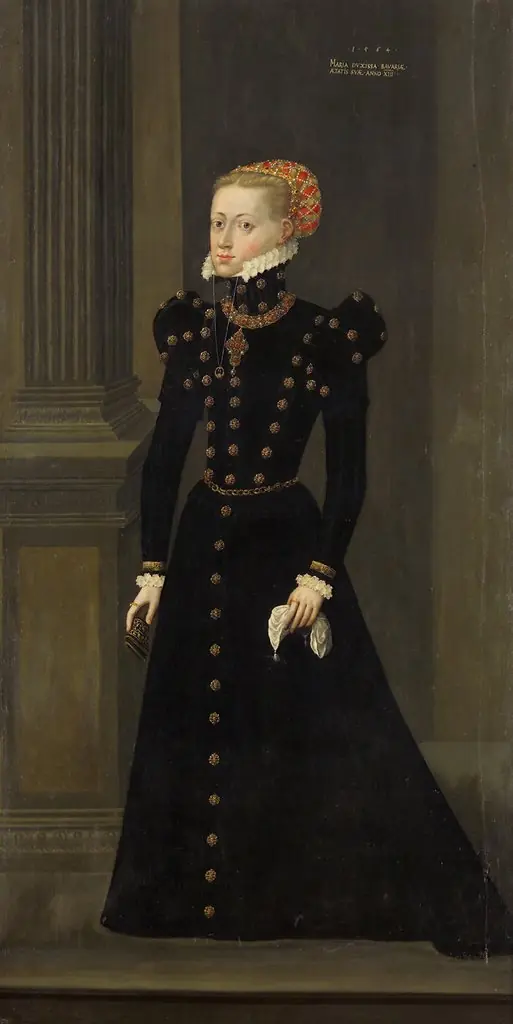 Maria (1551-1608), Herzogin in Bayern, Erzherzogin, im Alter von 13 Jahren
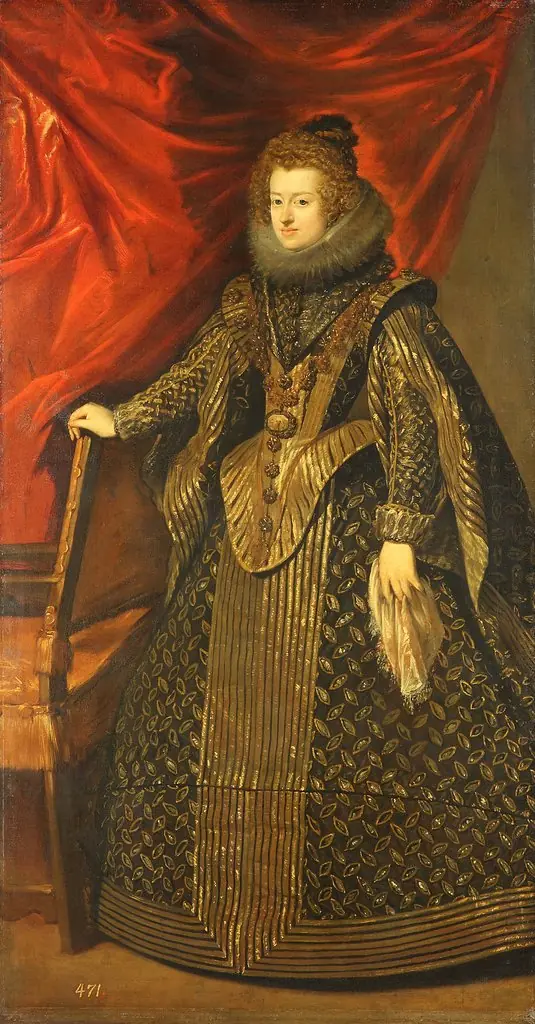 Portrait of Infanta María of Habsburg (1606-1646)