Artwork
Augusta of Bavaria, Duchess of Leuchtenberg
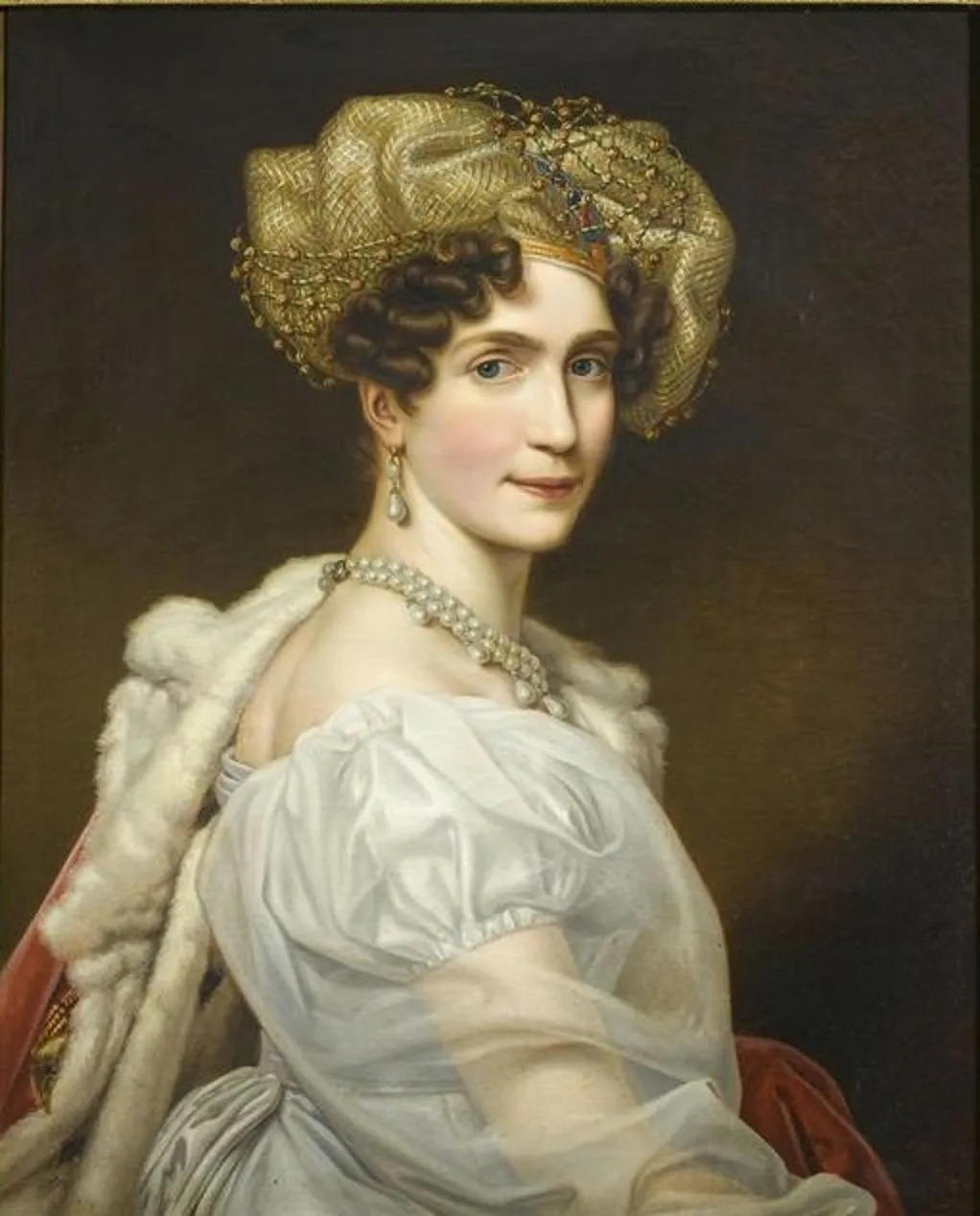
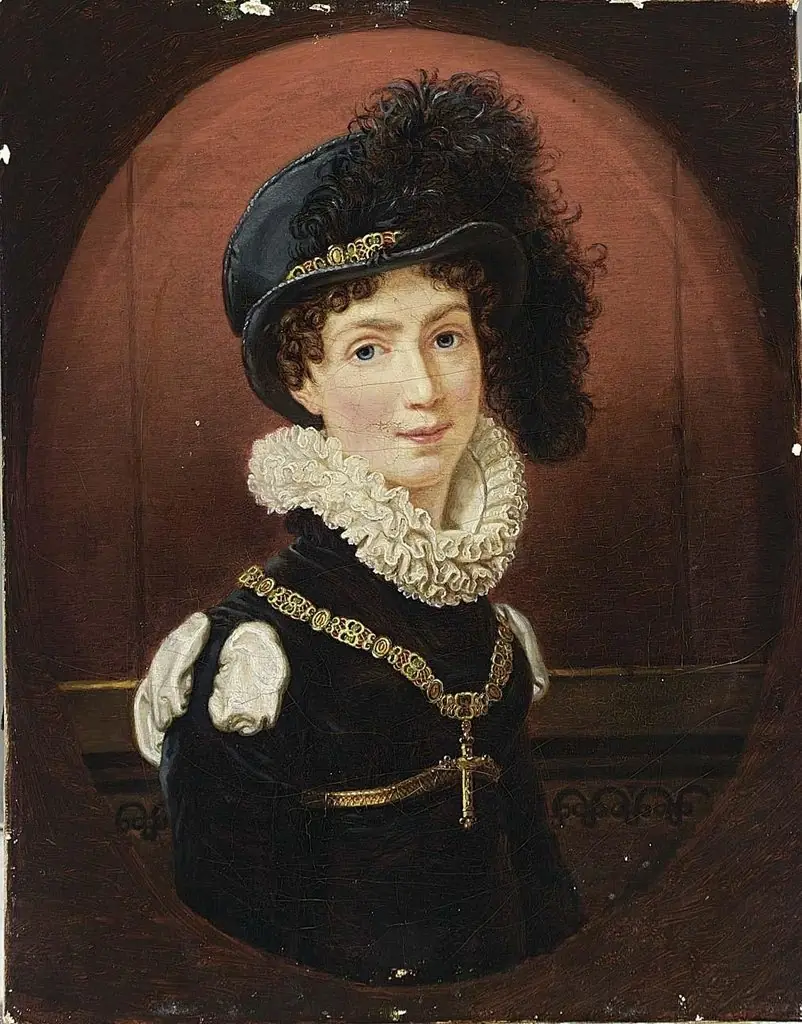
Augusta of Bavaria, Duchess of Leuchtenberg is an oil painting by the Neoclassicist artist Joseph Karl Stieler. It dates from 1829 and is held in the collection of the Château de Malmaison.
About this work
Overview
Painted around 1829 by Joseph Karl Stieler, this portrait captures Augusta of Bavaria, Duchess of Leuchtenberg, in a formal yet intimate pose.
Painted around 1829 by Joseph Karl Stieler, this portrait captures Augusta of Bavaria, Duchess of Leuchtenberg, in a formal yet intimate pose. Stieler, then court painter to the Bavarian monarchy, specialized in dignified likenesses of royalty. The work is part of a broader series of aristocratic portraits and resides today in the collection of Château de Malmaison, reflecting its historical ties to European noble circles.
Subject & Meaning
Augusta Amalia of Bavaria, daughter of King Maximilian I Joseph, is portrayed not as a queen but as a duchess by marriage, emphasizing her status within the extended royal network. Her composed expression and restrained posture convey aristocratic poise rather than emotional display. The elaborate headdress and pearl jewelry signify lineage and wealth, while the neutral gaze suggests a deliberate distance, typical of courtly representation in the early 19th century.
Technique & Style
Stieler employed a Neoclassical approach, favoring clarity of form and refined detail. The use of chiaroscuro models the figure with subtle gradations of light and shadow, enhancing the three-dimensionality of her face and draped garments. The dark, unobtrusive background isolates the subject, focusing attention on texture—the sheen of pearls, the softness of fur, and the crisp folds of her white gown—without decorative distraction.
History & Provenance
Commissioned during Augusta’s time as Duchess of Leuchtenberg, the painting likely served as a dynastic record. It entered the collection at Château de Malmaison, former residence of Empress Joséphine, through familial or diplomatic channels. Its preservation there links it to the Napoleonic era’s aristocratic networks, underscoring its role as a cultural artifact of interwoven European noble families.
Context
Created in the wake of the Napoleonic Wars, this portrait reflects a period when European royalty sought to reaffirm legitimacy through visual culture. Stieler’s work aligned with broader trends in court portraiture that emphasized decorum and lineage. Augusta’s depiction, though personal, conforms to conventions of aristocratic representation, where attire and demeanor communicated political and social standing more than individuality.
Legacy
Though not among Stieler’s most widely exhibited works, the portrait contributes to the understanding of Bavarian court aesthetics and the role of women in dynastic imagery. It remains a quiet example of early 19th-century portraiture that prioritized status over sentiment, preserving the visual language of nobility during a time of shifting political orders across Europe.
Artist & collection
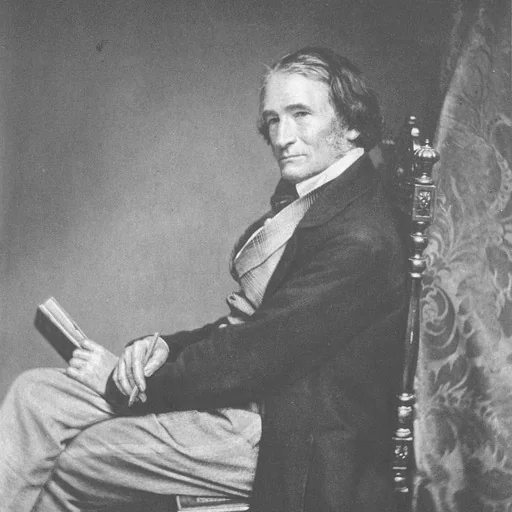
Artist
Joseph Karl Stieler (1 November 1781 – 9 April 1858) was a German painter. From 1820 until 1855 he worked as royal court painter for the Bavarian kings. He is known for his Neoclassical portraits, especially for the…

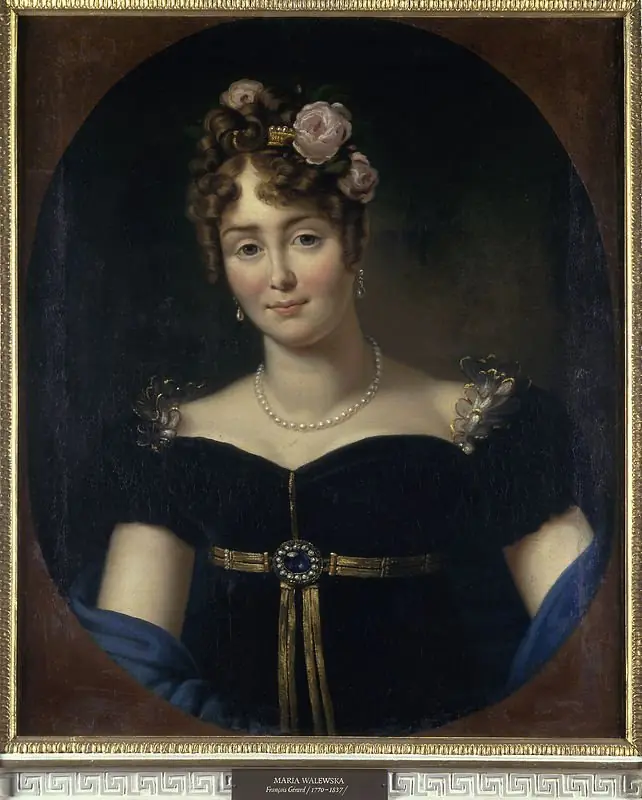 Portrait of Maria Walewska (1786–1817)
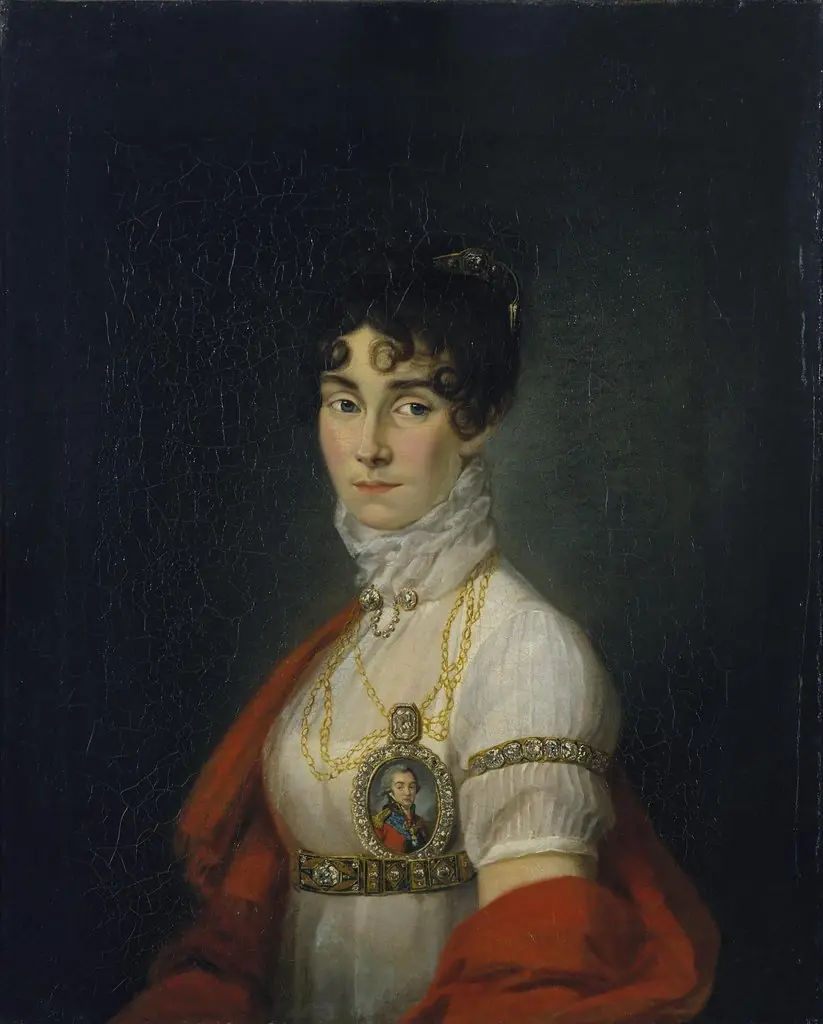 Portrait of Praskovia Kovalyova-Zhemchugova, Countess Sheremeteva (1768-1803)
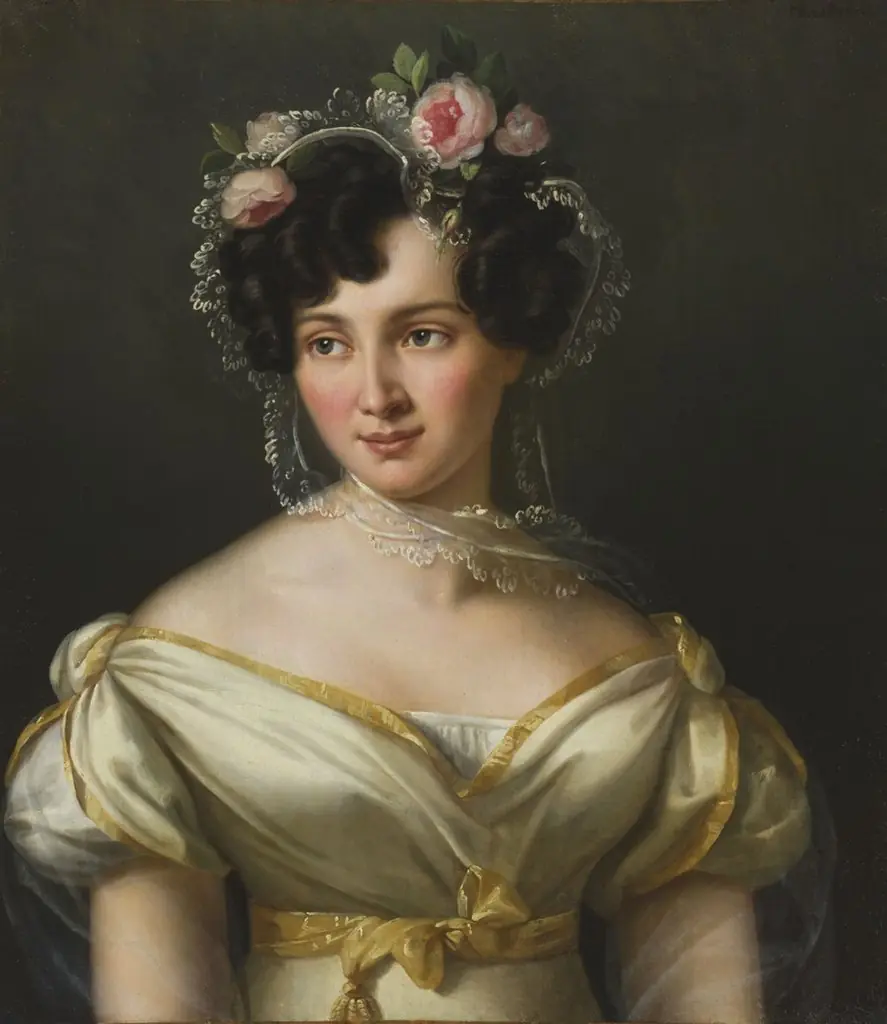 Portrait of Princess Anna Nikolayevna
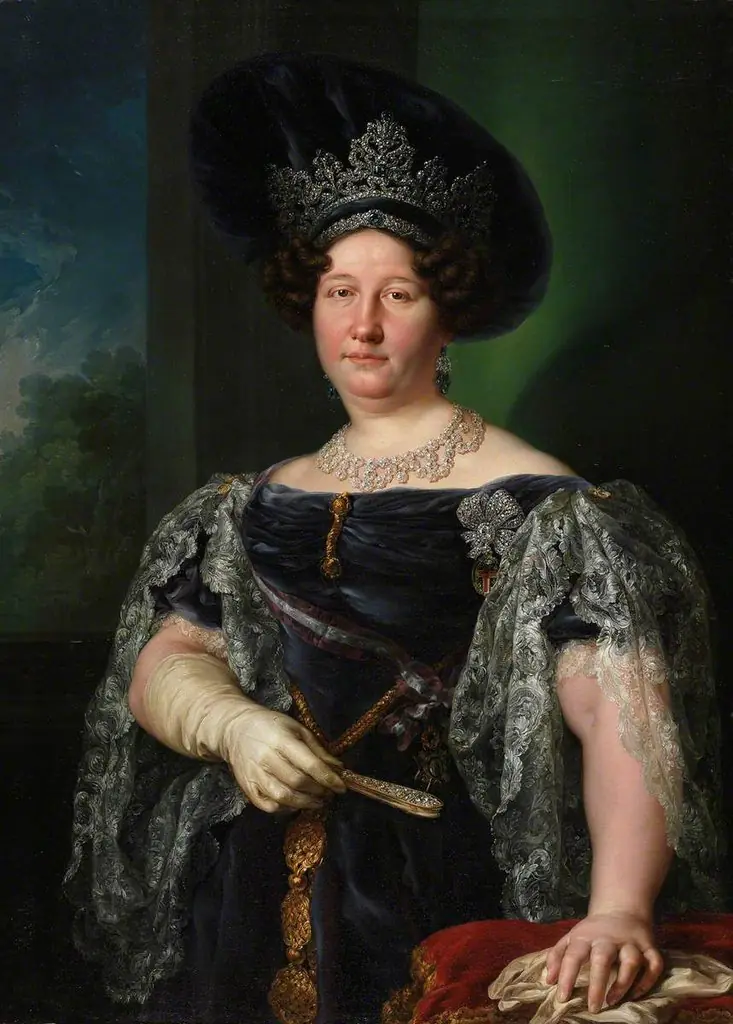 Maria Isabel du Boubón, Queen of the Two Sicilies
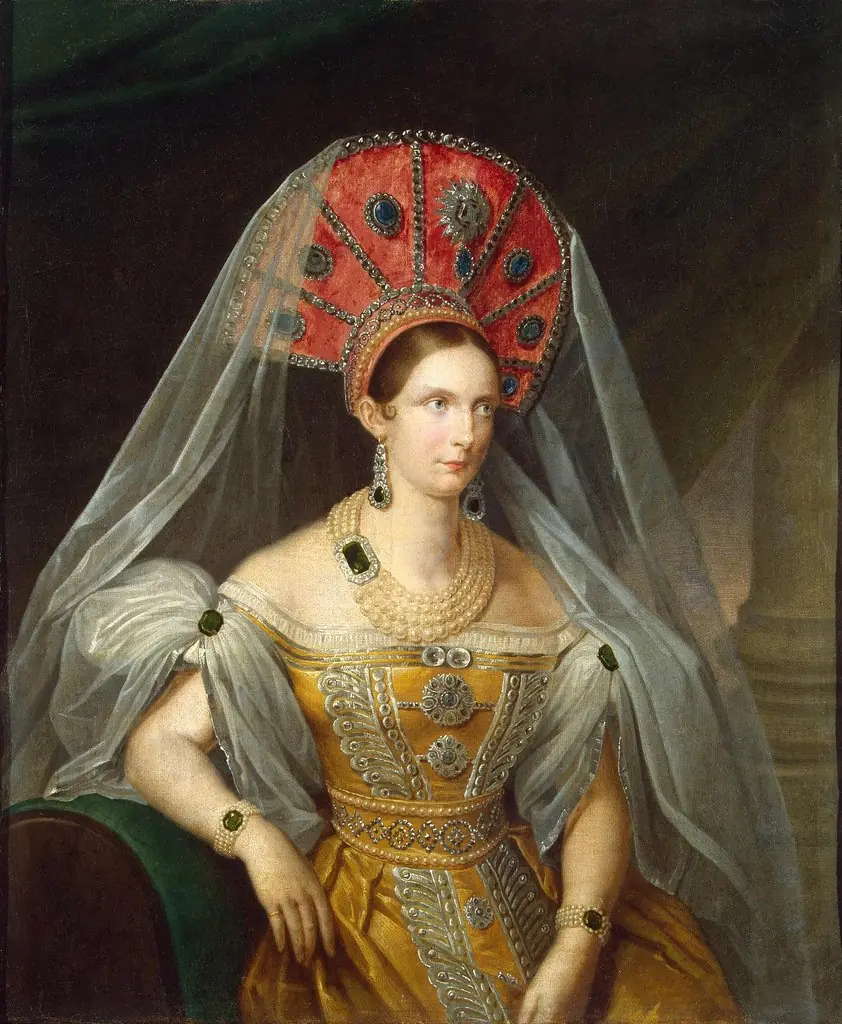 Portrait of Empress Alexandra Feodorovna
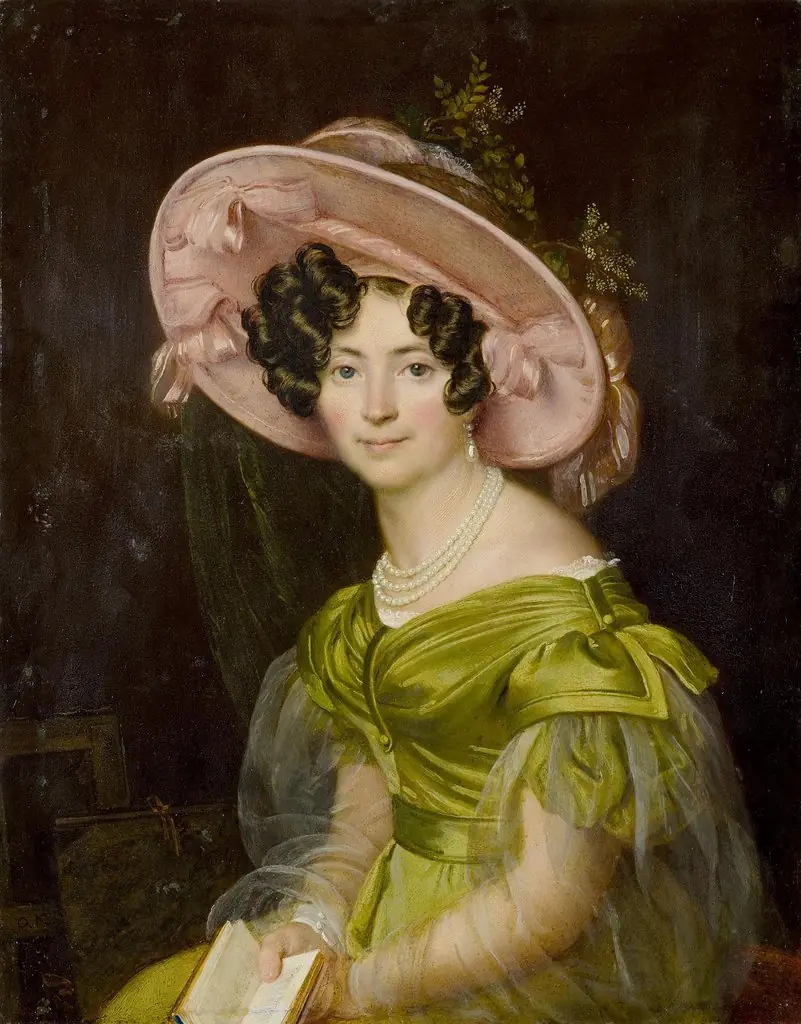 Portrait of Zinaida Volkonskaya
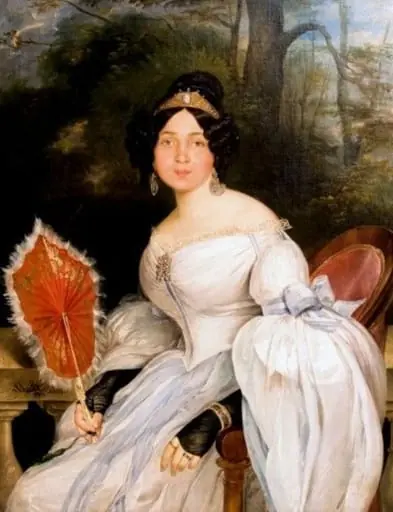 Portret de femeie cu evantai
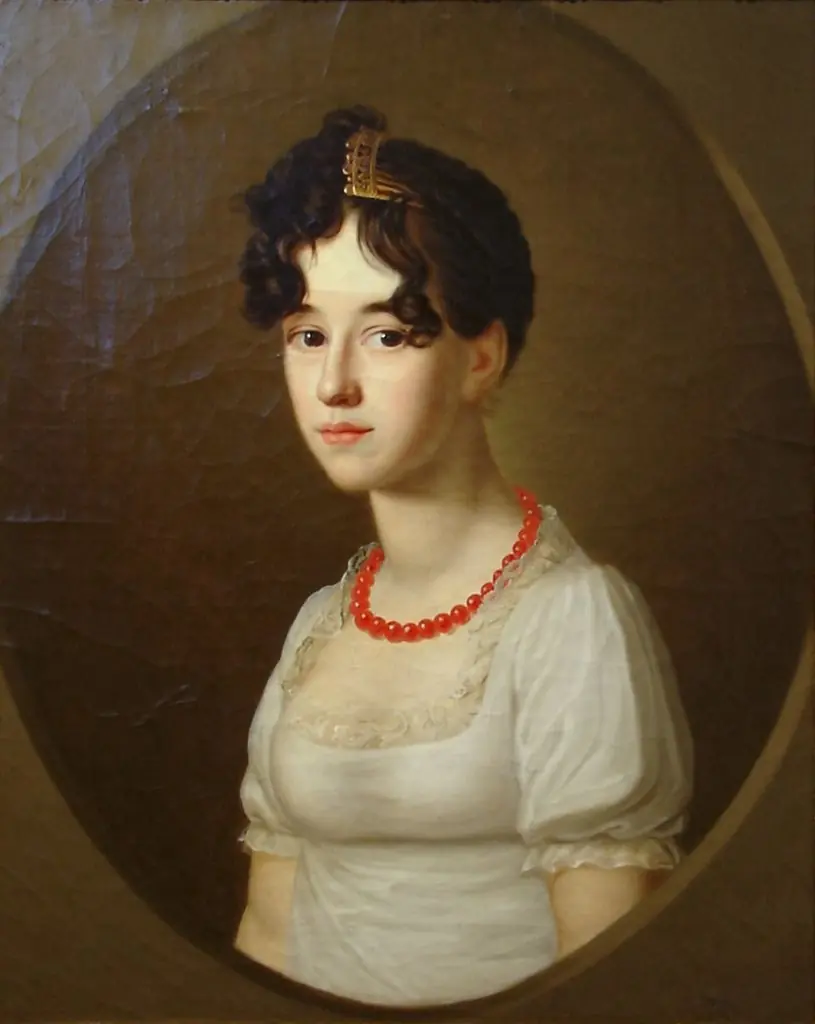 Portrait of Konstanzia Nákó
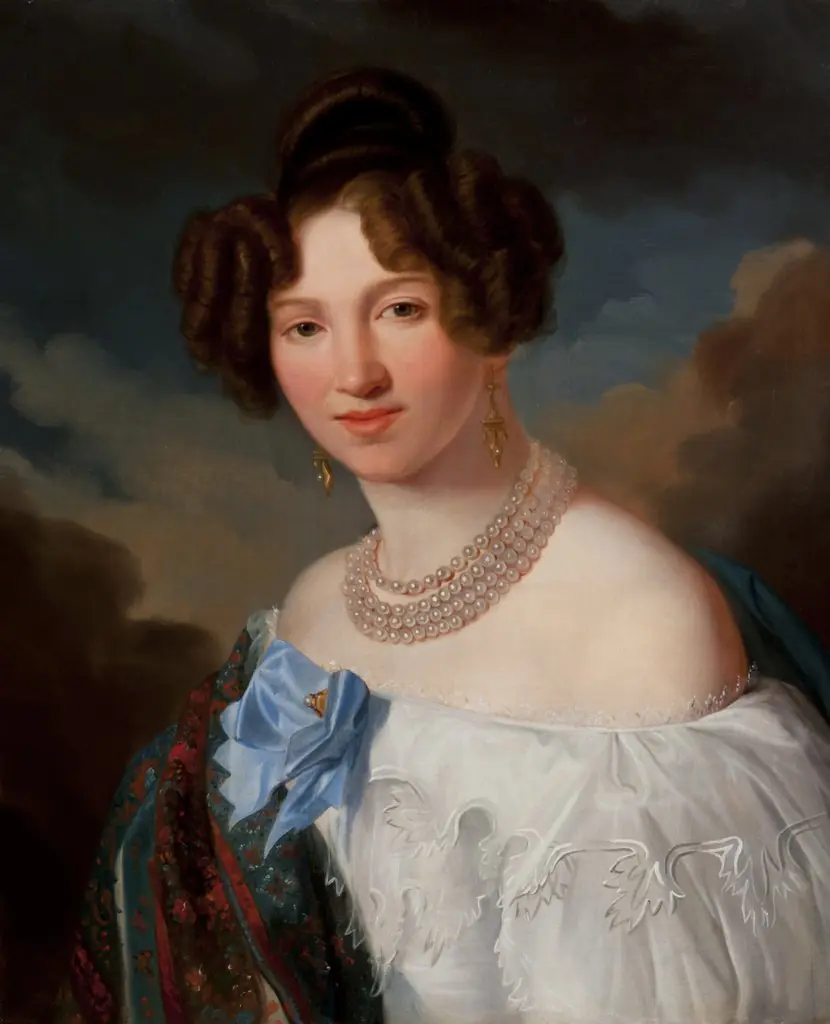 Portrait of Sydonia Henoch née Roller (Copy?)
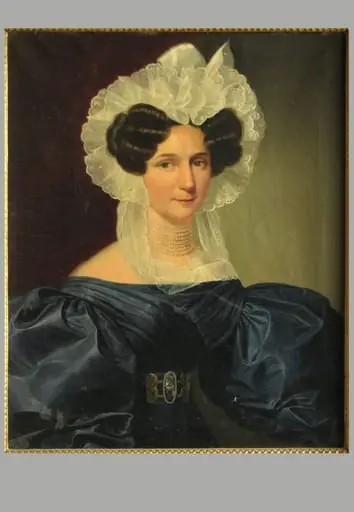 Maria Streidlin (în registrul inventar: Portret de femeie). Pandant: Portret de bărbat
 Portrait of Sofia Apraxina
 Carolina Augusta, soția împăratului austriac Franz I